TLP:CLEAR · Disclosure is not limited.
Middle East Conflict: Hormuz Disruption and Regional Spillover
Time window: Last 1 day · Audience: General analyst · Type: Situation report · DTG: 2026-09-07 18:37Z · Overall confidence: HIGH
BLUF
The United States and Iran have very likely entered a renewed escalation phase after US strikes on three Iranian oil tankers on 5 September and Iranian threats of a heavier response. Commercial traffic through the Strait of Hormuz is likely to remain severely constrained over the next 14 days, although claims that the waterway is completely closed conflict with evidence of limited vessel movements and proposed Iran-Oman safe-route arrangements.
Executive summary
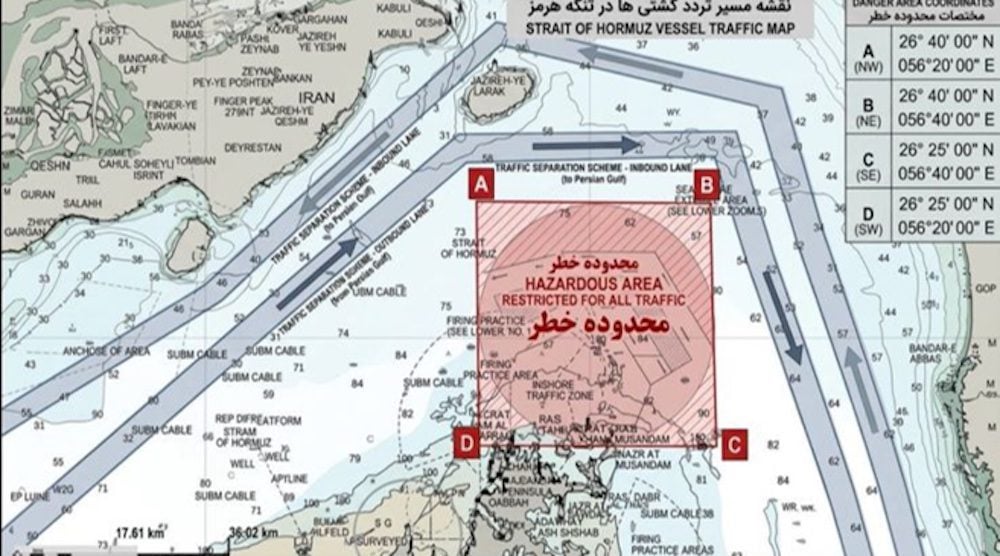
Reporting on 7 September indicates renewed US-Iran military exchanges after a month-long lull, including US strikes on Iranian oil tankers and Iranian attacks or claimed attacks against US-linked assets and Gulf interests. Kpler recorded roughly 10 commodity vessels per day through the Strait of Hormuz over the previous 10 days, compared with about 125 before the conflict, while Iran announced a restricted zone and negotiated a temporary route with Oman. Diplomatic activity continues through Qatar, Oman and the June memorandum of understanding, but Washington and Tehran dispute the agreement's status and implementation. Israeli strikes in southern Lebanon have killed at least 27 people over three days, according to the Lebanese Health Ministry, placing the June Israel-Hezbollah ceasefire under further pressure. We assess that maritime retaliation, regional spillover and energy-market pressure are likely to persist, while the exact status of Hormuz and responsibility for some attacks remain unresolved.
Change from previous assessment
Since the 6 September brief, the assessment has shifted from sustained maritime retaliation and severe Hormuz constraint to a broader regional escalation picture. New reporting shows Iran and Oman nearing a temporary safe-route arrangement, Iran preparing a restricted or prohibited zone, Kpler traffic averaging about 10 commodity vessels per day against roughly 125 before the conflict, and CENTCOM reporting that it redirected 92 vessels, disabled three and boarded two. The assessment of continued retaliation remains, but confidence is reduced on the exact status of Hormuz and tanker-attack attribution because the new reporting contains directly conflicting US and Iranian accounts. A separate judgement on pressure against the June Israel-Hezbollah ceasefire has been added.
Key judgments
- US-Iran maritime retaliation is very likely to continue over the next 0-14 days. US Central Command reported that US forces struck three Iranian oil tankers on 5 September after IRGC attacks on US warships, while Iranian officials threatened a faster, heavier and more painful response to attacks on Iranian interests. This is an assessed forecast based on corroborated reporting of renewed exchanges and repeated official threats. Confidence is medium because US and IRGC accounts conflict over responsibility for the tanker attacks, and reporting differs on their locations. (Confidence: medium · ASSESSED)
- I&W: Within 0-14 days, CENTCOM reports another strike, disabling action or boarding of an Iranian-linked vessel, or Iran reports a new attack by the IRGC on a US warship or tanker. (0-14 days)
- I&W: The United States and Iran report no new strikes for 14 consecutive days and issue parallel maritime deconfliction statements. (0-14 days)
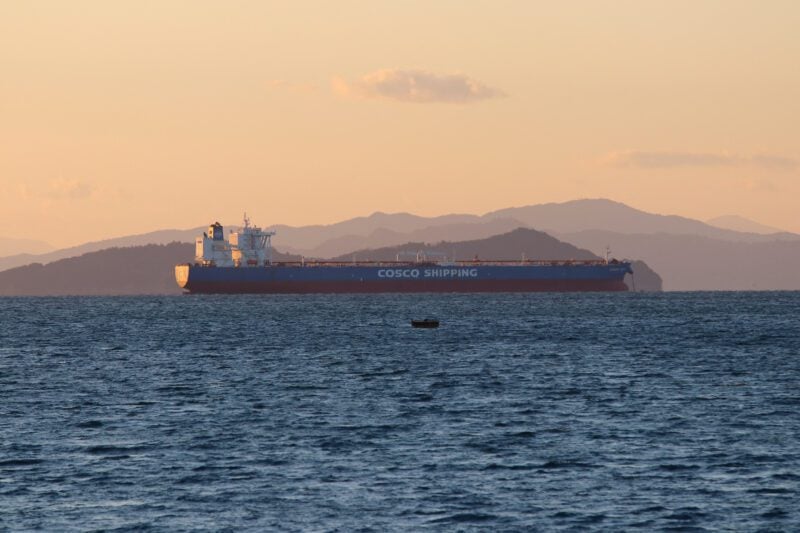
- Commercial shipping through the Strait of Hormuz is likely to remain severely constrained over the next 0-14 days, but the available evidence does not support treating the waterway as completely closed. Kpler reported an average of about 10 commodity vessels per day over the previous 10 days, down from roughly 125 before the conflict, while LSEG recorded a tanker being turned back and no very large crude carrier exiting since Wednesday. At the same time, vessels entered the strait on 6 September, and Iran and Oman said they were close to establishing a temporary safe route. Confidence is medium because US and Iranian statements directly contradict one another over the strait's operational status. (Confidence: medium · ASSESSED)
- I&W: Kpler continues to record a daily average at or below 10 commodity vessels and LSEG records another tanker turned back from the strait. (0-14 days)
- I&W: Iran and Oman register the safe route with the IMO, followed by at least 50 commodity vessels per day and regular very large crude carrier exits for three consecutive days. (0-14 days)
- Israeli military operations in southern Lebanon are likely to continue straining the June Israel-Hezbollah ceasefire over the next 0-14 days. The Lebanese Health Ministry attributed at least 27 deaths over three days to Israeli attacks, including strikes in Kfar Roummane, while the Israeli military said it struck Hezbollah infrastructure and fighters after a drone attack on Israeli troops. Lebanese President Joseph Aoun said the escalation was jeopardising the ceasefire. Confidence is medium because the casualty figures and the parties' descriptions of the initiating attacks are reported by opposing sides, although multiple reports corroborate continuing violence. (Confidence: medium · ASSESSED)
- I&W: The IDF reports another strike on Hezbollah infrastructure in southern Lebanon or the Lebanese Health Ministry reports additional deaths from Israeli attacks. (0-14 days)
- I&W: Israel, Hezbollah and Lebanon announce and observe a halt in hostilities, with no reported strike or armed attack for 14 consecutive days. (0-14 days)
- Diplomatic engagement by Qatar, Oman and Pakistan is likely to continue, but a broad US-Iran ceasefire is unlikely over the next 0-14 days. Qatar has held mediation meetings with Iranian Foreign Minister Abbas Araghchi, while Iran and Oman are negotiating a safe route through Hormuz. The June memorandum of understanding remains formally relevant, but Iran and the United States accuse each other of violating it, and President Donald Trump dismissed the agreement as ineffective. Confidence is medium because the mediation channels are corroborated by major-media reporting, while their ability to change military behaviour remains untested. (Confidence: medium · ASSESSED)
- I&W: Qatar holds further meetings with Abbas Araghchi or Iran and Oman submit the safe-route arrangement for IMO registration while military activity continues. (0-14 days)
- I&W: Washington and Tehran announce a mutually accepted ceasefire that halts strikes and maritime blockade enforcement. (0-14 days)
- Energy and trade pressure is likely to persist over the next 1-3 months, despite partial oil flows through pipelines and other routes. Brent crude traded above $97 a barrel on 7 September, US petrol averaged $4.15 per gallon and diesel reached $5.88, while Hormuz commodity traffic remained near its lowest level since May. Energy Secretary Chris Wright said regional flows had recovered to two thirds or more of pre-conflict levels and that more than 9 million barrels per day were still transiting the strait, creating a mixed picture. Confidence is medium because current price and shipping indicators are corroborated by multiple sources, but the duration of the economic effect depends on whether traffic recovers. (Confidence: medium · ASSESSED)
- I&W: Kpler records fewer than 25 commercial vessels per day through Hormuz while Brent remains above $97 a barrel for seven consecutive days. (1-3 months)
- I&W: Kpler records roughly 125 commercial vessels per day for seven consecutive days and Brent falls below $90 a barrel. (1-3 months)
Outlook & scenarios
Continued maritime retaliation and constrained Hormuz traffic (55%)
Over the next 0-14 days, US Navy escorts and CENTCOM blockade enforcement continue, Iran maintains a restricted or prohibited zone, and both sides sustain threats against shipping. Limited vessels transit the Strait of Hormuz, with traffic remaining near the current average of 10 commodity vessels per day.
Managed maritime deconfliction without a broad ceasefire (25%)
Iran and Oman register a temporary safe route with the IMO, Qatar continues mediation, and commercial traffic rises from current levels while remaining below the pre-conflict rate of roughly 125 vessels per day. US-Iran military and political tensions persist despite reduced maritime disruption.
Wider regional spillover (15%)
Israeli strikes in southern Lebanon continue, Hezbollah responds, and Iranian-linked actors increase pressure on Saudi interests, Gulf infrastructure or US-linked shipping. Additional attacks on vessels and Gulf sites push energy prices higher and further weaken confidence in the June ceasefire framework.
Wildcard: strike on nuclear-related infrastructure and regional expansion (5%)
The United States or Israel strikes the Pikax Mountain site near Natanz or another Iranian nuclear-related facility. Iran responds against Gulf interests, shipping or US-linked assets, while the IAEA remains unable to verify activities at facilities damaged by military strikes. This would produce a high-impact expansion of the conflict and sharply reduce the prospect of near-term diplomacy.
Recommendations
- For the next 24 hours, maintain a single Strait of Hormuz operating picture that reconciles Kpler and LSEG vessel counts, AIS tracks, IMO notices, Iranian route maps and CENTCOM statements. Report separately the number of vessels entering, exiting and turning back.
- Separate confirmed incidents from official claims in all reporting on the 5 September tanker strikes, the alleged IRGC destruction of the US aerostat near Erbil and reported attacks on Gulf targets. Prioritise AIS data, satellite imagery and statements from the relevant military or maritime authorities.
- Set collection priorities on the indicators for renewed escalation: further US strikes on Iranian territory or tankers, IRGC attacks on US-linked vessels, enforcement of Iran's restricted zone, and additional Israeli or Hezbollah attacks in southern Lebanon.
- Track whether Qatar, Oman and Pakistan produce a concrete implementation mechanism for the June memorandum or the proposed Hormuz safe route. Record whether Washington and Tehran pair diplomatic statements with verifiable changes in strikes, boarding activity or shipping restrictions.
- Update economic exposure estimates weekly using Brent prices, US petrol and diesel prices, Hormuz vessel counts and reported regional oil flows. Keep the high-flow statements from Chris Wright separate from independent shipping data until the discrepancy is resolved.
Confidence & uncertainty
Overall confidence is high for the core situation picture because current military activity, shipping disruption and energy effects are corroborated by multiple high-reliability wire and major-media reports, official statements from CENTCOM, the Iranian Foreign Ministry and the Lebanese Health Ministry, and shipping data from Kpler and LSEG. Confidence is lower for several details, including responsibility and location of the 5 September tanker strikes, the operational status of the Strait of Hormuz, casualty totals in southern Lebanon and Iran, and the practical status of the June memorandum. These uncertainties do not overturn the high-confidence judgement that military exchanges have resumed and that regional shipping and energy pressure remain elevated.
Intelligence gaps
- [EEI 1.1 · PARTIAL] Detection and characterization of ballistic/cruise missile or rocket launches originating from Iranian territory or from Iran-controlled positions in Iraq/Syria (time, launch coordinates, missile type, flight trajectory/impact area). Recommended collection: satellite/imagery
- [EEI 1.2 · UNCOVERED] Movements and posture changes of Iran-backed proxy forces (Hezbollah units in Lebanon, militias in Syria/Iraq): concentrations of personnel, transport of rocket/artillery launchers, visible logistics build-up within operational range of Israel. Recommended collection: human/intel
- [EEI 1.3 · PARTIAL] Israeli defensive and offensive posture changes: reservist call-ups, mobilization orders, sorties/airstrikes attributed to Israel, and domestic activation of missile-defense systems (locations and activation times). Recommended collection: open-source/media
- [EEI 1.4 · UNCOVERED] Evidence of pre-positioning or arming of naval mines, fast attack craft, or anti-ship missile systems in the Gulf of Oman, northern Arabian Sea, or off the Lebanese/Syrian coasts that could be used to interdict Israeli or allied shipping. Recommended collection: maritime/AIS
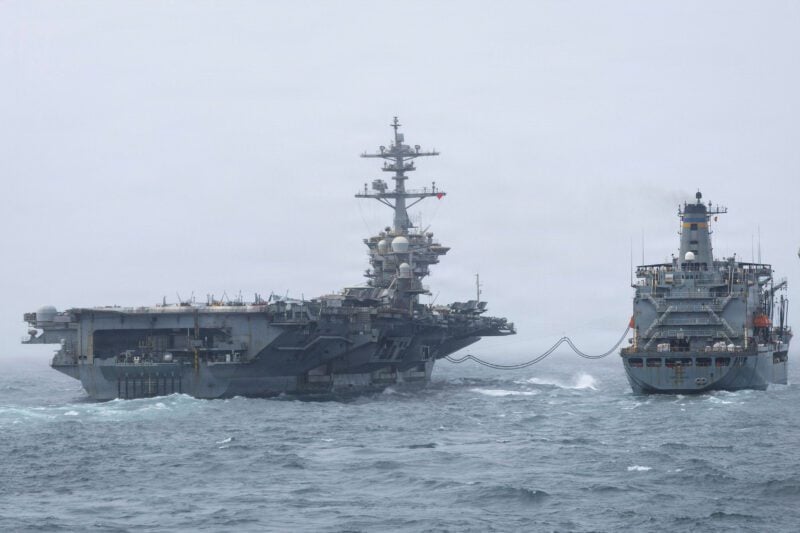
- [EEI 2.1 · PARTIAL] Movements and tasking changes of external military assets: carrier strike groups, amphibious ready groups, expeditionary air wings, or ballistic-missile defense units into the Eastern Mediterranean, Persian Gulf, or Red Sea (vessel/aircraft IDs, routing, on-station times). Recommended collection: maritime/AIS
- [EEI 2.2 · PARTIAL] Formal diplomatic/military actions: evacuation orders or embassy closures, public troop posture statements, bilateral/multilateral defense commitments announced, requests for overflight or basing rights in regional states. Recommended collection: diplomatic
- [EEI 2.3 · UNCOVERED] Changes to force protection or alert levels at foreign bases in the region (e.g., US bases in Kuwait, Qatar, UAE; Russian bases in Syria): activation of additional air defenses, curfews, or reinforcement shipments (personnel/equipment manifests). Recommended collection: signals/intel
- [EEI 3.2 · PARTIAL] Changes in crude oil and refined product flows from key terminals (reported tanker loading delays, terminal closures, throughput volumes at Kharg, Mina al-Ahmadi, Ras Tanura, and major Gulf ports compared to baseline). Recommended collection: commercial/ports
- [EEI 3.3 · PARTIAL] Market and insurance indicators: sudden spikes in war-risk or hull insurance premiums for Middle East routes, large moves in regional FX/stock indices, and notable changes in commodity futures (oil, freight rates) tied to regional risk perceptions. Recommended collection: financial/transactional
TLP:CLEAR