TLP:CLEAR · Disclosure is not limited.
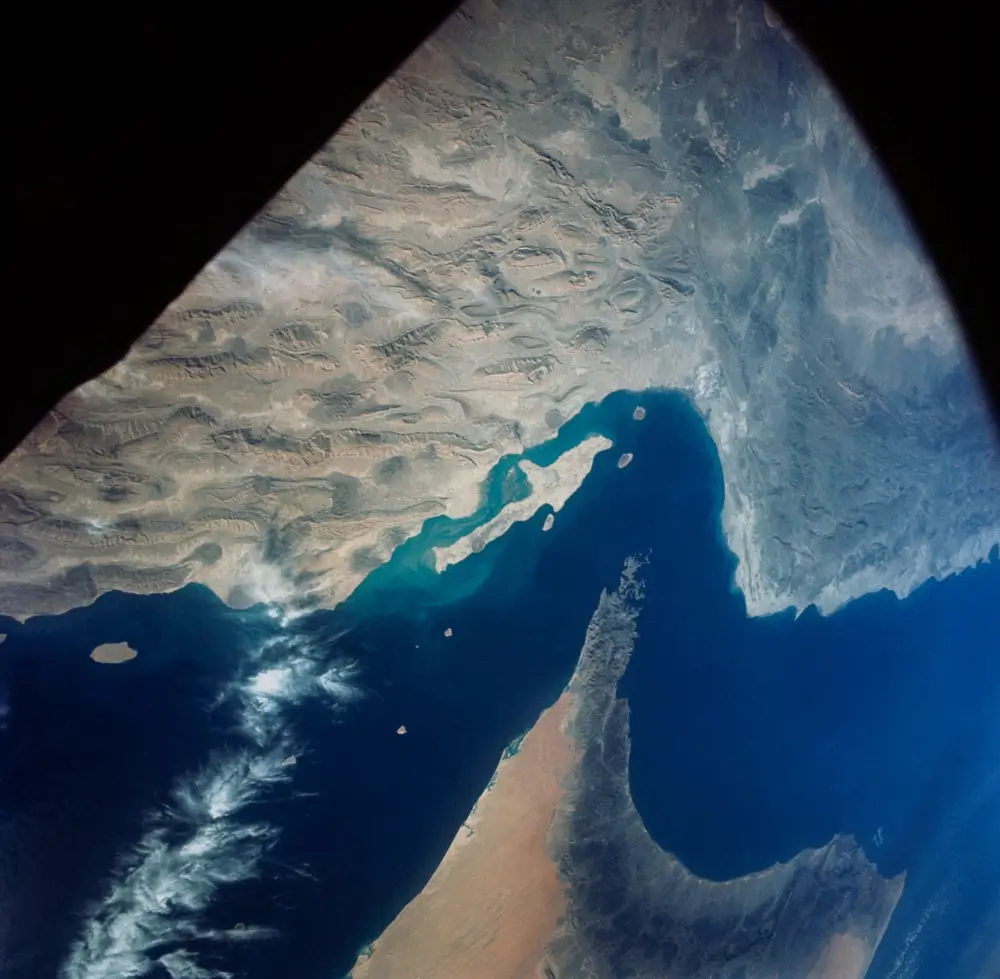
Middle East Conflict: Hormuz Restrictions Deepen Regional Risk
Time window: Last 1 day · Audience: General analyst · Type: Situation report · DTG: 2026-09-14 22:07Z · Overall confidence: HIGH
BLUF
Very likely, commercial shipping through the Strait of Hormuz will remain severely restricted over the next 0-14 days, while direct military exchanges involving the US, Israel and Iran are likely to continue. Houthi attacks on Saudi Arabia and Red Sea shipping are likely to sustain a second pressure front, while diplomatic efforts remain too divided to secure a near-term settlement.
Executive summary
The 14 September 2026 reporting window shows a widening conflict with its most immediate operational effects concentrated on maritime security and energy flows. JMIC rates the threat to commercial shipping in the Strait of Hormuz as severe, while traffic data show sharply reduced transits and Iran has expanded restrictions against named vessels, insurers and maritime service providers. The Houthis claim a large missile and drone attack on King Khalid Air Base and have expanded their position around Perim and the Bab el-Mandeb. Oman, the UAE and BRICS members continue to support dialogue, but the Salalah meeting was postponed, Bahrain declined to participate and Tehran continues to condition any full reopening of Hormuz on US concessions. Oil, diesel and tanker costs have risen, increasing the risk that disruption will persist beyond the immediate security incidents.
Change from previous assessment
Since the 13 September 2026 brief, the assessment adds Iran's expanded 77-vessel blacklist, threats to maritime insurers and classification societies, three reported vessel attacks in the latest 72-hour period, and new evidence of single-digit Hormuz transits. The severe shipping-disruption assessment is better corroborated, but confidence in the exact operational status of the strait remains medium because reporting now conflicts between complete closure and restricted passage. The Houthi assessment is updated to include the reported capture of Perim and the claimed attack on King Khalid Air Base. Diplomatic prospects are assessed less favourably after the Salalah postponement, Bahrain's non-participation and Iran's reopening conditions. The prior low-confidence judgment on Yemeni displacement into Djibouti is not carried forward because this reporting window provides no new corroboration.
Key judgments
- Likely, direct military exchanges involving the US and Israel against Iran will continue over the next 0-14 days, but the tempo and exact targets remain uncertain. Reporting describes repeated US-Israel strikes on Iranian targets, a completed US strike wave and Iranian attacks on US bases, Gulf energy facilities and shipping. Much of this reporting is medium-confidence or drawn from lower-reliability sources, so this judgment has low confidence. (Confidence: low · ASSESSED)
- I&W: Confirm: within 0-14 days, the US military reports another strike wave on Iran or Iran claims a new strike on a named US base or Gulf energy facility. (0-14 days)
- I&W: Break: the US, Israel and Iran announce a formal halt to offensive operations and no further strike is reported for 14 consecutive days. (0-14 days)
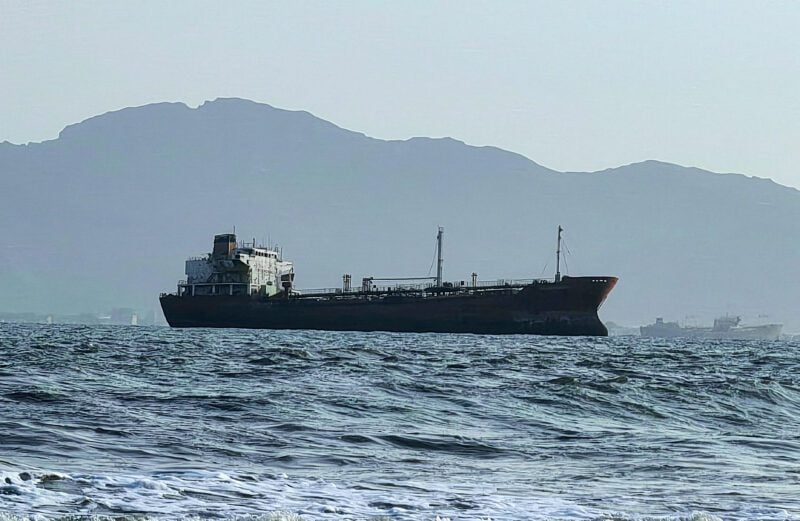
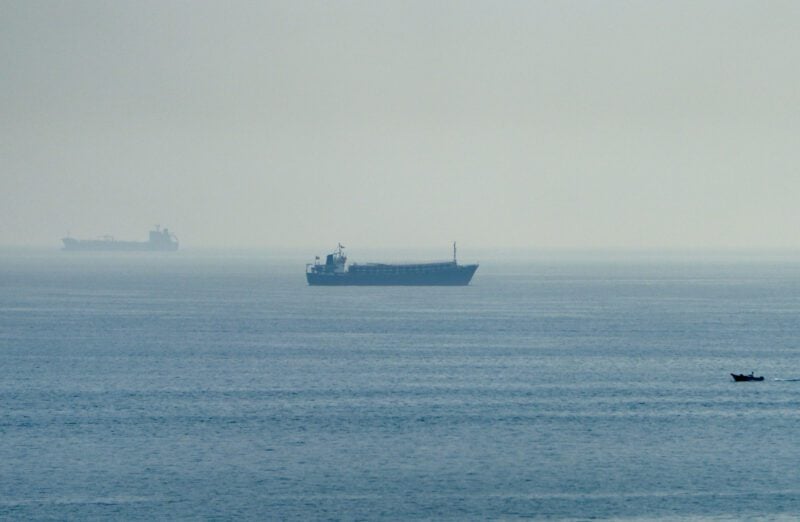
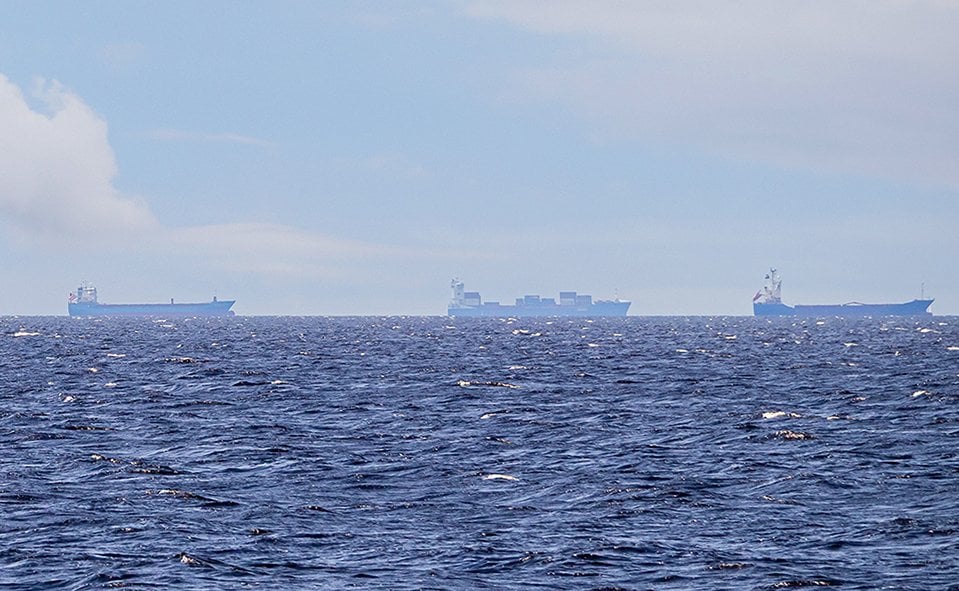
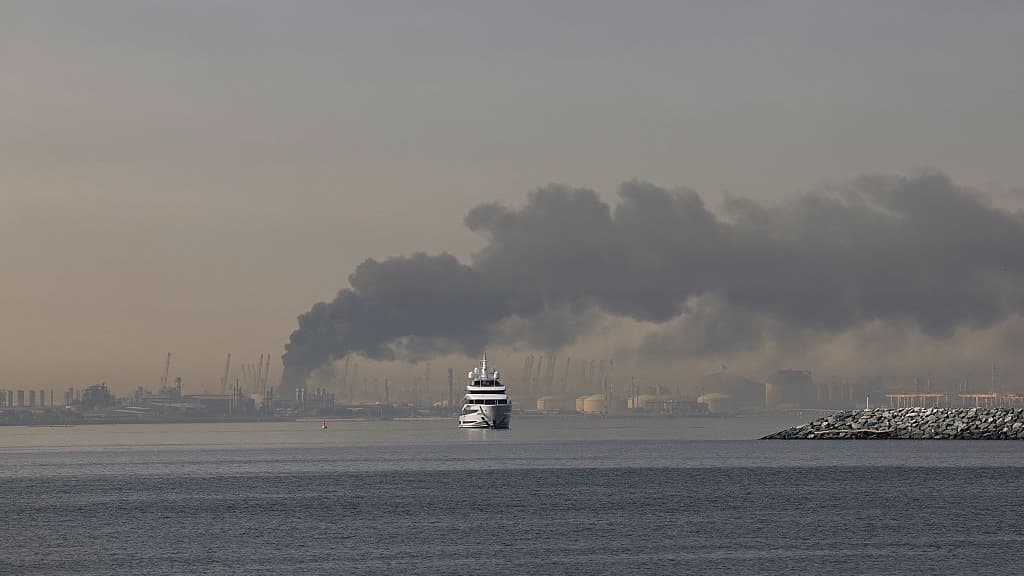
- Very likely, commercial shipping through the Strait of Hormuz will remain severely restricted over the next 0-14 days, while the status of a complete closure remains unresolved. JMIC reports three vessel attacks during the latest 72-hour period and rates deliberate hostile action as highly likely. Iran has listed 77 vessels for possible fines, detention or confiscation and has extended warnings to insurers and classification societies. Traffic data independently show single-digit commodity transits, although reports conflict on whether the strait is closed or operating under restrictions and on the precise scale of the traffic reduction. Confidence is medium because the severe threat picture is well corroborated but the operational status remains contested. (Confidence: medium · ASSESSED)
- I&W: Confirm: JMIC or UKMTO records another deliberate attack while commodity transits remain in single-digit daily numbers or about 90% below pre-conflict levels. (0-14 days)
- I&W: Break: Iran rescinds the 77-vessel blacklist and associated restrictions, and tracked traffic approaches the pre-conflict average of about 138 vessel movements per day. (0-14 days)
- Very likely, Houthi operations will sustain a second pressure front against Saudi Arabia and Red Sea shipping over the next 0-14 days, while the extent of Houthi territorial control remains less certain. Reporting places Houthi forces on Perim Island and around the Bab el-Mandeb, and the group claims a large missile and drone attack on King Khalid Air Base in Khamis Mushait. Houthi attacks have already driven major carrier diversions and contributed to large-scale displacement from Yemen. Confidence is medium because the territorial and attack claims rely partly on interested-party statements, despite corroboration of wider shipping disruption. (Confidence: medium · ASSESSED)
- I&W: Confirm: the Houthis report or are independently assessed to have conducted another strike on a named Saudi military or energy facility, or a new attack on Red Sea shipping. (0-14 days)
- I&W: Break: verified reporting shows Houthi forces have withdrawn from Perim and carrier services resume normal routing through the Bab el-Mandeb. (0-14 days)
- Likely, Gulf diplomatic channels will remain open over the next 0-14 days, but unlikely to deliver an enforceable settlement or full reopening of the Strait of Hormuz in that period. The UAE-Iran leadership contact in New Delhi, the BRICS call for restraint and Omani efforts to establish a maritime route preserve channels for de-escalation. The Salalah meeting was postponed, Bahrain declined to attend, Saudi Arabia reportedly objected to technical arrangements and Tehran continues to condition reopening on US concessions. Conflicting accounts also leave the status of the proposed Iran-Oman route unresolved. Confidence is medium because the diplomatic contacts are multiply reported, but no operational agreement has been confirmed. (Confidence: medium · ASSESSED)
- I&W: Confirm: Oman reschedules the Salalah meeting with Saudi Arabia and Bahrain participating, and the parties publish an operational navigation arrangement with implementation procedures. (0-14 days)
- I&W: Break: another postponement occurs, Iran adds new conditions for reopening Hormuz, or the proposed route remains a draft without a measurable increase in vessel transits. (0-14 days)
- Very likely, energy and shipping cost pressure will remain elevated over the next 0-14 days. Brent crude has risen above $106 a barrel, US diesel has exceeded $6.20 a gallon, benchmark tanker hire rates have topped $1 million per day and Gulf-to-China transport has reached $1.035 million per day. Saudi Arabia's pipeline outage, limited Yanbu stocks and the diversion of oil movements to offshore collection points reinforce the near-term pressure. Confidence is high for the direction of the trend because oil-market, tanker-rate and shipping reports corroborate one another, although the exact Brent intraday peak is disputed. (Confidence: high · ASSESSED)
- I&W: Confirm: benchmark tanker hire rates remain above $1 million per day while Brent remains above $106 a barrel and Saudi oil flows remain constrained. (0-14 days)
- I&W: Break: the east-west pipeline resumes normal operations, Yanbu export availability expands beyond the reported five-to-seven-day buffer and tanker rates fall below $1 million per day. (0-14 days)
Outlook & scenarios
Persistent maritime attrition and regional pressure (55%)
This is the most likely near-term path. Iran maintains restrictions and enforcement measures in the Strait of Hormuz, Houthi attacks continue against Saudi targets and Red Sea shipping, and commercial traffic remains well below normal. Oil, diesel and tanker costs stay elevated as carriers retain diversions and risk premiums.
Partial navigation arrangement and temporary restraint (30%)
Unlikely, but diplomatic contacts produce a limited Iran-Oman navigation mechanism within 0-14 days. Some US-facilitated and commercial transits resume, while Iran retains inspection or enforcement powers and does not fully reopen the strait. The arrangement reduces attack frequency without ending the wider conflict.
High-impact widening of the conflict (15%)
Unlikely, but a new Iranian or Iran-aligned strike on a US regional base, Saudi energy facility or commercial vessel triggers direct US and Gulf military responses. Houthi attacks intensify, diplomatic meetings fail and the Strait of Hormuz and Bab el-Mandeb face simultaneous disruption.
Recommendations
- Maintain a daily maritime dashboard for the next 14 days covering JMIC and UKMTO incident reports, commodity transits, US-facilitated transits, Iran's 77-vessel blacklist and any enforcement action against insurers, P&I clubs or classification societies.
- Keep the El Gaia incident as two competing attribution tracks. Do not merge the IRGC mine account with the CENTCOM Iranian-weapons account until vessel identity, location, weapon type and damage evidence are independently reconciled.
- Track named Houthi indicators rather than generic escalation: confirmed control of Perim, activity around the Bab el-Mandeb, attacks on King Khalid Air Base or other Saudi facilities, and any new Red Sea shipping incident.
- Treat diplomatic reporting as a contingency channel, not evidence of de-escalation. Monitor whether Oman reschedules the Salalah meeting, whether Saudi Arabia and Bahrain participate, and whether Iran-Oman route proposals acquire published operating procedures.
- Update energy and logistics risk assessments daily using tanker hire rates, Brent crude, US diesel prices, Yanbu stock estimates and the operating status of the Saudi east-west pipeline.
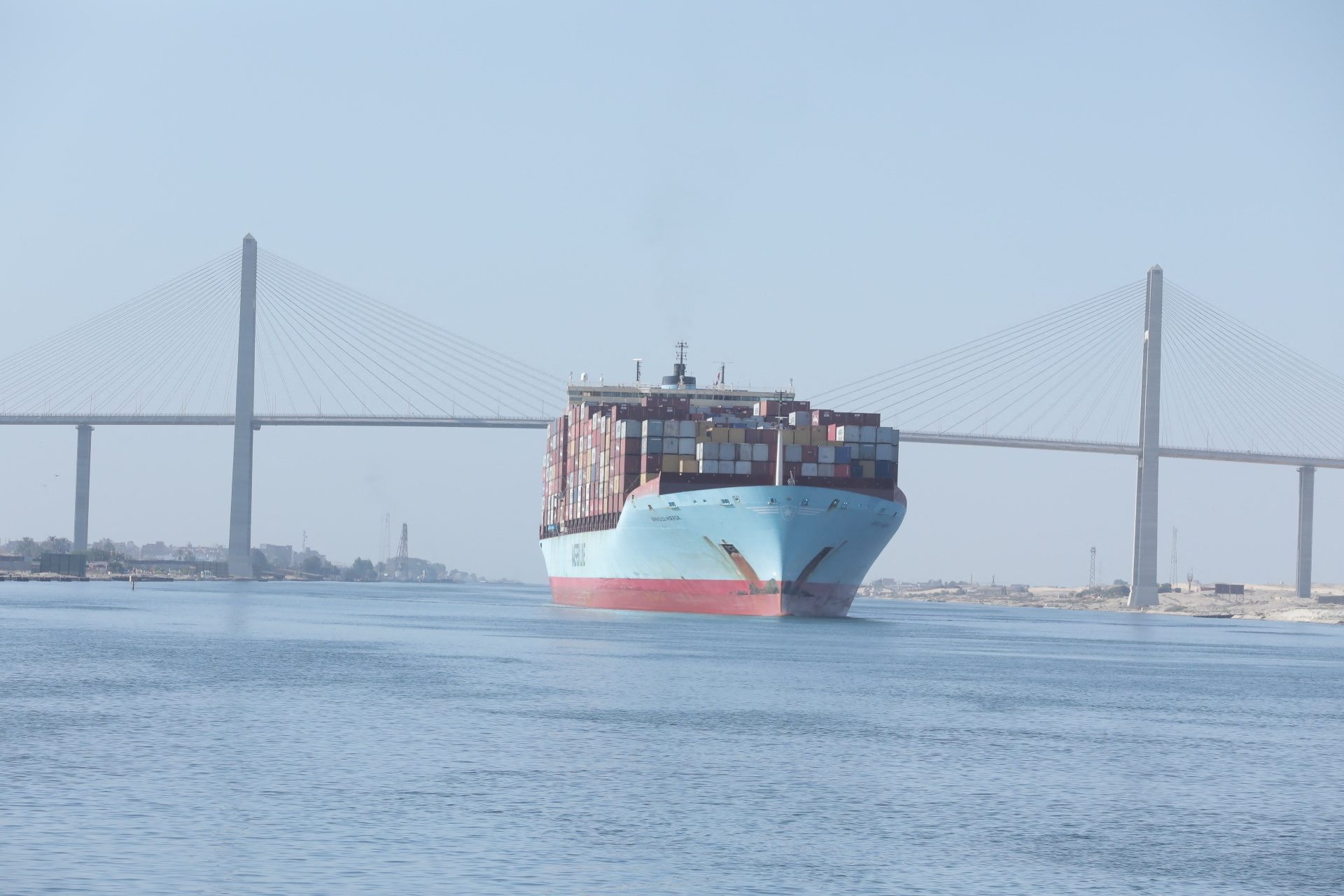
- Monitor the announced Maersk and Hapag-Lloyd Suez sailings beginning with Antonia Maersk on 19 September, Marchen Maersk on 21 September and Cornelia Maersk on 24 September as a check on whether carriers judge Red Sea conditions to be improving.
Confidence & uncertainty
Overall confidence is high because the main operational judgments are supported by multiple independent sources, including wire reporting, JMIC, UKMTO, maritime trade reporting and market data. The pattern of vessel attacks, severely reduced Hormuz traffic, Houthi activity and higher energy and tanker costs is well corroborated. Confidence is lower for the precise status of a complete Hormuz closure, the attribution of the El Gaia damage, the extent of Houthi territorial control and the tempo of direct US-Israel-Iran exchanges.
Intelligence gaps
- [EEI 1.1 · UNCOVERED] Unusual long-range missile/rocket transporter-launcher (TEL) movements, storage activation, or assembly activity at known IRGC missile sites or forward staging areas. Recommended collection: satellite/imagery
- [EEI 1.2 · UNCOVERED] Orders, threat-alert messages, or changes in posture from IRGC, Quds Force, or senior Iranian military leadership indicating attack timelines or rules of engagement changes. Recommended collection: signals/ELINT and HUMINT
- [EEI 1.3 · UNCOVERED] Large-scale transfers, deliveries, or convoy movements of armed UAVs/drones, guided munitions, or spare parts from Iran into Lebanon (Hezbollah), Iraq, Syria, or Gaza. Recommended collection: air/aviation track and HUMINT
- [EEI 1.4 · UNCOVERED] Sustained changes in Israeli air-defense usage (SAM launches, radar activations), wide-area alerts, or NOTAMs indicating elevated imminent strike response. Recommended collection: air/aviation/NOTAMs and signals
- [EEI 2.1 · UNCOVERED] Concentration, repositioning, or sortie patterns of Iranian naval/IRGC patrol boats and fast-attack craft near shipping chokepoints or commercial lanes. Recommended collection: maritime/AIS and satellite/imagery
- [EEI 2.3 · PARTIAL] Insurance market indicators: sudden spikes in war-risk or hull insurance premiums for routes through the Red Sea, Suez corridor, or Persian Gulf, and major carriers announcing route changes. Recommended collection: financial/market and commercial shipping notices
- [EEI 2.4 · PARTIAL] Port closures, naval escorts requested by commercial operators, or formal rerouting advisories issued by major shippers (e.g., Maersk, Hapag-Lloyd) for regional transits. Recommended collection: commercial/OSINT
- [EEI 3.1 · UNCOVERED] Deployment of foreign military assets to the region (carrier strike groups, amphibious ships, combat aircraft deployments, or additional bases activated) from the US, UK, France, Russia, or GCC states. Recommended collection: maritime/AIS and air/aviation and satellite/imagery
- [EEI 3.3 · UNCOVERED] Confirmed arms transfers, expedited weapons shipments, or transfer authorizations to Israel, Iran, or their proxies (aircraft parts, munitions, air defenses). Recommended collection: customs/INTEL and HUMINT
- [EEI 3.4 · UNCOVERED] Issuance of travel warnings, embassy evacuations or reductions, and closure of diplomatic missions by major capitals indicating escalation risk or shifted threat assessments. Recommended collection: OSINT/diplomatic
Cited sources
[1] eciks.org · Iran war: Reuters tracks US‑Israel strikes and widening regional risks (E) · Mon Sep 14 2026 20:06:06 GMT+0000 (Coordinated Universal Time) · sha256:f7df41f40703 [2] Manara Magazine · The Iran War and the UK’s “Reset” towards the Middle East (C) · Mon Sep 14 2026 17:22:00 GMT+0000 (Coordinated Universal Time) · sha256:3a53d97ec8c4 [3] TIME · How the Iran War Forced the Gulf to Rethink Its Security (A) · Mon Sep 14 2026 10:00:00 GMT+0000 (Coordinated Universal Time) · sha256:8b0f1a649b70 [4] The Maritime Executive · Oman's Strait of Hormuz Conference Implodes (C) · sha256:889e5e28d408 [5] gCaptain · U.S. Rejects Iran’s Mine Claim as Hormuz Shipping Threat Remains Severe (C) · Mon Sep 14 2026 20:28:38 GMT+0000 (Coordinated Universal Time) · sha256:bde27437b612 [6] Reuters (republished by gCaptain) · New Attacks in Hormuz and Saudi Test Nerves as War's Spread Worsens Oil Disruption (A) · Mon Sep 14 2026 17:16:46 GMT+0000 (Coordinated Universal Time) · sha256:4d8e33104dc4 [7] Reuters (republished by gCaptain) · Gulf States Postpone Iran Talks as Houthis Strike Saudi Arabia (A) · Mon Sep 14 2026 16:25:34 GMT+0000 (Coordinated Universal Time) · sha256:d52bcd7f7927 [8] The Express Tribune · Trump says Iran wants deal with US quickly and badly (B) · Mon Sep 14 2026 16:17:45 GMT+0000 (Coordinated Universal Time) · sha256:df44b9d2aa2b [9] The Maritime Executive · Iran Expands Threats Against Shipping to P&I and Class Societies (C) · sha256:d5abc385e82e [10] gCaptain · Maersk, Hapag-Lloyd Accelerate Return to Suez Despite Red Sea Risks (C) · Mon Sep 14 2026 15:53:32 GMT+0000 (Coordinated Universal Time) · sha256:538a100907a6 [11] gCaptain (republishing Bloomberg) · Oil Tanker Rates Top $1 Million a Day as Hormuz War Squeezes Fleet (A) · Mon Sep 14 2026 18:24:16 GMT+0000 (Coordinated Universal Time) · sha256:106ad4bd72e0 [12] Banking News (bankingnews.gr) · Emirates and Qatar shift line toward Iran, close deal on Hormuz – Trump in panic, demands agreement (B) · Mon Sep 14 2026 00:00:00 GMT+0000 (Coordinated Universal Time) · sha256:816843f5a044 [13] India News Network · UAE and Iran Leaders Discuss Relations at BRICS Summit (D) · Mon Sep 14 2026 01:48:20 GMT+0000 (Coordinated Universal Time) · sha256:9fa0355b2ff1 [14] News.az · Iran, UAE back BRICS call for restraint in Middle East | News.az (D) · sha256:2407b6659031
Source content hashes were computed at collection time; the cited text is preserved unmodified for the life of this product.
TLP:CLEAR