TLP:CLEAR · Disclosure is not limited.
Middle East Conflict: Hormuz, Riyadh and Diplomacy Under Pressure
Time window: Last 1 day · Audience: General analyst · Type: Situation report · DTG: 2026-09-21 00:40Z · Overall confidence: HIGH
BLUF
Very likely, the conflict will remain multi-front over the next 0-14 days. Commercial traffic through the Strait of Hormuz will remain severely constrained, while Houthi attacks on Riyadh and Yanbu and fighting near Bab el-Mandeb will sustain pressure on Saudi Arabia. Qatar and Pakistan mediation offers an opening, but an enforceable settlement remains unlikely.
Executive summary
The conflict intensified on 19 September with Houthi missile and drone attacks affecting Riyadh and reported disruption near King Khalid International Airport, while Saudi Arabia faces continuing pressure on its energy infrastructure. The United States and Iran exchanged threats after reported US strikes on Iranian sites and Iranian attacks on facilities hosting US military assets. Iran continues to condition talks on an end to fighting, release of frozen funds and removal of the US naval blockade, while Qatar and Pakistan pursue mediation ahead of the UN General Assembly and a planned 22 September meeting between Donald Trump and Gulf leaders. Shipping and humanitarian risks remain acute, although reporting conflicts over whether the Strait of Hormuz is nearly closed or severely restricted and whether the Saudi East-West pipeline is fully offline or operating at reduced capacity.
Change from previous assessment
Compared with the 20 September brief, the assessment now gives greater weight to the 19 September Houthi attacks on Riyadh, reported damage and disruption around King Khalid International Airport, and the reported attack on Saudi Arabia's East-West pipeline. Confidence has increased on the persistence of Houthi-Saudi hostilities and economic pressure. The assessment of Hormuz remains constrained but lowers confidence on the distinction between near-total blockage and partial transit. Diplomatic activity is more explicit, with Qatar and Pakistan mediating, Abbas Araqchi travelling to New York and Gulf leaders scheduled to meet Donald Trump on 22 September, but the judgment that an enforceable de-escalation arrangement is unlikely remains unchanged. The brief adds a low-confidence warning line on Israeli military activity in southern Syria.
Key judgments
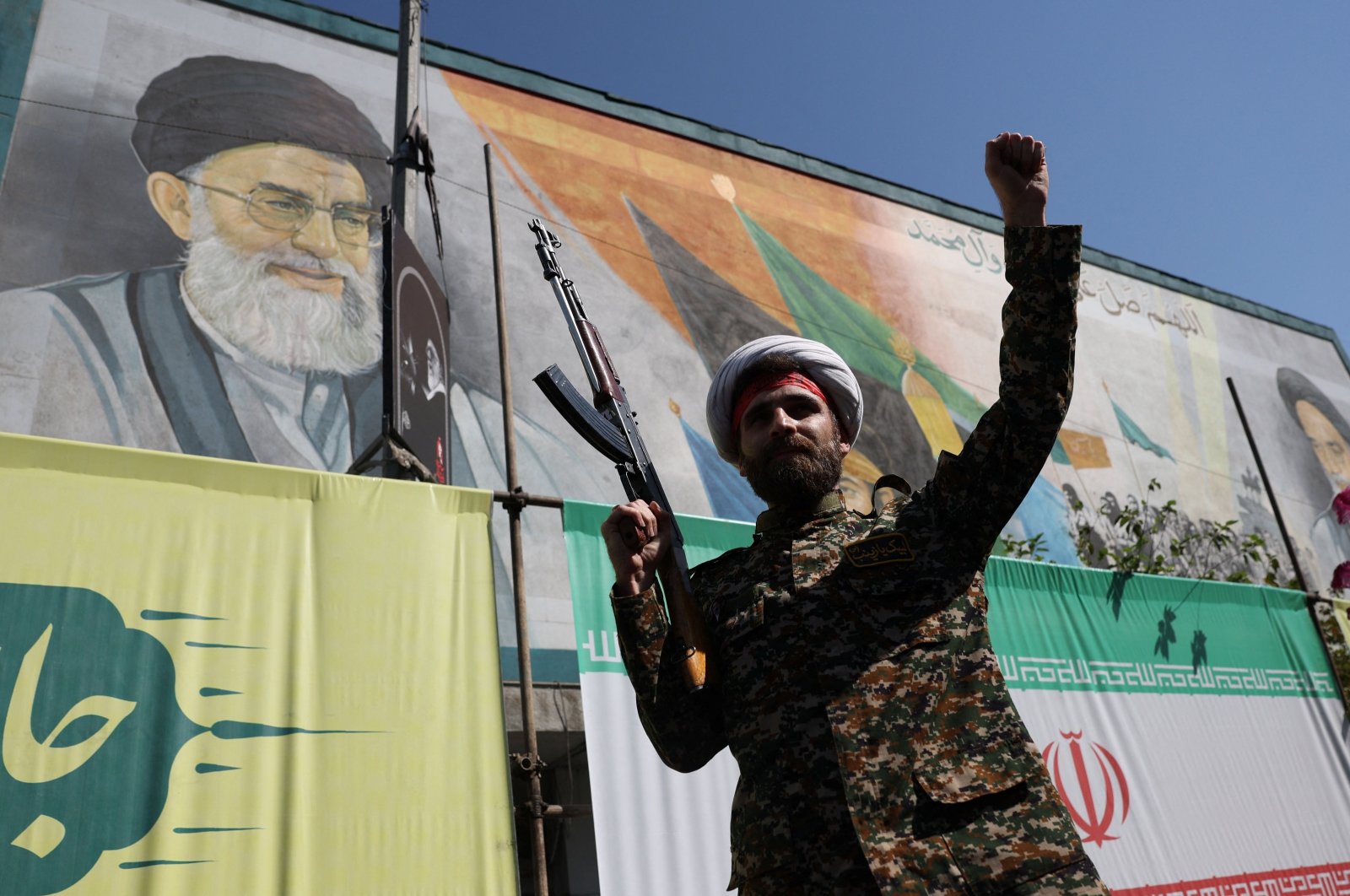
- Very likely, the US-Iran confrontation will remain active over the next 0-14 days. The United States has recently struck sites in Iran, Iran has reported attacks on facilities and equipment hosting US forces in Arab states including Saudi Arabia, and Iran's Khatam al-Anbiya Central Headquarters has threatened sustained attacks on US bases and interests if Washington resumes offensive action. Donald Trump has publicly presented destruction, economic pressure or an agreement as the available policy choices. The reporting does not establish whether Washington has selected a new offensive package. (Confidence: high · ASSESSED)
- I&W: CONFIRM: The United States announces or conducts another strike on an Iranian site, or Iran's Khatam al-Anbiya Central Headquarters reports an attack on a named US facility in the Middle East. (0-14 days)
- I&W: BREAK: Washington and Tehran announce accepted terms covering a halt to attacks and maintain that halt for seven consecutive days. (0-14 days)
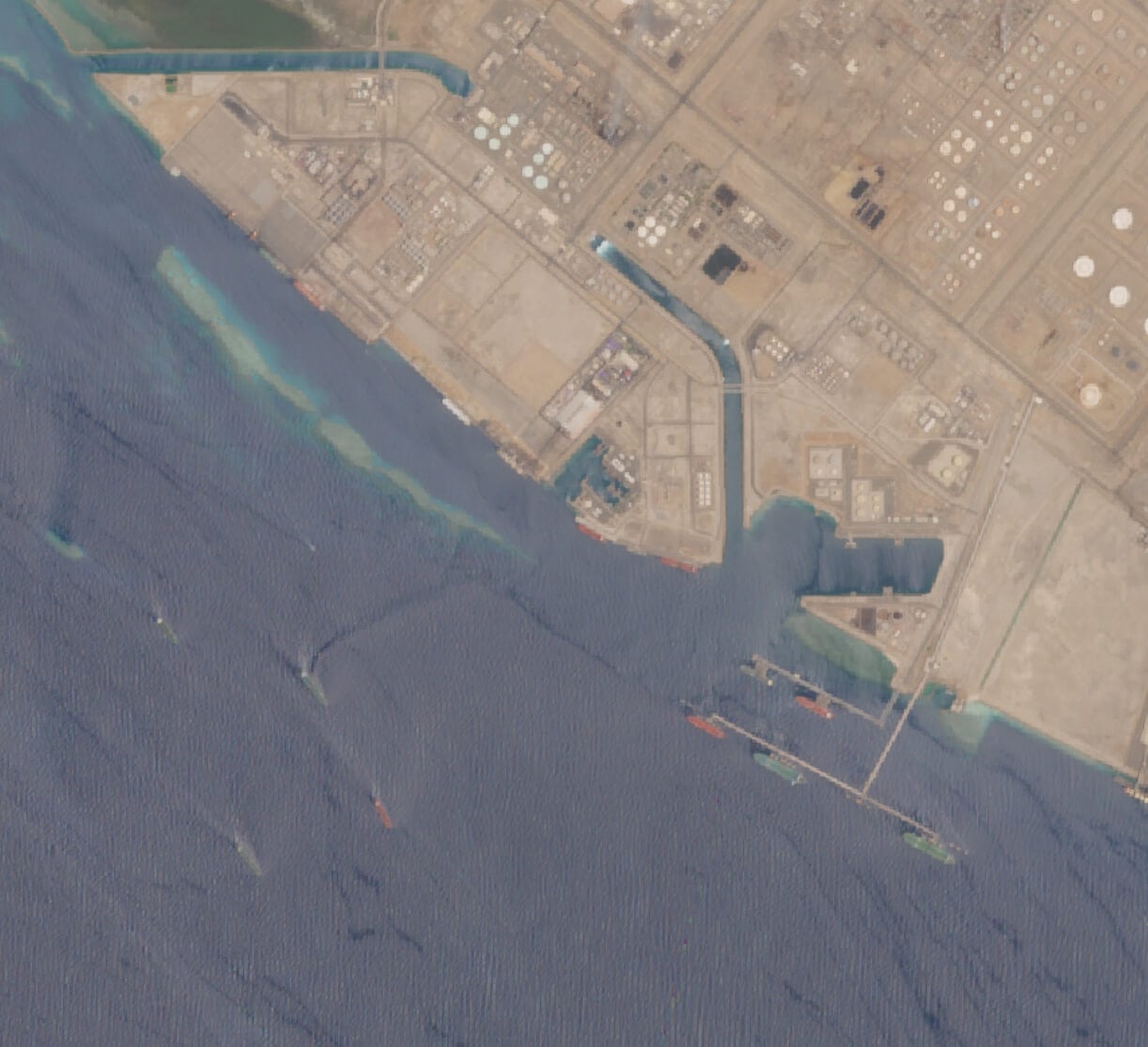
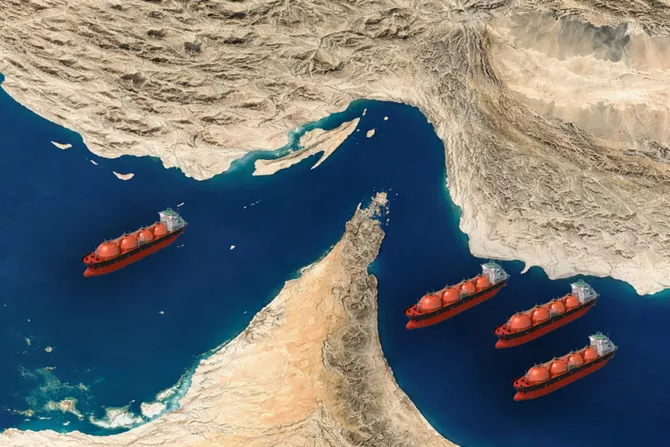
- Very likely, commercial shipping through the Strait of Hormuz will remain severely constrained over the next 0-14 days, but the degree of disruption will remain unresolved between near-total blockage and significant partial transit. The International Maritime Organization has verified 80 attacks on international shipping since 28 February and at least 22 seafarers have died. Other reporting describes Iran as having severely restricted transit, almost entirely cut off Gulf energy exports, or completely blocked exports. These accounts do not establish the volume of shipping still moving. (Confidence: medium · ASSESSED)
- I&W: CONFIRM: The International Maritime Organization verifies another attack on commercial shipping, or major operators continue to suspend or reroute voyages through the Strait of Hormuz. (0-14 days)
- I&W: BREAK: The International Maritime Organization and commercial tracking services show sustained, regular merchant transits through the strait without new verified attacks. (0-14 days)
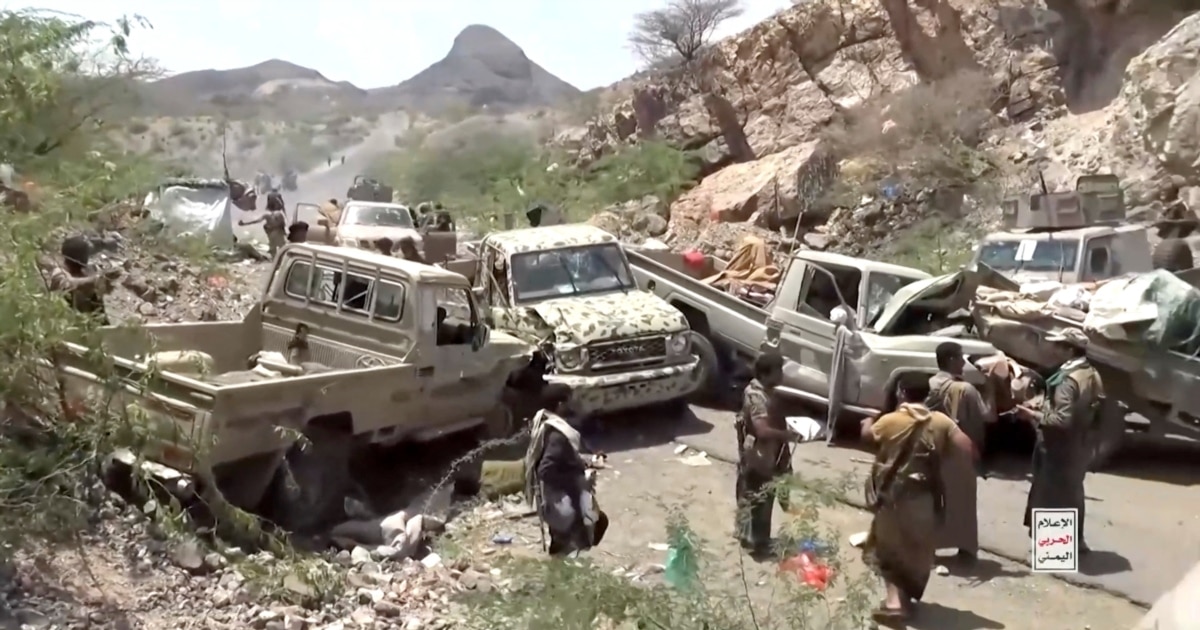
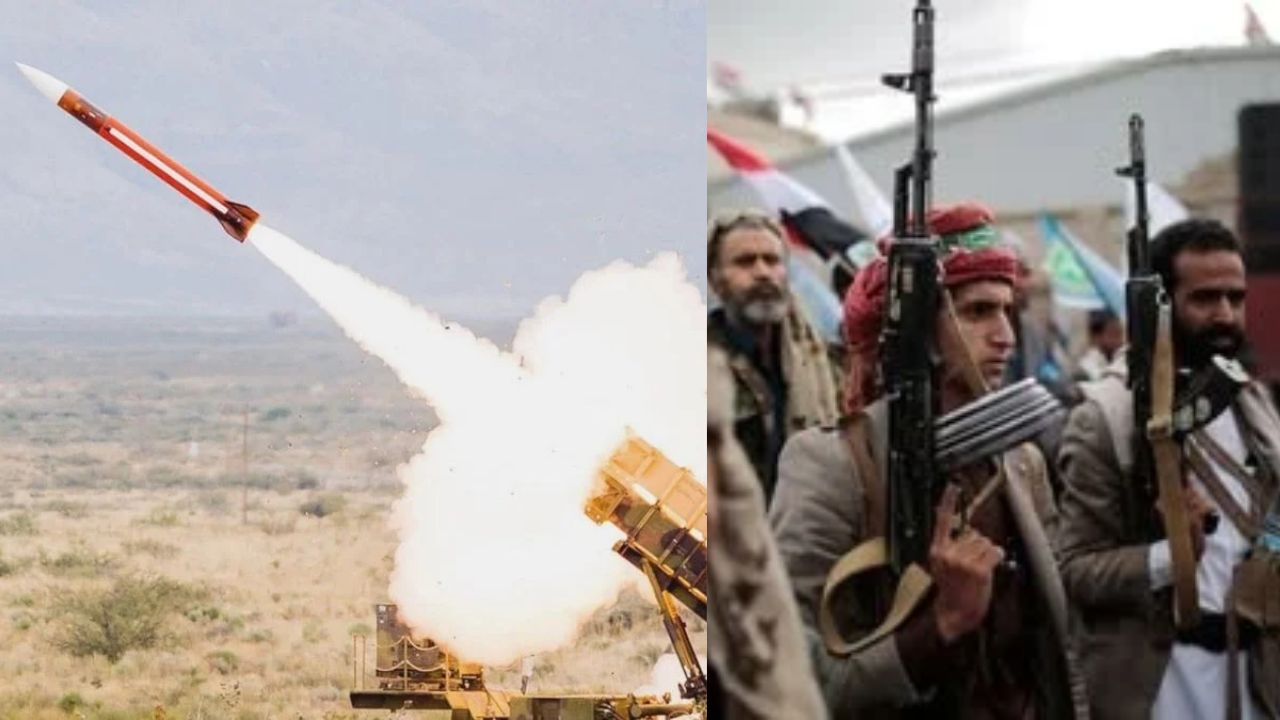
- Very likely, Houthi-Saudi fighting and disruption around Bab el-Mandeb will continue over the next 0-14 days. On 19 September, the Houthis claimed missile and drone attacks on sensitive sites in Riyadh and an Aramco facility in Yanbu; Saudi authorities reported interception of a ballistic missile, while smoke near King Khalid International Airport and temporary flight disruption were reported. Houthi gains around Mokha and Perim Island strengthen the threat to shipping, although reporting conflicts over whether the group controls the strait or is still contesting it with Yemeni government forces. The reported Houthi pledge not to attack US and Israeli ships does not cover Saudi shipping. (Confidence: high · ASSESSED)
- I&W: CONFIRM: The Houthis launch another missile or drone attack against Riyadh, Yanbu, Taif, Bisha, Farasan or another Saudi energy or civilian site, or clashes resume around Mokha and Bab el-Mandeb. (0-14 days)
- I&W: BREAK: Fourteen consecutive days pass without a Houthi attack on Saudi territory or shipping, accompanied by an explicit pledge covering Saudi-flagged vessels and Saudi cargoes. (0-14 days)
- Unlikely, an enforceable US-Iran de-escalation arrangement will emerge over the next 0-14 days. Iran continues to demand an end to fighting on all fronts, release of frozen funds and removal of the US naval blockade, while the June framework agreement collapsed over navigation rights and fund-release procedures. Qatar and Pakistan are actively mediating, Abbas Araqchi is travelling to New York for the UN General Assembly, and Gulf leaders are expected to meet Donald Trump on 22 September. These diplomatic channels provide an opening, but the reported negotiating positions remain incompatible and Washington continues to combine outreach with threats of further action. (Confidence: medium · ASSESSED)
- I&W: CONFIRM: Washington and Tehran sign or publicly accept an arrangement that specifies a halt to fighting, the treatment of frozen funds and operating rules for reopening the Strait of Hormuz. (0-14 days)
- I&W: BREAK: The United States announces another strike on Iran, or Iran announces sustained retaliation against US bases or interests after the UN General Assembly meetings. (0-14 days)
- Likely, economic and humanitarian pressure will remain acute across the Gulf, Yemen and commercial shipping over the next 0-14 days. Reporting places displacement in Yemen at tens of thousands by mid-September, records at least 22 seafarer deaths around Hormuz, and puts Iran's year-on-year GDP contraction at 10.1 percent from late March to late June. Saudi Arabia has diverted more than 70 percent of usual daily crude exports towards Yanbu in some reporting, while other accounts describe the East-West pipeline as shut down after an attack and full restoration taking several weeks. The exact pipeline operating status is therefore contested, but the pressure on Saudi export routes is well supported. (Confidence: high · ASSESSED)
- I&W: CONFIRM: The International Maritime Organization records additional seafarer deaths or shipping attacks, or humanitarian reporting records a new increase in displacement from Yemen. (0-14 days)
- I&W: BREAK: Saudi Aramco reports full restoration of the East-West pipeline and commercial shipping attacks fall to zero for 14 consecutive days. (0-14 days)
- Likely, Saudi Arabia will deepen political and defence coordination with Türkiye and Pakistan, but immediate Turkish or Pakistani military intervention remains unlikely over the next 0-14 days. Turkish Foreign Minister Hakan Fidan has pledged to meet Saudi military needs, and Saudi Arabia, Pakistan and Türkiye are linked by the Mecca Joint Defence Agreement. However, Turkish and Pakistani officials said no Saudi request for assistance had been received, while Pakistani opposition leader Raja Nasir Abbas warned that entering the war would be disastrous. The conflicting reporting supports political alignment but not an active deployment. (Confidence: medium · ASSESSED)
- I&W: CONFIRM: Riyadh formally requests military assistance and Türkiye or Pakistan announces the deployment of named personnel, air-defence assets or other military equipment to Saudi Arabia. (0-14 days)
- I&W: BREAK: Turkish and Pakistani officials repeat that no request has been received and no military personnel or equipment deploys to Saudi Arabia. (0-14 days)
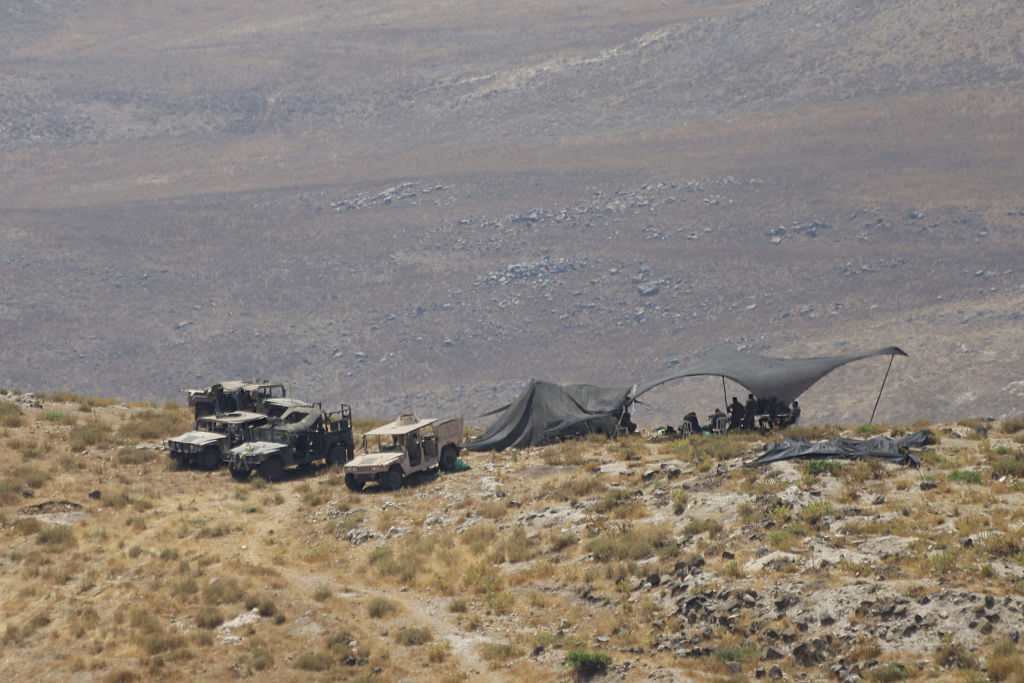
- Roughly even chance, Israeli military activity in southern Syria will remain elevated over the next 0-14 days. Israeli readiness was reportedly raised on all fronts ahead of Yom Kippur, while separate reporting describes Israeli vehicles and drone activity in Quneitra and Daraa. Confidence is low because the reports of incursions, seven military vehicles and intensive drone flights rely mainly on unknown-source reporting and lack independent corroboration in the available material. (Confidence: low · ASSESSED)
- I&W: CONFIRM: Additional Israeli military vehicles enter Quneitra or Daraa, or repeated Israeli drone activity is reported alongside ground movements in southern Syria. (0-14 days)
- I&W: BREAK: No additional Israeli ground or drone activity is reported for 14 days and UNDOF records no new violations in southern Syria. (0-14 days)
Outlook & scenarios
Continued multi-front pressure and constrained trade (65%)
Very likely, US-Iran exchanges continue without a decisive settlement, Houthi attacks and Saudi defensive operations persist, and shipping through the Strait of Hormuz and Bab el-Mandeb remains severely constrained. Diplomatic contacts continue but do not produce enforceable terms.
Limited mediated pause around the UN General Assembly (30%)
Unlikely, Qatar and Pakistan secure a temporary pause that reduces attacks while Washington and Tehran discuss navigation, frozen funds and the naval blockade. The pause remains fragile because Iran's conditions and US demands are not fully reconciled.
Wider regional escalation (15%)
Very unlikely but high impact, a new US strike on Iran triggers sustained Iranian attacks on US-linked facilities and regional partners, while Houthi operations expand against Saudi energy infrastructure and shipping. Türkiye or Pakistan then face pressure to translate their defence commitments into military support for Saudi Arabia.
Recommendations
- Maintain a daily 0-14-day warning watch on US strikes against Iranian sites, statements from Iran's Khatam al-Anbiya Central Headquarters, and attacks on facilities hosting US forces in Saudi Arabia and other Arab states.
- Treat the Strait of Hormuz as operationally constrained rather than assume either full closure or normal passage. Reconcile International Maritime Organization reporting with commercial vessel movements before making quantitative judgments about the volume of oil still transiting.
- Track Houthi activity separately by target and location, with priority on Riyadh, Yanbu, Taif, Bisha, Farasan, King Khalid International Airport and merchant shipping near Bab el-Mandeb. Distinguish Houthi claims from Saudi interception and damage reporting.
- Use the 22 September Gulf leaders meeting with Donald Trump, Abbas Araqchi's UN General Assembly visit and Qatar-Pakistan mediation as collection windows. Prioritise evidence of accepted terms on fighting, frozen funds, the naval blockade and Hormuz navigation over public statements of intent.
- Prepare separate economic assessments for the Saudi East-West pipeline's physical status, operating capacity and export diversions. Do not treat reports of a full shutdown and reports of more than 70 percent diversion as equivalent until the chronology and capacity are reconciled.
- Keep the Mecca Joint Defence Agreement on watch for a formal Saudi request and named Turkish or Pakistani deployments. Do not assess political assurances from Hakan Fidan as evidence of active military participation.
- Maintain a lower-confidence collection line on Israeli activity in Quneitra and Daraa. Seek corroboration from UNDOF reporting, imagery and additional independent accounts before treating the reported incursions as a sustained operational shift.
Confidence & uncertainty
Overall confidence is high for the core situation picture because the principal developments are corroborated by multiple high-reliability sources, including the International Maritime Organization, wire services, major media and official security statements. Confidence is strongest on continued multi-front conflict, the 19 September Houthi attack on Riyadh, shipping casualties and active mediation. The main uncertainties concern the precise operating status of the Strait of Hormuz, the extent of Houthi control around Bab el-Mandeb, the East-West pipeline's remaining capacity, the practical scope of Saudi defence arrangements with Türkiye and Pakistan, and reports of Israeli activity in southern Syria.
Intelligence gaps
- [EEI 1.1 · UNCOVERED] Unusual long-range missile/rocket transporter-launcher (TEL) movements, storage activation, or assembly activity at known IRGC missile sites or forward staging areas. Recommended collection: satellite/imagery
- [EEI 1.3 · UNCOVERED] Large-scale transfers, deliveries, or convoy movements of armed UAVs/drones, guided munitions, or spare parts from Iran into Lebanon (Hezbollah), Iraq, Syria, or Gaza. Recommended collection: air/aviation track and HUMINT
- [EEI 1.4 · UNCOVERED] Sustained changes in Israeli air-defense usage (SAM launches, radar activations), wide-area alerts, or NOTAMs indicating elevated imminent strike response. Recommended collection: air/aviation/NOTAMs and signals
- [EEI 2.1 · UNCOVERED] Concentration, repositioning, or sortie patterns of Iranian naval/IRGC patrol boats and fast-attack craft near shipping chokepoints or commercial lanes. Recommended collection: maritime/AIS and satellite/imagery
- [EEI 2.2 · UNCOVERED] Reported attacks, mine sightings, close-approach incidents, or damage to commercial tankers/merchant vessels operating in the Red Sea, Persian Gulf, or eastern Mediterranean. Recommended collection: maritime/AIS and OSINT/incident reports
- [EEI 2.3 · PARTIAL] Insurance market indicators: sudden spikes in war-risk or hull insurance premiums for routes through the Red Sea, Suez corridor, or Persian Gulf, and major carriers announcing route changes. Recommended collection: financial/market and commercial shipping notices
- [EEI 2.4 · PARTIAL] Port closures, naval escorts requested by commercial operators, or formal rerouting advisories issued by major shippers (e.g., Maersk, Hapag-Lloyd) for regional transits. Recommended collection: commercial/OSINT
- [EEI 3.1 · UNCOVERED] Deployment of foreign military assets to the region (carrier strike groups, amphibious ships, combat aircraft deployments, or additional bases activated) from the US, UK, France, Russia, or GCC states. Recommended collection: maritime/AIS and air/aviation and satellite/imagery
- [EEI 3.3 · UNCOVERED] Confirmed arms transfers, expedited weapons shipments, or transfer authorizations to Israel, Iran, or their proxies (aircraft parts, munitions, air defenses). Recommended collection: customs/INTEL and HUMINT
- [EEI 3.4 · PARTIAL] Issuance of travel warnings, embassy evacuations or reductions, and closure of diplomatic missions by major capitals indicating escalation risk or shifted threat assessments. Recommended collection: OSINT/diplomatic
Cited sources
[1] TRT World · Qatar says mediation efforts underway to revive US-Iran talks (B) · Sun Sep 20 2026 22:43:40 GMT+0000 (Coordinated Universal Time) · sha256:f3d323a24a4e [2] Arabi21 · قطر تتحدث عن جهود لاستئناف محادثات بين واشنطن وطهران منذ أسبوعين (B) · Sun Sep 20 2026 19:03:04 GMT+0000 (Coordinated Universal Time) · sha256:4bd0a5729ea4 [3] Daily Sabah · Iran claims US mulling new strikes amid new diplomatic outreach | Daily Sabah (B) · Sun Sep 20 2026 12:04:00 GMT+0000 (Coordinated Universal Time) · sha256:a8a90625cf8f [4] Global Banking and Finance (republishing Reuters reporting) · Iran-US Threats Escalate Regional Conflict and Impact Finance Markets (A) · Sun Sep 20 2026 17:27:35 GMT+0000 (Coordinated Universal Time) · sha256:f7b8b25f36fa [5] United Nations News · World News in Brief: Shipping alert from IMO, democracy vanishing in Nicaragua, alert over political ‘denialism’ (A) · Wed Sep 16 2026 20:58:44 GMT+0000 (Coordinated Universal Time) · sha256:b38ec7123bf7 [6] Caspian Post · The Cost of Iran’s Regional Leverage (F) · Sun Sep 20 2026 09:22:00 GMT+0000 (Coordinated Universal Time) · sha256:71d18134778f [7] The Maritime Executive · Running Out of Options: Conflict Restricts Saudi Oil Exports (C) · sha256:0a92040a0126 [8] The Maritime Executive · IRGC Profiteer Babak Zanjani Skims Iran’s Hormuz Tolls (C) · sha256:dd24d1e706e9 [9] gCaptain (republishing Bloomberg) · Qatar Energy Chief Says Bessent ‘Wrong’ About Hormuz Future (B) · Sun Sep 20 2026 22:39:11 GMT+0000 (Coordinated Universal Time) · sha256:9bf7ff6ca288 [10] Radio Free Europe/Radio Liberty (RFE/RL) · Trump Says Houthi Rebels Agree Not To Fight The US (A) · Sun Sep 20 2026 04:23:00 GMT+0000 (Coordinated Universal Time) · sha256:c53a72996269 [11] Sunday Guardian Live · US-Israel-Iran War Latest Live News: Qatar Condemns Houthi Ballistic Missile Attack On Riyadh, Supports Saudi Arabia; Check Strikes On Bish, Taif, Farasan & Yanbu (B) · Sun Sep 20 2026 13:16:01 GMT+0000 (Coordinated Universal Time) · sha256:36ff345e582f [12] Dynamite News · Houthis Target Riyadh? Saudi Air Defence Intercepts Missile As Tensions Rise (D) · Sun Sep 20 2026 03:41:28 GMT+0000 (Coordinated Universal Time) · sha256:df72964ff331 [13] Euronews (Arabic) · ضغوط إيران والحوثيين تدفع السعودية لإعادة حساباتها. هل تتجه نحو تعاون أمني مع إسرائيل؟ (A) · Sun Sep 20 2026 15:00:36 GMT+0000 (Coordinated Universal Time) · sha256:268c1fd3b76f [14] Al Jazeera · Qatar PM describes fallout of US-Israel war on Iran as ‘earthquake’ (A) · Sun Sep 20 2026 20:13:18 GMT+0000 (Coordinated Universal Time) · sha256:2100a84744a0 [15] IndraStra Global · The Saudi Squeeze: How the Houthis Threatened Riyadh, Oil Exports, and Regional Security (D) · sha256:2cf3f9abfde9 [16] defence.in forum · How Expanded Mecca Joint Defence Agreement Threatens to Drag Pakistan Into Escalating Middle East Conflict (E) · Sun Sep 20 2026 13:54:00 GMT+0000 (Coordinated Universal Time) · sha256:3fe2eae14db3 [17] arabic.rt.com · الجيش الاسرائيلي يتوغل في ريف القنيطرة تحت غطاء من الطيران المسير. (F) · Sun Sep 20 2026 13:19:54 GMT+0000 (Coordinated Universal Time) · sha256:8f0372e5f8ad
Source content hashes were computed at collection time; the cited text is preserved unmodified for the life of this product.
Red cell review: CONCUR WITH COMMENT
TLP:CLEAR