TLP:CLEAR · Disclosure is not limited.
Middle East Conflict: Iran, Israel and Regional Spillover, 16 October 2026
Time window: Last 1 day · Audience: General analyst · Type: Situation report · DTG: 2026-10-16 17:13Z · Overall confidence: HIGH
BLUF
Reporting establishes that US and Israeli attacks on Iran began on 28 February and records an IRGC announcement of a retaliatory operation targeting Israel, but does not date that operation or establish a direct Iran-Israel exchange after June. An Israeli strike before the 27 October election is unlikely; the prospect of a new US strike remains uncertain, while attacks on commercial shipping and Houthi operations sustain regional risk.
Executive summary
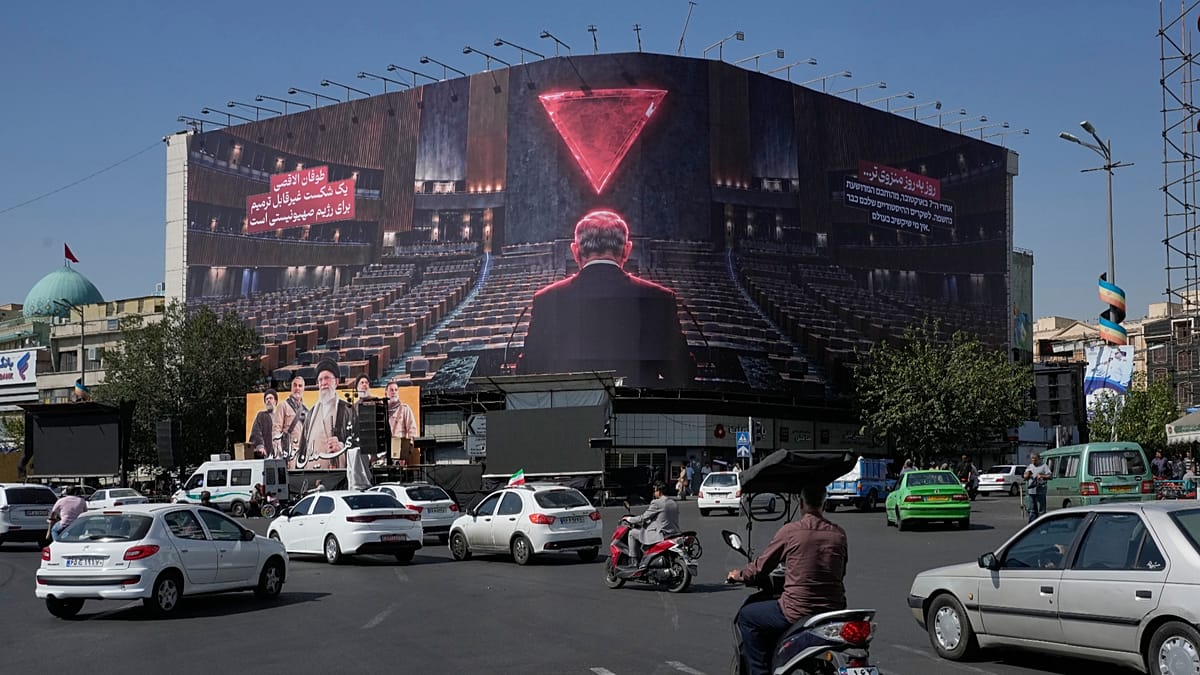
Reports date the start of the US-Israeli war against Iran to 28 February. An IRGC announcement of a large-scale retaliatory operation targeting Israel and a report of attacks on US facilities in Bahrain, Jordan, Iraq, Qatar, Kuwait, the UAE, Saudi Arabia and Syria indicate wider escalation, but neither account supplies a date for those events. The Pentagon is reported to have contingency plans involving the GBU-43/B MOAB, but Trump has not confirmed authorisation and has ruled out ground troops and nuclear weapons. Netanyahu has ruled out operations against Iran before Israel's 27 October election, while Israeli military reporting describes advice to delay and replenish interceptor missiles and precision munitions. Iran's missile production is reportedly being repaired; US and Israeli intelligence reporting says it has not detected renewed recovery of 60 per cent enriched uranium or warhead development. In the Strait of Hormuz, attacks on vessels continue to feature in reporting, while Iranian statements, CENTCOM's account of transits and JMIC's severe threat assessment leave the waterway's operational status contested. Houthi attacks on Saudi targets and Yemen's government in Aden add another regional pressure point; whether Tehran is encouraging those attacks remains disputed.
Change from previous assessment
This is a change from the prior brief's position that the reporting did not establish whether Iran and Israel had exchanged direct fire since June. The new claims establish reported US-Israeli attacks on Iran beginning on 28 February and add an IRGC announcement of a retaliatory operation targeting Israel, but that operation is undated, so the post-June question remains unresolved. This brief also adds reporting on Israeli readiness and pre-election restraint, Pentagon contingency plans involving the MOAB, and renewed attacks on commercial vessels and Saudi and Yemeni targets.
Key judgments
- Reporting confirms that US and Israeli attacks on Iran began on 28 February, but does not establish a dated Iran-Israel exchange after June. The IRGC's announced retaliatory operation targeting Israel and reported attacks on US facilities across eight countries are not dated in the available accounts. The start of the war is reported by multiple outlets, but the later operation and base attacks rely on less detailed reporting. (Confidence: medium · REPORTED)
- I&W: BREAK: An official IRGC or IDF statement, or independent major-media report, dates a direct Iran-Israel strike after June and identifies its target and location. (0-14 days)
- I&W: CONFIRM: Iran or Israel clarifies that the IRGC announcement referred to an operation before June, with no dated post-June direct strike reported through 30 October. (0-14 days)
- An Israeli strike on Iran before the 27 October election is unlikely. Netanyahu has ruled out military operations before the vote, and reports describe Israeli military advice to delay while replenishing interceptor missiles and precision munitions. Those public and media accounts align, although the military advice and internal deliberations are not independently documented. (Confidence: medium · ASSESSED)
- I&W: BREAK: Netanyahu or the IDF announces an operation against Iran, or publicly authorises one, before polling closes on 27 October. (0-14 days)
- I&W: CONFIRM: The 27 October election passes without an Israeli strike on Iran, and Netanyahu's government maintains its stated pre-election restraint. (0-14 days)
- A new US conventional strike on Iran before 3 November is a roughly even chance, not an established decision. CNN reporting describes Pentagon contingency plans that include possible GBU-43/B MOAB use; another account says Trump declined to execute a three-day operation, and Trump has not confirmed authorisation. The deployment of the Theodore Roosevelt carrier strike group adds military capacity but does not establish intent. The MOAB account largely traces to CNN, and reporting conflicts on whether US-Iran negotiations are continuing or have collapsed. (Confidence: low · ASSESSED)
- I&W: CONFIRM: The White House or Pentagon announces authorisation of conventional strikes on Iran, or a US strike on an Iranian target is reported with a date and location. (0-18 days)
- I&W: BREAK: By 3 November, no new US strike has occurred and Washington and Tehran publicly confirm renewed negotiations. (0-18 days)
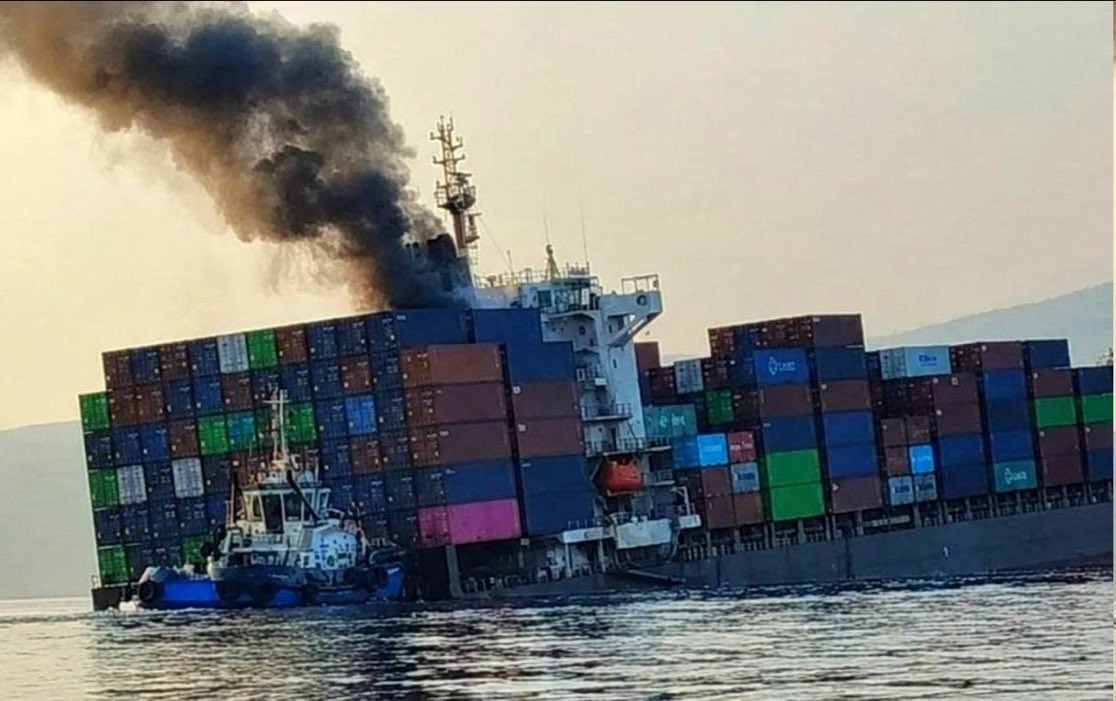
- Further attacks on commercial vessels in the Strait of Hormuz are likely within 14 days. JMIC documented eight projectile attacks on 11 and 13 October, while AFP reported at least 10 ship attacks in or near the strait since Sunday; GFS PRIDE was struck and sank. CENTCOM says the United States and regional partners control the strait and reports more than 40 transits in 24 hours, while JMIC maintains a SEVERE threat level and Iranian officers describe the strait as closed or subject to Iranian coordination. The differing counts and operational assessments leave the level of control unresolved. (Confidence: medium · ASSESSED)
- I&W: CONFIRM: JMIC reports a new projectile attack on a named tanker or containership in the Strait of Hormuz. (0-14 days)
- I&W: BREAK: JMIC downgrades its SEVERE threat assessment and reports no new hostile incidents in the strait through 30 October. (0-14 days)
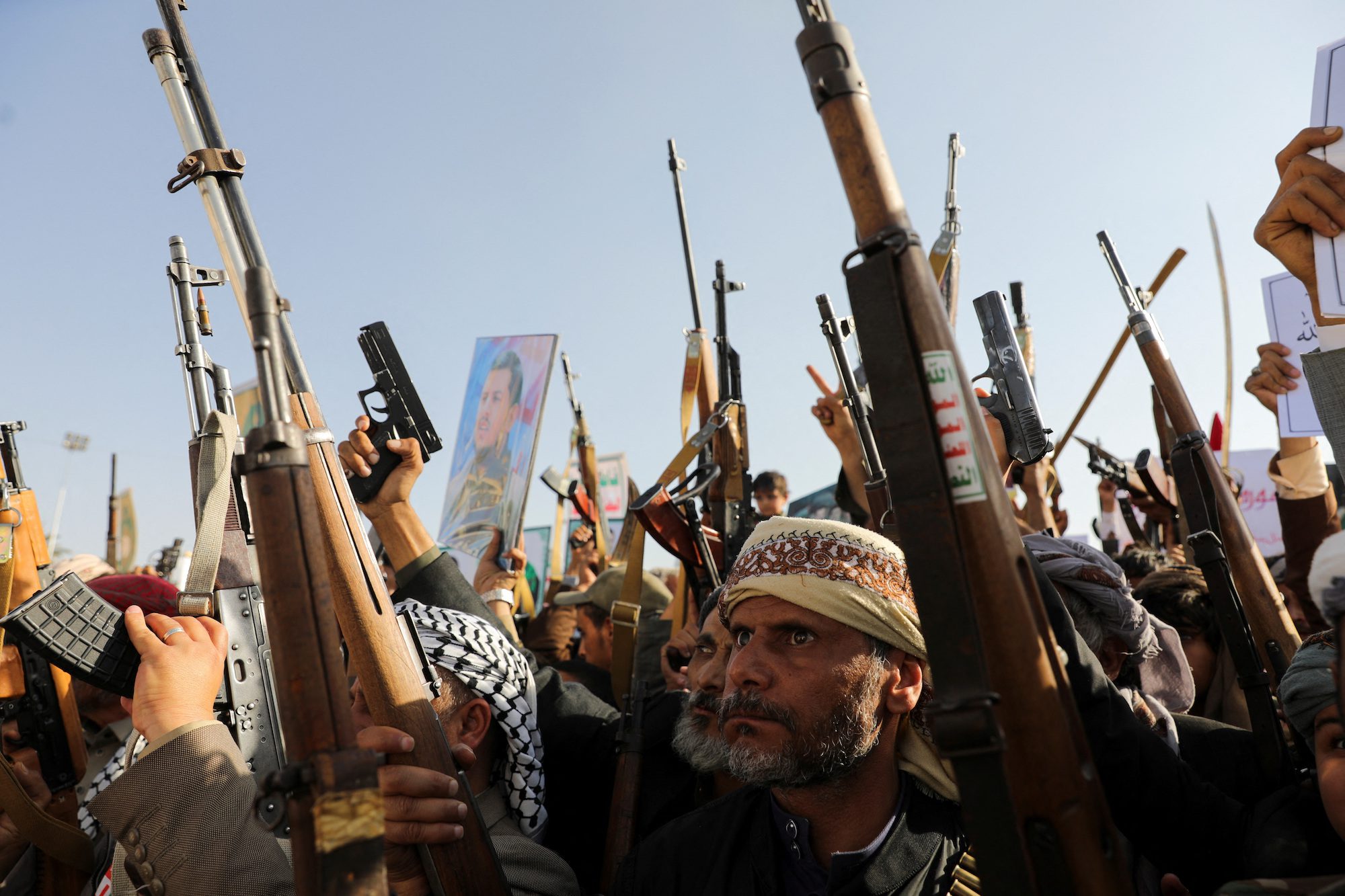
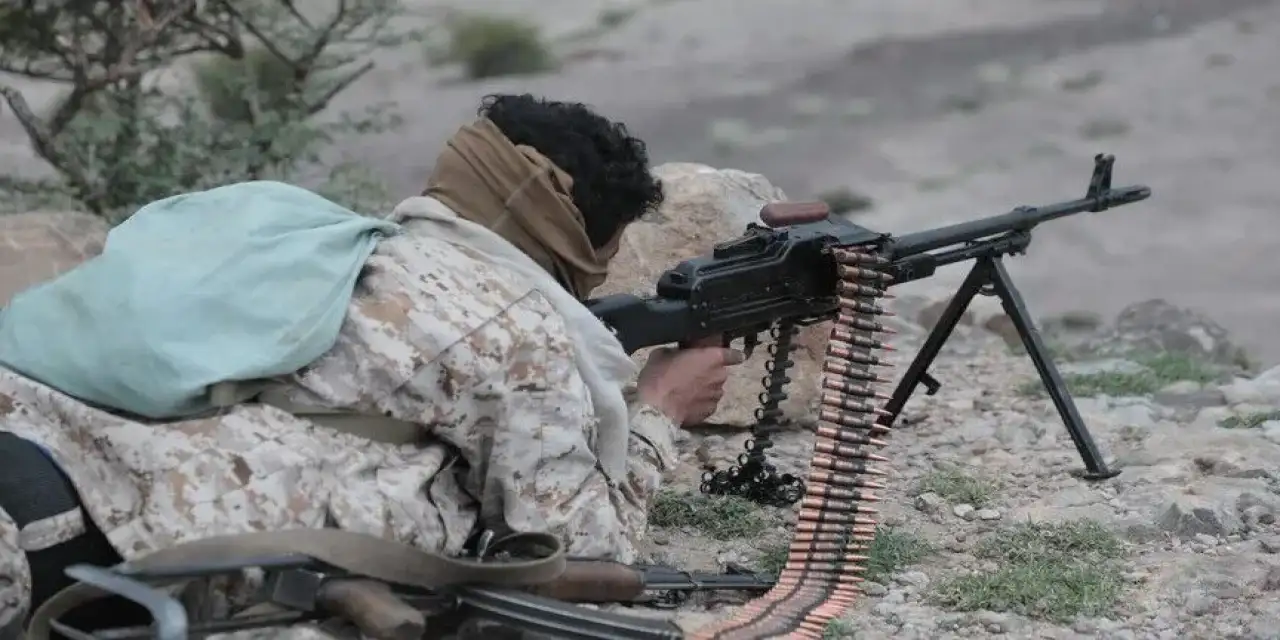
- Further Houthi attacks on Saudi targets or Yemen's Maashiq government complex in Aden are likely within 14 days. Reporting describes attacks on King Khalid International Airport and Saudi Aramco, as well as a 15 October missile and drone attack on Maashiq that killed five people and wounded 16. Saudi officials say Iran encouraged the escalation; Houthi spokesperson Mohammed Abdulsalam denies that the group is acting at Iran's behest. The attacks are reported by media sources, but Tehran's role remains contested by the parties. (Confidence: medium · ASSESSED)
- I&W: CONFIRM: A new Houthi missile or drone attack on King Khalid International Airport, Saudi Aramco facilities or Maashiq is reported with a date and location. (0-14 days)
- I&W: BREAK: The Houthis announce a suspension of attacks and Saudi authorities report no attempted strikes on those targets through 30 October. (0-14 days)
Outlook & scenarios
Continued coercion without a new US or Israeli strike (45%)
Through the 27 October Israeli election and 3 November US midterms, Israel maintains its reported pre-election restraint and Washington does not authorise a new strike. Iran continues military rebuilding and pressure around the Strait of Hormuz; vessel attacks and Houthi operations against Saudi targets remain the main visible sources of regional disruption.
Renewed US strikes on Iran (30%)
Trump authorises conventional strikes on Iranian military, energy or nuclear infrastructure, drawing on plans reported for the Pentagon. Iran responds against Israel or US facilities in the region. Trump has ruled out ground troops and nuclear weapons, but has not publicly confirmed authorisation of the reported MOAB plans.
Negotiations resume and reduce immediate strike risk (20%)
Washington and Tehran resume dialogue after conflicting reports about whether talks have collapsed or are continuing. A pause in direct strikes reduces immediate pressure, but does not by itself resolve the dispute over US troop presence, the Strait of Hormuz or Iran's missile programme.
Wildcard: regional retaliation widens (5%)
A renewed US strike triggers wider Iranian retaliation against Israel and US facilities across the region, while the Houthis intensify attacks on Saudi targets. A report based on two diplomatic sources says Tehran told Hezbollah leaders in Lebanon to prepare for a possible resumption of war; if that account is accurate and Hezbollah enters the conflict, the regional impact would rise sharply.
Recommendations
- Keep separate reporting lines for confirmed strikes, announced operations and contingency plans. Treat the CNN account of MOAB planning as evidence of reported planning, not proof of US authorisation; seek confirmation from the White House or Pentagon before assessing a strike decision.
- Track Israeli restraint through the 27 October election and US decision-making through 3 November. Record any public authorisation, dated strike report or change in the stated posture of the Theodore Roosevelt carrier strike group.
- Maintain a dated Strait of Hormuz incident and transit log using JMIC, CENTCOM and IMO reporting. Preserve each organisation's counting method and reporting window rather than combining the different incident totals.
- Track Houthi claims and Saudi reporting on attacks against King Khalid International Airport, Aramco facilities and Maashiq separately. Do not present Iranian direction or encouragement as established while Saudi claims and Houthi denials remain opposed.
Confidence & uncertainty
Overall confidence is high for the broad assessment of active conflict and regional escalation because reporting on the 28 February attacks appears across wire and major-media sources, while current shipping incidents are covered by maritime bodies and trade reporting. Confidence is lower on individual operational details: the IRGC operation and reported attacks on US facilities are undated, MOAB planning rests largely on CNN-based reporting, and accounts conflict on negotiation status, Hormuz control and Tehran's role in Houthi actions. High confidence here reflects the regional picture, not certainty on each event or attribution.
Alternative analysis (red cell)
The US strike judgment should not be read as an even-odds forecast. The available reporting shows contingency planning and military capacity, but claim 49e28a38-4259-4fd0-b9ad-629eff532d40 confirms that authorization remains unknown, while claims b1ce1925-8bca-43c7-bc44-024113f5c13a and c4d13a51-ac6d-4f34-8cb0-ac1f857ed30f point to restraint or continuing diplomatic uncertainty. On the present record, a new strike is possible but appears less likely than not before 3 November.
Intelligence gaps
- [EEI 1.1 · PARTIAL] Detection and characterization of ballistic/cruise missile or rocket launches originating from Iranian territory or from Iran-controlled positions in Iraq/Syria (time, launch coordinates, missile type, flight trajectory/impact area). Recommended collection: satellite/imagery
- [EEI 1.2 · PARTIAL] Movements and posture changes of Iran-backed proxy forces (Hezbollah units in Lebanon, militias in Syria/Iraq): concentrations of personnel, transport of rocket/artillery launchers, visible logistics build-up within operational range of Israel. Recommended collection: human/intel
- [EEI 1.4 · UNCOVERED] Evidence of pre-positioning or arming of naval mines, fast attack craft, or anti-ship missile systems in the Gulf of Oman, northern Arabian Sea, or off the Lebanese/Syrian coasts that could be used to interdict Israeli or allied shipping. Recommended collection: maritime/AIS
- [EEI 2.2 · PARTIAL] Formal diplomatic/military actions: evacuation orders or embassy closures, public troop posture statements, bilateral/multilateral defense commitments announced, requests for overflight or basing rights in regional states. Recommended collection: diplomatic
- [EEI 2.3 · UNCOVERED] Changes to force protection or alert levels at foreign bases in the region (e.g., US bases in Kuwait, Qatar, UAE; Russian bases in Syria): activation of additional air defenses, curfews, or reinforcement shipments (personnel/equipment manifests). Recommended collection: signals/intel
- [EEI 3.3 · PARTIAL] Market and insurance indicators: sudden spikes in war-risk or hull insurance premiums for Middle East routes, large moves in regional FX/stock indices, and notable changes in commodity futures (oil, freight rates) tied to regional risk perceptions. Recommended collection: financial/transactional
Cited sources
[1] gCaptain · How the Houthis are Helping Iran Turn Saudi Arabia Into a Pressure Point (C) · 15 October 2026 · sha256:88f88b25c223 [2] TASS · Iranian ambassador says US withdrawal from Middle East is only way to resolve conflict (B) · 16 October 2026 · sha256:8cc0a0f6c287 [3] alqaheranews.net (القاهرة الإخبارية) · تخوفات من رد واسع. إسرائيل مترددة في شن هجوم على إيران (D) · 16 October 2026 · sha256:0593a85a021b [4] Euronews (Arabic edition) · رغم تفوقهما العسكري. لماذا لم تنجح واشنطن وتل أبيب في تحقيق أهدافهما بإيران؟ (A) · 16 October 2026 · sha256:9c0b8c790272 [5] Middle East Monitor · Netanyahu, opposition blocs tied as 55% back unity government if election inconclusive: Poll (B) · 16 October 2026 · sha256:33b2cd2709d0 [6] El Financiero · Trump promete no usar bombas nucleares ni desplegar tropas de EU en Irán: ‘No tenemos por qué hacerlo’ (B) · 16 October 2026 · sha256:1552f67de223 [7] العربي الجديد (Al-Araby Al-Jadeed) · الحوثّيون يقصفون عدن والرياض تتهمهم برفض التفاوض (B) · sha256:b277c303b86e [8] Sky News Arabia · التصعيد بين أميركا وإيران. آخر الأخبار (A) · sha256:903941083f69 [9] gCaptain · U.S. Claims Control of Hormuz as Ship Attacks Hit New High (C) · 15 October 2026 · sha256:6525fd62b6f6 [10] Haksoz Haber · Yemen ordusu: Taiz ilinin güneyinde Husiler ile çatışmalar şiddetlendi (D) · 16 October 2026 · sha256:47b2dac4a4c1
Source content hashes were computed at collection time; the cited text is preserved unmodified for the life of this product.
Red cell review: PARTIAL DISSENT
TLP:CLEAR