TLP:CLEAR · Disclosure is not limited.
Middle East Conflict: Iranian Offensive Signalling and Maritime Disruption
Time window: Last 7 days · Audience: General analyst · Type: Situation report · DTG: 2026-08-21 12:09Z · Overall confidence: MEDIUM
BLUF
Iranian military signalling and Israeli operations indicate a very likely continuation of direct and regional strikes over the next two weeks. The most immediate spillover risks are sustained disruption in the Strait of Hormuz, further attacks involving the UAE and southern Lebanon, and growing pressure on Baghdad.
Executive summary
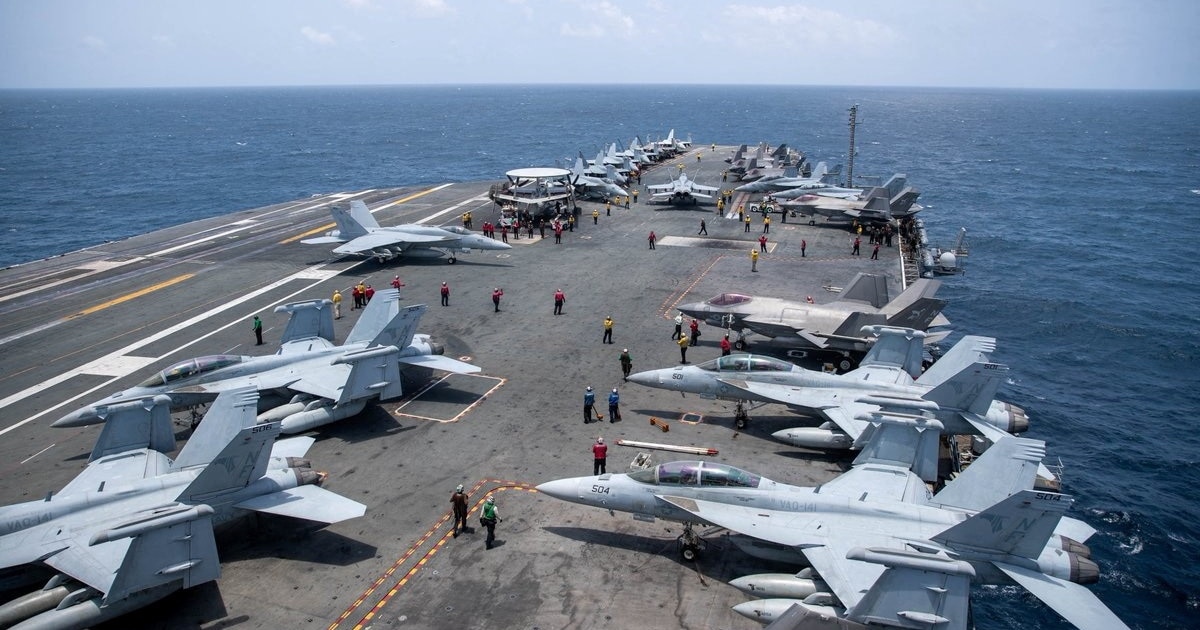
Between 14 August and 21 August 2026, Iran's military signalled a shift from retaliation towards offensive operations, while Supreme Leader Ayatollah Mojtaba Khamenei called for preparations for large-scale offensive operations on 20 August. Israel continued operations against Iranian allies in Syria and Hezbollah-linked targets in Lebanon. The UAE warned of potential missile threats on 18 August, suspended trade ties with Iran, and reported casualties from Iranian attacks. Shipping through the Strait of Hormuz remained at only seven vessels, while vessel seizures, a US military strike on a cargo vessel, and higher energy and container rates pointed to wider economic effects. Iran and Oman continued discussing an arrangement for the Strait, but no supplied claim confirms implementation.
Key judgments
- Iranian forces are very likely to maintain or intensify offensive pressure against Israel, US military positions, and the UAE over the next 0-14 days. Iran's military has signalled a shift from retaliation to offensive operations, and Ayatollah Mojtaba Khamenei called on 20 August 2026 for preparations for large-scale offensive operations. Israeli strikes in Syria and Lebanon, together with the IDF statement that it will continue removing threats in southern Lebanon, indicate a reciprocal action cycle. Confidence is medium because the latest offensive signalling and general Israeli intensification are supported mainly by major-media reporting and are not independently corroborated in the supplied material. (Confidence: medium · ASSESSED)
- I&W: Confirm: Iran announces or conducts a large-scale offensive operation, or launches another missile or drone attack against Israel, a US military position, or the UAE. (0-14 days)
- I&W: Break: Iran's military leadership publicly abandons offensive-operation language and no new Iranian attack against Israel, a US military position, or the UAE is reported for 14 days. (0-14 days)
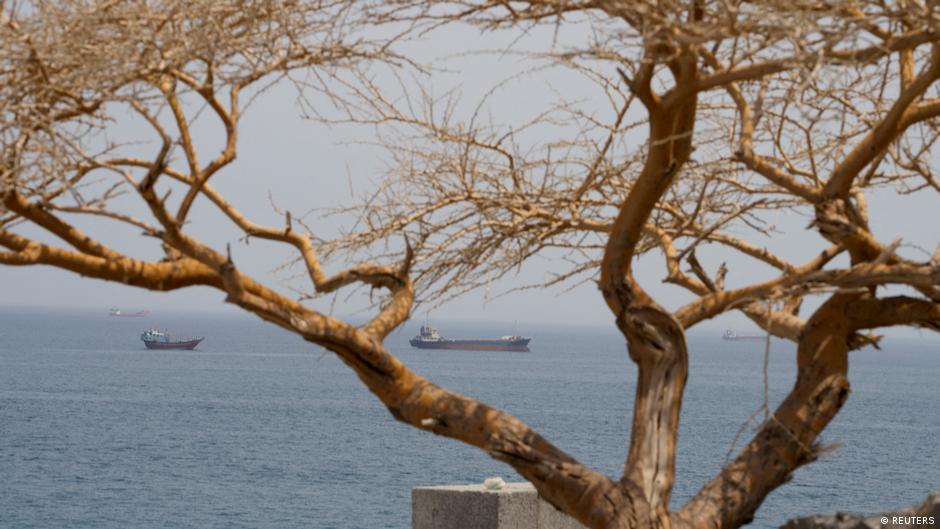
- Commercial traffic through the Strait of Hormuz is likely to remain severely constrained and impose further costs on energy and container shipping over the next 1-3 months. Iran's seizure of two cargo ships, the US Central Command report of a helicopter strike on a Panama-flagged cargo vessel, and Kpler's report of only seven transiting vessels indicate persistent maritime risk. Oil and fuel prices, container rates, Panama Canal congestion, and ship-to-ship transfers by Chevron Corp. show that the disruption is already affecting wider supply chains. Confidence is medium because the persistence and wider economic effects are assessed inferences rather than directly reported outcomes. (Confidence: medium · ASSESSED)
- I&W: Confirm: Kpler records seven or fewer vessels transiting the Strait of Hormuz in a subsequent weekly observation, or UKMTO reports another seizure or loss of control of a commercial vessel. (0-30 days)
- I&W: Break: Kpler records a sustained return of traffic towards pre-conflict levels and Iran and Oman announce an operational arrangement that permits normal commercial transit. (1-3 months)
- Military spillover is very likely to continue across the UAE, southern Lebanon, and Saudi Arabia over the next 0-30 days. The UAE issued a missile-threat warning on 18 August 2026 and reported 15 deaths and 246 injuries from attacks attributed to Iran. Israeli strikes killed seven people near Ansar, while separate reporting put the southern Lebanon death toll at 11 and identified three children and two women among the dead. Iranian-backed Houthi forces claimed drone attacks in Saudi Arabia's Najran region. Confidence is medium because the UAE missile attribution was rejected by Iran, Houthi reporting is a single major-media claim, and the southern Lebanon casualty figures are inconsistent. (Confidence: medium · ASSESSED)
- I&W: Confirm: The UAE issues another missile warning or reports additional casualties or infrastructure damage attributed to Iran, while Israeli forces conduct another strike in southern Lebanon or Houthi forces claim another attack in Najran. (0-30 days)
- I&W: Break: Thirty days pass without another UAE missile warning, Israeli strike in southern Lebanon, or Houthi attack claim involving Saudi Arabia. (0-30 days)
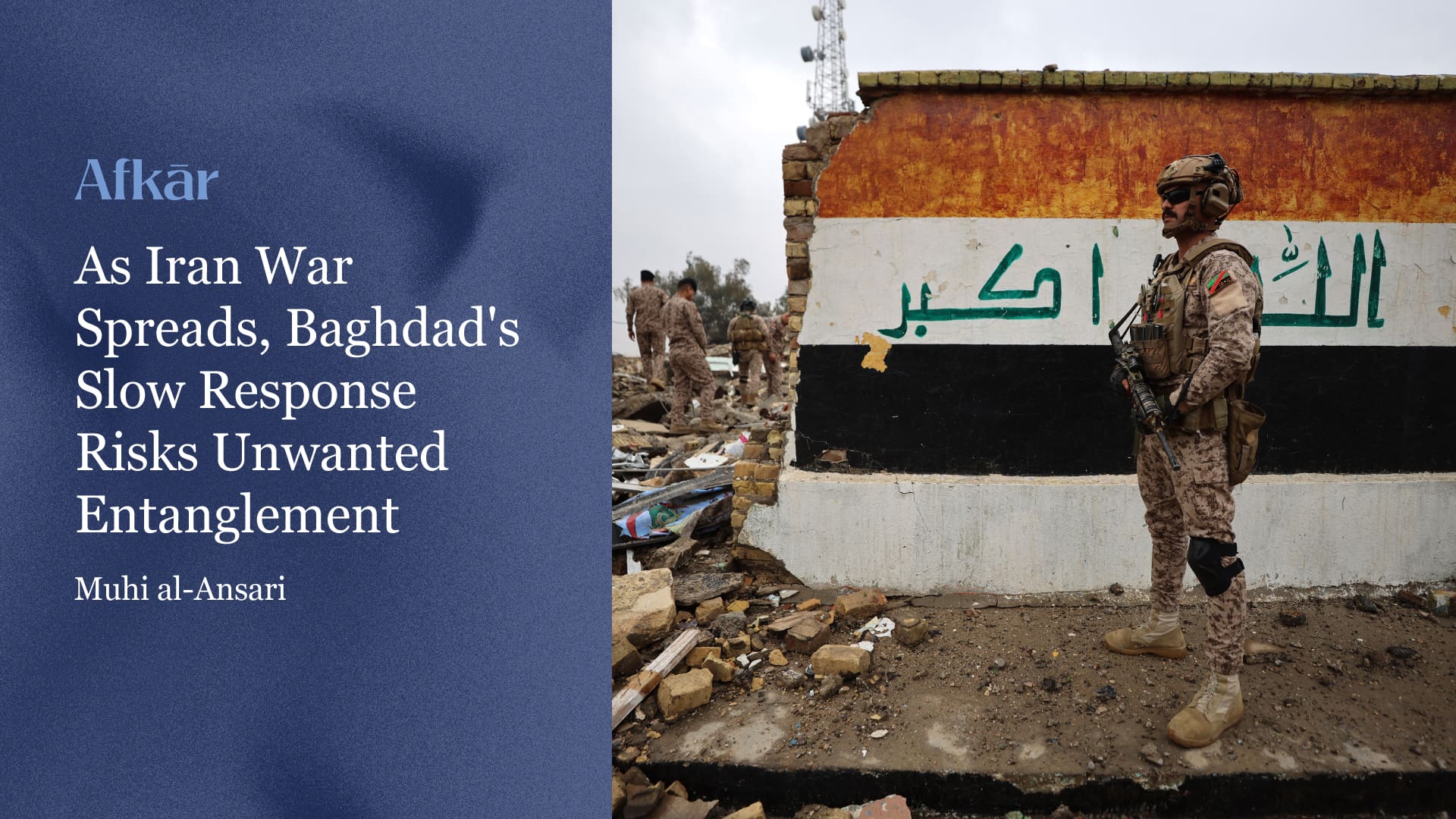
- Baghdad is likely to face deeper political and economic entanglement in the Iran-US confrontation over the next 1-3 months. Reporting describes Baghdad as unprepared for escalation, unable to contain outlaw militias, and without a plan for militia disarmament or a possible US military decision. Iraq's government is also facing an economic crisis because the Strait of Hormuz closure and falling oil exports threaten revenue that accounts for roughly 90 percent of the state budget. Iraq's request for special status for its oil exports, alongside Mohammad Bagher Qalibaf's August visit and call for closer Iran-Iraq ties, points to pressure on Baghdad to manage both economic access and relations with Tehran. Confidence is low because this judgement rests heavily on medium-confidence blog reporting about Baghdad's preparedness and militia control. (Confidence: low · ASSESSED)
- I&W: Confirm: The Iraqi government announces emergency measures for oil exports through the Strait of Hormuz or a new plan to contain outlaw militias, while Iranian officials seek additional political or economic commitments from Baghdad. (1-3 months)
- I&W: Break: Baghdad announces and implements a militia-containment plan, maintains oil exports without requesting further special status, and reports no new sovereignty or budget crisis linked to the conflict. (1-3 months)
- Humanitarian and economic pressure is likely to worsen in Iran, northern Israel, the UAE, and Gaza over the next 1-3 months. Iran is reported to face almost 80 percent inflation and a currency loss of almost 30 percent against the dollar this year. The conflict has displaced approximately 96,000 people from northern Israel, while attacks in the UAE have killed 15 people and injured 246. Gaza remains dependent on increased humanitarian access, with the UK Government reporting more than £127 million in support during the financial year. Confidence is medium because the Iranian government and human rights activists report sharply different death tolls for the protest crackdown, and several humanitarian figures come from single major-media reports. (Confidence: medium · ASSESSED)
- I&W: Confirm: Iran reports further currency losses against the dollar or inflation near 80 percent, while the UAE casualty total or displacement from northern Israel rises above the reported levels. (1-3 months)
- I&W: Break: Iran reports stabilisation of inflation and its currency, while no additional civilian deaths or displacement are reported in the UAE or northern Israel and humanitarian access to Gaza increases. (1-3 months)
- An Oman-mediated arrangement to manage the Strait of Hormuz has a roughly even chance of producing a limited and temporary reduction in maritime disruption over the next 1-3 months. Iran says a deal with Oman is in its final stages, while separate reporting describes ongoing negotiations and an Omani call for lasting security and rejection of further escalation. Confidence is low because the evidence consists principally of Iranian statements and an Omani diplomatic position, with no supplied claim confirming a signed or implemented agreement. (Confidence: low · ASSESSED)
- I&W: Confirm: Iran and Oman announce a signed arrangement and Kpler records a sustained increase in commercial transits through the Strait of Hormuz. (0-90 days)
- I&W: Break: Iran and Oman announce that negotiations have stalled, or another commercial vessel is seized after the reported deal reaches its final stage. (0-90 days)
Outlook & scenarios
Protracted multi-front conflict and maritime restriction (55%)
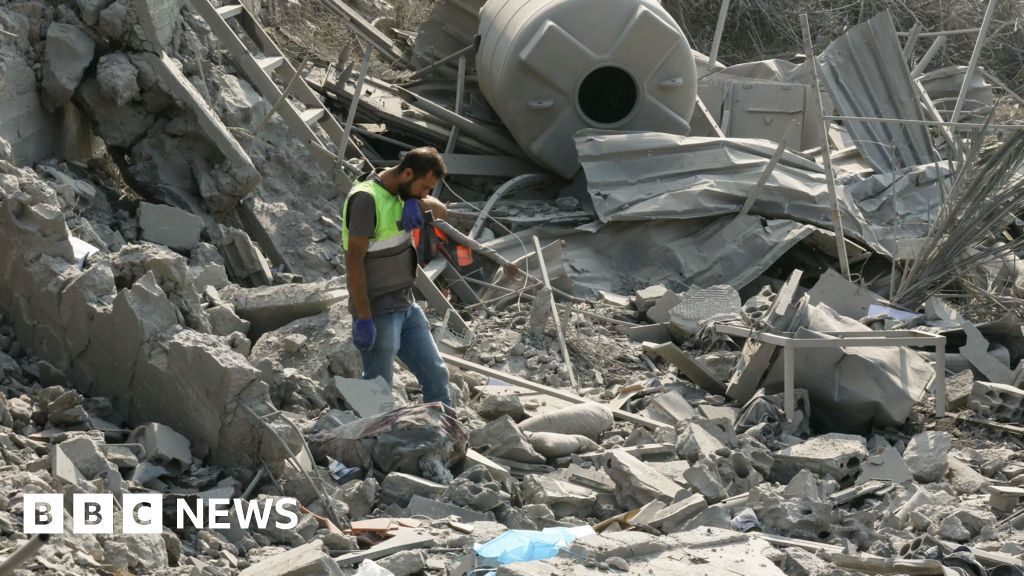
Iran maintains its offensive posture, Israel continues strikes in Syria and southern Lebanon, and the UAE remains exposed to missile threats. Shipping through the Strait of Hormuz stays well below normal levels, with higher oil, fuel, and container costs. Baghdad faces pressure over oil exports and militia activity.
Limited Oman-mediated maritime deconfliction (30%)
Iran and Oman announce an arrangement covering management of the Strait of Hormuz. Commercial transits increase, but the arrangement does not end Israeli strikes, Iranian offensive signalling, or attacks involving the UAE, southern Lebanon, and Saudi Arabia. The reduction in maritime disruption is temporary.
Direct regional expansion, low probability and high impact (15%)
A new Iranian attack on the UAE or a US military position coincides with further Israeli operations in Lebanon and attacks claimed by Iranian-backed Houthi forces in Saudi Arabia. Iraq's militia-control problems then draw Baghdad more directly into the confrontation, while Hormuz traffic falls further and civilian displacement rises.
Recommendations
- Maintain daily collection on Iranian offensive signalling, Israeli strike activity in Syria and southern Lebanon, UAE missile warnings, and Houthi claims involving Saudi Arabia. Separate official announcements from battlefield confirmation.
- Track the Strait of Hormuz through Kpler vessel counts, UKMTO incident reports, US Central Command statements, and announcements from Iran and Oman. Treat a signed agreement as unconfirmed until vessel traffic increases.
- Build an attribution matrix for UAE missile incidents. Record the UAE detection or casualty report, Iran's denial, the timing of any trade measures, and independent physical indicators before assessing responsibility.
- Prioritise collection on Baghdad's handling of Iraqi oil exports, militia disarmament, and requests for special status through Hormuz. Flag any Iraqi government plan that changes the current assessment of limited control.
- Use NASA FIRMS thermal detections as corroborative evidence only. The system records heat rather than cause, and the latest Middle East count included no high-confidence detections. Pair detections with local reporting and official military statements.
- Update humanitarian estimates separately for Iran, northern Israel, the UAE, southern Lebanon, and Gaza. Preserve competing casualty totals rather than combining figures from different reporting streams.
Confidence & uncertainty
Overall confidence is medium. The assessment draws on several high-confidence official-government, multilateral, major-media, and trade reports covering Iranian and Israeli military activity, UAE security warnings, Hormuz shipping levels, and economic effects. Confidence is reduced by reliance on medium-confidence think-tank and blog reporting for Baghdad's preparedness, inconsistent casualty figures in southern Lebanon, disputed attribution of the 18 August missile incident, and the lack of confirmation that the Iran-Oman Strait arrangement has been implemented.
Cited sources
[1] CBS News · Trump announces "crushing economic operation" on Iran with talks in limbo (A) · sha256:075a95d0ec7e [2] BBC · US says sanctions will 'squash' Iran's economy and 'collapse' its regime (A) · sha256:af059aebf815 [3] GEBEYA GLOBAL · ሰበር ዜና! ጦርነቱ ተፏፏመ! የኢራን አብራሪዎች ተማረኩ? ! እስራኤል ጥቃቷን አጠናከረች | Israel Intensifies Strikes (B) · sha256:88b04a7998ab [4] Wikipedia · Iran–Israel proxy conflict (B) · sha256:d7a7ce39c044 [5] BBC · Eleven killed in Israeli strikes on southern Lebanon, authorities say (A) · sha256:75bca17faecf [6] BBC News · US-Israel war with Iran | Latest News and Updates | BBC News (A) · sha256:c70c8eabb4c9 [7] RFE/RL · US Vows 'Toughest Sanctions In History' Against Iran (A) · sha256:6cd385c9ff91 [8] gcaptain.com · Transpacific Container Rates Surge as Carriers Cut Capacity (C) · sha256:f2602ba3256a [9] gcaptain.com · Soaring Panama Canal Fees Drive a Nascent LPG Shuttle Trade (C) · sha256:f1910c5777ef [10] gcaptain.com · Soaring Panama Canal Fees Drive a Nascent LPG Shuttle Trade (B) · sha256:2942538d4ec6 [11] gcaptain.com · US Will Impose 'Toughest Sanctions in History' on Iran, Bessent Says (A) · sha256:b3ca68b2a9ab [12] dw.com · Middle East: No talks or conversations with Iran, Trump says (A) · sha256:e5e440337f9c [13] Wikipedia · United Arab Emirates in the 2026 Iran war (B) · sha256:8601c5572951 [14] mecouncil.org · As Iran War Spreads, Baghdad's Slow Response Risks Unwanted Entanglement (D) · sha256:74408b1efd02 [15] gcaptain.com · Trump Threatens Economic Isolation for Iran and Its Trading Partners (B) · sha256:46527b3fdf28 [16] Wikipedia · 2026 United States military buildup in the Middle East (A) · sha256:1db9172d1c6c [17] Wikipedia · Hezbollah–Israel conflict (2023–present) (B) · sha256:7e66d69eeedf [18] UK Government · Minister renews calls for Israel to allow more aid into Gaza on first visit to the region (A) · sha256:ba76e538e65a
Source content hashes were computed at collection time; the cited text is preserved unmodified for the life of this product.
Red cell review: CONCUR WITH COMMENT
TLP:CLEAR