TLP:CLEAR · Disclosure is not limited.
Middle East Conflict: Maritime Disruption and Regional Spillover Risks
Time window: Last 1 day · Audience: General analyst · Type: Situation report · DTG: 2026-09-15 21:36Z · Overall confidence: HIGH
BLUF
US-Israel-Iran hostilities are very likely to remain active over the next 0-14 days, while Houthi attacks are likely to sustain pressure on Saudi Arabia and Bab al-Mandeb shipping. The Strait of Hormuz is very likely to remain severely constrained rather than fully closed, with conflicting accounts of vessel attacks and continued limited traffic. Yemen's humanitarian crisis is very likely to worsen as displacement approaches or exceeds 100,000 people.
Executive summary
The conflict is generating simultaneous military, maritime and humanitarian pressure across the Middle East. Reporting indicates that the US war with Iran has entered its seventh month without a military resolution, while Israel continues to warn its adversaries and retains a security zone in southern Lebanon against Hezbollah. Hormuz traffic remains sharply below pre-conflict levels, although facilitated transits, daytime VLCC movements and dark oil shipments indicate that the strait is not fully closed. Houthi attacks and Saudi countermeasures are adding pressure around Bab al-Mandeb and Saudi energy infrastructure. In Yemen, UN agencies report nearly 100,000 to more than 100,000 newly displaced people, more than 2,400 arrivals in Djibouti and worsening restrictions on humanitarian access.
Change from previous assessment
This brief adds new reporting that nearly 100,000 to more than 100,000 people have been displaced in Yemen, more than 2,400 people have reached Djibouti and Al Makha port damage is restricting humanitarian operations. It adds the El Gaia tanker incident, three reported vessel attacks in Hormuz, new evidence of limited VLCC movement and updated Saudi pipeline and Yanbu disruptions. The assessment of Hormuz has shifted from very likely functionally constrained with high confidence to very likely constrained but not fully closed with medium confidence, reflecting stronger contradictory evidence about traffic and closure. The Houthi-Saudi judgment remains likely but now incorporates reported missile launches, pipeline attacks and disputed attribution. The previous judgment on worsening Yemeni humanitarian conditions is retained at high confidence and expanded. Diplomatic engagement remains likely, with the forthcoming Araghchi-Wang meeting and CENTCOM-facilitated Israel-Saudi talks added to the assessment. An initial high-impact scenario concerning nuclear uncertainty and Russian military support has been added.
Key judgments
- US-Israel-Iran hostilities are very likely to remain active over the next 0-14 days, with no reliable evidence of a comprehensive settlement. Reporting describes the US war with Iran as approaching its seventh month without a military resolution, while earlier joint US-Israeli strikes, the continued economic campaign against Iran and Benjamin Netanyahu's 15 September warning to Israel's adversaries indicate sustained confrontation. Confidence is medium because one report states that a US-Iran ceasefire ended Iranian attacks on Israel in early April, creating an unresolved contradiction over the continuity and scope of hostilities. (Confidence: medium · ASSESSED)
- I&W: A further confirmed US or Israeli strike on Iranian targets, or a further Iranian attack on US, Israeli or regional partner forces, would confirm continued active hostilities. (0-14 days)
- I&W: A formally announced and independently observed US-Iran ceasefire accompanied by an absence of reported strikes would break this judgment. (0-14 days)
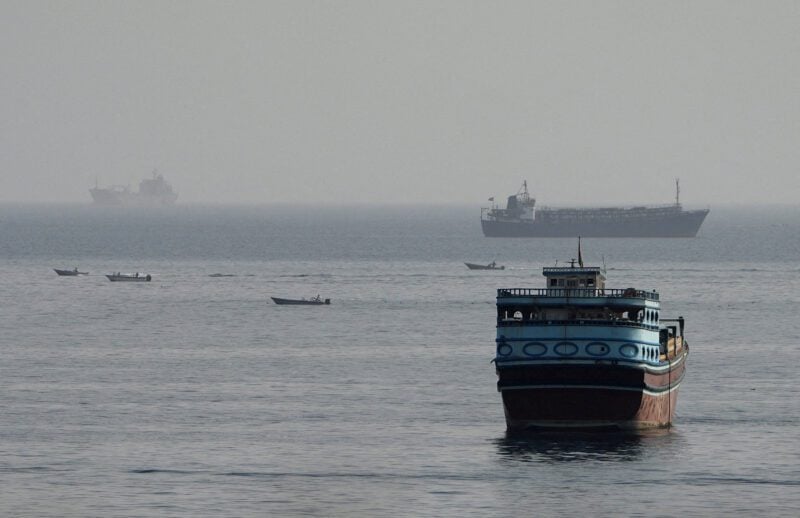
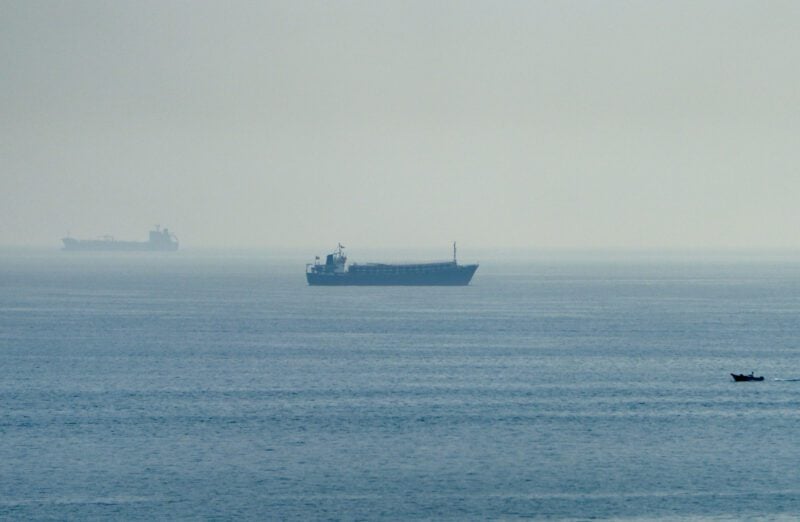
- The Strait of Hormuz is very likely to remain severely constrained rather than fully closed over the next 0-14 days. UK Maritime Trade Operations reported traffic about 90% below pre-conflict levels, while JMIC recorded 70 US-facilitated transits from 10 to 12 September against a pre-conflict average of about 138 vessel movements per day. At the same time, satellite imagery showed bi-directional daytime VLCC traffic and increased ship-to-ship transfers, and reporting put dark exports at 7 to 9 million barrels per day. Confidence is medium because blanket closure claims, limited observed traffic and reduced but continuing oil flows cannot be fully reconciled. (Confidence: medium · ASSESSED)
- I&W: Repeated JMIC or UKMTO records of facilitated transits, corroborated by AIS or satellite imagery showing bi-directional tanker movement, would confirm constrained but functioning navigation. (0-14 days)
- I&W: A cessation of reported transits, disappearance of observed VLCC movements and a sustained halt in oil flows would break this judgment and support a fully closed status. (0-14 days)
- Houthi-Saudi confrontation is likely to intensify maritime and energy pressure over the next 0-14 days. Reporting describes dozens of Houthi ballistic missile and drone launches against Saudi Arabia, attacks on Saudi oil pipelines and pumping facilities, Houthi seizure of Red Sea islands and restrictions on Saudi vessel movements through Bab al-Mandeb. Riyadh has said it will respond firmly. Confidence is medium because Saudi Arabia attributed the pipeline attacks to Iraqi militia, while some Houthi territorial-control claims lack independent confirmation. (Confidence: medium · ASSESSED)
- I&W: Further Houthi missile or drone launches against Saudi oil facilities, civilian infrastructure or shipping, followed by Saudi airstrikes or other military action, would confirm intensification. (0-14 days)
- I&W: A verified halt in Houthi attacks, restored Saudi vessel passage through Bab al-Mandeb and an end to Saudi retaliatory operations would break this judgment. (0-14 days)
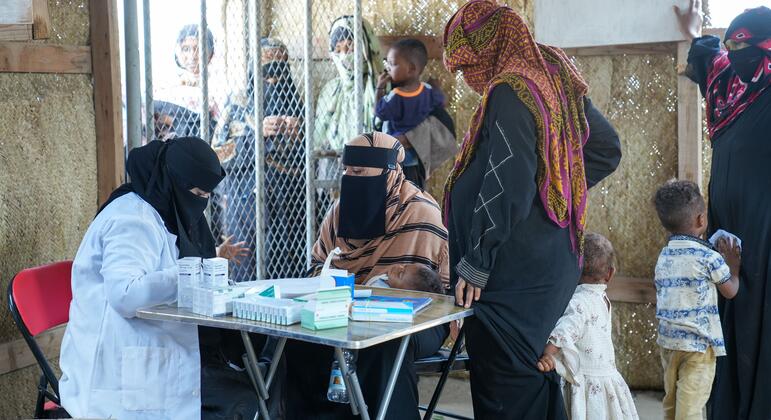
- Yemen's humanitarian crisis is very likely to deteriorate over the next 1-3 months. UN agencies report nearly 100,000 to more than 100,000 people newly displaced since fighting intensified in September, while IOM records 93,864 newly displaced individuals. More than 2,400 people have crossed Bab al-Mandeb to Djibouti in four days, nearly half of Yemen's 41 million people need aid, and damage to Al Makha port, telecommunications disruptions and movement restrictions are constraining relief operations. Confidence is high because UNHCR, IOM, UNICEF and other UN agencies provide mutually reinforcing reporting, although their totals use different counting periods and methods. (Confidence: high · ASSESSED)
- I&W: Additional UNHCR or IOM reporting of displacement above 100,000, continued arrivals in Djibouti and further restrictions around Al Makha, Ta'iz, At Turbah and Aden would confirm deterioration. (0-14 days)
- I&W: Restored access to Al Makha port, telecommunications and movement routes, combined with a sustained fall in new displacement, would break this judgment. (1-3 months)
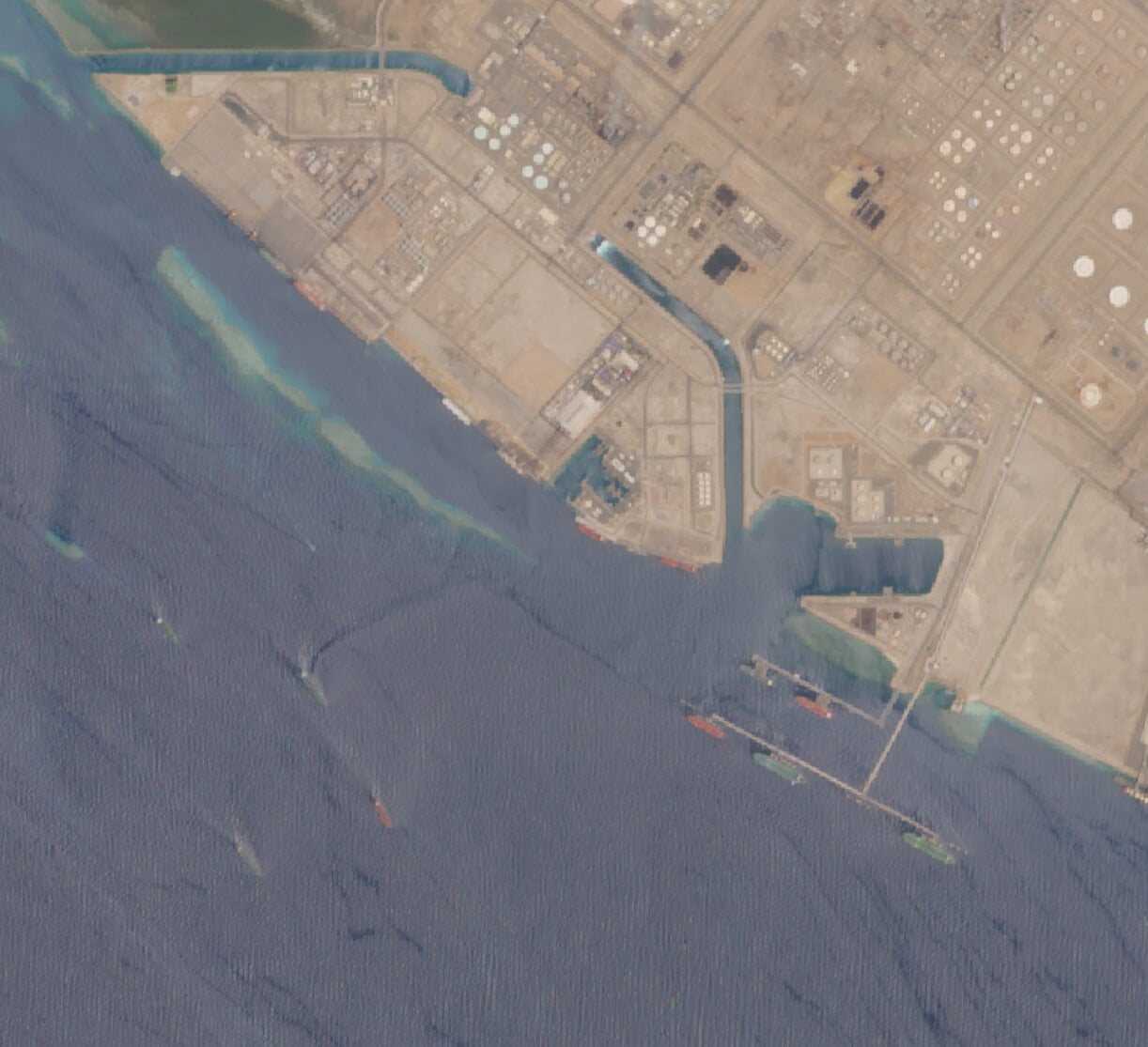
- Regional energy and logistics disruption is likely to persist for the next 1-3 months. Saudi Arabia has suspended Yanbu loadings, cancelled some September crude cargoes and cut oil shipments to Europe after damage to the East-West Pipeline. Industry sources assess that full pipeline flow requires three to five weeks to restore, while Brent futures were near US$108 per barrel, dated Brent near US$122 and cargo prices above US$120. Orlen is seeking replacement crude from the North Sea and other suppliers. Confidence is medium because reported dark shipments through Hormuz and substantial Ras Tanura loading show that some Gulf exports continue despite the disruptions. (Confidence: medium · ASSESSED)
- I&W: Continued suspension of Yanbu loadings, additional Saudi cargo cancellations and repair estimates remaining at three to five weeks or longer would confirm persistent disruption. (0-14 days)
- I&W: Resumed Yanbu loading, restored East-West Pipeline flows and a sustained reduction in Brent and physical cargo prices would break this judgment. (1-3 months)
- Limited diplomatic engagement is likely to continue over the next 0-14 days, but a comprehensive de-escalation agreement is very unlikely in that period. Iran's Foreign Minister Abbas Araghchi is expected to meet Wang Yi in Beijing on 16 September, Xi Jinping has urged BRICS to act as peacemakers, and Israel and Saudi Arabia are engaged in CENTCOM-facilitated discussions on intelligence assistance against the Houthis. These channels coexist with US and European pressure through the IAEA, snapback sanctions and sanctions against Russia's VTB Bank. Confidence is medium because the Beijing meeting and Israel-Saudi discussions remain prospective or single-source, and no operational ceasefire or maritime agreement has been reported. (Confidence: medium · ASSESSED)
- I&W: A confirmed Araghchi-Wang meeting, a public BRICS mediation initiative or a documented intelligence-sharing arrangement between Israel and Saudi Arabia would confirm continued limited diplomacy. (0-14 days)
- I&W: A signed US-Iran ceasefire, an operational Hormuz navigation agreement or a verified halt in regional strikes would break the judgment that comprehensive de-escalation is very unlikely. (0-14 days)
Outlook & scenarios
Sustained multi-front pressure (55%)
US-Israel-Iran hostilities continue without a comprehensive settlement. Hormuz remains severely constrained but retains limited escorted and unreported traffic. Houthi attacks sustain pressure on Saudi infrastructure and Bab al-Mandeb, while Israeli operations and Hezbollah activity keep southern Lebanon unstable. Displacement and access restrictions in Yemen continue to rise.
Managed maritime containment with limited diplomacy (30%)
The Beijing meeting, BRICS calls and CENTCOM-facilitated Israel-Saudi discussions produce narrow understandings without ending the wider conflict. US-facilitated Hormuz transits continue, Saudi repairs restore some pipeline capacity and humanitarian access improves in selected Yemeni locations. The conflict remains active but regional spillover is contained.
Regional widening through maritime and proxy escalation (20%)
Further attacks on commercial vessels, Saudi oil infrastructure or Bab al-Mandeb shipping trigger broader military responses. The disputed El Gaia incident is followed by additional tanker attacks, while Houthi pressure and Hezbollah missile activity widen the operational geography of the conflict. Oil prices and rerouting pressures rise as more operators avoid regional waterways.
Nuclear or advanced-weapons threshold shock (8%)
A low-probability, high-impact development involving the reported location of more than 400 kg of highly enriched uranium, Russian support for Iranian targeting and missile technology, or renewed US ground-operation planning around Kharg Island triggers a major policy decision. The result is a sharp expansion of strikes, sanctions or military deployments and a severe deterioration in regional stability.
Recommendations
- Report Hormuz as severely constrained rather than fully closed. Separate AIS and satellite-observed traffic, US-facilitated transits, dark shipment estimates and official closure statements in every update.
- Maintain a 0-14 day maritime warning watch for new JMIC or UKMTO reports, additional tanker fires, mine allegations, projectile strikes and changes in the number of facilitated transits. Reconcile the El Gaia attribution and damage reports before assigning responsibility.
- Track Houthi launches against Saudi Arabia, Saudi retaliatory operations, Red Sea island control and vessel movements through Bab al-Mandeb. Treat attribution of attacks on the East-West Pipeline as unresolved until reporting distinguishes Houthi activity from Saudi allegations against Iraqi militia.
- Prioritise humanitarian reporting from UNHCR, IOM and other UN agencies. Monitor new displacement above 100,000, arrivals in Djibouti, Al Makha port access, telecommunications restrictions and movement between Ta'iz, At Turbah and Aden.
- Track Saudi pipeline repair timelines, Yanbu loading status, cargo cancellations, Orlen's replacement purchases and Brent physical prices as early indicators of whether logistics disruption is persisting or easing.
- Follow the 16 September Araghchi-Wang meeting, BRICS mediation activity, IAEA pressure and CENTCOM-facilitated Israel-Saudi discussions. Distinguish diplomatic contact from an operational ceasefire or maritime deconfliction arrangement.
- Keep a separate high-impact watch for evidence concerning Iran's unaccounted highly enriched uranium, Russian military support to Iran and any movement from economic pressure towards ground operations around Kharg Island.
Confidence & uncertainty
Overall confidence is high because the principal developments are corroborated by multiple high-reliability sources, including UN agencies on Yemen, JMIC and UKMTO reporting on maritime incidents, CENTCOM statements, wire-service reporting on Saudi energy disruption and major media reporting on diplomatic and military activity. Confidence is lower for several forward-looking judgments because source accounts conflict over the status of Hormuz, the cause and timing of the El Gaia incident, the attribution of attacks on Saudi energy infrastructure and the continuity of US-Iran hostilities after the reported April ceasefire.
Intelligence gaps
- [EEI 1.1 · UNCOVERED] Observed repositioning, sustained increases, or new forward basing of Iranian conventional or IRGC forces (armored units, missile batteries, aircraft, naval vessels) toward borders or regional launch points. Recommended collection: IMINT/satellite
- [EEI 1.4 · UNCOVERED] Interdicted or observed shipments (air, sea, land manifests, seizures, satellite imagery of transfers) of advanced weapons or missile components from Iran toward proxy groups or forward staging points. Recommended collection: maritime/AIS
- [EEI 2.4 · PARTIAL] Rapid increases in war-risk insurance premiums for Middle East routes, shipping company advisories to avoid region, or major charter cancellations tied to the conflict. Recommended collection: financial/open-source
- [EEI 3.1 · UNCOVERED] Movement/arrival of major foreign military assets into the region: US carrier strike groups, amphibious ready groups, strategic bomber flights, Russian/Chinese naval taskings, or allied expeditionary units (visible in AIS, NOTAMs, satellite imagery, official releases). Recommended collection: IMINT/satellite
- [EEI 3.2 · UNCOVERED] Official expedited arms transfers, basing/overflight agreements, or declarations of operational support (formal government announcements, defense ministry releases, logistics flight manifests). Recommended collection: open-source/diplomatic
- [EEI 3.3 · UNCOVERED] Embassy evacuations, large-scale personnel movements, issuance of government travel bans/advisories, or multinational security alerts affecting foreign nationals and diplomatic posture in the region. Recommended collection: diplomatic/open-source
Cited sources
[1] Al Jazeera (aljazeera.net) · حرب إيران والانتخابات. هل تبخرت وعود ترمب للأمريكيين؟ (A) · Tue Sep 15 2026 15:33:35 GMT+0000 (Coordinated Universal Time) · sha256:2439c86439f6 [2] TV7 Israel News · Is Iran Preparing a Nuclear Breakout? (B) · sha256:0a6c85951240 [3] TV7 Israel News · Is Iran Preparing a Nuclear Breakout? (B) · sha256:aca714a584be [4] TRT World · Is Greece’s Israel alignment risking its long-term security? (B) · Tue Sep 15 2026 14:22:00 GMT+0000 (Coordinated Universal Time) · sha256:1879c0a3e022 [5] gCaptain · U.S. Rejects Iran’s Mine Claim as Hormuz Shipping Threat Remains Severe (C) · Mon Sep 14 2026 20:28:38 GMT+0000 (Coordinated Universal Time) · sha256:e7b203f25a2c [6] The Maritime Executive · Oil Prices Jump at News of Pause in Saudi Loadings at Red Sea Terminal (C) · sha256:78148e5ebfba [7] Reuters (republished by gCaptain) · Oil Prices Surge as Saudi Red Sea Loadings Halt, Libya Shuts Fields (A) · Tue Sep 15 2026 19:11:06 GMT+0000 (Coordinated Universal Time) · sha256:893b27c1d5a7 [8] i24NEWS · Israel and Saudi Arabia are engaged in CENTCOM-mediated sharing intel against the Houthis (B) · Tue Sep 15 2026 00:00:00 GMT+0000 (Coordinated Universal Time) · sha256:e83b297ece69 [9] Al Jazeera · More than 100,000 displaced as they flee violence in Yemen: UN (A) · Tue Sep 15 2026 17:39:58 GMT+0000 (Coordinated Universal Time) · sha256:7d5eba607f8b [10] United Nations (UN News) · Escalating conflict drives new displacement in Yemen (A) · Tue Sep 15 2026 15:07:34 GMT+0000 (Coordinated Universal Time) · sha256:27b204a1575c [11] Al Jazeera · Can China play peacemaker as Iran’s foreign minister heads to Beijing? (A) · Tue Sep 15 2026 16:15:13 GMT+0000 (Coordinated Universal Time) · sha256:a51600b0538b
Source content hashes were computed at collection time; the cited text is preserved unmodified for the life of this product.
Red cell review: CONCUR WITH COMMENT
TLP:CLEAR