TLP:CLEAR · Disclosure is not limited.
Middle East Conflict: Maritime Escalation and Regional Spillover
Time window: Last 1 day · Audience: General analyst · Type: Situation report · DTG: 2026-09-06 19:10Z · Overall confidence: HIGH
BLUF
Very likely US-Iran military exchanges and severe disruption to Strait of Hormuz shipping will continue over the next 0-14 days. The IRGC targeted a US aircraft carrier and guided-missile destroyer on 5 September, after which US forces struck three Iranian oil tankers, while diplomatic efforts by Egypt, Pakistan, Türkiye and Qatar remain unlikely to deliver a durable halt in the near term.
Executive summary
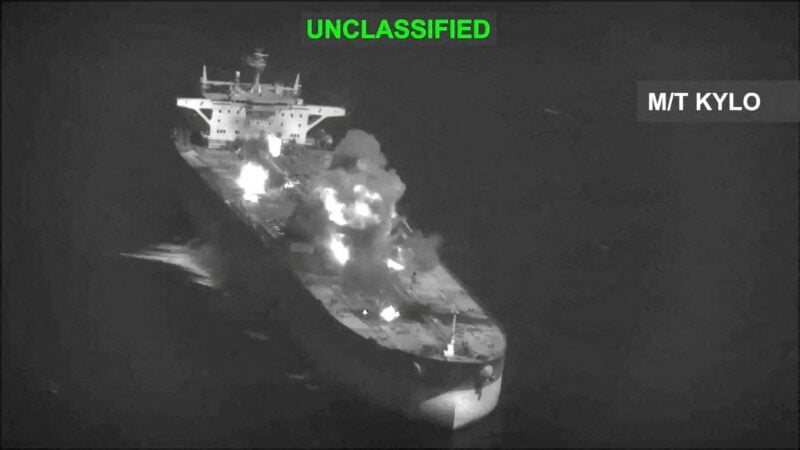
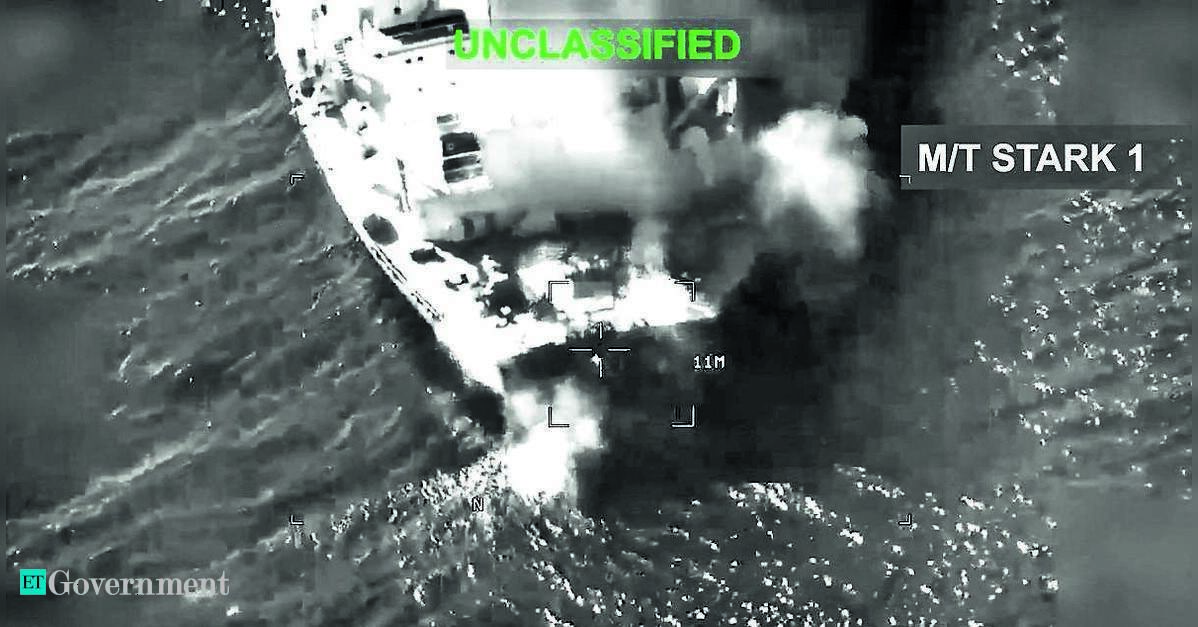
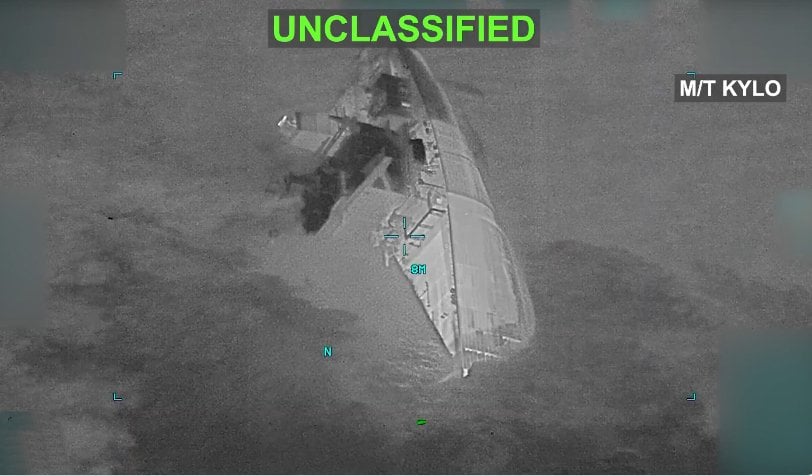
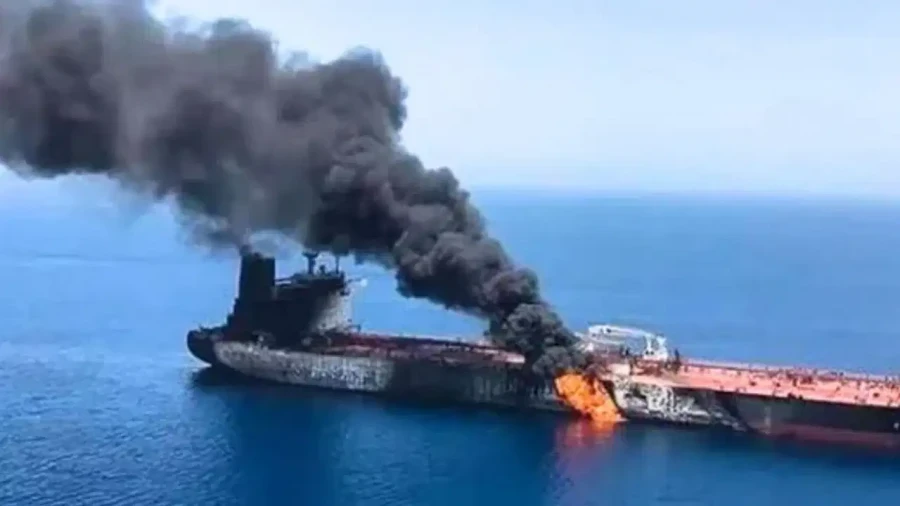
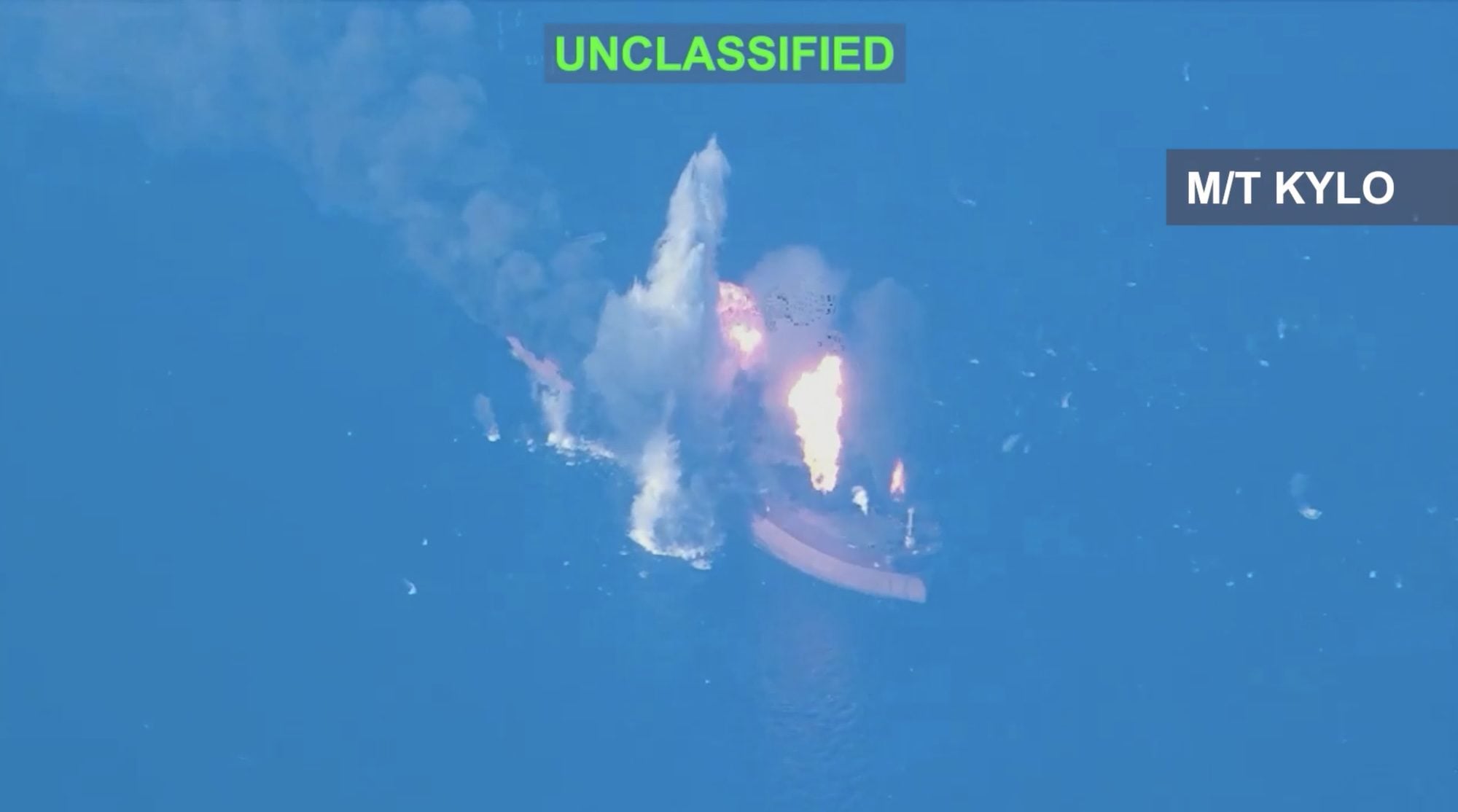
The US-Iran confrontation intensified on 5 and 6 September. The IRGC reportedly launched ballistic missiles at a US aircraft carrier and guided-missile destroyer, US forces disabled the tankers Downy and Stark 1 and sank Kylo in the Gulf of Oman, and Iran reported further attacks on US-linked vessels and unmanned platforms. Kpler recorded only one commodity vessel crossing the Strait of Hormuz on 6 September, while route data showed Velos, Bravo and Al Sheehaniya turning back. Regional effects include Iranian attacks affecting Jordan and the UAE, Israeli strikes in southern Lebanon and the eastern Bekaa Valley, and renewed fighting involving Houthi and Yemeni government forces. Egypt and Pakistan are pressing to revive the US-Iran memorandum of understanding, but threats from Tehran and Washington indicate that a durable ceasefire remains unlikely.
Change from previous assessment
Since the 5 September brief, the assessment has shifted from an expected continuation of exchanges to a more firmly evidenced maritime escalation. CENTCOM now reports that Kylo sank in the Gulf of Oman and that Downy and Stark 1 were disabled, while Iran has reported additional attacks on US-linked vessels and unmanned platforms. Confidence in persistent Hormuz disruption has increased because Kpler recorded only one commodity vessel crossing on 6 September and route data showed three named vessels turning back. The regional spillover judgement now includes the UAE and Yemen alongside Jordan and southern Lebanon. The diplomatic judgement remains unchanged: Egypt and Pakistan have renewed efforts to revive the US-Iran track, but a durable ceasefire remains unlikely in the next 0-14 days.
Key judgments
- Very likely US-Iran military exchanges will continue over the next 0-14 days. On 5 September, the IRGC reportedly launched ballistic missiles at a US aircraft carrier and guided-missile destroyer, after which US forces disabled Downy and Stark 1 and destroyed or sank Kylo in the Gulf of Oman. Iran subsequently claimed attacks on three tankers, US-linked vessels, a US naval drone and an unmanned surface vessel. Multiple major-media, wire-service, trade-publication and official US accounts corroborate the core exchange, but the scope and timing of Iran's follow-on maritime claims remain contested. (Confidence: high · ASSESSED)
- I&W: Confirm: the IRGC conducts another anti-ship missile or drone attack against a named US warship, naval drone or unmanned surface vessel, or US forces strike another Iranian tanker. (0-14 days)
- I&W: Break: no additional US-Iran kinetic incident is reported for 14 consecutive days and both governments issue operationally specific stand-down orders. (0-14 days)
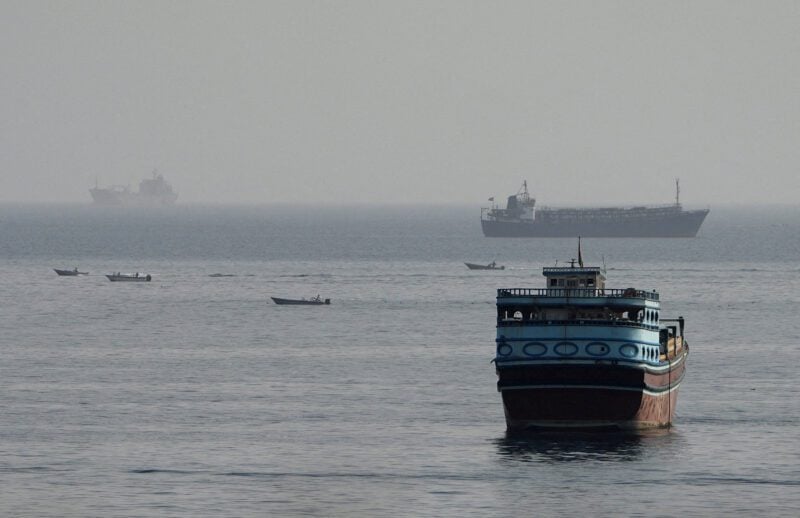
- Very likely commercial traffic through the Strait of Hormuz will remain far below normal over the next 0-14 days, and disruption is likely to persist for 1-3 months. Kpler recorded one commodity vessel crossing on 6 September, route data showed Velos, Bravo and Al Sheehaniya turning back, and CENTCOM reported that US forces had redirected 92 commercial vessels, disabled three and boarded two. The precise status of control remains unresolved because US blockade-enforcement reporting conflicts with descriptions of the strait as effectively closed under Iranian leverage. Confidence is medium because the traffic data are strong but the operational picture is contested. (Confidence: medium · ASSESSED)
- I&W: Confirm: Kpler records zero or one commodity vessel crossing daily for three consecutive days, while route tracking shows additional vessels turning back or anchoring in the Persian Gulf. (0-14 days)
- I&W: Break: Kpler records at least 10 commodity vessels crossing daily for seven consecutive days and route tracking shows Velos, Bravo and Al Sheehaniya completing transit. (1-3 months)
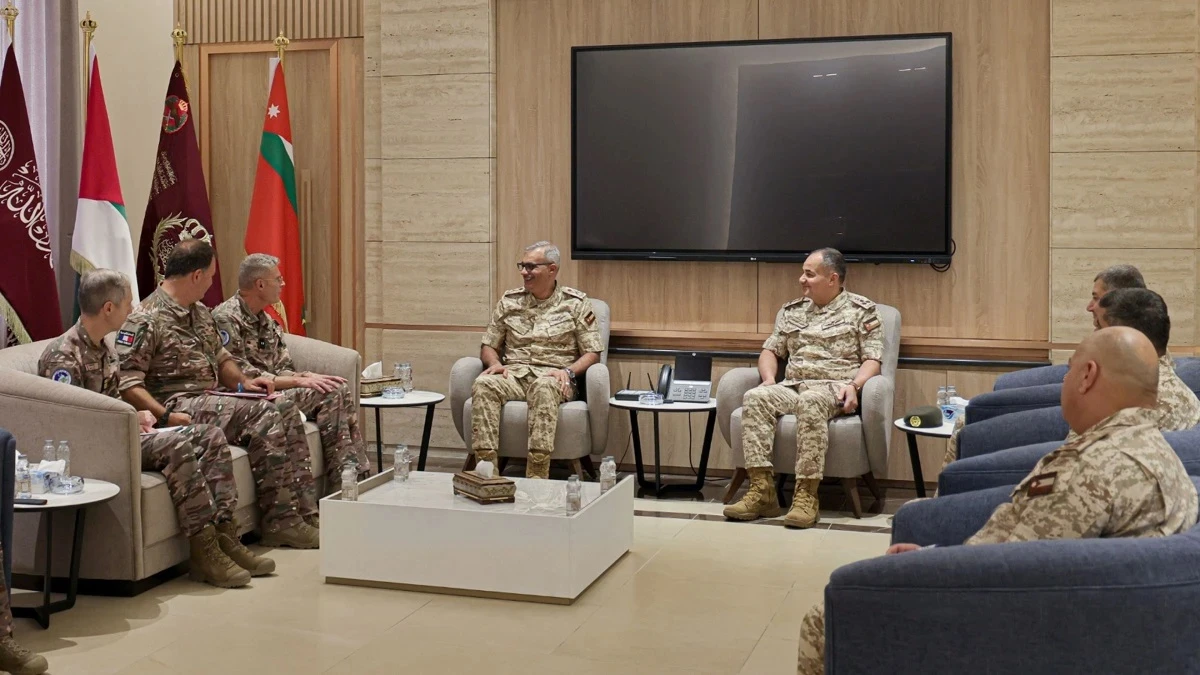
- Likely regional spillover will remain active across Jordan, the UAE, southern Lebanon and Yemen over the next 0-14 days, although the reporting does not establish uniform expansion across all fronts. Iran has been reported to target Jordan and the UAE with drones and ballistic missiles and to strike US bases in Jordan, Kuwait and Bahrain. Israeli strikes in southern Lebanon and the eastern Bekaa Valley killed three people and injured about two dozen, while opposing Houthi and Yemeni government accounts reported fighting in Hodeidah and Taiz. Jordan's military cooperation meeting with French forces in Amman indicates continuing security concern. Confidence is medium because the Yemeni casualty and territorial claims come from opposing sides. (Confidence: medium · ASSESSED)
- I&W: Confirm: a new Iranian missile or drone impact, or air-defence engagement, is reported in Jordan, the UAE, Kuwait or Bahrain, or Israeli strikes with casualties continue in southern Lebanon or the Bekaa Valley. (0-14 days)
- I&W: Break: no new cross-border attack or reported Israeli strike with casualties occurs in these locations for 14 consecutive days, and the Houthi-Yemeni government front records no new territorial or casualty claim. (0-14 days)
- Unlikely a durable US-Iran ceasefire will be implemented over the next 0-14 days, although diplomatic contacts are likely to continue. Egypt and Pakistan are pressing to resume implementation of the Pakistani-brokered memorandum of understanding, and Egypt, Saudi Arabia, Pakistan and Türkiye are maintaining a regional consultation mechanism. The memorandum reportedly expired without progress towards a permanent peace deal, while Mohammad Bagher Ghalibaf has warned of faster and heavier Iranian responses and said Washington must fulfil commitments before Tehran considers reopening the Strait of Hormuz. Confidence is medium because the latest wording attributed to Ghalibaf was not independently verified through an official Iranian government or parliamentary publication. (Confidence: medium · ASSESSED)
- I&W: Confirm: Egypt and Pakistan announce a dated mechanism to resume the memorandum's implementation, followed by an independently reported suspension of US and Iranian military operations. (0-14 days)
- I&W: Break: US or Iranian forces conduct another strike, or either government issues a new threat to attack the other's ships or oil infrastructure. (0-14 days)
- Likely energy and supply-chain pressure will persist for 1-3 months. Brent crude has crossed 95 dollars a barrel and risen more than 7 per cent during the week, around 40 per cent of India's crude imports normally pass through the Strait of Hormuz, India's affected supply is already being reported, and Iraq's shipments to India have fallen sharply. Sinopec has increased purchases of Russian crude as Middle Eastern supplies become less dependable. Confidence is medium because the price and shipping indicators are corroborated, but the duration of the market effect remains uncertain. (Confidence: medium · ASSESSED)
- I&W: Confirm: Brent remains above 95 dollars a barrel for seven consecutive days, while India-bound Iraqi shipments remain sharply below normal and Sinopec continues increasing Russian crude purchases. (0-14 days)
- I&W: Break: Brent falls below 95 dollars a barrel and route data show sustained recovery in India-bound crude movements through the Strait of Hormuz. (1-3 months)
Outlook & scenarios
Continued maritime tit-for-tat and controlled blockade (60%)
Likely over the next 0-14 days. The IRGC continues attacks against US naval or commercial-linked vessels, while US forces respond against Iranian shipping and maintain blockade enforcement. Hormuz traffic remains sparse, but the available reporting does not establish a complete physical closure.
Negotiated pause without a permanent settlement (25%)
Unlikely but plausible over the next 0-14 days. Egypt, Pakistan, Türkiye and Qatar sustain mediation, and Washington and Tehran agree to a limited pause or revive parts of the memorandum of understanding. A permanent settlement remains unlikely because the memorandum previously expired without substantial progress and both sides continue issuing threats.
Broader regional spillover (20%)
Unlikely over the next 0-14 days, but the risk is material. Iranian attacks affecting Jordan, the UAE, Kuwait or Bahrain coincide with continued Israeli strikes in southern Lebanon or renewed fighting in Yemen. Jordanian security coordination with France becomes more active as the regional pressure increases.
High-impact strike followed by sharper US retaliation (8%)
Very unlikely but high impact. A successful Iranian attack on a US warship or a commercial vessel produces US casualties or major damage, followed by US attacks on additional Iranian tankers or naval assets. This scenario would place the diplomatic track under severe strain and increase the likelihood of attacks beyond the Persian Gulf and Gulf of Oman.
Recommendations
- Treat the US-Iran maritime exchange and Strait of Hormuz traffic as the primary near-term indicators. Update a daily watchlist covering the IRGC, CENTCOM, the US aircraft carrier and guided-missile destroyer involved on 5 September, and the tankers Downy, Stark 1 and Kylo.
- Request rapid verification of the contested Stark 1 strike location, the number of munitions used against Downy, Kylo's cargo status, and the status of Kylo's crew. Prioritise AIS data, CENTCOM statements and independent shipping reports over single-source accounts.
- Separate Iranian state-media claims about attacks on US-linked vessels from independently corroborated incidents. Record whether reports concern manned tankers, a US naval drone or an unmanned surface vessel, because the distinction materially changes the escalation assessment.
- Monitor the Egypt-Pakistan channel and the four-country mechanism involving Egypt, Saudi Arabia, Pakistan and Türkiye for an implementation schedule, not only statements supporting de-escalation. Treat a formal suspension of military operations as the key evidence of diplomatic effect.
- Maintain a regional spillover tracker covering missile and drone activity affecting Jordan, the UAE, Kuwait and Bahrain, Israeli strikes in southern Lebanon and the Bekaa Valley, and competing Houthi and Yemeni government reporting from Hodeidah and Taiz.
- Track Brent crude, Kpler vessel counts, route changes involving Velos, Bravo and Al Sheehaniya, India's crude supply position, Iraq's shipments to India and Sinopec's Russian crude purchases to assess whether maritime disruption is becoming a sustained energy shock.
Confidence & uncertainty
Overall confidence is high for the core assessment because the principal events are corroborated by multiple independent sources, including CENTCOM and US military reporting, Kpler data, route-tracking information, wire services, major media and official Egyptian and Pakistani statements. Confidence is lower for specific incident details, including the Stark 1 location, Kylo's crew status, the scope of Iran's reported follow-on attacks, the exact wording of Ghalibaf's warning and whether the Strait is closed by Iran or constrained by US enforcement. These uncertainties do not alter the high-confidence judgement that US-Iran maritime exchanges and severe shipping disruption are continuing.
Intelligence gaps
- [EEI 1.1 · PARTIAL] Unusual long-range missile/rocket transporter-launcher (TEL) movements, storage activation, or assembly activity at known IRGC missile sites or forward staging areas. Recommended collection: satellite/imagery
- [EEI 1.3 · UNCOVERED] Large-scale transfers, deliveries, or convoy movements of armed UAVs/drones, guided munitions, or spare parts from Iran into Lebanon (Hezbollah), Iraq, Syria, or Gaza. Recommended collection: air/aviation track and HUMINT
- [EEI 1.4 · UNCOVERED] Sustained changes in Israeli air-defense usage (SAM launches, radar activations), wide-area alerts, or NOTAMs indicating elevated imminent strike response. Recommended collection: air/aviation/NOTAMs and signals
- [EEI 2.1 · PARTIAL] Concentration, repositioning, or sortie patterns of Iranian naval/IRGC patrol boats and fast-attack craft near shipping chokepoints or commercial lanes. Recommended collection: maritime/AIS and satellite/imagery
- [EEI 2.3 · UNCOVERED] Insurance market indicators: sudden spikes in war-risk or hull insurance premiums for routes through the Red Sea, Suez corridor, or Persian Gulf, and major carriers announcing route changes. Recommended collection: financial/market and commercial shipping notices
- [EEI 2.4 · PARTIAL] Port closures, naval escorts requested by commercial operators, or formal rerouting advisories issued by major shippers (e.g., Maersk, Hapag-Lloyd) for regional transits. Recommended collection: commercial/OSINT
- [EEI 3.1 · PARTIAL] Deployment of foreign military assets to the region (carrier strike groups, amphibious ships, combat aircraft deployments, or additional bases activated) from the US, UK, France, Russia, or GCC states. Recommended collection: maritime/AIS and air/aviation and satellite/imagery
- [EEI 3.2 · UNCOVERED] Formal diplomatic actions: emergency UNSC votes, sanctions announcements, high-level ministerial visits, or public mediation offers by external powers or regional actors. Recommended collection: diplomatic/OSINT
- [EEI 3.3 · UNCOVERED] Confirmed arms transfers, expedited weapons shipments, or transfer authorizations to Israel, Iran, or their proxies (aircraft parts, munitions, air defenses). Recommended collection: customs/INTEL and HUMINT
- [EEI 3.4 · UNCOVERED] Issuance of travel warnings, embassy evacuations or reductions, and closure of diplomatic missions by major capitals indicating escalation risk or shifted threat assessments. Recommended collection: OSINT/diplomatic
TLP:CLEAR