TLP:CLEAR · Disclosure is not limited.
Middle East Conflict: Maritime Pressure and Regional Spillover Intensify
Time window: Last 1 day · Audience: General analyst · Type: Situation report · DTG: 2026-09-21 22:11Z · Overall confidence: HIGH
BLUF
It is very likely that the Iran-Israel conflict will remain a multi-front confrontation over the next 0-14 days, with Iranian escalation warnings, Israeli military activity in southern Lebanon, Houthi pressure on Saudi Arabia and repeated tanker incidents in the Strait of Hormuz. Commercial traffic through Hormuz will remain materially disrupted, but the extent of effective closure and responsibility for the tanker attacks remain contested.
Executive summary
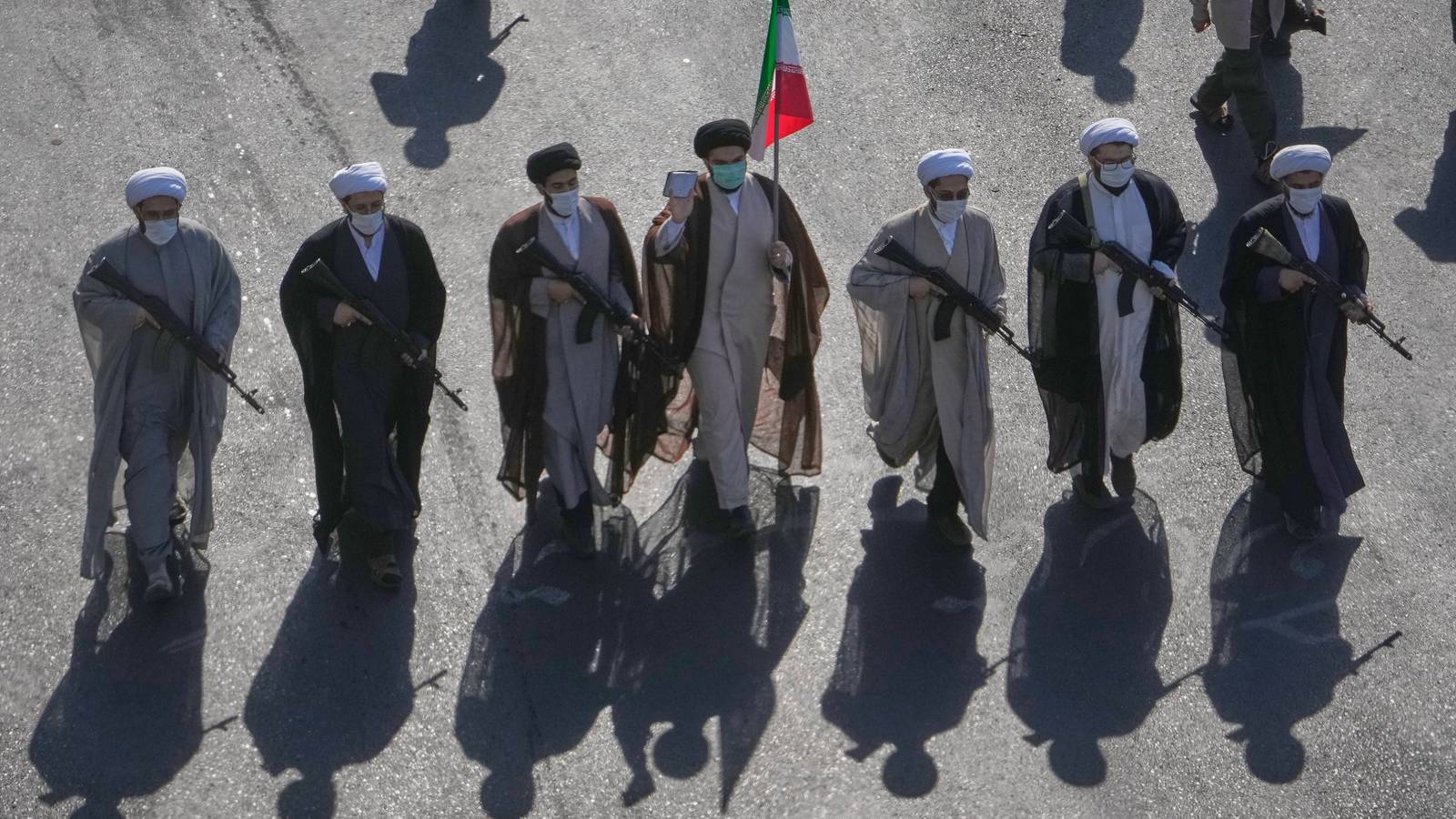
On 21 September 2026, Iran's Islamic Revolutionary Guard Corps warned that it would change the geography of the war, weapons, tactics and targets if the United States escalated. Israeli forces conducted air strikes, artillery fire, demolitions and house burnings across southern Lebanon, while maritime authorities reported further attacks on commercial tankers in the Strait of Hormuz. Traffic data remain inconsistent, ranging from 17 visible vessels over the weekend to more than 30 vessels per day in US shipping guidance data. Pakistan's Interior Minister Mohsin Naqvi visited Tehran to facilitate US-Iran dialogue, but the diplomatic channel has not displaced military pressure. The conflict is also producing wider fuel, freight and humanitarian costs, including record diesel prices and 129,438 people displaced across seven Yemeni provinces.
Change from previous assessment
Since the 20 September brief, the assessment has shifted from continued multi-front pressure to a clearer risk of further escalation. New 21 September IRGC warnings explicitly threaten changes to the geography, weapons, tactics and targets of the war. Israeli activity in southern Lebanon is now supported by a broader set of incident reports, and additional tanker incidents have reinforced the maritime disruption assessment. Confidence in the general multi-front judgment has increased, while confidence in the precise level of Hormuz closure remains medium because traffic counts and attribution still conflict. The assessment adds a higher-confidence economic and humanitarian cost line based on record diesel prices, record VLCC freight and newly reported Yemeni casualty and displacement figures.
Key judgments
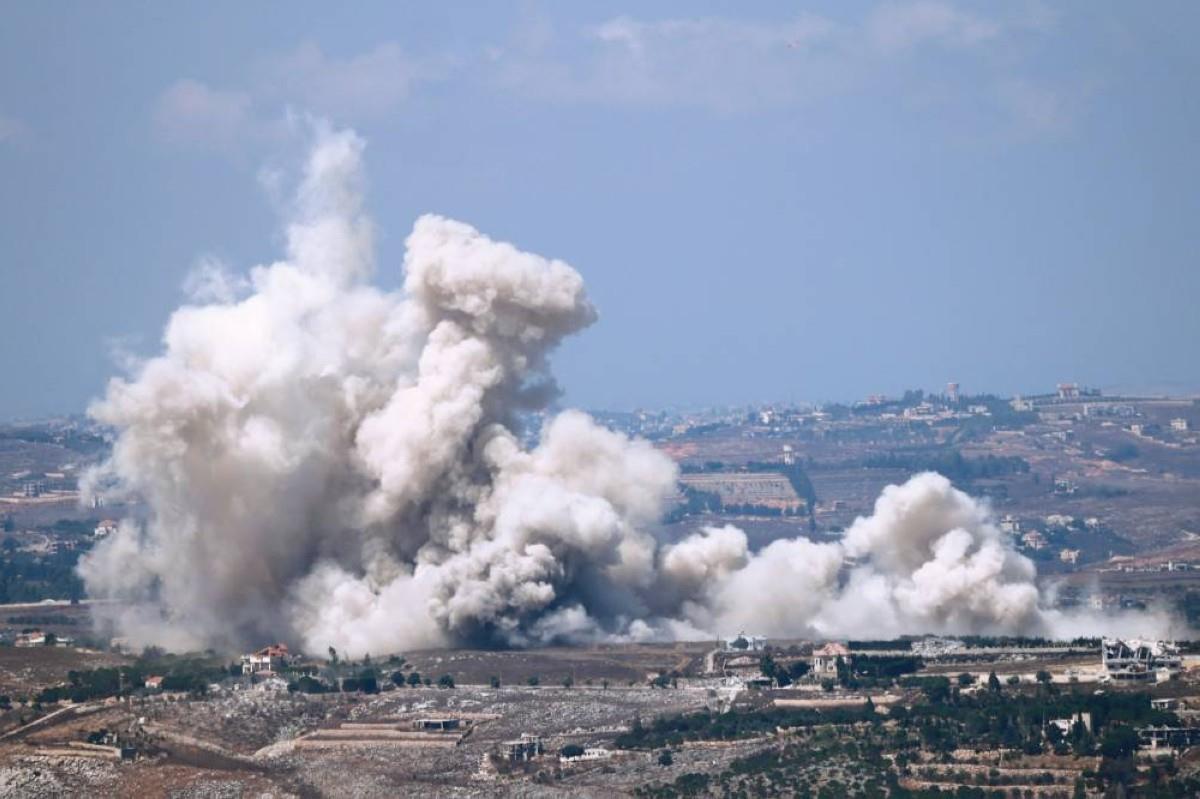
- It is very likely that the conflict will remain a multi-front confrontation over the next 0-14 days, involving Iran's IRGC warnings against the United States, Israeli air and artillery operations in Kfar Tibnit, Zoutar al-Sharqiyeh, Nabatieh al-Fawqa, Mifdoun, Mansouri, Majdal Zoun and Zibqin in southern Lebanon, Houthi attacks toward Riyadh, and continuing maritime incidents in the Strait of Hormuz. The continuation of these fronts is assessed from multiple current reports, although the Houthi strike's precise damage and some maritime attributions remain unresolved. (Confidence: high · ASSESSED)
- I&W: Confirm: Over the next 0-14 days, the IRGC names new weapons, tactics or targets and Iran conducts an attack, or Israeli forces conduct additional strikes or demolitions in the named southern Lebanese towns. (0-14 days)
- I&W: Break: A publicly announced ceasefire is followed by seven consecutive days without Israeli air or artillery strikes in southern Lebanon, Houthi attacks toward Saudi Arabia or reported tanker incidents in the Strait of Hormuz. (0-14 days)
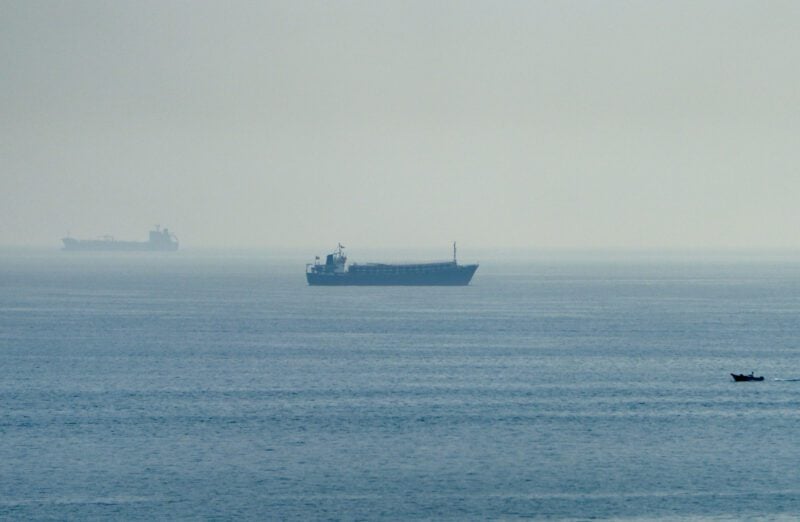
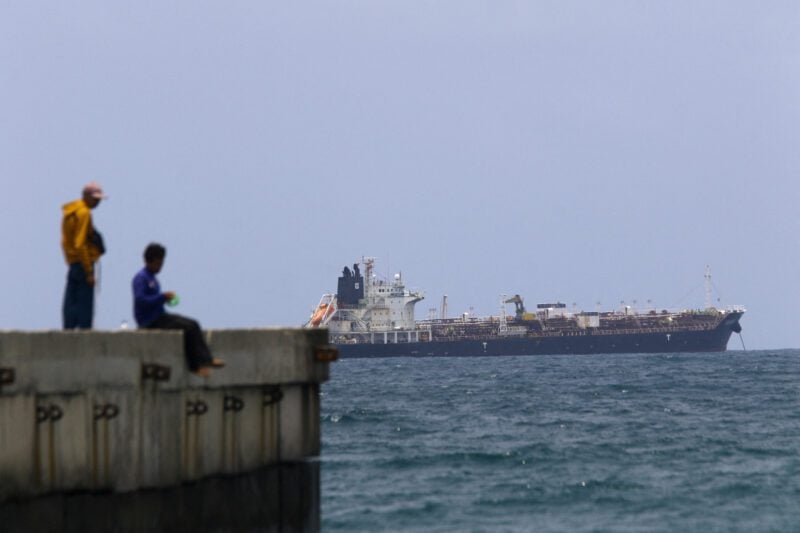
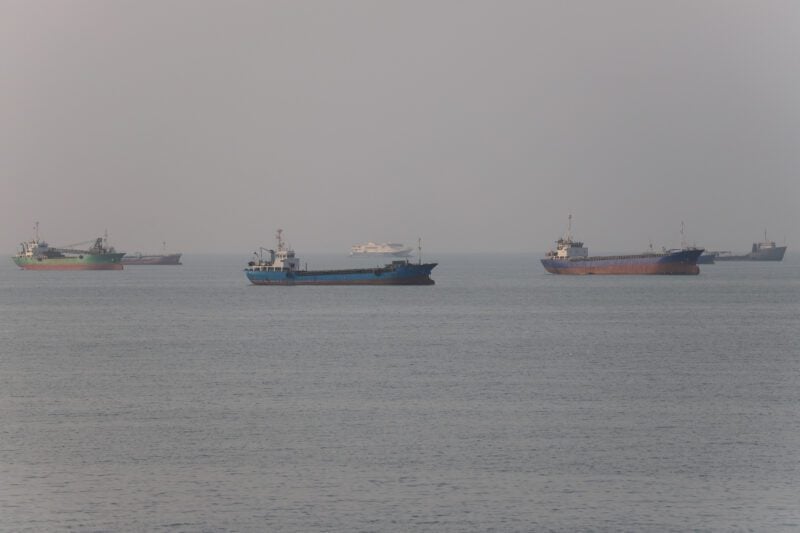
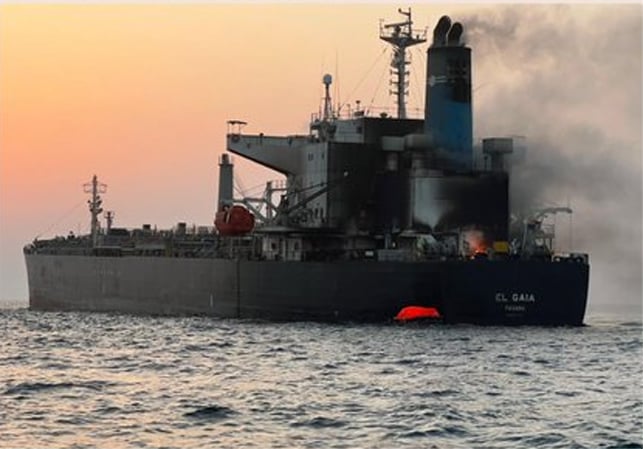
- It is very likely that commercial shipping through the Strait of Hormuz will remain materially disrupted over the next 0-14 days, but it is unlikely that available reporting will establish whether the waterway is fully closed. UKMTO reported an inbound tanker struck by an unknown projectile and an outbound LPG tanker hit by debris, while JMIC reported continuing IRGC attacks, UAV overflights and surveillance. Kpler counted 17 visible commodity vessels over the weekend, compared with more than 30 vessels per day in US shipping guidance data, and UKMTO has not attributed the attacks to Iran. (Confidence: medium · ASSESSED)
- I&W: Confirm: UKMTO reports another tanker strike or JMIC records continued IRGC harassment, while Kpler visible transits remain below 37 vessels over a comparable weekend. (0-14 days)
- I&W: Break: Kpler and US shipping guidance data converge on traffic near the pre-war level of roughly 125 vessels per day for seven consecutive days, with no new tanker incidents reported. (0-14 days)
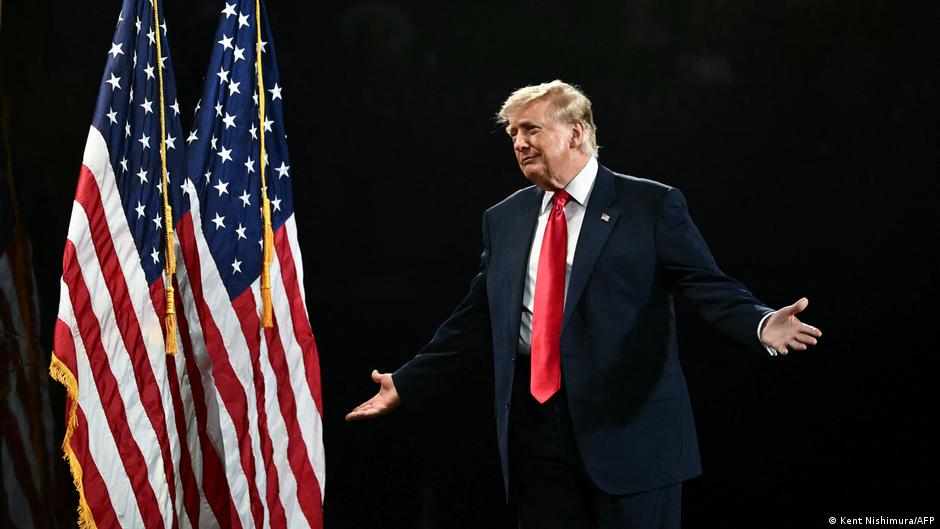
- It is unlikely that Pakistani mediation will produce durable US-Iran de-escalation by 29 September, although there is a roughly even chance that Mohsin Naqvi's visit to Tehran will generate additional contact before then. The diplomatic channel is real, but Iran's IRGC continues to warn of expanded military responses and Donald Trump is considering negotiation, maintaining the blockade or wider offensive operations. Confidence is medium because the mediation effort is directly reported, while its effect on policy remains untested. (Confidence: medium · ASSESSED)
- I&W: Confirm: The United States and Iran announce wider offensive operations, maintain the blockade without talks, or issue further official warnings of expanded targets before 29 September. (0-14 days)
- I&W: Break: Washington and Tehran announce a formal meeting or mediated agreement that suspends military operations and addresses the Strait of Hormuz before 29 September. (0-14 days)
- It is very likely that the conflict will sustain high fuel, freight and humanitarian costs over the next 1-3 months. European diesel futures reached an all-time high, US retail diesel exceeded $6 per gallon, Middle East diesel exports had halved to an average of 800,000 barrels per day, and VLCC freight from the Gulf to China exceeded $30 per barrel. In Yemen, WHO reported 680 people killed or injured between 13 and 18 September, while IOM reported 129,438 displaced people across seven provinces. The scale of future deterioration remains uncertain because some reported price and supply effects have competing causal explanations. (Confidence: medium · ASSESSED)
- I&W: Confirm: European diesel futures remain at record levels, US retail diesel remains above $6 per gallon, or VLCC Gulf-China freight remains above $30 per barrel while Yemen records new displacement. (1-3 months)
- I&W: Break: Middle East diesel exports recover materially above 800,000 barrels per day, VLCC freight falls below pre-war cost levels, and Yemen reports no additional displacement linked to fighting. (1-3 months)
Outlook & scenarios
Persistent multi-front pressure (60%)
It is likely that Iran's IRGC maintains its warning posture, Israeli forces continue operations in southern Lebanon, Houthi forces sustain pressure on Saudi Arabia, and tanker incidents keep commercial traffic through the Strait of Hormuz below normal levels. Pakistan's mediation produces contact without a durable settlement.
Mediated pause without settlement (25%)
It is unlikely that Naqvi's Tehran visit and wider diplomatic activity produce a durable settlement, but they generate a temporary reduction in military activity. Shipping resumes unevenly, while the underlying dispute over the Strait of Hormuz and US military pressure remains unresolved.
Widening US-Iran escalation (15%)
It is very unlikely but high impact that the United States resumes wider offensive operations and Iran implements the IRGC warning by changing weapons, tactics and targets. The result would be more attacks on commercial shipping, additional pressure on Gulf states hosting US bases and expanded Israeli operations in Lebanon.
Recommendations
- Maintain a 0-14 day integrated watch covering IRGC statements and launches, Israeli strikes in the named southern Lebanese towns, Houthi activity toward Riyadh, and all UKMTO and JMIC reports from the Strait of Hormuz.
- Treat the Strait of Hormuz as materially disrupted rather than fully closed. Reconcile Kpler visible-transit counts, US shipping guidance flows and JMIC assessments by recording their different time windows, vessel categories and methodologies.
- Do not attribute the 21 September tanker incidents to Iran in analytic copy until UKMTO or another primary maritime authority confirms responsibility. Track the number of incidents separately from attribution.
- Use the 21 September IRGC warning as a collection trigger. Seek specific evidence of new Iranian weapons, tactics, targets or operations that would indicate implementation rather than rhetoric alone.
- Track Naqvi's mediation effort through 29 September for a formal US-Iran meeting, an operational pause or an agreement covering military activity and Hormuz access. Treat further contact without a written or observed military pause as limited de-escalation.
- Update economic and humanitarian assessments weekly using US diesel stocks and prices, European diesel futures, Middle East diesel exports, VLCC freight rates, Yemeni casualty figures and displacement totals.
Confidence & uncertainty
Overall confidence is high because the core developments are corroborated by multiple major-media, wire-service, multilateral, maritime and market reports. The IRGC warning, Israeli activity in southern Lebanon, tanker incidents and reported fuel-market effects are supported by more than one source stream. The main uncertainties concern the precise severity of the Hormuz disruption, inconsistent traffic measurements, the number and attribution of tanker attacks, and the future effect of Pakistan's mediation.
Intelligence gaps
- [EEI 1.1 · PARTIAL] Number, type, launch times, and trajectories of ballistic missiles, cruise missiles, armed UAV strikes, and combat-air sorties launched by Iranian or Israeli forces toward the other's territory or forward bases within a 72-hour window. Recommended collection: signals/intel
- [EEI 1.2 · PARTIAL] Observable changes in Israeli and Iranian force posture: mobilization or reserve call-up orders, unit road/rail movements, dispersal or sortie rates of air squadrons, redeployment of air-defense batteries, and activation of civil-defense alerts or sirens in major population centers. Recommended collection: open-source/media
- [EEI 1.3 · PARTIAL] Indications of strike authorization or targeting preparations in Iranian or Israeli command chains: authenticated public orders by senior commanders, detected increases in encrypted communications consistent with targeting, or visible movement of strike munitions to launch/storage sites. Recommended collection: signals/intel
- [EEI 2.1 · PARTIAL] Counts, launch locations (coordinates), weapons types, and assessed damage from rocket/missile/drone strikes originating from Lebanon into northern Israel attributed to Hezbollah or allied groups. Recommended collection: open-source/media
- [EEI 2.2 · PARTIAL] Reported attacks by Iranian-backed militias in Iraq and Syria: rocket/IED strikes on bases hosting US/coalition or Israeli personnel, documented militia unit movements toward borders, and captured movement or transfer of weapons systems to forward militia positions. Recommended collection: human
- [EEI 2.3 · PARTIAL] Maritime harassment or attacks by proxies (e.g., Houthis): incidents of missile/rocket strikes against commercial vessels, small-boat swarm attacks, discovery or detonation of naval mines, and corresponding AIS anomalies in the Red Sea, Gulf of Aden, or southern Arabian Gulf. Recommended collection: maritime/AIS
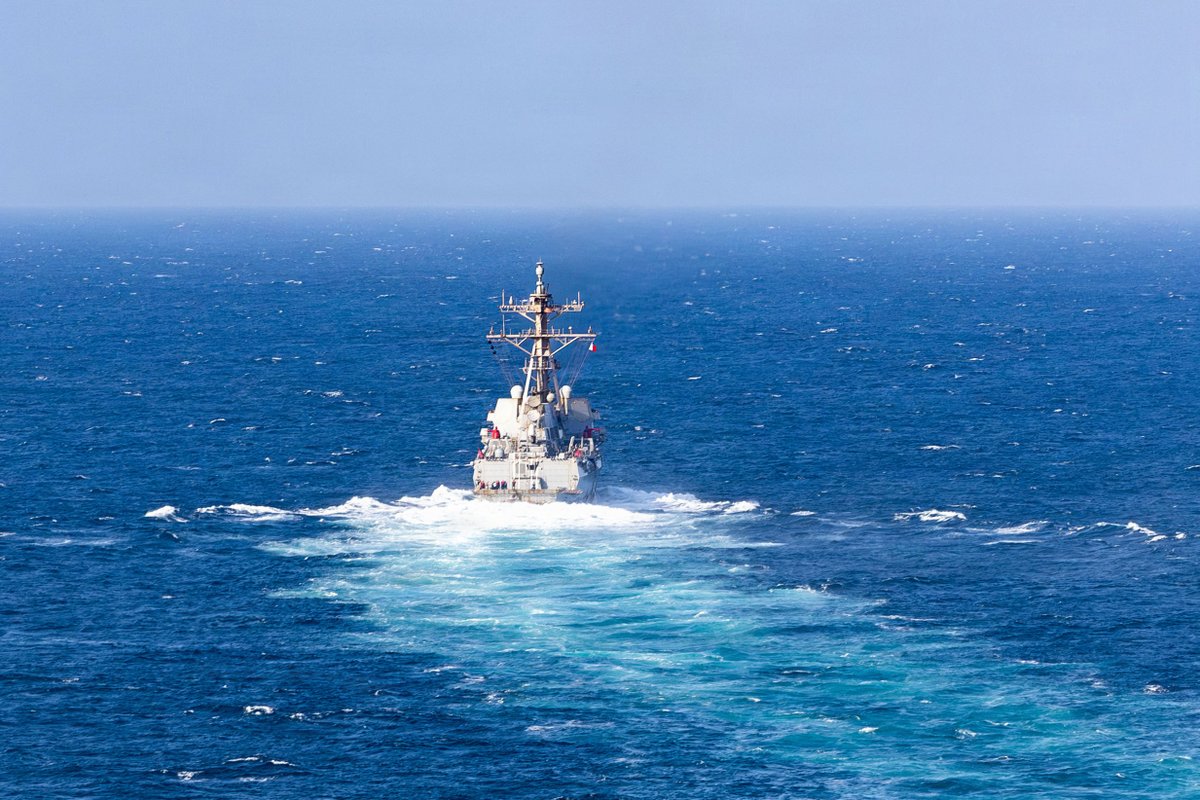
- [EEI 3.1 · PARTIAL] Movements and arrival dates of foreign military assets into the region: carrier strike groups, amphibious ships, surface combatants, strategic airlift/tanker deployments, and air/sea patrol patterns by US, European, Russian, or regional militaries. Recommended collection: imagery/satellite
- [EEI 3.2 · PARTIAL] Concrete diplomatic and political actions: emergency UN/Arab League meetings called, official embassy evacuation orders, public declarations of intent to interpose or protect shipping/airspace, and newly announced sanctions or arms-transfer approvals tied to the conflict. Recommended collection: diplomatic
Cited sources
[1] Deutsche Welle (DW Arabic) · مصادر: ترامب تراجع في اللحظة الأخيرة عن توجيه ضربات للحوثيين (A) · Mon Sep 21 2026 05:23:53 GMT+0000 (Coordinated Universal Time) · sha256:a298a908422b [2] Associated Press (republished by Military.com) · Iran’s Revolutionary Guard Warns US Over Escalation (A) · Mon Sep 21 2026 15:16:34 GMT+0000 (Coordinated Universal Time) · sha256:94348738f3ed [3] MENAFN (Al-Bayan) · غارات إسرائيلية تستهدف بلدات في جنوب لبنان (B) · Mon Sep 21 2026 00:00:00 GMT+0000 (Coordinated Universal Time) · sha256:b4d7902a9b2d [4] The Traveler · Trump Cuts Camp David Visit Short as U.S. Warns on Middle East Travel (E) · Sun Sep 20 2026 23:47:53 GMT+0000 (Coordinated Universal Time) · sha256:1168ce3f499e [5] gcaptain.com · Two More Tankers Hit in Strait of Hormuz as Attacks Mount (F) · Mon Sep 21 2026 16:06:53 GMT+0000 (Coordinated Universal Time) · sha256:41290b91667f [6] The Maritime Executive · Iran Keeps Up Pressure, Hitting Another Tanker as US Asserts Hormuz is Open (C) · sha256:0c6408c39779 [7] Sunday Guardian Live · Nostradamus Prediction 2026: Why is his ‘7-Month War’ Prophecy Trending Again? US-Israel-Iran War, Russia-Ukraine Conflict & September Connection (B) · Mon Sep 21 2026 10:45:07 GMT+0000 (Coordinated Universal Time) · sha256:79bb38cf00eb [8] Reuters (republished by gCaptain) · Hormuz Shuttles Keep Oil Flowing, But At a High Cost (A) · Mon Sep 21 2026 16:38:06 GMT+0000 (Coordinated Universal Time) · sha256:09ea1e20149d [9] The Maritime Executive · CENTCOM's Commander Highlights Successes of U.S. Blockade (C) · sha256:9a513fc26bb9 [10] Reuters (republished by gCaptain) · Global Diesel Prices Hit Record Highs (A) · Mon Sep 21 2026 17:43:49 GMT+0000 (Coordinated Universal Time) · sha256:d526ac30b3d5
Source content hashes were computed at collection time; the cited text is preserved unmodified for the life of this product.
TLP:CLEAR