TLP:CLEAR · Disclosure is not limited.
Middle East Conflict: Multi-Front Escalation and Constrained Diplomacy
Time window: Last 1 day · Audience: General analyst · Type: Situation report · DTG: 2026-09-22 01:12Z · Overall confidence: HIGH
BLUF
Very likely, the US-Iran-Israel confrontation and Houthi-Saudi fighting will remain active over the next 0-14 days, with Iran on a reported highest military alert and US, Israeli, Saudi and UK defensive postures elevated. Commercial movement through the Strait of Hormuz will remain severely constrained, although reporting does not establish a complete closure. An enforceable ceasefire remains unlikely despite active mediation and UN General Assembly diplomacy.
Executive summary
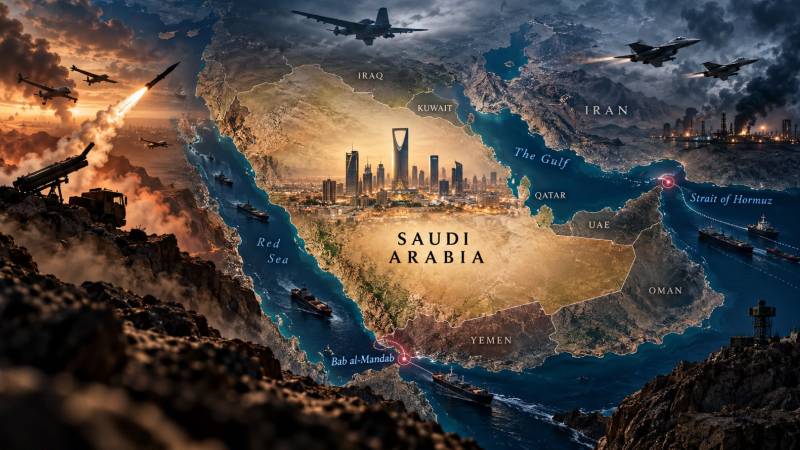
The conflict is intensifying across Iran, the Strait of Hormuz, Saudi Arabia, Yemen and southern Syria. Two tankers were reported struck in the Strait of Hormuz on 21 September, while JMIC continues to rate the threat as severe and reports continued Iranian Revolutionary Guard Corps harassment of merchant shipping. Iran has reportedly activated Code 100 and threatened strikes on US bases, while the US has repositioned naval assets and moved B-1B Lancers towards the CENTCOM area. Houthi attacks on Riyadh and attempted strikes on Saudi infrastructure are sustaining pressure on Saudi Arabia, which is coordinating with CENTCOM and receiving reported UK defensive support. Pakistan, Oman, Qatar, Türkiye, China and UN channels provide diplomatic activity, but the parties remain divided over the terms and even the attribution of previous mediation efforts.
Change from previous assessment
Since the 21 September brief, the assessment adds two reported tanker strikes in the Strait of Hormuz on 21 September, Iranian Code 100 reporting, US B-1B movement towards the CENTCOM area, stronger Saudi-US airspace coordination and reported UK defensive support for Saudi aircraft. The assessment now treats China's expected 24 September Washington visit as a distinct diplomatic variable. The Syria judgment has been raised from roughly even chance with low confidence to likely with medium confidence because the latest reporting identifies shelling in Daraa and Quneitra on 20 and 21 September, although independent corroboration is still absent. The Hormuz judgment remains very likely but medium confidence because vessel counts and claims about a blockade continue to conflict.
Key judgments
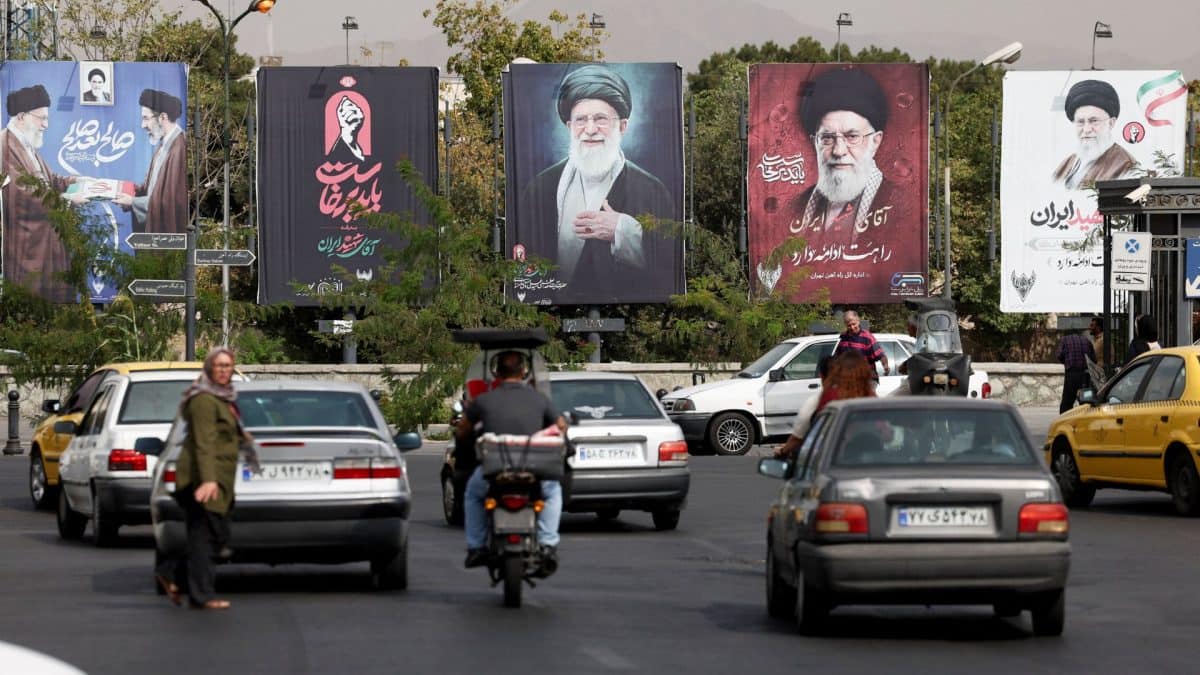
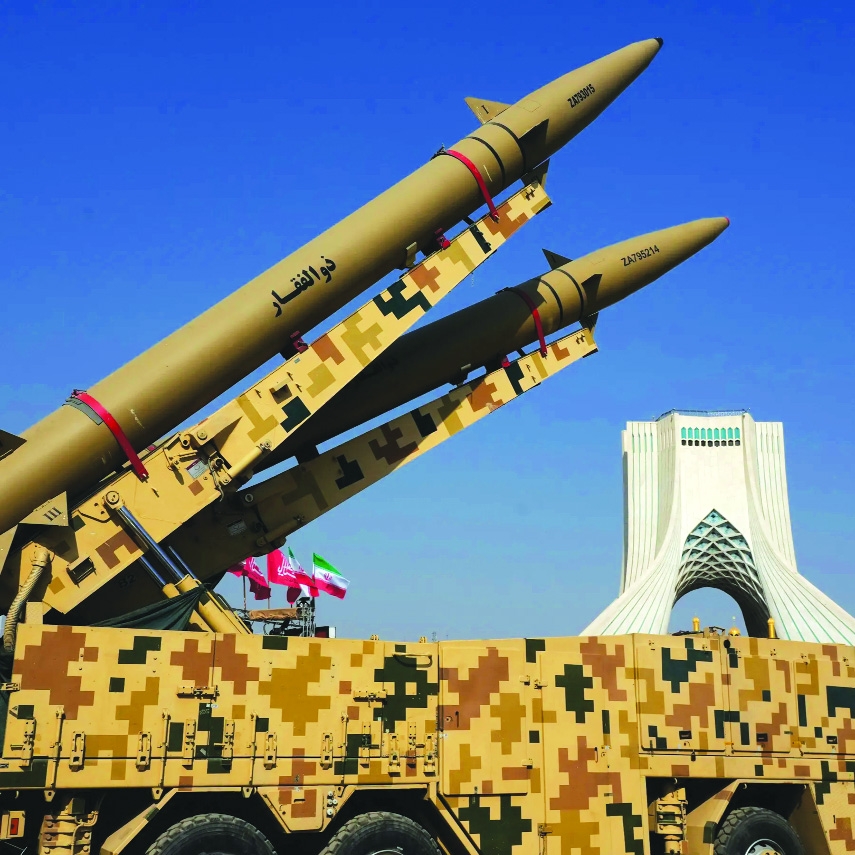
- Very likely, the US-Iran confrontation will remain active and the risk of wider exchanges will stay elevated over the next 0-14 days. Reports indicate that Iran has activated Code 100, warned of painful strikes and threatened sustained attacks on US bases and interests. The US has moved B-1B Lancer bombers from RAF Fairford towards forward locations in the CENTCOM area, adjusted naval positions in the Red Sea and Arabian Sea, and reinforced protection for installations in Qatar, Bahrain, Kuwait and the UAE. Donald Trump continues to present negotiation, blockade continuation and wider offensive operations as policy options. The direction of travel is corroborated by Iranian warnings, US military movements and Israeli air-defence preparations, but the reporting does not establish that Washington has approved a new offensive package. (Confidence: high · ASSESSED)
- I&W: Confirm: additional B-1B Lancers arrive at forward CENTCOM locations, or US naval assets increase missile-defence coverage around Qatar, Bahrain, Kuwait or the UAE. (0-14 days)
- I&W: Break: Washington and Tehran announce a mutually observed halt to offensive operations and withdraw the military alerts or deployments described in current reporting. (0-14 days)
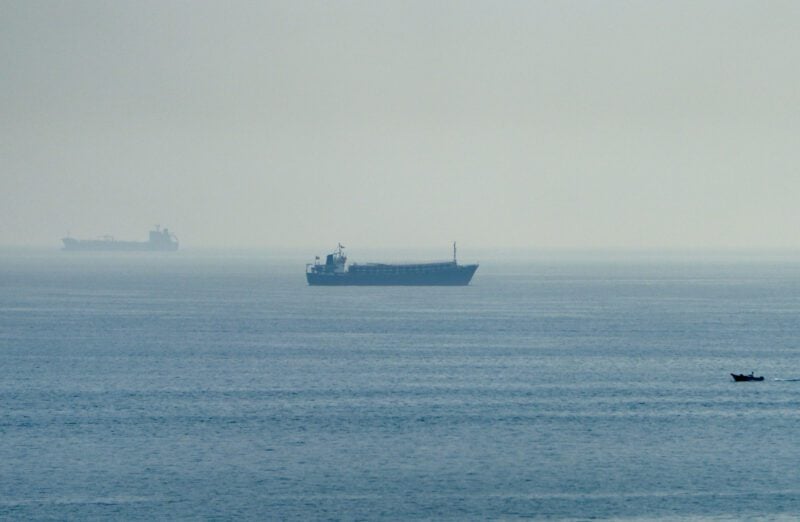
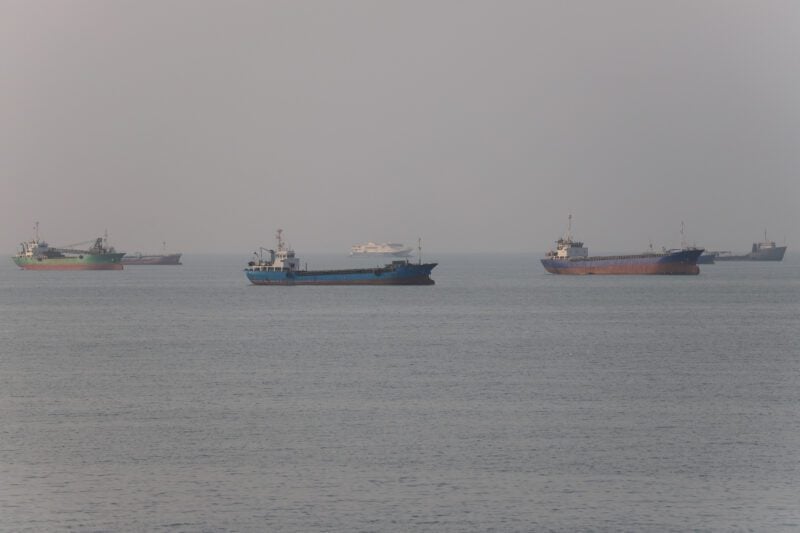
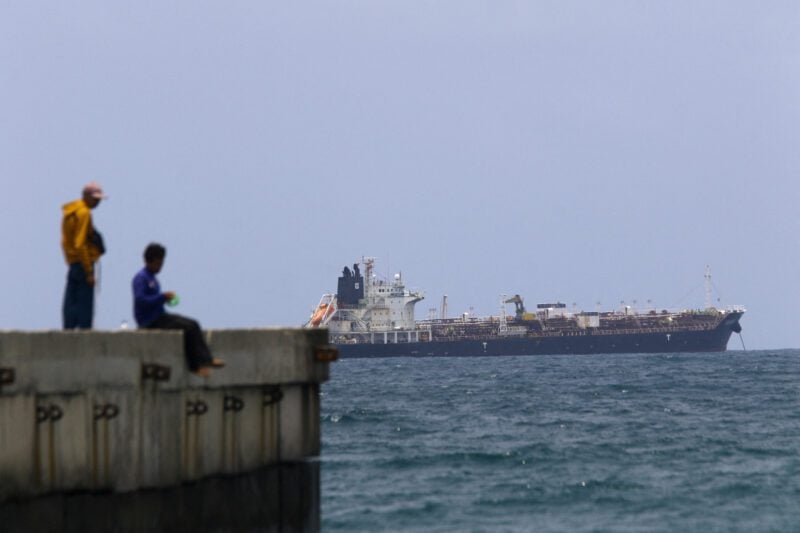
- Very likely, commercial traffic through the Strait of Hormuz will remain severely constrained over the next 0-14 days, but the evidence does not support treating the waterway as fully closed. Reuters and Kpler reported 17 commodity vessels transiting over the latest weekend against a pre-war average of roughly 125 per day, while JMIC recorded at least three attacks between 16 and 18 September and UKMTO reported tanker strikes on 21 September. JMIC also reported continued Iranian Revolutionary Guard Corps surveillance, UAV overflights and harassment. The scale of remaining movement is unresolved because CENTCOM and US Naval Cooperation and Guidance for Shipping use different vessel categories and report continued transit, while UKMTO has not attributed the latest projectiles. (Confidence: medium · ASSESSED)
- I&W: Confirm: another weekend records fewer than 20 commodity vessels through Hormuz, or JMIC and UKMTO report additional deliberate attacks on merchant shipping. (0-14 days)
- I&W: Break: Kpler or another independently defined shipping dataset records sustained commodity traffic approaching the pre-war level of roughly 125 vessels per day, with no new tanker incidents for 14 days. (0-14 days)
- Very likely, Houthi attacks on Saudi Arabia and pressure around Bab el-Mandeb will continue over the next 0-14 days. Houthi forces have launched ballistic missiles and drones towards Riyadh, Saudi air-defence forces have reported Patriot interceptions, and Saudi Arabia has reported attempted attacks on infrastructure in Yanbu, Taif, Baysh and Farasan. Reuters also reports that Houthi advances along Yemen's Red Sea coast are increasing pressure on Bab el-Mandeb, Saudi energy infrastructure and international shipping. The continuation of attacks is well supported, but the available reporting does not establish whether the Houthis control the waterway itself: one account describes tightening their grip, while another places them only in areas adjacent to the strait. (Confidence: medium · ASSESSED)
- I&W: Confirm: Houthi forces claim or are reported to conduct another missile or drone attack against Riyadh, Yanbu, Taif, Baysh, Farasan or international shipping. (0-14 days)
- I&W: Break: Saudi Arabia, Yemen's government and maritime reporting record no further Houthi attacks or advances towards Bab el-Mandeb for 14 consecutive days. (0-14 days)
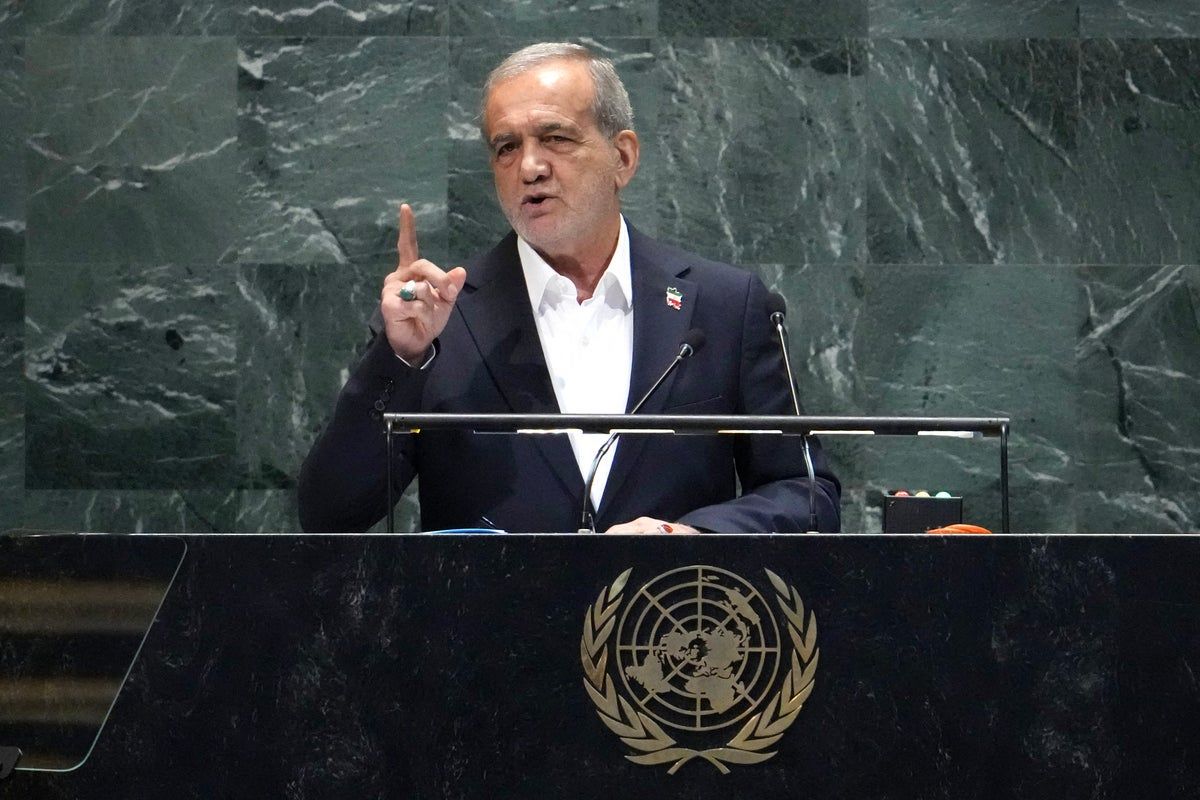
- Unlikely, an enforceable US-Iran de-escalation arrangement will emerge over the next 0-14 days. Mike Waltz has said the door remains open to negotiations, Masoud Pezeshkian is travelling to New York for the UN General Assembly, and Oman, Pakistan and Qatar continue to facilitate contacts, with Egypt and Türkiye supporting diplomatic efforts. However, Donald Trump's threat of wider action and his stated policy options remain active, Iran continues to issue retaliation warnings, and reporting differs over whether Oman or Pakistan mediated the earlier halt in large-scale fighting. The diplomatic opening is therefore real but the terms, mediator and enforcement mechanism remain unsettled. (Confidence: medium · ASSESSED)
- I&W: Confirm: Pezeshkian, US representatives and Gulf leaders use UN General Assembly meetings to announce a written ceasefire, inspection arrangement or other enforceable measure. (0-14 days)
- I&W: Break: Washington announces new offensive action or Tehran ends participation in mediation while maintaining military alerts and retaliation threats. (0-14 days)
- Likely, energy and humanitarian pressure will remain acute across the Gulf, Yemen and international fuel markets over the next 0-14 days. Ship-to-ship transfers in the Gulf of Oman are expected to reach about 2.5 million barrels per day in September, showing that Saudi Arabia and other Gulf producers are adapting rather than restoring normal Hormuz operations. European diesel futures have reached a record high, US retail diesel prices have exceeded $6 per gallon, and US diesel stocks remain nearly 15 percent below the five-year average. The scale of Yemen's humanitarian deterioration is less certain because the available food-insecurity and displacement assessment rests primarily on a single low-reliability source. (Confidence: medium · ASSESSED)
- I&W: Confirm: Gulf of Oman STS loading remains at or above 2.5 million barrels per day in September while Hormuz commodity transits stay sharply below the pre-war baseline. (0-14 days)
- I&W: Break: European and US diesel prices retreat from current records as Hormuz traffic and Gulf export routes return towards pre-war operating levels. (0-14 days)
- Likely, Israeli military activity in southern Syria will remain elevated over the next 0-14 days. Israeli forces reportedly shelled Daraa province on 21 September, fired from positions along the 1974 disengagement line towards Abidin, and shelled Quneitra province twice on 20 September. Israeli raids and airstrikes have also continued while the UN Disengagement Observer Force retains its monitoring role. The assessment is stronger than in the previous brief because the latest reporting identifies specific locations and dates, but the Daraa and Quneitra accounts are concentrated in one major-media report citing SANA and lack independent corroboration in the available material. (Confidence: medium · ASSESSED)
- I&W: Confirm: Israeli artillery, machine-gun fire, raids or airstrikes are reported again in Daraa or Quneitra near the 1974 disengagement line. (0-14 days)
- I&W: Break: no further Israeli fire or raids are reported in southern Syria and UNDOF activity continues without a new security incident for 14 days. (0-14 days)
- Likely, China's diplomatic role in the conflict will become more visible by 24 September, but unlikely to produce a settlement within the next 0-14 days. Xi Jinping is expected to visit Washington on 24 September with the Middle East on the agenda, and he has reiterated a four-point proposal based on peaceful coexistence, sovereignty, international law and coordination between development and security. China is Iran's largest oil customer, has opposed unilateral US sanctions on Chinese entities involved in Iranian oil trade, and has maintained contacts with senior Gulf and Iranian officials. The visit is expected rather than confirmed, and the available assessment relies heavily on think-tank reporting. (Confidence: medium · ASSESSED)
- I&W: Confirm: Xi's 24 September Washington visit occurs and the Middle East, Iranian oil sanctions or the four-point proposal feature in public discussions with Donald Trump. (0-14 days)
- I&W: Break: the visit is cancelled or delayed without a replacement diplomatic channel, and Beijing takes no further public position on the conflict or Iranian oil trade. (0-14 days)
Outlook & scenarios
Protracted multi-front attrition (60%)
Very likely, Iran maintains Code 100 and retaliation threats while the US sustains its B-1B and naval posture. Houthi attacks continue against Saudi targets and shipping, Hormuz commodity transits remain far below the pre-war level, and mediation produces statements without an enforceable settlement.
Temporary diplomatic pause (30%)
Unlikely, Pakistan, Oman or Qatar secure a temporary halt in selected US-Iran operations during UN General Assembly diplomacy. Tanker attacks decline and some Hormuz traffic resumes, but STS transfers remain necessary and Houthi-Saudi fighting continues.
Expanded US military action (20%)
Unlikely but high impact, Donald Trump authorises the prepared strike package against Houthi positions or resumes wider offensive operations against Iran after another attack on US interests or commercial shipping. Iran responds against US bases or regional partners, while Saudi and UK defensive support expands.
New Levant front (15%)
Very unlikely but high impact, continued Israeli fire in Daraa or Quneitra combines with renewed Hezbollah-Israel incidents in Lebanon to create a sustained additional front. The development diverts Israeli and US attention from Iran and increases pressure on UNDOF and regional diplomacy.
Recommendations
- Maintain a 24-hour watch on the Strait of Hormuz using UKMTO, JMIC, CENTCOM, Kpler and US Naval Cooperation and Guidance for Shipping reporting. Record vessel category, direction, incident location, attribution and casualty details separately before estimating the level of closure.
- Track Iranian Code 100 reporting, statements on painful strikes, movement of B-1B Lancers from RAF Fairford, changes in US naval missile-defence coverage and the 23 September implementation of restrictions on Iranian commercial airlines.
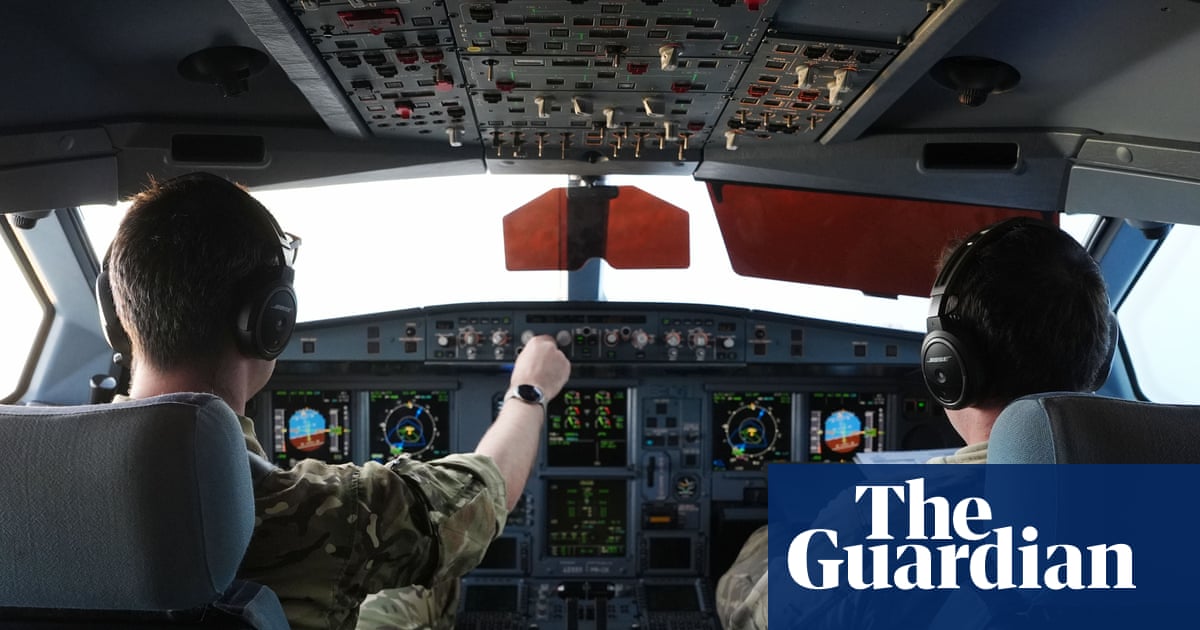
- Separate Houthi operational reach from Houthi control of Bab el-Mandeb. Monitor attacks on Riyadh, Yanbu, Taif, Baysh and Farasan, reported movement near the strait, Saudi requests for assistance, RAF Voyager activity and the status of Sky Sabre deployments.
- Prioritise verification of the next US decision on Houthi strikes. Treat target approval and aircraft preparation as indicators of readiness, not evidence that an operation has been authorised.
- Monitor UN General Assembly meetings involving Donald Trump, Masoud Pezeshkian and Gulf leaders, as well as Mohsin Naqvi's contacts in Tehran. Record whether Oman, Pakistan or Qatar presents a single enforceable framework rather than separate facilitation efforts.
- Prepare an economic update covering Gulf of Oman STS volumes, Yanbu loadings, Hormuz commodity transits, Brent crude, European diesel futures and US diesel inventories. Include a separate humanitarian annex for Yemen because the available assessment of food insecurity and displacement is thinly corroborated.
- Seek independent confirmation of Israeli activity in Daraa and Quneitra through UNDOF or additional reporting before raising the Syria assessment above medium confidence.
Confidence & uncertainty
Overall confidence is high because the principal developments are supported by multiple high-scored claims from Reuters, JMIC, UKMTO, major media, official military statements and multilateral reporting. The strongest corroboration concerns tanker attacks, sharply reduced Hormuz traffic, Iranian and US military postures, Houthi attacks on Saudi Arabia and continuing diplomatic activity. The main uncertainties are the attribution and casualty details of the tanker strikes, the exact volume of Hormuz traffic, whether Houthi forces control any part of Bab el-Mandeb, which state mediated earlier ceasefire arrangements, and the extent of Israeli activity in southern Syria.
Intelligence gaps
- [EEI 1.1 · UNCOVERED] Unusual long-range missile/rocket transporter-launcher (TEL) movements, storage activation, or assembly activity at known IRGC missile sites or forward staging areas. Recommended collection: satellite/imagery
- [EEI 1.3 · PARTIAL] Large-scale transfers, deliveries, or convoy movements of armed UAVs/drones, guided munitions, or spare parts from Iran into Lebanon (Hezbollah), Iraq, Syria, or Gaza. Recommended collection: air/aviation track and HUMINT
- [EEI 1.4 · PARTIAL] Sustained changes in Israeli air-defense usage (SAM launches, radar activations), wide-area alerts, or NOTAMs indicating elevated imminent strike response. Recommended collection: air/aviation/NOTAMs and signals
- [EEI 2.1 · PARTIAL] Concentration, repositioning, or sortie patterns of Iranian naval/IRGC patrol boats and fast-attack craft near shipping chokepoints or commercial lanes. Recommended collection: maritime/AIS and satellite/imagery
- [EEI 2.3 · UNCOVERED] Insurance market indicators: sudden spikes in war-risk or hull insurance premiums for routes through the Red Sea, Suez corridor, or Persian Gulf, and major carriers announcing route changes. Recommended collection: financial/market and commercial shipping notices
- [EEI 2.4 · PARTIAL] Port closures, naval escorts requested by commercial operators, or formal rerouting advisories issued by major shippers (e.g., Maersk, Hapag-Lloyd) for regional transits. Recommended collection: commercial/OSINT
- [EEI 3.2 · PARTIAL] Formal diplomatic actions: emergency UNSC votes, sanctions announcements, high-level ministerial visits, or public mediation offers by external powers or regional actors. Recommended collection: diplomatic/OSINT
- [EEI 3.3 · UNCOVERED] Confirmed arms transfers, expedited weapons shipments, or transfer authorizations to Israel, Iran, or their proxies (aircraft parts, munitions, air defenses). Recommended collection: customs/INTEL and HUMINT
Cited sources
[1] Firstpost · Has Iran activated ‘Code 100’ as tensions reach a tipping point? What could this mean? (B) · Mon Sep 21 2026 11:10:36 GMT+0000 (Coordinated Universal Time) · sha256:8e6a22627e64 [2] The Independent (via inkl.com aggregator) · Iran-US war latest: Iranian president to fly to New York for UN summit after Trump threatens to ‘blow the entire nation up’ (B) · Mon Sep 21 2026 03:22:38 GMT+0000 (Coordinated Universal Time) · sha256:8b3138258d11 [3] The Maritime Executive · CENTCOM's Commander Highlights Successes of U.S. Blockade (C) · sha256:41beece76d49 [4] Sunday Guardian Live · US-Israel-Iran War Latest Live News: JD Vance Says Oil, Gas Continue to Flow Through Strait of Hormuz Despite Iranian Attacks on Shipping; Check Latest Update (B) · Mon Sep 21 2026 18:32:25 GMT+0000 (Coordinated Universal Time) · sha256:72555032245e [5] gCaptain · Two More Tankers Hit in Strait of Hormuz as Attacks Mount (C) · Mon Sep 21 2026 16:06:53 GMT+0000 (Coordinated Universal Time) · sha256:41290b91667f [6] The Asian Age (Bangladesh) · Outcome of Iran War Might Change Middle East Geopolitical Algorithm Forever | The Asian Age Online, Bangladesh (D) · Mon Sep 21 2026 04:53:00 GMT+0000 (Coordinated Universal Time) · sha256:9fbdef8f4ea9 [7] Reuters (republished by gCaptain) · Hormuz Shuttles Keep Oil Flowing, But At a High Cost (A) · Mon Sep 21 2026 16:38:06 GMT+0000 (Coordinated Universal Time) · sha256:09ea1e20149d [8] The Guardian · UK to give support to Saudi jets in attempt to counter Houthi fighters (A) · Mon Sep 21 2026 21:33:09 GMT+0000 (Coordinated Universal Time) · sha256:c627841372ee [9] mixvale.com.br · Yemen's Houthi resurgence sparks new Saudi conflict, deepening Middle East instability and energy market fears (E) · Mon Sep 21 2026 18:11:17 GMT+0000 (Coordinated Universal Time) · sha256:5bcce854623f [10] The Express Tribune · All Iranian airlines to shut down worldwide by Sept 23 US Treasury chief says (B) · Mon Sep 21 2026 15:48:23 GMT+0000 (Coordinated Universal Time) · sha256:09fdc7f67df4 [11] Observer Research Foundation (ORF) · Xi Signals China's Readiness to Mediate in the US-Iran War (C) · Mon Sep 21 2026 14:06:25 GMT+0000 (Coordinated Universal Time) · sha256:9f02ebcb6655 [12] The Friday Times · Israel-America Watch. Saudi-Houthi Fight (D) · Mon Sep 21 2026 13:47:00 GMT+0000 (Coordinated Universal Time) · sha256:8c3dda77e94a [13] Reuters (republished by gCaptain) · Global Diesel Prices Hit Record Highs (A) · Mon Sep 21 2026 17:43:49 GMT+0000 (Coordinated Universal Time) · sha256:d526ac30b3d5 [14] Yeni Şafak (English edition) · Israel shells Syria's Daraa with artillery and gunfire (B) · Mon Sep 21 2026 08:48:52 GMT+0000 (Coordinated Universal Time) · sha256:2d76448b7209
Source content hashes were computed at collection time; the cited text is preserved unmodified for the life of this product.
TLP:CLEAR