TLP:CLEAR · Disclosure is not limited.
Middle East Conflict: Saudi Front and Maritime Disruption Intensify
Time window: Last 1 day · Audience: General analyst · Type: Situation report · DTG: 2026-09-19 21:09Z · Overall confidence: HIGH
BLUF
It is very likely that the conflict will remain a multi-front confrontation over the next 14 days, with Houthi attacks affecting Saudi Arabia, renewed IDF-Hezbollah exchanges in Southern Lebanon and continued danger to shipping in the Strait of Hormuz. Commercial traffic through Hormuz is very likely to remain severely disrupted, while the extent of damage from the 19 September attack around Riyadh remains unresolved.
Executive summary
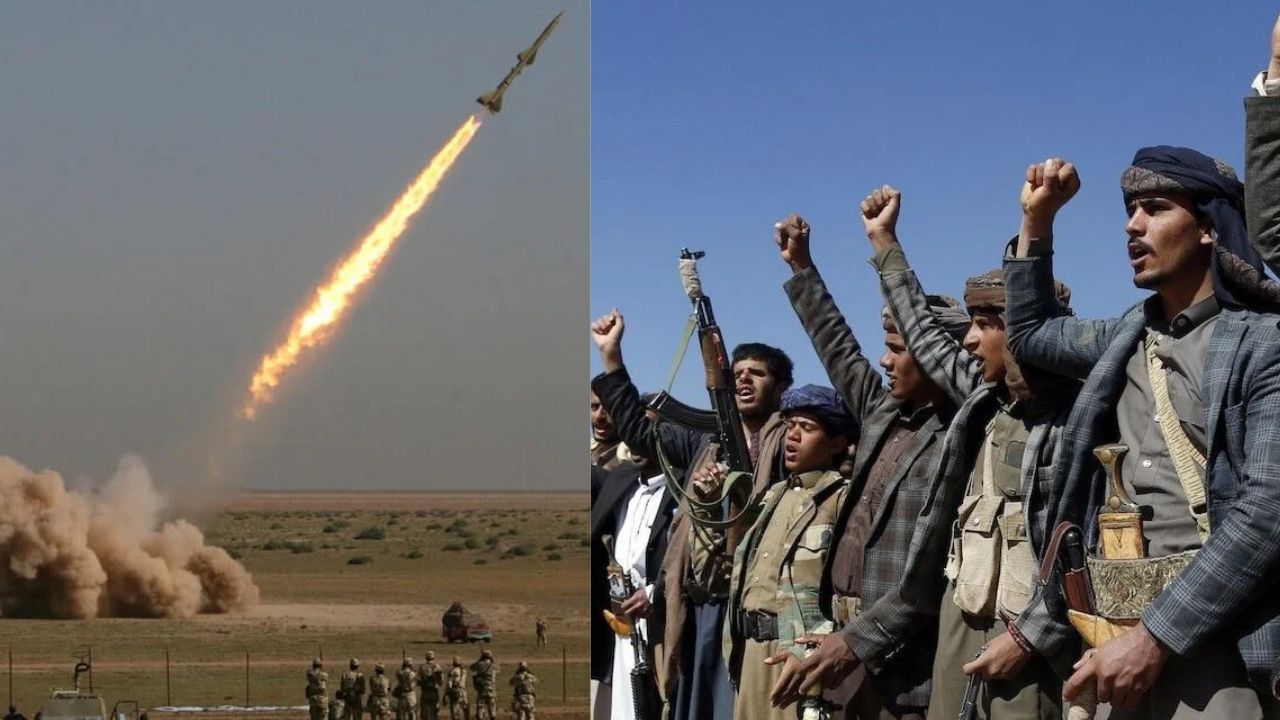
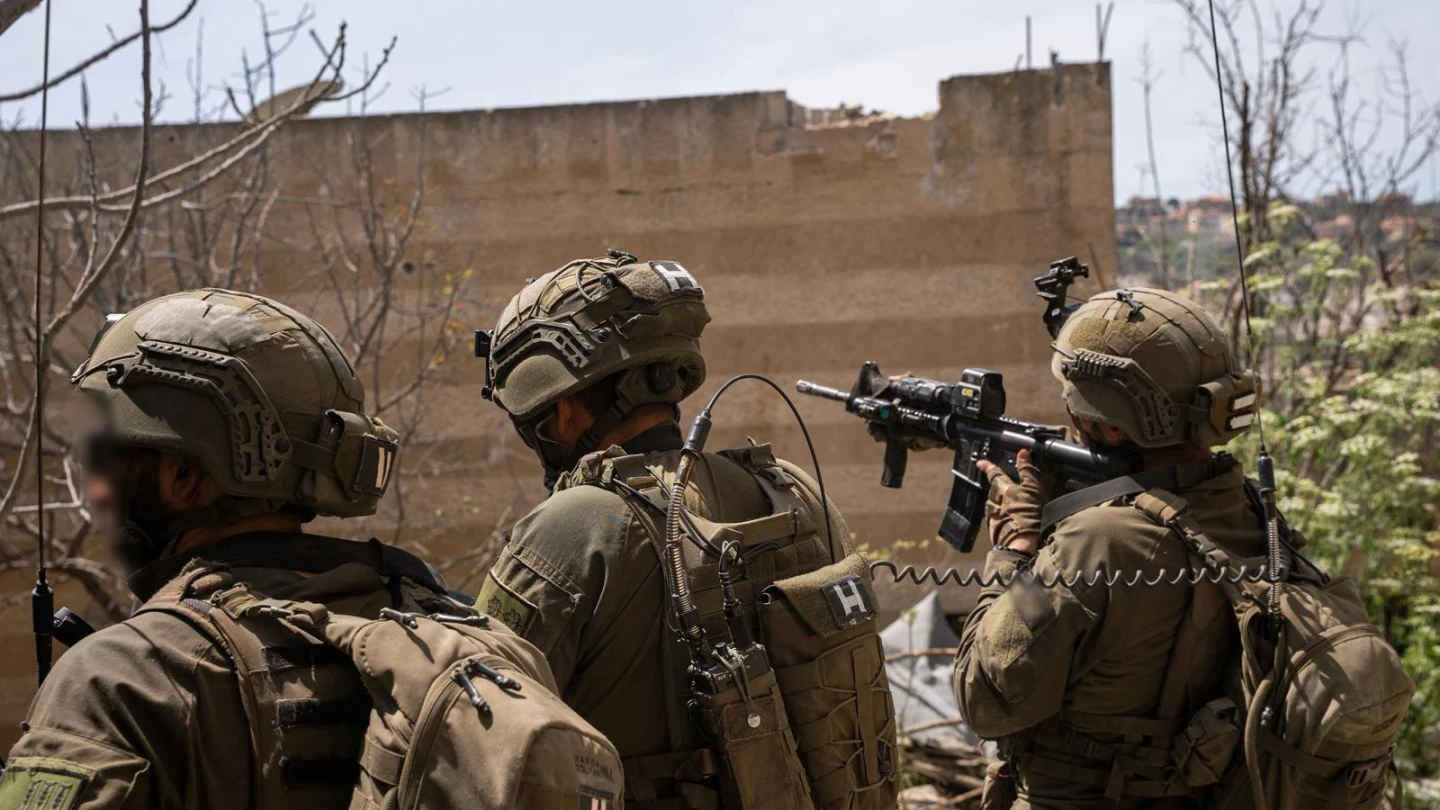
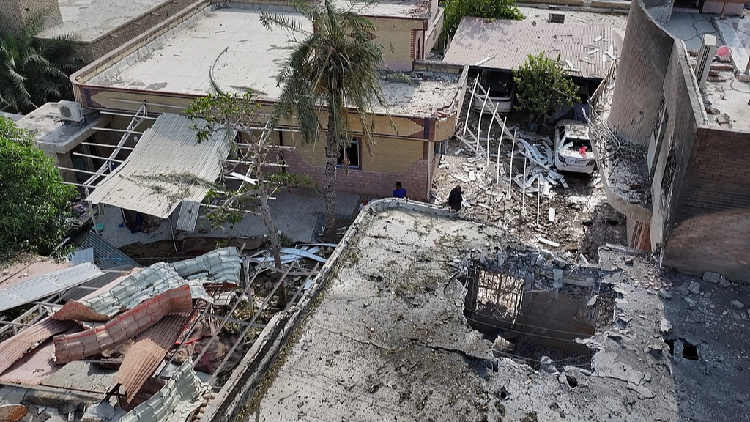
The 19 September reporting indicates a sharp expansion of immediate regional risk. Saudi Arabia reported intercepting a ballistic missile aimed at Riyadh, while eyewitness and flight-tracking reports described smoke near King Khalid International Airport and temporary flight disruption. The Houthis claimed attacks on Riyadh and Yanbu, but the scale of damage and attribution remain contested. In Southern Lebanon, an IED attributed to Hezbollah lightly wounded two IDF soldiers, followed by Israeli strikes on Hezbollah infrastructure. Iran and UKMTO reported separate tanker incidents near the Strait of Hormuz. Houthi redeployments towards Marib, increased fighting in Yemen and displacement above 112,000 people within Yemen, or more than 125,000 since early September according to different UN and IOM counts, raise the risk of further humanitarian deterioration.
Change from previous assessment
Since the 18 September brief, the assessment has added a direct Riyadh security incident involving a reported ballistic missile interception, smoke near King Khalid International Airport and temporary flight disruption. Confidence in the judgement that Hormuz traffic remains severely disrupted is unchanged at medium, but current tanker incidents and Kpler reporting provide additional evidence of acute disruption while leaving complete closure unestablished. The Houthi leverage judgement now includes reported seizures around Mokha and Mayyun and a reported redeployment towards Marib, but remains medium confidence because the redeployment is not officially confirmed. The humanitarian judgement remains high confidence, with updated UN and IOM figures indicating more than 112,000 internally displaced people and more than 125,000 displaced since early September. Diplomatic de-escalation remains unlikely by 2 October, despite new contacts between Iranian and Pakistani foreign ministers and an unconfirmed two-week truce proposal.
Key judgments
- It is very likely that the conflict will remain a multi-front confrontation over the next 14 days, involving Houthi attacks and Saudi defensive responses around Riyadh, Al-Kharj, Bish, Taif, Farasan, Yanbu and the East-West Pipeline, alongside IDF-Hezbollah exchanges in Southern Lebanon and continued Iran-linked maritime incidents in the Strait of Hormuz. This is an assessed judgement based on corroborated reporting from Saudi authorities, major media and UKMTO, although the perpetrators and effects of some incidents remain disputed. (Confidence: high · ASSESSED)
- I&W: Within 0-14 days, Saudi authorities report another ballistic missile or drone interception directed at Riyadh, Yanbu, Bish, Taif or Farasan, or UKMTO reports another tanker incident in the Strait of Hormuz. (0-14 days)
- I&W: The judgement would be weakened if Saudi Arabia and the Houthis formally announce a truce followed by no new Houthi-Saudi attacks and no reported IDF-Hezbollah exchange. (0-14 days)
- It is likely that Houthi operations on 19 September caused at least temporary disruption around King Khalid International Airport in Riyadh, but it remains unresolved whether a missile penetrated Saudi defences and struck fuel tanks. Saudi authorities reported an interception and said the immediate danger had passed, while eyewitness reporting, flight data and Houthi statements point to possible impacts near the airport and Saudi energy infrastructure. Confidence is medium because the evidence combines official claims, opposing-party claims and partially unverified visual material. (Confidence: medium · ASSESSED)
- I&W: The judgement would be confirmed by independently verified imagery or a Saudi damage assessment identifying impact at fuel tanks near King Khalid International Airport, followed by flight disruption lasting beyond the initial alert. (0-7 days)
- I&W: The judgement would be weakened if Saudi authorities confirm that the missile was intercepted before impact, report no damage at the airport or fuel facilities, and flight operations return to normal. (0-7 days)
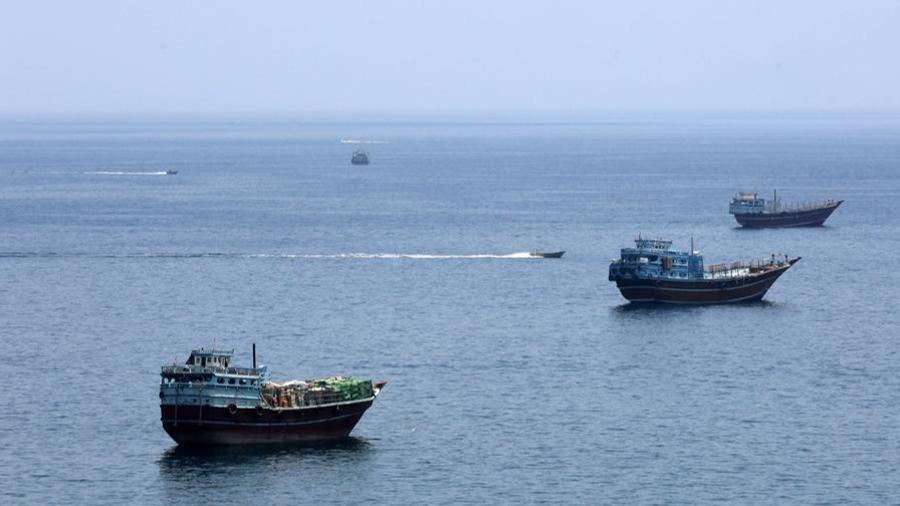
- It is very likely that commercial traffic through the Strait of Hormuz will remain severely disrupted over the next 14 days, but unlikely that the waterway will experience a complete and continuous closure. Kpler reports only a few commodity-carrying vessels transiting daily, with no very large crude carriers or LNG tankers on multiple days; UKMTO reported a tanker struck while leaving the strait, and Iran claimed responsibility for striking the Togo-flagged tanker Trend. The assessment remains medium confidence because the current disruption data conflict with the IEA baseline for normal annual flows, and responsibility for the incidents is not independently established. (Confidence: medium · ASSESSED)
- I&W: The judgement would be confirmed if vessel-tracking data continue to show no very large crude carrier or LNG tanker transits for seven consecutive days and UKMTO records another attack or hazardous incident. (0-14 days)
- I&W: The judgement would be weakened if independent tracking records sustained daily transits by very large crude carriers and LNG tankers, with no further tanker incidents or sharp fall in war-risk premiums. (0-14 days)
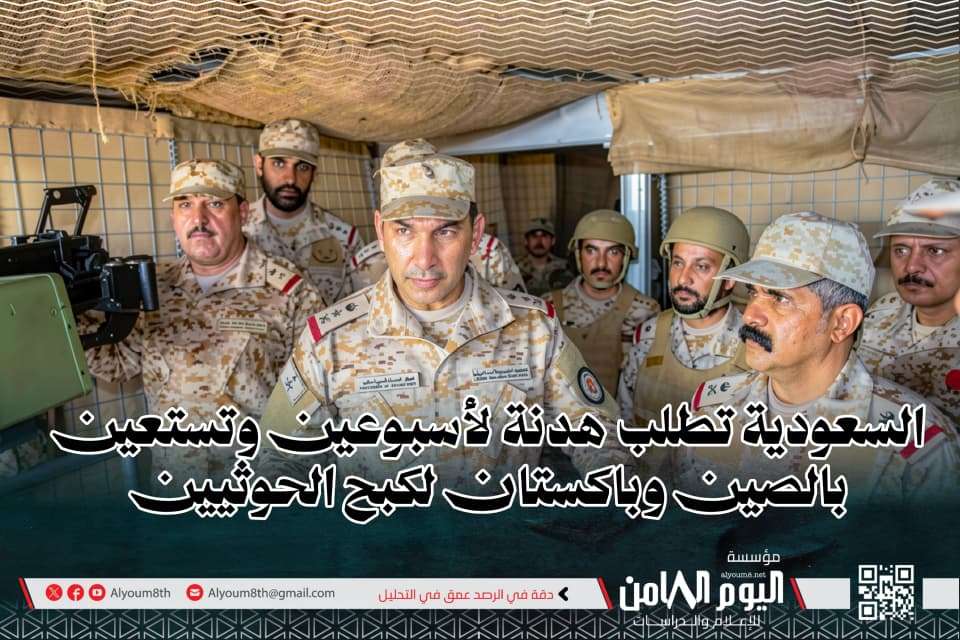
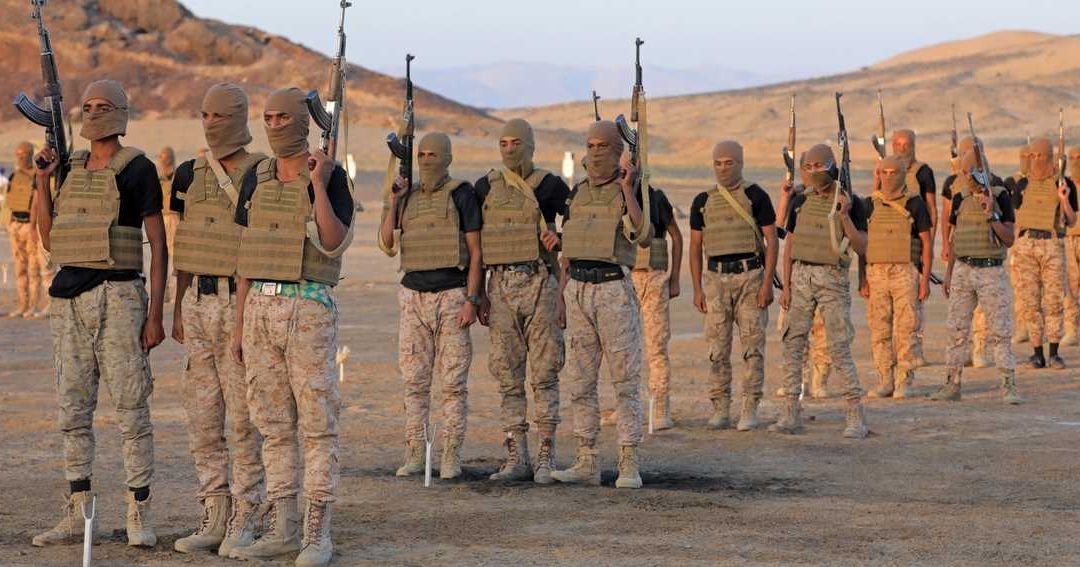
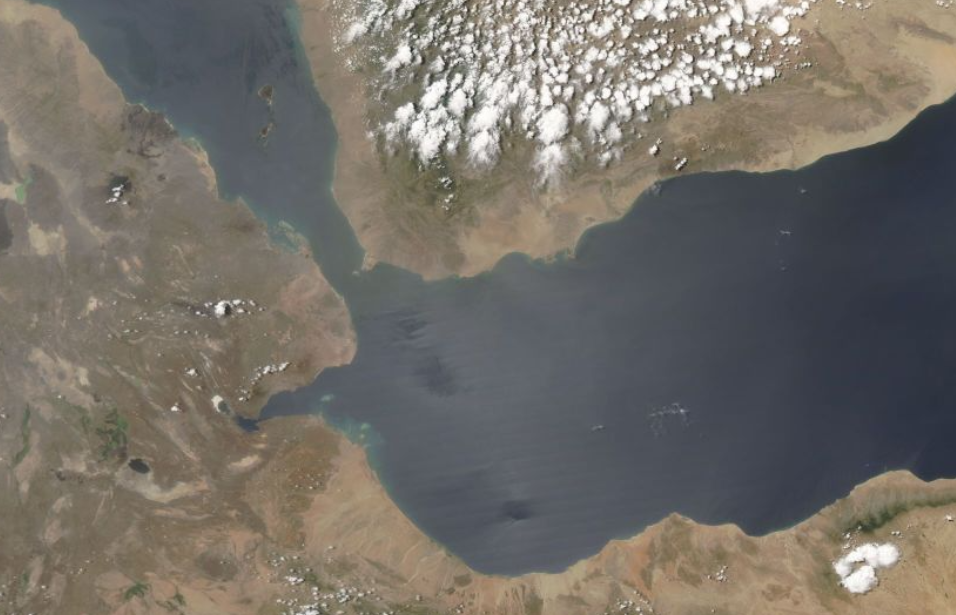
- It is likely that the Houthis will retain operational leverage around the Bab al-Mandab approaches and intensify pressure on Marib over the next one to three months. Reporting attributes control of Mokha, Mayyun, the Zuqar and Hanish archipelago to the Houthis, while separate reports describe a Houthi redeployment of thousands of fighters towards Marib and concern about movement towards the Safir oil facilities. Confidence is medium because the territorial and troop-movement reporting relies partly on local or unknown-source accounts, and the Yemeni government has not officially confirmed the reported redeployment. (Confidence: medium · ASSESSED)
- I&W: The judgement would be confirmed by independent reporting of additional Houthi units moving towards Marib, renewed fighting near al-Wazi'iyah or Marib, or attacks on Saudi vessels entering or leaving the Bab al-Mandab Strait. (0-14 days)
- I&W: The judgement would be weakened if Houthi units withdraw from the Marib approaches, Saudi and Houthi officials announce an enforceable truce, and no new attacks on Saudi vessels are reported. (1-3 months)
- It is very likely that Yemen's humanitarian emergency will worsen over the next one to three months. The UN reported more than 125,000 people displaced since the beginning of September, while IOM reported more than 112,000 internally displaced people and about 3,000 people who travelled by sea to Djibouti. The figures differ by reporting date and scope, but UN and IOM reporting independently indicates sustained large-scale displacement against a backdrop of an already severe crisis. (Confidence: high · ASSESSED)
- I&W: The judgement would be confirmed if the UN or IOM reports displacement above the current 112,000 to 125,000 range, or a further increase in sea crossings from western Yemen to Djibouti. (1-3 months)
- I&W: The judgement would be weakened if UN and IOM reporting records no further net displacement and sustained access for displaced people to return safely to their areas of origin. (1-3 months)
- It is unlikely that current diplomatic activity will produce durable US-Iran or Saudi-Houthi de-escalation by 2 October. Abbas Araghchi and Ishaq Dar agreed to meet in New York, and reporting describes Chinese efforts to use Iran's influence over the Houthis, but Saudi Arabia and the Houthis have not officially announced the reported two-week truce. Iran has given no public indication that it will pressure the Houthis directly, while Benjamin Netanyahu continues to advocate the fall of Iran's government. Confidence is medium because the diplomatic reporting includes a direct contradiction over the truce proposal and several elements derive from single-source or lower-reliability reporting. (Confidence: medium · ASSESSED)
- I&W: The judgement would be confirmed if no formal Saudi-Houthi truce is announced by 2 October and Houthi attacks, Hormuz incidents or IDF-Hezbollah exchanges continue during that period. (0-14 days)
- I&W: The judgement would be weakened if Saudi Arabia and the Houthis sign and observe a truce for at least 14 days, alongside an observable reduction in Iran-linked maritime incidents. (0-14 days)
Outlook & scenarios
Continued multi-front escalation (62%)
Houthi attacks on Riyadh, Yanbu or other Saudi locations continue, while the Houthis maintain pressure around the Bab al-Mandab Strait and Marib. IDF-Hezbollah exchanges persist in Southern Lebanon, and tanker incidents keep Strait of Hormuz traffic at sharply reduced levels. No formal Saudi-Houthi truce is reached by 2 October.
Partial and reversible de-escalation (28%)
Saudi Arabia and the Houthis announce a two-week truce after Chinese, Iranian and Pakistani contacts. Houthi attacks decline and some maritime traffic resumes, but the arrangement remains fragile because Iran has not publicly committed to pressuring the Houthis and IDF-Hezbollah tensions continue in Southern Lebanon.
Maritime or energy shock, low-probability high-impact wildcard (15%)
A successful strike on Saudi energy infrastructure, another tanker attack in the Strait of Hormuz or a direct US-Iran maritime exchange produces a sharp additional reduction in commercial traffic. The resulting rise in insurance and freight costs accelerates pressure on crude and LNG supply chains and prompts broader military involvement by Saudi Arabia, Pakistan or the US.
Recommendations
- Prioritise a 24-hour reconciliation of the Riyadh incident using Saudi Civil Defence statements, Saudi Ministry of Energy reporting, flight-tracking data and independently geolocated imagery. Separate confirmed interception from confirmed impact at King Khalid International Airport or nearby fuel tanks.
- Maintain a daily maritime watch combining UKMTO incident reports, Kpler vessel counts, tanker insurance costs and port or shipper statements. Report separately on reduced traffic, individual attacks and evidence of a complete closure of the Strait of Hormuz.
- Seek independent confirmation of the reported Houthi redeployment towards Marib through additional Yemeni military, government and commercial satellite reporting. Prioritise indicators around al-Wazi'iyah, Marib and the Safir oil facilities.
- Track formal statements from Saudi Arabia, the Houthis, Iran, China and Pakistan for evidence that the reported two-week truce has been adopted rather than merely discussed. Treat the proposal as unverified until both Saudi Arabia and the Houthis announce it.
- Use the UN and IOM displacement series as separate indicators, preserving their different dates and geographic scopes. Flag any new displacement towards Djibouti and any increase above the current reported totals for immediate humanitarian review.
- Keep disputed casualty, attribution and damage claims separate from confirmed events in future reporting. Do not treat Houthi claims, Iranian attribution of the tanker incident or unverified social media footage as independently established without corroboration.
Confidence & uncertainty
Overall confidence is high for the broad assessment that regional tensions and maritime disruption are intensifying. The assessment draws on corroborated reporting from major media, Saudi authorities, the UN, IOM, UKMTO and market data, with several separate indicators pointing to increased military, shipping and humanitarian pressure. Confidence is lower for the precise damage at Riyadh, responsibility for individual tanker incidents, Houthi troop movements near Marib and the reported truce because those points rely on opposing-party statements, single-source reporting or unresolved contradictions.
Intelligence gaps
- [EEI 1.1 · PARTIAL] Number, type, launch times, and trajectories of ballistic missiles, cruise missiles, armed UAV strikes, and combat-air sorties launched by Iranian or Israeli forces toward the other's territory or forward bases within a 72-hour window. Recommended collection: signals/intel
- [EEI 1.2 · UNCOVERED] Observable changes in Israeli and Iranian force posture: mobilization or reserve call-up orders, unit road/rail movements, dispersal or sortie rates of air squadrons, redeployment of air-defense batteries, and activation of civil-defense alerts or sirens in major population centers. Recommended collection: open-source/media
- [EEI 1.3 · PARTIAL] Indications of strike authorization or targeting preparations in Iranian or Israeli command chains: authenticated public orders by senior commanders, detected increases in encrypted communications consistent with targeting, or visible movement of strike munitions to launch/storage sites. Recommended collection: signals/intel
- [EEI 2.1 · UNCOVERED] Counts, launch locations (coordinates), weapons types, and assessed damage from rocket/missile/drone strikes originating from Lebanon into northern Israel attributed to Hezbollah or allied groups. Recommended collection: open-source/media
- [EEI 2.2 · UNCOVERED] Reported attacks by Iranian-backed militias in Iraq and Syria: rocket/IED strikes on bases hosting US/coalition or Israeli personnel, documented militia unit movements toward borders, and captured movement or transfer of weapons systems to forward militia positions. Recommended collection: human
- [EEI 2.3 · PARTIAL] Maritime harassment or attacks by proxies (e.g., Houthis): incidents of missile/rocket strikes against commercial vessels, small-boat swarm attacks, discovery or detonation of naval mines, and corresponding AIS anomalies in the Red Sea, Gulf of Aden, or southern Arabian Gulf. Recommended collection: maritime/AIS
- [EEI 3.1 · UNCOVERED] Movements and arrival dates of foreign military assets into the region: carrier strike groups, amphibious ships, surface combatants, strategic airlift/tanker deployments, and air/sea patrol patterns by US, European, Russian, or regional militaries. Recommended collection: imagery/satellite
Cited sources
[1] BBC News · Houthis say they targeted Saudi capital with ballistic missiles (A) · Sat Sep 19 2026 13:09:29 GMT+0000 (Coordinated Universal Time) · sha256:90b4c97b38dc [2] Dynamite News · Saudi Arabia Riyadh Missile Alert: Explosions Reported As Houthi Threat Escalates Middle East Tensions (B) · Sat Sep 19 2026 06:15:56 GMT+0000 (Coordinated Universal Time) · sha256:949a3c71b218 [3] JNS · Two Israeli troops hurt by IED amid effort to destroy Hezbollah terror assets in Lebanon (B) · Sat Sep 19 2026 13:06:45 GMT+0000 (Coordinated Universal Time) · sha256:1e59777310fe [4] Sunday Guardian Live · US-Israel-Iran War Latest Live News: UN Security Council Condemns Houthi Missile Attacks, Warns Of Wider Conflict, Maritime Security & Global Trade Risks; Check Arms Embargo & Latest Yemen Update (B) · Sat Sep 19 2026 12:47:59 GMT+0000 (Coordinated Universal Time) · sha256:93a2943fa798 [5] CCTV (China Global Television Network / Xinhua content) · Regional tensions put Saudi oil exports under pressure, rattle global energy markets (B) · sha256:916a0a3f23a1 [6] المركز الأوروبي لدراسات مكافحة الإرهاب والاستخبارات (ECCI) · مضيق هرمز ـ إيران والأذرع الإقليمية لمواجهة الحصار - المركز الأوروبي لدراسات مكافحة الإرهاب والاستخبارات (C) · Fri Sep 18 2026 22:00:05 GMT+0000 (Coordinated Universal Time) · sha256:1a1577611e60 [7] The Maritime Executive · Africa’s Red Sea States Face Growing Risks as Houthis Expand Their Reach (C) · sha256:520a16e34ce5 [8] CGTN · Middle East tensions persist as Iran war strains regional security and oil supplies (B) · Sat Sep 19 2026 03:36:34 GMT+0000 (Coordinated Universal Time) · sha256:e19b82cae844 [9] اليوم الثامن (alyoum8.net) · السعودية تطلب هدنة لأسبوعين وتستعين بالصين وباكستان لكبح الحوثيين (D) · Sat Sep 19 2026 08:22:00 GMT+0000 (Coordinated Universal Time) · sha256:c06ba94a3e85 [10] Global Arab Network · Houthi Forces Redeploy to Marib as Tensions Escalate (F) · Sat Sep 19 2026 14:42:10 GMT+0000 (Coordinated Universal Time) · sha256:a5e764ec6f82 [11] TV7 Israel News · Netanyahu: Iran regime will fall; China, Russia veto Iran sanctions review TV7 Israel News 18 Sept. (B) · sha256:30ba60eb91b9 [12] بوابة الحركات الإسلامية (Islamist Movements Portal) · سوريا تكشف كواليس انفجار دير الزور. وأعداد الضحايا/'جاسوس الموساد'. إيران تنفذ حكما جديدا بالإعدام/البرهان: الغلاء وشح الموارد جزء من المعركة بالسودان (E) · sha256:2fd1686ff4ac
Source content hashes were computed at collection time; the cited text is preserved unmodified for the life of this product.
TLP:CLEAR