TLP:CLEAR · Disclosure is not limited.
Middle East Conflict: US-Iran Exchange Reopens Regional Risk
Time window: Last 1 day · Audience: General analyst · Type: Situation report · DTG: 2026-09-01 18:45Z · Overall confidence: HIGH
BLUF
The US-Iran exchange has reopened after the 30 August strike on two Iranian launchers on Larak Island and Iran's missile attacks on US bases in Jordan. Hormuz traffic is very likely to remain below normal, despite mediation by Qatar, Oman and Pakistan, while attribution of the 31 August tanker attacks near Khasab remains unresolved.
Executive summary
The immediate risk is a renewed US-Iran strike cycle linked to the Larak Island attack, Iranian missile attacks on US bases in Jordan and President Trump's pledge to respond. Maritime disruption has intensified after the Saudi-flagged VLCC Sidr and Liberian-flagged VLCC Senegal Prosperity were struck near Khasab, Oman, although reporting does not establish the attacker. Qatar, Oman and Pakistan are pursuing talks on a temporary Hormuz route, but Iran's demand for US compliance with the June interim deal conflicts with Oman's insistence on regional consent, international law and protection of its sovereignty. Lebanon remains exposed through disputes over Israeli deployment and Hezbollah disarmament, while Yemen presents a lower-confidence but growing secondary escalation risk.
Change from previous assessment
The assessment now incorporates the 31 August strikes on the Sidr and Senegal Prosperity near Khasab, which raise the immediate maritime risk but leave attribution unresolved. Confidence in the direct US-Iran exchange remains high, while the exact dates of the Jordan attack and other US strikes remain contested. The Hormuz assessment is more specific, using Kpler and Windward transit data and the dispute between US mine-clearance claims and residual mine warnings. Qatar, Oman and Pakistan mediation and Iran's conditional position on the June deal support a new temporary-route scenario, but unrestricted reopening remains unlikely. The Lebanon judgment has been upgraded from low to medium confidence because of new reporting on pilot zones, LAF concerns, EU planning and UNIFIL's 31 December expiry. A low-confidence Yemen escalation judgment has been added because current reporting indicates heightened Houthi and government activity but conflicts over the scale and timing of attacks.
Key judgments
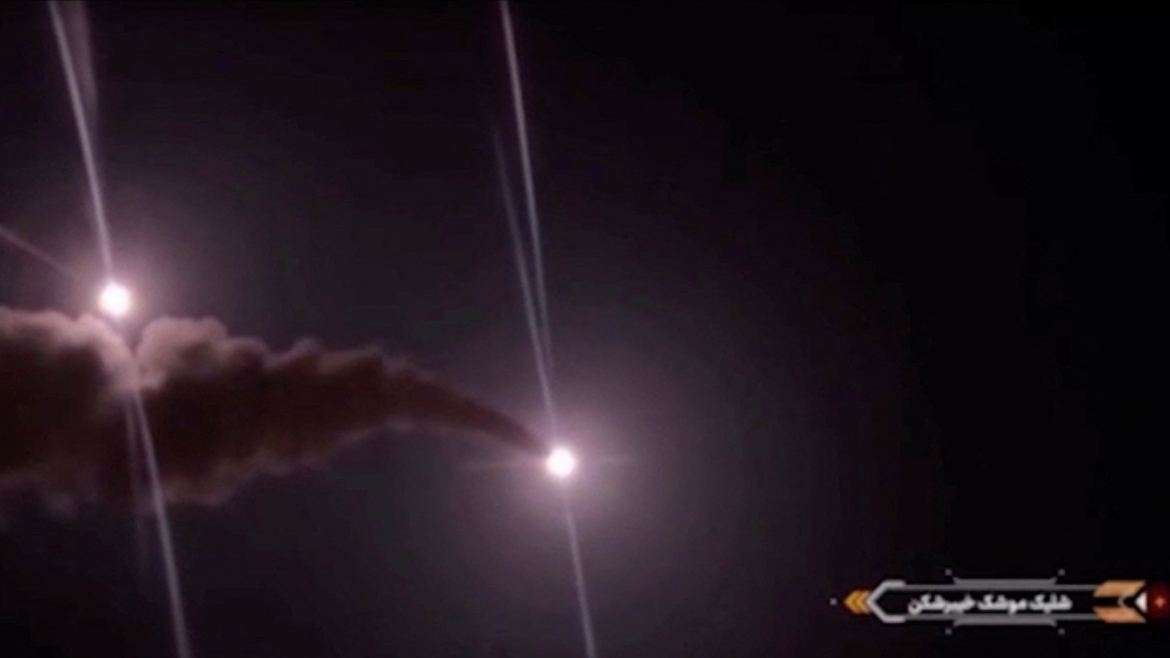
- The US-Iran confrontation is very likely to remain active over the next 0-14 days, with the immediate exchange centred on the US strike against two Iranian rocket launchers on Larak Island on 30 August and Iran's missile attacks on two US bases in Jordan. Donald Trump has pledged to hit Iran hard, while Iranian President Masoud Pezeshkian has tied immediate Iranian reciprocity to US compliance with the June interim deal. Israel is holding open follow-up kinetic action against Iran if economic pressure does not produce negotiations. Confidence is high because the Larak and Jordan actions are reported by wire, trade and major-media sources, although the precise date of the Jordan attack and the timing of other US strikes remain contested. (Confidence: high · ASSESSED)
- I&W: Confirm: CENTCOM reports another strike on an IRGC target in Iran, or Iran launches another missile or drone attack against US personnel or bases in Jordan or the Gulf. (0-14 days)
- I&W: Break: US and Iranian authorities announce and observe a halt in strikes for seven consecutive days alongside implementation of the June interim deal. (0-14 days)
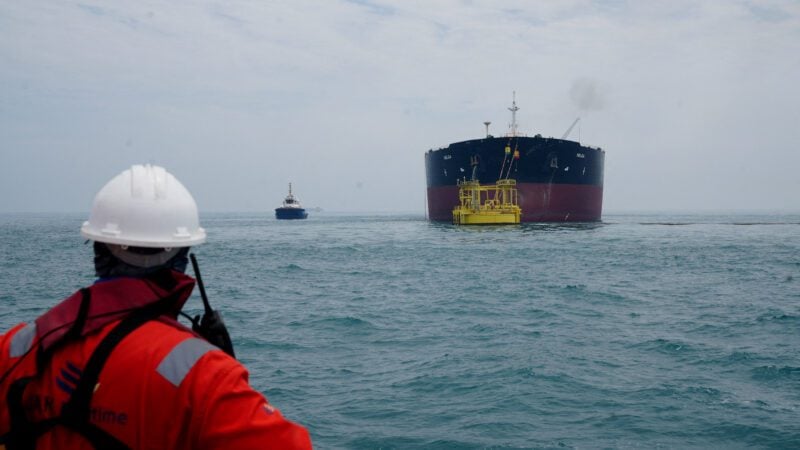
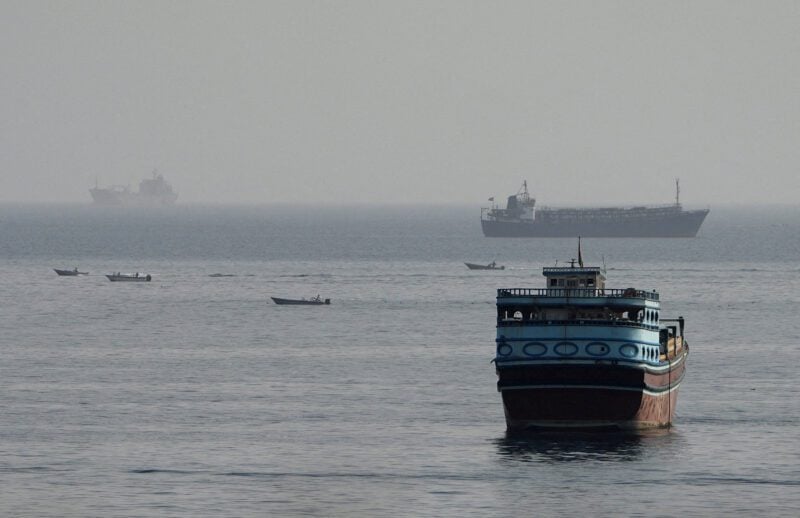
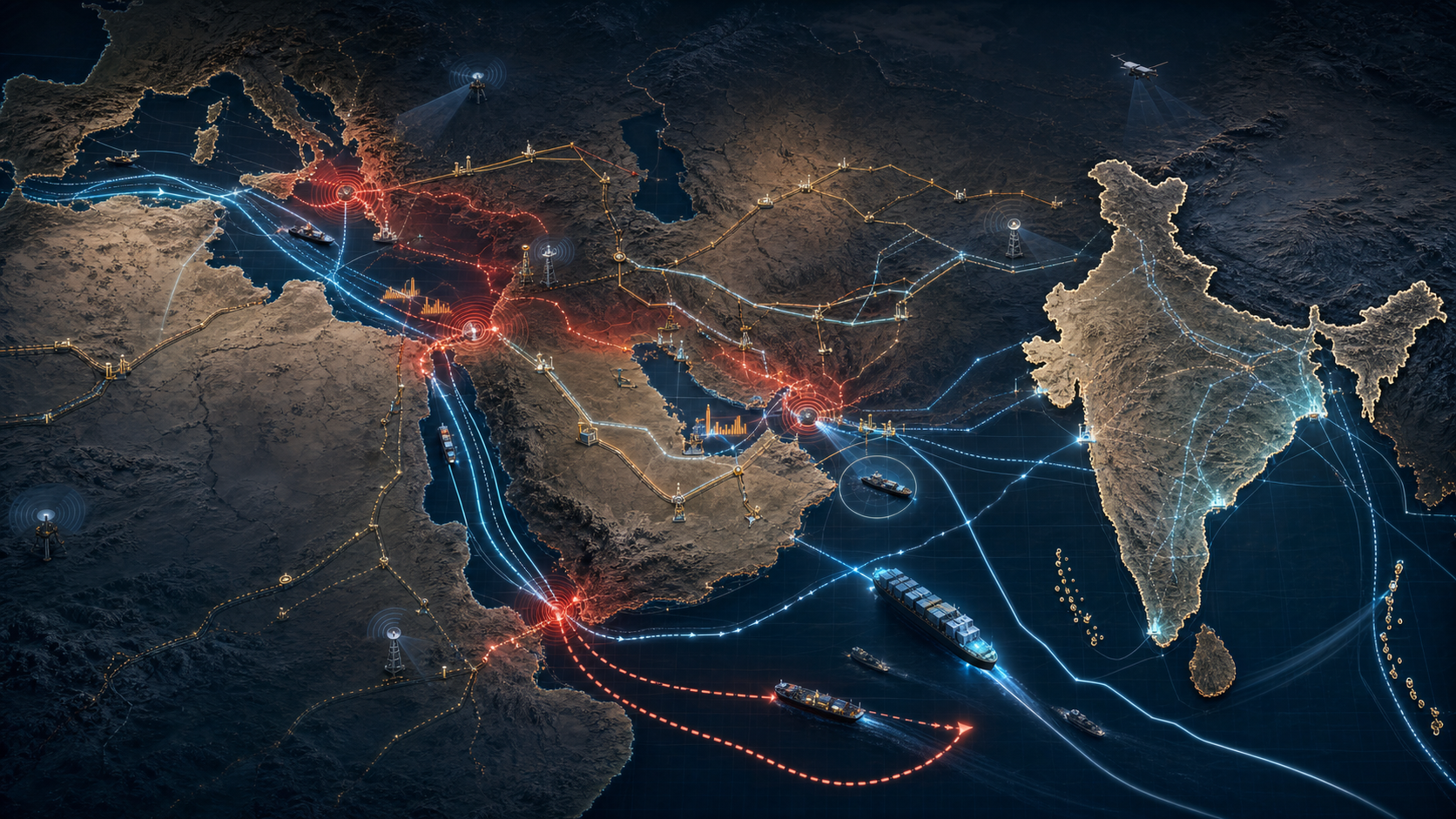
- The Strait of Hormuz is very likely to remain below normal over the next 0-14 days, and full unrestricted reopening is unlikely over the next 1-3 months. Unknown attackers struck the Saudi-flagged VLCC Sidr and the Liberian-flagged VLCC Senegal Prosperity with projectiles near Khasab, Oman, while Kpler recorded five confirmed crossings on Monday and Windward reported a weekly high of 21 ships per day. US claims of mine clearance do not remove the residual risk identified by INTERTANKO and the Joint Maritime Information Center. Confidence is medium because transit counts, the extent of mine clearance and the status of the Senegal Prosperity crew are not fully consistent across reporting. (Confidence: medium · ASSESSED)
- I&W: Confirm: UKMTO or JMIC reports another projectile strike on a commercial vessel, or identifies drifting or uncharted mines inside or around the Traffic Separation Scheme. (0-14 days)
- I&W: Break: Kpler and Windward record at least 20 confirmed crossings per day for seven consecutive days, and INTERTANKO no longer warns that TSS transits cannot be assumed to be interference-free. (1-3 months)
- Attribution of the 31 August attacks on the Sidr and Senegal Prosperity to Iran is unlikely on current evidence. The attacks themselves are very likely genuine, but multiple reports identify unknown attackers while one trade report attributes them to Iran and CENTCOM rejects a separate IRGC account of a tanker striking mines. Confidence is low for the attribution judgment because the reporting is directly contradictory and lacks an agreed official finding. (Confidence: low · ASSESSED)
- I&W: Confirm: independent tracking, forensic evidence or an official maritime investigation identifies an Iranian launch platform or IRGC unit as responsible. (0-30 days)
- I&W: Break: a named non-Iranian actor claims responsibility and the claim is corroborated by maritime tracking or official investigation. (0-30 days)
- A temporary, conditional shipping route through Hormuz is roughly even chance over the next 0-14 days, but rapid restoration of unrestricted traffic is unlikely over the next 1-3 months. Qatar, Oman and Pakistan are maintaining communication, and Iran and Oman have discussed a temporary route. Progress is constrained by Iran's demand for US compliance with the June memorandum of understanding, Oman's rejection of exclusive Iranian management and passage fees, and the inconclusive outcome of earlier mediation. Confidence is medium because formal joint-statement language and informal Iranian briefings diverge. (Confidence: medium · ASSESSED)
- I&W: Confirm: Iran, Oman and the US announce a written temporary route with agreed rules on regional consent, TSS use, international law, sovereignty and fees. (0-14 days)
- I&W: Break: Iran publicly reasserts exclusive control or passage fees, and Qatar, Oman or Pakistan report that talks have ended without a written arrangement. (0-30 days)
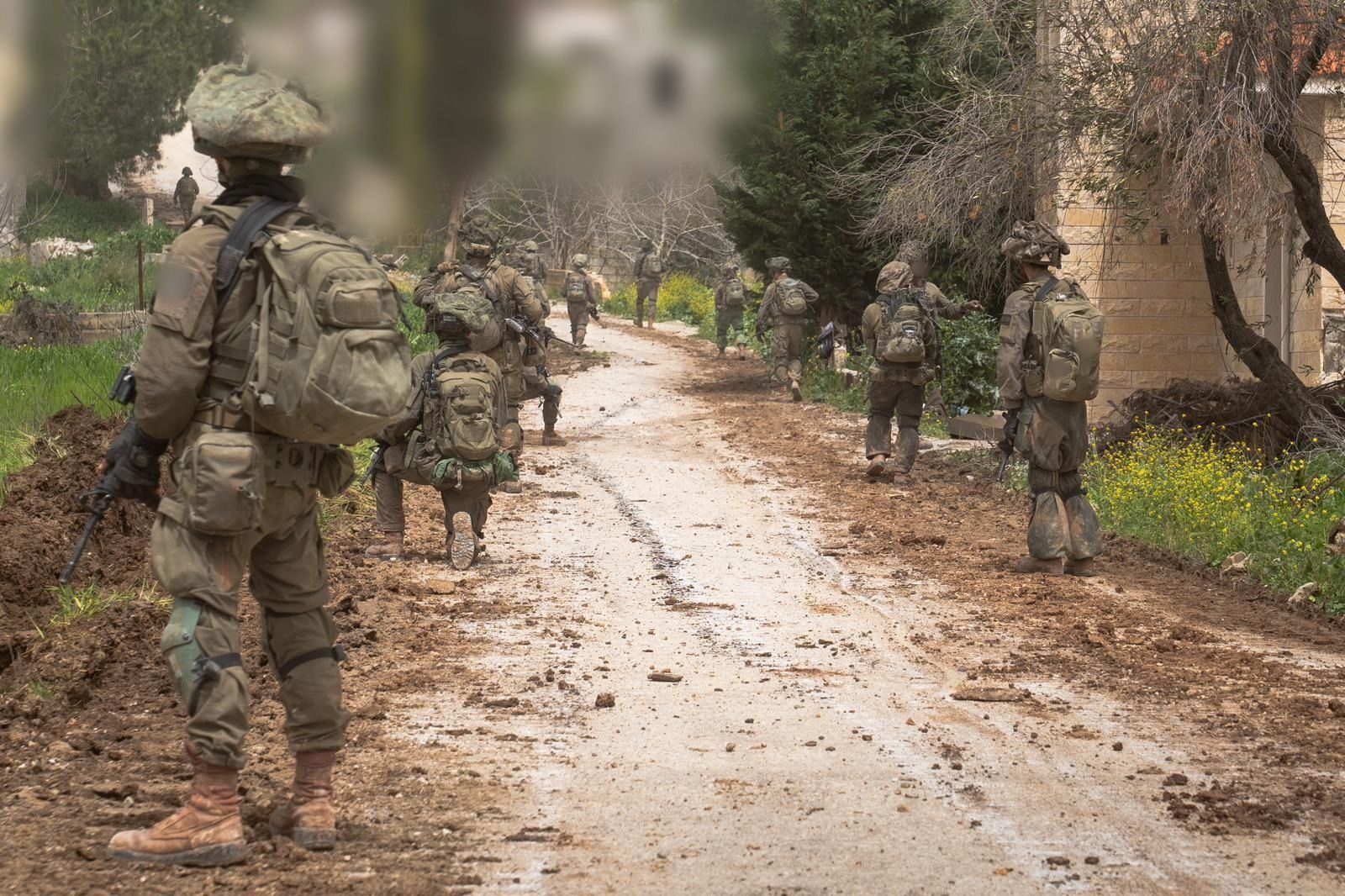
- Lebanon is likely to remain a secondary escalation channel over the next 1-3 months, while direct Israel-Hezbollah war is roughly even chance. Israel assesses Lebanese army disarmament of Hezbollah in the pilot zones as insufficient and demands guarantees against Hezbollah's return. Almost daily Israeli bombardment, about 335,000 displaced people, the failure of early-August Rome talks and the expiry of the UNIFIL mandate at the end of 2026 sustain pressure on the pilot-zone framework. Confidence is medium, raised from the prior brief's low level because the new reporting provides corroboration from Israeli, Lebanese, US, UN and European sources, although Hezbollah's intentions remain unclear. (Confidence: medium · ASSESSED)
- I&W: Confirm: Israel expands operations beyond the pilot zones, or Hezbollah re-establishes a military presence or launches attacks from southern Lebanon. (0-3 months)
- I&W: Break: Israel and Lebanon implement the pilot-zone framework with Israeli withdrawal and LAF deployment, followed by 30 days without new cross-border attacks. (1-3 months)
- Yemen is likely to become a secondary escalation channel over the next 1-3 months, with Houthi missile and drone attacks on Saudi-associated shipping, Jazan and Saudi Aramco facilities more likely than a sustained Houthi ground offensive. The UN Special Envoy assesses Yemen as facing its greatest risk of wide-scale conflict since the April 2022 truce, while Yemeni government forces are on alert and the Giants Brigades have conducted exercises. Confidence is low because reporting conflicts over whether Houthi attacks paused after the June Gaza ceasefire, the scale of attacks on Saudi facilities and the existence of a blockade on Yanbu. (Confidence: low · ASSESSED)
- I&W: Confirm: the Houthis claim or are independently assessed to have conducted another strike on Jazan, a Saudi Aramco facility or a Saudi-linked vessel in the Red Sea. (0-30 days)
- I&W: Break: the Yemeni government and Houthi representatives announce de-escalation, government forces leave alert status and no new Saudi-linked maritime or infrastructure attack is reported for 30 days. (1-3 months)
Outlook & scenarios
Continued US-Iran exchange with constrained Hormuz traffic (60%)
This is the most likely outcome. US and Iranian forces continue limited strikes and threats over the next 0-14 days, while tanker security incidents and contested mine risk keep Hormuz traffic well below normal. Qatar, Oman and Pakistan continue mediation without securing unrestricted reopening.
Conditional maritime opening (35%)
A temporary Hormuz route opens under conditions acceptable to Iran and Oman, allowing selected commercial movements while broader traffic remains restricted. The arrangement reduces immediate shipping pressure but does not resolve the US-Iran confrontation or the dispute over control, fees and sovereignty.
Secondary-front escalation in Lebanon or Yemen (25%)
An Israeli operation beyond the southern Lebanon pilot zones, a Hezbollah attack, or a further Houthi strike on Saudi-linked shipping or infrastructure widens the conflict without producing a full regional war. This outcome would increase pressure on Jordan, Saudi Arabia, Oman and maritime operators.
Low-probability, high-impact direct regional expansion (10%)
A further US or Israeli strike on Iran is followed by larger Iranian attacks on US bases or Gulf territory, additional tanker strikes and a prolonged Hormuz shutdown. This outcome would sharply raise energy and force-protection risks and would probably end the current mediation track.
Recommendations
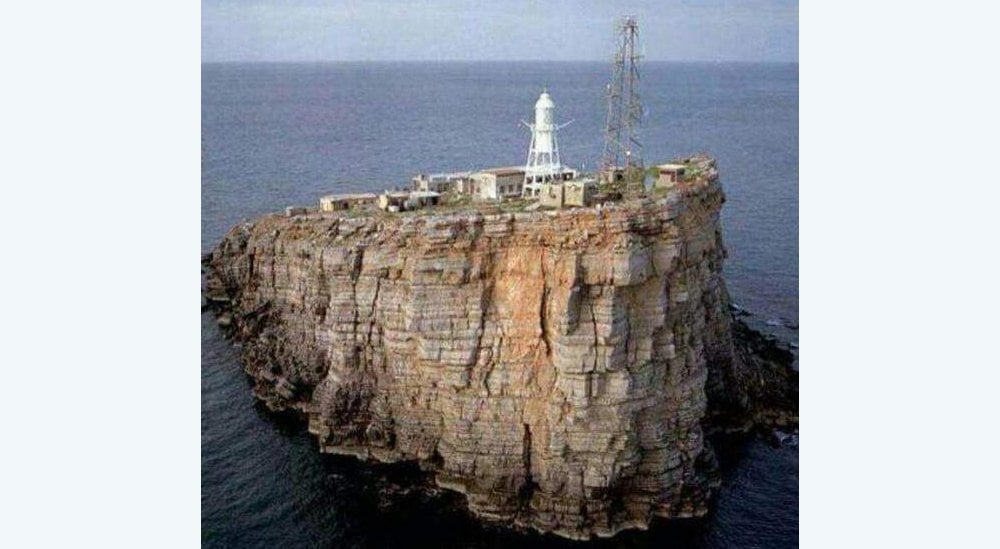
- Maintain a 0-14-day watch focused on Larak Island, the two US bases in Jordan, UAE territorial waters and Al Minhad air base. Record the Iranian claim and the UAE denial separately until independent evidence resolves the location and target.
- Report Hormuz in three separate layers: confirmed vessel incidents, attribution and traffic volume. Do not use the claim of 30 ships guided out each night as a standalone measure when Kpler and Windward report materially lower counts.
- Prioritise daily review of Kpler and Windward transit data, UKMTO and JMIC advisories, and INTERTANKO safety guidance. Flag any new strike, mine warning or sustained rise in crossings against the current disrupted baseline.
- Track Qatar, Oman and Pakistan mediation for a written temporary-route arrangement. Assess each announcement against the June memorandum of understanding, TSS access, regional consent, UNCLOS, Omani sovereignty and the dispute over passage fees.
- Establish a Lebanon transition watch through 31 December, covering pilot-zone disarmament, LAF deployments, Israeli force positions, Hezbollah activity, EU decisions on the proposed LAF and ISF mission, and the UNIFIL mandate transition.
- Maintain a low-confidence Yemen escalation watch. Require independent confirmation before accepting claims of a Yanbu blockade or multiple Saudi Aramco strikes, while monitoring Houthi attacks on Jazan and Red Sea shipping, Yemeni government alert status and Giants Brigades activity.
- Track US sanctions announcements and Iranian responses alongside military developments. Weekly secondary sanctions against banks or maritime entities would indicate continued economic pressure rather than rapid diplomatic de-escalation.
Confidence & uncertainty
Overall confidence is high because the central developments are corroborated across Reuters reporting, UKMTO and JMIC-linked maritime reporting, CENTCOM or other official statements, and major-media accounts. The Larak strike, Iranian attacks on US bases in Jordan, tanker strikes near Khasab and ongoing mediation are supported by multiple sources. The main uncertainties concern attribution of the tanker attacks, the exact timing of some strikes, the completeness of US mine clearance, conflicting Hormuz transit counts, the Senegal Prosperity crew account and the scale of Houthi activity in Yemen.
Intelligence gaps
- [EEI 1.1 · PARTIAL] Observed repositioning, sustained increases, or new forward basing of Iranian conventional or IRGC forces (armored units, missile batteries, aircraft, naval vessels) toward borders or regional launch points. Recommended collection: IMINT/satellite
- [EEI 1.2 · UNCOVERED] Hezbollah or other Iran-aligned proxy forces conducting mass mobilization, visible rocket/artillery emplacements, cross-border firing incidents, or preparations for cross-border operations from Lebanon, Syria, Iraq or Yemen. Recommended collection: HUMINT/ground ISR
- [EEI 1.4 · UNCOVERED] Interdicted or observed shipments (air, sea, land manifests, seizures, satellite imagery of transfers) of advanced weapons or missile components from Iran toward proxy groups or forward staging points. Recommended collection: maritime/AIS
- [EEI 2.1 · UNCOVERED] Satellite or on-the-ground imagery showing fires, damage, or operational shutdown at major oil export facilities, refineries, storage terminals, or key pipeline infrastructure in the Gulf and Red Sea. Recommended collection: IMINT/satellite
- [EEI 2.4 · UNCOVERED] Rapid increases in war-risk insurance premiums for Middle East routes, shipping company advisories to avoid region, or major charter cancellations tied to the conflict. Recommended collection: financial/open-source
- [EEI 3.1 · PARTIAL] Movement/arrival of major foreign military assets into the region: US carrier strike groups, amphibious ready groups, strategic bomber flights, Russian/Chinese naval taskings, or allied expeditionary units (visible in AIS, NOTAMs, satellite imagery, official releases). Recommended collection: IMINT/satellite
- [EEI 3.2 · UNCOVERED] Official expedited arms transfers, basing/overflight agreements, or declarations of operational support (formal government announcements, defense ministry releases, logistics flight manifests). Recommended collection: open-source/diplomatic
- [EEI 3.3 · UNCOVERED] Embassy evacuations, large-scale personnel movements, issuance of government travel bans/advisories, or multinational security alerts affecting foreign nationals and diplomatic posture in the region. Recommended collection: diplomatic/open-source
Cited sources
[1] anewz.tv · U.S., Iran exchange attacks in latest escalation (B) · Mon Aug 31 2026 20:57:00 GMT+0000 (Coordinated Universal Time) · sha256:bffc1b2171ba [2] Reuters (republished by gCaptain) · Trump Vows to Hit Iran Hard After First Exchanges of Fire in a Month (A) · Mon Aug 31 2026 19:33:43 GMT+0000 (Coordinated Universal Time) · sha256:f3f408ca06e9 [3] Winn Media (winnmediaskn.com) · Qatar warns Israel seeking to ‘exploit’ Middle East turmoil (D) · Tue Sep 01 2026 13:30:41 GMT+0000 (Coordinated Universal Time) · sha256:e768bf34915e [4] JNS · Six months on, Israel waiting in the wings as Trump's war on Iran shifts to economic pressure (B) · Tue Sep 01 2026 06:59:09 GMT+0000 (Coordinated Universal Time) · sha256:a64660c43069 [5] Reuters (republished by gCaptain) · Two Tankers Carrying Saudi Oil Attacked in Strait of Hormuz (A) · Tue Sep 01 2026 12:25:45 GMT+0000 (Coordinated Universal Time) · sha256:98154e0dbe40 [6] The Maritime Executive · Iran Increases Hormuz Pressure with Nearly Simultaneous Attacks on Tankers (C) · sha256:d9b8709be7ec [7] gCaptain · INTERTANKO: Hormuz Mine Clearance ‘Not Sufficient’ to Restore Normal Shipping (C) · Tue Sep 01 2026 16:16:59 GMT+0000 (Coordinated Universal Time) · sha256:99ffd46808c1 [8] Al Jazeera · Qatar says efforts under way to end Iran-US war and reopen Strait of Hormuz (A) · Tue Sep 01 2026 15:29:48 GMT+0000 (Coordinated Universal Time) · sha256:48b1f63e971c [9] allAfrica.com · Africa: Wars, Humanitarian Crises, Economic Rivalries and Natural Disasters Shape the World (B) · Tue Sep 01 2026 04:10:14 GMT+0000 (Coordinated Universal Time) · sha256:7ac96e17f10a [10] The Maritime Executive · Iranian Misrepresentations Over the Strait of Hormuz Addressed by Oman (C) · sha256:7c14ea947eef [11] i24NEWS · Lebanese army wants IDF to remain in southern Lebanon, for fear of Hezbollah return - report (B) · Tue Sep 01 2026 00:00:00 GMT+0000 (Coordinated Universal Time) · sha256:4c93c3d02f4d [12] Al Jazeera · EU considers military mission to replace UN peacekeepers in South Lebanon (A) · Tue Sep 01 2026 05:25:37 GMT+0000 (Coordinated Universal Time) · sha256:0abc2a3288ad [13] Sanaa Center for Strategic Studies (مركز صنعاء) · عودة الحرب في اليمن: المعطيات والمآلات – قراءة خبراء مركز صنعاء - مركز صنعاء (C) · Tue Sep 01 2026 13:55:11 GMT+0000 (Coordinated Universal Time) · sha256:12b314338740 [14] India Foundation · The Geopolitics of Proxy Warfare in the Indo-Mediterranean: Security, Connectivity, and Economic Consequences (C) · Tue Sep 01 2026 07:26:33 GMT+0000 (Coordinated Universal Time) · sha256:f095c118ac3f
Source content hashes were computed at collection time; the cited text is preserved unmodified for the life of this product.
TLP:CLEAR