TLP:CLEAR · Disclosure is not limited.
Middle East conflict: US-Iran maritime retaliation and regional spillover
Time window: Last 1 day · Audience: General analyst · Type: Situation report · DTG: 2026-09-09 19:38Z · Overall confidence: HIGH
BLUF
US-Iran retaliation is likely to continue over the next 14 days, with attacks on tankers, warships and military facilities keeping the Strait of Hormuz severely constrained. The conflict is spreading across Jordan, Iraq, Saudi Arabia, Yemen and Syria, while diplomatic channels have not produced a broad halt in fighting.
Executive summary
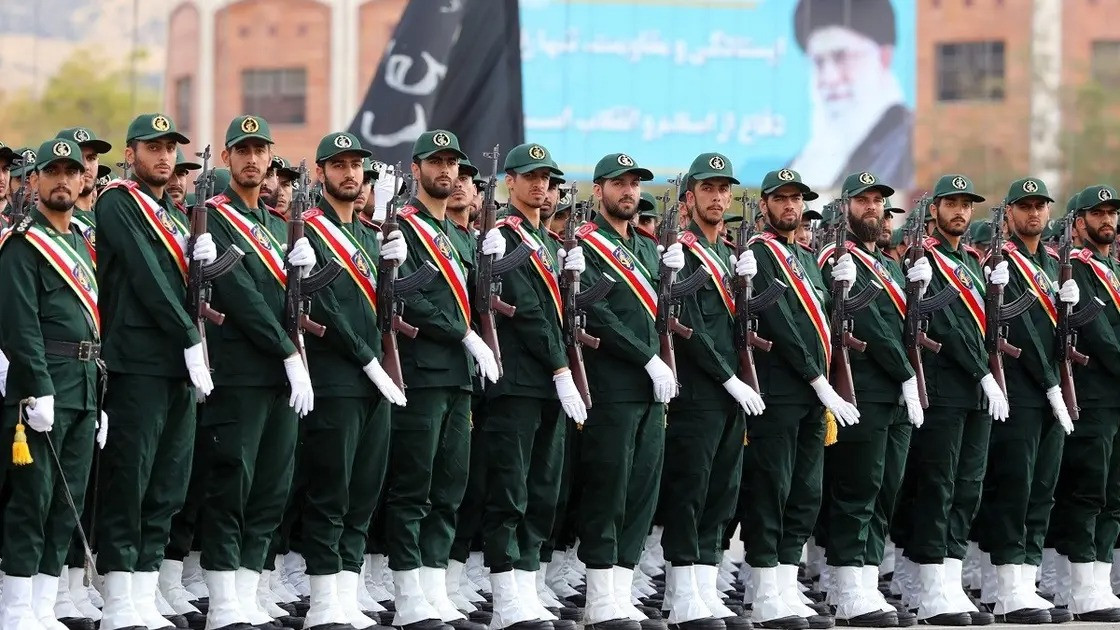
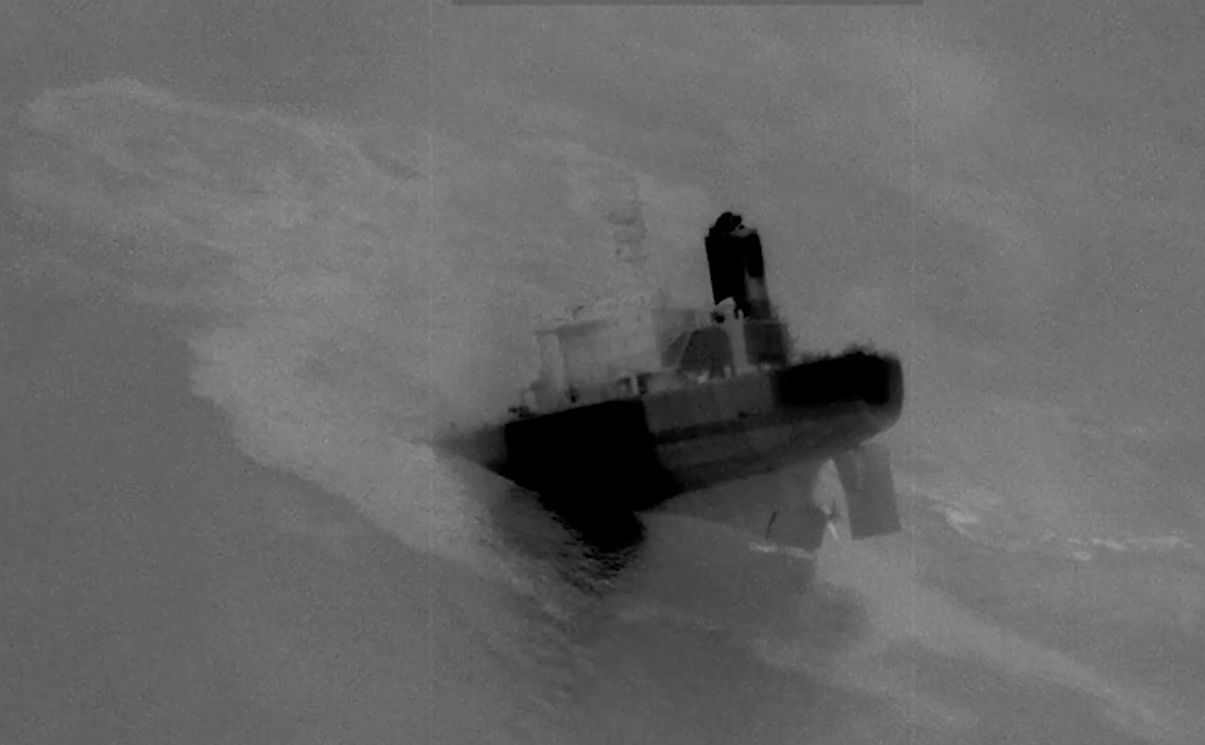
On 9 September, US Central Command reported destroying five Iranian oil tankers after the IRGC targeted a US Navy warship twice with ballistic missiles. Iran reported attacks on 10 ships near the Strait of Hormuz and announced a further prohibited maritime zone, while Jordan reported intercepting Iranian missiles and Iraqi officials reported a drone strike on the tanker New Andros. Houthi attacks on southern Saudi Arabia caused 73 reported casualties and fires at energy facilities, followed by Saudi-led strikes in Yemen. Shipping and energy markets remain under pressure: six commodity vessels transited Hormuz on 8 September, oil flows reportedly fell below 2 million barrels per day, and Brent pricing reports ranged from $99.33 to above $100 per barrel.
Change from previous assessment
Since the 8 September brief, the assessment has shifted from medium to high confidence that the US-Iran maritime retaliation cycle is active, following the reported destruction of five named Iranian tankers, Iran's reported attacks on 10 ships and the IRGC's announcement of a new prohibited zone. The shipping judgement remains medium confidence because transit data shows partial movement through Hormuz despite closure claims. New developments raise the assessed risk of wider regional spillover: Jordan reported Iranian missile interceptions, the New Andros was struck in Iraqi waters, Houthi attacks caused 73 Saudi casualties and fires at named energy facilities, and Israel publicly reinforced its forward posture on Mount Hermon. The prior judgement that broad mediation would not quickly produce a ceasefire remains, with confidence strengthened by continued US tanker-strike policy, Iranian conditions and the IAEA referral.
Key judgments
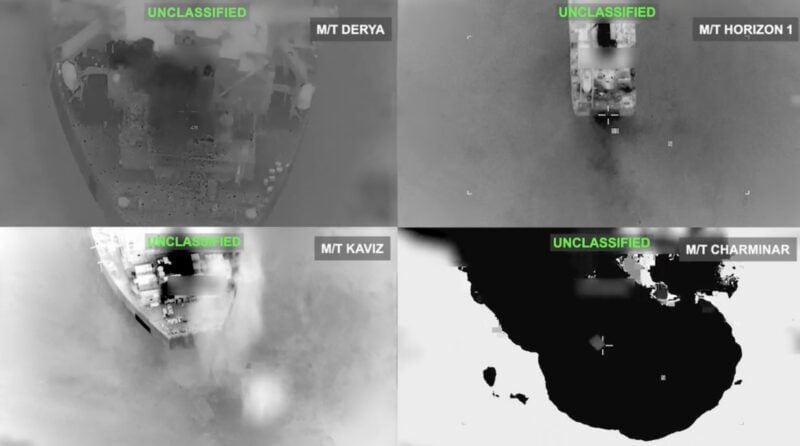
- US-Iran maritime retaliation is likely to continue over the next 0-14 days. CENTCOM reported that the IRGC targeted a US Navy warship twice with ballistic missiles, after which US forces destroyed the Iranian tankers Kaviz, Charminar, Horizon 1, Riesco and Derya. US Secretary of State Marco Rubio also stated that Washington will continue retaliatory strikes on Iranian tankers. Multiple high-confidence claims from CENTCOM, major media and trade publications corroborate the active retaliation cycle, although reported damage to Iranian and US vessels remains contested. (Confidence: high · ASSESSED)
- I&W: CENTCOM announces another strike on an Iranian tanker, or the IRGC announces another missile launch against a US naval vessel. (0-14 days)
- I&W: Washington and Tehran announce and observe a reciprocal halt covering tanker strikes and attacks on naval vessels. (0-14 days)
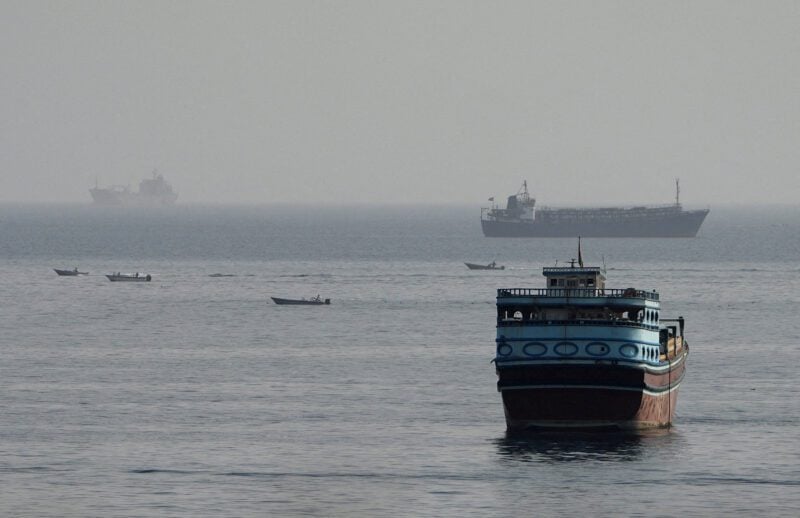
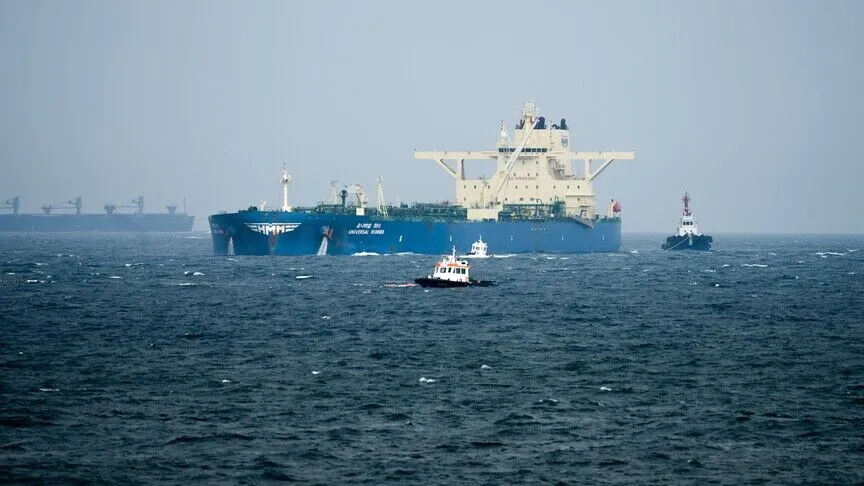
- Commercial shipping through the Strait of Hormuz is very likely to remain severely constrained over the next 0-14 days, while a complete closure is unlikely. Kpler recorded six commodity vessels transiting on 8 September, below the 10-day average of about 12, and Rystad reported oil flows below 2 million barrels per day compared with 8-9 million before fighting resumed. UKMTO also reported merchant vessels hit by disabling fire in the northern Gulf and Gulf of Oman. The assessment is medium confidence because Iran and Oman claim to have arranged a middle corridor, and current reports describe both US escort activity and advice for vessels to wait. (Confidence: medium · ASSESSED)
- I&W: Kpler records fewer than six commodity vessels transiting Hormuz per day for three consecutive days, or UKMTO reports another merchant vessel struck in the Gulf of Oman. (0-14 days)
- I&W: Daily transits rise above 10 vessels for three consecutive days and merchant operators confirm use of the Iran-Oman middle corridor. (0-14 days)
- The conflict is likely to widen geographically over the next 0-14 days. Jordan reported intercepting 18 of 20 Iranian ballistic missiles, while other reporting described 20 interceptions and two missiles falling in unpopulated areas. Houthi forces struck Khamis Mushait, Abha, Najran and Jazan with drones and ballistic missiles, causing 73 Saudi casualties and fires visible over the Jazan refinery and an Aramco distribution hub in Abha. Iraqi officials separately reported the drone attack on New Andros in Iraqi waters, followed by Saudi-led airstrikes in Jubah and Taiz. Confidence is medium because the Jordanian missile total is disputed and the New Andros attacker remains unidentified. (Confidence: medium · ASSESSED)
- I&W: Jordan reports another Iranian missile or drone launch, or Iran confirms further attacks on US facilities or shipping in Jordan, Kuwait or Bahrain. (0-14 days)
- I&W: Houthi forces strike another named Saudi energy or military site, or Saudi-led aircraft conduct additional strikes in Marib, Jawf, Taiz, Hudaydah, Saada, Bayda or Jubah. (0-14 days)
- Energy and freight pressure is likely to persist over the next 1-3 months, even if some shipping routes recover. Brent crude reports ranged from $99.33 and $99.46 to above $100 per barrel, US retail diesel was reported above $5.94 per gallon, and Brent had risen by about one quarter since early August. Rystad reported Hormuz oil flows below 2 million barrels per day, while OCBC analysts warned of prolonged supply disruption. Confidence is medium because market reporting conflicts over whether Brent crossed $100 and because the duration of the disruption depends on tanker traffic. (Confidence: medium · ASSESSED)
- I&W: Rystad or another market source records Hormuz flows below 2 million barrels per day for a further seven days, while Brent remains above $100 per barrel in daily reporting. (0-14 days)
- I&W: Hormuz flows return towards the reported 8-9 million barrels per day pre-fighting level and Brent falls below $95 per barrel for five trading sessions. (1-3 months)
- Israel is likely to maintain its forward military posture on the Syrian border over the next 0-14 days. Benjamin Netanyahu pledged to defeat Iran and said Israel controlled the area from Mount Hermon to the Yarmouk, while Israel Katz stated that Israeli forces would remain on Mount Hermon and in the security zone. The IDF also maintains positions and conducts patrols and raids into Syrian territory. The underlying visit and statements are directly reported by major media, but most operational detail comes from one Jerusalem Post report, which limits confidence in the broader inference. (Confidence: medium · ASSESSED)
- I&W: Israel announces or conducts additional patrols, raids or airstrikes from positions around Mount Hermon, the Golan Heights or Syrian military facilities. (0-14 days)
- I&W: Israel announces a withdrawal from Mount Hermon or the security zone, or suspends operations into Syrian territory. (0-14 days)
- A broad US-Iran ceasefire is unlikely over the next 0-14 days. IRGC spokesman Hossein Mahbi said the war had not ended and demanded the release of $24 billion in frozen Iranian assets, an Israeli withdrawal from Lebanon and an end to the blockade of Yemen. Washington has stated that it will continue tanker strikes, while the IAEA Board of Governors referred Iran to the UN Security Council by 23 votes to three. The Mecca Agreement partners also lack established mechanisms for military coordination and have not issued a coordinated military response, limiting its immediate value as a restraint on escalation. (Confidence: medium · ASSESSED)
- I&W: The US announces another tanker strike or Iran repeats attacks on US naval assets while the stated Iranian conditions remain unmet. (0-14 days)
- I&W: Washington and Tehran issue a jointly accepted ceasefire, Iran suspends attacks on shipping and US forces, and Iran-Oman confirms an operating safe-passage arrangement. (0-14 days)
Outlook & scenarios
Continued maritime retaliation and constrained Hormuz traffic (55%)
US forces and the IRGC continue reciprocal strikes against tankers and naval assets. Iran maintains or expands its announced prohibited maritime zones, while merchant traffic continues at a reduced level rather than stopping completely. Brent remains near or above $100 per barrel and insurers and operators keep vessels waiting or rerouting.
Wider regional spillover (25%)
Iranian missile activity affecting Jordan, Houthi attacks on Saudi energy and military sites, and Saudi-led strikes in Yemen continue in parallel with US-Iran maritime exchanges. Israel sustains its forward posture around Mount Hermon and conducts further operations in Syria or southern Lebanon. Additional incidents in Iraqi, Kuwaiti, Bahraini or Emirati waters increase pressure on regional governments.
Limited deconfliction and partial shipping recovery (15%)
Iran and Oman operationalise the claimed middle corridor, the United States confirms limited escort arrangements, and daily Hormuz transits rise from the current six-vessel level. Military retaliation continues at a lower tempo, but the IAEA referral, Iranian demands and US tanker-strike policy prevent a broad political settlement.
Low-probability, high-impact coordinated offensive (5%)
Iran and aligned groups coordinate attacks involving Hezbollah in Lebanon, Hamas in Gaza and the West Bank, the Houthis in Yemen and pro-Iranian militias in Iraq. Israel responds against Iranian military, civilian and energy infrastructure. Israeli offshore gas facilities, including Leviathan, Tamar and Karish, become targets or are temporarily shut down, adding a new regional energy shock.
Recommendations
- Maintain a daily escalation tracker covering CENTCOM tanker strikes, IRGC missile launches, Jordanian air-defence reports, UKMTO incidents and Iranian announcements on prohibited maritime zones.
- Separate confirmed vessel incidents from official claims. Report the Jordan missile total, the number of Iranian ships attacked and the condition of US naval vessels as disputed until independent evidence resolves the discrepancies.
- Track Hormuz traffic using daily Kpler transits, Rystad flow estimates, UKMTO incident reports and confirmed use of the Iran-Oman corridor. Treat references to a full closure as time-sensitive rather than definitive.
- Monitor the named spillover points of Al-Azraq and Muwaffaq Salti in Jordan, New Andros in Iraqi waters, Port Rashid and Dubai, and the Saudi facilities in Jazan, Abha, Najran and Khamis Mushait.
- Assess the Mecca Agreement against operational evidence, including establishment of its Saudi secretariat, joint military consultations and any coordinated response by Saudi Arabia, Türkiye and Pakistan.
- Update the outlook immediately if Iran attacks an Israeli target directly, if Israel strikes Iranian energy infrastructure, or if an incident affects Leviathan, Tamar or Karish offshore gas production.
Confidence & uncertainty
Overall confidence is high because the central events are corroborated by multiple high-reliability wire services, major media reports, official statements, shipping data from Kpler and Rystad, UKMTO reporting, satellite imagery and IOM reporting. The main uncertainties concern the exact number of missiles and ships involved, the identity of the attacker against New Andros, the operational status of the Iran-Oman corridor, the extent of damage to US and Iranian vessels, and whether Brent crossed $100 intraday or only approached that level.
Intelligence gaps
- [EEI 1.1 · PARTIAL] Detection and characterization of ballistic/cruise missile or rocket launches originating from Iranian territory or from Iran-controlled positions in Iraq/Syria (time, launch coordinates, missile type, flight trajectory/impact area). Recommended collection: satellite/imagery
- [EEI 1.2 · PARTIAL] Movements and posture changes of Iran-backed proxy forces (Hezbollah units in Lebanon, militias in Syria/Iraq): concentrations of personnel, transport of rocket/artillery launchers, visible logistics build-up within operational range of Israel. Recommended collection: human/intel
- [EEI 1.3 · PARTIAL] Israeli defensive and offensive posture changes: reservist call-ups, mobilization orders, sorties/airstrikes attributed to Israel, and domestic activation of missile-defense systems (locations and activation times). Recommended collection: open-source/media
- [EEI 1.4 · PARTIAL] Evidence of pre-positioning or arming of naval mines, fast attack craft, or anti-ship missile systems in the Gulf of Oman, northern Arabian Sea, or off the Lebanese/Syrian coasts that could be used to interdict Israeli or allied shipping. Recommended collection: maritime/AIS
- [EEI 2.1 · PARTIAL] Movements and tasking changes of external military assets: carrier strike groups, amphibious ready groups, expeditionary air wings, or ballistic-missile defense units into the Eastern Mediterranean, Persian Gulf, or Red Sea (vessel/aircraft IDs, routing, on-station times). Recommended collection: maritime/AIS
- [EEI 2.2 · PARTIAL] Formal diplomatic/military actions: evacuation orders or embassy closures, public troop posture statements, bilateral/multilateral defense commitments announced, requests for overflight or basing rights in regional states. Recommended collection: diplomatic
- [EEI 2.3 · PARTIAL] Changes to force protection or alert levels at foreign bases in the region (e.g., US bases in Kuwait, Qatar, UAE; Russian bases in Syria): activation of additional air defenses, curfews, or reinforcement shipments (personnel/equipment manifests). Recommended collection: signals/intel
- [EEI 3.2 · PARTIAL] Changes in crude oil and refined product flows from key terminals (reported tanker loading delays, terminal closures, throughput volumes at Kharg, Mina al-Ahmadi, Ras Tanura, and major Gulf ports compared to baseline). Recommended collection: commercial/ports
TLP:CLEAR