TLP:CLEAR · Disclosure is not limited.
Middle East: Hormuz Deconfliction Amid Persistent Iran-Israel Escalation Risk
Time window: Last 1 day · Audience: General analyst · Type: Situation report · DTG: 2026-08-26 16:08Z · Overall confidence: HIGH
BLUF
The conflict is likely to remain active over the next 14 days, although new US strikes on Iran are unlikely for the time being. Iran and Oman are likely to enable limited commercial passage through the Strait of Hormuz, but normal traffic is unlikely to return quickly because mine risks, access restrictions and unresolved US-Iran conditions remain.
Executive summary
Iran and Israel remain in a high-risk confrontation with potential spillover to US bases, Gulf partners and Syria. Iran and Oman have announced a framework for a temporary navigation corridor and joint mine-clearing, but reporting differs over whether the arrangement has been agreed or is still nearing completion. A US claim that all mines in international waters have been cleared conflicts with a Joint Maritime Information Center warning that drifting or uncharted mines remain a danger. Washington has expanded economic pressure on Tehran, while Iran has pledged to respond. Pakistan's mediation remains active, and Israel-Türkiye tensions over Syria are likely to deepen without making a direct military clash the most likely near-term outcome.
Change from previous assessment
Since the 24 August brief, the assessment has changed in four respects. First, the Strait of Hormuz outlook has shifted from very likely severe constraint alone to a mixed assessment: limited commercial reopening is now likely because Iran and Oman have announced a corridor framework, but normal passage remains unlikely. Second, the US sanctions outlook has moved from a pending announcement to reported implementation and a more clearly defined pressure campaign. Third, confidence in Pakistan's mediation has risen from low to medium because Munir and Naqvi's Tehran visit and discussions are now more firmly reported, although a comprehensive settlement remains very unlikely. Fourth, the brief adds a distinct assessment that shipping and energy disruption will persist beyond the immediate military window. The assessment of a direct Israel-Türkiye clash remains unlikely in the next 14 days, while the Syria-centred diplomatic crisis is still likely to deepen.
Key judgments
- New US strikes on Iran are unlikely in the next 0-14 days, but the Iran-Israel confrontation is likely to remain active and capable of widening to US bases and US Arab allies in the Gulf. Marco Rubio told allies that Washington did not expect new strikes for the time being, while reporting says Iran has retaliated against Israel, US bases and US Arab allies and caused damage to US intelligence sites and surveillance equipment. Israel continues to regard Iran as an existential threat. Confidence is medium because current strike reporting is not consistently dated and the supplied accounts conflict over the campaign chronology. (Confidence: medium · ASSESSED)
- I&W: An Iranian missile or drone attack hits Israel, a US base or a US Arab ally in the Gulf, or Israel conducts a new strike on an Iranian site. (0-14 days)
- I&W: Iran, Israel and the US announce and observe a verifiable halt to direct attacks without additional strikes on regional targets. (0-14 days)
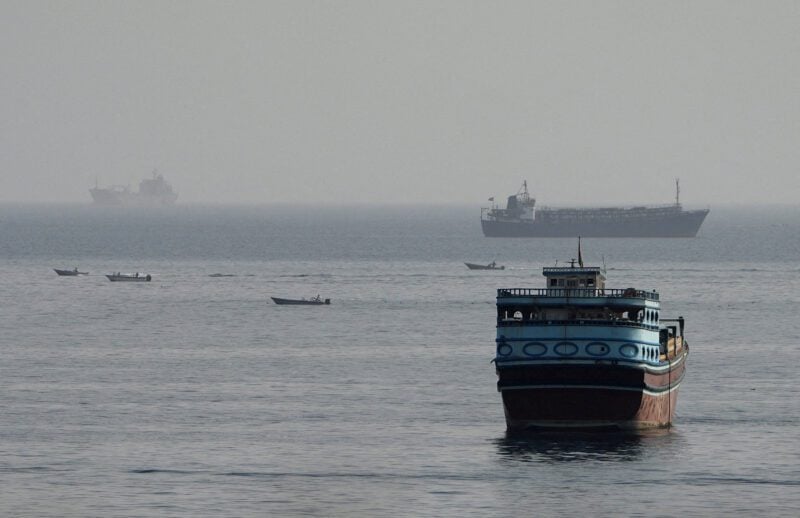
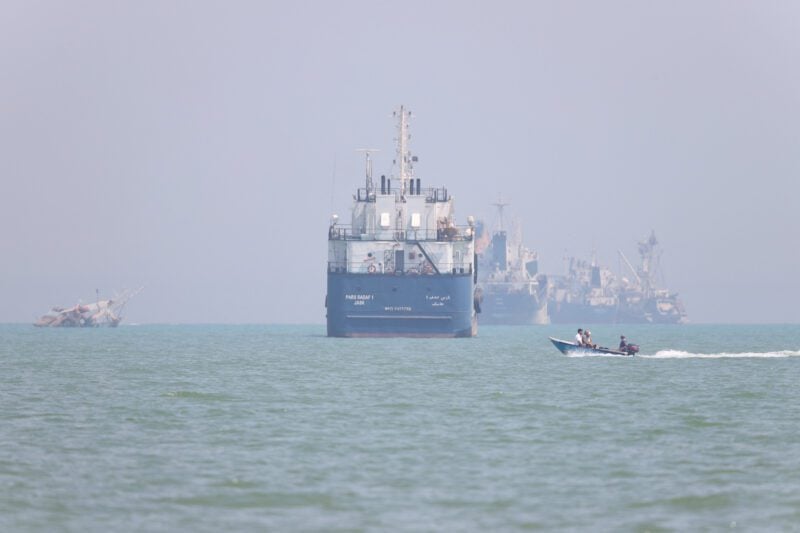
- Limited commercial passage through the Strait of Hormuz is likely to begin or expand within 0-14 days, but traffic is unlikely to return to normal levels in that period. Iran and Oman have unveiled or are finalising a temporary corridor, with joint mine-clearing and further talks on permanent arrangements. Iran has also stated that military vessels will not be allowed to pass, while traffic remains at a fraction of pre-war levels. Confidence is medium because reporting conflicts over whether the corridor agreement has been reached, and the Joint Maritime Information Center continues to warn of mine danger despite President Trump's claim that the US Navy cleared all mines in international waters. (Confidence: medium · ASSESSED)
- I&W: Iran and Oman publish operating procedures or coordinates for the temporary corridor and independent reporting confirms the first commercial vessels using it. (0-14 days)
- I&W: The Joint Maritime Information Center keeps mine-danger areas active, or commercial traffic remains at a fraction of pre-war levels after the corridor announcement. (0-14 days)
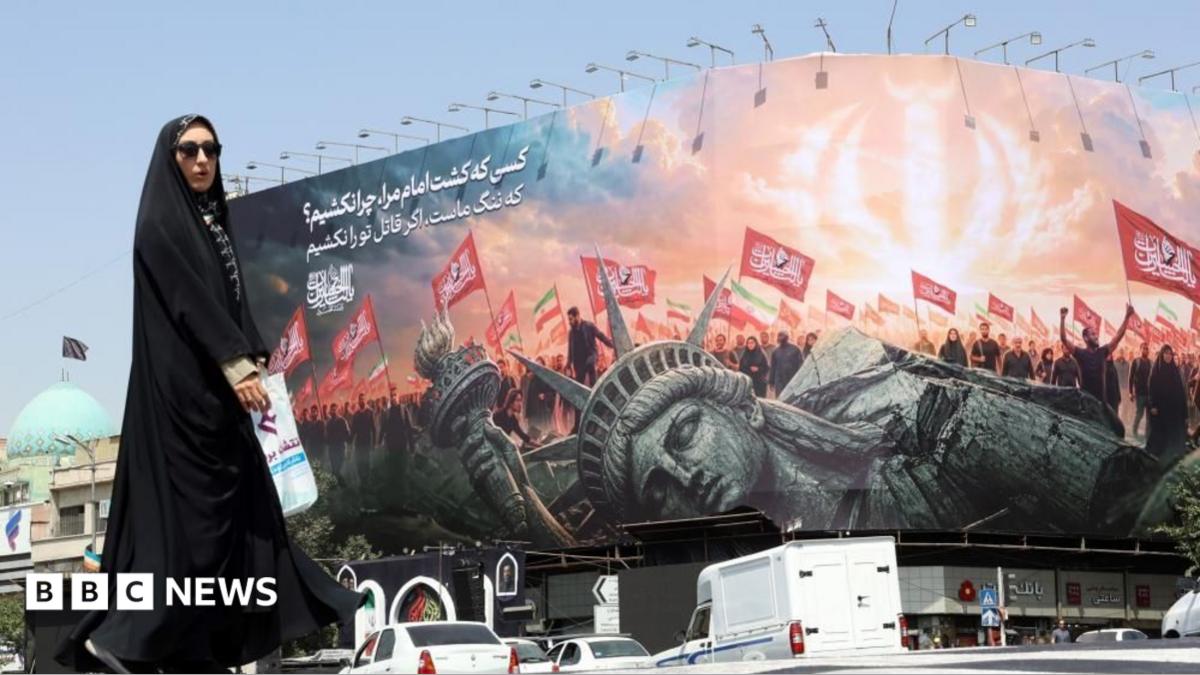
- US economic pressure on Iran is very likely to intensify over the next 1-3 months, while Iran is likely to sustain retaliatory warnings and preparations. Washington expanded sanctions targeting Tehran this week and Scott Bessent unveiled Operation Economic Outcast, while Iran's Economy Minister Ali Madanizadeh said Tehran was prepared and Iran pledged to fight back. Confidence is medium because the current US sanctions action is directly reported by multiple accounts, but the form and timing of Iranian retaliation rest mainly on official statements and the supplied reporting contains conflicting dates for earlier sanctions announcements. (Confidence: medium · ASSESSED)
- I&W: The US Treasury announces additional designations, secondary sanctions or measures targeting countries and companies trading with Iran. (0-3 months)
- I&W: Iran implements new transit fees, vessel restrictions or other maritime measures, or announces an attack attributed to retaliation for the sanctions. (0-3 months)
- A direct Israel-Türkiye military clash in Syria is unlikely over the next 0-14 days, but the diplomatic crisis is likely to deepen. Israel struck Abu Duhur, framed the attack as a message to Türkiye and stated that it would not tolerate a Turkish military entrenchment threatening Israel. Türkiye has signalled that it is not interested in Israel's escalation, and US Ambassador Tom Barrack described the strike as an unnecessary escalation. Confidence is medium because the Turkish presence behind the strike remains contested and the warning of a direct clash is partly analyst-based. (Confidence: medium · ASSESSED)
- I&W: Israel strikes Turkish personnel, equipment or facilities in Syria, or Türkiye conducts a military response against Israeli forces or assets. (0-14 days)
- I&W: Israel and Türkiye establish a public deconfliction arrangement and no further Israeli strike occurs against a Syrian facility associated with Türkiye. (0-14 days)
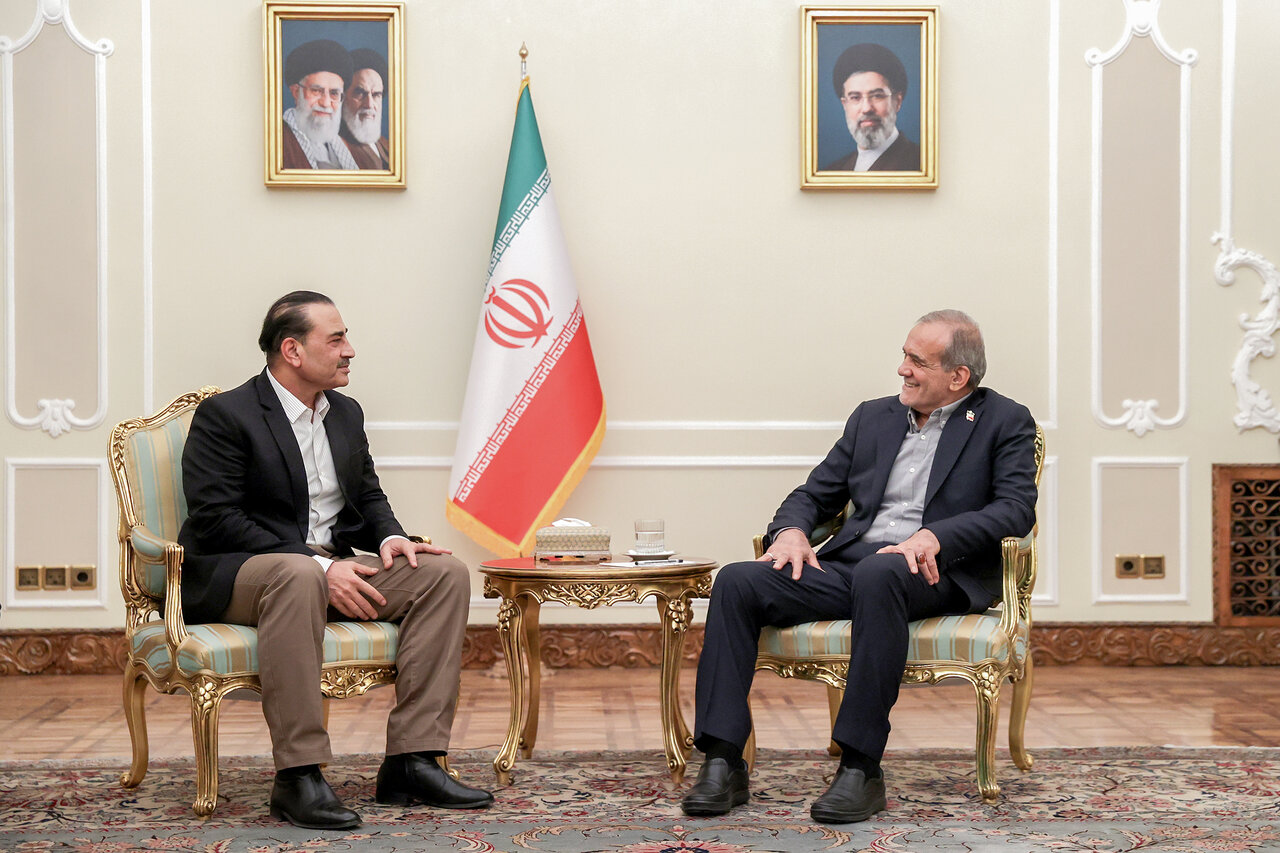
- Pakistan's mediation effort is likely to remain active over the next 1-3 months, but a comprehensive settlement between Washington and Tehran is very unlikely in that period. Field Marshal Asim Munir and Interior Minister Mohsin Naqvi held talks in Tehran on the Iran-US conflict, and Munir reiterated his commitment to regional peace. Pakistan has repeatedly called for adherence to an Islamabad-brokered peace framework. Confidence is low because the evidence for diplomatic progress is largely statement-based, the supplied accounts contain inconsistent dates, and no claim confirms a negotiated settlement. (Confidence: low · ASSESSED)
- I&W: Munir, Naqvi or Ishaq Dar conduct further meetings with Iranian or US officials, while Iran-Oman technical negotiations continue during the stated 30-60 day period. (0-3 months)
- I&W: Iran or the US publicly withdraws from the peace framework, or new direct attacks occur during the mediation effort. (0-3 months)
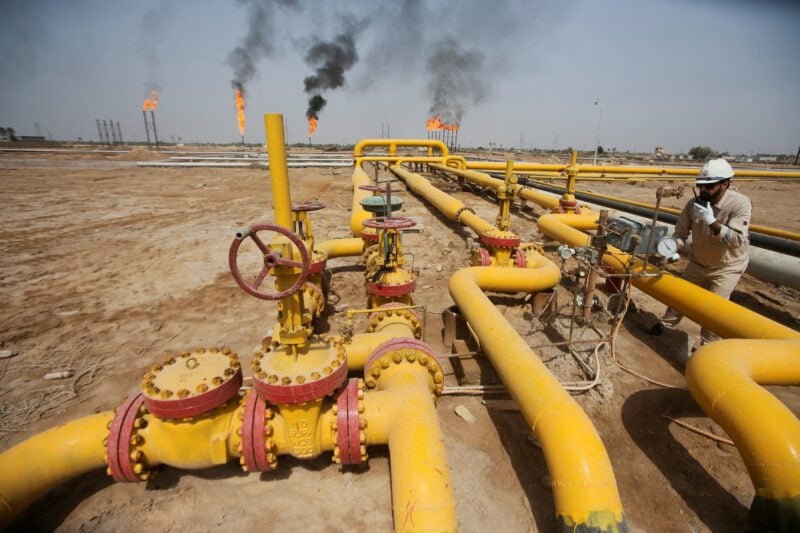
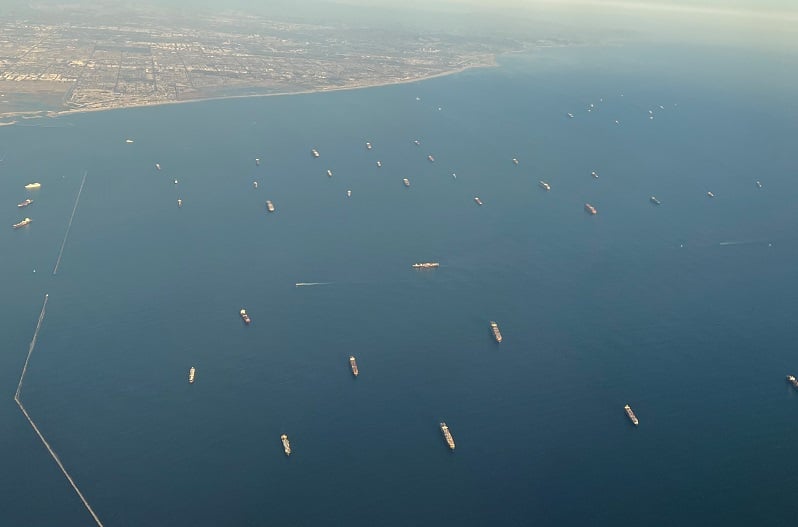
- Regional shipping and energy disruption is very likely to persist over the next 1-3 months, sustaining pressure on Asian energy consumers and alternative maritime routes. Traffic through Hormuz remains at a fraction of pre-war levels, energy shipments to Asia have fallen, freight rates are reported to be 156 percent above their pre-war level, and 4.31 million TEU of container capacity is stranded by congestion. Japan has been forced to seek alternative crude supplies and is preparing longer-term measures to bypass Hormuz. Confidence is medium because the disruption indicators are drawn from several reliable maritime and media sources, but the supplied data use different observation periods and include unresolved chronology problems. (Confidence: medium · ASSESSED)
- I&W: Freight rates, stranded container capacity and reported energy shipment reductions remain elevated, while Japan continues seeking alternative supplies and insurance. (0-3 months)
- I&W: Hormuz traffic returns towards pre-war levels and major shipping lines withdraw surcharges or resume normal routing without corridor-related restrictions. (1-3 months)
Outlook & scenarios
Managed maritime deconfliction (45%)
Iran and Oman operationalise a temporary commercial corridor, with limited merchant traffic resuming under mine-risk controls. The US maintains its pause on new strikes, while Pakistan continues diplomatic contacts. Hormuz traffic improves but remains below normal, and sanctions pressure continues.
Protracted pressure and constrained passage (55%)
The corridor remains partial, delayed or contested. Iran retains leverage through access restrictions and fees, the US expands sanctions, and commercial operators continue to avoid or ration Hormuz transits. Energy and freight disruption persists across routes serving Asia.
Regional military spillover (25%)
A new Iranian attack on Israel, a US base or a Gulf partner, or a further Israeli strike linked to Iranian or Turkish activity, triggers additional retaliatory action. The Strait of Hormuz remains heavily constrained and diplomatic mediation loses momentum.
Direct Israel-Türkiye clash in Syria (10%)
Israel strikes Turkish personnel, equipment or facilities in Syria and Türkiye responds militarily. This low-probability, high-impact pathway would add a separate state-to-state confrontation to the Iran-Israel conflict and place additional strain on US crisis management.
Recommendations
- Maintain a daily Hormuz watch that records corridor announcements, vessel movements, JMIC mine advisories, Iranian restrictions on military vessels and US Central Command transit activity.
- Do not treat the claim that all mines have been cleared as evidence of restored safe navigation until independent maritime reporting confirms corridor procedures and commercial transits.
- Separate confirmed US sanctions actions from Iranian retaliatory rhetoric in reporting. Track new Treasury designations, secondary sanctions, Iranian fee regulations, vessel restrictions and attacks as distinct indicators.
- Prioritise collection on Turkey's energy exposure and political response, including Iranian gas flows, replacement arrangements, bilateral trade and any Turkish military activity connected to Syria.
- Track Israel-Türkiye escalation indicators at Abu Duhur and other Syrian military facilities, with particular attention to strikes involving Turkish personnel or equipment and subsequent Turkish force movements.
- Use a two-week and three-month warning matrix that distinguishes immediate military escalation, limited maritime reopening and prolonged economic disruption. Update confidence separately for each line of assessment.
Confidence & uncertainty
Overall confidence is high for the broad assessment that the conflict is sustaining regional military, diplomatic and economic pressure. The underlying reporting includes 43 usable sources, with corroboration from official government statements, major media and maritime trade publications across the sanctions, navigation, military and shipping strands. Confidence is lower for the exact chronology of the conflict, the operational status of the Iran-Oman corridor, the mine-clearance picture and the likely outcome of Pakistan's mediation. These uncertainties affect timing and scale, not the broader direction of risk.
Intelligence gaps
- [EEI 1.1 · UNCOVERED] Observed repositioning, sustained increases, or new forward basing of Iranian conventional or IRGC forces (armored units, missile batteries, aircraft, naval vessels) toward borders or regional launch points. Recommended collection: IMINT/satellite
- [EEI 1.2 · UNCOVERED] Hezbollah or other Iran-aligned proxy forces conducting mass mobilization, visible rocket/artillery emplacements, cross-border firing incidents, or preparations for cross-border operations from Lebanon, Syria, Iraq or Yemen. Recommended collection: HUMINT/ground ISR
- [EEI 1.3 · PARTIAL] Detection of increased missile/rocket/torpedo launch events attributable to Iran, Israel, or proxies (launch signatures, trajectories, impact points) indicating a sustained campaign rather than isolated strikes. Recommended collection: SIGINT/IMINT/air-defense radar
- [EEI 1.4 · UNCOVERED] Interdicted or observed shipments (air, sea, land manifests, seizures, satellite imagery of transfers) of advanced weapons or missile components from Iran toward proxy groups or forward staging points. Recommended collection: maritime/AIS
- [EEI 2.1 · PARTIAL] Satellite or on-the-ground imagery showing fires, damage, or operational shutdown at major oil export facilities, refineries, storage terminals, or key pipeline infrastructure in the Gulf and Red Sea. Recommended collection: IMINT/satellite
- [EEI 2.2 · PARTIAL] Commercial vessel incidents: AIS transponder shutdowns, distress signals, reported hull/engine damage, boardings, or confirmed attacks on tankers/merchant ships transiting the Strait of Hormuz, Bab al-Mandeb, or eastern Mediterranean. Recommended collection: maritime/AIS
- [EEI 2.4 · UNCOVERED] Rapid increases in war-risk insurance premiums for Middle East routes, shipping company advisories to avoid region, or major charter cancellations tied to the conflict. Recommended collection: financial/open-source
- [EEI 3.1 · UNCOVERED] Movement/arrival of major foreign military assets into the region: US carrier strike groups, amphibious ready groups, strategic bomber flights, Russian/Chinese naval taskings, or allied expeditionary units (visible in AIS, NOTAMs, satellite imagery, official releases). Recommended collection: IMINT/satellite
- [EEI 3.2 · UNCOVERED] Official expedited arms transfers, basing/overflight agreements, or declarations of operational support (formal government announcements, defense ministry releases, logistics flight manifests). Recommended collection: open-source/diplomatic
- [EEI 3.3 · UNCOVERED] Embassy evacuations, large-scale personnel movements, issuance of government travel bans/advisories, or multinational security alerts affecting foreign nationals and diplomatic posture in the region. Recommended collection: diplomatic/open-source
Cited sources
[1] anewz.tv · Oil prices fall as Iran vows retaliation to U.S. sanctions (B) · sha256:757ff8706fb0 [2] gcaptain.com · Iran and Oman Plan for Temporary Hormuz Corridor as Impasse With US Persists (A) · sha256:c738d8d7272c [3] BBC · Trump says all mines cleared from Strait of Hormuz (A) · sha256:fb35899213cb [4] fakti.bg · Geopolitical Tensions: US and Iran in New Clashes (B) · sha256:677b3d078098 [5] Wikipedia · Iran–Israel relations (B) · sha256:9f21cf4486da [6] gcaptain.com · Iran and Oman Unveil Framework for Future Management of Strait of Hormuz (B) · sha256:f55b650298c7 [7] maritime-executive.com · Oman Signals Progress on Hormuz Shipping Corridor Agreement (B) · sha256:0a583a6b6cb3 [8] arabnews.com · Pakistani FM says adherence to US-Iran peace framework ‘critical’ for regional stability (B) · sha256:17100d29bc48 [9] gcaptain.com · Malacca Strait States Will Keep Waters ‘Free, Open and Safe’ (B) · sha256:3a17cf1249dc [10] egyptindependent.com · Trump will need China for his new economic war against Iran. Good luck getting Xi on side (B) · sha256:87831f94eca0 [11] gcaptain.com · Iran Vows to Resist Widened U.S. Sanctions, Says Washington Seeks Talks (B) · sha256:3c4aeb5af642 [12] tehrantimes.com · Gambler’s hand revealed to Iran (B) · sha256:5914a6dcfa48 [13] Yeni Şafak · Abu Duhur attack: Israel's quest for regional supremacy (B) · sha256:b6bb043e846c [14] Newsweek · Trump's biggest Middle East crisis looms not in Iran, but among two allies (A) · sha256:05a8ba81c39b [15] middleeasteye.net · How Turkey should respond to Israel's escalation in Syria (B) · sha256:3d9a143d44e2 [16] arabnews.com · Iran FM, Pakistan army chief discuss ‘latest’ regional developments day after Tehran meeting (B) · sha256:21e16caa6198 [17] maritime-executive.com · Korean LPG Carrier Sets Record With $5.3M Panama Canal Slot Auction (C) · sha256:c7ef37336fe8 [18] maritime-executive.com · Port Congestion Sets New Record at 4.3M TEU in Stranded Volume (C) · sha256:138e0500e7e7 [19] gcaptain.com · Japan Energy Plan Seeks to Back Pipelines Bypassing Hormuz (B) · sha256:03b01fa169e1
Source content hashes were computed at collection time; the cited text is preserved unmodified for the life of this product.
TLP:CLEAR