TLP:CLEAR · Disclosure is not limited.
Middle East: Hormuz Disruption and Regional Escalation Persist
Time window: Last 1 day · Audience: General analyst · Type: Situation report · DTG: 2026-08-21 11:38Z · Overall confidence: LOW
BLUF
Regional escalation is very likely to persist over the next 14 days, with the most immediate operational risk centred on commercial shipping through the Strait of Hormuz and the Red Sea approaches. US military reinforcement and reported vessel-enforcement activity indicate sustained pressure, but conflicting traffic figures and uneven source quality keep overall confidence low.
Executive summary
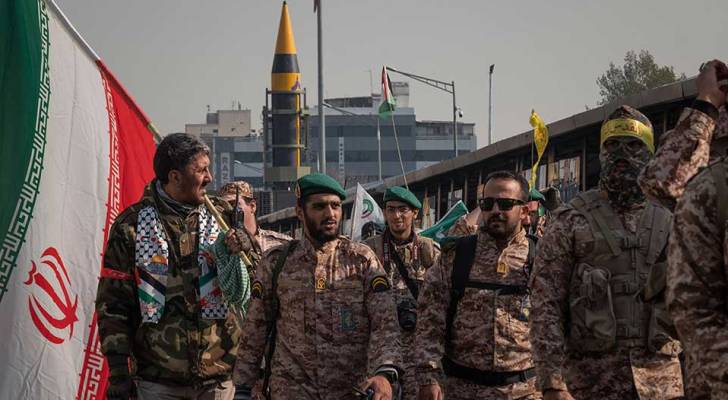
As at 21 August 2026, the conflict involving Iran, Israel and the United States remains linked to maritime disruption around the Strait of Hormuz, while Houthi activity continues to threaten shipping in the Red Sea and at Al-Mokha. A new US carrier strike group has reportedly arrived in the Middle East as the USS Abraham Lincoln heads home, and Iran's armed forces have warned Gulf countries against assisting the US military. Iran-Oman contacts offer a possible channel for limited management of Hormuz, but US pressure and Iranian condemnation remain active. The principal uncertainties are the actual level of tanker traffic, the attribution and timing of some military activity, and the reliability of casualty reporting.
Change from previous assessment
Since the 20 August brief, the core assessment is unchanged: regional escalation and Strait of Hormuz disruption remain the principal risks. Confidence in the Hormuz assessment is lowered from medium to low because the current reporting sets Kpler's three to 12 daily crossings against US official claims of 15 to 20 tankers per night and roughly 10 million barrels daily. New developments are the reported arrival of the USS George Washington or another new US carrier strike group, US Central Command's claim of 67 redirected commercial vessels, and China's review of its tanker pause. The Houthi and humanitarian judgments remain low-confidence. No prior judgment is retired.
Key judgments
- Regional escalation is very likely to persist over the next 14 days. The US-Iran war is reported as ongoing for 173 days. US Central Command says its forces have redirected 67 commercial vessels, disabled three and boarded two at Iranian ports. A new US carrier strike group has arrived in the Middle East, with one report identifying the USS George Washington, while the USS Abraham Lincoln is heading home after more than nine months of deployment. Iran's armed forces have warned Gulf countries against assisting the US military. NASA FIRMS recorded 12 active fire or thermal detections in the Middle East on 21 August, although none were high-confidence detections and the system does not identify cause. Chronology and attribution remain insufficiently established. (Confidence: medium · ASSESSED)
- I&W: US Central Command reports another boarding, disabling or redirection of a commercial vessel at Iranian ports, or Iran's armed forces issue a further warning to Gulf countries. (0-14 days)
- I&W: The USS George Washington departs the Middle East without a replacement carrier strike group, and Washington and Tehran announce a formal ceasefire. (0-14 days)
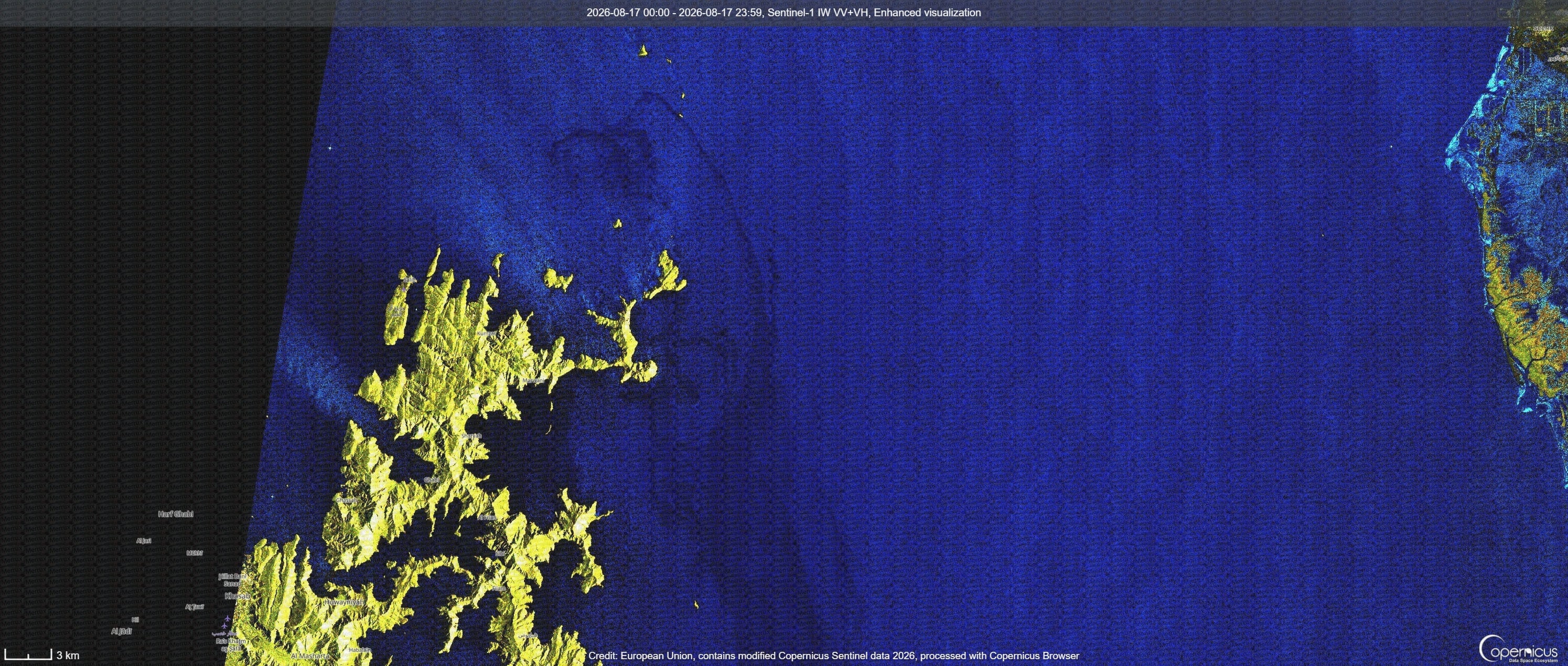
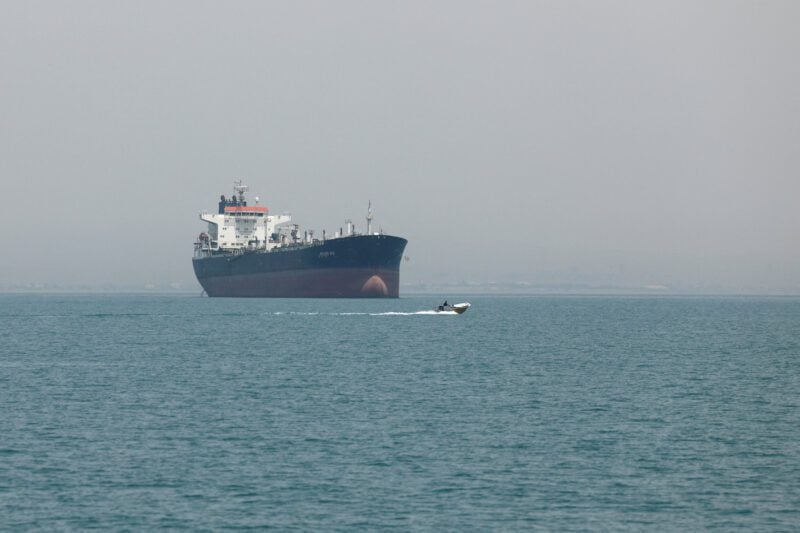
- Commercial shipping through the Strait of Hormuz is very likely to remain constrained over the next 14 days. China is reviewing its decision to stop sending tankers, two Chinese-owned tankers reportedly attempted to transit and turned back, and Kpler assessed only three to 12 crossings daily. By contrast, US officials reported 15 to 20 tankers per night using an American-defended lane and claimed that roughly 10 million barrels of oil were moving daily. US Central Command separately reported 67 redirected vessels, three disabled vessels and two boardings. The conflicting estimates leave the scale of the disruption unresolved. (Confidence: low · ASSESSED)
- I&W: Kpler continues to report three to 12 daily crossings, or another Chinese-owned tanker turns back from the Strait of Hormuz. (0-14 days)
- I&W: Kpler reports sustained traffic above 12 crossings daily and China sends tankers through the Strait without further reported U-turns. (0-14 days)
- Houthi forces are likely to sustain a serious threat to shipping in the Red Sea, the Gulf of Aden and at Al-Mokha over the next 30 days. The Houthis are reported to have resumed attacks on Red Sea shipping, targeted commercial oil tankers linked to Saudi Arabia and claimed responsibility for attacks on a ship in Al-Mokha. Houthi attacks have increased shipping costs, while the Bab el-Mandeb Strait is reported to be increasingly militarised. Confidence is low because the reporting is largely single-source, several claims carry 2023 dates, and the current reporting provides no verified attack count. (Confidence: low · ASSESSED)
- I&W: The Houthis claim, or independent maritime reporting records, another attack on a Saudi-linked tanker or a ship at Al-Mokha. (0-30 days)
- I&W: No Houthi-claimed or independently reported attack is recorded in the Red Sea, Gulf of Aden or Al-Mokha, and shipping costs begin to fall. (0-30 days)
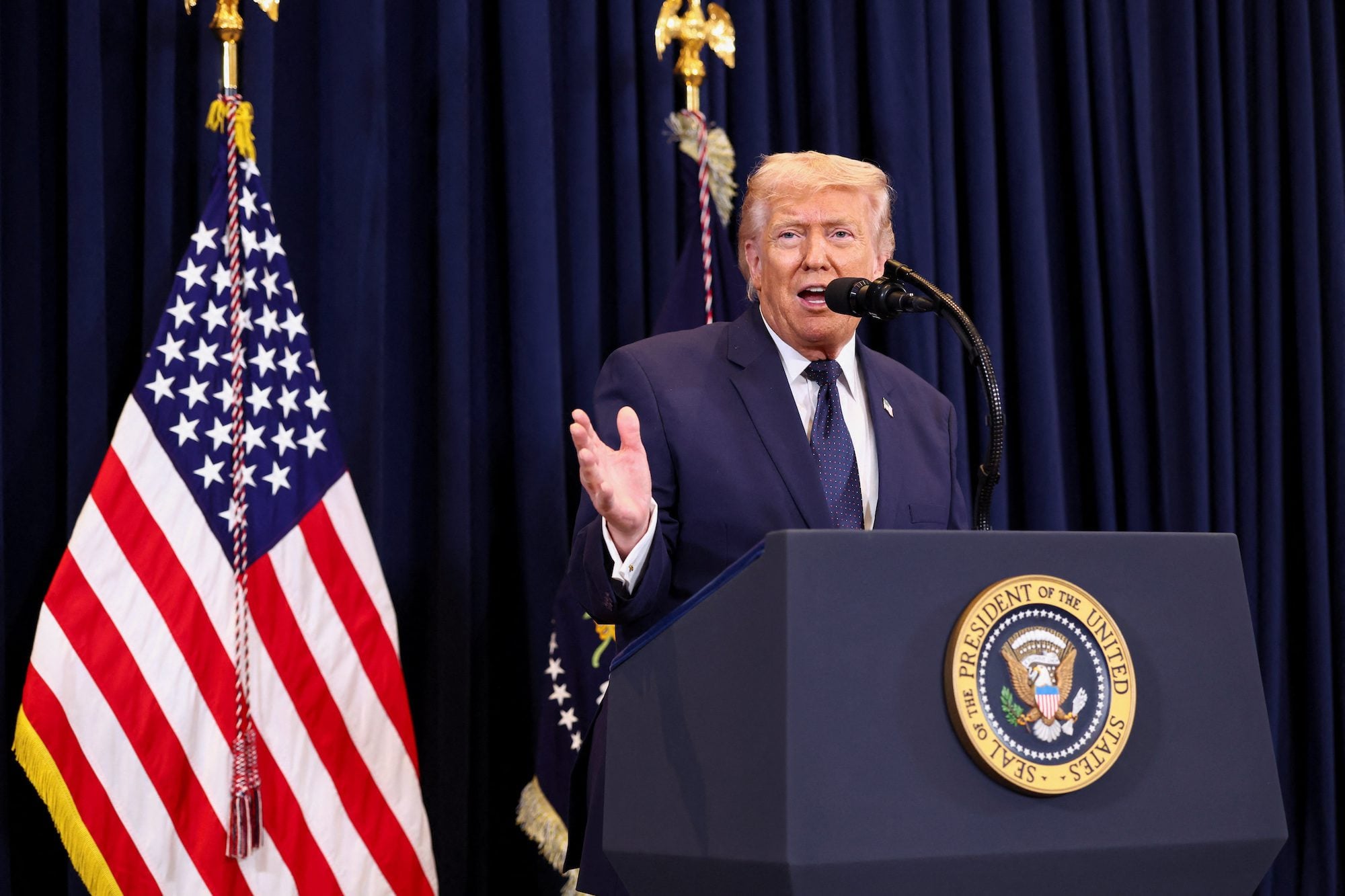
- A formal US-Iran de-escalation arrangement is unlikely over the next 14 days. Iran is negotiating with Oman on management of the Strait of Hormuz, China has called for a diplomatic resolution, and Oman's foreign minister has rejected further escalation. Against this, Donald Trump has threatened economic isolation, the US has announced plans for its toughest sanctions on Iran, and Iran's foreign ministry has condemned US sanctions as economic terrorism. The evidence for a direct US-Iran channel or agreed terms is absent, and the dates attached to several diplomatic claims are inconsistent. (Confidence: low · ASSESSED)
- I&W: Iran and Oman publish written terms for managing the Strait of Hormuz, or Washington and Tehran announce direct talks. (0-14 days)
- I&W: The US formally imposes the announced sanctions and Iran issues a new public rejection of negotiations or threat against US partners. (0-14 days)
- Economic and humanitarian pressure on Iran is likely to remain acute over the next one to three months. Reporting places Iranian inflation at almost 80% and says the currency has lost almost 30% of its value against the dollar this year. Reported conflict losses include 180 deaths in Tehran on 28 February 2026, at least 18 civilian deaths in Lamerd on the same date, and more than 750 injured US military personnel since the conflict began. The reported Iranian government protest death toll of 3,117 conflicts with a human rights activist estimate of at least 6,126, lowering confidence in the casualty picture. (Confidence: low · ASSESSED)
- I&W: Iranian inflation remains near 80%, the currency loses further value against the dollar, or additional missile-strike deaths are reported in Tehran or Lamerd. (1-3 months)
- I&W: Iranian economic reporting shows inflation below 80% with sustained currency stabilisation, and no additional missile-strike casualties are reported in Tehran or Lamerd. (1-3 months)
Outlook & scenarios
Continued multi-front pressure (55%)
Regional military pressure remains active. The US maintains a carrier presence and vessel-enforcement activity around Iranian ports, Iran maintains warnings to Gulf countries, and Houthi forces sustain attacks affecting Red Sea shipping. Hormuz traffic remains constrained, although the exact volume remains disputed.
Managed maritime opening (22%)
Iran and Oman reach a limited arrangement on Strait management, enabling some tanker movements while US sanctions and military pressure continue. China resumes selected tanker passages. This scenario lowers, but does not remove, shipping disruption.
Wider maritime escalation (15%)
Iran expands pressure against Gulf-linked shipping, Houthi forces sustain attacks at Al-Mokha and elsewhere in the Red Sea, and commercial operators pause or divert more voyages. This is a low-probability, high-impact wildcard for energy and maritime security.
US-Iran diplomatic reset (8%)
Washington and Tehran open direct talks and announce a formal de-escalation arrangement. Iran-Oman contacts and China's call for diplomacy provide a possible route, but current reporting contains no verified US-Iran channel.
Recommendations
- Maintain a 24-hour watch on the Strait of Hormuz that records Kpler crossing counts, US official tanker-volume claims and US Central Command vessel actions as separate data series. Do not combine the three measures into a single traffic estimate.
- Track Chinese-owned tanker movements and U-turns, with particular attention to whether China reverses its reported decision to stop sending tankers through Hormuz.
- Monitor the USS George Washington, the USS Abraham Lincoln and any additional US carrier strike group movements in the Middle East. Treat a carrier departure without replacement as a possible indicator of reduced US operational persistence.
- Prioritise maritime incident reporting for the Red Sea, Gulf of Aden, Bab el-Mandeb and Al-Mokha. Log Houthi claims separately from independent confirmation, with specific attention to Saudi-linked commercial oil tankers.
- Track Iran-Oman statements for written terms on Hormuz management and compare them with any US sanctions announcements, Iranian foreign ministry responses and Chinese diplomatic statements.
- Use NASA FIRMS thermal detections as corroborative cues only. The 12 detections recorded on 21 August included no high-confidence detections, and the system does not establish whether heat signatures result from strikes, shelling, industrial fires or wildfires.
- Flag claims dated 2023, 2024 or 2025 when they are used to assess activity in the 20-21 August 2026 reporting window. Require current confirmation before treating those claims as evidence of ongoing operations.
Confidence & uncertainty
Overall confidence is low because the most consequential reporting is unevenly corroborated. The strongest current technical observation is NASA FIRMS reporting of 12 thermal detections, but it provides no attribution and none were high-confidence detections. Hormuz traffic estimates conflict between Kpler's three to 12 daily crossings and US official claims of 15 to 20 tankers per night carrying roughly 10 million barrels daily. Casualty totals and military attribution also conflict, while several claims come from single major-media, think-tank, local-media, social-media or blog sources. The reporting set contains inconsistent dates, including claims from 2023 through 2026, which weakens confidence in chronology and current relevance.
Intelligence gaps
- [EEI 1.1 · PARTIAL] Number, type, launch times, and trajectories of ballistic missiles, cruise missiles, armed UAV strikes, and combat-air sorties launched by Iranian or Israeli forces toward the other's territory or forward bases within a 72-hour window. Recommended collection: signals/intel
- [EEI 1.2 · PARTIAL] Observable changes in Israeli and Iranian force posture: mobilization or reserve call-up orders, unit road/rail movements, dispersal or sortie rates of air squadrons, redeployment of air-defense batteries, and activation of civil-defense alerts or sirens in major population centers. Recommended collection: open-source/media
- [EEI 1.3 · PARTIAL] Indications of strike authorization or targeting preparations in Iranian or Israeli command chains: authenticated public orders by senior commanders, detected increases in encrypted communications consistent with targeting, or visible movement of strike munitions to launch/storage sites. Recommended collection: signals/intel
- [EEI 2.1 · PARTIAL] Counts, launch locations (coordinates), weapons types, and assessed damage from rocket/missile/drone strikes originating from Lebanon into northern Israel attributed to Hezbollah or allied groups. Recommended collection: open-source/media
- [EEI 2.2 · UNCOVERED] Reported attacks by Iranian-backed militias in Iraq and Syria: rocket/IED strikes on bases hosting US/coalition or Israeli personnel, documented militia unit movements toward borders, and captured movement or transfer of weapons systems to forward militia positions. Recommended collection: human
- [EEI 2.3 · PARTIAL] Maritime harassment or attacks by proxies (e.g., Houthis): incidents of missile/rocket strikes against commercial vessels, small-boat swarm attacks, discovery or detonation of naval mines, and corresponding AIS anomalies in the Red Sea, Gulf of Aden, or southern Arabian Gulf. Recommended collection: maritime/AIS
Cited sources
[1] gcaptain.com · Maritime Markets Bracing for Long-term Disruption in the Middle East (B) · sha256:4dcaa25f79b1 [2] gulfnews.com · UAE residents’ update: US-Iran tensions rise as Hormuz crisis, oil prices and flights remain in focus (B) · sha256:e4e6ce0f5439 [3] en.royanews.tv · Day 174 | Iran warns Gulf countries against helping US after UAE cuts trade ties (B) · sha256:2b54ffdc53c1 [4] NASA FIRMS · NASA FIRMS thermal detections — Middle East (1d) (A) · sha256:604cb84a377c [5] maritime-executive.com · White House's Hormuz Traffic Claims Diverge From Independent Counts (B) · sha256:da078caee6bd [6] القدس العربي · نيويورك تايمز: لا تستهينوا بالحوثيين وعلى العالم التعامل معهم كطرف مستقل لا كتابعين لإيران (B) · sha256:4401cd25ee17 [7] hiiraan.com · Has Djibouti abandoned its neutrality? - Hiiraan Online (D) · sha256:2088dae1a3bb [8] gcaptain.com · US Will Impose 'Toughest Sanctions in History' on Iran, Bessent Says (A) · sha256:b3ca68b2a9ab [9] gcaptain.com · Trump Threatens Economic Isolation for Iran and Its Trading Partners (B) · sha256:46527b3fdf28 [10] Wikipedia · Timeline of the 2026 Iran war (B) · sha256:8e281503e13c [11] Wikipedia · 2026 United States military buildup in the Middle East (B) · sha256:1db9172d1c6c
Source content hashes were computed at collection time; the cited text is preserved unmodified for the life of this product.
TLP:CLEAR