TLP:CLEAR · Disclosure is not limited.
Middle East: Iran-Israel Conflict and Regional Spillover
Time window: Last 1 day · Audience: General analyst · Type: Situation report · DTG: 2026-09-05 18:42Z · Overall confidence: HIGH
BLUF
The US-Iran confrontation is very likely to remain active over the next 0-14 days, with maritime strikes, pressure on US-linked positions and disruption around the Strait of Hormuz sustaining the risk of wider regional escalation. Israel-Hezbollah violence in Lebanon has also renewed, while diplomatic initiatives from China, Egypt and Türkiye have not produced a comprehensive settlement.
Executive summary
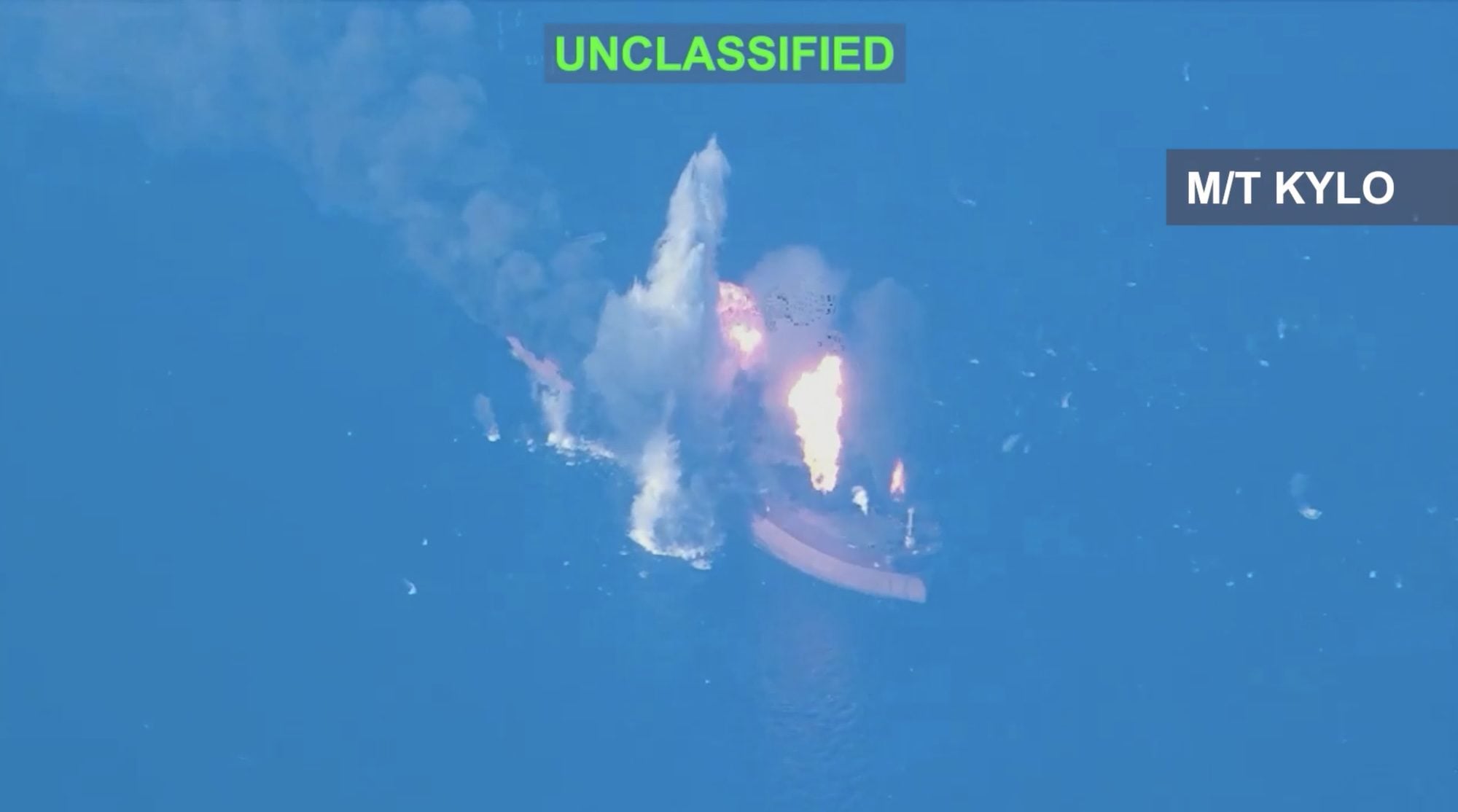
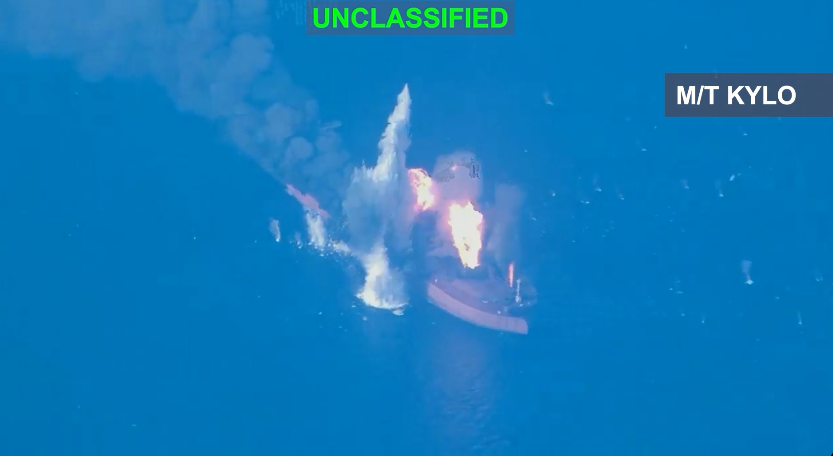
Current reporting describes an IRGC ballistic missile attack against a US aircraft carrier and guided-missile destroyer, followed by US strikes that disabled M/T Downy and M/T Stark 1 and destroyed M/T Kylo or Noxen. Satellite imagery supports damage to at least one tanker, but reporting conflicts over the date and location of several strikes. Israel and Hezbollah have exchanged attacks around Ali Taher Ridge and southern Lebanon, while reports describe Iranian pressure on commercial shipping, Jordan and Kuwait. The IAEA remains unable to verify important parts of Iran's nuclear programme. China, Egypt and Türkiye are pursuing public diplomatic initiatives, but negotiations between Washington and Tehran remain stalled.
Change from previous assessment
Since 4 September, the assessment has shifted from a US-Iran exchange centred on bases and shipping to a more clearly maritime and multi-front escalation. New reporting adds the IRGC missile attack on two US warships and US strikes on Downy, Stark 1 and Kylo or Noxen, renewed Israel-Hezbollah violence after the Ali Taher Ridge takeover, reported Iranian pressure on Jordan and Kuwait, and an explicit IAEA verification gap. Confidence in continued disruption is raised by corroborated tanker damage, while confidence in the exact strike dates and locations is lowered by conflicting accounts. Diplomatic activity has broadened through Xi Jinping, Abdel Fattah El-Sisi and Recep Tayyip Erdogan, and a Trump administration postwar strategy is now reported as under development.
Key judgments
- The US-Iran military exchange is very likely to continue over the next 0-14 days, with further strikes on maritime and military targets likely. Current reporting says the IRGC fired ballistic missiles towards a US aircraft carrier and guided-missile destroyer, after which US forces disabled M/T Downy and M/T Stark 1 and destroyed M/T Kylo or Noxen. CENTCOM reporting and satellite imagery separately support the tanker damage. Confidence is medium because accounts conflict over whether the tanker strikes occurred on 29 August or 5 September and whether M/T Stark 1 was hit near Jask or Kharg Island. (Confidence: medium · ASSESSED)
- I&W: A further Iranian missile or drone salvo targets a US carrier, destroyer or regional base, or US forces conduct another strike on an Iranian vessel or IRGC facility. (0-14 days)
- I&W: US and Iranian authorities announce a verified halt in direct attacks and no new maritime or military strike is reported for 14 consecutive days. (0-14 days)
- Iran is very likely to sustain pressure on US-linked positions and commercial shipping across the Persian Gulf, the Strait of Hormuz, the Gulf of Oman, Jordan and Kuwait over the next 0-14 days. The US Maritime Administration reports continuing Iranian threats to commercial vessels using missiles, armed drones and unmanned surface vessels, while USNI News reported attacks on at least 13 commercial vessels during August. Reports of Iranian strikes affecting Jordan and Kuwait support a wider regional pattern, but the Jordan and Kuwait accounts rely partly on local or low-reliability reporting. Confidence is medium because Iranian television also reported that the armed forces had issued no new statement on attacks against US bases. (Confidence: medium · ASSESSED)
- I&W: The US Maritime Administration records another attack on a commercial vessel in the Persian Gulf, the Strait of Hormuz or the Gulf of Oman, or an official authority confirms a new Iranian strike on Jordan or Kuwait. (0-14 days)
- I&W: The US Maritime Administration withdraws or materially downgrades its warning, and no new attack on commercial shipping or US-linked sites is reported for 14 consecutive days. (0-14 days)
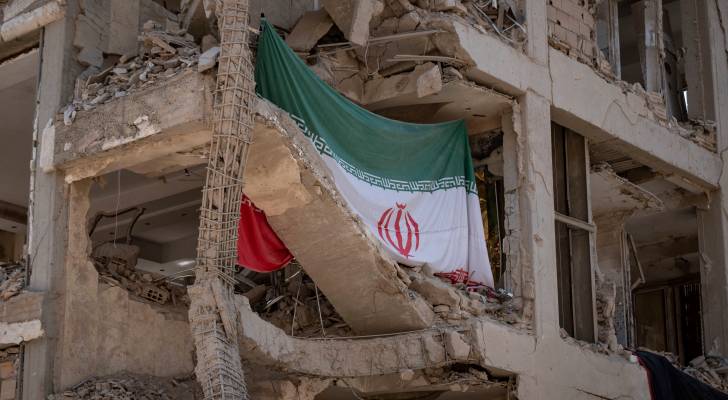
- Israel-Hezbollah violence in Lebanon is likely to intensify over the next 0-14 days. The IDF takeover of Ali Taher Ridge has increased Israeli concern about Hezbollah attacks, Hezbollah launched a drone towards Israeli forces in southern Lebanon, and Israeli strikes killed three people and wounded more than 20 in southern Lebanon and the eastern Bekaa Valley. The June Israel-Lebanon framework has made little implementation progress. Confidence is medium because the two main casualty reports differ by one day, although they describe the same sequence and similar casualty figures. (Confidence: medium · ASSESSED)
- I&W: Hezbollah launches another drone or rocket attack from Lebanon, or the IDF conducts a new operation around Ali Taher Ridge or other southern Lebanese positions. (0-14 days)
- I&W: Israel and Lebanon announce verified implementation steps under the June framework, including an Israeli withdrawal or Hezbollah disarmament action, with no new cross-border attack for 14 days. (0-14 days)
- Commercial traffic through the Strait of Hormuz is very likely to remain far below pre-war levels over the next 0-14 days and likely to remain disrupted over the next 1-3 months. Shipping remains far below pre-war levels, the US Maritime Administration continues to report Iranian threats to commercial vessels, and US and Iranian actions have directly affected tankers near Kharg Island, Jask and the Gulf of Oman. Confidence is medium because the current claims establish severe disruption but do not provide a consistent, independently verified daily transit count. (Confidence: medium · ASSESSED)
- I&W: Daily vessel transits through the Strait of Hormuz remain below the pre-war baseline and another commercial vessel is attacked, disabled or detained. (0-14 days)
- I&W: Commercial transits return to the pre-war baseline for seven consecutive days without a new attack, detention or official maritime warning. (0-14 days)
- The IAEA's inability to verify important parts of Iran's nuclear activities is very likely to persist over the next 1-3 months. The IAEA reports that it cannot verify Iran's activities or track its declared stockpile at facilities hit by strikes, and that no verification procedures have occurred at declared facilities since February apart from Bushehr. The agency also identified damage at Khondab and regular vehicle activity near an Isfahan tunnel facility holding uranium enriched to 60 per cent. Confidence is medium because the reporting gives different start dates for the verification gap and vehicle activity does not establish the movement or diversion of nuclear material. (Confidence: medium · ASSESSED)
- I&W: The IAEA reports verified access to declared Iranian facilities beyond Bushehr and publishes an updated inventory of Iran's declared nuclear material. (0-3 months)
- I&W: The IAEA reports continued denial of access, an unresolved stockpile accounting gap or new unexplained activity at Khondab or the Isfahan tunnel facility. (0-3 months)
- Diplomatic containment is likely to expand over the next 0-14 days, but a comprehensive US-Iran settlement is unlikely in that period. China has proposed a four-point West Asia security framework, Abdel Fattah El-Sisi has welcomed coordination with Beijing, Recep Tayyip Erdogan says Türkiye is pursuing initiatives to ease the Tehran-Washington standoff, and the Shanghai Cooperation Organisation has called for a political resolution. These initiatives remain public positions rather than evidence of active US-Iran negotiations. Confidence is medium because negotiations are reported to have collapsed and Washington has linked talks to an end to Iranian attacks on commercial shipping. (Confidence: medium · ASSESSED)
- I&W: Washington and Tehran announce direct talks, or China, Egypt or Türkiye produce an agreed agenda accepted by both governments. (0-14 days)
- I&W: The US or Iran rejects mediation publicly while another strike on shipping, a US vessel or Iranian territory is reported. (0-14 days)
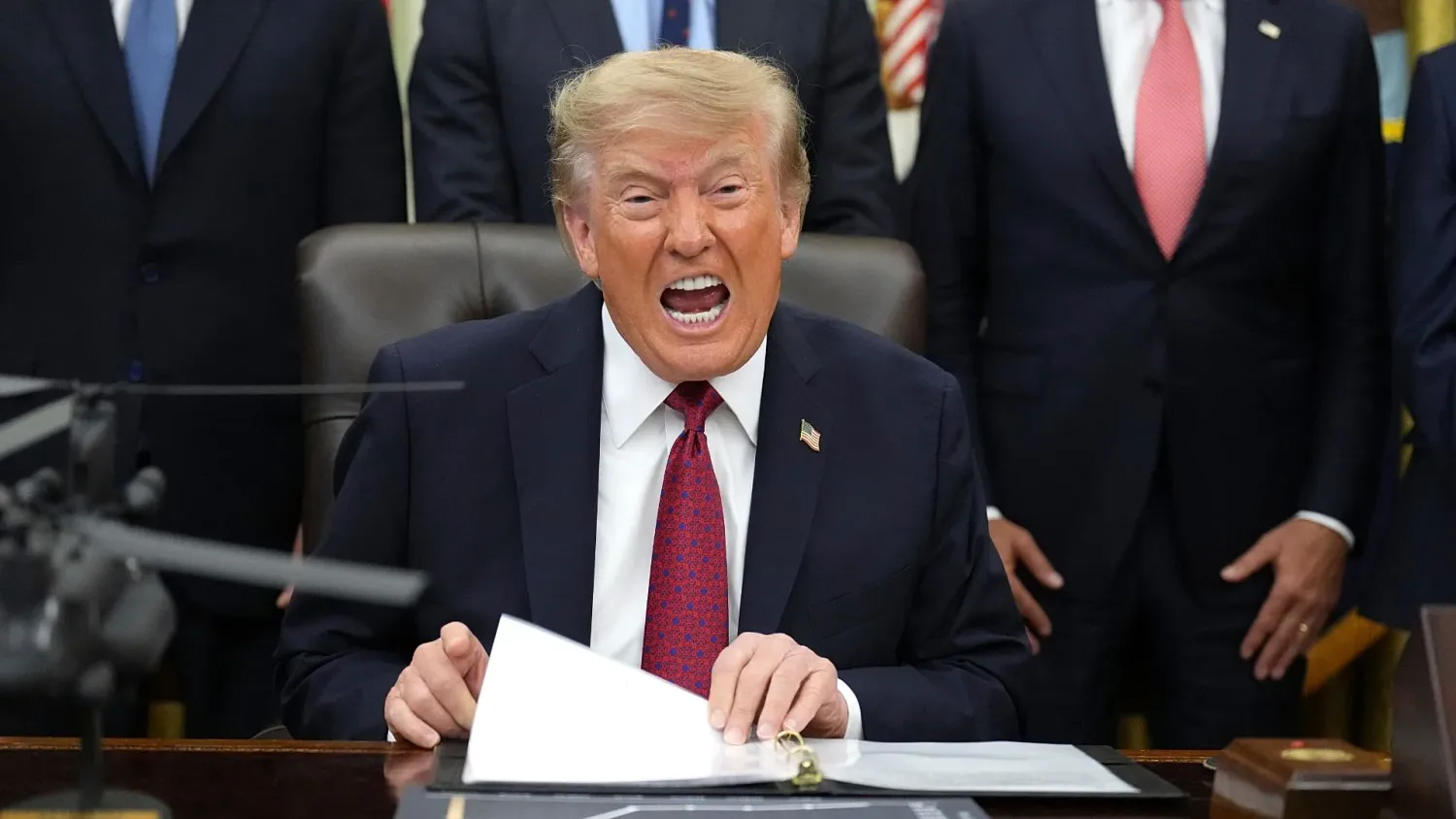
- The Trump administration is very likely to continue developing a postwar Middle East strategy centred on containing Iran and expanding Israel's regional normalisation, but adoption of a final strategy is unlikely within the next 0-14 days. Reported elements include a US-backed regional alliance, implementation of the Gaza plan, an Israel-Syria security agreement and expansion of the Abraham Accords, including Saudi Arabia-Israel normalisation. Confidence is medium because the plan remains at an early stage, is expected to take several weeks and lacks confirmed support from all US regional allies. (Confidence: medium · ASSESSED)
- I&W: The Trump administration publishes a final strategy or secures formal commitments from named regional allies to a US-backed Iran containment bloc. (1-3 months)
- I&W: The strategy remains unpublished after several weeks, or named US allies publicly reject the proposed alliance, Gaza, Syria or normalisation components. (1-3 months)
Outlook & scenarios
Continued tit-for-tat maritime exchange (60%)
The US and Iran continue attacks around the Gulf of Oman, the Strait of Hormuz and Iranian oil shipping. Commercial traffic remains depressed, while Israel-Hezbollah exchanges continue in Lebanon and Houthi pressure affects Saudi-linked Red Sea shipping. This is the most likely near-term path.
Regional containment without settlement (35%)
China, Egypt and Türkiye sustain mediation efforts, and the SCO continues calling for diplomacy. Washington and Tehran limit the exchange sufficiently to prevent a major new front, but no comprehensive agreement is reached. Shipping remains below normal and the IAEA verification gap persists.
Direct Iran-Israel escalation (20%)
Iran conducts a direct or proxy attack against Israel, prompting Israel to implement its stated threat to strike Iranian military, civilian and energy infrastructure. Lebanon, Jordan, Gulf bases and commercial shipping face a higher risk of simultaneous attacks. This is a low-probability, high-impact scenario.
US containment strategy advances during continued conflict (25%)
The Trump administration converts its proposed Iran containment bloc and expanded normalisation agenda into a formal regional strategy while hostilities continue. Gulf partners support selected elements but avoid full alignment, leaving the strategy incomplete and sustaining uncertainty over the US military and diplomatic end state.
Recommendations
- Maintain a daily event ledger for the US-Iran maritime exchange that separates official statements, satellite imagery, vessel tracking and media reporting. Resolve the 29 August versus 5 September date discrepancy and the Jask versus Kharg Island location discrepancy before using the tanker strikes for trend analysis.
- Prioritise collection on IRGC missile and drone activity against US ships, Jordan, Kuwait and commercial vessels in the Persian Gulf, Strait of Hormuz and Gulf of Oman. Treat reported Iranian military announcements as unconfirmed until matched with official statements or independent evidence.
- Track Hezbollah drone and rocket launches, IDF operations around Ali Taher Ridge and implementation of the June Israel-Lebanon framework as the primary indicators of a wider Lebanon front.
- Seek the next IAEA update on access to Iranian facilities, stockpile accounting and activity at Khondab and the Isfahan tunnel facility. Keep the two reported start dates for the verification gap separate until the IAEA clarifies scope.
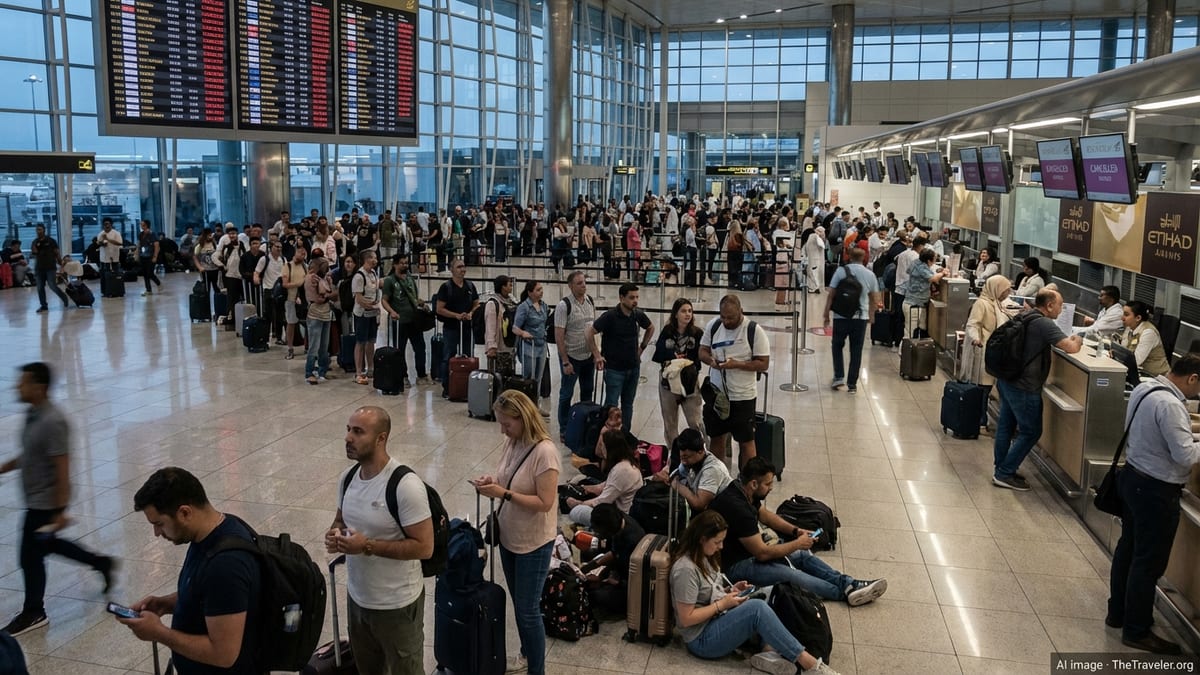
- Monitor daily Hormuz vessel transits, tanker incidents, detentions, flight cancellations and airspace closures. Use sustained return to pre-war traffic as the practical indicator of reduced maritime risk.
- Separate diplomatic signalling from active negotiations. Track whether China, Egypt or Türkiye secure an agreed US-Iran agenda, and whether the Trump administration obtains formal regional support for its proposed containment and normalisation strategy.
Confidence & uncertainty
Overall confidence is high because the core events are reported by multiple major-media outlets and official or near-primary accounts, including CENTCOM and US military statements on the ship exchange, satellite imagery supporting tanker damage, US Maritime Administration warnings, IAEA reporting and separate accounts of renewed Israel-Hezbollah violence. The principal uncertainties concern the date and location of the tanker strikes, the attribution of some Iranian attacks in Jordan and Kuwait, the length of the IAEA verification gap and whether proposed US strategy elements are settled policy.
Intelligence gaps
- [EEI 1.1 · UNCOVERED] Observed repositioning, sustained increases, or new forward basing of Iranian conventional or IRGC forces (armored units, missile batteries, aircraft, naval vessels) toward borders or regional launch points. Recommended collection: IMINT/satellite
- [EEI 1.4 · UNCOVERED] Interdicted or observed shipments (air, sea, land manifests, seizures, satellite imagery of transfers) of advanced weapons or missile components from Iran toward proxy groups or forward staging points. Recommended collection: maritime/AIS
- [EEI 2.1 · PARTIAL] Satellite or on-the-ground imagery showing fires, damage, or operational shutdown at major oil export facilities, refineries, storage terminals, or key pipeline infrastructure in the Gulf and Red Sea. Recommended collection: IMINT/satellite
- [EEI 2.3 · PARTIAL] Significant and sustained reductions or rerouting of tanker transits through the Strait of Hormuz (ship traffic counts, pilot reports, port call cancellations) and announcements of closure or restricted navigation zones (NOTAMs, maritime advisories). Recommended collection: maritime/NOTAMs
- [EEI 2.4 · UNCOVERED] Rapid increases in war-risk insurance premiums for Middle East routes, shipping company advisories to avoid region, or major charter cancellations tied to the conflict. Recommended collection: financial/open-source
- [EEI 3.1 · UNCOVERED] Movement/arrival of major foreign military assets into the region: US carrier strike groups, amphibious ready groups, strategic bomber flights, Russian/Chinese naval taskings, or allied expeditionary units (visible in AIS, NOTAMs, satellite imagery, official releases). Recommended collection: IMINT/satellite
- [EEI 3.2 · UNCOVERED] Official expedited arms transfers, basing/overflight agreements, or declarations of operational support (formal government announcements, defense ministry releases, logistics flight manifests). Recommended collection: open-source/diplomatic
- [EEI 3.3 · PARTIAL] Embassy evacuations, large-scale personnel movements, issuance of government travel bans/advisories, or multinational security alerts affecting foreign nationals and diplomatic posture in the region. Recommended collection: diplomatic/open-source
- [EEI 3.4 · PARTIAL] High-level diplomatic/UN activity: scheduled or emergency Security Council meetings, published ceasefire proposals, or multilateral statements committing support/condemnation that precede changes in military posture. Recommended collection: open-source/diplomatic
TLP:CLEAR