TLP:CLEAR · Disclosure is not limited.
Middle East: Iran-Israel Conflict and Wider-War Pathways
Time window: Last 7 days · Audience: General analyst · Type: Situation report · DTG: 2026-08-20 12:11Z · Overall confidence: MEDIUM
BLUF
The US-Iran conflict is very likely to remain in a coercive standoff through the next 14 days. Washington says there are no talks, Tehran ties reopening the Strait of Hormuz to US concessions, and shipping remains below prewar levels. Yemen is very likely to be the most immediate pathway for further regional widening.
Executive summary
Between 13 and 20 August 2026, public positions by President Donald Trump and Iranian officials indicated no clear basis for renewed US-Iran negotiations. Iran's Parliament Speaker Mohammad Baqer Qalibaf tied reopening the Strait of Hormuz to lifting the US maritime blockade, while three China-linked supertankers U-turned and visible traffic through the waterway remained below prewar levels. The UAE announced an end to trade and financial transactions with Iran. Israeli forces struck Abu al-Duhur military airport in Idlib on 18 August, prompting a US condemnation and criticism from Syria and Turkey. In Yemen, Houthi attacks on commercial shipping and UN warnings about intensified military activity indicate a separate widening pathway. Reporting remains uneven, with conflicting dates for some events and mixed evidence on the status of the US-Iran memorandum of understanding.
Key judgments
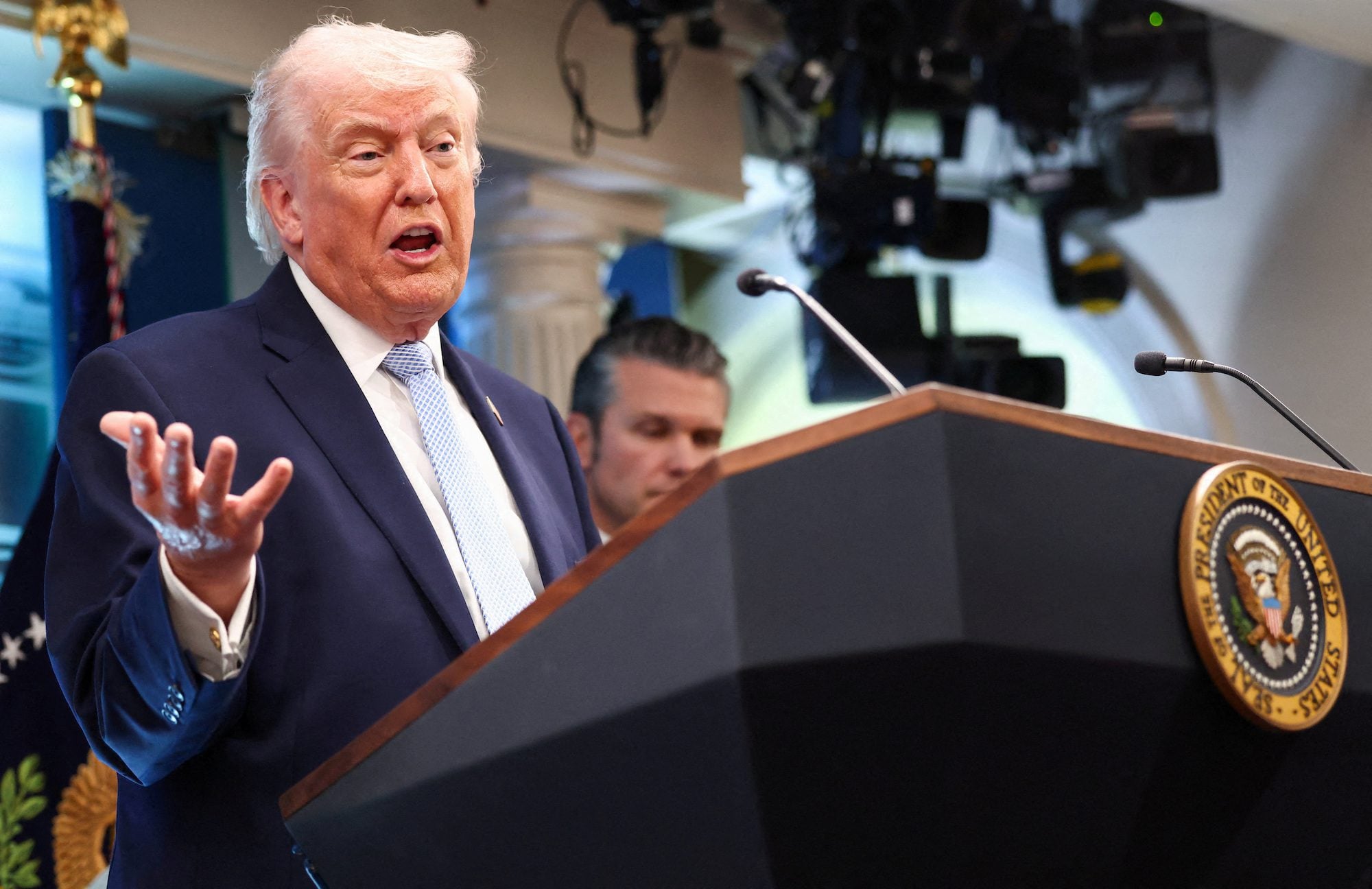
- The US-Iran diplomatic channel is very likely to remain stalled through the next 14 days, leaving access through the Strait of Hormuz tied to incompatible public conditions. President Donald Trump has stated that there are no ongoing talks and has demanded Iranian surrender, while Mohammad Baqer Qalibaf has tied reopening Hormuz to lifting the US maritime blockade. Iran and Oman are negotiating separately on management of the waterway, and diplomatic efforts have not produced a reopening agreement. Confidence is medium because reports of a possible truce extension and Iranian claims about the memorandum of understanding conflict with the reported breakdown and expiry of the arrangement. (Confidence: medium · ASSESSED)
- I&W: Confirm: President Donald Trump and Abbas Araghchi continue to state that no US-Iran meeting is scheduled and no reopening arrangement has been reached. (0-14 days)
- I&W: Break: Washington and Tehran announce a verified negotiating session or a written agreement governing Strait of Hormuz access. (0-14 days)
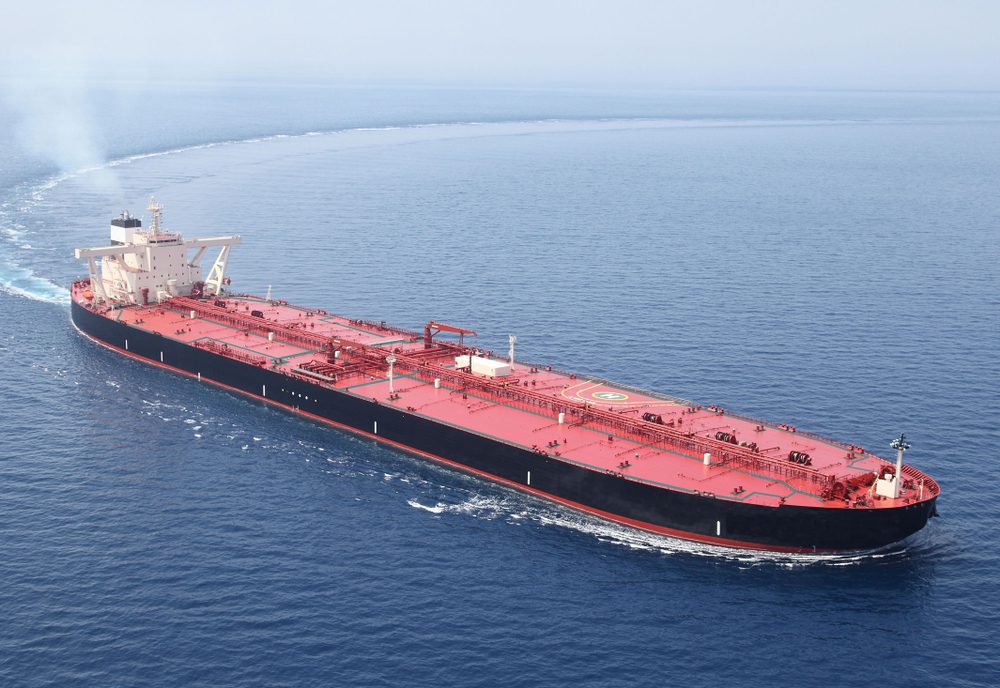
- Shipping disruption in the Strait of Hormuz is very likely to persist over the next 14 days. Three China-linked supertankers have U-turned, visible traffic has slowed to a trickle, and traffic remains below prewar levels. The absence of a diplomatic breakthrough and Iran's stated reopening conditions support continued commercial caution. Confidence is medium because the reporting uses different measures for traffic reduction and includes unresolved disagreement over the severity of the oil-market effect. (Confidence: medium · ASSESSED)
- I&W: Confirm: Additional China-linked tankers or other commercial vessels reverse course, anchor outside Hormuz, or avoid entering the strait. (0-14 days)
- I&W: Break: Verified commercial traffic returns to sustained prewar levels alongside a US-Iran arrangement on safe passage. (0-14 days)
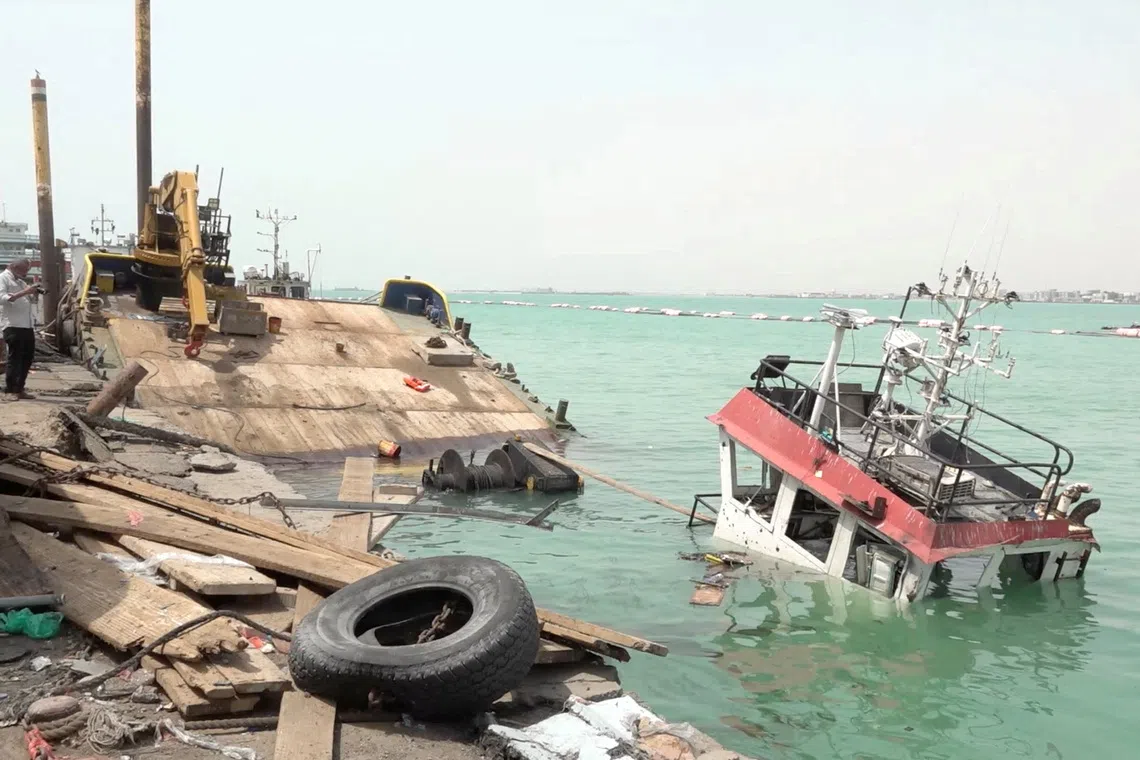
- Yemen is very likely to remain the most immediate widening front in the conflict. UN Special Envoy Hans Grundberg assesses that Yemen faces its highest risk of returning to large-scale conflict since the 2022 truce. Houthi forces have fired six ballistic missiles into Marib, attacked the commercial vessel Tihamah in the Bab el-Mandeb Strait, and targeted Saudi-linked vessels in the Red Sea. Saudi-led coalition airstrikes on Houthi facilities in Hodeidah create a direct escalation cycle. Confidence is medium because the UN warning is corroborated by reporting on attacks and coalition responses, but several incident reports have inconsistent dates. (Confidence: medium · ASSESSED)
- I&W: Confirm: The Houthis conduct another attack on a commercial vessel in the Red Sea or Gulf of Aden, or repeat ballistic missile attacks against Marib. (0-14 days)
- I&W: Break: Hans Grundberg reports that frontline military activity has returned to pre-escalation levels and no further Houthi attack on commercial shipping is reported. (0-14 days)
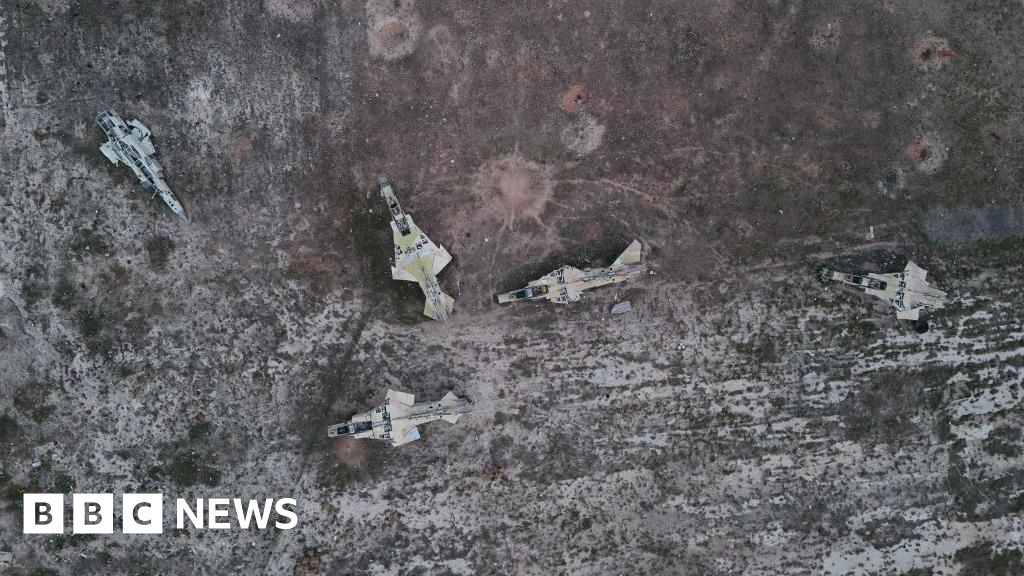
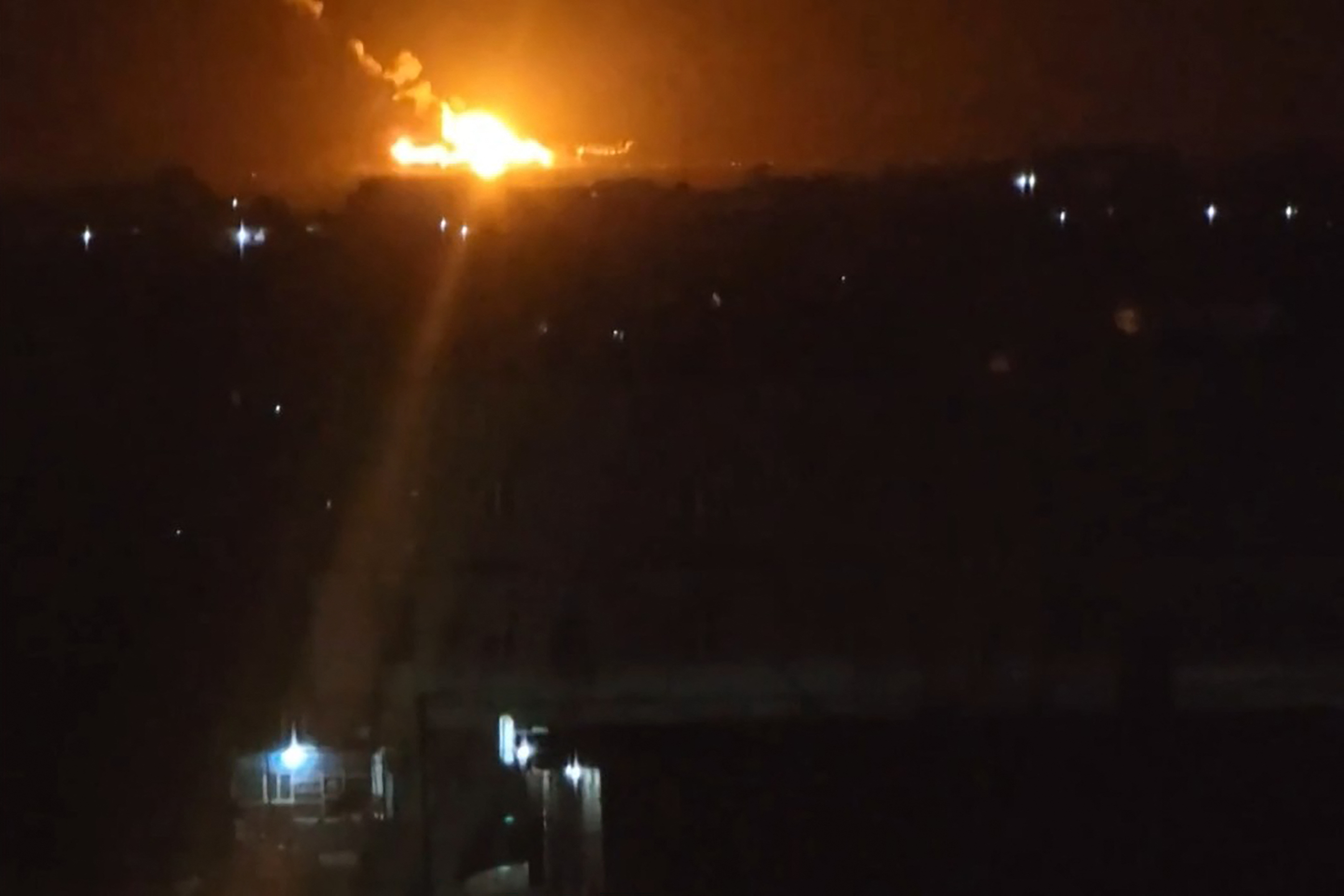
- A direct Israel-Turkey clash in Syria is unlikely over the next one to three months, but the risk is rising. Israeli forces reportedly caused material damage at Abu al-Duhur military airport in Idlib on 18 August, while separate reporting describes eight strikes on the runway and storage facility. The United States called the action an unnecessary escalation, and Syria and Turkey blamed Israel. Syria has stated that it is not willing to enter a war with Israel, and Turkey has rejected Israel's assertion that it poses a threat. Confidence is low because reporting gives conflicting dates and locations for Abu al-Duhur strikes and does not corroborate a Turkish military response. (Confidence: low · ASSESSED)
- I&W: Confirm: Turkey deploys forces or conducts a military response after further Israeli strikes in northern Syria, especially near sites linked to Turkish support for Syria. (0-3 months)
- I&W: Break: Syria and Turkey maintain political objections without military action, while the United States secures a halt to further Israeli strikes at Abu al-Duhur. (0-3 months)
- Iran is likely to retain plans for out-of-theatre retaliation, while a confirmed Iranian attack on US interests in Europe remains unlikely over the next 14 days. Reporting states that Iranian officials studied or considered attacks on US interests and military facilities in Europe, including southeastern Europe. NATO has said it is ready to defend allied territory, and Bulgaria has allowed the United States to use Bezmer Air Base for refuelling. This judgment rests on planning and consideration reports rather than evidence of execution, so confidence is low. (Confidence: low · ASSESSED)
- I&W: Confirm: Iranian forces conduct or publicly claim an attack on a US facility, military asset, or associated infrastructure in Europe. (0-14 days)
- I&W: Break: Iran publicly limits retaliation to the Middle East and no European targeting incident is reported. (0-14 days)
Outlook & scenarios
Continued coercive standoff (55%)
Washington and Tehran maintain incompatible public demands without restarting direct negotiations. Iran keeps Hormuz access restricted or highly conditional, commercial traffic remains below prewar levels, and the UAE's suspension of trade and financial transactions continues.
Proxy widening through Yemen and Syria (35%)
The Houthis intensify attacks on Red Sea shipping and Saudi-linked targets, prompting further Saudi-led strikes in Yemen. Israel conducts additional strikes in Syria, while Turkish and Syrian opposition increases without producing a direct Israel-Turkey clash.
Conditional reopening of Hormuz (20%)
Oman-mediated contacts produce a limited arrangement on Strait of Hormuz management. Iran permits a controlled resumption of commercial traffic without a broader US-Iran settlement, leaving the arrangement vulnerable to renewed accusations of violations.
Wildcard: out-of-theatre retaliation (8%)
Iran conducts an attack against a US military facility or other US interest in Europe, triggering NATO consultations and widening the geographic scope of the conflict. A related Iranian action against subsea fibre-optic infrastructure in the Strait of Hormuz would add a high-impact communications disruption.
Recommendations
- Prioritise daily monitoring of Strait of Hormuz vessel movements, including U-turns, anchorage outside the strait, and any sustained return towards prewar traffic levels.
- Track public statements by President Donald Trump, Abbas Araghchi, and Mohammad Baqer Qalibaf for changes in the conditions attached to negotiations and Hormuz reopening.
- Maintain a Yemen escalation watch focused on Houthi attacks against commercial vessels, missile launches into Marib, and Saudi-led airstrikes against Houthi facilities in Hodeidah.
- Request focused reporting on any Turkish military deployment or Israeli strike near Turkish-supported positions in northern Syria, with particular attention to Abu al-Duhur.
- Review force-protection and incident reporting for US facilities in Europe, including activity relevant to Bezmer Air Base, and compare it with Iranian statements on the geographic scope of retaliation.
- Separate confirmed military activity from actor statements and planning reports in future updates, particularly where the source set gives conflicting dates for the US-Iran memorandum and Abu al-Duhur strikes.
Confidence & uncertainty
Overall confidence is medium. High-reliability official and multilateral reporting supports the core judgments on Yemen, Hormuz shipping disruption, and public US-Iran positions, while major media provides additional corroboration on military activity and regional responses. Confidence is reduced by conflicting dates, inconsistent descriptions of the US-Iran memorandum, mixed measures of Hormuz disruption, and low-confidence reporting on possible Iranian attacks against US interests in Europe.
Cited sources
[1] gcaptain.com · Trump Takes Iran Hard Line as Hormuz Tensions Set New Normal (B) · sha256:5da975932873 [2] aljazeera.net · أخبار إيران | إيران | الجزيرة نت (A) · sha256:f90eec745d1d [3] aljazeera.net · إيران: أجبرنا واشنطن على قبول شروطنا والملاحة بهرمز رهينة برفع الحصار (B) · sha256:686c1835e2b4 [4] anews.com.tr · Israel risks ceasing 'to exist as a state,' senior Russian general says (A) · sha256:770b46b503c1 [5] Al Arabiya · مباشر من قناة العربية | مصادر العربية: أنباء عن تمديد هدنة الـ60 يوماً بين إيران وأميركا. وترمب: هدفنا الأول كان وسيبقى عدم امتلاك إيران للسلاح النووي | قناة العربية Al Arabiya (B) · sha256:1174fa541502 [6] gcaptain.com · Three Chinese Tankers U-Turn in Hormuz as Risks Remain High (B) · sha256:aa6adb23fd93 [7] miragenews.com · UN Warns Yemen Could Widen Mideast Conflict (A) · sha256:9e79fb648377 [8] International Business Times · Houthis Fire Six Missiles Into Marib's Displacement Camps as Yemen War Risk Peaks (B) · sha256:88a43c59667f [9] straitstimes.com · Yemen at highest risk of major conflict since 2022 truce, UN warns (A) · sha256:9f5a52bfcf4f [10] الجزيرة نت · الجزيرة نت (A) · sha256:ed1c48eaa344 [11] BBC · US condemns 'unnecessary escalation' after Israeli airstrikes on Syrian airbase (A) · sha256:5620dc93dd6d [12] BBC News · Israel - BBC News (A) · sha256:14e30bea6abe [13] aljazeera.net · رسائل بالنار لأنقرة. أين تتجه المغامرة الإسرائيلية في سوريا؟ (B) · sha256:9ed76fb516a0 [14] aljazeera.net · تصعيد بالشمال السوري. هل تتجه إسرائيل وتركيا نحو صدام مباشر؟ (B) · sha256:83ae797fa588 [15] gulfnews.com · Nato ready to defend allies as Iran weighs strikes on US military targets in Europe (B) · sha256:26b71742b9a5
Source content hashes were computed at collection time; the cited text is preserved unmodified for the life of this product.
TLP:CLEAR