TLP:CLEAR · Disclosure is not limited.
Middle East: Iran-Israel Conflict Raises Regional Stability Risks
Time window: Last 1 day · Audience: General analyst · Type: Situation report · DTG: 2026-09-10 20:07Z · Overall confidence: HIGH
BLUF
US-Iran fighting is very likely to remain active over the next 0-14 days, while Houthi territorial gains in western Yemen are likely to widen pressure on Saudi Arabia and Red Sea shipping. Strait of Hormuz traffic is severely constrained, but the available reporting does not establish a complete closure.
Executive summary
As of 10 September 2026, the conflict is broadening across the Gulf, Yemen and the Red Sea. The US Navy and IRGC have exchanged fire, Washington is striking Iranian tankers, and Tehran is firing at military and commercial vessels. Houthi forces reportedly seized Mocha and established positions near the Hanish islands, while Saudi authorities issued repeated alerts in Khamis Mushait. Hormuz traffic fell to seven vessels on 9 September, with no LNG tanker exits reported, although Vitol reported that a shuttling system was still moving about 10 million barrels per day. Brent crude reached US$105 a barrel, UK gas prices exceeded 200p a therm, and tanker earnings reached record levels.
Change from previous assessment
Compared with the 9 September brief, the assessment has shifted towards wider and more geographically connected regional disruption. New reporting indicates that Houthi forces reportedly seized Mocha and reached positions around the Hanish islands, while US-Iran naval confrontation has continued and the reported Hormuz transit count has fallen to seven vessels. The energy assessment is stronger after Brent reached US$105 a barrel, UK gas exceeded 200p a therm and tanker earnings reached record levels. Confidence remains high in the broad conflict trajectory, while the assessment of Houthi intent, exact Hormuz flows and the likelihood of a near-term settlement remains medium or lower because reporting is contested.
Key judgments
- US-Iran military confrontation is very likely to remain active and likely to intensify over the next 0-14 days. The US Navy and IRGC exchanged fire in the Strait of Hormuz, Washington is striking Iranian tankers, and Tehran is firing at an airbase, Navy ships and commercial vessels. Donald Trump also threatened a strike on the Pickaxe Mountain site near Natanz. Multiple high-confidence reports corroborate the continuation of military activity, although the precise circumstances of some incidents remain disputed. (Confidence: high · ASSESSED)
- I&W: Confirm: US strikes on additional Iranian tankers or verified Iranian fire against US naval assets or commercial vessels. (0-14 days)
- I&W: Break: A verified 48-hour halt in US-Iran attacks, accompanied by official statements from both sides that military operations have stopped. (0-14 days)
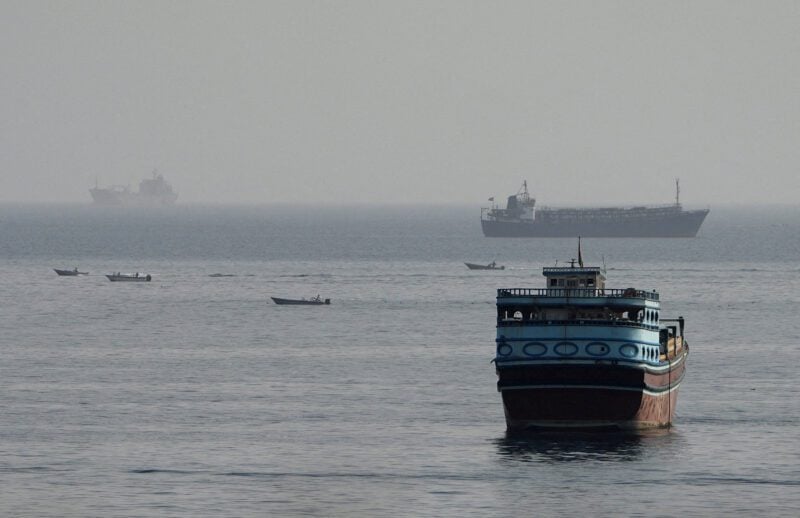
- Severe disruption to Strait of Hormuz shipping is very likely to persist over the next 0-14 days, while a complete closure is unlikely. Ship-tracking data recorded only seven transits on 9 September, four exits and three entries, and no LNG tanker left the strait. A competing report from Vitol's chief executive said a shuttling system was still moving approximately 10 million barrels per day. The conflicting closure and flow reports lower confidence in the scale of disruption, but not in the existence of major shipping constraints. (Confidence: medium · ASSESSED)
- I&W: Confirm: Daily vessel transits remain below the reported 10-day average of 14 and LNG tankers continue to record no departures. (0-14 days)
- I&W: Break: Independent tracking records sustained traffic at or above the 10-day average and LNG tankers resume regular exits. (0-14 days)
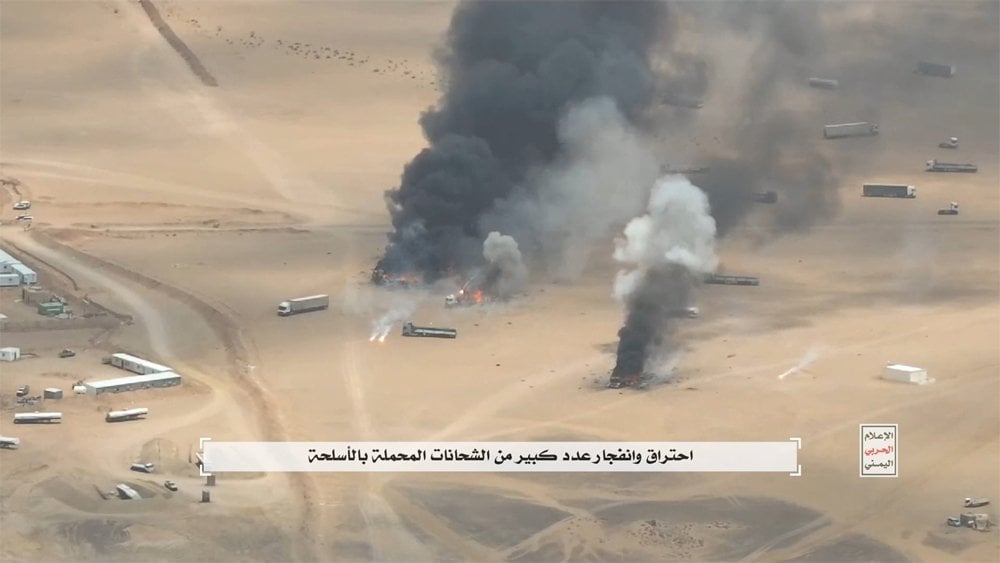
- Houthi territorial gains and attacks are likely to widen regional spillover over the next 0-14 days. Reports state that Houthi forces seized Mocha, advanced along the Red Sea coast, reached the Hanish islands, established footholds on Zuqair and the Lesser and Greater Hanish islands, and captured the area around Dhubab airfield while approaching Ras Menhali. Saudi civil defence issued its fourth emergency alert in 24 hours in Khamis Mushait amid Houthi attacks. Houthi statements deny that seizing the coastline is the objective, and Iran states that it does not control the Houthis, leaving intent and the degree of Iranian direction contested. (Confidence: medium · ASSESSED)
- I&W: Confirm: Independent imagery or port reporting verifies continued Houthi control of Mocha and additional Houthi positions on the Hanish islands or near Bab el-Mandeb. (0-14 days)
- I&W: Break: Internationally Recognised Government forces retake Mocha or Houthi forces withdraw from the Hanish islands and the southern Red Sea coast. (0-14 days)
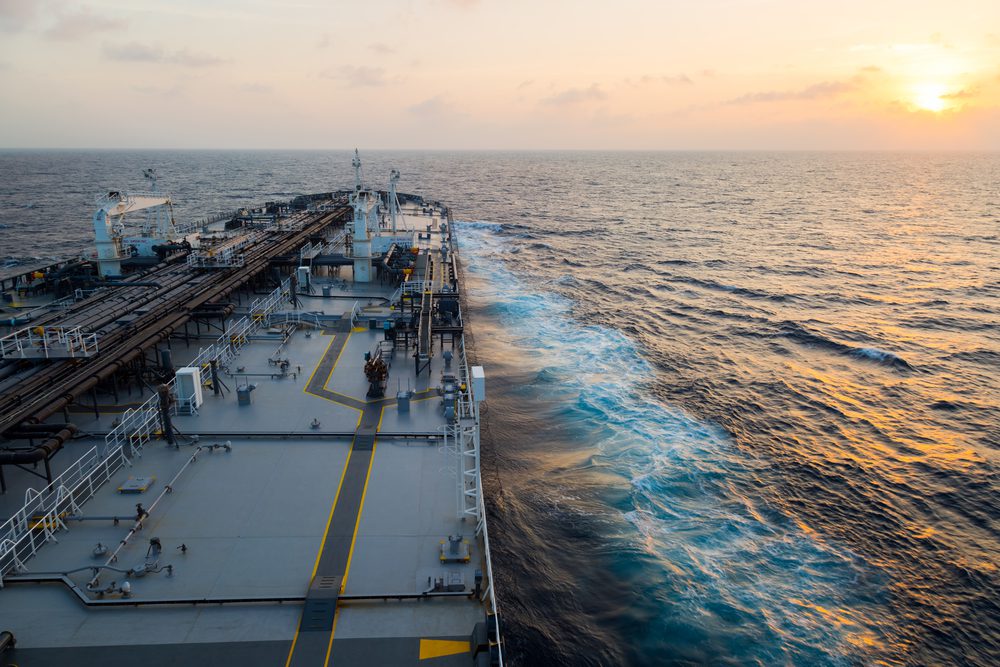
- Energy-market pressure is likely to persist for 1-3 months. Brent crude reached US$105 a barrel, UK natural gas exceeded 200p a therm, supertanker earnings on the Middle East-to-China route approached US$800,000 per day, and Kpler forecasts VLCC earnings above US$100,000 per day into next year. US retail diesel prices and refiner margins have also reached records. The breadth of corroboration supports high confidence in sustained market stress, although the duration remains dependent on the conflict's trajectory. (Confidence: high · ASSESSED)
- I&W: Confirm: Brent remains above US$100 a barrel and VLCC earnings remain above US$100,000 per day during the next month. (0-1 month)
- I&W: Break: Brent falls below US$100 a barrel while tanker earnings return towards the historic levels cited by Kpler. (1-3 months)
- Israel and the United States are likely to sustain military pressure on Iran over the next 0-14 days. Benjamin Netanyahu instructed the IDF to prepare for the toppling of the Iranian regime, while Donald Trump warned Iran and threatened a strike on the Pickaxe Mountain site near Natanz. The assessment rests on medium-confidence reporting about Israeli intent and conflicting dates for Trump's remarks, so it does not establish that a strike on Pickaxe Mountain is imminent. (Confidence: medium · ASSESSED)
- I&W: Confirm: The IDF announces additional preparations against Iranian targets or the US publicly confirms an operation against Pickaxe Mountain. (0-14 days)
- I&W: Break: Israel and the United States publicly withdraw the threats and announce a sustained halt to strikes against Iran. (0-14 days)
- A comprehensive US-Iran settlement is very unlikely over the next 0-14 days. The conflict remains active, reporting on Donald Trump's forecast for when the war will end is contradictory, and Antonio Guterres is urging the parties to use diplomatic channels rather than reporting an agreement. Iran's reported refusal of IAEA access further narrows the basis for a rapid diplomatic settlement. Confidence is medium because the reporting on Trump's remarks and the diplomatic channel is contested. (Confidence: medium · ASSESSED)
- I&W: Confirm: US strikes or Iranian attacks continue without a signed ceasefire or formal negotiating channel. (0-14 days)
- I&W: Break: Washington and Tehran publicly announce a signed settlement, a formal ceasefire, or a scheduled negotiating process. (0-14 days)
- Militia-state friction in Iraq is likely to sharpen before 30 September, but this is a low-confidence assessment based largely on single-source think-tank reporting. The final US troop withdrawal and the deadline for Ali al-Zaidi to bring Iran-backed militias under state authority are both scheduled for 30 September, while Kata'ib Hizbollah, Harakat al-Nujaba and Kata'ib Sayyid al-Shuhada have shown no indication that they will surrender their weapons and have continued attacks. (Confidence: low · ASSESSED)
- I&W: Confirm: Kata'ib Hizbollah, Harakat al-Nujaba or Kata'ib Sayyid al-Shuhada conduct further attacks or publicly reject the 30 September state-authority deadline. (0-21 days)
- I&W: Break: Iraq verifies weapons transfers by the named groups to state control and completes the US withdrawal without associated militia violence. (0-1 month)
Outlook & scenarios
Prolonged constrained conflict (52%)
US-Iran strikes and maritime incidents continue through the next 0-14 days. Hormuz remains severely constrained rather than fully closed, while Houthi forces retain Mocha and positions around Hanish and Bab el-Mandeb. Energy prices and tanker rates remain elevated.
Managed maritime containment (25%)
Direct US-Iran fire pauses without a comprehensive settlement. Shuttling operations and limited commercial transits keep some oil moving through Hormuz, while Houthi control of western Yemen remains contested. Market pressure eases but does not return to pre-war conditions.
Widening regional conflict (15%)
Houthi forces expand along the southern Red Sea coast, Saudi Arabia faces further attacks, and Israel or the United States increases strikes against Iranian targets. Hormuz and Bab el-Mandeb disruption deepen, with further pressure on energy prices and regional infrastructure.
High-impact wildcard: strike on Pickaxe Mountain (8%)
The United States strikes Pickaxe Mountain near Natanz, followed by Iranian attacks on US naval assets, commercial vessels or Israeli offshore gas infrastructure. This would sharply increase the probability of a wider regional war and a prolonged maritime-energy shock.
Recommendations
- Treat the Strait of Hormuz as severely constrained rather than fully closed. Track daily vessel entries and exits, LNG departures, vessels operating with transponders off, and independent estimates of physical oil flows.
- Prioritise independent verification of Houthi control of Mocha, Dhubab and the Hanish islands. Use geolocated imagery, port activity and reporting on Internationally Recognised Government force positions to separate confirmed control from claimed advances.
- Maintain a 0-14 day warning watch for additional US strikes on Iranian tankers, Iranian fire against US naval or commercial vessels, and any official US or Israeli action concerning Pickaxe Mountain.
- Report energy impacts with source ranges rather than false precision. Highlight the difference between the 2.9 million and 3.7 million barrels per day estimates for Yanbu loadings, and distinguish current tanker earnings from Kpler's forward forecast.
- Track Khamis Mushait emergency alerts, further Houthi missile launches against Saudi Arabia and attacks affecting Saudi energy infrastructure as leading indicators of regional widening.
- Prepare a separate Iraq watchline for the 30 September US withdrawal and militia deadline. Track actions by Kata'ib Hizbollah, Harakat al-Nujaba and Kata'ib Sayyid al-Shuhada rather than treating all Iraqi armed groups as a single actor.
Confidence & uncertainty
Overall confidence is high for the broad direction of events because high-confidence wire, major-media and trade reporting independently corroborates US-Iran military activity, Houthi territorial gains, sharply reduced Hormuz transits and market disruption. The principal uncertainties concern the scale of oil flows through Hormuz, the degree of Iranian control over Houthi operations, the circumstances of the US underwater-vehicle incident, conflicting Yanbu loading estimates and the timing of Donald Trump's remarks. These uncertainties lower confidence in several specific judgements without materially changing the overall assessment.
Intelligence gaps
- [EEI 1.1 · UNCOVERED] Observed repositioning, sustained increases, or new forward basing of Iranian conventional or IRGC forces (armored units, missile batteries, aircraft, naval vessels) toward borders or regional launch points. Recommended collection: IMINT/satellite
- [EEI 1.4 · UNCOVERED] Interdicted or observed shipments (air, sea, land manifests, seizures, satellite imagery of transfers) of advanced weapons or missile components from Iran toward proxy groups or forward staging points. Recommended collection: maritime/AIS
- [EEI 2.1 · UNCOVERED] Satellite or on-the-ground imagery showing fires, damage, or operational shutdown at major oil export facilities, refineries, storage terminals, or key pipeline infrastructure in the Gulf and Red Sea. Recommended collection: IMINT/satellite
- [EEI 2.4 · UNCOVERED] Rapid increases in war-risk insurance premiums for Middle East routes, shipping company advisories to avoid region, or major charter cancellations tied to the conflict. Recommended collection: financial/open-source
- [EEI 3.1 · UNCOVERED] Movement/arrival of major foreign military assets into the region: US carrier strike groups, amphibious ready groups, strategic bomber flights, Russian/Chinese naval taskings, or allied expeditionary units (visible in AIS, NOTAMs, satellite imagery, official releases). Recommended collection: IMINT/satellite
- [EEI 3.2 · PARTIAL] Official expedited arms transfers, basing/overflight agreements, or declarations of operational support (formal government announcements, defense ministry releases, logistics flight manifests). Recommended collection: open-source/diplomatic
- [EEI 3.3 · UNCOVERED] Embassy evacuations, large-scale personnel movements, issuance of government travel bans/advisories, or multinational security alerts affecting foreign nationals and diplomatic posture in the region. Recommended collection: diplomatic/open-source
- [EEI 3.4 · PARTIAL] High-level diplomatic/UN activity: scheduled or emergency Security Council meetings, published ceasefire proposals, or multilateral statements committing support/condemnation that precede changes in military posture. Recommended collection: open-source/diplomatic
TLP:CLEAR