TLP:CLEAR · Disclosure is not limited.
Middle East: Multi-front Iran-Israel Conflict Tightens Maritime Pressure
Time window: Last 1 day · Audience: General analyst · Type: Situation report · DTG: 2026-09-11 18:05Z · Overall confidence: HIGH
BLUF
The Iran-Israel conflict is likely to remain a multi-front confrontation involving Israel, Iran, Hezbollah and the Houthis. Houthi control of Mocha and reported advances towards Perim Island are increasing pressure on Saudi Arabia and Red Sea shipping, while Hormuz traffic fell to seven vessels on 10 September, far below its 10-day average of 15. A continuous closure of the strait remains unlikely.
Executive summary
The US-Israel war with Iran remains active. Israel reported that its 36th Division and Commando Brigade destroyed a Hezbollah tunnel complex beneath Ali al-Taher Ridge in southern Lebanon using more than 1,100 tonnes of explosives, and Israel raised readiness for Iranian retaliation and multi-front threats. In Yemen, the Houthis seized Mocha and reportedly captured or reached positions near Ras Menhali, Perim Island and the Hanish Islands, while Houthi attacks affected Saudi oil infrastructure, including the 400,000-barrels-per-day Jazan refinery. Commercial movement through the Strait of Hormuz is severely constrained, but the passage of seven vessels and the delivery of an LNG cargo by Al Marrouna show that traffic has not stopped. The main uncertainties concern the extent of Iranian Revolutionary Guards direction of the Houthi campaign, the attribution of attacks near Oman, and whether public threats will translate into direct strikes on Iran's nuclear infrastructure.
Change from previous assessment
Since the 10 September brief, no core judgment has been retired. The assessment now has stronger reporting on Houthi control of Mocha and approaches to the Bab el-Mandeb, including a 26-vessel traffic count, while the Iranian role in directing the advance remains contested by new official denials. The maritime judgment is unchanged in direction but is now supported by another low-transit day in Hormuz, a reported attack on two ships near Khasab and a confirmed LNG delivery by Al Marrouna. The assessment continues to place high confidence in the broad escalation picture, with medium confidence on attribution, the duration of maritime disruption and diplomatic prospects.
Key judgments
- It is very likely that the conflict has sustained a multi-front operational pattern across Iran, Israel, southern Lebanon, Saudi Arabia and Yemen. Israel's 36th Division and Commando Brigade destroyed the Hezbollah complex beneath Ali al-Taher Ridge, Israel raised readiness for Iranian retaliation, the Houthis seized Mocha and advanced towards the Bab el-Mandeb, and Houthi forces renewed attacks on Saudi cities and the Jazan refinery. This assessment is supported by multiple major-media, wire-service and trade-publication reports. (Confidence: high · ASSESSED)
- I&W: Confirm: the IDF reports additional strikes or ground operations in southern Lebanon, or Hezbollah launches a new attack against Israel, within the next 14 days. (0-14 days)
- I&W: Break: Israel rescinds its heightened readiness and no new Iranian, Hezbollah or Houthi attacks are reported for 14 consecutive days. (0-14 days)
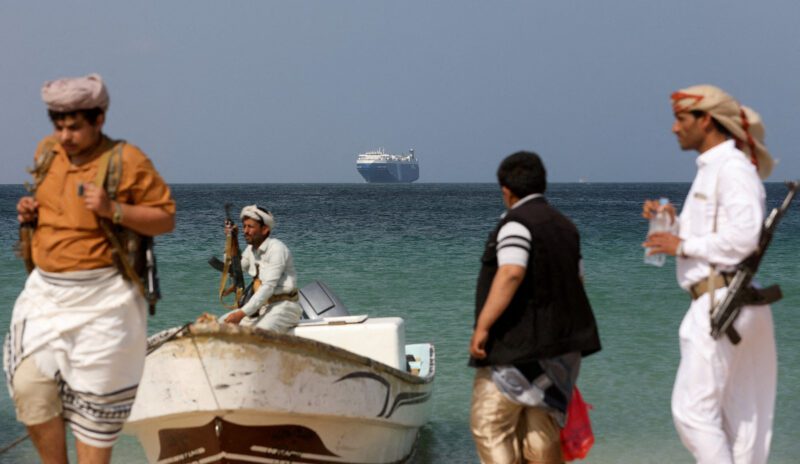
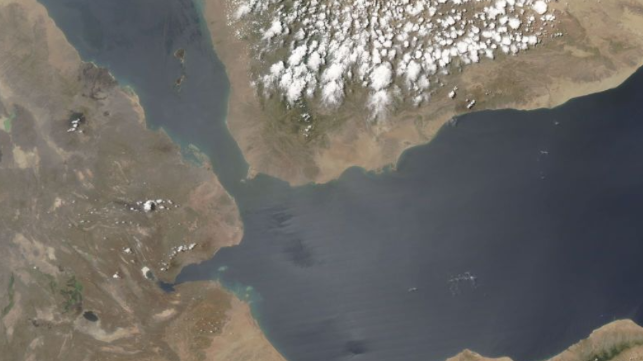
- It is likely that Houthi control of Mocha and reported control of Ras Menhali, Perim Island and the Hanish Islands will sustain pressure on Saudi Arabia and Gulf trade routes over the next 14 days. The reported positions give the Houthis an assessed option to threaten traffic through the Bab el-Mandeb, although 26 commodity vessels transited the strait on 10 September, close to the 10-day average of around 27. The territorial-control reporting is well corroborated, but the assessment of its future effect on shipping relies partly on trade-publication analysis. (Confidence: medium · ASSESSED)
- I&W: Confirm: Houthi forces take another named Red Sea coastal or island position, or attack a commercial vessel near Mocha or the Bab el-Mandeb. (0-14 days)
- I&W: Break: the Internationally Recognized Government retakes Mocha or Perim Island, or Bab el-Mandeb traffic remains near its 10-day average of 27 vessels for seven days. (0-14 days)
- It is likely that Iran's Revolutionary Guards are providing weapons, personnel and at least some operational guidance to the Houthi campaign, but the extent of Iranian control over the seizure of Mocha remains disputed. Reports cite Iranian instructions to escalate attacks on Saudi Arabia, the movement of senior Revolutionary Guards commanders to Yemen, and direct guidance from the Qods Force, while an Iranian official described the operation as a Houthi decision and Iran publicly denied directing the movement. Confidence is medium because the positive attribution relies partly on source reporting that is not independently corroborated in the provided material. (Confidence: medium · ASSESSED)
- I&W: Confirm: Yemeni or regional sources publish authenticated communications, captured personnel accounts or movement data identifying Revolutionary Guards officers directing Houthi operations in Yemen. (0-14 days)
- I&W: Break: reporting identifies an Iranian withdrawal of senior officers and a halt in Iranian funding, weapons or personnel support while Houthi operations continue independently. (0-14 days)
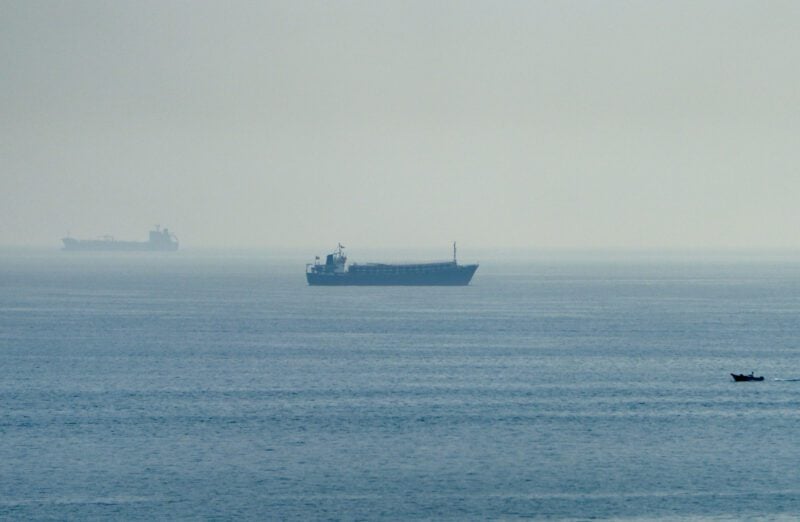
- It is very likely that commercial traffic through the Strait of Hormuz will remain severely constrained over the next 14 days, while it is unlikely that the waterway will be continuously closed. Ship-tracking data recorded seven transits on 10 September, including two exits and five entries, against a 10-day average of 15. The QatarEnergy-controlled Al Marrouna delivered an LNG cargo from Ras Laffan to Pakistan on 10 September, showing that some movement continues. Attacks on two unidentified ships near Khasab, including one vessel reported to have caught fire, increase the constraint, but the attacker remains unidentified and AIS data exclude vessels that transited with transponders off. (Confidence: medium · ASSESSED)
- I&W: Confirm: Kpler records seven or fewer Hormuz transits per day for three consecutive days, with no Qatar-linked LNG tanker exiting the strait. (0-14 days)
- I&W: Break: daily Hormuz transits return to 15 or more for three consecutive days and another LNG cargo exits the strait. (0-14 days)
- It is likely that energy-price and supply-route pressure will persist over the next one to three months if Hormuz and Red Sea constraints continue. Brent crude touched nearly 110 dollars per barrel and closed at 109 dollars on 10 September. Houthi attacks seriously affected the 400,000-barrels-per-day Jazan refinery, while satellite sensing suggested disruption or heavy flaring on Saudi Arabia's East-West Pipeline, which moves about 5 to 7 million barrels per day. This is a forward-looking assessment with medium confidence because the pipeline interpretation is indirect and the duration of the shipping disruption is unresolved. (Confidence: medium · ASSESSED)
- I&W: Confirm: Brent remains at or above the reported 109 to 110 dollar range while Hormuz transits remain below 10 vessels per day and Saudi oil infrastructure reporting shows continued disruption. (0-30 days)
- I&W: Break: Brent falls below 100 dollars and Hormuz transits return to the 10-day average of 15 vessels or more for seven consecutive days. (0-30 days)
- It is unlikely that current public signalling will produce a durable pause in attacks within the next 14 days. Donald Trump stated that Iran will never have a nuclear weapon and warned Iran not to miscalculate over Pickaxe Mountain. Benjamin Netanyahu and Israel Katz threatened severe strikes against Iran's energy facilities, while Ebrahim Azizi warned of a response by Hezbollah, Hamas and the Iraqi Resistance. Recep Tayyip Erdogan advocated open navigation in the Strait of Hormuz and voiced support for regional peace, but the provided reporting contains no evidence of an agreed ceasefire or sustained negotiations. This judgment rests on public statements and indirect indicators rather than verified negotiating activity, lowering confidence. (Confidence: medium · ASSESSED)
- I&W: Confirm: Trump, Netanyahu or Katz issues a new threat against Pickaxe Mountain or Iranian energy facilities, or Azizi announces an imminent response by Hezbollah, Hamas or the Iraqi Resistance. (0-14 days)
- I&W: Break: Washington and Tehran announce direct talks accompanied by a seven-day halt in reported attacks by Iran, Israel and their aligned forces. (0-14 days)
Outlook & scenarios
Sustained multi-front attrition (55%)
The likely path is continued Israeli operations in southern Lebanon, further Houthi pressure on Saudi Arabia and Red Sea shipping, and intermittent US-Iran maritime incidents. Hormuz traffic remains reduced but open to selected vessels, while Brent stays under pressure.
Maritime shock at one gateway (20%)
An unlikely but high-impact path is a successful attack on a tanker or LNG carrier in the Strait of Hormuz, or a Houthi decision to obstruct the Bab el-Mandeb directly. The result would be a sharper fall in commercial transits, greater pressure on Saudi export routes and stronger demands for a settlement with Iran.
Constrained bargaining without settlement (15%)
A less likely path is diplomatic pressure from Turkiye, Gulf states and other trading partners that produces limited maritime arrangements without ending the conflict. Selected Hormuz transits resume, but Israeli, Iranian and Houthi threats continue.
Direct nuclear-site escalation (10%)
The high-impact wildcard is a US or Israeli strike on Pickaxe Mountain followed by a direct Iranian attack on Israel. The provided reporting does not show an Iranian decision to attack Israel directly, but the combination of public threats and nuclear-site activity would create a sharp escalation risk.
Recommendations
- Maintain a six-hour maritime update covering Kpler counts for the Strait of Hormuz, commodity-vessel counts at the Bab el-Mandeb, UKMTO alerts near Khasab, and MSCIO reporting south of Yemen. Record entries, exits, LNG movements and vessels with AIS transponders disabled separately.
- Keep a formal attribution matrix for the Houthi campaign. Separate confirmed Houthi actions from reporting on Revolutionary Guards involvement, Iranian official denials and claims that the Mocha operation was a Houthi decision.
- Prioritise collection on the named geographic tripwires: Mocha, Ras Menhali, Perim Island, the Hanish Islands, Jazan and the East-West Pipeline. Treat any new Houthi movement towards a further Red Sea island or Saudi energy site as an immediate escalation marker.
- Track Israeli readiness announcements, IDF activity by the 36th Division and Commando Brigade, strikes near Nabatieh al-Fawqa, and public decisions concerning Pickaxe Mountain. Distinguish threats from confirmed strikes.
- Update the energy-risk dashboard daily with Brent prices, Hormuz transit counts, Jazan refinery status, East-West Pipeline imagery and Saudi export-route reporting. Escalate the assessment when two or more of these indicators deteriorate together.
- Prepare separate reporting lines for the likely continuation scenario and the maritime-shock wildcard. Do not treat a reduction in traffic as proof of a complete blockade without corroborated vessel and port evidence.
Confidence & uncertainty
Overall confidence is high for the core assessment that the conflict remains active, has multiple operational fronts, and is constraining maritime traffic. The picture is supported by multiple wire-service, major-media and maritime reports, including ship-tracking data, reports of the Houthi seizure of Mocha, Israeli reporting on Ali al-Taher Ridge, and direct statements by senior US, Israeli, Iranian and Turkish officials. Confidence is lower on Iranian command-and-control over the Houthi advance, the attribution of attacks near Oman, the interpretation of East-West Pipeline imagery and the prospects for diplomatic de-escalation.
Intelligence gaps
- [EEI 1.1 · UNCOVERED] Number, type, launch times, and trajectories of ballistic missiles, cruise missiles, armed UAV strikes, and combat-air sorties launched by Iranian or Israeli forces toward the other's territory or forward bases within a 72-hour window. Recommended collection: signals/intel
- [EEI 1.2 · PARTIAL] Observable changes in Israeli and Iranian force posture: mobilization or reserve call-up orders, unit road/rail movements, dispersal or sortie rates of air squadrons, redeployment of air-defense batteries, and activation of civil-defense alerts or sirens in major population centers. Recommended collection: open-source/media
- [EEI 1.3 · PARTIAL] Indications of strike authorization or targeting preparations in Iranian or Israeli command chains: authenticated public orders by senior commanders, detected increases in encrypted communications consistent with targeting, or visible movement of strike munitions to launch/storage sites. Recommended collection: signals/intel
- [EEI 2.1 · UNCOVERED] Counts, launch locations (coordinates), weapons types, and assessed damage from rocket/missile/drone strikes originating from Lebanon into northern Israel attributed to Hezbollah or allied groups. Recommended collection: open-source/media
- [EEI 2.2 · UNCOVERED] Reported attacks by Iranian-backed militias in Iraq and Syria: rocket/IED strikes on bases hosting US/coalition or Israeli personnel, documented militia unit movements toward borders, and captured movement or transfer of weapons systems to forward militia positions. Recommended collection: human
- [EEI 2.3 · PARTIAL] Maritime harassment or attacks by proxies (e.g., Houthis): incidents of missile/rocket strikes against commercial vessels, small-boat swarm attacks, discovery or detonation of naval mines, and corresponding AIS anomalies in the Red Sea, Gulf of Aden, or southern Arabian Gulf. Recommended collection: maritime/AIS
- [EEI 3.1 · UNCOVERED] Movements and arrival dates of foreign military assets into the region: carrier strike groups, amphibious ships, surface combatants, strategic airlift/tanker deployments, and air/sea patrol patterns by US, European, Russian, or regional militaries. Recommended collection: imagery/satellite
- [EEI 3.2 · PARTIAL] Concrete diplomatic and political actions: emergency UN/Arab League meetings called, official embassy evacuation orders, public declarations of intent to interpose or protect shipping/airspace, and newly announced sanctions or arms-transfer approvals tied to the conflict. Recommended collection: diplomatic
Red cell review: CONCUR WITH COMMENT
TLP:CLEAR