TLP:CLEAR · Disclosure is not limited.
Middle East SITREP, 14-21 June 2026: US, Iran MoU advances amid Israel, Hezbollah clashes and disputed status of the Strait of Hormuz
Time window: Last 7 days · Audience: General analyst · Type: Situation report · DTG: 2026-06-21 06:19Z · Overall confidence: LOW
BLUF
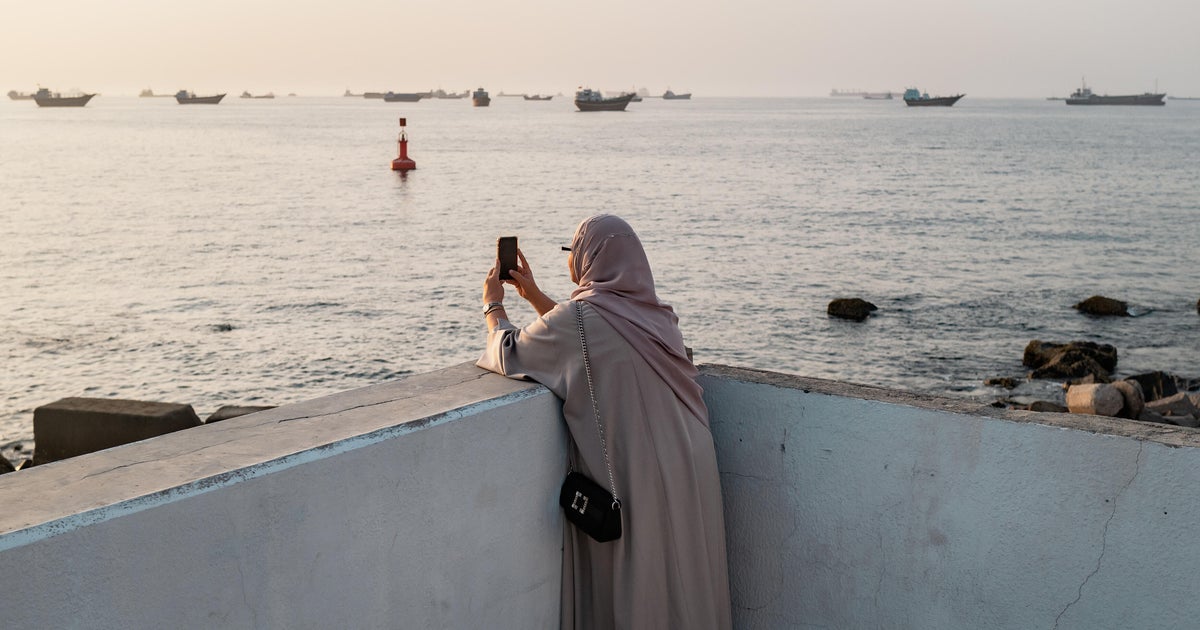
A US, Iran memorandum of understanding and a 60‑day ceasefire framework coexist with continued Israel, Hezbollah fighting and competing claims over the Strait of Hormuz, keeping the risk of wider war and maritime disruption elevated. Maritime guidance points to transits via a southern corridor, while Iran asserts new control measures, including permits and insurance, and threatens reciprocal action if the MoU is breached.
Executive summary
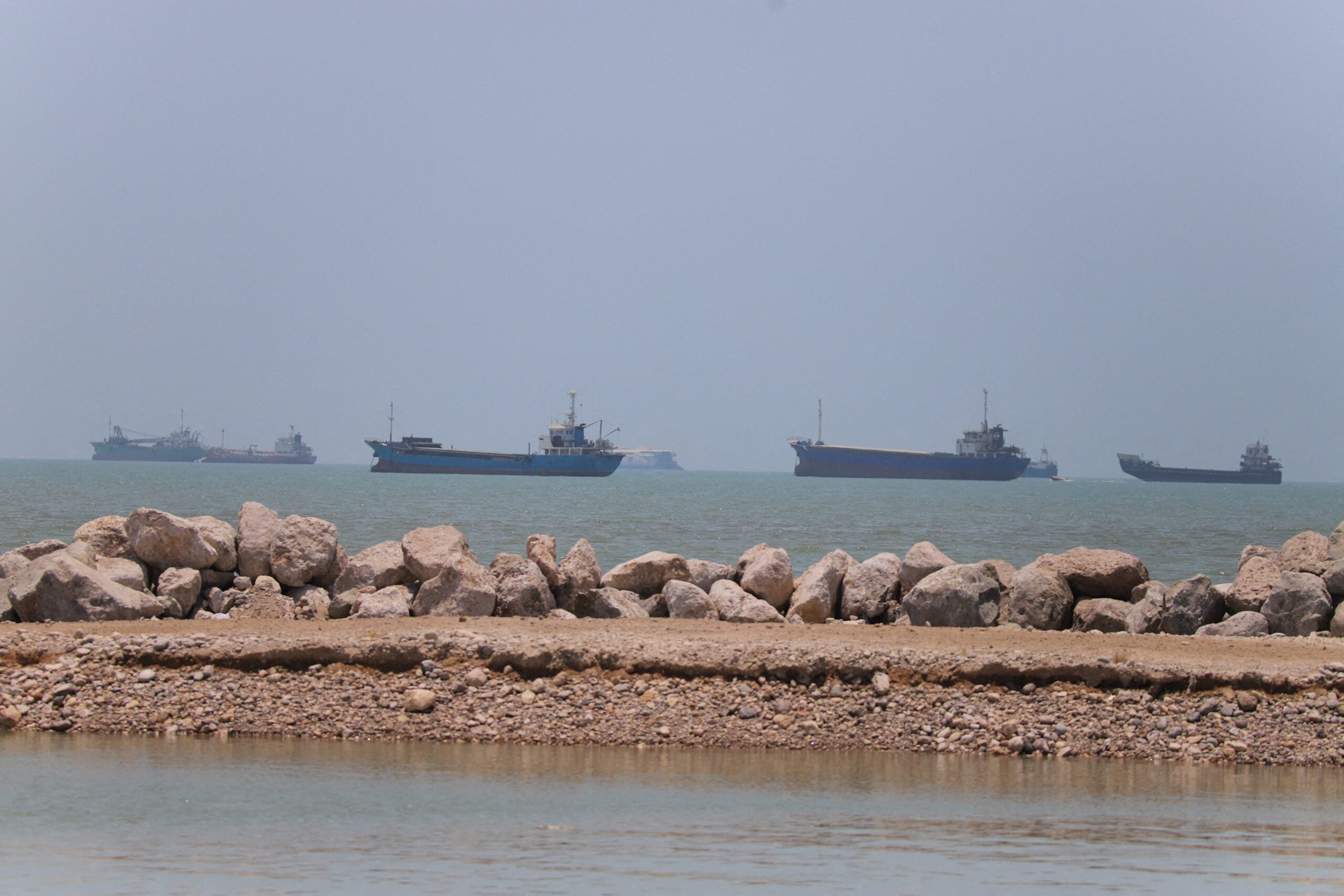
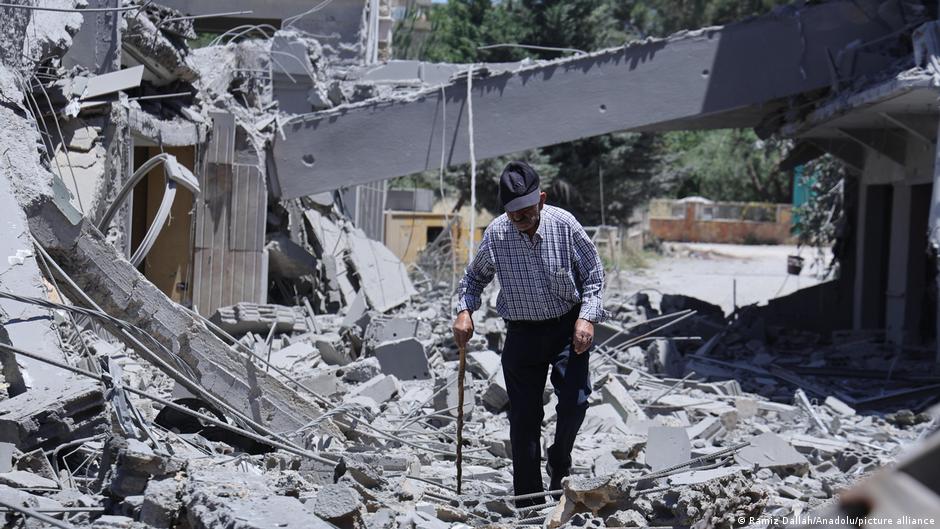
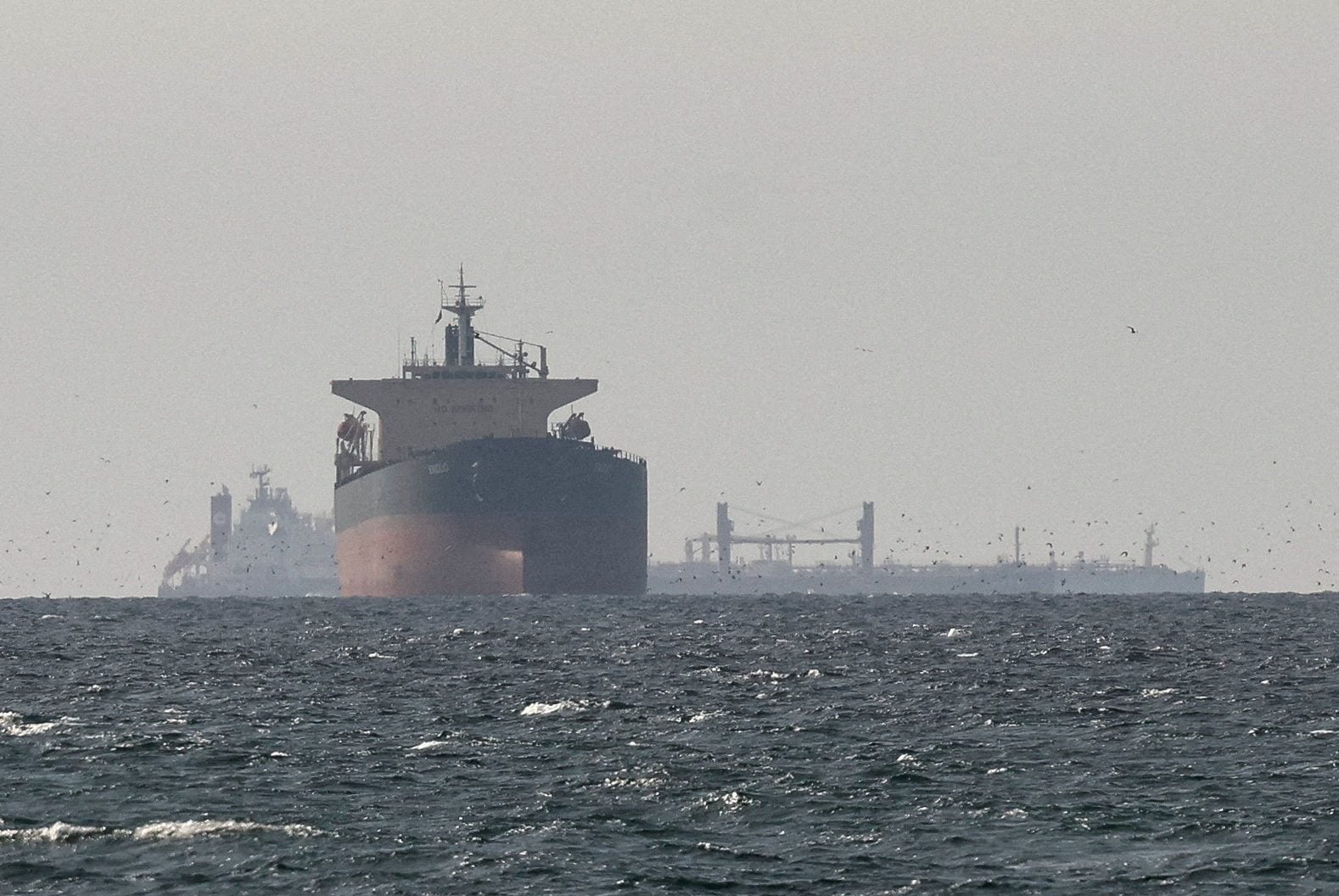
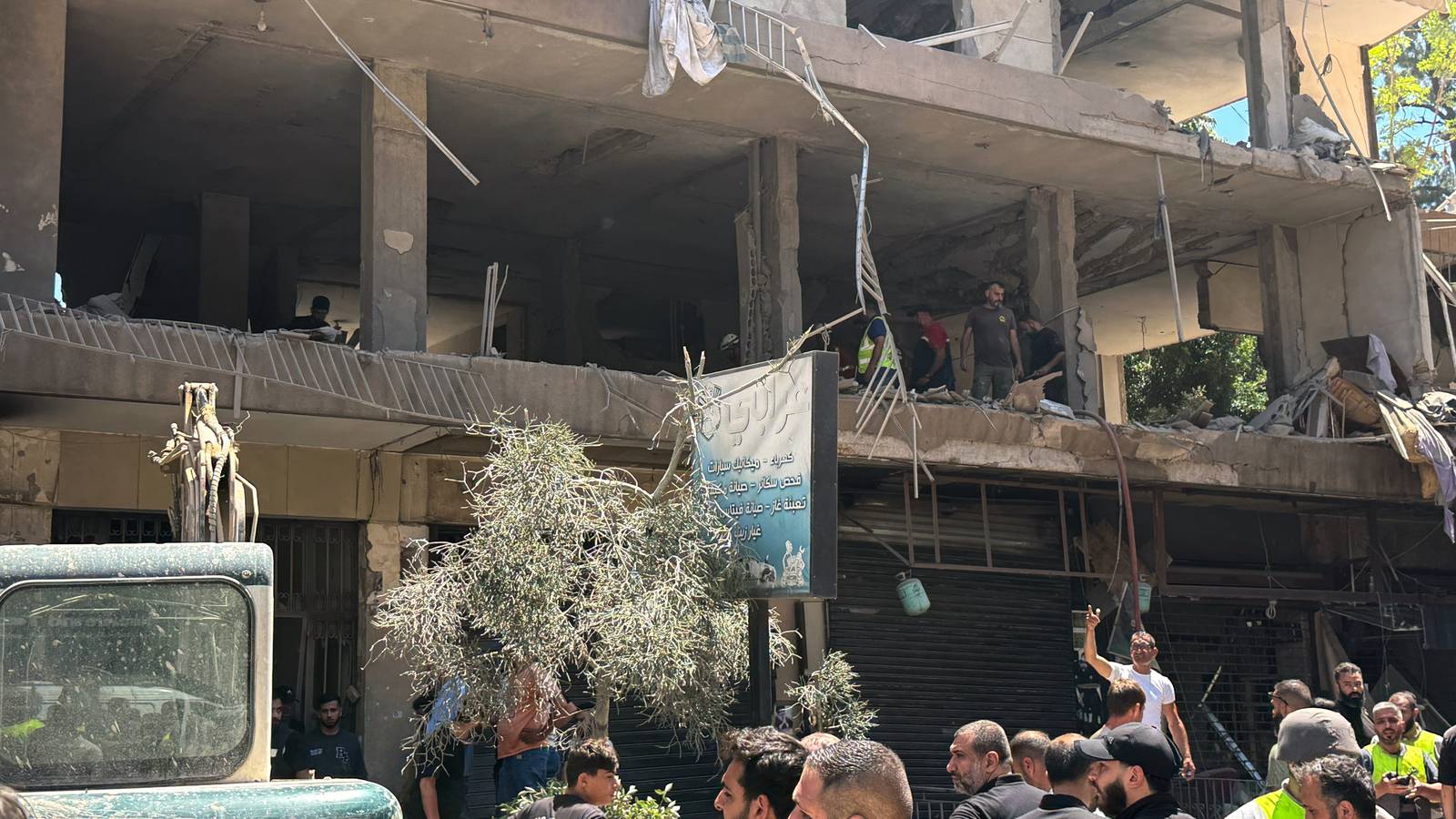
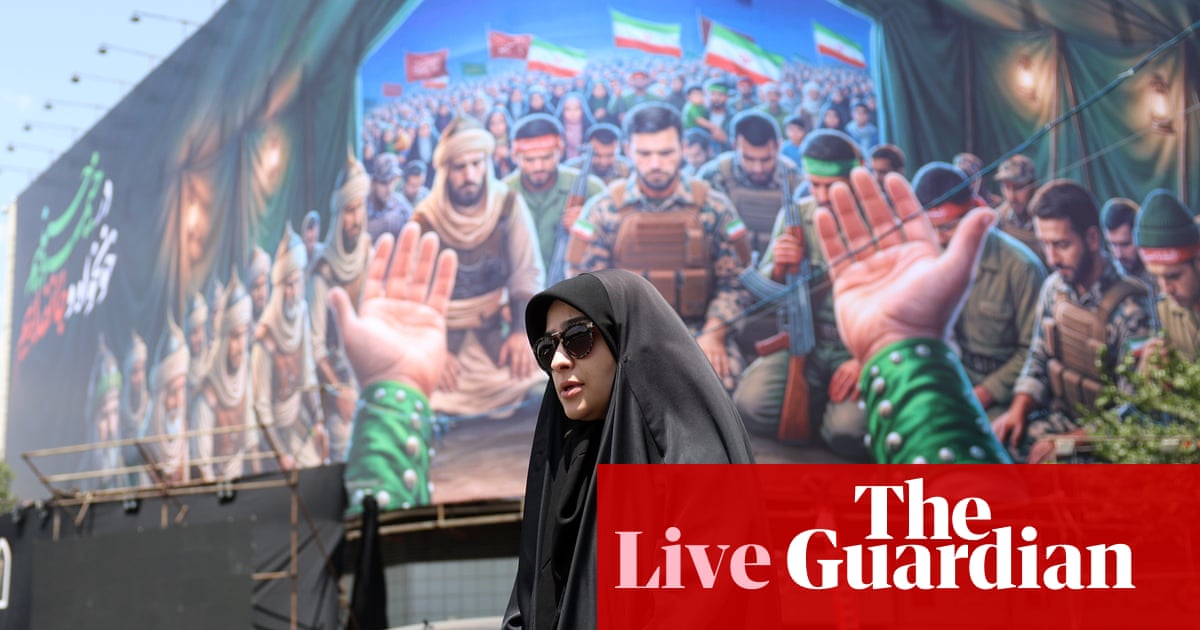
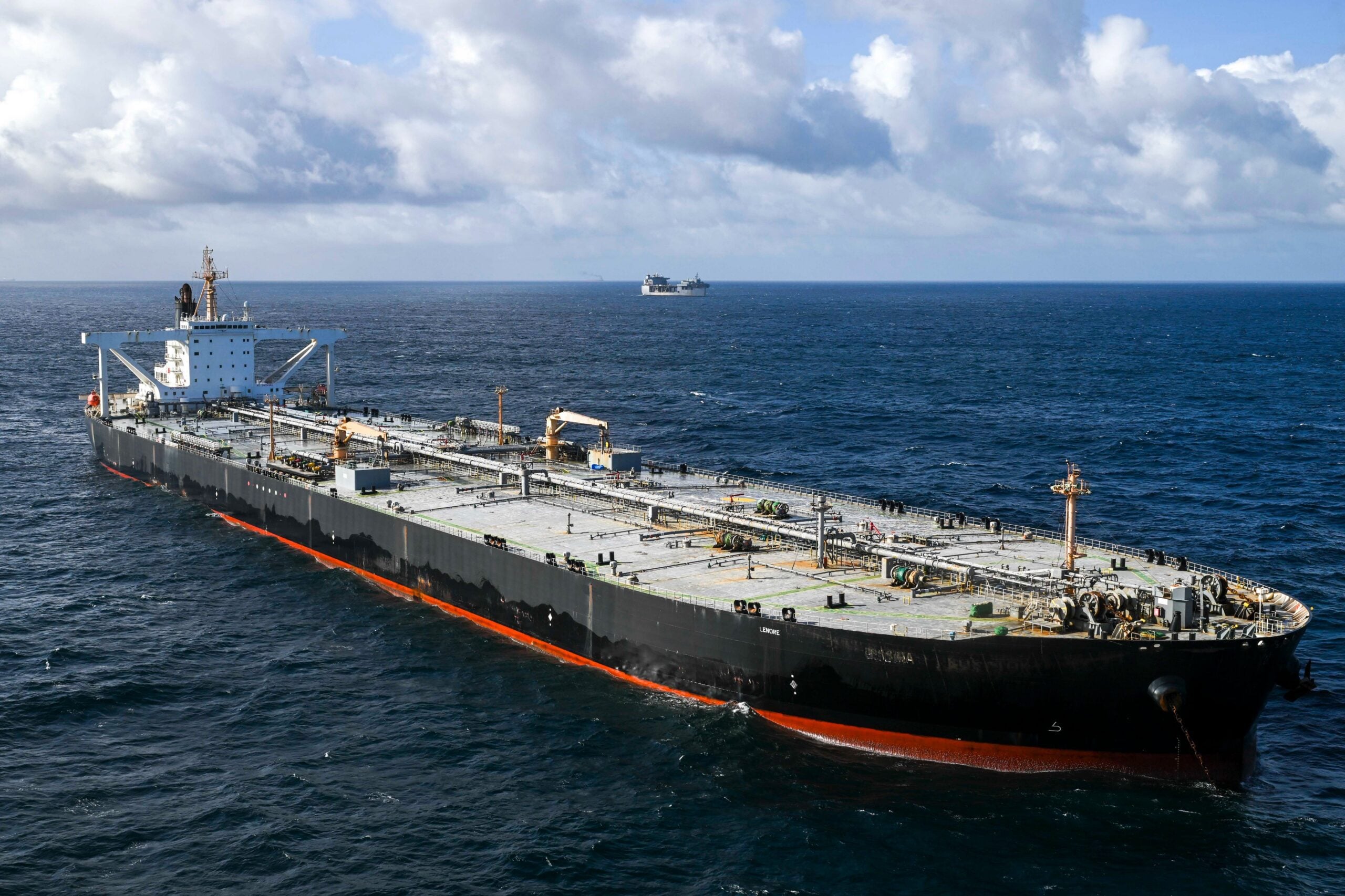
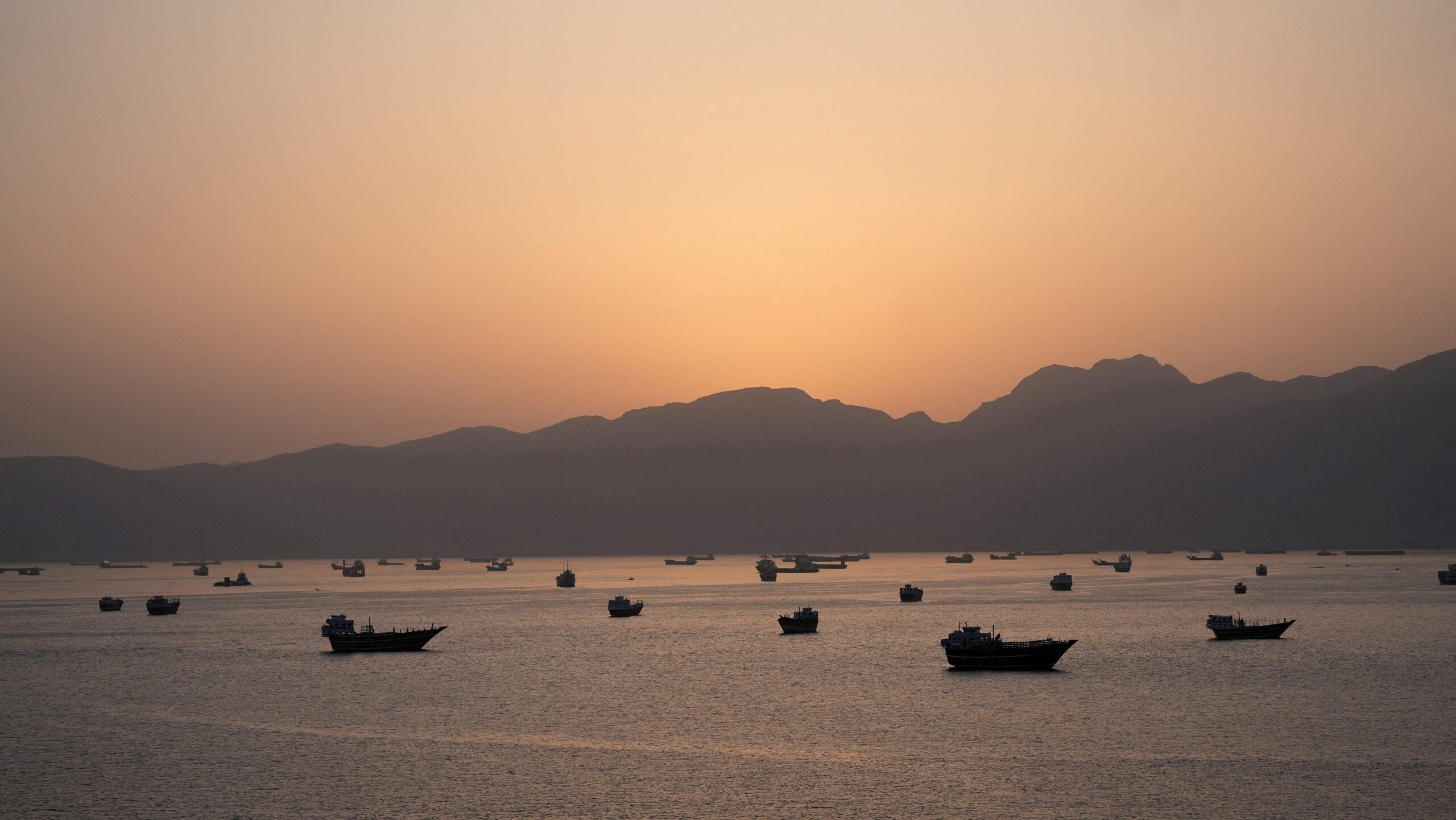
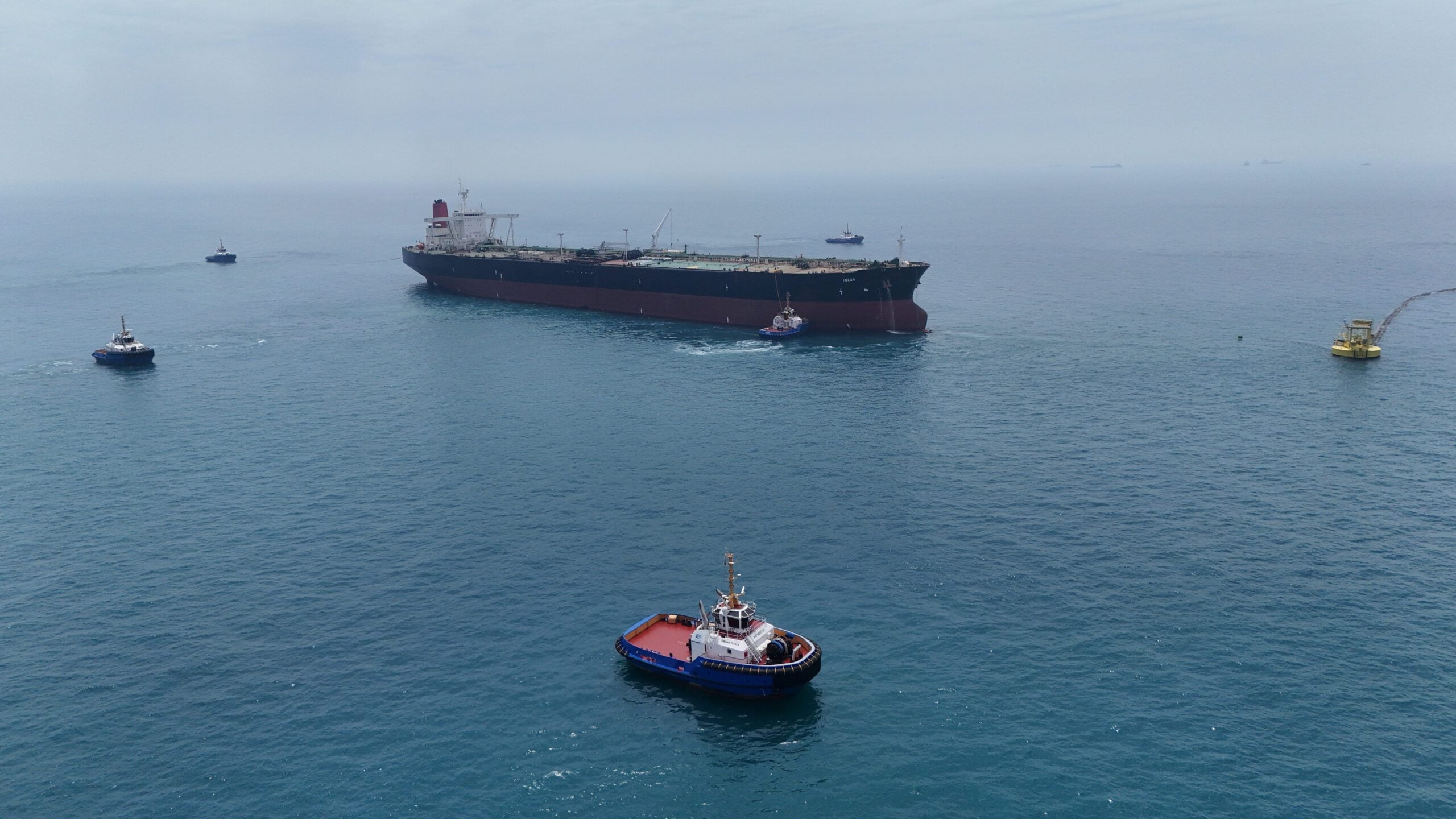
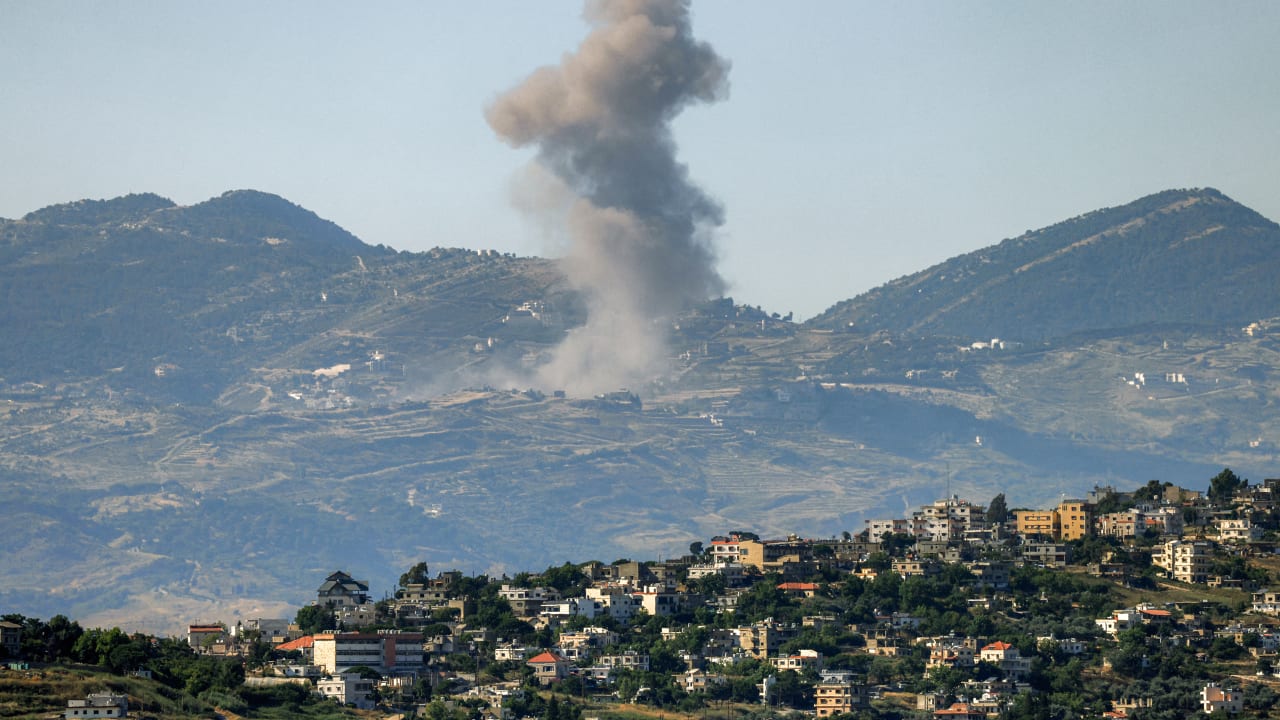
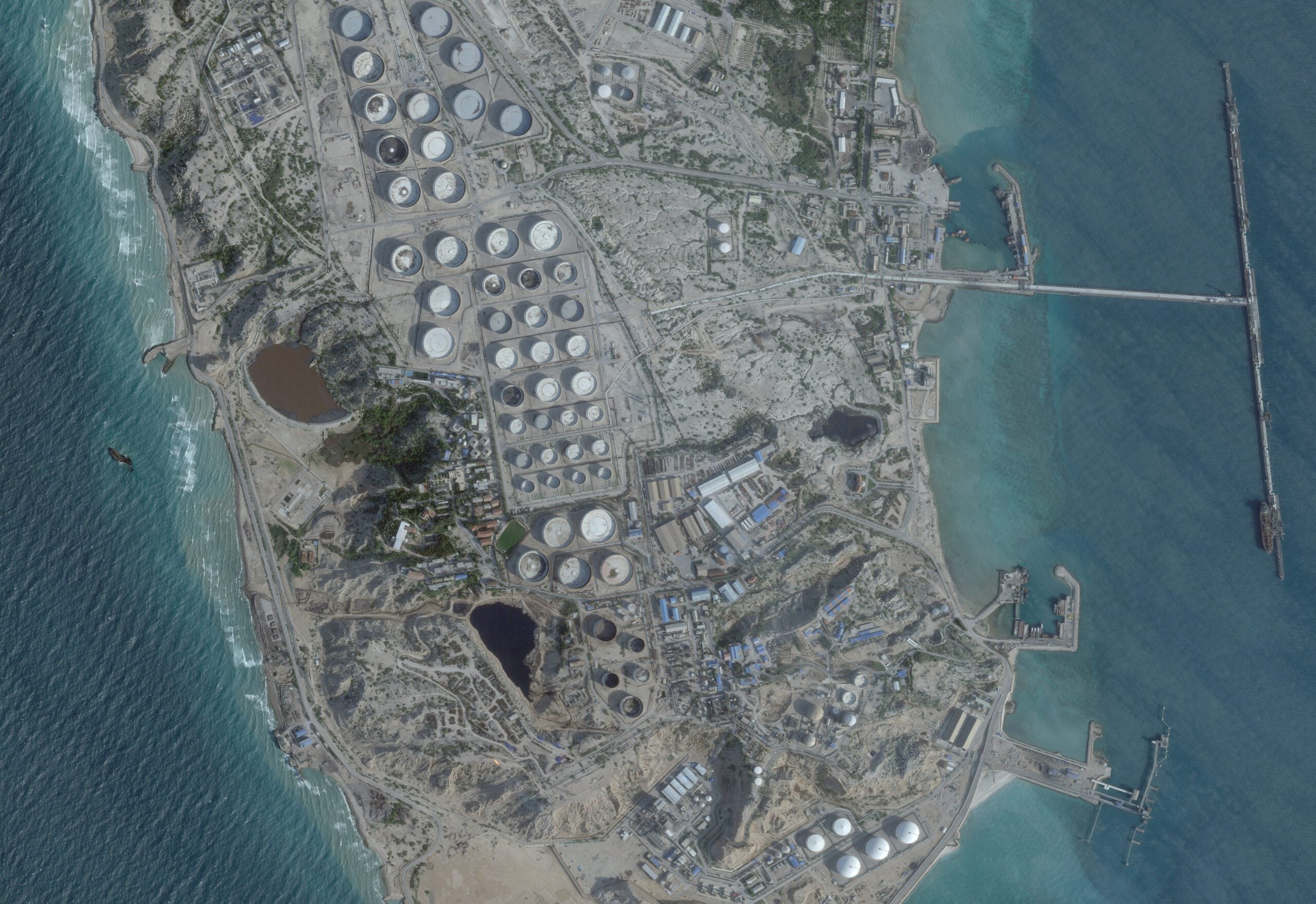
Washington and Tehran announced and began implementing an MoU with a 60‑day window for further negotiations, with US statements expecting a complete ceasefire across fronts including Lebanon, and Iran dispatching a negotiating team to Switzerland. Hezbollah publicly linked any final US, Iran deal to an Israeli pullout from Lebanon, while Israel’s defence minister rejected withdrawal, and Israeli strikes on Hezbollah targets in Beirut on 14 June were followed by rocket fire and clashes in southern Lebanon with contested casualty reporting. Iran’s military declared the Strait of Hormuz closed in response to Israeli actions in Lebanon and warned it would remain closed until conditions are met, while the US military said the waterway remained open and US forces were monitoring it; maritime advisories said ships could use the southern route with signals on and reported a traffic surge. Iran issued guidance requiring permits and Iranian‑approved insurance for Hormuz passage, and indicated ships would be charged after 60 days, even as Iranian oil loadings at Kharg resumed and multiple tankers departed Chabahar. Humanitarian pressure on Israel persisted over Gaza access restrictions and rising violence in the West Bank. Oil prices fell on the prospect of returning supply, but mine warnings near Oman and mixed security assessments kept shipping risks in view.
Key judgments
- There is a roughly even chance the Strait of Hormuz remains open to most commercial traffic in the near term, but under Iranian‑declared controls and elevated risk, given competing Iranian and US claims and the emergence of permit and insurance requirements. (Confidence: low · ASSESSED)
- I&W: CONSISTENT AIS‑visible tanker flows via the southern corridor with JMIC maintaining a moderate or lower threat rating. (0-14 days)
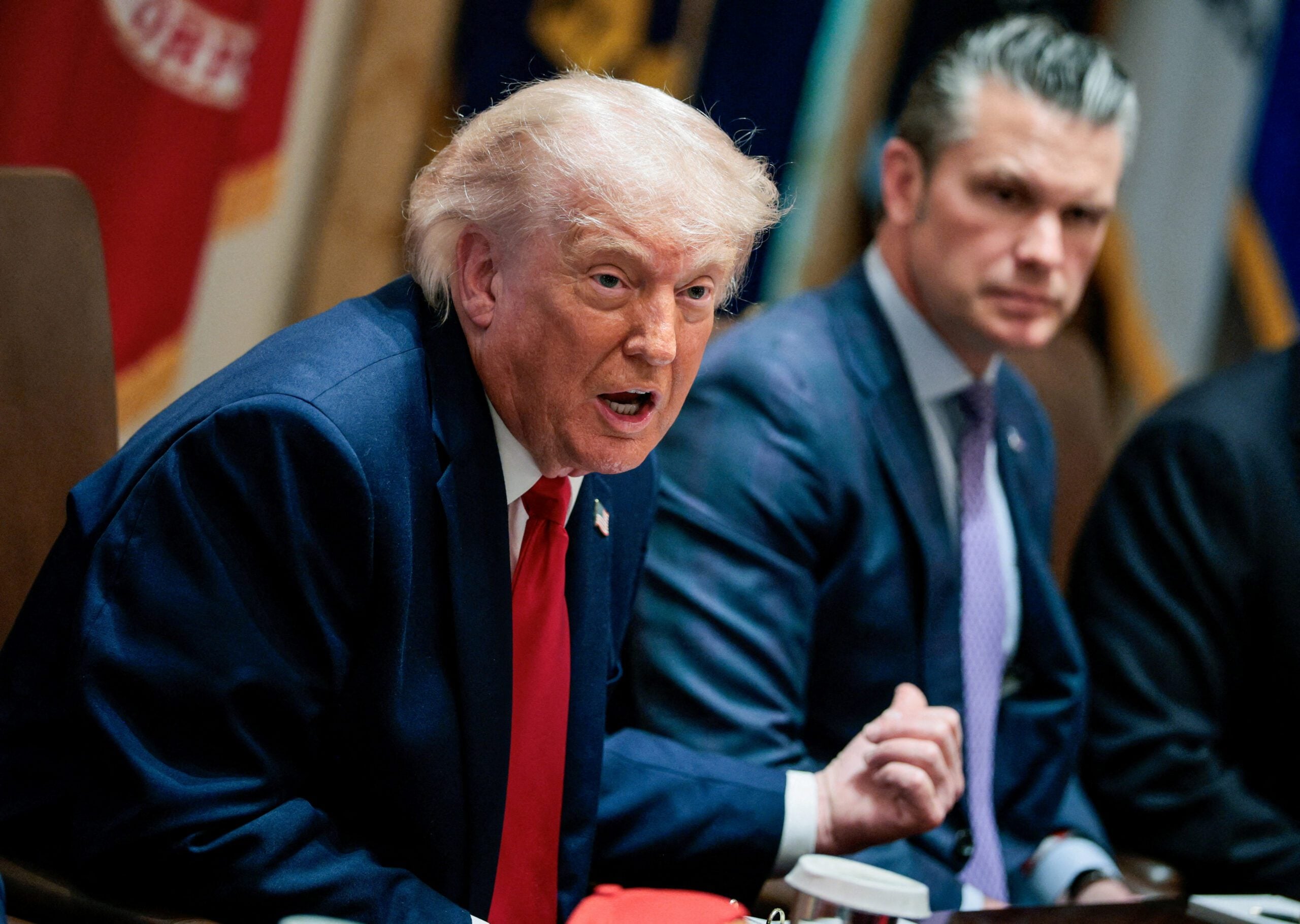
- I&W: BREAK: Publicised IRGC Navy detentions or turn‑backs of non‑Iranian tankers transiting Hormuz, or new maritime advisories warning of effective closure. (0-14 days)
- Israel, Hezbollah hostilities likely continued despite US expectations of a complete ceasefire, including Israeli strikes on Hezbollah targets in Beirut on 14 June, Hezbollah rocket launches and interceptions, and ground clashes reported in southern Lebanon, with casualty figures contested. (Confidence: medium · REPORTED)
- I&W: CONFIRM: Additional IDF‑announced strikes in Lebanon or Hezbollah‑claimed launches reported within the theatre. (0-14 days)
- I&W: BREAK: Verified halt to cross‑border fire with no launch or strike claims from either side. (0-14 days)
- The US, Iran diplomatic track is active, but implementation in Lebanon is very likely to remain contested as Hezbollah links any final deal to an Israeli pullout and Israel’s defence minister rejects withdrawal. (Confidence: medium · ASSESSED)
- I&W: CONFIRM: Public readout from Bürgenstock talks referencing concrete steps on the Lebanese front. (1-3 months)
- I&W: BREAK: Israeli government statements reiterating refusal to withdraw paired with intensified operations in Lebanon. (0-14 days)
- Threats to US‑linked targets and commercial operations in the UAE and adjacent waters are likely to remain elevated despite the MoU, given Iran’s stated intent to target US‑associated locations, mine warnings near Oman, and aviation and travel advisories. (Confidence: high · ASSESSED)
- I&W: CONFIRM: Additional mine or attack warnings near Hormuz or reported interdiction plots against US‑linked sites in the UAE. (0-14 days)
- I&W: BREAK: Downgrade of official US travel or aviation advisories for the UAE and adjacent airspace. (1-3 months)
- Humanitarian pressure on Israel is likely to intensify as aid access to Gaza remains constrained by dual‑use restrictions and fatalities mount, alongside rising civilian violence in the West Bank. (Confidence: medium · ASSESSED)
- I&W: CONFIRM: Continued official calls to lift restrictions or new casualty reporting from Gaza and the West Bank. (0-14 days)
- I&W: BREAK: Israeli announcements opening additional crossings or easing dual‑use controls for humanitarian consignments. (1-3 months)
- Gulf oil supply will likely increase over the next 1-3 months, exerting downward pressure on prices, although Iran’s emerging permit and insurance regime for Hormuz transits could still cause episodic friction. (Confidence: medium · ASSESSED)
- I&W: CONFIRM: Additional loadings from Kharg or Chabahar and continued visible tanker departures. (0-14 days)
- I&W: BREAK: Reported delays or diversions tied to PGSA permit or insurance denials impacting non‑Iranian tankers. (0-14 days)
Outlook & scenarios
Fragile implementation holds (55%)
Talks at Bürgenstock proceed under the MoU’s 60‑day window. Maritime traffic keeps using the southern Hormuz route with signals on, oil shipments rise, and prices soften. Low‑level Israel, Hezbollah exchanges persist but without a major escalation as Washington and Tehran press for compliance and messaging discipline.
Permit‑and‑insurance friction without closure (45%)
Iran’s PGSA permit and insurance regime becomes the de facto gatekeeper for Hormuz, creating processing delays and intermittent disputes. Shipping adapts but faces higher compliance costs and occasional detentions. The US maintains monitoring and public messaging that the strait is open while industry navigates inconsistent rules.
Lebanon, Hormuz escalation spiral (25%)
Further Israeli strikes in Lebanon and Hezbollah retaliation trigger Iranian enforcement attempts at Hormuz consistent with earlier closure statements. New mine reports or turn‑backs spook traffic and briefly reduce non‑Iranian transits. Oil prices rebound as security premiums rise and MoU implementation stalls.
Recommendations
- Establish a daily cross‑check of Hormuz status by fusing naval advisories, JMIC updates, and commercial routing guidance on the southern corridor; flag any PGSA‑related permit or insurance denials impacting non‑Iranian tankers for immediate warning.
- Task a watch on the Bürgenstock track for concrete readouts that reference Lebanon and monitor Israeli cabinet and defence statements for signals on withdrawal or expanded operations.
- Maintain elevated security posture reviews for US‑linked facilities and personnel in the UAE, aligning travel and aviation risk with current advisories and mine reports near Oman.
- Track Iranian oil loadings and tanker departures from Kharg and Chabahar against price moves to anticipate market swings; prepare rapid briefs for policymakers if price declines reverse on new security incidents.
- Monitor humanitarian access indicators in Gaza and official calls to lift dual‑use restrictions; prepare stakeholder maps of likely diplomatic pressure on Israel if access does not improve.
Confidence & uncertainty
Overall confidence is low because core elements are contested by credible but conflicting sources. Iran’s military and the IRGC state the Strait of Hormuz is closed or will remain closed until conditions are met, while the US military and maritime guidance state the waterway remains open and traffic has surged, and new Iranian permit and insurance rules add ambiguity. Reporting on the Lebanon front is robust but casualty numbers and ceasefire adherence claims differ. Although several items draw on official government and major media outlets, the contradictions, mixed timelines, and policy statements with uncertain implementation reduce corroboration and raise uncertainty. A higher confidence level would require consistent multi‑source confirmation on Hormuz status and verified de‑escalation on the Israel, Hezbollah front.
Alternative analysis (red cell)
An alternative, defensible reading of the evidence is that the Strait of Hormuz remains functionally open to commercial traffic in the near term, with Iranian declarations and administrative measures raising political and commercial risk but not producing verified interdictions. Multiple claims report continued transit, U.S. military statements that the strait remained open, and market signals (traffic surge reports and falling prices) inconsistent with an effective closure. Until independent maritime tracking and insurer/port confirmations show enforced interdiction, the weight of reporting supports continued, if riskier, passage rather than an even chance of closure.
Cited sources
[1] gcaptain.com · Iran Says Hormuz Has Been Closed But Sends Team For Swiss Talks (B) · sha256:bfc782349054 [2] gcaptain.com · Iran’s New ‘Toll by Insurance’ Raises Stakes in Strait of Hormuz (B) · sha256:a4bc4278fdcc [3] gcaptain.com · US Forces Monitoring Strait Of Hormuz To Ensure It Stays Open (B) · sha256:7298e3125055 [4] gcaptain.com · Ships Told They Can Use South Hormuz Route With Signals On (B) · sha256:7650c853f780 [5] gcaptain.com · Iran Asserts Control Over the Strait of Hormuz (B) · sha256:693f3513d5fb [6] The Guardian · Oil prices fall after peace deal signed – as it happened (A) · sha256:5dafd01f09d0 [7] Los Angeles Times · Israel strikes Beirut suburbs in run-up to anticipated U.S.-Iran deal - Los Angeles Times (A) · sha256:8e4a28820027 [8] military.com · Israeli Military Strikes Beirut Suburbs in the Lead-up to Anticipated US-Iran Deal (B) · sha256:068c303f4b44 [9] dw.com · US, Iran, Hezbollah spar over murky terms of ceasefire deal (A) · sha256:be3edeb17538 [10] The Guardian · Middle East crisis: Trump says US expects ‘complete ceasefire on all fronts, including Lebanon, Hezbollah and Israel’ – as it happened (A) · sha256:04bf55a4575f [11] The Jerusalem Post · Live Updates: Latest from Israel, Iran, and Middle East | The Jerusalem Post (A) · sha256:148c08cf5493 [12] U.S. Congressman Joaquin Castro · Castro Statement on U.S.-Iran Memorandum of Understanding | U.S. Congressman Joaquin Castro (A) · sha256:c75b6a0ad417 [13] Geopolitical Futures · The Tension Between the Geopolitical and the Political in the Iran War - Geopolitical Futures (C) · sha256:5adb3ace22cf [14] cbsnews.com · Live Updates: JD Vance heads to Switzerland to accelerate peace talks as Iran threatens to close Strait of Hormuz (A) · sha256:668e008e04cb [15] deccanherald.com · Iran, US-Israel War Live Updates | Vance lands in Switzerland to launch talks with Iran (B) · sha256:843832a0f7df [16] CNN · اتفاق إنهاء الحرب بين أمريكا وإيران.إليكم أحدث التطورات وموقف إسرائيل (A) · sha256:bf83c7b773bf [17] U.S. Department of State · United Arab Emirates Travel Advisory (A) · sha256:7a0c71f2991b [18] UK Government · We urge Israel to immediately remove unjustifiable restrictions on humanitarian access: UK statement at the UN Security Council (A) · sha256:2b923f1dd46a [19] gcaptain.com · Oil Shipments Rise in Hormuz Although Questions Grow Over Iran's Transit Terms (B) · sha256:194bc96c5166 [20] gcaptain.com · Iran Resumes Kharg Island Oil Loadings After US Blockade Lifted (B) · sha256:b788815656f7 [21] gcaptain.com · More Than 20 Million Barrels Leave Iran as Post-War Oil Trade Reawakens (B) · sha256:9e402fb06612
Source content hashes were computed at collection time; the cited text is preserved unmodified for the life of this product.
Red cell review: PARTIAL DISSENT
TLP:CLEAR