TLP:CLEAR · Disclosure is not limited.
Middle East SITREP: Contested Hormuz reopening, volatile Lebanon front, and a fragile U.S., Iran pause
Time window: Last 7 days · Audience: General analyst · Type: Situation report · DTG: 2026-06-25 12:17Z · Overall confidence: MEDIUM
BLUF
Shipping through the Strait of Hormuz is likely operating under controlled, temporary routing rather than fully closed, while fighting in southern Lebanon remains active despite reported halt-of-fighting claims. The Islamabad Memorandum and subsequent deal announcements have paused direct U.S., Iran exchanges but remain unsettled and reversible.
Executive summary
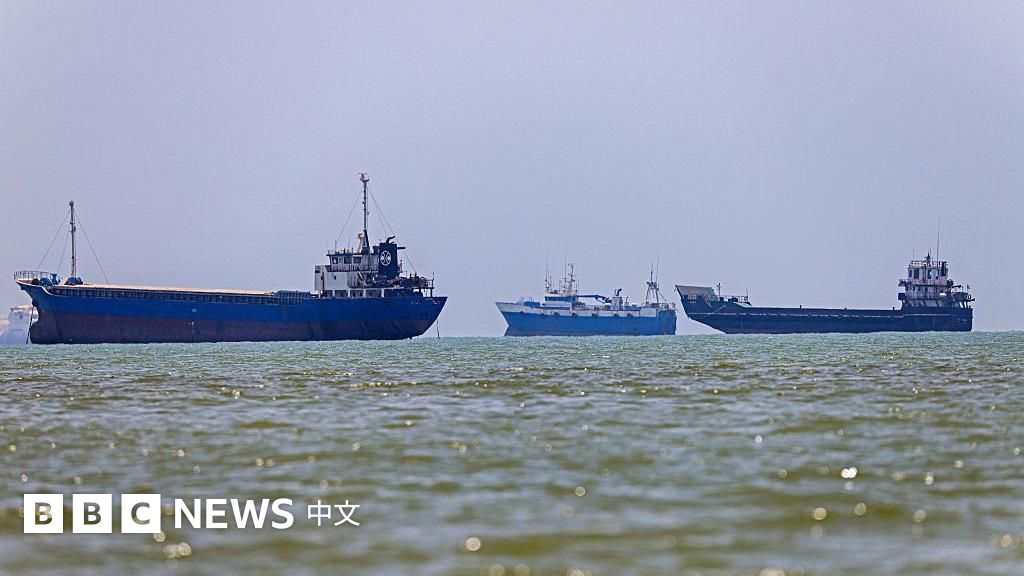
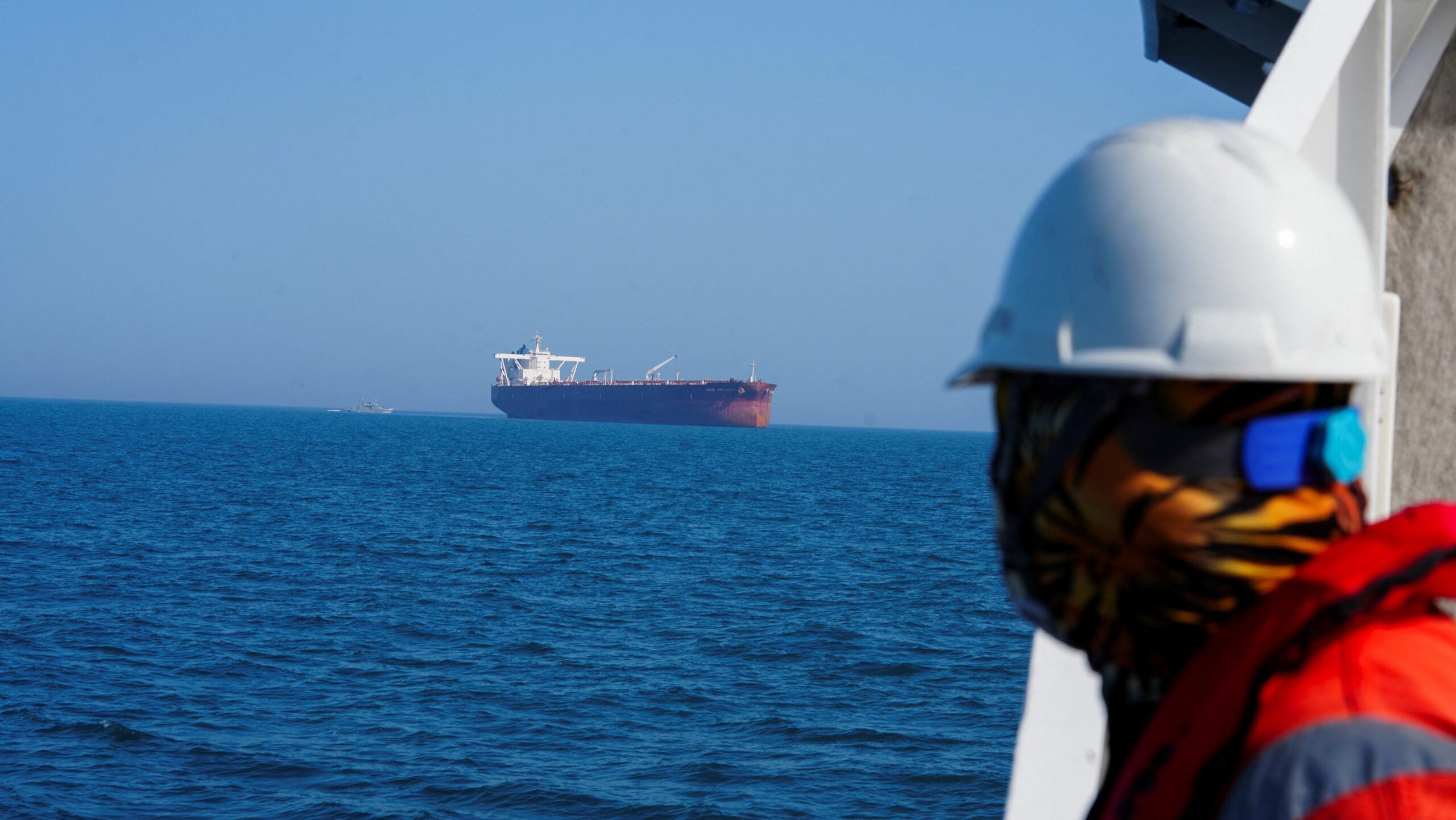
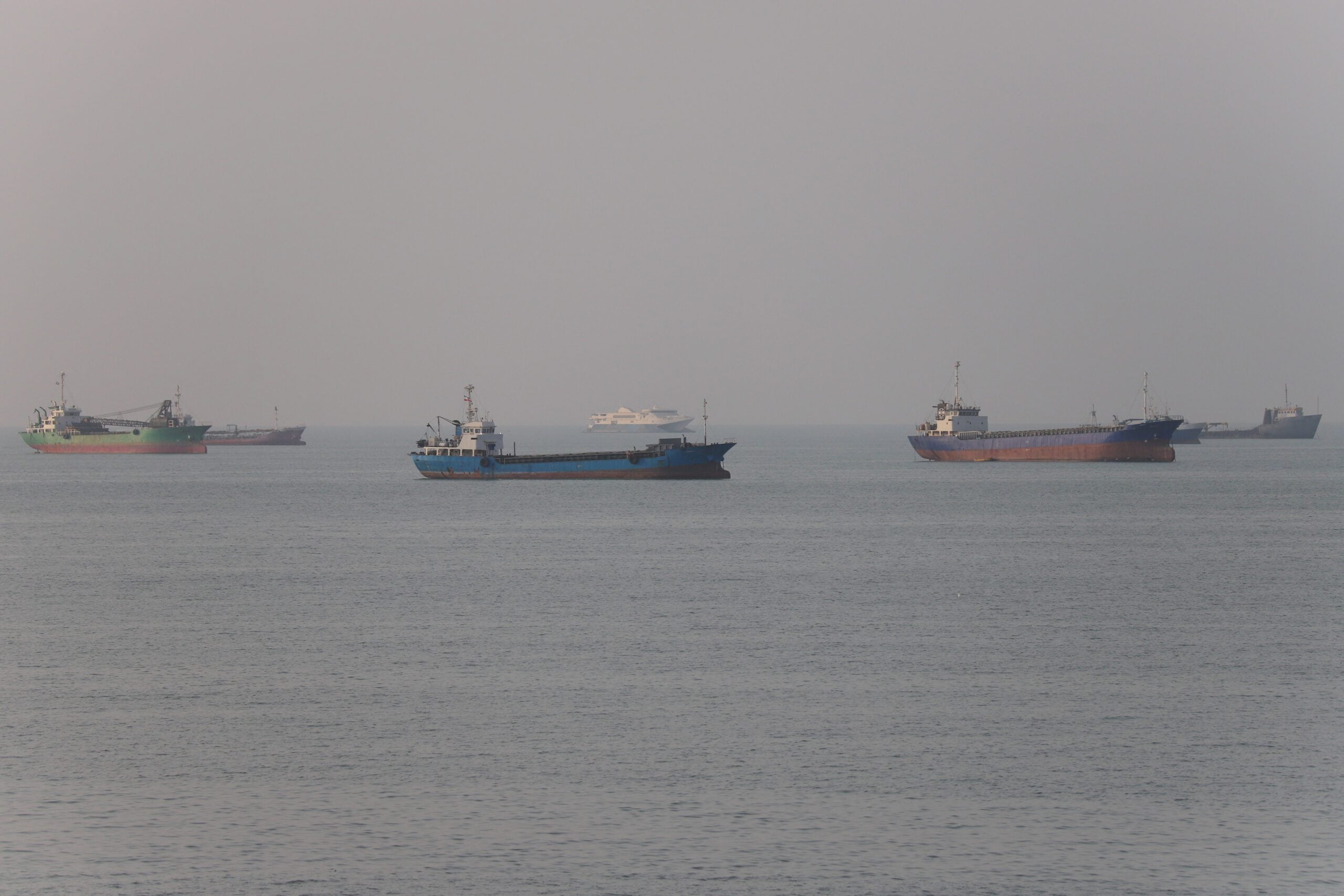
Iran and the United States announced a framework to end hostilities, including the Islamabad Memorandum and a subsequent deal announcement, with stated two‑month toll‑free shipping and Omani‑designated temporary routes. Iran has simultaneously claimed to have shut the Strait of Hormuz, while the IMO has instructed thousands of stranded vessels to await contact and begun planning large‑scale seafarer evacuations. Traffic data and official statements indicate commercial transits are still occurring, and a UK mine countermeasures force has deployed, but the Strait’s traditional traffic scheme remains unusable due to reported mines. In Lebanon, Israeli forces continue strikes on Hezbollah targets and vow to remain in the south, with lethal incidents reported on 20 June and claims of ceasefire violations. The humanitarian toll spans Israel, Lebanon and U.S. forces. Risk to civil aviation and personnel in the UAE remains elevated amid official advisories and explicit Iranian threats.
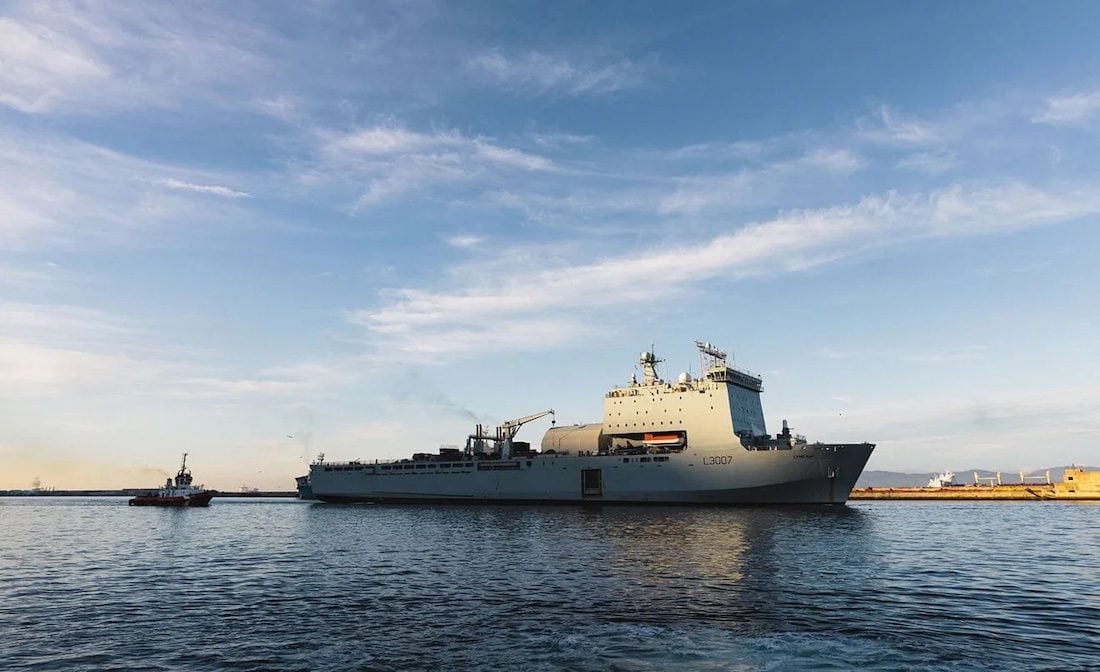
Key judgments
- It is likely the Strait of Hormuz is partially open under controlled, temporary routing rather than fully closed. (Confidence: medium · ASSESSED)
- I&W: UKMTO or MICA publishes routine convoy windows and daily summaries recording 50+ commercial transits. (0-14 days)
- I&W: Oman withdraws its temporary corridor or issues a notice closing designated routes. (0-14 days)
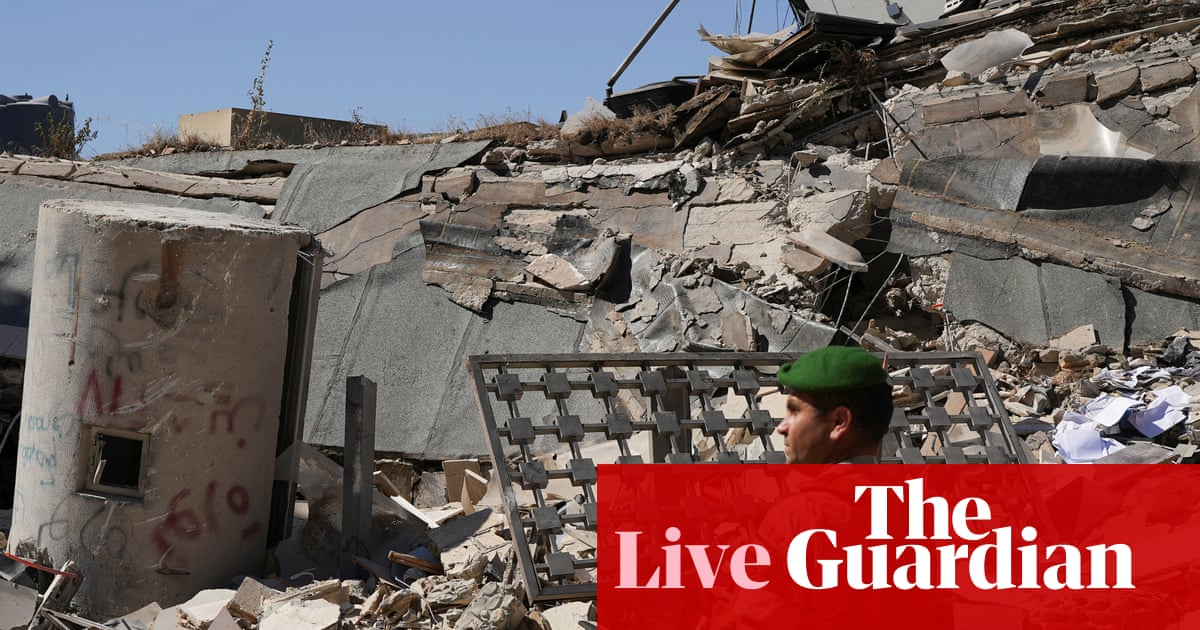
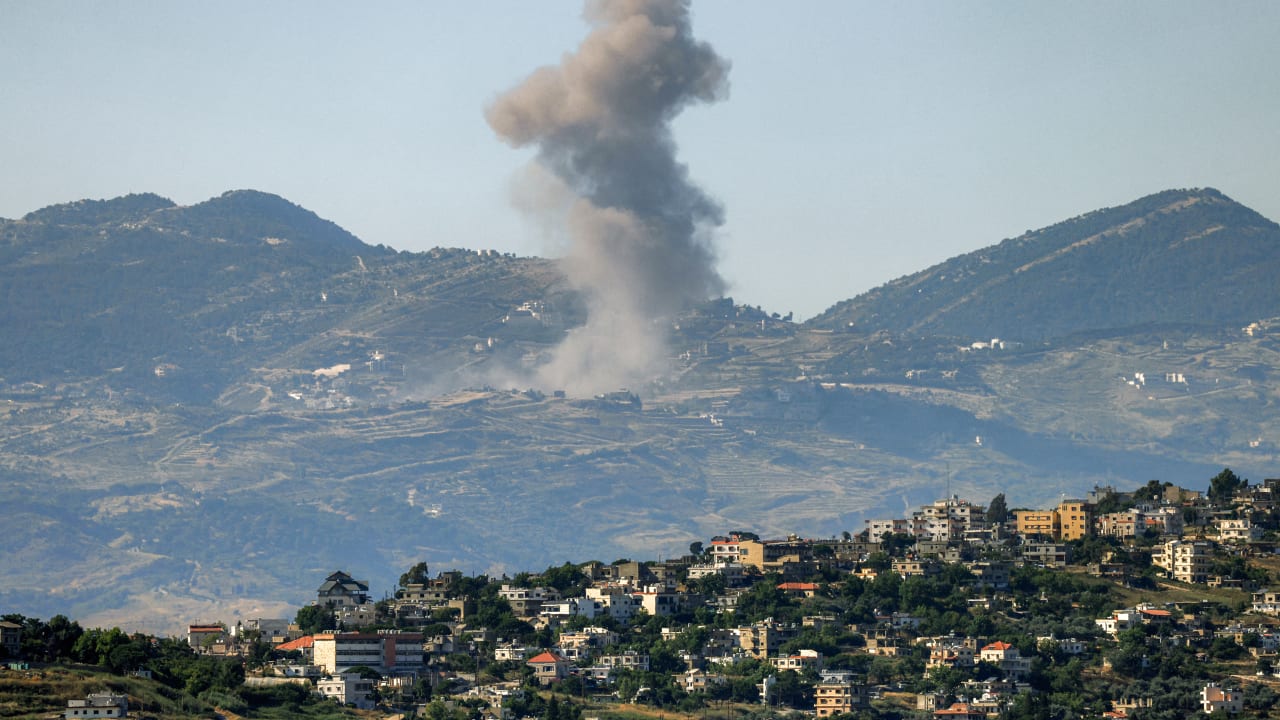
- Israeli operations in southern Lebanon are likely to persist at a high tempo, with recurrent lethal strikes and continued targeting of Hezbollah infrastructure. (Confidence: medium · ASSESSED)
- I&W: Daily IDF communiqués detailing new strikes in Nabatiyeh and adjacent districts. (0-14 days)
- I&W: A mutually acknowledged ceasefire announcement followed by 72 hours without reported cross‑border fire. (0-14 days)
- There is a roughly even chance that the reported halt‑of‑fighting in southern Lebanon will hold in the near term, given immediate violation claims and continued exchanges. (Confidence: medium · ASSESSED)
- I&W: Joint or parallel statements by Israel and Hezbollah reaffirming a halt and verification by UN or national authorities. (0-14 days)
- I&W: Public reports of fresh strikes with fatalities in southern Lebanon within 48 hours of any ceasefire claim. (0-14 days)
- Large‑scale U.S., Israeli strikes on Iran on 28 February and subsequent Iranian missile and drone retaliation almost certainly occurred, and the risk of renewed exchanges remains if proxy activity continues. (Confidence: high · REPORTED)
- I&W: Official announcements of new U.S. or Israeli strikes inside Iran, or Iranian missile and drone launches at Israel or U.S. bases. (0-14 days)
- I&W: Public statements from Washington and Tehran confirming a suspension of offensive operations for at least 30 days. (1-3 months)
- It is likely the Islamabad Memorandum and subsequent deal announcements have created a fragile pause and a two‑month toll‑free shipping window, but the framework is not final and faces disputes over scope and compliance. (Confidence: medium · ASSESSED)
- I&W: Publication of an implementation plan detailing inspection, shipping arrangements and verification timelines under the memorandum. (1-3 months)
- I&W: Tehran announces tolls or a renewed closure of Hormuz despite the memorandum’s terms. (0-14 days)
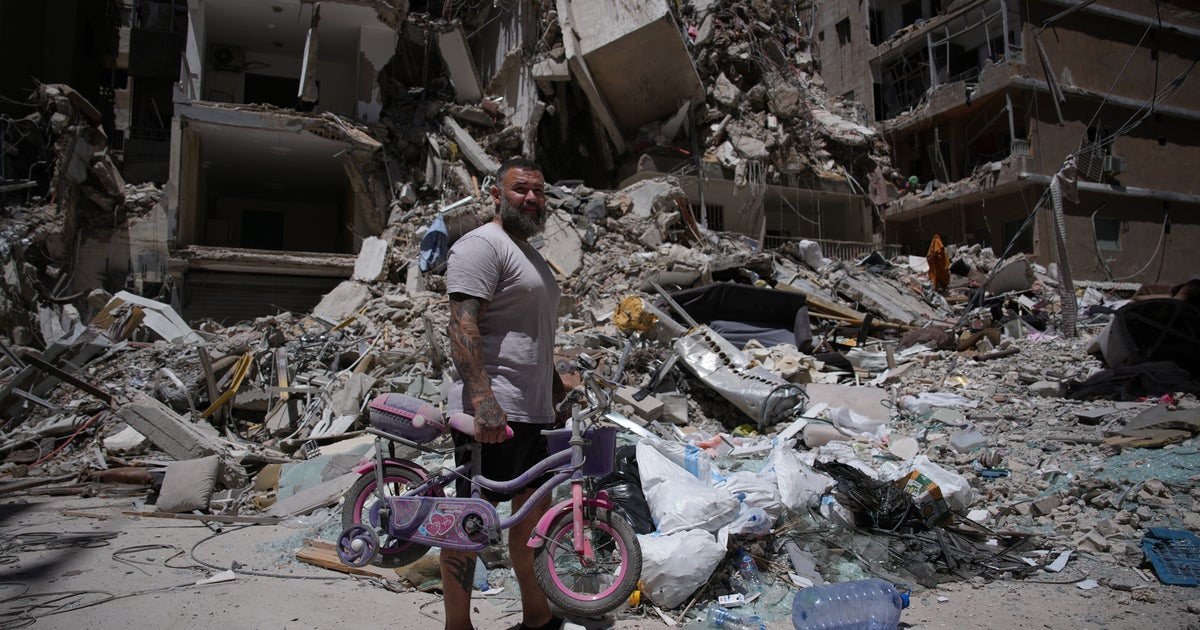
- Conflict‑related casualties and displacement across Israel and Lebanon remain high and are very likely to grow if fighting persists. (Confidence: high · REPORTED)
- I&W: Daily casualty tallies from Lebanese and Israeli authorities show sustained fatalities and injuries. (0-14 days)
- I&W: Verified ceasefire adherence accompanied by declining casualty reports for one week. (0-14 days)
- The threat environment in the United Arab Emirates remains elevated, with official warnings, a prior ordered departure of U.S. staff, and explicit Iranian threats to target U.S.‑linked sites. (Confidence: high · REPORTED)
- I&W: Public claim or attempt by Iran or aligned actors to target U.S.‑associated facilities in the UAE. (0-14 days)
- I&W: Revision of U.S. travel advisory levels or FAA NOTAMs lowering risk in UAE airspace. (1-3 months)
Outlook & scenarios
Managed stabilisation: controlled lanes, fragile calm (40%)
Temporary Omani routes and the memorandum’s toll‑free window enable steady but supervised transits guided by UKMTO and MICA. Israeli activity in southern Lebanon continues at a lower tempo, with sporadic violations but no major escalation. Talks linked to the Islamabad Memorandum inch forward, though core disputes remain parked.
Lebanon flashpoint triggers renewed regional escalation (30%)
A lethal incident on the Lebanon front prompts intensified Israeli strikes and Hezbollah salvos, which Tehran frames as proxy defence. Iran announces renewed Hormuz restrictions, prompting additional Western naval activity. Shipping movements slow, casualty counts rise, and negotiations stall.
Prolonged limbo: contested narratives and ad hoc shipping (50%)
Conflicting claims over Hormuz’s status persist. Ad hoc convoys operate around mined areas while mine‑countermeasures scale up. Freight rates remain volatile. Lebanon sees intermittent spikes in violence without a durable ceasefire. The memorandum remains in force on paper but implementation is uneven.
Recommendations
- Track UKMTO, MICA and IMO notices hourly to map convoy windows, waiting areas and routing constraints, and correlate with AIS transits to validate actual Strait throughput.
- Establish a daily Lebanon battle rhythm log that fuses IDF releases, Hezbollah claims and geolocated impact reports, flagging any strike clusters near Nabatiyeh and along the Blue Line.
- Maintain a shipping risk dashboard combining insurer guidance and mine reports; watch for activation of UK mine countermeasures assets and any declaration on the Strait’s traffic scheme usability.
- Monitor the memorandum’s implementation signals, including any published inspection or shipping protocols, and set alerts for Iranian statements on tolls or closures.
- Sustain a casualty and displacement ledger for Israel and Lebanon using official tallies, and update medical capacity and evacuation needs weekly.
- For UAE posture, align travel and aviation risk assessments with State Department and FAA advisories, and monitor Iranian messaging on U.S.‑linked sites in the UAE.
- Use NASA FIRMS thermal anomaly feeds as corroborative indicators for strike intensity and new fires, cross‑referencing with reported incidents to reduce deception risk.
Confidence & uncertainty
Overall confidence is medium. Many events are corroborated by multiple credible sources, including official statements and major media, on the February strikes, Iranian retaliation, continued Israeli operations in southern Lebanon, and formal guidance for shipping and aviation. However, key elements remain contested or single‑sourced, notably Iran’s repeated claims to have shut Hormuz versus concurrent reports of vessel transits and Omani routing measures, and the status of any halt‑of‑fighting in southern Lebanon amid immediate violation claims. The diplomatic framework is acknowledged but explicitly described as not final, adding uncertainty to its durability.
Cited sources
[1] deccanherald.com · Iran, US-Israel War Highlights | We will keep 'security zone' in Lebanon as long as necessary: Israel's Netanyahu (B) · sha256:5d55af440032 [2] The Jerusalem Post · Live Updates: Latest from Israel, Iran, and Middle East | The Jerusalem Post (B) · sha256:8f6303c983bc [3] gcaptain.com · More Stranded Oil Tankers Exit Hormuz, Adding to Global Supply (B) · sha256:f90133504d9e [4] gcaptain.com · IMO Tells Ships to Stay Put, Await Instructions as Hormuz Evacuation Begins (A) · sha256:57e32fadd44a [5] BBC News 中文 · 霍爾木茲海峽:協議剛簽談判在即再度封航 美國質疑伊朗吹噓 - BBC News 中文 (A) · sha256:3f41eff5b41f [6] The Guardian · Middle East live: US-Iran peace talks underway as strait of Hormuz remains closed (A) · sha256:760cb1ac31cc [7] gcaptain.com · UK Minehunting Force Arrives in Middle East as Multinational Hormuz Mission Takes Shape (A) · sha256:618385f31fd5 [8] HuffPost · Israel And Hezbollah Agree To Halt Fighting, Officials Say, As U.S.-Iran Talks Hang In The Balance (B) · sha256:b54e0fd71f1b [9] Atlantic Council · What the US-Iran deal means for the rest of the Middle East (and beyond) (C) · sha256:5f93318fe142 [10] The Jerusalem Post · Live Updates: Latest from Israel, Iran, and Middle East | The Jerusalem Post (A) · sha256:148c08cf5493 [11] Wikipedia · Timeline of the 2026 Iran war (B) · sha256:147390bf191b [12] Wikipedia · 2025–2026 Iran–United States negotiations (B) · sha256:6b2c36232408 [13] Wikipedia · Reactions to the 2026 Iran war (B) · sha256:44a3532ec705 [14] Wikipedia · 2026 United States military buildup in the Middle East (B) · sha256:88c727704b22 [15] stutzman.house.gov · REP. STUTZMAN SUPPORTS MEMORANDUM OF UNDERSTANDING WITH IRAN (A) · sha256:06ad7cf7d486 [16] congress.gov · [PDF] Senate - Congressional Record (A) · sha256:ca4d9be48374 [17] The New York Times · 美国武力威慑未能实现目标,伊朗战争究竟取得了什么成果 (A) · sha256:647fa0481076 [18] gcaptain.com · Marine Insurers Back Hormuz Peace Deal as Trump Says Iran Seeking 'No Tolls' (B) · sha256:31a5a1b7a5de [19] Wikipedia · Hezbollah–Israel conflict (2023–present) (B) · sha256:b1aa997b56c7 [20] BBC · Thousands killed in US-Israeli war on Iran - but experts say true total may never be known (A) · sha256:7fc5f20bc9f4 [21] U.S. Department of State · United Arab Emirates Travel Advisory (A) · sha256:7a0c71f2991b
Source content hashes were computed at collection time; the cited text is preserved unmodified for the life of this product.
TLP:CLEAR