TLP:CLEAR · Disclosure is not limited.
Middle East Sitrep: Fragile Israel, Hezbollah Truce, New Lebanon Deconfliction Push, and Hormuz Traffic Rebound
Time window: Last 1 day · Audience: General analyst · Type: Situation report · DTG: 2026-06-24 09:40Z · Overall confidence: LOW
BLUF
A lethal incident in southern Lebanon and competing rules of engagement rhetoric show the Israel, Hezbollah truce is fragile as a Qatar, Pakistan-brokered deconfliction mechanism takes shape but faces Israeli resistance. Maritime flows through Hormuz are picking up under an IMO, Oman corridor plan, yet risk and costs remain elevated.
Executive summary
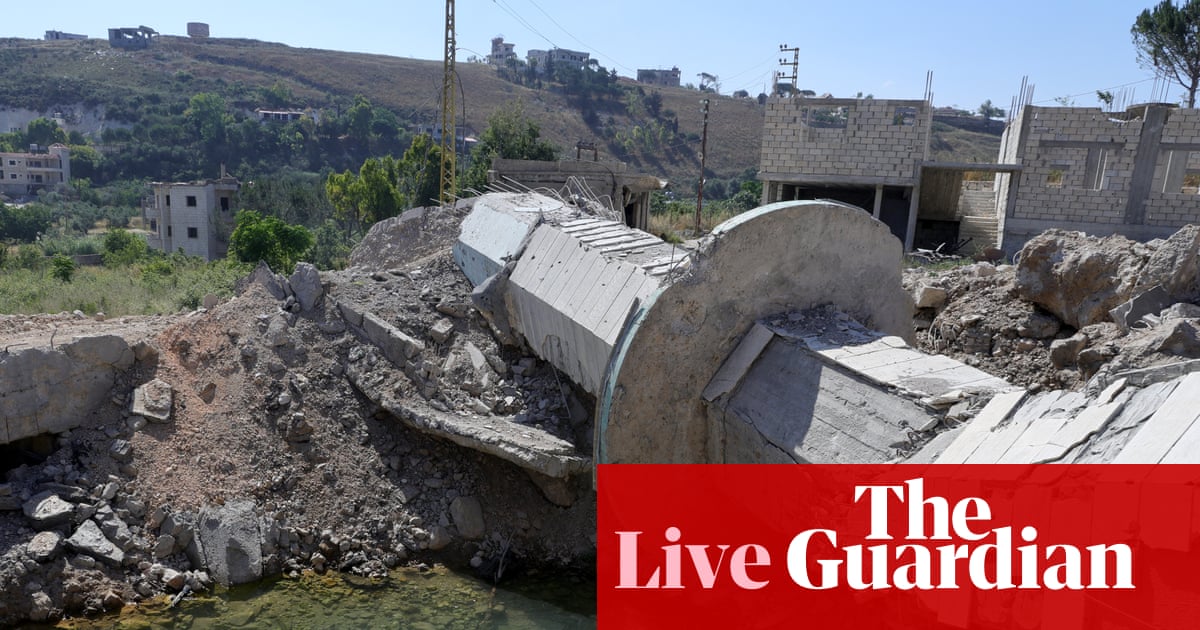
Israeli fire killed two people in southern Lebanon on 23 June, which Hezbollah branded a truce violation and the IDF framed as a response to an immediate threat, while some Israeli commanders say they are refraining from proactive strikes and the Prime Minister vows continued action. Mediators announced a Lebanon deconfliction mechanism that Iran praised and US officials promoted, but Israeli officers warned it could endanger troops and reports say the oversight format excludes Israel and narrows Israel’s response criteria. At sea, tanker traffic through the Strait of Hormuz is visibly increasing and an IMO-led evacuation and phased-group departures are being organised via an Omani corridor, with Iran committing to support safe passage. Owners still cite excessive risk and premiums remain high. Parallel US, Iran understandings are reported to be easing oil flows and prompting Iran, Oman talks on administering navigation and service costs in Hormuz, but claims of nuclear inspection terms are contested and Israeli officials signal they are not bound by these arrangements.
Change from previous assessment
Initial assessment of this topic for this run. Compared with the 23 June brief’s picture of a largely holding truce and early deconfliction, new reporting adds: a lethal 23 June incident in southern Lebanon and competing accounts of compliance, formal announcements of a Qatar, Pakistan deconfliction mechanism lauded by Iran but reportedly excluding Israel, Israeli officers’ warnings about mechanism risks, and visible steps to reopen Hormuz under an IMO, Oman plan with AIS-evident transits and an evacuation scheme. Israeli and Lebanese delegations reconvened in Washington amid sharp Israeli scepticism about the broader framework.
Key judgments
- The Israel, Hezbollah truce is fragile and at risk of unravelling after Israeli fire killed two people in southern Lebanon on 23 June, which Hezbollah labelled a truce breach and the IDF described as a strike on an immediate threat, even as some Israeli commanders report refraining from proactive strikes and the Prime Minister signals continued operations. (Confidence: medium · ASSESSED)
- I&W: Hezbollah conducts and publicises retaliatory cross-border rocket or anti-tank fire within days of the 23 June incident, followed by IDF strikes not framed as immediate-threat engagements. (0-14 days)
- I&W: Lebanese Armed Forces assume control of the Tebnit tunnel compound, acknowledged by Lebanese and Israeli officials, indicating de-escalatory implementation. (1-3 months)
- The newly announced Lebanon deconfliction mechanism is likely to face Israeli resistance and have limited near-term effectiveness because it is lauded by Iran, reportedly excludes Israel, and is said to constrain Israeli rules of engagement to imminent threats, while senior IDF officers warn it could endanger troops. (Confidence: medium · ASSESSED)
- I&W: The deconfliction cell’s published participant list excludes Israel and IDF statements reaffirm non-participation or refusal to accept imminent-threat-only rules. (0-14 days)
- I&W: Joint communiqués list Israel as a participant and publish regular incident logs showing coordinated de-escalation along the Blue Line. (1-3 months)
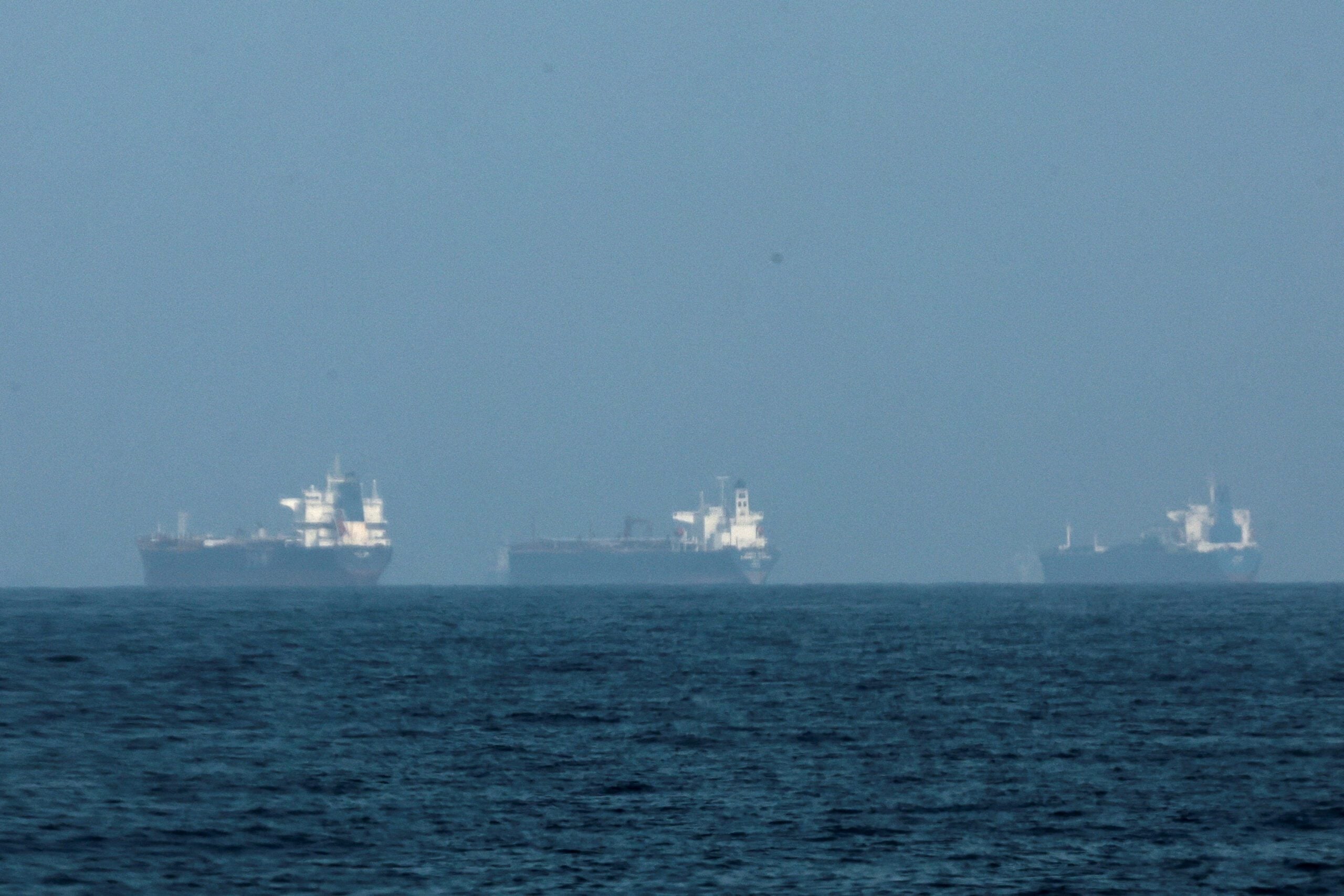
- Shipping through the Strait of Hormuz is increasing under a dual routing regime and an IMO, Oman corridor plan, but operational risk and costs remain elevated. (Confidence: medium · ASSESSED)
- I&W: UKMTO advisories initiate phased group departures and IMO reports the first convoys and seafarer evacuations departing via the Omani corridor. (0-14 days)
- I&W: Multiple tanker operators announce postponements of Hormuz transits and war-risk premiums for VLCCs remain near the reported 10 million dollar level. (0-14 days)
- Israel, Lebanon talks in Washington have resumed but aims are divergent, so only incremental steps such as deconfliction measures and symbolic repositioning are likely in the near term rather than Hezbollah disarmament. (Confidence: medium · ASSESSED)
- I&W: Announcements that the LAF will control specific sites such as the Tebnit tunnel compound or that the IDF will pull back from discrete areas north of the Yellow Line. (1-3 months)
- I&W: A joint communique sets a concrete timeline for Hezbollah disarmament in southern Lebanon. (1-3 months)
Outlook & scenarios
Fragile containment holds (50%)
Sporadic incidents continue along the Blue Line but are managed by ad hoc liaison and the emerging deconfliction mechanism. IDF commanders maintain a posture of refraining from proactive strikes while political rhetoric remains hawkish. In Hormuz, the Omani corridor and IMO-phased departures proceed, and more VLCCs signal transits on both northern and southern routes, though owners still cite elevated premiums and risk.
Breakdown on the Blue Line (35%)
A follow-on lethal incident prompts Hezbollah retaliation and sustained IDF strikes beyond immediate-threat engagements. Israeli officials reiterate they are not bound by external understandings, Washington talks stall, and the deconfliction cell fails to gain Israeli buy-in. Maritime insurers widen war-risk pricing and some owners postpone scheduled Hormuz transits.
Procedural deals, maritime normalisation (30%)
Washington talks yield limited, tangible steps such as LAF control of discrete sites and a symbolic IDF repositioning north of the Yellow Line. The Qatar, Pakistan mechanism publishes incident logs and reduces miscalculation risk. In parallel, Iran, Oman technical talks on navigation and service costs progress, and the IMO-led evacuation proceeds, supporting a steady rebound in Hormuz traffic even as inspection-related disputes remain unresolved.
Recommendations
- Maintain a daily log of Blue Line incidents with geolocation around sites cited by the IDF, including the Ali al-Taher ridge area, and cross-reference IDF and Hezbollah channels to distinguish immediate-threat engagements from proactive strikes.
- Track the Lebanon deconfliction mechanism’s membership and rules: collect official releases from Qatar and Pakistan, and code IDF statements on rules of engagement to detect acceptance or rejection trends.
- For maritime risk, set up an AIS watchlist for VLCCs and Suezmaxes signalling through Hormuz, tagging route choice by northern Iranian-controlled versus southern Omani waters, and correlate with UKMTO and IMO advisories on phased departures and evacuation movements.
- Monitor Iran, Oman working group outputs on Hormuz navigation services and costs, and capture Gulf public statements that challenge or support fee regimes to anticipate shipowner compliance and insurer pricing.
- Brief policymakers on the Washington track: flag any announcements of LAF control of specific sites or IDF symbolic pullbacks as indicators of near-term de-escalation, and alert on any communiques purporting to set a Hezbollah disarmament timeline.
- Compile weekly market notes linking observed Hormuz transits and UKMTO/IMO actions to Brent price moves and reported war-risk premium levels to support energy and shipping risk assessments.
Confidence & uncertainty
Overall confidence is low. Key developments rest on contested or politicised reporting, including differing narratives of the 23 June Lebanon incident, contradictory claims about who will participate in and shape the deconfliction mechanism, and conflicting figures on Hormuz traffic. Signals on the US, Iran track, such as nuclear inspection terms, are explicitly disputed by the parties. Maritime indicators are improving but come from mixed sources with varying counts and methodologies, and owners’ risk assessments remain cautious. These factors lower corroboration and leave material uncertainties about intent, rules of engagement and the durability of emergent arrangements.
Alternative analysis (red cell)
The reporting is internally inconsistent and relies heavily on medium‑confidence, single‑source inferences without corroborating operational indicators. Reasonable alternative interpretations exist: the June 23 incident may be an ambiguous, containable flare-up; the deconfliction mechanism could be pragmatically used despite formal exclusions; Hormuz movements may be selective rather than a sustained surge; and Washington talks could yield tangible security steps short of full disarmament. Available evidence does not firmly establish inevitable unraveling, categorical Israeli rejection, a clear sustained traffic increase, or a negotiation outcome limited to symbolic measures.
Intelligence gaps
- [EEI 1.1 · UNCOVERED] Unusual long-range missile/rocket transporter-launcher (TEL) movements, storage activation, or assembly activity at known IRGC missile sites or forward staging areas. Recommended collection: satellite/imagery
- [EEI 1.2 · UNCOVERED] Orders, threat-alert messages, or changes in posture from IRGC, Quds Force, or senior Iranian military leadership indicating attack timelines or rules of engagement changes. Recommended collection: signals/ELINT and HUMINT
- [EEI 1.3 · UNCOVERED] Large-scale transfers, deliveries, or convoy movements of armed UAVs/drones, guided munitions, or spare parts from Iran into Lebanon (Hezbollah), Iraq, Syria, or Gaza. Recommended collection: air/aviation track and HUMINT
- [EEI 1.4 · PARTIAL] Sustained changes in Israeli air-defense usage (SAM launches, radar activations), wide-area alerts, or NOTAMs indicating elevated imminent strike response. Recommended collection: air/aviation/NOTAMs and signals
- [EEI 2.1 · PARTIAL] Concentration, repositioning, or sortie patterns of Iranian naval/IRGC patrol boats and fast-attack craft near shipping chokepoints or commercial lanes. Recommended collection: maritime/AIS and satellite/imagery
- [EEI 2.2 · PARTIAL] Reported attacks, mine sightings, close-approach incidents, or damage to commercial tankers/merchant vessels operating in the Red Sea, Persian Gulf, or eastern Mediterranean. Recommended collection: maritime/AIS and OSINT/incident reports
- [EEI 2.4 · PARTIAL] Port closures, naval escorts requested by commercial operators, or formal rerouting advisories issued by major shippers (e.g., Maersk, Hapag-Lloyd) for regional transits. Recommended collection: commercial/OSINT
- [EEI 3.1 · PARTIAL] Deployment of foreign military assets to the region (carrier strike groups, amphibious ships, combat aircraft deployments, or additional bases activated) from the US, UK, France, Russia, or GCC states. Recommended collection: maritime/AIS and air/aviation and satellite/imagery
- [EEI 3.3 · PARTIAL] Confirmed arms transfers, expedited weapons shipments, or transfer authorizations to Israel, Iran, or their proxies (aircraft parts, munitions, air defenses). Recommended collection: customs/INTEL and HUMINT
- [EEI 3.4 · UNCOVERED] Issuance of travel warnings, embassy evacuations or reductions, and closure of diplomatic missions by major capitals indicating escalation risk or shifted threat assessments. Recommended collection: OSINT/diplomatic
Cited sources
[1] Al Jazeera · Israeli fire kills two in Lebanon as Hezbollah slams truce ‘violation’ (A) · sha256:b07e4fb5977e [2] haaretz.com · As Netanyahu keeps IDF in the dark, officers warn against emerging Lebanon 'deconflicting cell' (B) · sha256:8796357e4c21 [3] theguardian.com · Middle East crisis: Rubio and Vance hold call with Lebanon’s president; Trump claims Iran has agreed to nuclear inspections ‘long into future’ – as it happened (A) · sha256:2e9048703542 [4] jpost.com · New US-Iran Lebanon oversight body excludes Israel, gives Tehran say over IDF actions - editorial (B) · sha256:e5f508fc637b [5] المعهد المصري للدراسات · نحن والعالم عدد 21 يونيو 2026 (C) · sha256:c0f43d75cb76 [6] gcaptain.com · First Ships Return to Hormuz's Central Corridor Since War Began (B) · sha256:f06c1754313e [7] gcaptain.com · Hormuz Traffic Picks Up as More Tankers Broadcast Crossings (A) · sha256:6bd5bba4a5ee [8] gcaptain.com · Who Will Govern Hormuz? Iran and Oman Begin Talks on Future Navigation and Maritime Services (B) · sha256:f8ac7005e8be [9] gcaptain.com · IMO Launches Evacuation of 11,000 Seafarers Still Trapped in Persian Gulf (A) · sha256:784b7d911413 [10] haaretz.com · Leiter: Talks 'in danger of going off the rails' as Israel-Lebanon meet in Washington (A) · sha256:74966c054189 [11] haaretz.com · How Iran is using Lebanon to engineer its major Mideast comeback (B) · sha256:ec991585bde7 [12] Jerusalem Post · Majority of Israelis see MoU as win for Iran, loss for Israel's security, Hebrew University finds (B) · sha256:d495d839ecb5
Source content hashes were computed at collection time; the cited text is preserved unmodified for the life of this product.
Red cell review: PARTIAL DISSENT
TLP:CLEAR