TLP:CLEAR · Disclosure is not limited.
Middle East SITREP: Fragile U.S., Iran Ceasefire, Active Lebanon Front, and Risky Hormuz Reopening
Time window: Last 7 days · Audience: General analyst · Type: Situation report · DTG: 2026-06-19 18:14Z · Overall confidence: MEDIUM
BLUF
A fragile ceasefire framework between the United States and Iran is in place, but Israeli, Hezbollah exchanges continue in Lebanon and could unravel it. The Strait of Hormuz is reopening under Iranian conditions amid mine hazards, leaving shipping recovery uneven and vulnerable.
Executive summary
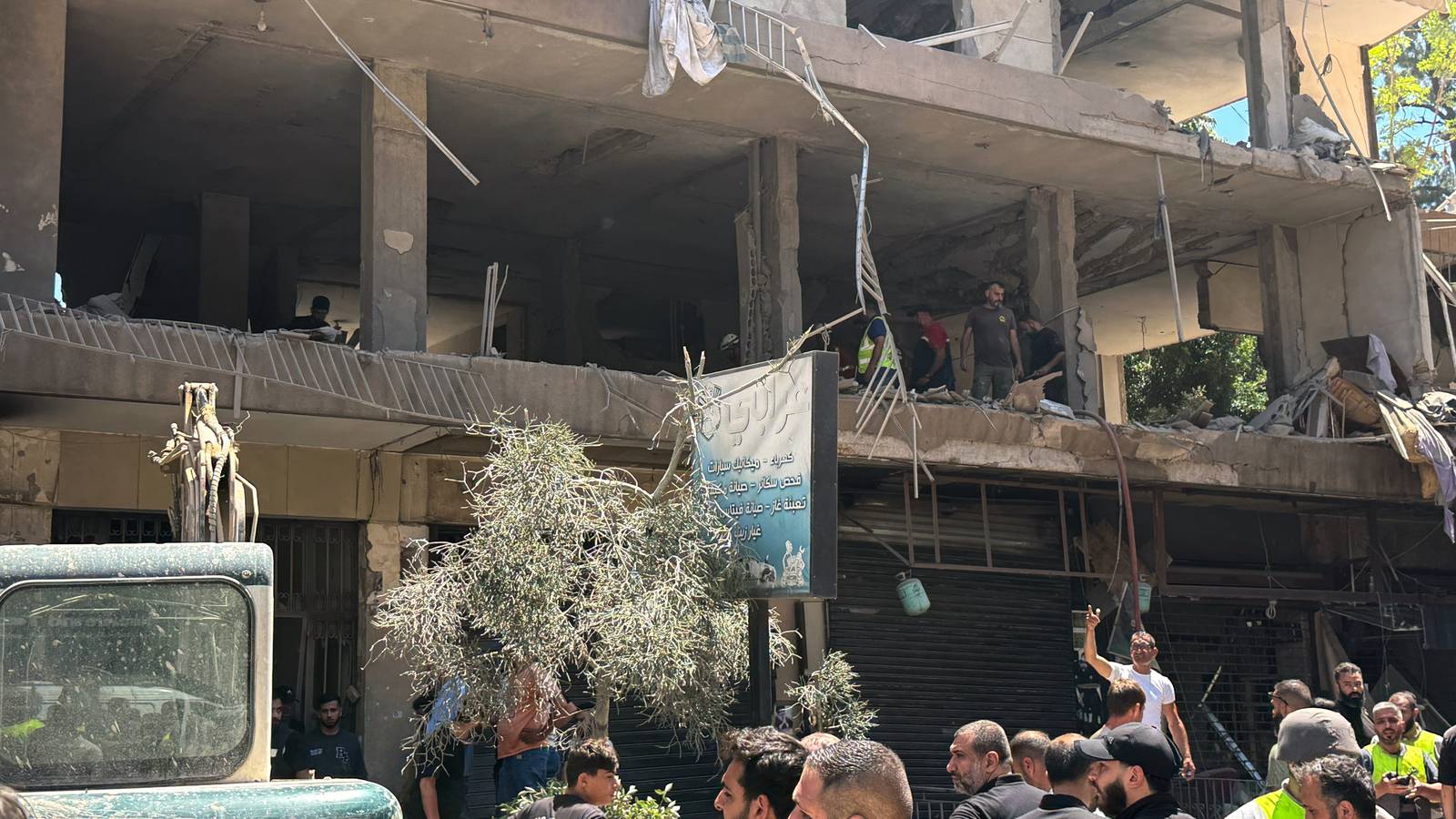
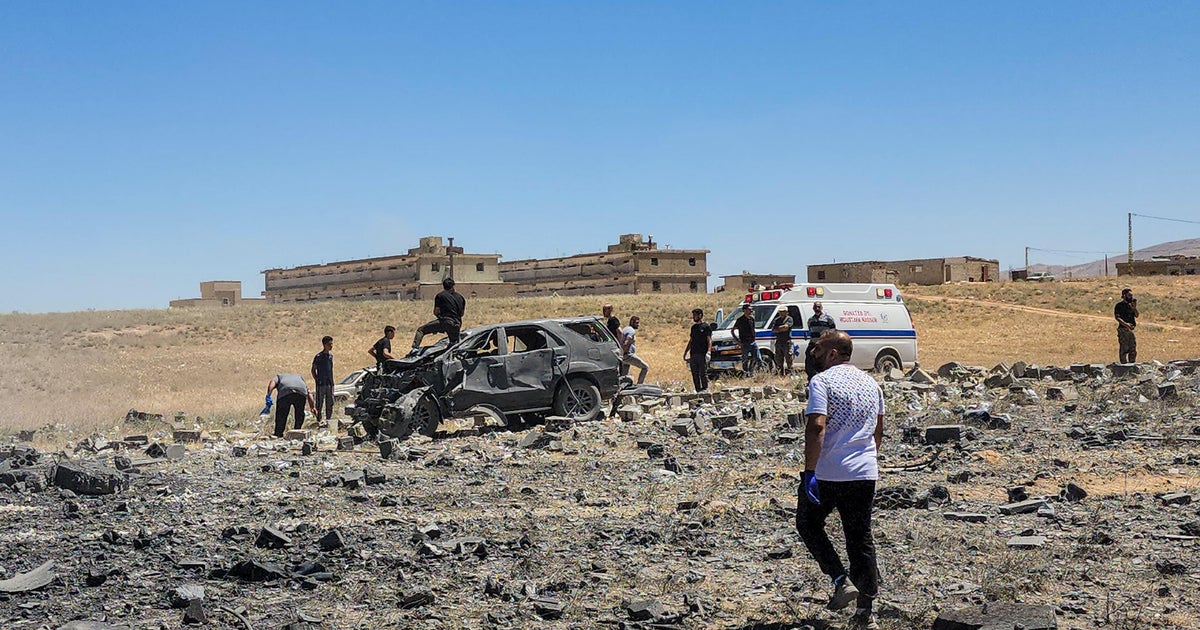
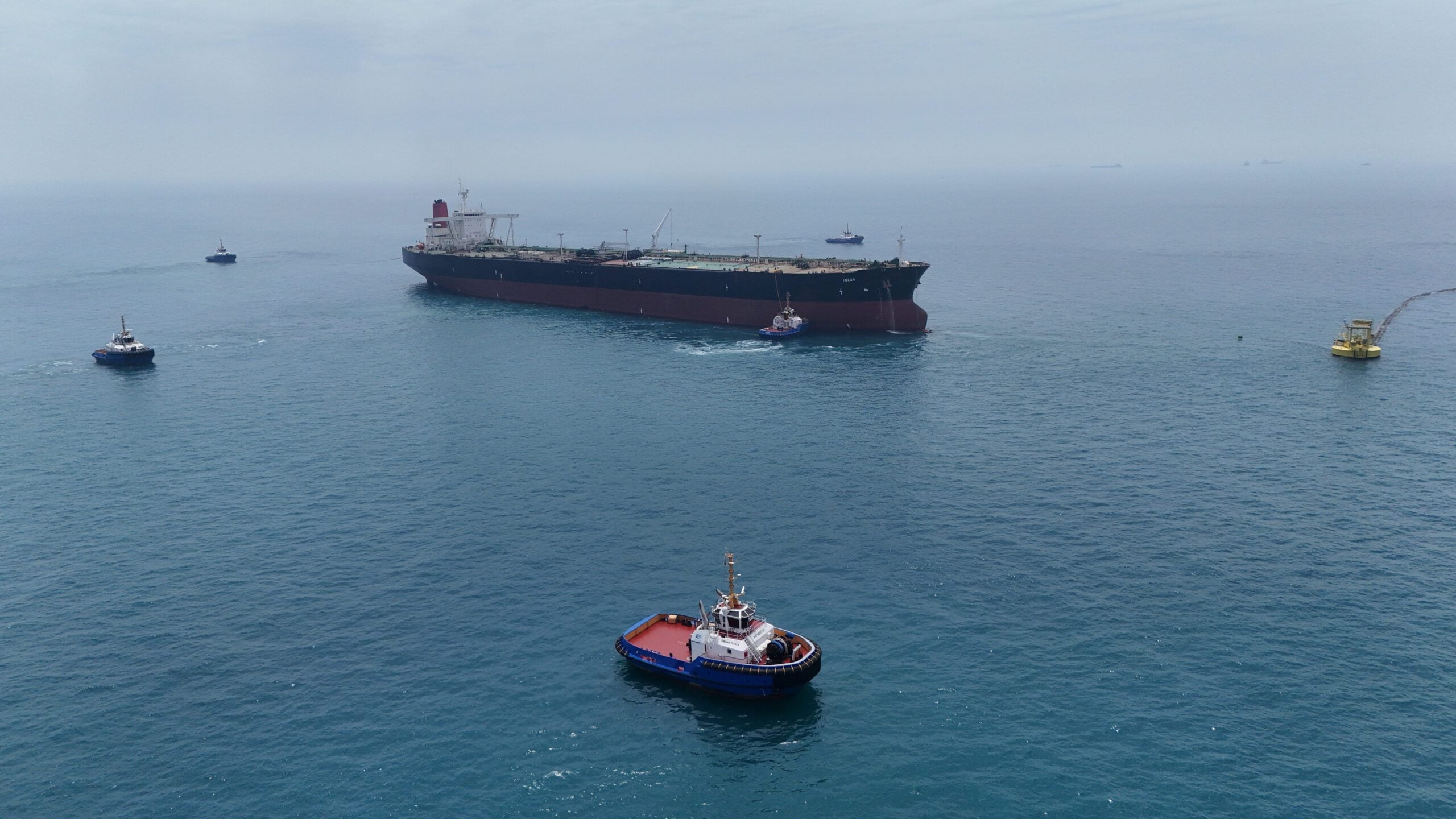
From 28 February to 17 June 2026 the United States and Israel fought Iran and its regional allies, followed by announcements on 14-17 June of a memorandum intended to halt fighting and reopen the Strait of Hormuz. Talks set for 19 June in Switzerland were postponed, and exchanges between Israel and Hezbollah persisted, including Israeli strikes in Beirut on 14 June and Hezbollah projectiles into northern Israel the same day, with Israeli soldiers wounded in southern Lebanon on 17 June. Maritime traffic shows tentative recovery, such as a Qatari LNG tanker re-entering the Gulf on 18 June and seven Iranian supertankers leaving Chabahar on 19 June, but mine danger and new Iranian permit and insurance requirements constrain navigation. Reported deaths number at least 3,468 in Iran and roughly 3,900 in Lebanon, alongside 13 U.S. servicemembers killed, with broader humanitarian strain across Gaza and the West Bank.
Key judgments
- It is likely the U.S., Iran ceasefire framework exists but remains brittle, with continued Israeli, Hezbollah exchanges in Lebanon that could undermine it. (Confidence: medium · ASSESSED)
- I&W: No reported Israeli air or artillery strikes in Lebanon and no Hezbollah rocket or UAV launches for 14 consecutive days. (0-14 days)
- I&W: Another Israeli strike in Beirut or a new Hezbollah attack injuring IDF personnel along the Blue Line. (0-14 days)
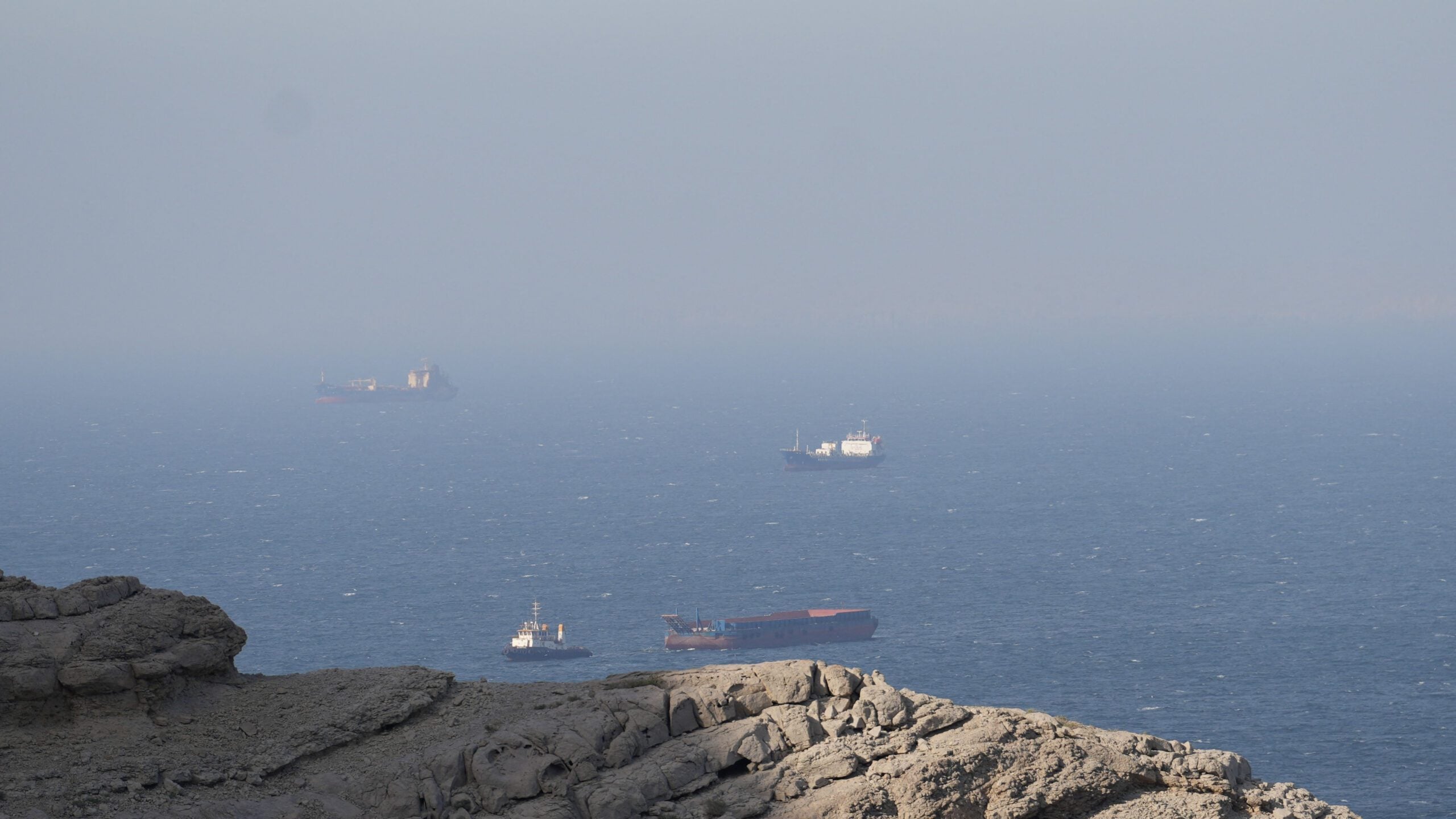
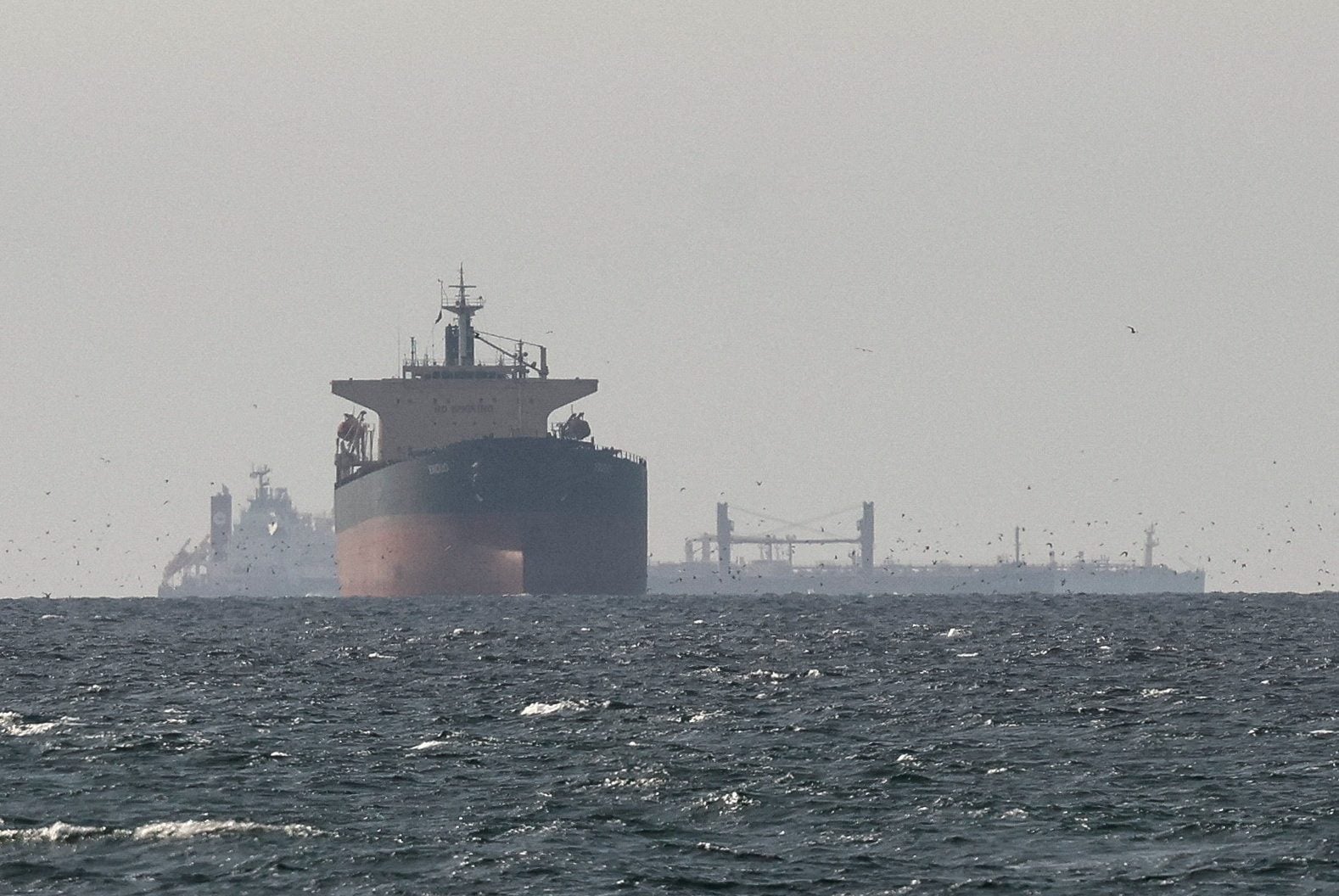
- It is likely the Strait of Hormuz has partially reopened but navigation remains hazardous and constrained by Iranian permit and insurance requirements; full normalisation is unlikely within 30 days without mine clearance. (Confidence: medium · ASSESSED)
- I&W: Official declaration that the central Traffic Separation Scheme is mine-free and JMIC reduces threat to LOW. (1-3 months)
- I&W: IRGC boarding or firing incident against a commercial tanker transiting the southern Omani route. (0-14 days)
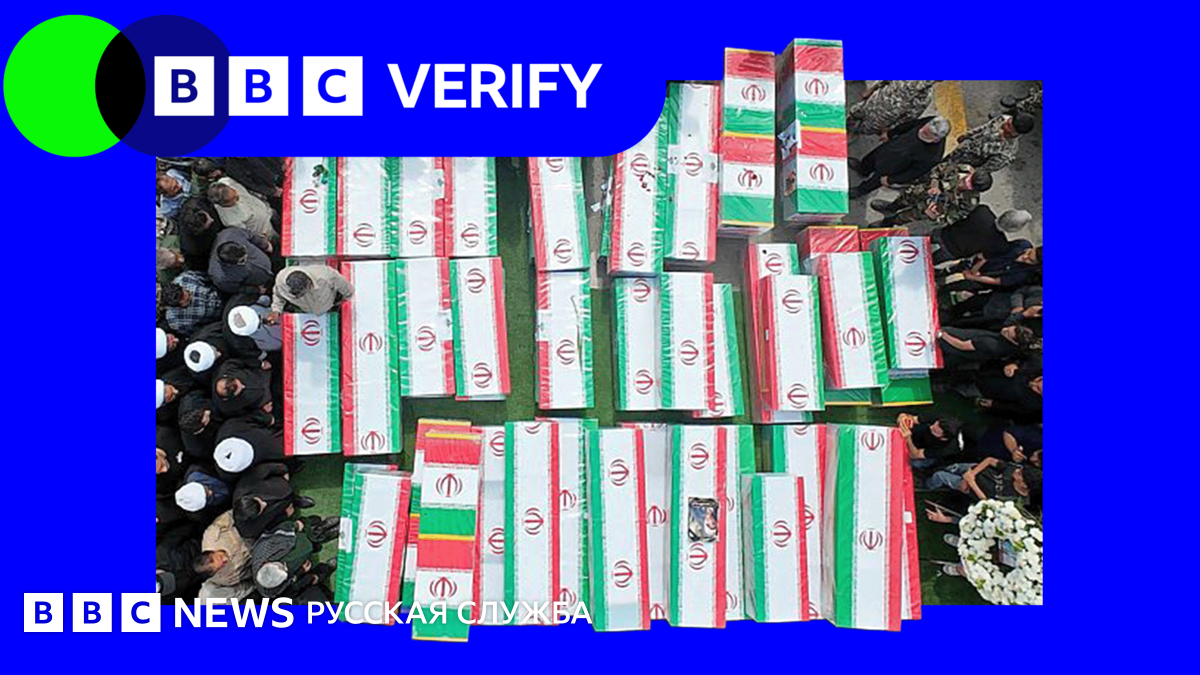
- Reported fatalities from the 2026 conflict already number in the thousands across Iran and Lebanon, with further civilian harm likely if exchanges persist. (Confidence: medium · REPORTED)
- I&W: Updated casualty totals from Iranian and Lebanese authorities or independent monitors showing continued weekly increases. (0-14 days)
- I&W: A sustained two-week halt in cross-border fire and airstrikes in Lebanon with no new reported conflict-related deaths. (0-14 days)
- It is likely Iran will seek to retain leverage over Hormuz traffic beyond the initial free-passage window through permit and insurance controls, and potentially new charges after day 60. (Confidence: medium · ASSESSED)
- I&W: PGSA begins denying passage permits to vessels lacking Iranian-approved insurance or announces fee schedules beyond day 60. (1-3 months)
- I&W: Public U.S., Iran clarification explicitly guaranteeing toll-free passage past day 60. (1-3 months)
- There is a roughly even chance that U.S., Iran negotiations will see further delays or only partial implementation in the near term, given the 19 June postponement and unresolved agenda items. (Confidence: medium · ASSESSED)
- I&W: Rescheduled Switzerland talks proceed with a joint readout outlining timelines for implementation. (0-14 days)
- I&W: Public suspension of negotiations by either side or a declared breach of the memorandum’s ceasefire provisions. (0-14 days)
- It is likely that threats to U.S.-linked sites in the UAE and to civil aviation in the region will persist through the ceasefire period. (Confidence: high · ASSESSED)
- I&W: FAA rescinds its regional caution and the State Department downgrades its UAE departure posture. (1-3 months)
- I&W: IRGC or allied media issue fresh threats against U.S.-linked facilities in the UAE. (0-14 days)
Outlook & scenarios
Managed de-escalation holds under a messy ceasefire (55%)
The ceasefire framework endures with sporadic violations in Lebanon, while mine clearance and routing via the southern corridor permit a gradual resumption of oil and LNG flows. Iranian permit and insurance rules remain in place, with charges introduced after day 60, but major incidents are avoided. Talks resume, though difficult issues such as nuclear steps and frozen funds remain unresolved.
Lebanon spoils the deal and triggers regional flare-up (35%)
Renewed Israeli strikes in Beirut and Hezbollah responses produce higher casualties, inviting direct Iranian action consistent with Tehran’s stated readiness to repeat direct strikes. U.S. and Israeli forces answer, and Gulf states again come under Iranian fire. The truce framework frays, and diplomatic tracks stall.
Maritime accident or enforcement shock re-freezes Hormuz (40%)
A mine incident in the central TSS or an IRGC enforcement action against a tanker on the southern route prompts insurers and majors to pause transits. Despite the formal end of the U.S. blockade, traffic slows, JMIC raises the threat level, and maritime groups demand clearer guarantees on tolls and safe lanes.
Recommendations
- Track Hormuz safety in near-real time: fuse JMIC advisories with open-source reports on mine-clearance progress and declared safe lanes; validate against observed routing patterns on the southern Omani corridor to assess when the central TSS becomes usable.
- Catalogue and translate all PGSA directives and shipping circulars on permits and insurance; brief U.S. and allied operators on compliance risks and likely costs after day 60, and flag any denial-of-passage cases.
- Maintain a daily Lebanon situation log: geolocate reported Israeli strikes in Beirut and Hezbollah launches; confirm any formal Israel, Hezbollah ceasefire announcements; and watch for scheduled Israeli, Lebanese meetings slipping or being cancelled.
- Build a shipping flows dashboard keyed to known datapoints: Iranian liftings from Chabahar and inbound Gulf supertankers; Qatari LNG movements through Hormuz; and the queue of laden and ballast tankers inside the Gulf awaiting resumption.
- Sustain heightened posture for U.S. personnel and equities in the UAE: align mission movement and commercial flight risk with FAA and State advisories; monitor IRGC radio traffic and public threats for changes in intent.
- Map the memorandum’s deliverables and clock: track the 60‑day negotiation window, any on‑site down‑blending steps, and milestones tied to reopening and sanctions relief to anticipate implementation bottlenecks.
Confidence & uncertainty
This assessment draws on multiple independent official and major media sources that broadly corroborate the ceasefire framework, continued exchanges in Lebanon, and incremental reopening of Hormuz. However, contradictions persist on precise timelines, casualty figures, and the status of shipping flows and safety, and several elements rely on single reports or think-tank analysis. The dynamic environment and uneven reporting across fronts and maritime lanes justify a medium headline confidence despite solid core sourcing.
Cited sources
[1] Wikipedia · 2026 Iran war (B) · sha256:1504aa2bdb22 [2] gcaptain.com · Iran Deal Opens Door to Hormuz Reopening, But Shipping Industry Warns of Long Road Ahead (B) · sha256:c7b2ef0c120c [3] Geopolitical Futures · The Tension Between the Geopolitical and the Political in the Iran War - Geopolitical Futures (C) · sha256:5adb3ace22cf [4] HuffPost · Tentative Deal Reached To End Iran War And Trump Orders Stop To The U.S. Naval Blockade (B) · sha256:a56a10f1942c [5] The Guardian · Oil prices fall after peace deal signed – as it happened (A) · sha256:0a4e7c9fa086 [6] military.com · Israeli Military Strikes Beirut Suburbs in the Lead-up to Anticipated US-Iran Deal (B) · sha256:068c303f4b44 [7] Los Angeles Times · Israel strikes Beirut suburbs in run-up to anticipated U.S.-Iran deal - Los Angeles Times (A) · sha256:8e4a28820027 [8] aljazeera.net · إسرائيل تخشى ضغطا أمريكيا بشأن لبنان وتدرس تقليص قواتها (A) · sha256:9cd99e7cc998 [9] Atlantic Council · What the US-Iran deal means for the rest of the Middle East (and beyond) (C) · sha256:5f93318fe142 [10] aljazeera.net · غارات واغتيالات ومفاوضات ثم "مذكرة تفاهم". محطات حرب هزت العالم (A) · sha256:9599b9ee9774 [11] gcaptain.com · U.S. Officially Ends Maritime Blockade of Iran and Declares Hormuz Open (A) · sha256:bde568f4f392 [12] gcaptain.com · Maritime Industry Demands Clarity on Hormuz Reopening as Mine Risks Persist (B) · sha256:95da5e306d15 [13] gcaptain.com · Iran Deal Raises Serious Questions Over Future Management of the Strait of Hormuz (B) · sha256:eae0284210cb [14] gcaptain.com · Qatar Brings Empty LNG Ship Back for First Time Since War Began (A) · sha256:a8c7956a115c [15] gcaptain.com · Iran Oil Surges as Seven Supertankers Sail After Blockade Lifts (B) · sha256:965be16980d2 [16] cbsnews.com · Iran Latest: Israel and Hezbollah agree to Lebanon truce, officials say, as fighting delays U.S.-Iran talks (A) · sha256:df1fd8884295 [17] gcaptain.com · Iran’s New ‘Toll by Insurance’ Raises Stakes in Strait of Hormuz (B) · sha256:1ddd9ad9f96c [18] gcaptain.com · U.S. Downplays Possibility of Hormuz Tolls as Negotiations Restart (B) · sha256:d4210524880f [19] BBC News Русская служба · В войне США и Израиля с Ираном погибли тысячи людей. Эксперты говорят, что точное число мы, возможно, так и не узнаем - BBC News Русская служба (A) · sha256:a162847cde9b [20] U.S. Congressman Joaquin Castro · Castro Statement on U.S.-Iran Memorandum of Understanding | U.S. Congressman Joaquin Castro (A) · sha256:c75b6a0ad417 [21] Kamlager-Dove House.gov · Kamlager-Dove Statement on Trump’s Failed War on Iran (A) · sha256:b2aa8c3db329 [22] UK Government · We urge Israel to immediately remove unjustifiable restrictions on humanitarian access: UK statement at the UN Security Council (A) · sha256:2b923f1dd46a [23] ynetnews.com · Iran’s war of attrition with the US leaves Israel stuck between delay and decision (B) · sha256:65f7a2ad35ed [24] U.S. Department of State · United Arab Emirates Travel Advisory (A) · sha256:7a0c71f2991b
Source content hashes were computed at collection time; the cited text is preserved unmodified for the life of this product.
Red cell review: CONCUR WITH COMMENT
TLP:CLEAR