TLP:CLEAR · Disclosure is not limited.
Middle East SITREP: Hormuz evacuation paused, Lebanon truce strained, and Israel, Iran confrontation live
Time window: Last 1 day · Audience: General analyst · Type: Situation report · DTG: 2026-06-26 10:18Z · Overall confidence: LOW
BLUF
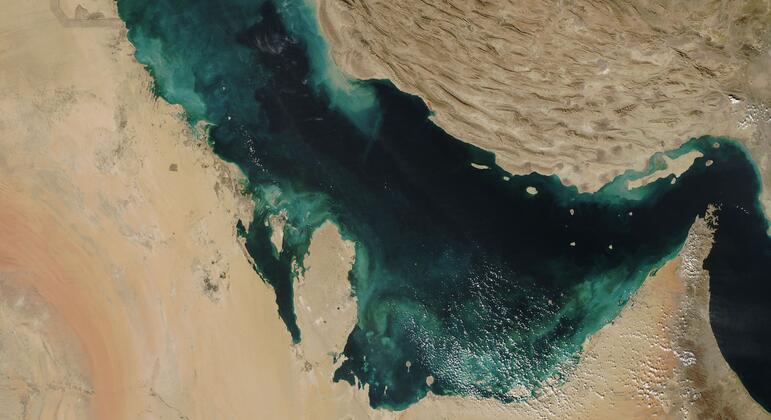
IRGC transit warnings and a ship attack off Oman have paused the IMO-led exit from the Persian Gulf, keeping the Strait of Hormuz precarious. The Lebanon ceasefire is only partially holding as Israel signals no withdrawal, and the Israel, Iran confrontation remains active across multiple theatres.
Executive summary
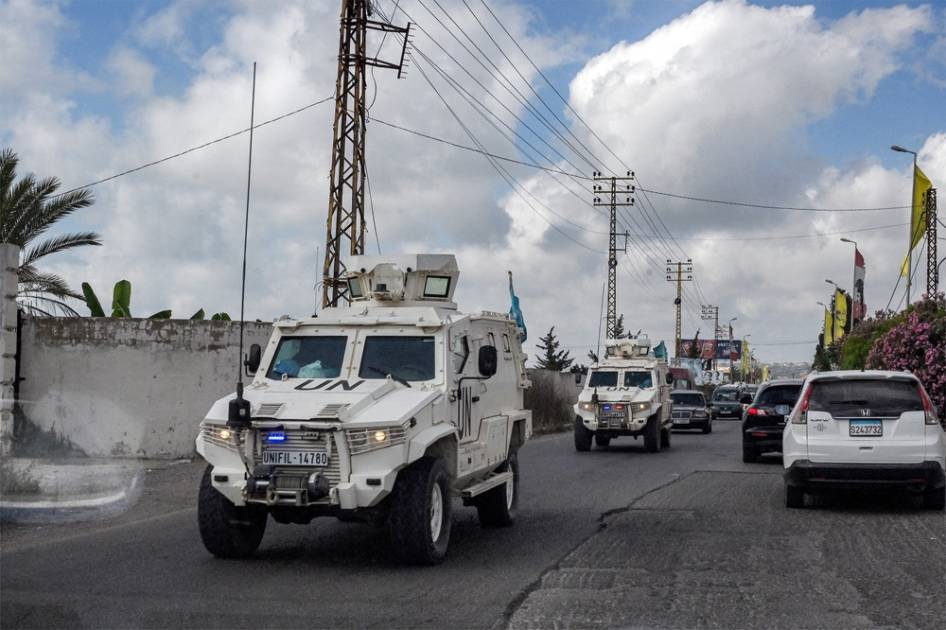
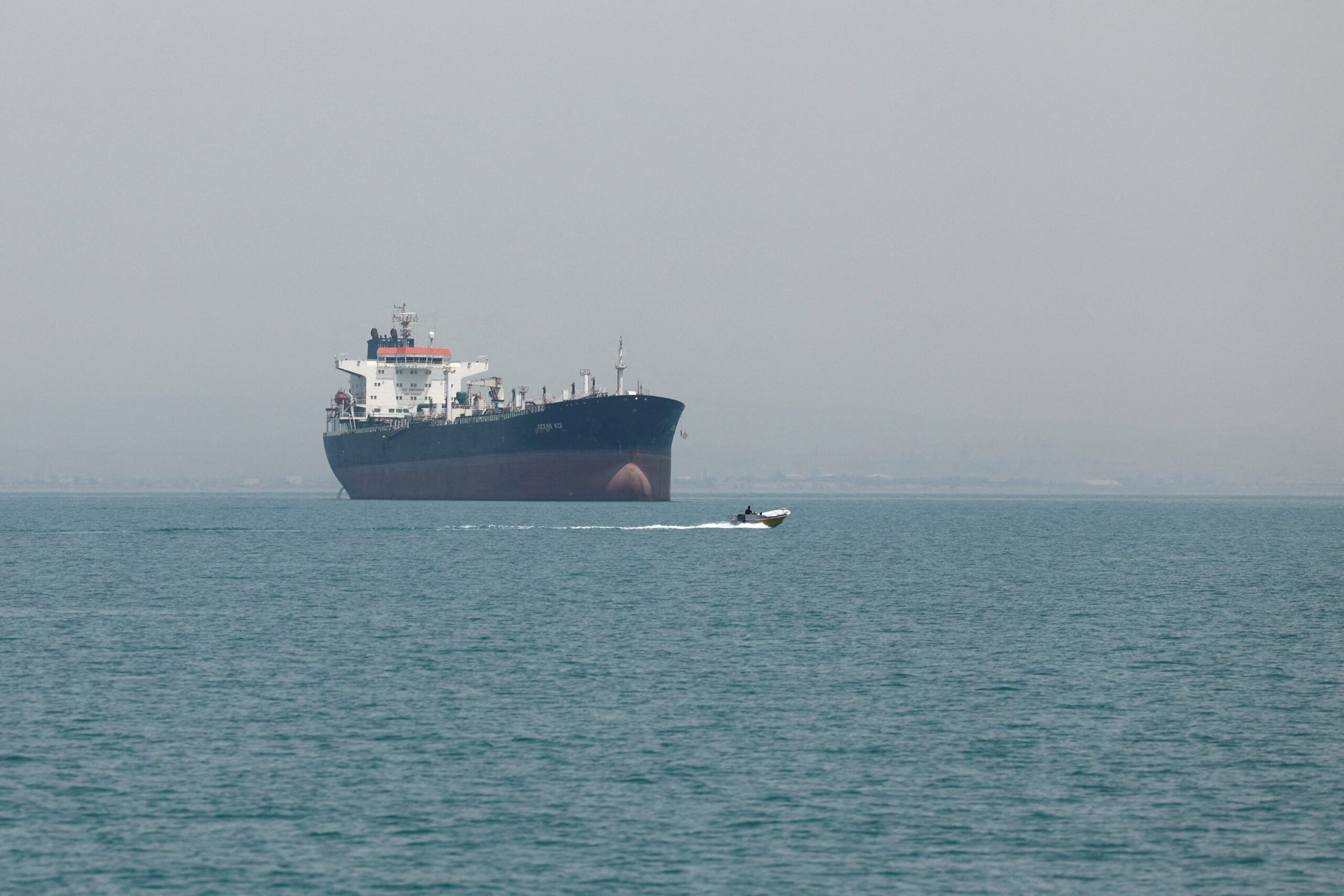
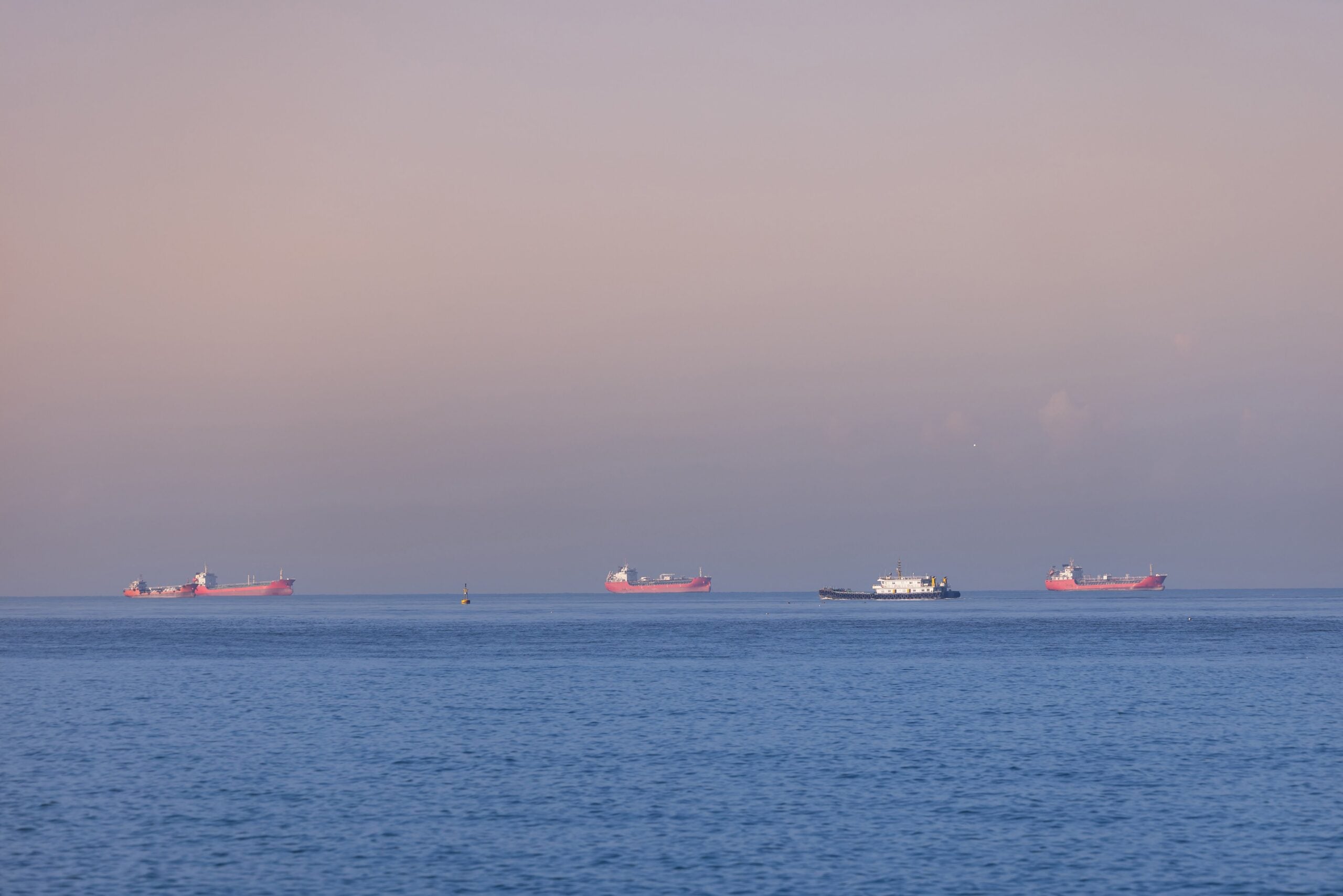
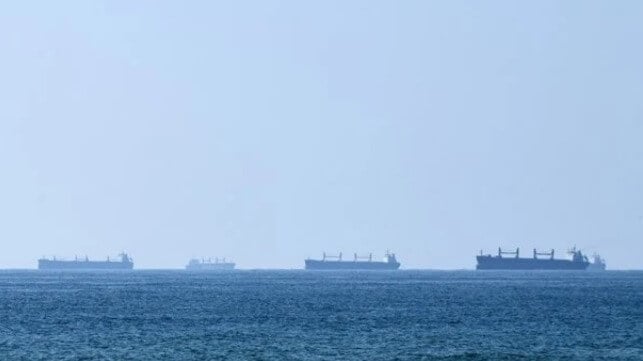
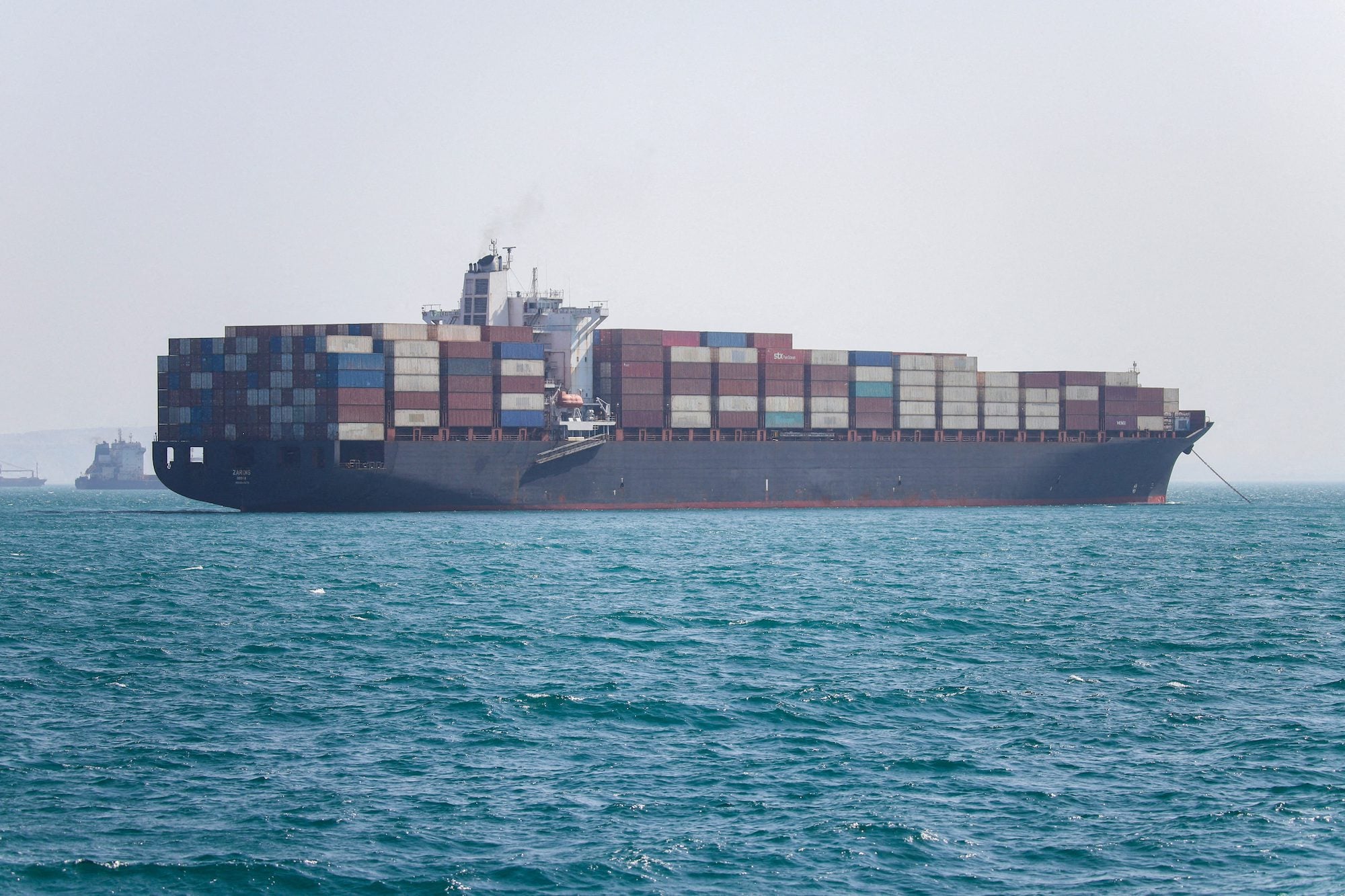
The IMO has paused its coordinated evacuation of hundreds of merchant vessels and over 11,000 seafarers after a Singapore-flagged containership was struck off Oman, as the IRGC renews radio warnings asserting control and requiring Iranian permission for Hormuz transits. Earlier gains, including 57 transits under the evacuation plan, now look fragile. In Lebanon, UNIFIL reports no new missile launches or airstrikes since the 19 June ceasefire, yet the IDF reports killing Hezbollah members and senior Israeli and Lebanese officials deny any Israeli withdrawal; Washington has extended Israel, Lebanon talks by a day. Regionally, reporting records Israel’s 13 June 2025 strikes on Iranian facilities and Iran’s large-scale missile and drone retaliation, alongside Iran’s targeting of US facilities and Gulf infrastructure and US force surges, indicating a live multi-theatre confrontation. Hydrocarbon flows show early signs of recovery with Saudi Arabia set to restart loadings at Ras Tanura and Bahri VLCC movements toward Ju’aymah, while oil prices fall toward pre-war levels, but navigation remains contested. In Gaza, UN operations continue through Kerem Shalom amid severe material shortages while health partners delivered nearly 240,000 consultations last week.
Change from previous assessment
Compared with the 25 June brief, the IMO-led evacuation through Hormuz has been paused after a merchant vessel was struck off Oman and IRGC warnings intensified; UKMTO confirmed the pause. Reports reaffirm no Israeli withdrawal from southern Lebanon and extend US‑mediated talks by a day, while the ceasefire shows limited adherence with IDF‑reported killings of Hezbollah members. On energy, Saudi Arabia is set to restart crude loadings at Ras Tanura and Bahri VLCCs are positioning toward Ju’aymah, while shipments were reported approaching pre‑war levels. Confidence remains constrained by timeline inconsistencies across sources.
Key judgments
- Hormuz navigation is likely to remain fragile in the near term after the IMO paused its evacuation plan following an attack off Oman and renewed IRGC warnings asserting control and threatening consequences for unauthorised transits. (Confidence: medium · REPORTED)
- I&W: UKMTO rescinds the ‘paused until further notice’ advisory and publishes a new transit schedule for the IMO corridor (0-14 days)
- I&W: Another merchant vessel is reported struck or detained in the Gulf of Oman or within the Strait of Hormuz (0-14 days)
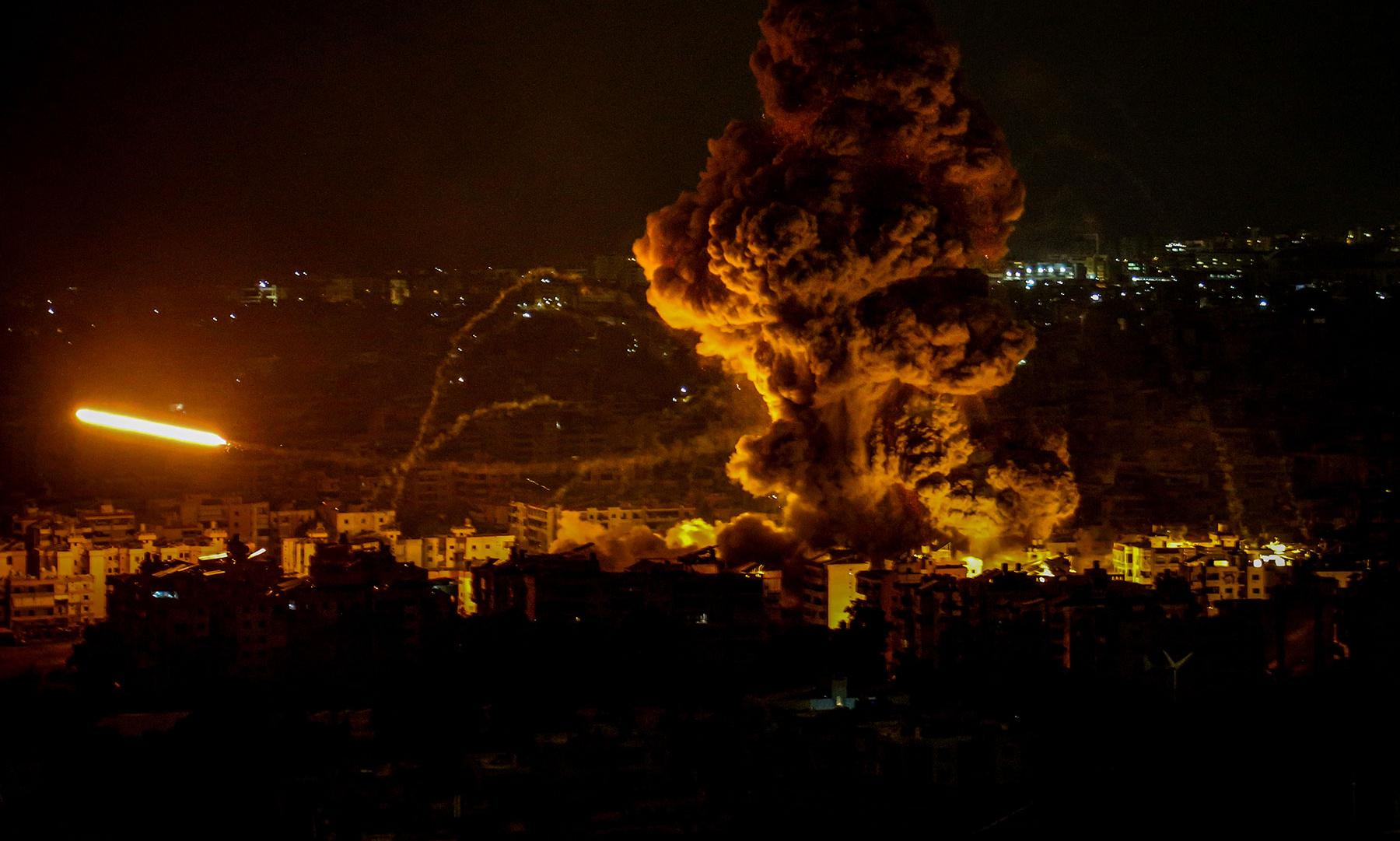
- Hostilities on the Israel, Hezbollah front are likely to persist at a low level despite the 19 June ceasefire, and an Israeli withdrawal from southern Lebanon is unlikely in the near term. (Confidence: medium · ASSESSED)
- I&W: IDF reports further lethal engagements with Hezbollah fighters south of the Litani despite the truce (0-14 days)
- I&W: Public announcement of a phased Israeli withdrawal framework or acceptance of a UNIFIL follow-on force by both sides (1-3 months)
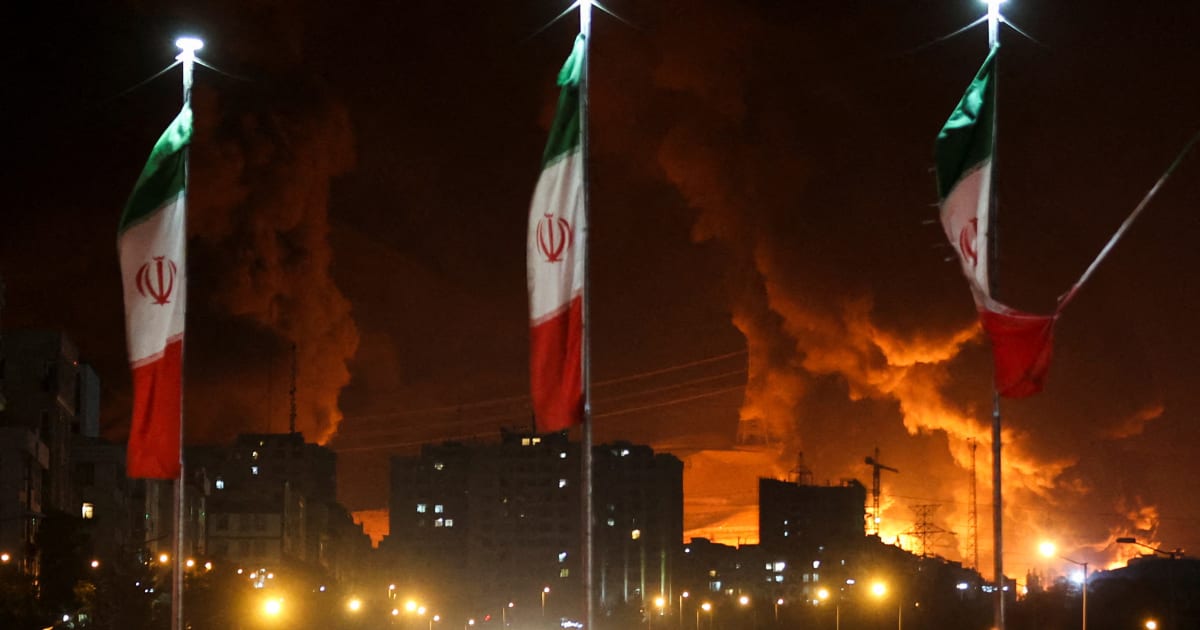
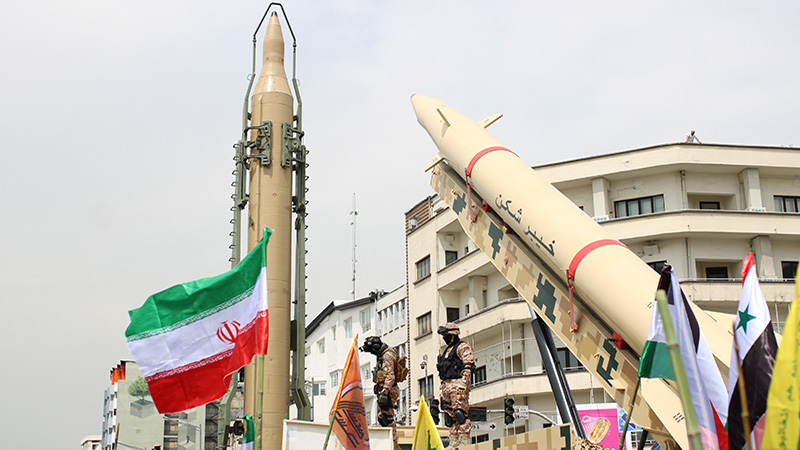
- The Israel, Iran confrontation very likely remains live across multiple theatres, with Israel’s June 2025 strikes on Iranian facilities and Iran’s large-scale missile and drone retaliation framing an ongoing cycle that has included Iranian targeting of US facilities and Gulf infrastructure and US force surges to the region. (Confidence: medium · ASSESSED)
- I&W: Official communiqués from Tehran or Jerusalem claiming new cross-border strikes or intercepts (0-14 days)
- I&W: A sustained 30-day absence of state-media-reported strikes between Israel and Iran (1-3 months)
- Risk to commercial seafarers is high, with thousands still stranded and at least 14 fatalities recorded from attacks on merchant shipping. (Confidence: high · REPORTED)
- I&W: IMO issues an updated tally showing additional casualties or prolonged delays in evacuation movements (0-14 days)
- I&W: Resumption of the IMO-led transit programme reduces the stranded seafarer backlog below 3,000 (1-3 months)
- Regional oil and shipping flows are likely to recover in fits and starts, with Saudi Arabia restarting loadings at Ras Tanura and Bahri VLCC positioning toward Ju’aymah, yet overall throughput will remain vulnerable to renewed IRGC enforcement and security incidents. (Confidence: medium · ASSESSED)
- I&W: Observed AIS movements confirm fresh VLCC liftings from Ras Tanura or Ju’aymah (0-14 days)
- I&W: New IRGC radio warnings coincide with visible turn-backs of laden tankers near Hormuz (0-14 days)
- Gulf Arab governments are likely to keep pushing de‑escalation and managed navigation arrangements, but their leverage is constrained by IRGC assertions over Hormuz and ongoing Israel, Iran tensions. (Confidence: medium · ASSESSED)
- I&W: A GCC statement publicly reiterates support for the Omani corridor and refusal of Israeli overflight (0-14 days)
- I&W: A GCC member publicly grants overflight for Israeli strike packages or withdraws backing for the Omani, IMO scheme (1-3 months)
- Humanitarian conditions in Gaza are very likely to remain strained, with UN operations continuing through Kerem Shalom as the sole cargo entry point amid severe shelter-material shortages, despite extensive health‑partner service delivery. (Confidence: high · REPORTED)
- I&W: Kerem Shalom remains the only operational cargo crossing in daily UN logistics updates (0-14 days)
- I&W: Opening of an additional cargo entry point or closure of Kerem Shalom (0-14 days)
Outlook & scenarios
Managed de‑escalation holds, navigation resumes under tight controls (45%)
IRGC messaging quietens, UKMTO lifts the pause, and the IMO, Oman corridor restarts with staggered convoys. The Lebanon truce broadly holds with sporadic incidents, while US‑mediated talks continue. Saudi crude liftings restart steadily and VLCC flows recover, though risk premia persist.
Renewed maritime and northern-front friction (35%)
Another attack on a merchant vessel or firm IRGC interdiction keeps the IMO process suspended. Sporadic lethal engagements resume along the Israel, Lebanon front despite the ceasefire, with no progress on withdrawal modalities. Energy shipments recover unevenly and face periodic slowdowns.
Escalatory spike in the Israel, Iran confrontation (15%)
A new high‑visibility strike inside Iran or Israel triggers reciprocal salvos and wider proxy involvement, prompting heightened US force protection and further jeopardising Hormuz traffic. Gulf states double down on diplomacy but face limited traction.
Recommendations
- Maintain continuous monitoring of UKMTO advisories, AIS tracks near Hormuz, and open‑source VHF Channel 16 logs for IRGC broadcasts; issue a daily navigation risk note to stakeholders.
- Prepare a rapid‑update brief on the IMO evacuation status, stranded crew estimates, and ship queue locations to inform potential medevac or consular support requests.
- Task energy analysts to track Ras Tanura and Ju’aymah liftings and Bahri VLCC movements; integrate with oil price and freight rate dashboards to flag supply volatility.
- Establish a Lebanon truce watch, collating UNIFIL reports and IDF communiqués to assess ceasefire adherence and any movement on withdrawal or a UNIFIL successor force.
- Map key US, allied, and commercial installations in the Gulf against reported Iranian targeting patterns to update contingency protection priorities.
- Engage maritime industry partners to reinforce best‑practice routing and reporting in and around the Strait of Hormuz while the IRGC route‑authorisation posture persists.
Confidence & uncertainty
Overall confidence is low because several underlying reports conflict on dates and magnitudes, and some sourcing comes from think tanks and blogs alongside major media and UN reporting. The Lebanon ceasefire status and Hormuz reopening contain internally inconsistent elements, and some timelines reference different years for similar events. While multiple independent sources corroborate the existence of IRGC transit warnings, the IMO pause, and a ship attack off Oman, gaps, mixed sourcing quality, and unresolved contradictions reduce confidence in precise sequencing and durability of trends.
Alternative analysis (red cell)
While IRGC warnings and an IMO pause are reported, the evidence also shows active coordination and partial movements and Gulf actions like Oman’s corridor (1f5eff4b). Therefore, a defensible alternative estimate is that maritime conditions will oscillate between temporary pauses and managed transits rather than a sustained, unilateral closure; similarly, reported tanker repositioning toward Ju’aymah (2542a57c) does not by itself confirm resumed terminal loadings (202265f2), so recovery may be episodic and contingent on near-term operational confirmation.
Intelligence gaps
- [EEI 1.1 · UNCOVERED] Number, type, launch times, and trajectories of ballistic missiles, cruise missiles, armed UAV strikes, and combat-air sorties launched by Iranian or Israeli forces toward the other's territory or forward bases within a 72-hour window. Recommended collection: signals/intel
- [EEI 1.2 · UNCOVERED] Observable changes in Israeli and Iranian force posture: mobilization or reserve call-up orders, unit road/rail movements, dispersal or sortie rates of air squadrons, redeployment of air-defense batteries, and activation of civil-defense alerts or sirens in major population centers. Recommended collection: open-source/media
- [EEI 1.3 · UNCOVERED] Indications of strike authorization or targeting preparations in Iranian or Israeli command chains: authenticated public orders by senior commanders, detected increases in encrypted communications consistent with targeting, or visible movement of strike munitions to launch/storage sites. Recommended collection: signals/intel
- [EEI 2.1 · UNCOVERED] Counts, launch locations (coordinates), weapons types, and assessed damage from rocket/missile/drone strikes originating from Lebanon into northern Israel attributed to Hezbollah or allied groups. Recommended collection: open-source/media
- [EEI 2.2 · UNCOVERED] Reported attacks by Iranian-backed militias in Iraq and Syria: rocket/IED strikes on bases hosting US/coalition or Israeli personnel, documented militia unit movements toward borders, and captured movement or transfer of weapons systems to forward militia positions. Recommended collection: human
- [EEI 2.3 · UNCOVERED] Maritime harassment or attacks by proxies (e.g., Houthis): incidents of missile/rocket strikes against commercial vessels, small-boat swarm attacks, discovery or detonation of naval mines, and corresponding AIS anomalies in the Red Sea, Gulf of Aden, or southern Arabian Gulf. Recommended collection: maritime/AIS
- [EEI 3.1 · UNCOVERED] Movements and arrival dates of foreign military assets into the region: carrier strike groups, amphibious ships, surface combatants, strategic airlift/tanker deployments, and air/sea patrol patterns by US, European, Russian, or regional militaries. Recommended collection: imagery/satellite
- [EEI 3.2 · UNCOVERED] Concrete diplomatic and political actions: emergency UN/Arab League meetings called, official embassy evacuation orders, public declarations of intent to interpose or protect shipping/airspace, and newly announced sanctions or arms-transfer approvals tied to the conflict. Recommended collection: diplomatic
- [EEI 3.3 · UNCOVERED] Immediate commercial and market indicators: rerouting of commercial tankers and container vessels (e.g., avoidance of Bab el-Mandeb or Strait of Hormuz), sudden spikes in war-risk insurance premiums for regional sea lanes, temporary port closures, and near-term price moves in regional benchmark crude tied to incidents. Recommended collection: financial/market
Cited sources
[1] gcaptain.com · Ship Attack Off Oman Derails IMO's Hormuz Evacuation Effort (A) · sha256:693c5a0ec6f4 [2] gcaptain.com · Ship Hit Off Oman After IRGC Renewed Hormuz Transit Warnings (B) · sha256:8087946de71c [3] gcaptain.com · Ships Turn Back in Strait of Hormuz as IRGC Renews Transit Warnings (B) · sha256:c680e7773c5a [4] gcaptain.com · Trump Row With Republican Senator Clouds US Drive to Sell Iran Deal to Gulf Allies (A) · sha256:5b3902477e56 [5] maritime-executive.com · Tension Between Iran and Oman as IMO Gulf Exit Plan Mobilizes (B) · sha256:3da04f80a32b [6] United Nations · From Lebanon to the Strait of Hormuz, a Middle East hanging on fragile peace talks (A) · sha256:d0d950f95951 [7] independentarabia.com · عون يرحب بمبادرة ما بعد "اليونيفيل" ومحادثات واشنطن مستمرة (B) · sha256:8c752e7cd331 [8] Wikipedia · Twelve-Day War (B) · sha256:35809f531225 [9] Al Jazeera · Forever wars: Israel’s cycle of conflict shows no finish line (A) · sha256:c8ddb9951519 [10] cfr.org · Iran’s War With Israel and the United States (B) · sha256:6406d2c7cd3c [11] Russian International Affairs Council · RIAC: Conflict in the Middle East: Possible Regional Implications (C) · sha256:361ed82018a5 [12] gcaptain.com · Day of the Seafarer 2026: The Human Cost of Keeping World Trade Moving (B) · sha256:7a5dfd48b26a [13] gcaptain.com · Major Saudi Oil Terminal to Restart as Gulf Reboot Ramps Up (A) · sha256:a377b9293abc [14] Gulf International Forum · Analyzing the Iran-Israel Conflict in a Regional Context - Gulf International Forum (C) · sha256:f42580583705 [15] arabcenterdc.org · Gulf Arab States Avoid Iran-Israel Tensions (C) · sha256:2d4c15de2747 [16] gcaptain.com · Rubio Wraps up Gulf Tour as Allies Share Concerns Over Iran Peace Accord (A) · sha256:7845f0641edc [17] News18 Urdu · Iran Warns Israel: Rising Tensions After Strikes on Lebanon | ایران اور اسرائیل میں جنگ ؟ | N18G (B) · sha256:94eda180b1c7
Source content hashes were computed at collection time; the cited text is preserved unmodified for the life of this product.
Red cell review: PARTIAL DISSENT
TLP:CLEAR