TLP:CLEAR · Disclosure is not limited.
Middle East SITREP: Hormuz Partially Open, US, Iran Talks Advance Under Lebanon Strain
Time window: Last 7 days · Audience: General analyst · Type: Situation report · DTG: 2026-06-22 18:19Z · Overall confidence: MEDIUM
BLUF
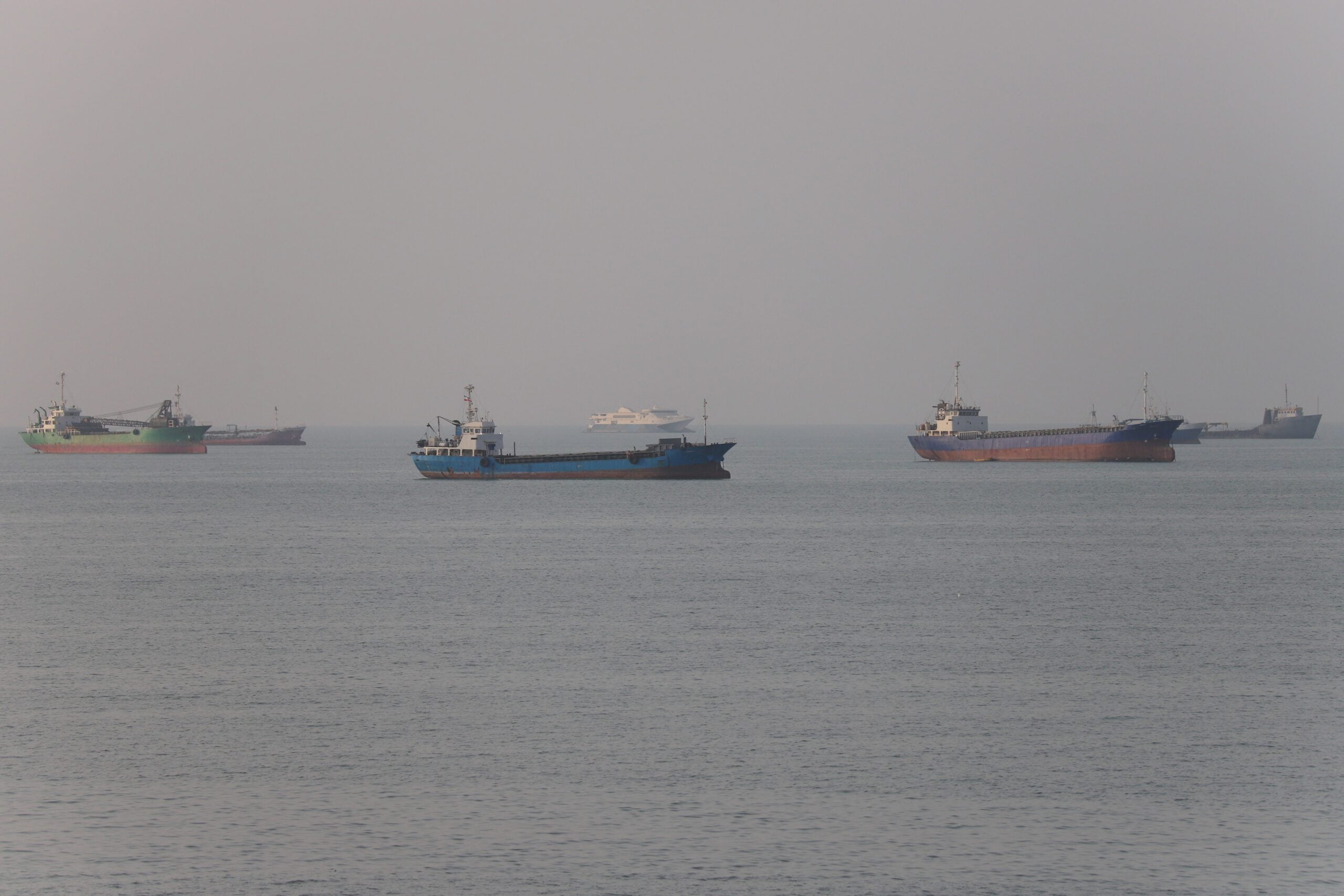
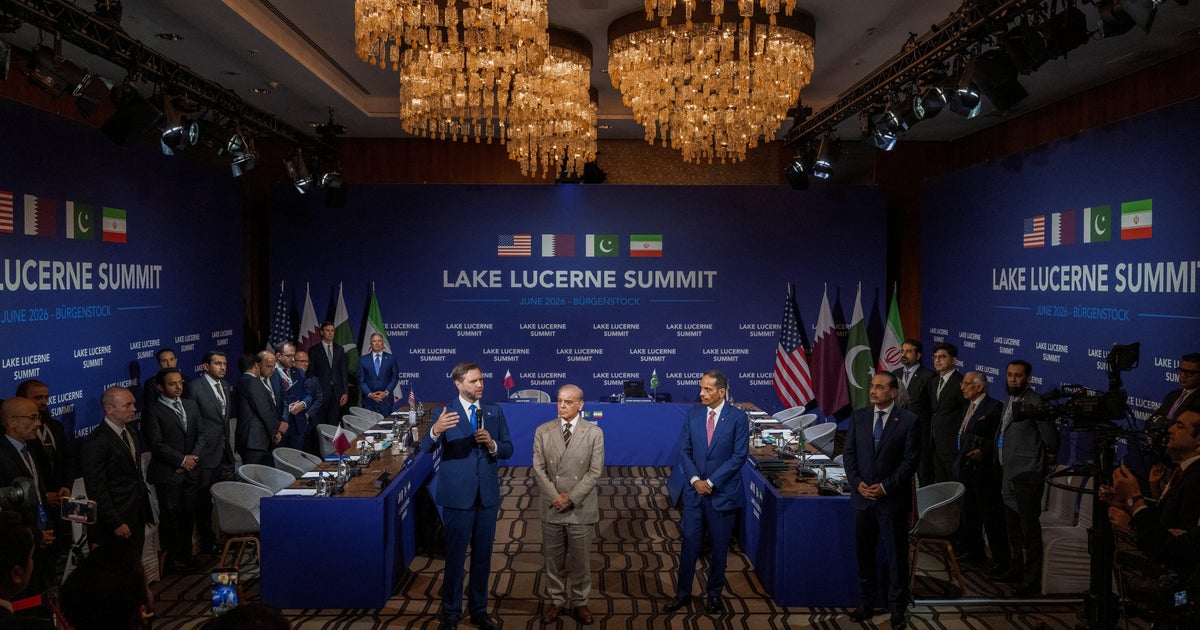
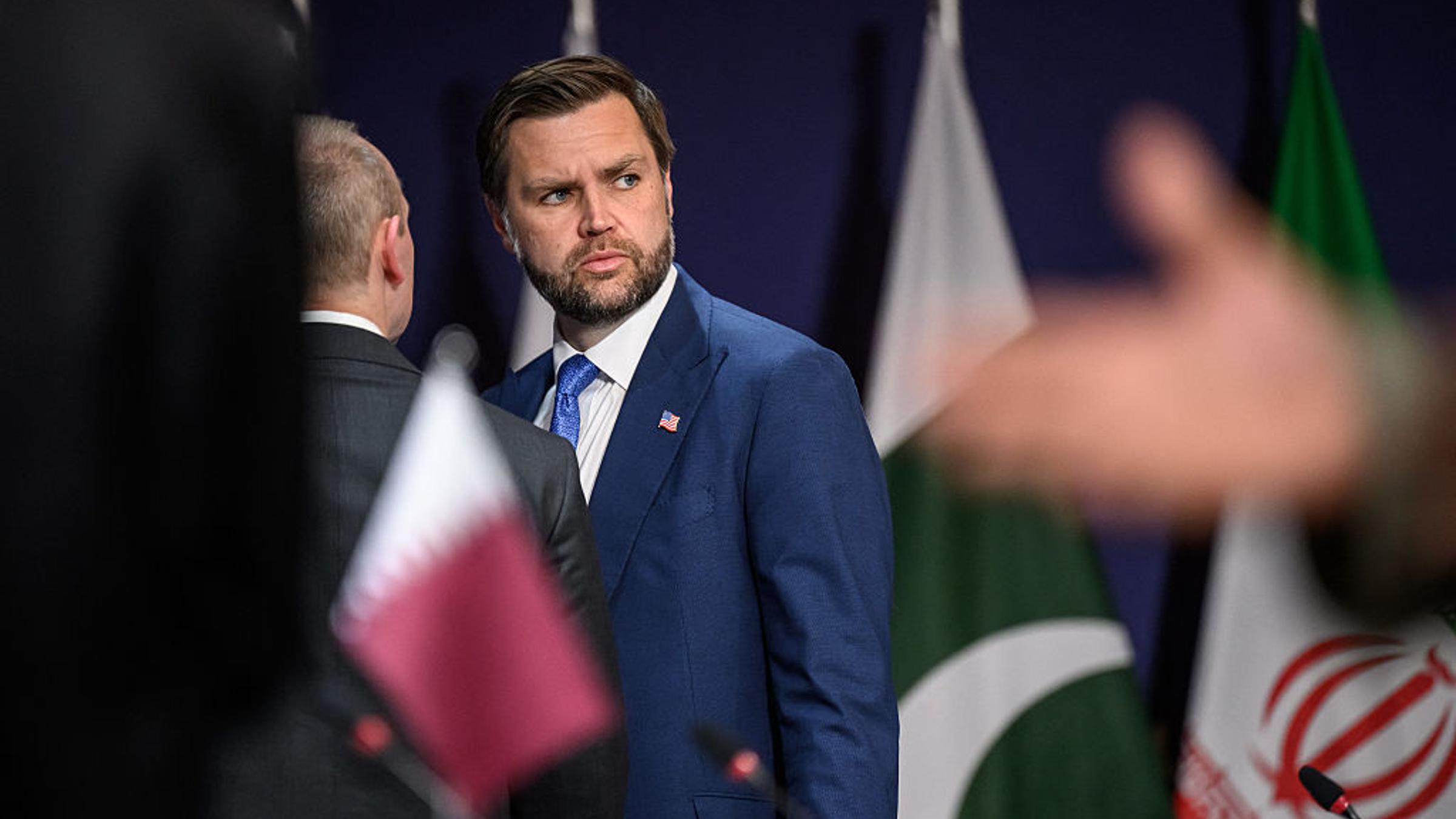
Iran’s declarations that it re‑closed the Strait of Hormuz have not fully halted traffic, but shipping slowed on 22 June while security remained volatile. US, Iran talks in Switzerland have produced a draft with temporary oil sanctions relief and verification elements, yet flare‑ups between Israel and Hezbollah are testing the ceasefire and could derail progress.
Executive summary
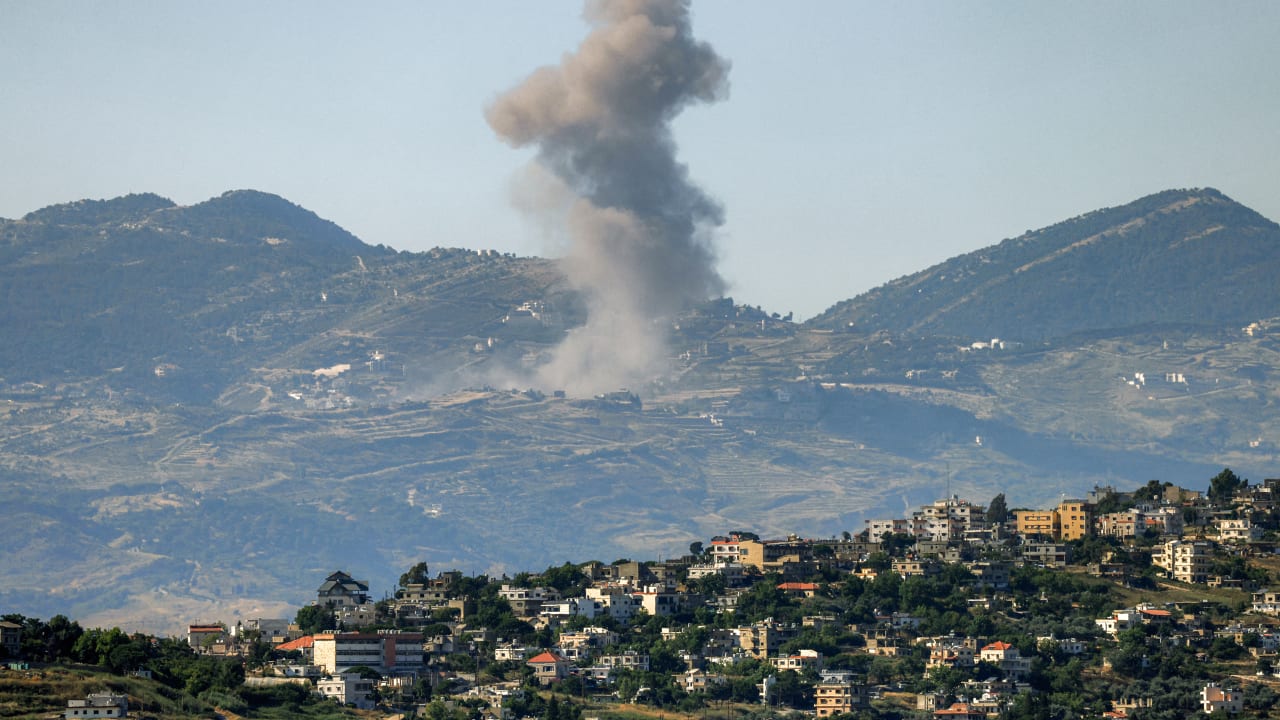
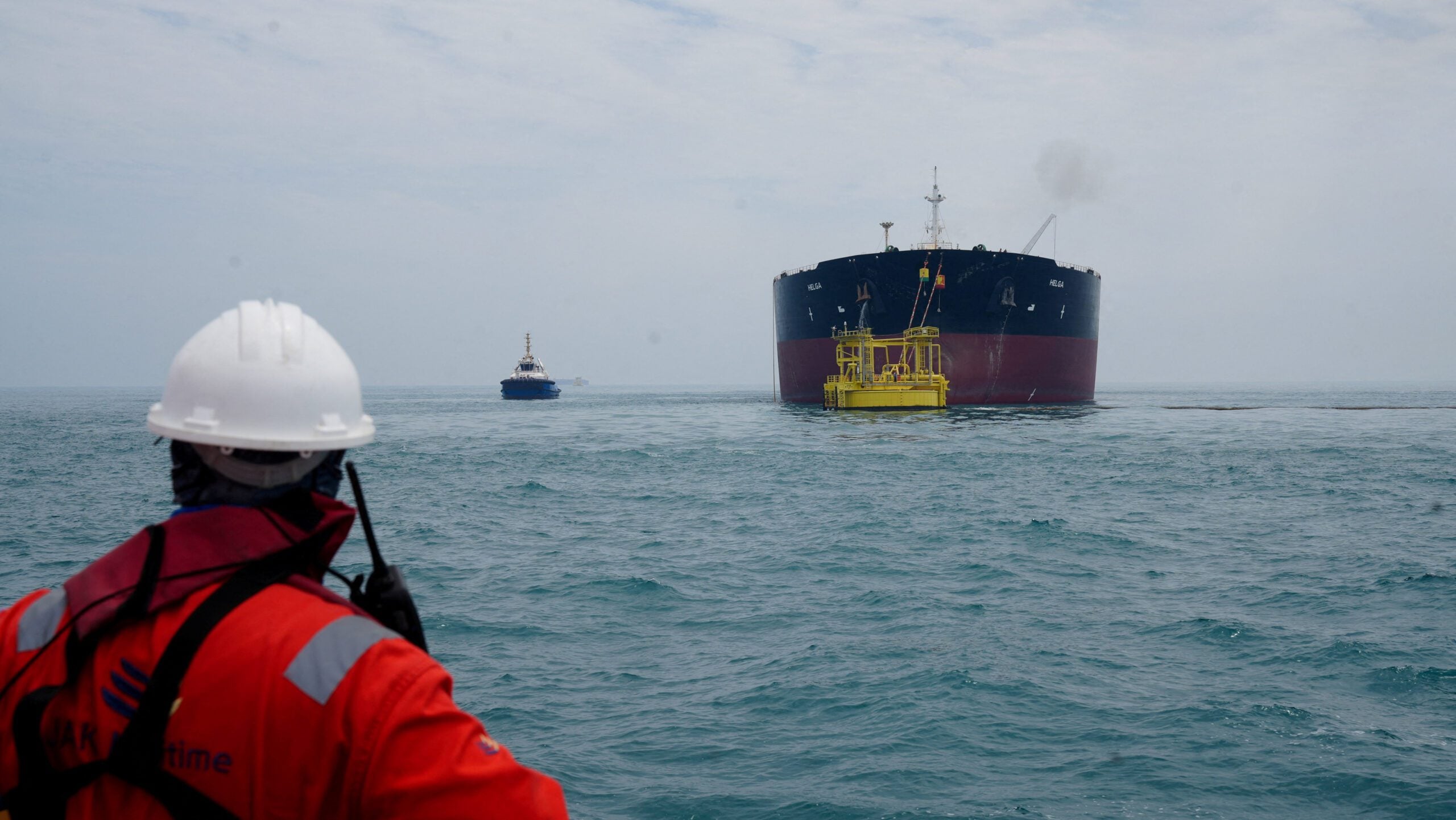
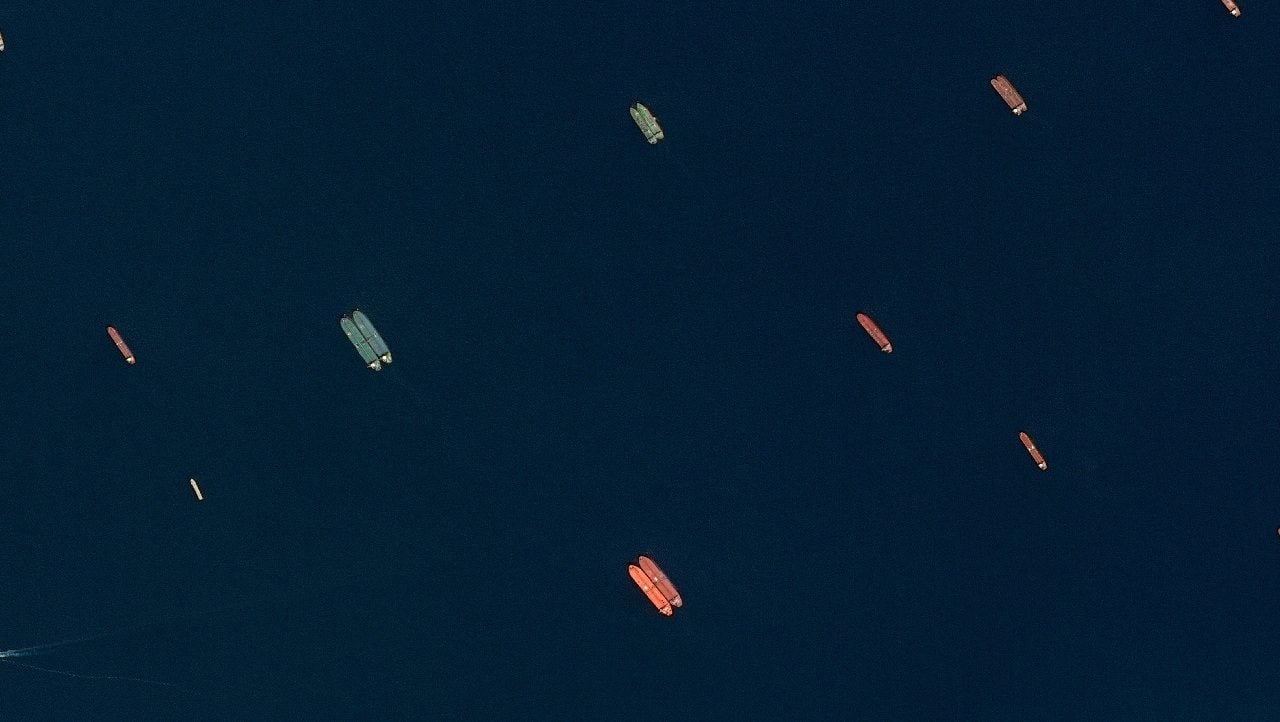
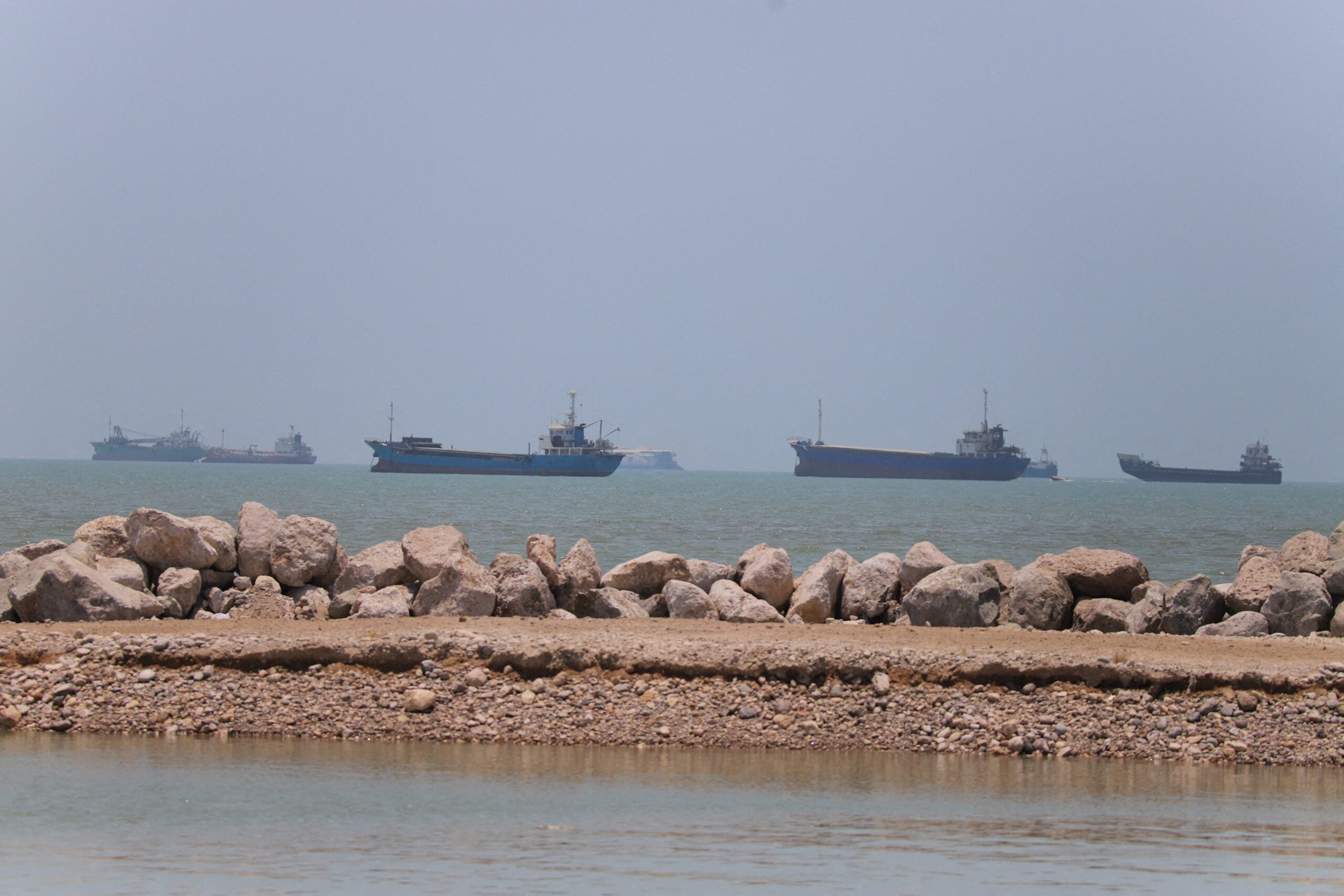
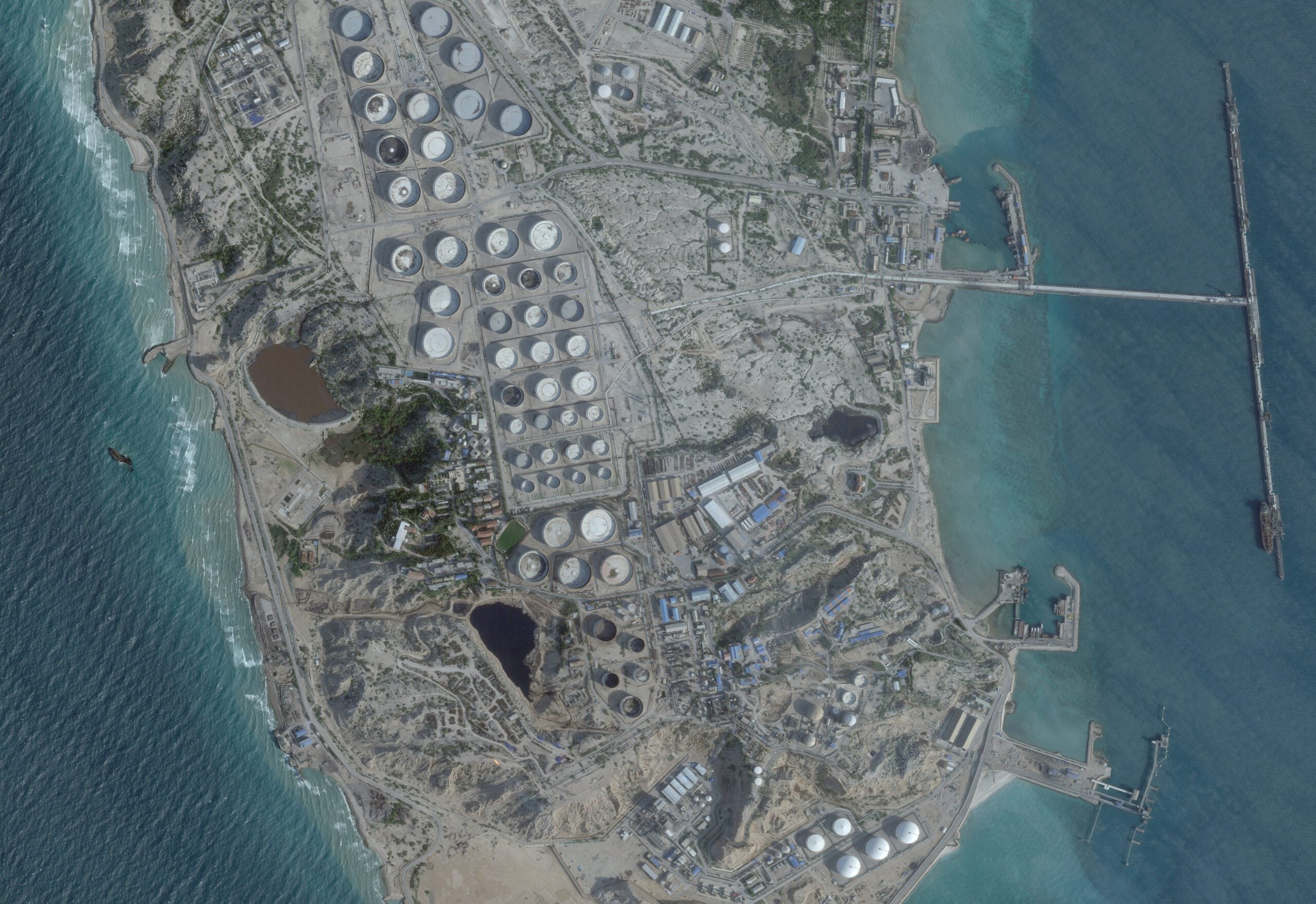
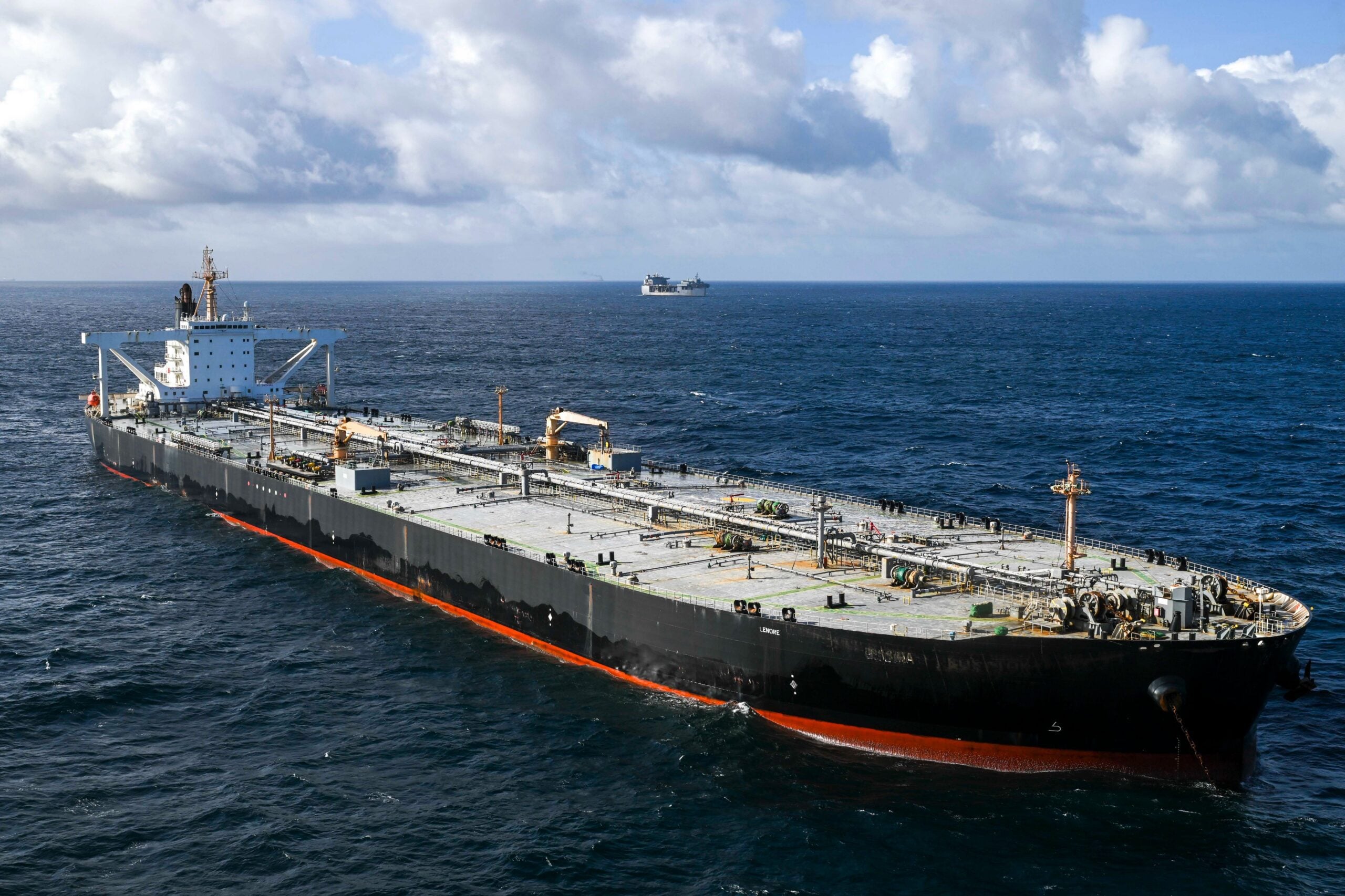
Iran’s Islamic Revolutionary Guard Corps announced the Strait of Hormuz was shut again, but commercial vessels continued to transit under coalition guidance and volumes dipped on 22 June. Washington and Tehran conducted intensive technical talks in Switzerland, with an Iranian negotiator confirming a draft for temporary oil sanctions relief and the US stressing a verification‑first approach. On the Lebanon front, Israeli strikes killed at least 16 people and officials reported repeated Hezbollah ceasefire violations, keeping the truce fragile and the talks exposed to disruption. Concurrently, Iranian oil loadings from Kharg Island resumed after the US said it lifted a maritime blockade and issued short‑duration sanctions waivers, and multiple VLCCs entered the chokepoint. The humanitarian toll remains high across Iran and Lebanon.
Key judgments
- The Strait of Hormuz is likely to remain partially open under coalition guidance despite repeated Iranian closure declarations, with commercial flows continuing but dipping on 22 June and a volatile security environment. (Confidence: medium · ASSESSED)
- I&W: CENTCOM or JMIC report 50+ merchant transits through Hormuz within a 24‑hour period with AIS signals on the southern route (0-14 days)
- I&W: Verified IRGC boardings or mine incidents that halt traffic on the Omani‑side corridor (0-14 days)
- US, Iran technical talks in Switzerland very likely advanced to a draft framework that includes temporary oil sanctions relief and a verification‑first approach, but the track remains fragile and sensitive to escalations in Lebanon. (Confidence: medium · ASSESSED)
- I&W: Treasury confirms implementation metrics or extension of the 60‑day oil sanctions waiver in public notices (0-30 days)
- I&W: Mediators or either delegation announce a suspension of Swiss talks citing incidents in Lebanon (0-14 days)
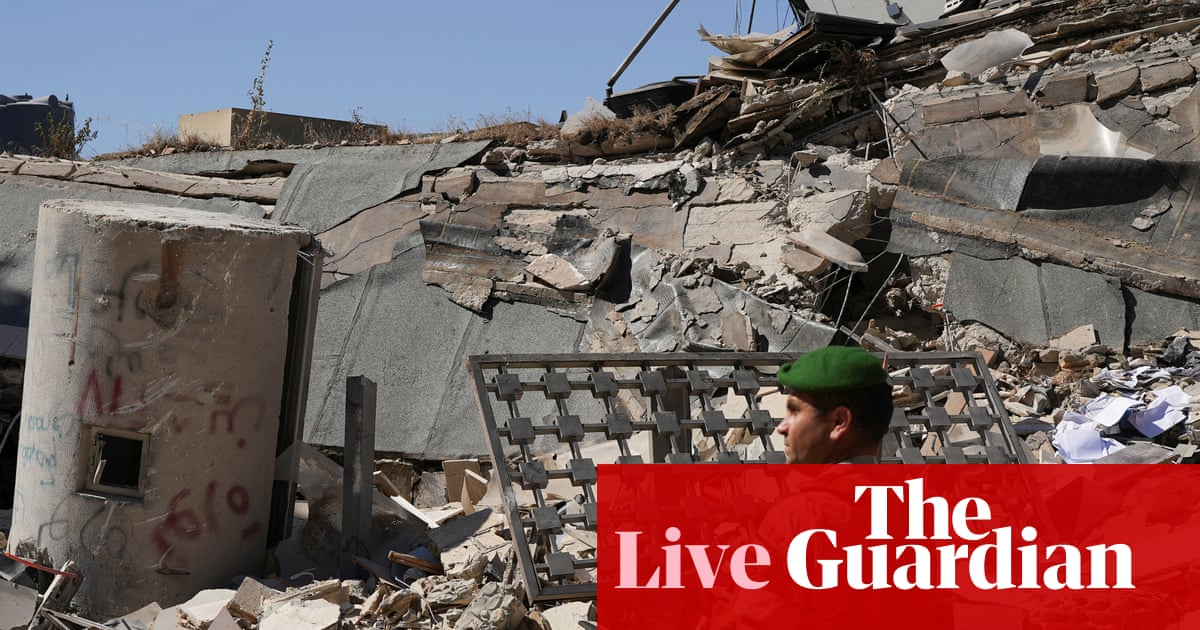
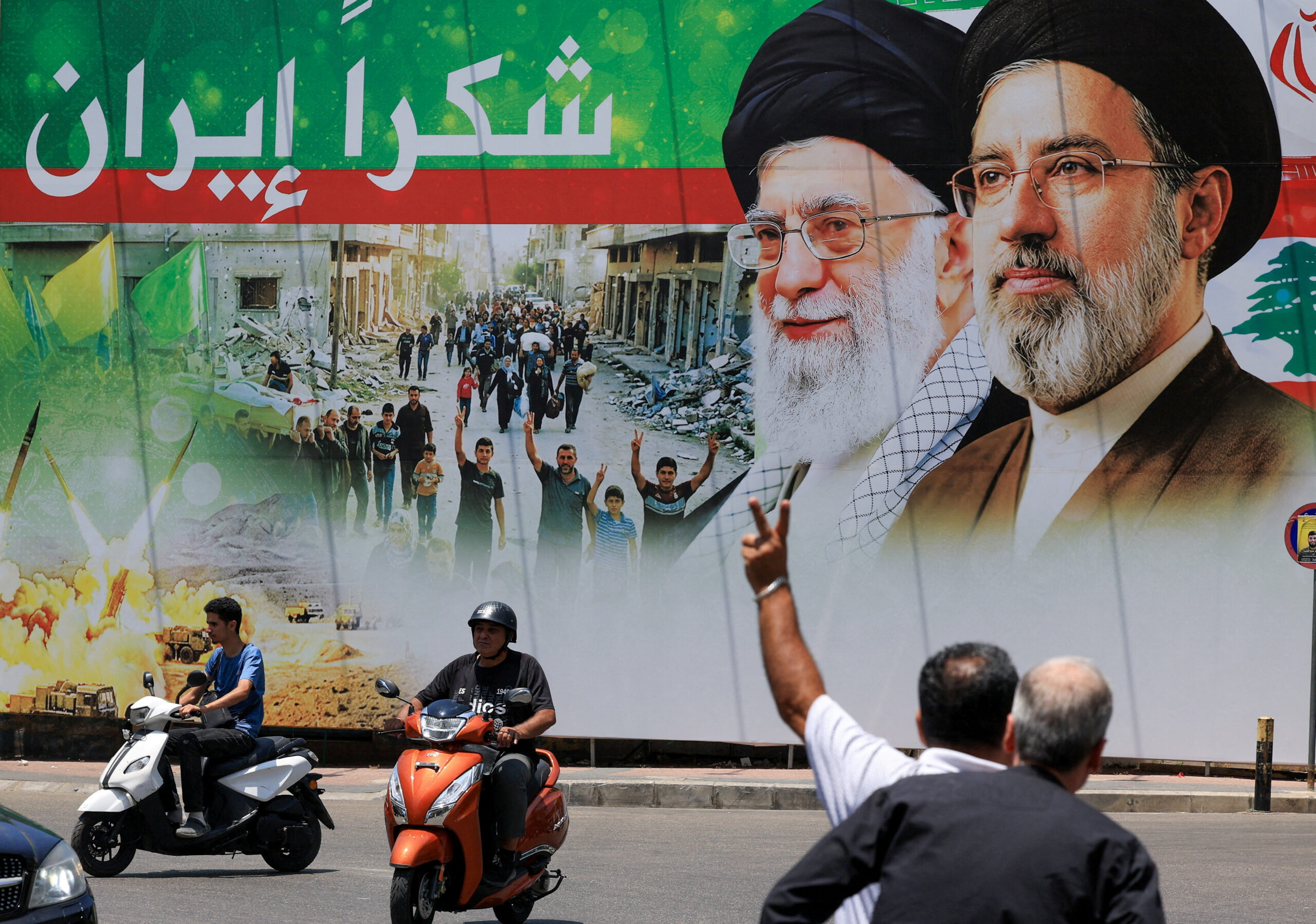
- Fighting between Israel and Hezbollah is likely to continue testing the ceasefire, with lethal incidents in southern Lebanon and repeated claimed violations keeping the risk of talks derailment high. (Confidence: medium · ASSESSED)
- I&W: No cross‑border launches or IDF retaliatory strikes recorded for 72 hours (0-14 days)
- I&W: Official communiqués confirm multiple large‑scale IDF air operations in Nabatieh or adjacent districts (0-14 days)
- Iranian oil supply to market is likely to increase in the near term as Kharg loadings resume, the US lifts its maritime blockade and short‑duration sanctions relief takes effect, with additional VLCCs transiting Hormuz. (Confidence: medium · ASSESSED)
- I&W: Ship‑tracking shows daily VLCC departures from Kharg and continued passage of sanctioned tankers (0-30 days)
- I&W: Sustained drop below five vessel transits per day following an IRGC closure order (0-14 days)
- Iran is likely more inclined to pursue nuclear weapons covertly than a year ago, and current understandings have not eliminated its nuclear capacity or addressed ballistic missiles, keeping the nuclear file a live risk. (Confidence: medium · ASSESSED)
- I&W: IAEA announces expanded inspection access and reporting on Iranian facilities (1-3 months)
- I&W: Credible detection of undisclosed enrichment activity or a material HEU stockpile increase (1-3 months)
- The humanitarian toll is high, very likely including thousands of deaths in Iran and Lebanon and large‑scale displacement in Lebanon, and will grow if the Lebanon front remains active. (Confidence: medium · ASSESSED)
- I&W: OCHA or Lebanese authorities report week‑on‑week increases in displacement or casualties (0-30 days)
- I&W: Verified 72‑hour cessation of strikes and projectile fire across the Blue Line (0-14 days)
- Regional confidence in US security guarantees has likely declined as Gulf states absorbed Iranian missile and drone attacks and partners flew defensive sorties, while the US military’s deterrent image was shaken. (Confidence: medium · ASSESSED)
- I&W: Public GCC moves to diversify security partnerships or formal reviews of US basing arrangements (1-3 months)
- I&W: Announced deepening of US, GCC defence cooperation or new deployments restoring confidence (1-3 months)
Outlook & scenarios
Fragile normalisation: ceasefire holds enough, Hormuz traffic steadily recovers (45%)
Ceasefire adherence improves and cross‑border fire subsides. The southern Hormuz route remains available and daily merchant transits rise, aided by naval guidance. OFAC’s General License and the 60‑day waiver support a measured ramp‑up of Iranian oil exports and Kharg loadings. Talks in Switzerland translate the draft into an interim package with verification steps, keeping energy prices contained.
Oscillating confrontation: sporadic Lebanon flare‑ups and on‑off Hormuz frictions, talks stumble forward (60%)
Israel, Hezbollah exchanges recur despite a ceasefire, periodically spiking tension and rhetoric. Iran reiterates closure claims, traffic dips episodically but does not stop as coalition navies keep a corridor open. Negotiators reconvene in fits and starts, preserving the draft and temporary oil relief while deferring harder files.
Breakdown and re‑escalation: ceasefire collapses, IRGC enforces closures (35%)
Major incidents in southern Lebanon trigger sustained Israeli strikes and Hezbollah salvos. Tehran moves from declarations to enforcement with boardings or mines, sharply reducing transits. Washington signals a return to strikes, Swiss talks pause, insurance premia spike and oil flows fall back.
Wildcard: nuclear access crisis triggers a new standoff (10%)
IAEA access stalls or new covert activity is reported. Verification‑based understandings fray, sanctions relief is withdrawn and regional actors hedge. Markets react to the risk of snapback measures and a longer energy disruption.
Recommendations
- Build a daily common operating picture of Hormuz using AIS, JMIC advisories and CENTCOM updates to quantify transits by corridor and flag any boardings or mine reports; layer NASA FIRMS thermal data to corroborate reported strikes ashore.
- Task collection on IRGC maritime units and coastal mine‑warfare activity near the Omani‑side route; prioritise HUMINT and SIGINT reporting on boarding orders or de facto tolling guidance to shippers.
- Coordinate with OFAC to circulate analyst guidance on Iran General License X and the 60‑day waiver, tracking transaction volumes and movements of the Elva, Virgo and Vigor VLCCs for sanctions‑evasion risk.
- Maintain an incident ledger on the Israel, Hezbollah front: geolocate IDF strikes and launch sites in Nabatieh and surrounding districts, and log claimed ceasefire violations to assess derailment risk for the Swiss talks.
- Update mission and expatriate risk postures in the UAE in light of prior Iranian strikes and explicit threats, aligning with existing US travel and departure guidance; rehearse shelter‑in‑place and rapid drawdown options for US facilities.
- Engage with maritime insurers and brokers on the Lloyd’s, Chubb war‑risk facility to understand coverage triggers and claims patterns that could signal a deteriorating security picture in Hormuz.
- Prepare a decision memo on verification benchmarks for any oil‑for‑relief package: enumerate inspection access points, reporting cadences and snap‑back triggers tied to the nuclear and missile files.
- Run energy shock and shipping disruption scenarios that model transits falling to single digits per day for a week, and brief interagency planners on contingency fuel supply and rerouting options.
Confidence & uncertainty
Overall confidence is medium because multiple high‑reliability official and major‑media reports corroborate that some commercial traffic continued through Hormuz, Swiss talks occurred, a draft with temporary oil sanctions relief exists, and Israeli, Hezbollah clashes persisted. However, key details are contested: Iran repeatedly declared the strait closed while CENTCOM reported substantial transits; Lebanon casualty figures and ceasefire adherence claims vary by source; and nuclear‑related reporting includes single‑source assessments. These contradictions and some think‑tank inputs constrain confidence below high.
Alternative analysis (red cell)
The available claims present a far more contested and equivocal picture than the brief’s key judgments imply. Several central inferences—partial reopening of Hormuz, a concrete sanctions‑relief draft, material export increases, and a definitive shift toward covert weaponization—rest on single-source or medium-admiralty items and conflict with coalition traffic data, contradictory incident/casualty reports, or operational indicators. Multiple plausible outcomes remain supportable by the ledger (managed, limited reopening and tentative progress versus episodic closure and renewed escalation), and additional independent operational and documentary collection is required to adjudicate which path is more likely.
Cited sources
[1] gcaptain.com · Iran Says Hormuz Has Been Closed But Sends Team For Swiss Talks (B) · sha256:5041139731cc [2] gcaptain.com · Shipping Slows After Iran Says It Has Again Shut The Strait of Hormuz (B) · sha256:f2126e9ee64a [3] gcaptain.com · Oil Keeps Flowing Through Hormuz Despite Iran Saying It’s Shut (B) · sha256:506b593581e9 [4] gcaptain.com · Ships Told They Can Use South Hormuz Route With Signals On (B) · sha256:6eb0304bf619 [5] The Jerusalem Post · Live Updates: Latest from Israel, Iran, and Middle East | The Jerusalem Post (A) · sha256:148c08cf5493 [6] CBS News · U.S. and Iranian negotiators meet as Trump threatens to "hit Iran very hard again" over Hezbollah (A) · sha256:ac7f73a80fbd [7] skynewsarabia.com · محادثات أميركا وإيران. آخر الأخبار (B) · sha256:7bfbc302cbf4 [8] time.com · The U.S.-Iran War: By the Numbers (A) · sha256:7e664750677b [9] theguardian.com · Middle East live: US-Iran peace talks underway as strait of Hormuz remains closed (A) · sha256:2c074594e4e4 [10] nypost.com · Conflict erupts in Lebanon between Israel, Hezbollah — just hours after 2 sides reach critical truce (B) · sha256:bba1c2299dbc [11] gcaptain.com · Iran Resumes Kharg Island Oil Loadings After US Blockade Lifted (A) · sha256:44fd5c0ac0bf [12] gcaptain.com · Iranian Crude Exports Surge Via Hormuz as Activity Picks Up (B) · sha256:e6044059d603 [13] gcaptain.com · Trump Treasury Issues Sweeping Iran Oil Waiver, Marking Sharp Break From 'Maximum Pressure' (B) · sha256:a35b0f6c9260 [14] udn.com · 川普百日戰爭白忙一場?紐時盤點中東4方得失:伊朗成最大贏家 | 聯合新聞網 (B) · sha256:11959233a012 [15] huffpost.com · Trump's War In Iran Is A Staggering Failure On Nearly Every Level (B) · sha256:c35628d6aa8f [16] The New York Times · 美国武力威慑未能实现目标,伊朗战争究竟取得了什么成果 (A) · sha256:647fa0481076 [17] BBC News 中文 · 伊朗战争:一份协议为特朗普的战争划下句号,也暴露了美国主导地位的局限 - BBC News 中文 (A) · sha256:a250dc2f8eab [18] globalvillagespace.com · Steve Witkoff, Araghchi Head to Switzerland as Iran Talks Resume Amid Lebanon Ceasefire Strains (B) · sha256:5fe417e929f3 [19] 新华网 · 战争冲突没有赢家——美以伊战事带来的变局与启示-新华网 (A) · sha256:0168d6d36ffe [20] Atlantic Council · What the US-Iran deal means for the rest of the Middle East (and beyond) (C) · sha256:5f93318fe142 [21] Wikipedia · United Arab Emirates in the 2026 Iran war (B) · sha256:df19f26cee10
Source content hashes were computed at collection time; the cited text is preserved unmodified for the life of this product.
Red cell review: PARTIAL DISSENT
TLP:CLEAR