TLP:CLEAR · Disclosure is not limited.
Middle East SITREP: Humanitarian needs outpace access as Hormuz reopening edges forward
Time window: Last 7 days · Audience: General analyst · Type: Situation report · DTG: 2026-06-18 00:13Z · Overall confidence: MEDIUM
BLUF
Humanitarian conditions in Gaza and southern Lebanon remain severe while aid delivery is constrained. A US, Iran deal that provides a ceasefire and reopening of the Strait of Hormuz is advancing, but shipping flows are still depressed and security risks in the Gulf persist.
Executive summary
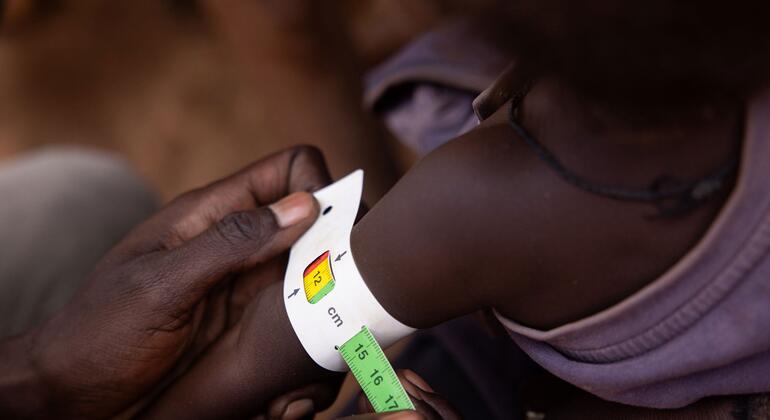
Gaza continues to face extreme food insecurity and renewed displacement, with aid flows and aviation constrained. In Lebanon, high levels of displacement and child casualties persist alongside mixed signals on the ground, including reports of both decreased exchanges of fire and fresh Israeli strikes. Washington and Tehran have announced and welcomed a deal that provides for an immediate ceasefire and reopening of the Strait of Hormuz, and some Iranian tankers are moving again, yet commercial traffic remains significantly reduced following earlier closures. The security environment in the United Arab Emirates remains high-risk, with US government travel and aviation advisories and public Iranian threats. Aid logistics show integrity gaps, including USAID inventories at risk of spoilage, while donors such as Canada are injecting funding to Palestinian relief. US lawmakers are pressing for a humanitarian maritime corridor for fertiliser through Hormuz to head off broader food insecurity and instability.
Key judgments
- Gaza’s humanitarian crisis almost certainly remains extreme: more than 1.6 million people have been assessed as needing urgent food support, the entire population faced high acute food insecurity by late 2025, renewed insecurity has displaced families and an airstrike hit a UN school in Jabalia, and the crisis has restricted aviation and aid flows. (Confidence: high · REPORTED)
- I&W: UN or IPC updates that sustain Phase 3 or worse for the majority of Gaza’s population without a measured rise in access corridors (1-3 months)
- I&W: UN reporting of functioning, uninterrupted humanitarian access corridors across Gaza for at least two consecutive weeks (0-14 days)
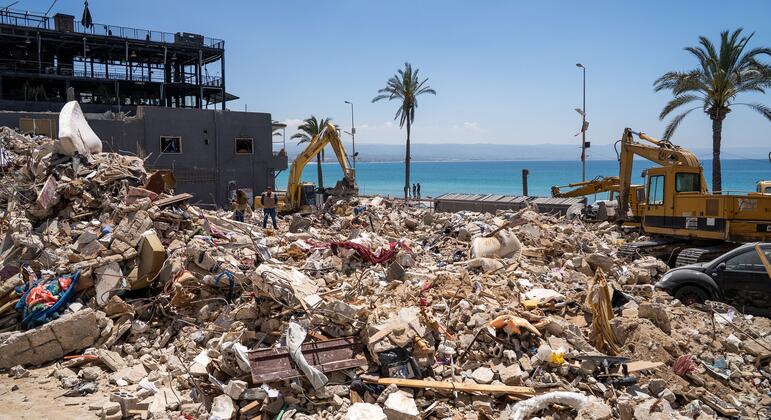
- Lebanon’s humanitarian situation is likely to remain acute despite episodic lulls: 131,200 internally displaced people are in 644 shelters, an average of 12 children are killed or maimed daily, and Israeli strikes and displacement orders between 12 and 14 June drove further displacement, even as UNIFIL noted a decrease in exchanges of fire and some families assessed returns around Nabatieh. (Confidence: medium · REPORTED)
- I&W: OCHA or UNIFIL reports show IDP totals rising above 140,000 or renewed large-scale displacement orders in South and Nabatieh governorates (0-14 days)
- I&W: UNIFIL daily trajectory counts and ceasefire violations fall and remain at markedly lower levels for two consecutive weeks (1-3 months)
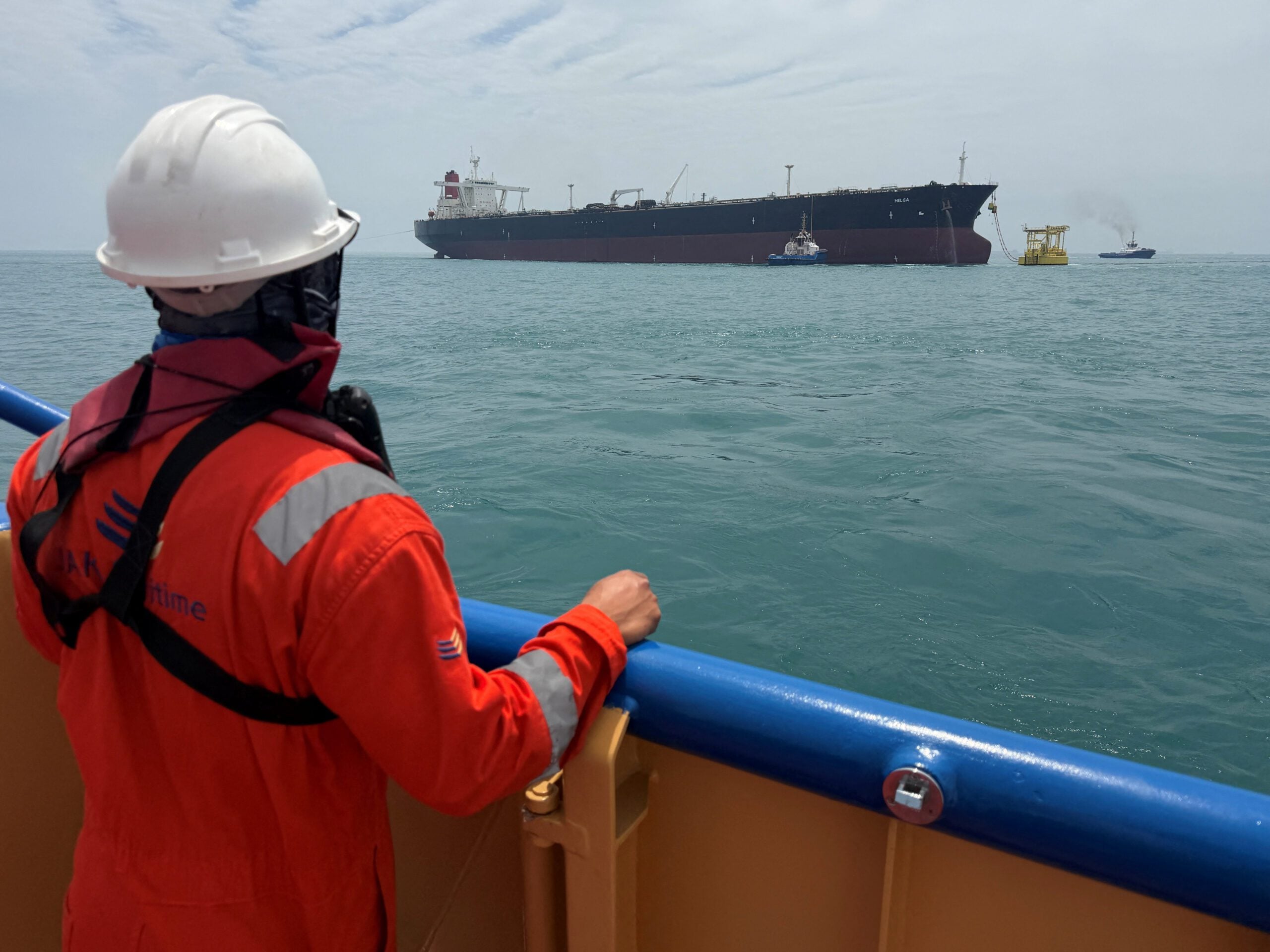
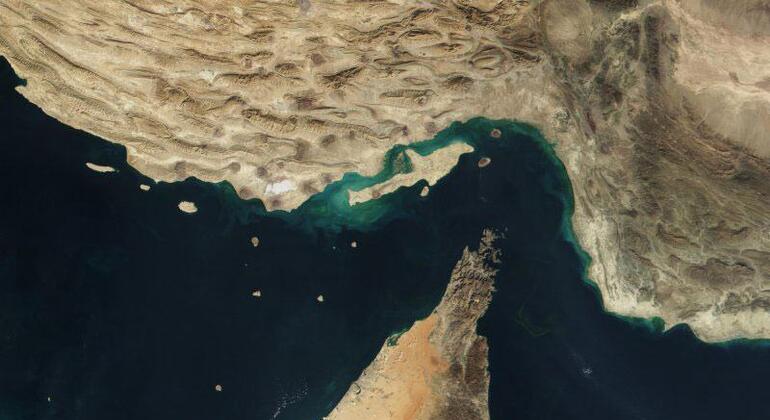
- The reopening of the Strait of Hormuz is very likely to begin easing maritime disruptions gradually, given the announced US, Iran deal providing an immediate ceasefire and reopening provisions and evidence of Iranian tankers moving beyond the prior blockade boundary, though commercial traffic remains significantly reduced and earlier closures occurred as recently as late March. (Confidence: medium · ASSESSED)
- I&W: JMIC or AIS data show sustained daily transits through Hormuz returning to multi‑dozen levels for two continuous weeks (0-14 days)
- I&W: Official announcements from IRGC or relevant authorities reinstating closures or firing incidents against transiting vessels (0-14 days)
- Security risks to US-linked personnel and aviation in the UAE almost certainly remain elevated, as shown by the US ordered departure on 2 March, an FAA advisory for Middle East operations, and declared Iranian intent to target US-associated locations amid an ongoing threat of drone and missile attacks. (Confidence: high · REPORTED)
- I&W: Continuation or tightening of US government travel and aviation advisories for the UAE or broader Gulf (0-14 days)
- I&W: Rescission of the ordered departure and downgrading of FAA advisories for Middle East airspace (1-3 months)
- Aid delivery capacity is likely being eroded by logistics and integrity failures, including at‑risk and spoiled USAID food stocks in Djibouti, storage deficiencies affecting large inventories in Houston, and USAID OIG actions against fraud and problematic staff transfers within the aid ecosystem. (Confidence: medium · ASSESSED)
- I&W: Publication of OIG audits or directives detailing disposition of at‑risk inventories and additional spoilage events (1-3 months)
- I&W: USAID reporting shows remediation of storage deficiencies and elimination of at‑risk lots from Djibouti and Houston (1-3 months)
- Preventing fertiliser supply disruption is very likely central to averting wider hunger and instability, aligning with US risk assessments and congressional calls for a humanitarian maritime corridor through Hormuz. (Confidence: medium · ASSESSED)
- I&W: Announcement and initial sailings of a monitored humanitarian fertiliser corridor transiting Hormuz (1-3 months)
- I&W: Continued absence of fertiliser shipments through Hormuz and UN or US warnings of worsening food insecurity linked to supply gaps (1-3 months)
Outlook & scenarios
Managed de‑escalation and phased maritime reopening (45%)
The US, Iran agreement holds, a ceasefire endures, and reopening measures for Hormuz take effect. Iranian tankers continue to reappear on AIS and traffic recovers from depressed levels. A humanitarian fertiliser corridor is stood up, easing food security pressures regionally. Humanitarian access to Gaza improves incrementally but remains below needs.
Brittle lull with episodic flare‑ups and constrained access (50%)
Despite ceasefire provisions, intermittent exchanges persist and Gulf security risks remain high. Commercial traffic through Hormuz stays significantly reduced, insurers remain cautious, and humanitarian corridors lag. In Lebanon, displacement and child casualties persist alongside short lulls; in Gaza, displacement and strike incidents continue to disrupt aid delivery.
Relapse: maritime setback and renewed regional escalation (30%)
A new closure threat or attack at the Strait of Hormuz reverses initial gains. Air and maritime advisories tighten. Aid agencies face worsening logistics and integrity challenges, with spoilage and diversion risks compounding funding gaps. Food insecurity intensifies, raising instability risks beyond immediate conflict zones.
Recommendations
- Establish a daily Hormuz dashboard combining AIS tracks and Joint Maritime Information Center advisories to flag trend inflections in vessel transits and to cue insurance and routing guidance for humanitarian and commercial shipping.
- Back State-led efforts to organise a monitored humanitarian fertiliser corridor via Hormuz with allied maritime partners, including shared deconfliction procedures and verification for cargoes destined for food production.
- Direct USAID to issue time‑bound disposition orders for at‑risk Djibouti stocks and remediate Houston warehouse deficiencies, and to publish a corrective action plan; prioritise pre‑positioning in facilities with documented stronger controls.
- Task USAID OIG liaison officers to expand fraud and vetting cooperation with UN agencies and NGOs to prevent staff associated with extremist groups from transferring within the aid ecosystem.
- Advise US government personnel, contractors and NGO partners operating in the UAE to maintain elevated security postures aligned with FAA notices and State guidance, including verified evacuation and shelter‑in‑place plans.
- Leverage donor momentum by convening with Canada and Gulf partners to align Gaza, West Bank and Lebanon funding to highest‑impact pipelines and to smooth last‑mile constraints tied to airspace and access.
- Integrate NASA FIRMS thermal detection feeds into humanitarian security planning to corroborate strike, shelling or industrial fire activity that may threaten routes and facilities.
Confidence & uncertainty
Overall confidence is medium. Many core elements draw on high‑reliability multilateral and official US reporting, particularly on humanitarian needs, displacement, security advisories and the announced US, Iran deal. However, timelines and on‑the‑ground conditions around the ceasefire and Hormuz reopening include contradictory or lagging indicators, and shipping levels remain variably reported. Judgments that infer operational impact from aid logistics reporting, and the pace of maritime normalisation, rest on partial and at times conflicting open reporting.
Alternative analysis (red cell)
The source base contains dated assessments, policy statements, and episodic operational reports that do not uniformly support high‑confidence strategic extrapolations. Alternative, defensible readings are that humanitarian conditions are severe but spatially and temporally heterogeneous; the Strait of Hormuz situation is volatile and any reopening is fragile; UAE security advisories indicate elevated caution but the current threat level is time‑bound; and documented aid stock problems appear localized rather than conclusively systemic. Targeted, contemporaneous operational, market, and ground‑truth collection is required before sustaining multiple high‑confidence judgments.
Cited sources
[1] UN Food and Agriculture Organization (FAO) and World Food Programme (WFP) · Worsening hunger could push millions closer to famine in 13 global hotspots (A) · sha256:69ceed483836 [2] Wikipedia · Gaza humanitarian crisis (B) · sha256:4df66f949dca [3] United Nations · World News in Brief: Risky return home in Lebanon, displacement in Gaza, emergency funding for Somalia (A) · sha256:78d1f372127a [4] United Nations · Lebanon: 12 children killed, maimed daily, despite Hezbollah-Israel truce (A) · sha256:62ce650be4f1 [5] Wikipedia · Middle Eastern crisis (2023–present) (B) · sha256:5d295563f32a [6] United Nations · Guterres welcomes US-Iran peace deal as ‘critical step’ toward ending conflict (A) · sha256:a9c37cc56b40 [7] United Nations · While world waits for details on Iran-US accord, UN calls for Hormuz aid corridor (A) · sha256:a3bd7be95cdb [8] gcaptain.com · Iranian Tankers Reappear as Crude Exports Show Signs of Restart After Hormuz Deal (B) · sha256:e75a2d244d92 [9] Wikipedia · 2026 Strait of Hormuz crisis (B) · sha256:f7d817c220f8 [10] U.S. Department of State · United Arab Emirates Travel Advisory (A) · sha256:7a0c71f2991b [11] Office of Inspector General, USAID · Office of Inspector General (A) · sha256:645613be0f57 [12] House Foreign Affairs Committee · Meeks, Himes Call on Rubio to Avert Humanitarian Crisis (A) · sha256:6640ade2ff48
Source content hashes were computed at collection time; the cited text is preserved unmodified for the life of this product.
Red cell review: PARTIAL DISSENT
TLP:CLEAR