TLP:CLEAR · Disclosure is not limited.
Middle East SitRep: Iran, Israel Ceasefire Fragility, Hormuz Disruptions, and Cautious Red Sea Reopening
Time window: Last 1 day · Audience: General analyst · Type: Situation report · DTG: 2026-07-07 03:12Z · Overall confidence: MEDIUM
BLUF
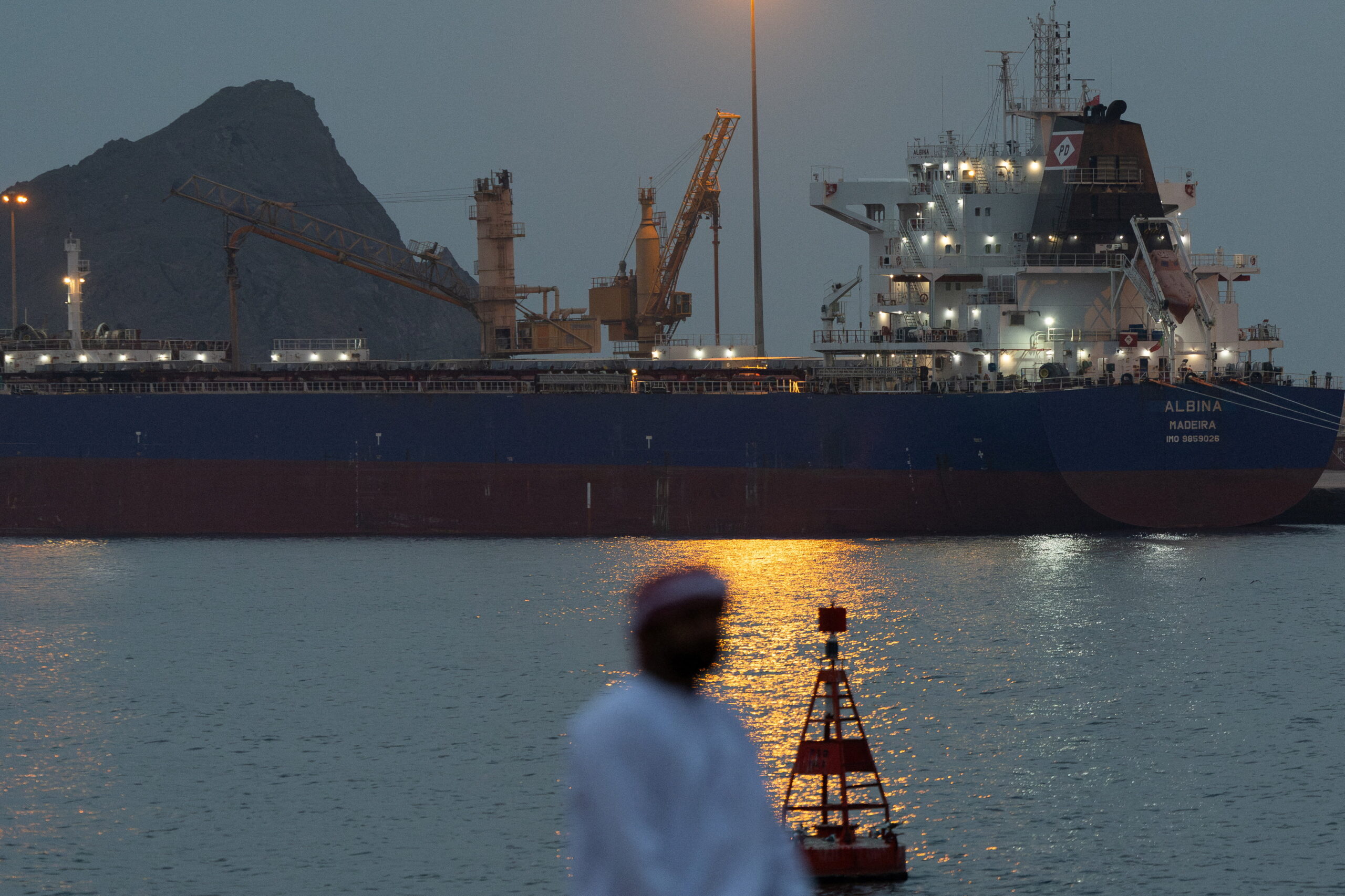
The Iran, Israel ceasefire is fragile and there is a roughly even chance of renewed strikes in the near term, while the Strait of Hormuz remains intermittently restricted and hazardous for shipping. Carriers are cautiously restoring one Suez, Red Sea service, but piracy and spillover risks keep maritime threat levels high.
Executive summary
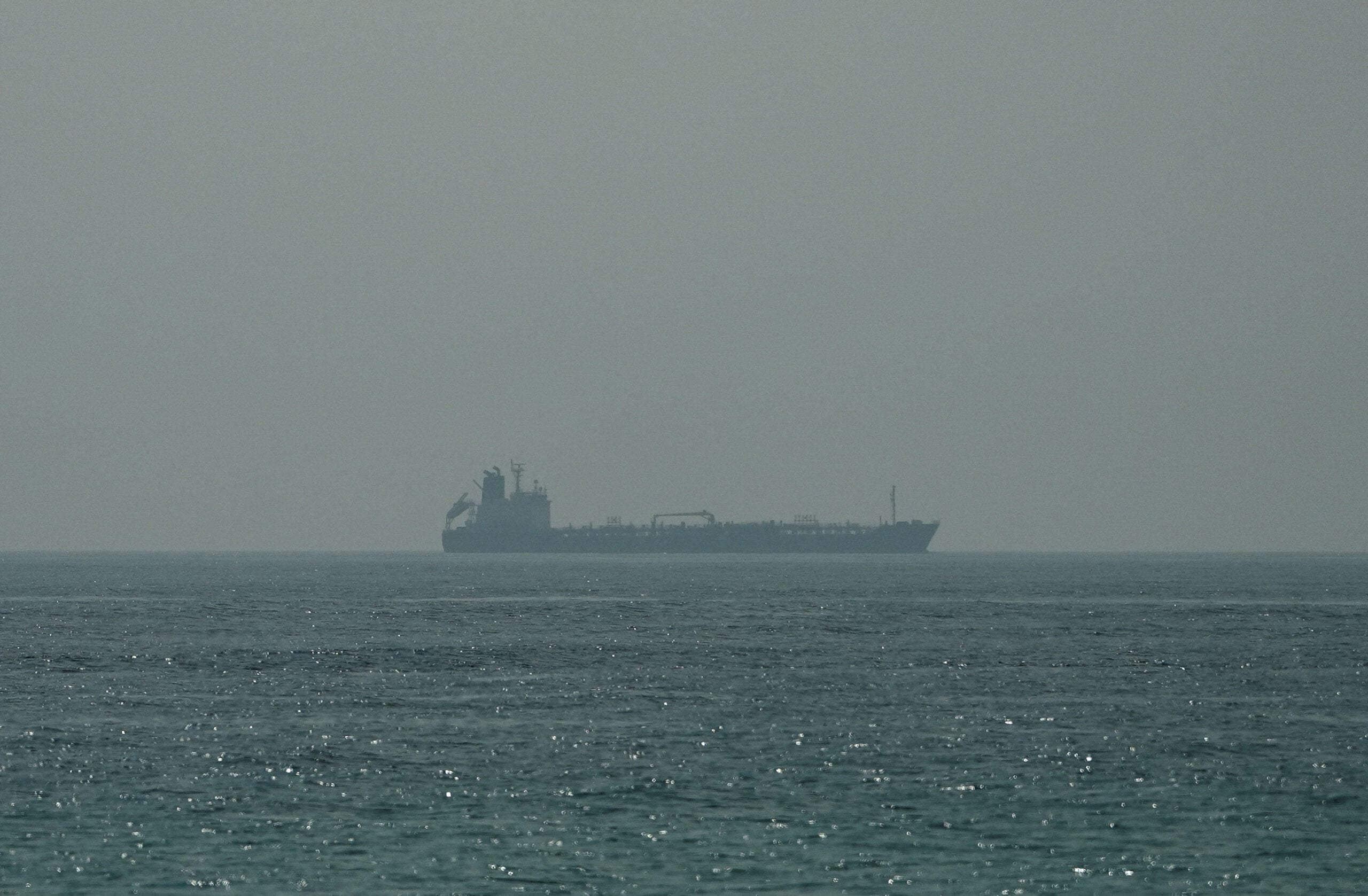
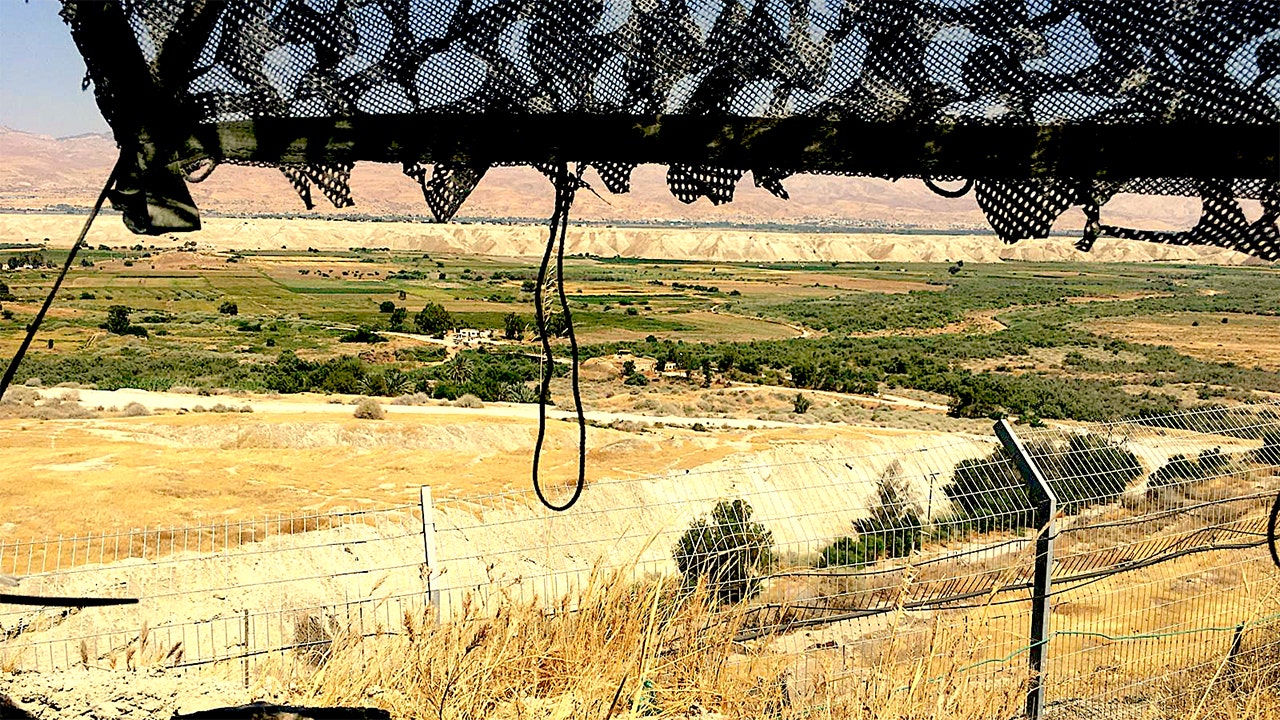
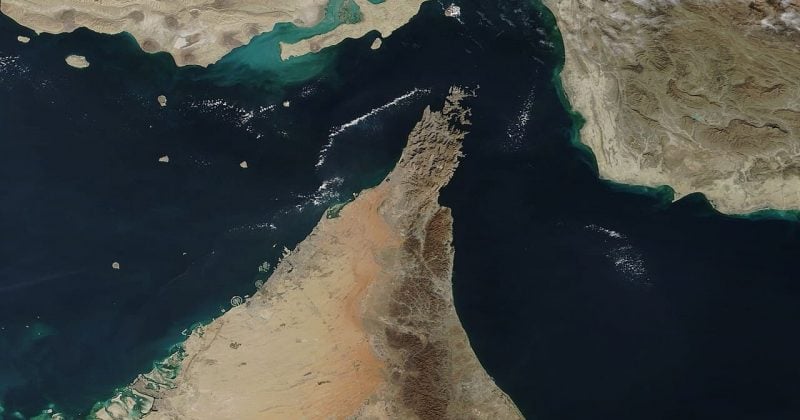
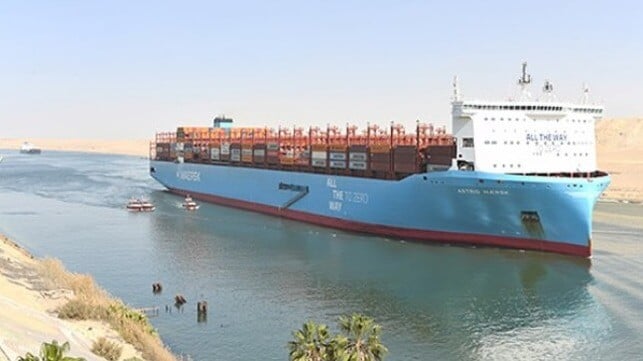
Iran’s late‑February closure of the Strait of Hormuz and a fresh 20 June re‑closure order, coupled with IRGC Navy actions and a recent tanker strike near the strait, keep maritime risk elevated and flows curtailed. Despite a 17 June US, Iran memorandum of understanding, Israeli leaders and the IDF continue to signal readiness for renewed action, and exchanges of strikes on 28 June show the pause is brittle. Israel is hardening its Jordan Valley border posture and stepping up West Bank operations ahead of a challenging summer. In parallel, Maersk and Hapag‑Lloyd are attempting a limited return to the Suez, Red Sea route after security reviews, even as piracy incidents in the Red Sea and Gulf of Aden have risen. Energy security remains exposed as the blockade threatens oil flows and Iran plans to charge Hormuz transit fees from mid‑August.
Change from previous assessment
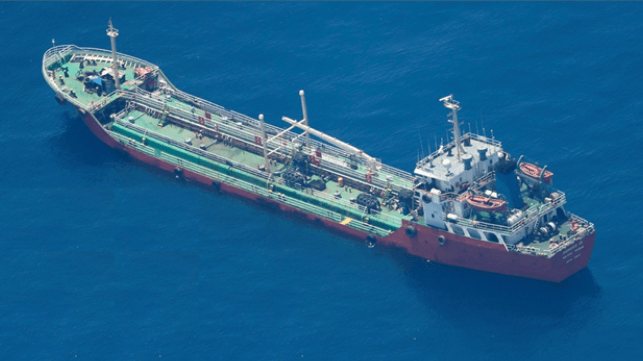
Since the prior brief, the IRGC re‑declared the Strait of Hormuz closed on 20 June, and a tanker was struck by a projectile near the strait, reinforcing the maritime hazard. A 17 June US, Iran memorandum of understanding was reported even as the United States and Iran exchanged strikes on 28 June, sharpening the assessment that the ceasefire is brittle. Maersk and Hapag‑Lloyd moved to restore one Suez, Red Sea service after security reviews, while IMO data showed piracy incidents in the Red Sea and Gulf of Aden remain elevated. The IDF forecast a challenging summer in the West Bank and continued fortifying along the Jordan Valley, adding weight to concerns about internal security demands. Initial assessment of this topic for this run incorporates these developments and raises the likelihood of renewed strikes compared to the prior framing.
Key judgments
- It is very likely the Strait of Hormuz will remain hazardous and intermittently restricted for commercial shipping over the coming weeks, given Iran’s late‑February closure, the IRGC’s 20 June re‑closure order, IRGC Navy actions against tankers, large backlogs of trapped vessels and crew, and a recent projectile strike on a tanker east of the strait. (Confidence: high · ASSESSED)
- I&W: Another UKMTO‑confirmed projectile, drone or mine incident near Limah, Oman or just east of Hormuz. (0-14 days)
- I&W: A public Iranian notice to mariners rescinding the closure and a JMIC downgrade from SUBSTANTIAL. (0-14 days)
- There is a roughly even chance that Iran and Israel resume long‑range strikes within one to three months despite the 17 June memorandum of understanding, as the IDF and Israel’s defence minister publicly signal readiness and recent exchanges of strikes show the ceasefire is fragile. (Confidence: medium · ASSESSED)
- I&W: Israeli announcement or credible reporting of renewed strike packages against Iran, or Iranian missile/drone salvos targeting Israel. (0-30 days)
- I&W: Public joint US, Iran readouts detailing MoU implementation and a sustained halt in cross‑border strikes. (1-3 months)
- Israeli internal security demands along the Jordan Valley and in the West Bank are likely to intensify through summer 2026, straining bandwidth for northern and Iran contingencies, as the IDF reactivates 45 bases, hardens the border system, increases interdictions, and launches broader operations while warning of a challenging summer. (Confidence: medium · ASSESSED)
- I&W: IDF announces additional base reactivations or new large‑scale raids in the West Bank. (0-14 days)
- I&W: IDF communicates posture reductions or a sustained decline in reported smuggling interdictions along the Jordan Valley. (1-3 months)
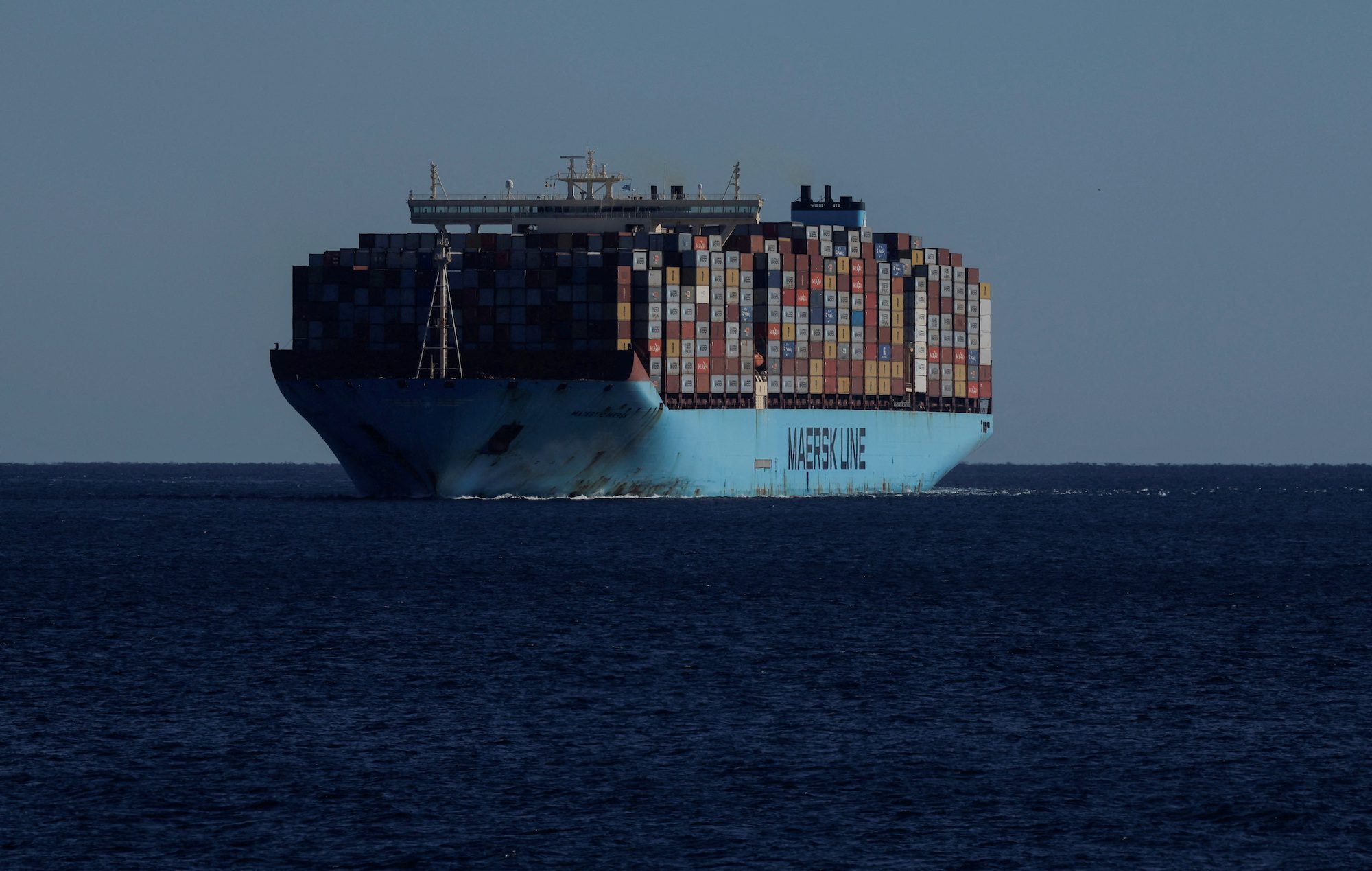
- Container carriers are cautiously restoring one Suez, Red Sea service, but Red Sea and Gulf of Aden risk is likely to remain elevated due to a documented uptick in piracy and continued caution among shippers and insurers. (Confidence: high · ASSESSED)
- I&W: IMO or UKMTO logs multiple piracy or attempted piracy events along the Red Sea, Gulf of Aden corridor. (0-14 days)
- I&W: Maersk and Hapag‑Lloyd suspend the AE15 service again citing security concerns. (0-14 days)
- Energy security risk will stay high into August, with the Hormuz blockade threatening oil flows and Iran set to begin charging transit fees in mid‑August, prompting workarounds that keep logistics tight even as markets absorb earlier losses. (Confidence: high · ASSESSED)
- I&W: Iranian authorities publish and enforce Hormuz transit fee schedules, with reports of payments by transiting vessels. (1-2 months)
- I&W: Trade reporting shows the blockade lifted and normal tanker traffic patterns restored through Hormuz. (1-3 months)
Outlook & scenarios
Ceasefire collapses and Iran, Israel long‑range strikes resume (45%)
Within weeks, the IDF conducts renewed strikes into Iran and the IRGC answers with missile‑and‑drone salvos aimed at exhausting Israeli air defences. The IRGC tightens enforcement of the Hormuz closure and spillover risks to merchant shipping rise, keeping large numbers of vessels and crews delayed. Regional proxies posture along the Lebanon front and the Red Sea theatre remains hazardous.
Managed de‑escalation holds with fee‑based Hormuz transit (30%)
The 17 June US, Iran memorandum of understanding yields incremental implementation steps and a sustained pause in direct strikes. Iran allows controlled transits through Hormuz while beginning to levy mid‑August transit fees. Carriers continue a limited return to the Suez, Red Sea route following security reviews, though operators and insurers retain a cautious stance.
Proxy flare‑ups overshadow direct Iran, Israel exchanges (35%)
The conflict vector shifts to Lebanon and the West Bank. Hezbollah activity and IDF responses escalate north of the border while the IDF focuses on Jordan Valley security, smuggling interdiction and West Bank operations it already expects to be challenging this summer. Direct Iran, Israel strikes remain on hold, but regional maritime and air risk stays elevated.
Recommendations
- Maintain a continuous watch on UKMTO advisories and JMIC threat postings for the Strait of Hormuz and surrounding approaches, and flag any fresh projectile, mine or drone incidents for immediate routing to maritime stakeholders.
- Task collection for Iranian notices to mariners and port authority communications indicating implementation of mid‑August Hormuz transit fees, and prepare a rapid assessment of likely shipper compliance and diversion patterns.
- Establish a daily tracker for the AE15 service sailings and any additional carrier route restorations through Suez, Red Sea, paired with an incident log of piracy attempts in the Red Sea and Gulf of Aden to inform risk premiums and voyage planning.
- Monitor IDF posture changes along the Jordan Valley and in the West Bank, including base reactivations, interdiction statistics and reserve call‑ups, to gauge bandwidth available for northern or Iran contingencies.
- Define tripwires for ceasefire breakdown, including official Israeli or Iranian strike announcements and credible reports of cross‑border launches, to trigger escalation of crisis reporting and interagency coordination.
- Update energy market stress‑test assumptions to include a mid‑August onset of Hormuz transit fees alongside continued intermittent restrictions, and brief senior consumers on likely impacts to liftings, insurance and alternative routing.
Confidence & uncertainty
Overall confidence is medium. Maritime disruption in the Strait of Hormuz is supported by multiple high‑confidence claims from trade and major media sources that corroborate closures, enforcement actions, vessel backlogs and a recent tanker strike. Carrier behaviour in the Suez, Red Sea corridor and IMO piracy tallies are also well sourced. Assessments on ceasefire durability and prospects for renewed Iran, Israel strikes rest on generally reliable but partly single‑source reporting about the 17 June MoU, recent strike exchanges and Israeli signalling. Some timelines in the corpus differ, and intent statements do not guarantee action, which constrains confidence in forward‑leaning judgments.
Alternative analysis (red cell)
The evidence base contains multiple unacknowledged contradictions and several medium‑quality and single‑source items; therefore, alternative, lower‑severity readings are defensible. Maritime disruption around Hormuz appears episodic and influenced by political signaling and isolated incidents rather than a demonstrably enforced, weeks‑long closure. Similarly, public statements of readiness by Israeli officials and limited strike exchanges (9e5e57f5; 2480b603) do not, by themselves, establish a ~50% chance of large‑scale resumed strikes in 1–3 months absent operational indicators. Finally, documented Israeli measures in the West Bank (5a816bf1; a820dd87) justify concern about increased internal security operations but do not provide concrete evidence they will materially degrade northern or Iran‑facing readiness.
Intelligence gaps
- [EEI 1.1 · UNCOVERED] Observed repositioning, sustained increases, or new forward basing of Iranian conventional or IRGC forces (armored units, missile batteries, aircraft, naval vessels) toward borders or regional launch points. Recommended collection: IMINT/satellite
- [EEI 1.3 · PARTIAL] Detection of increased missile/rocket/torpedo launch events attributable to Iran, Israel, or proxies (launch signatures, trajectories, impact points) indicating a sustained campaign rather than isolated strikes. Recommended collection: SIGINT/IMINT/air-defense radar
- [EEI 1.4 · PARTIAL] Interdicted or observed shipments (air, sea, land manifests, seizures, satellite imagery of transfers) of advanced weapons or missile components from Iran toward proxy groups or forward staging points. Recommended collection: maritime/AIS
- [EEI 2.1 · UNCOVERED] Satellite or on-the-ground imagery showing fires, damage, or operational shutdown at major oil export facilities, refineries, storage terminals, or key pipeline infrastructure in the Gulf and Red Sea. Recommended collection: IMINT/satellite
- [EEI 2.4 · PARTIAL] Rapid increases in war-risk insurance premiums for Middle East routes, shipping company advisories to avoid region, or major charter cancellations tied to the conflict. Recommended collection: financial/open-source
- [EEI 3.1 · UNCOVERED] Movement/arrival of major foreign military assets into the region: U.S. carrier strike groups, amphibious ready groups, strategic bomber flights, Russian/Chinese naval taskings, or allied expeditionary units (visible in AIS, NOTAMs, satellite imagery, official releases). Recommended collection: IMINT/satellite
- [EEI 3.2 · UNCOVERED] Official expedited arms transfers, basing/overflight agreements, or declarations of operational support (formal government announcements, defense ministry releases, logistics flight manifests). Recommended collection: open-source/diplomatic
- [EEI 3.3 · UNCOVERED] Embassy evacuations, large-scale personnel movements, issuance of government travel bans/advisories, or multinational security alerts affecting foreign nationals and diplomatic posture in the region. Recommended collection: diplomatic/open-source
- [EEI 3.4 · PARTIAL] High-level diplomatic/UN activity: scheduled or emergency Security Council meetings, published ceasefire proposals, or multilateral statements committing support/condemnation that precede changes in military posture. Recommended collection: open-source/diplomatic
Cited sources
[1] Foley & Lardner · The Strait Reopened. Then It Didn't. Here's Where Things Actually Stand. | Foley & Lardner (C) · sha256:ae6d1207e60c [2] gcaptain.com · The Engine Room Problem And Why Machinery Failure Remains Shipping's Dominant Risk (C) · sha256:b0815b93509a [3] gcaptain.com · Tanker Struck by Projectile Near Hormuz, Sparking Fire (B) · sha256:97a4c204e90a [4] cryptobriefing.com · Iran blocks Strait of Hormuz, threatening global oil supply amid conflict (B) · sha256:726861c72492 [5] gcaptain.com · The Tanker Tycoon Making Millions on Hormuz Shuttle Runs (B) · sha256:4f4a97185786 [6] tv7israelnews.com · Rumors of Khamenei's Death & The Chaos Splitting the Middle East (B) · sha256:0eaae2ace6a3 [7] jpost.com · As the IRGC, Mojtaba Khamenei seek revenge, Israeli officials fear renewed Iran fighting - analysis (B) · sha256:ab33a650b2ed [8] cryptobriefing.com · Israel ready for military action amid fragile ceasefire with Iran (B) · sha256:9bf649830561 [9] Fox News Digital · Israel fortifies border with Jordan as Iran seeks new terror path (A) · sha256:8a7c4ebc3b2c [10] Jerusalem Post · World Cup, summer vacation could lead to increased West Bank violence, IDF fears (B) · sha256:c4ee2b74d9f4 [11] maritime-executive.com · Maersk and Hapag to Shift One Route to Suez-Red Sea Transit (C) · sha256:aa2170c58755 [12] gcaptain.com · Maersk and Hapag-Lloyd Expand Suez Canal Return With AE15 Service (C) · sha256:c28837f6d457 [13] gcaptain.com · IMO Chief Urges Immediate Release of 44 Seafarers Held by Somali Pirates (A) · sha256:f43e592aad95 [14] maritime-executive.com · IMO Calls for Release of Three Ships Hijacked by Somali Pirates (A) · sha256:b90c9e329dd6 [15] oilandgas360.com · World absorbs historic Iran war oil supply loss, but depleted stocks bring risks - Oil & Gas 360 (B) · sha256:018151e2a2fb [16] Atlantic Council · New Middle East corridors are about more than just bypassing the Strait of Hormuz (C) · sha256:fb9fac91221a
Source content hashes were computed at collection time; the cited text is preserved unmodified for the life of this product.
Red cell review: PARTIAL DISSENT
TLP:CLEAR