TLP:CLEAR · Disclosure is not limited.
Middle East SITREP: Iran, Israel confrontation, Hormuz maritime risk, and threats to negotiators
Time window: Last 1 day · Audience: General analyst · Type: Situation report · DTG: 2026-07-04 12:11Z · Overall confidence: MEDIUM
BLUF
Israeli jets breached Iranian airspace this week and Washington struck Iranian targets on 27 June, while Iran’s contested 60‑day safe‑passage pledge in Hormuz sits alongside fresh attacks on shipping and an estimated 80 floating mines. Risks to senior Iranian negotiators persist amid US warnings and Israeli denials, and mass funeral events for Ali Khamenei create a near‑term escalation window.
Executive summary
Hostilities remain active across the Iran, Israel theatre. Israeli warplanes penetrated Iranian airspace in early July and Iran condemned US air strikes on 27 June. Iran previously fired missiles and drones at Israel and US positions, and its forces have fired on and attacked shipping in the Strait of Hormuz despite a 60‑day arrangement for safe passage tied to the Islamabad MoU. The maritime picture is tense: a container ship attack was reported last week, Iran’s Revolutionary Guards have demanded transit clearance, and the UN’s shipping agency estimates 80 floating mines in central Hormuz, even as China calls for unhindered flow and Western capitals debate fees. US posture remains robust in theatre with carriers, amphibious ships and Apache helicopters, although some bombers and fighters have rotated out of Europe. US officials worried Israel might target Iranian negotiators Abbas Araghchi and Mohammad Bagher Qalibaf, prompting an emergency diversion of Qalibaf’s flight, though the Israeli Prime Minister’s Office disputes the reports. Large funeral processions for Khamenei in Tehran ahead of burial in Mashhad next Thursday are drawing huge crowds, heightening short‑term risk.
Change from previous assessment
Since the 3 July brief, there are new reports of Israeli warplanes penetrating Iranian airspace in early July, a US strike acknowledged by Iran on 27 June, and a reported container ship attack in Hormuz alongside an estimate of 80 floating mines. China publicly called for unhindered shipping, while reporting indicates European acceptance of potential fees and continued US and Gulf opposition. US posture shows continuity in theatre with carriers, amphibs and Apaches, while B‑52s left RAF Fairford and some fighters rotated. The risk to Iranian negotiators gained texture with US warnings and an emergency diversion, countered by an Israeli denial. Khamenei’s body is lying in state in Tehran ahead of a burial in Mashhad next Thursday, opening a defined near‑term risk window. Initial assessment of this topic was expanded with these developments and confidence levels adjusted where reporting remains contested.
Key judgments
- The armed confrontation is active and very likely to persist in the near term: Israeli warplanes penetrated Iranian airspace in early July 2026 and the United States struck Iranian targets on 27 June, while Iran earlier launched missile and drone attacks against Israel and US positions. (Confidence: high · REPORTED)
- I&W: Additional publicly reported Israeli air incursions over western Iran or acknowledged US strikes inside Iran. (0-14 days)
- I&W: Official readouts from Washington, Tehran, or Jerusalem announcing a verified pause in cross‑border air operations consistent with the ceasefire MoU. (0-14 days)
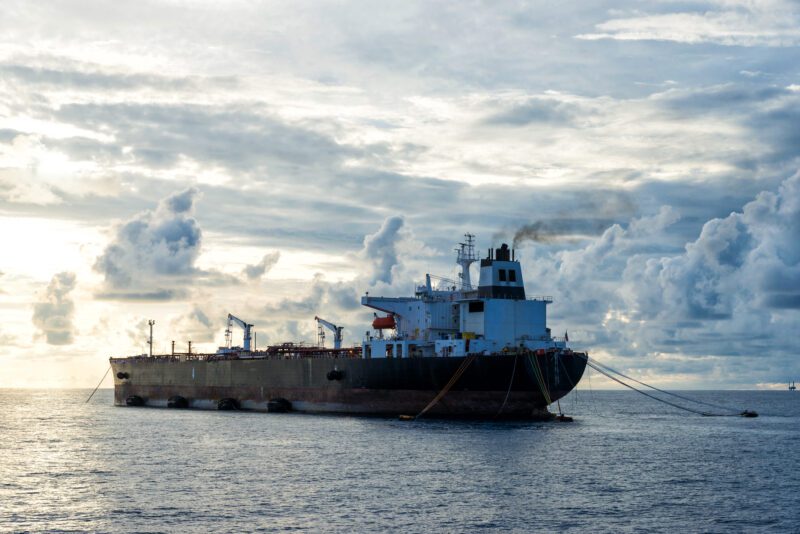
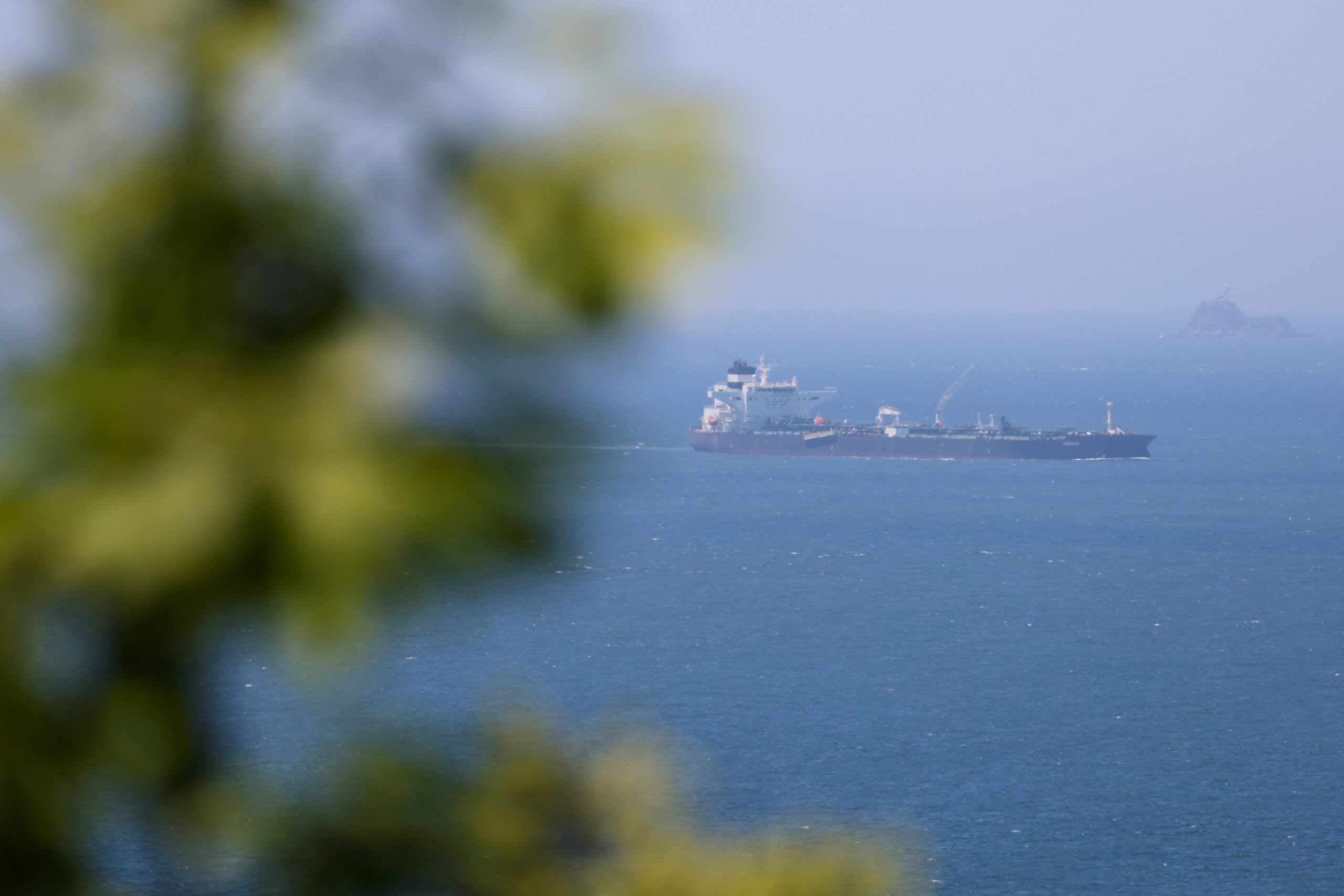
- Maritime risk in the Strait of Hormuz is very likely to remain high over the next 1-3 months despite Iran’s 60‑day safe‑passage pledge and Islamabad MoU commitments, given Iranian firing on ships, a reported attack on a container vessel last week, IRGC transit‑clearance demands, and an estimate of 80 floating mines. (Confidence: high · ASSESSED)
- I&W: Any additional IRGC Navy live‑fire incident, interdiction, or seizure attempt against commercial shipping, or official notices reiterating IRGC transit‑clearance requirements. (0-14 days)
- I&W: An incident‑free 30‑day period verified by UKMTO or IMO, plus public mine‑clearance confirmation in central Hormuz. (1-3 months)
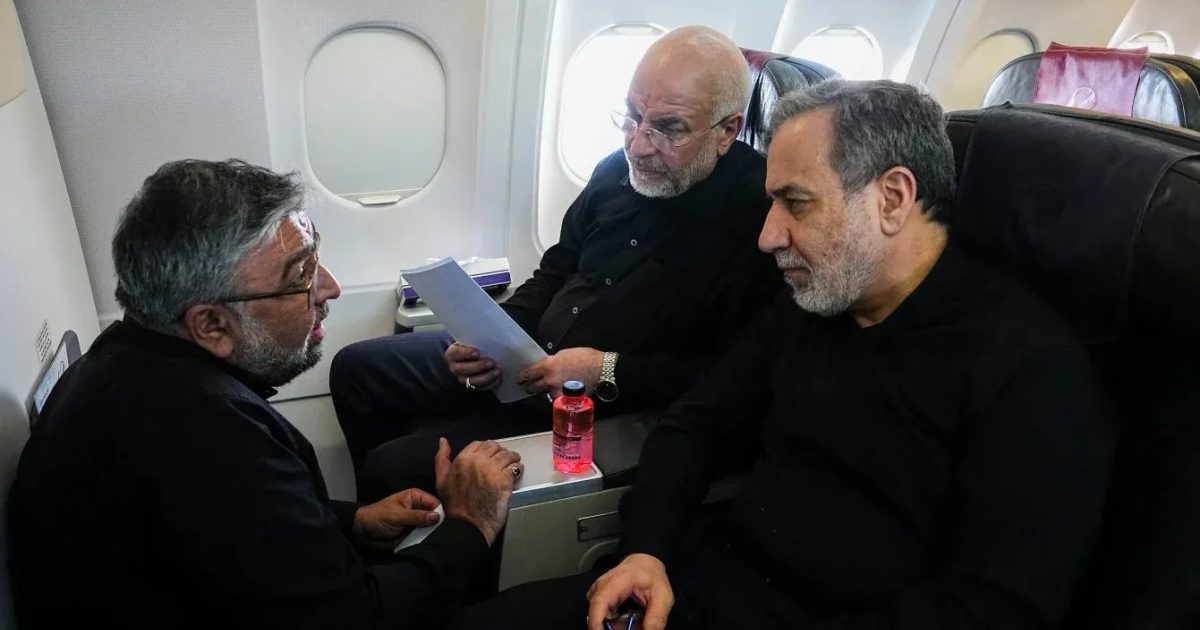
- There is a roughly even chance that Israeli services target senior Iranian negotiators such as Foreign Minister Abbas Araghchi and Speaker Mohammad Bagher Qalibaf in the near term, given US officials’ warnings via intermediaries and an emergency diversion of Qalibaf’s aircraft, although the Israeli Prime Minister’s Office disputes the premise. (Confidence: medium · ASSESSED)
- I&W: Public disclosure of disrupted plots or arrests tied to plans against Araghchi or Qalibaf, or additional emergency reroutings of their travel. (0-14 days)
- I&W: Joint statements by US and third‑party mediators such as Qatar or Pakistan denying any active assassination threat, echoed by a detailed Israeli security services denial. (0-14 days)
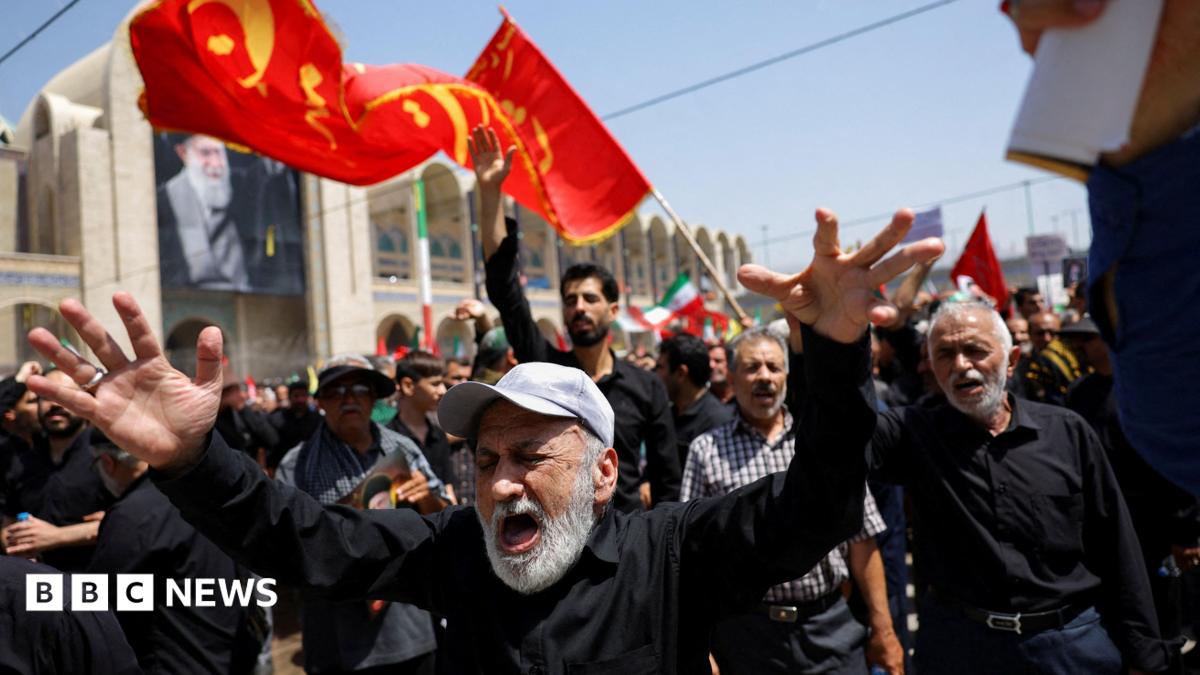
- Large funeral processions for Ali Khamenei in Tehran and a planned burial in Mashhad next Thursday make a near‑term escalation spike likely by creating high‑value targets and mobilisation points. (Confidence: medium · ASSESSED)
- I&W: Heightened IRGC security measures such as visible deployments or movement restrictions, and cross‑border rocket or missile fire temporally clustered around major funeral events. (0-14 days)
- I&W: The funeral period passes without notable security incidents and without any uptick in cross‑border fire relative to the prior week. (0-14 days)
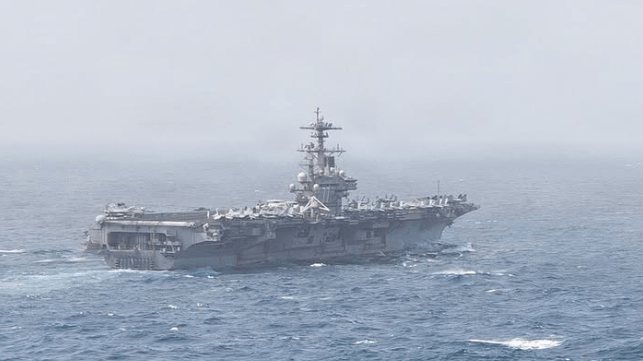
- US force posture in and around the Arabian Gulf is likely to remain robust through the next month, with two carrier strike groups, an amphibious force and Apache helicopters in theatre, despite drawdowns of B‑52s from RAF Fairford and fighter rotations in Europe. (Confidence: medium · ASSESSED)
- I&W: CENTCOM releases or ship‑tracking showing USS Abraham Lincoln, USS George H. W. Bush, and the Boxer ARG remaining in Fifth Fleet waters, plus continued Apache overflights of Hormuz. (0-30 days)
- I&W: Official announcements of carrier departures from the region or reductions in aviation presence. (0-30 days)
- Energy and shipping markets will likely face continued friction into late August as prospective Japanese crude purchases from Iran hinge on a US sanctions‑waiver extension and demonstrable shipping safety in Hormuz, while US pump prices remain elevated versus pre‑war levels. (Confidence: medium · ASSESSED)
- I&W: Tokyo announces letters of intent or term contracts for Iranian crude and Washington extends the waiver beyond 21 August. (1-2 months)
- I&W: US declines to extend the waiver or Japanese refiners publicly suspend engagement citing security risk. (0-2 months)
- Civilian casualties are high, but the specific figure of more than 4,800 deaths attributed to US and Israeli actions remains single‑sourced and uncorroborated by independent bodies. (Confidence: low · REPORTED)
- I&W: Independent tallies by UN agencies or established NGOs converge near the 4,800 figure. (1-3 months)
- I&W: Independent casualty counts diverge materially from the reported number. (1-3 months)
Outlook & scenarios
Managed confrontation under a fragile ceasefire and disputed maritime regime (55%)
The 60‑day ceasefire and safe‑passage understandings inform restraint, but intermittent Israeli air actions and Iranian enforcement in Hormuz continue. IRGC transit‑clearance demands persist, European actors edge toward fee payments, and China keeps pressing for unhindered flow. US carriers, amphibs and Apaches sustain deterrence as shipping navigates elevated risk and higher insurance.
Funeral‑week spike and targeted‑killings scare trigger wider escalation (35%)
Mass gatherings around Khamenei’s lying‑in‑state and burial coincide with further Israeli overflights and a credible threat to negotiators, prompting tit‑for‑tat strikes. Iran answers with missile and drone launches against Israeli and US positions, while maritime harassment rises, pulling US naval assets into more visible escort and interdiction.
Hormuz incident drives temporary suspension of commercial transits (30%)
A mine strike or aggressive interdiction produces casualties and a short shutdown. China doubles down on calls for unimpeded passage, Europeans move closer to paying fees to keep routes open, and US assets increase air and surface coverage over the chokepoint pending mine‑clearance confirmation.
Pragmatic de‑escalation around maritime security and limited oil deals (25%)
Washington extends the sanctions waiver, Japanese buyers formalise small offtakes, and Tehran modulates IRGC enforcement. An incident‑free stretch in Hormuz and visible confidence‑building under the Islamabad MoU lower risk premia, though the broader conflict remains unresolved.
Recommendations
- Maintain a 24/7 Hormuz incident log combining UKMTO/IMO alerts, AIS analytics, and imagery to track interdictions, live‑fire, and mine reports; brief daily.
- Geo‑confirm any further Israeli airspace incursions using commercial ISR and open flight‑tracking near the Iraq, Iran frontier; catalogue routes, altitudes and timing.
- Stand up a tripwire dashboard for threats to Abbas Araghchi and Mohammad Bagher Qalibaf: monitor travel disruptions, court filings or arrests, and mediator statements from Qatar and Pakistan.
- Track CENTCOM posture in near‑real time: verify the positions of USS Abraham Lincoln, USS George H. W. Bush, USS Boxer, USS Portland and USS Comstock via official releases and ship‑tracking; flag any departures within two hours.
- Produce a policy note mapping the Hormuz fee dispute: contrast US and Gulf positions with reported European acceptance and Chinese messaging; assess legal and insurance exposure for allied shipping.
- Build an energy watch on potential Japanese offtake: monitor statements by METI and leading refiners, and the US waiver timeline; prepare decision options for a waiver‑expiry contingency.
- Prepare a rapid‑release brief for a mine strike or ship seizure scenario outlining expected shipping diversions, likely insurance responses, and immediate diplomatic lines to reduce miscalculation.
Confidence & uncertainty
Overall confidence is medium. Several core developments are supported by multiple, generally reliable sources: Israeli airspace breaches, US strikes, Iran’s safe‑passage pledge and MoU references, fresh attacks and firings on shipping, and the UN estimate of 80 floating mines. The assassination‑threat narrative is contested by official Israeli denials, though it is partly corroborated by US concerns and an emergency diversion, limiting confidence. Some elements, including casualty totals and specific posture details, rely on single‑source or medium‑confidence reporting. This mix of corroborated events and contested or single‑source claims supports a medium headline confidence.
Alternative analysis (red cell)
An alternate reading is defensible: Islamabad MoU/60-day safe-passage claims could reduce Hormuz risk if implemented; reported mines and attacks lack independent corroboration to support a prolonged very-high risk claim. Similarly, warnings and precautionary diversions plausibly indicate deterrence or precaution rather than imminent Israeli targeting, and large funerals raise the risk environment but do not by themselves prove an imminent escalation spike.
Intelligence gaps
- [EEI 1.1 · PARTIAL] Detection and characterization of ballistic/cruise missile or rocket launches originating from Iranian territory or from Iran-controlled positions in Iraq/Syria (time, launch coordinates, missile type, flight trajectory/impact area). Recommended collection: satellite/imagery
- [EEI 1.2 · UNCOVERED] Movements and posture changes of Iran-backed proxy forces (Hezbollah units in Lebanon, militias in Syria/Iraq): concentrations of personnel, transport of rocket/artillery launchers, visible logistics build-up within operational range of Israel. Recommended collection: human/intel
- [EEI 2.3 · PARTIAL] Changes to force protection or alert levels at foreign bases in the region (e.g., US bases in Kuwait, Qatar, UAE; Russian bases in Syria): activation of additional air defenses, curfews, or reinforcement shipments (personnel/equipment manifests). Recommended collection: signals/intel
- [EEI 3.2 · PARTIAL] Changes in crude oil and refined product flows from key terminals (reported tanker loading delays, terminal closures, throughput volumes at Kharg, Mina al-Ahmadi, Ras Tanura, and major Gulf ports compared to baseline). Recommended collection: commercial/ports
- [EEI 3.3 · UNCOVERED] Market and insurance indicators: sudden spikes in war-risk or hull insurance premiums for Middle East routes, large moves in regional FX/stock indices, and notable changes in commodity futures (oil, freight rates) tied to regional risk perceptions. Recommended collection: financial/transactional
Cited sources
[1] wparabi.com · مفاوضات السلام بين إيران وإسرائيل في خطر الاغتيال (B) · sha256:feea902df4dc [2] islamtimes.com · Iran Raps US Aggression, Defends Right to Self-Defense - Islam Times (A) · sha256:fa17432e4cf6 [3] cnn.com · US officials attempted to warn Iran of fears that Israel would assassinate mediators | CNN Politics (A) · sha256:ecc65241aec5 [4] Wikipedia · Reactions to the 2026 Iran war (B) · sha256:6f2b9c9373d2 [5] gcaptain.com · Japan Weighs Return to Iranian Oil as Shipping Risks Cloud Sanctions Waiver (A) · sha256:422058aef7bb [6] maritime-executive.com · US Forces Still Poised in the Arabian Gulf Area (B) · sha256:bc323b87762b [7] Bloomberg News · China Urges ‘Unimpeded Passage’ of Hormuz as Fee Chatter Mounts (A) · sha256:0c6f2badd924 [8] haaretz.com · Netanyahu denies report that Israel was plotting to kill Iran's top negotiators (B) · sha256:727883fb3a73 [9] BBC · Large crowds gather in Tehran for Ayatollah Khamenei's funeral (A) · sha256:2f0ead54b34e [10] cnn.com · The hidden abuse networks CNN exposed are facing a major crackdown | CNN (A) · sha256:8ed44d4ff11f [11] gcaptain.com · US Oil Companies See Big Profit Jump, Gird for Clash Over Pump Prices With Trump (B) · sha256:aaea24c8af22
Source content hashes were computed at collection time; the cited text is preserved unmodified for the life of this product.
Red cell review: PARTIAL DISSENT
TLP:CLEAR