TLP:CLEAR · Disclosure is not limited.
Middle East SITREP: Iran, Israel escalation, Lebanon front, and Hormuz shipping risk
Time window: Last 1 day · Audience: General analyst · Type: Situation report · DTG: 2026-07-02 10:40Z · Overall confidence: MEDIUM
BLUF
Iran, Israel confrontation is very likely to persist in the near term, with Israel hardening its posture in southern Lebanon and maritime risk remaining high around the Strait of Hormuz and off Yemen. The Doha channel exists but offers only a roughly even chance of near‑term de‑escalation given combative public signalling by Tehran and Jerusalem.
Executive summary
Iran launched ballistic missile barrages at Israel on 7-8 June in support of Hezbollah, and Israeli leaders are signalling an open‑ended fight against Iran and its axis. Jerusalem has expanded aerial operations in Lebanon and vows not to leave the south until the Hezbollah threat is removed, while Israeli and US officials discuss Lebanese Armed Forces deployment that Israeli officers doubt will hold the line. At sea, traffic through the Strait of Hormuz has partially recovered, yet Iran is pressing to control transits, warning against unauthorised routes after a grounding, and the US reiterates free‑flow priorities. Off Yemen, a merchant vessel was illegally boarded and another ship reported a suspicious approach hours later. Parallel to this, US and Iranian officials have opened indirect talks in Doha and an Iranian delegation met Qatar’s prime minister, though Tehran’s demands over Hormuz management and hardline statements against Israel temper prospects. Inside Israel, authorities arrested a Tajik national for alleged Iranian espionage, with prosecutors preparing serious security charges.
Change from previous assessment
Since the prior brief, rhetoric hardened: Israel’s defence minister said Iran’s leader had been ‘marked for death’ while Iran’s foreign minister threatened to ‘school’ Israel if the US fails to restrain it, even as separate reporting said Israel has no plans to strike Khamenei. Netanyahu visited IDF troops in southern Lebanon and reiterated that Israel will not leave until the Hezbollah threat is removed, and Jerusalem delayed implementing the ‘experimental areas’ handover pending tighter monitoring. Off Yemen, a merchant vessel was illegally boarded and another ship reported a suspicious approach hours later, reinforcing maritime risk alongside Iran’s fresh warnings on ‘unauthorised’ Hormuz routes after a grounding report. On the diplomatic track, US and Iranian officials held indirect talks in Doha and an Iranian delegation met Qatar’s prime minister; however, Tehran’s priorities over Hormuz management and public threats cloud prospects. An alleged Iranian espionage case in Israel progressed with prosecutors preparing serious security charges. Initial assessment of this topic’s specific developments has been updated with these new events and statements.
Key judgments
- Very likely reciprocal Iran, Israel hostilities will persist over the next fortnight, given Iran’s 7-8 June ballistic missile barrages on Israel, Israel’s expanded air operations against Hezbollah, hardline rhetoric from senior Israeli and Iranian officials, and leadership signalling that the wars are not over despite separate reporting that Israel has no plans to strike Iran’s leader. (Confidence: medium · ASSESSED)
- I&W: Verified reporting of additional Iranian ballistic or large drone launches targeting Israel or declared Israeli strikes against high‑value Iranian targets. (0-14 days)
- I&W: A public restatement by Washington and Tehran of MoU non‑use‑of‑force terms accompanied by a demonstrable pause in cross‑border strikes. (0-14 days)
- Israel is likely to maintain its presence in southern Lebanon in the near term, and a negotiated pullback is unlikely until Hezbollah’s threat is judged reduced by Jerusalem, as reflected in Netanyahu’s vow not to leave, a broad aerial campaign, Israeli delay of the ‘experimental areas’ handover to the Lebanese Army pending tighter monitoring, and IDF scepticism about the Army’s staying power despite coordination talks with US counterparts. (Confidence: high · ASSESSED)
- I&W: Continued Israeli air operations in Lebanon without formal village handovers to the Lebanese Army under the ‘experimental areas’ concept. (0-14 days)
- I&W: A joint Israeli, Lebanese announcement setting a timeline and monitoring mechanism for new Lebanese Army deployments south of the Litani and a partial IDF withdrawal. (1-3 months)
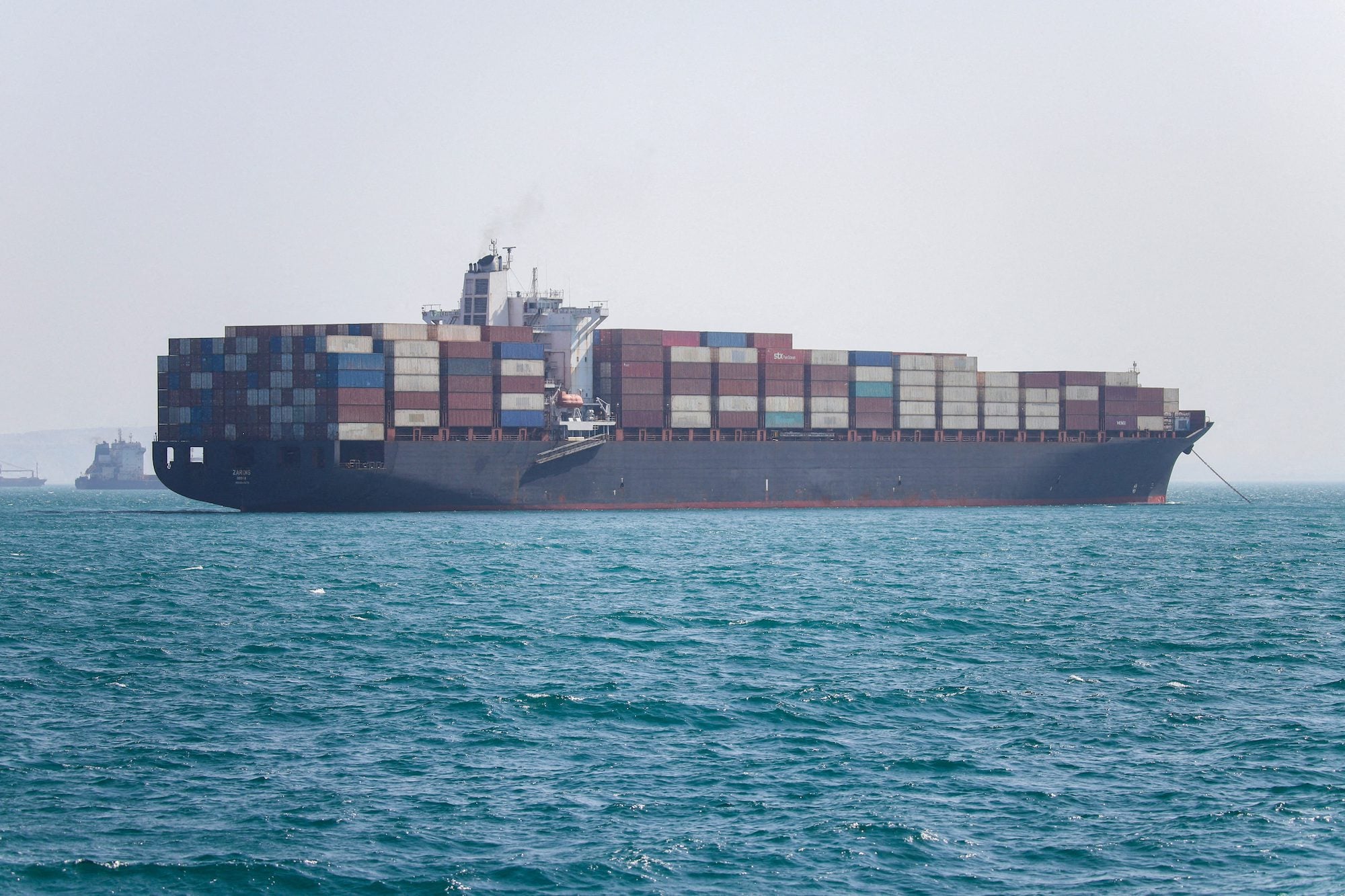
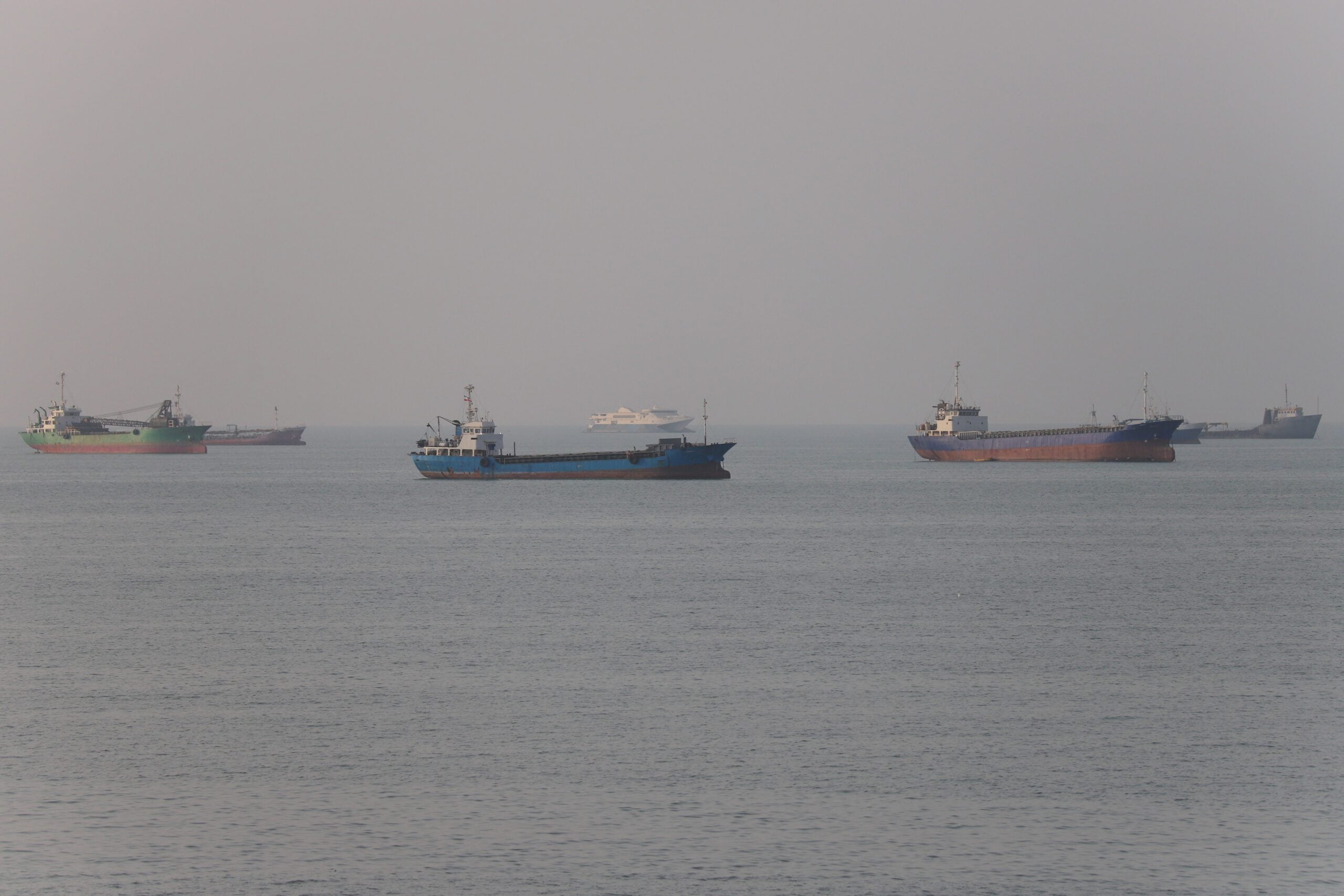
- Maritime risk through the Strait of Hormuz and adjacent waters is likely to remain elevated despite a partial recovery in traffic, given Iran’s drive for recognised control of Hormuz, repeated IRGC Navy warnings about ‘unauthorised’ routes after a reported grounding, US insistence on free flow, and fresh boarding and approach incidents off Yemen. (Confidence: high · ASSESSED)
- I&W: New IRGC Navy statements on ‘authorised’ transit lanes or additional reports of groundings or detentions tied to route violations in Hormuz. (0-14 days)
- I&W: Further UKMTO advisories of illegal boardings or suspicious approaches off Yemen in the Gulf of Aden/Arabian Sea approaches. (0-14 days)
- There is a roughly even chance that the Doha track yields a limited de‑escalation arrangement over the next one to three months: indirect US, Iran talks are active and Iranian officials engaged Qatar’s prime minister, and MoU language cited in reporting includes non‑use‑of‑force provisions, yet Tehran’s stated priorities over Hormuz management and its threats toward Israel, plus US political criticism of the MoU’s drafting, constrain progress. (Confidence: medium · ASSESSED)
- I&W: A public joint statement from Doha referencing elements of the 14‑point accord, including non‑initiation of force and practical steps on Hormuz traffic. (1-3 months)
- I&W: Official suspension of the Doha channel by either Washington or Tehran, or new Iranian statements conditioning talks on recognition of Hormuz control. (0-14 days)
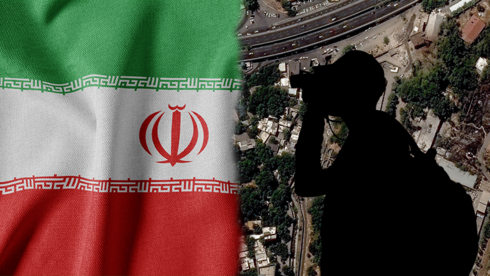
- Likely Iranian intelligence‑linked activity will continue to target Israel internally in the near term, as evidenced by the arrest of a Tajik national for alleged spying for Iran during the war, prosecutorial steps toward serious security charges, and reporting that the suspect attempted to collect on sensitive sites, mapped missile impact locations and sought to recruit others. (Confidence: medium · ASSESSED)
- I&W: Additional arrests or indictments in Israel alleging tasking by Iranian handlers or collection against critical sites. (1-3 months)
- I&W: Court rulings that dismiss espionage allegations in the current case or official statements narrowing its scope to an isolated incident. (1-3 months)
Outlook & scenarios
Northern front widens under sustained Iran, Hezbollah support (40%)
Hezbollah maintains cross‑border rocket and drone activity and Iran sustains direct support after its June barrages. Israel keeps a substantial footprint in southern Lebanon, continues broad aerial strikes and delays any handover to the Lebanese Army. Maritime tensions rise in tandem as Iran polices Hormuz transits, with intermittent boarding or approach incidents off Yemen.
Managed containment via Doha and incremental Lebanese Army deployment (30%)
Indirect US, Iran engagement produces a modest de‑escalation package that references non‑use‑of‑force language and sets practical steps for Hormuz traffic. With US facilitation, Israeli and Lebanese officials agree a monitored sequence for Lebanese Army moves into new areas, enabling limited IDF pullbacks while Israel maintains over‑the‑horizon deterrence.
Protracted standoff under a fragile ceasefire (60%)
The ceasefire framework technically holds but with episodic flare‑ups: Israel sustains air operations in Lebanon, Hezbollah keeps pressure at a manageable level and talks in Doha stagnate over Hormuz control and political messaging. Shipping through Hormuz continues but under persistent Iranian warnings about routing and periodic navigational incidents.
Wildcard: leadership‑targeting incident triggers rapid escalation (10%)
An attack or attempted attack on senior Iranian leadership or a declared campaign to target leadership figures prompts immediate Iranian retaliation and broad Israeli strikes. Maritime security degrades quickly around Hormuz, with wider regional actors drawn in. This outcome is low probability but high impact given the explicit rhetoric around leadership targeting and the contradictory signalling on such strikes.
Recommendations
- Task maritime watch cells to track IRGC Navy communiqués, Iranian state media notices on ‘authorised’ routing, and UKMTO advisories; flag any additional groundings or route‑control statements in Hormuz and any boardings or close approaches off Yemen within 24 hours.
- Maintain a Lebanon operations tracker: log Israeli announcements on the ‘experimental areas’ programme, IDF air tasking reports, and any joint Israeli, Lebanese statements on monitored handovers to the Lebanese Army; assess gaps between stated timelines and on‑ground access to places like Frun, al‑Ghandouriya and Zawtar al‑Gharbiyah.
- Direct diplomatic reporting teams to cover the Doha channel: collect readouts on indirect US, Iran engagements and meetings with Qatar’s prime minister; archive any references to a 14‑point accord and non‑use‑of‑force language for comparison against field activity.
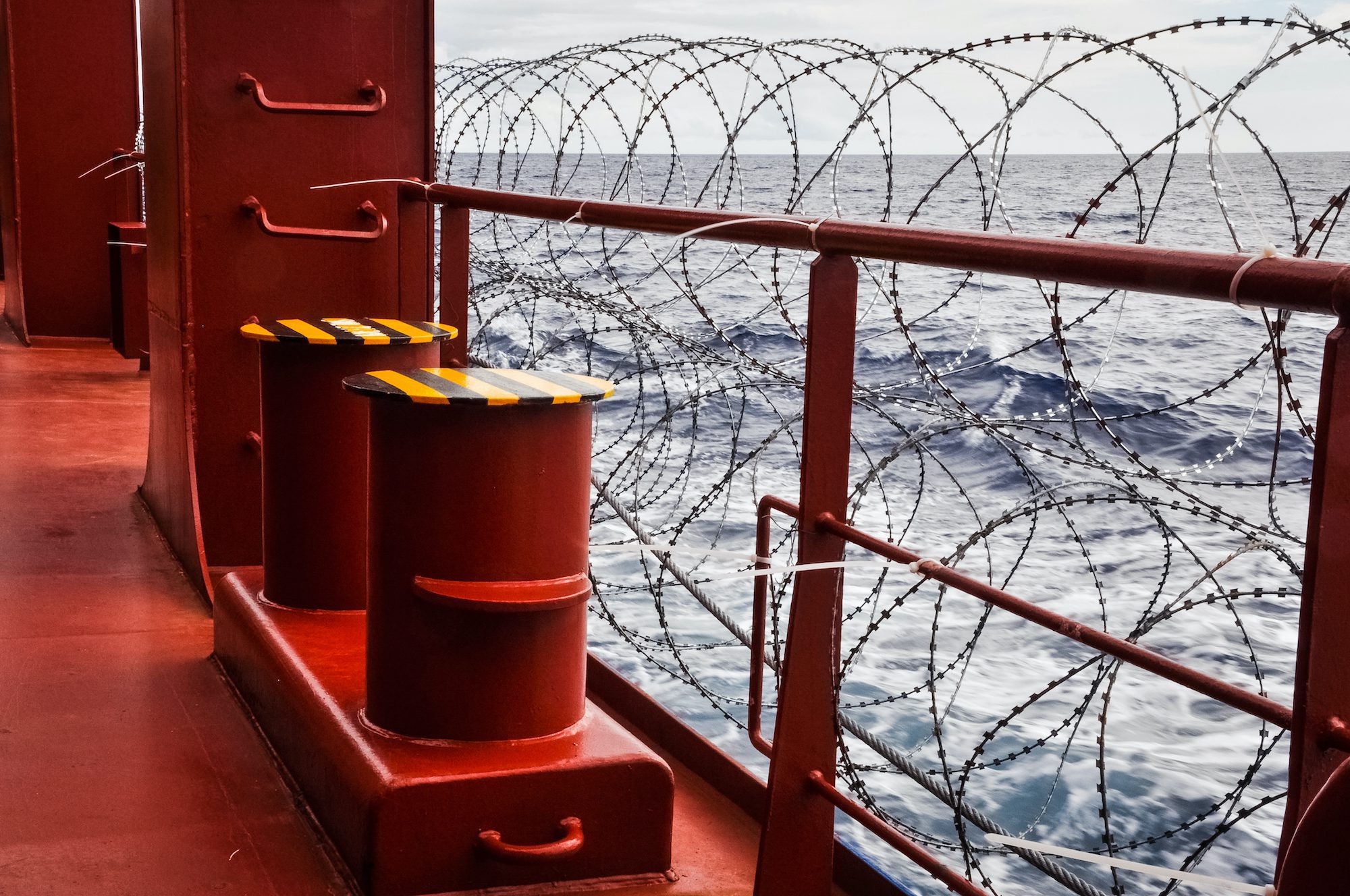
- Produce a short‑notice brief for civil shipping and insurer stakeholders on near‑term Hormuz and Gulf of Aden risk, citing Iran’s warnings on ‘unauthorised’ routes and the latest UKMTO incidents; recommend voyage planning that avoids ad‑hoc routing and ensures citadel drills.
- Expand CI/CT collection on Iranian tasking in Israel: derive indicators from the Sobrigon case, including attempts to image sensitive facilities, geolocate missile impact sites and recruit helpers; coordinate with legal liaison to track charging documents and court milestones.
- Set escalation tripwires: immediate alerts on any additional Iranian ballistic salvos, Israeli leadership statements about striking high‑value Iranian targets, or formal suspension of the Doha talks.
- Validate incident geolocations off Yemen where reports differ by 9-10 nautical miles; standardise positional reporting to reduce ambiguity in subsequent risk assessments.
Confidence & uncertainty
Overall confidence is medium. Several judgments rest on multiple, mutually reinforcing reports from major media regarding Iran’s June missile barrages, Israel’s ongoing air operations in Lebanon, Israeli and Iranian leadership statements, the boarding and approach incidents off Yemen, and competing positions on Hormuz transits. Confidence is lowered by contradictions around Israel’s intent to target Iranian leadership and by the opaque details of the cited MoU and Doha talks. Some elements, such as the espionage case, rely on a single case with multiple sub‑reports rather than multiple independent cases.
Alternative analysis (red cell)
The ledger documents heightened tensions, incidents, and diplomatic activity, but many supporting items are medium‑confidence, single‑source, or political statements without corroborating high‑admiralty operational evidence. A sober alternative estimate is that episodic exchanges, brinkmanship, and localized maritime incidents will likely continue, yet sustained reciprocal campaigns, an indefinitely maintained Israeli presence in southern Lebanon, a durable Doha‑brokered de‑escalation within 1–3 months, and a broad internal Iranian espionage campaign are each less certain than the original judgments imply pending corroborating ISR, operational, and documentary evidence.
Intelligence gaps
- [EEI 1.1 · UNCOVERED] Unusual long-range missile/rocket transporter-launcher (TEL) movements, storage activation, or assembly activity at known IRGC missile sites or forward staging areas. Recommended collection: satellite/imagery
- [EEI 1.2 · PARTIAL] Orders, threat-alert messages, or changes in posture from IRGC, Quds Force, or senior Iranian military leadership indicating attack timelines or rules of engagement changes. Recommended collection: signals/ELINT and HUMINT
- [EEI 1.3 · UNCOVERED] Large-scale transfers, deliveries, or convoy movements of armed UAVs/drones, guided munitions, or spare parts from Iran into Lebanon (Hezbollah), Iraq, Syria, or Gaza. Recommended collection: air/aviation track and HUMINT
- [EEI 1.4 · PARTIAL] Sustained changes in Israeli air-defense usage (SAM launches, radar activations), wide-area alerts, or NOTAMs indicating elevated imminent strike response. Recommended collection: air/aviation/NOTAMs and signals
- [EEI 2.1 · PARTIAL] Concentration, repositioning, or sortie patterns of Iranian naval/IRGC patrol boats and fast-attack craft near shipping chokepoints or commercial lanes. Recommended collection: maritime/AIS and satellite/imagery
- [EEI 2.3 · UNCOVERED] Insurance market indicators: sudden spikes in war-risk or hull insurance premiums for routes through the Red Sea, Suez corridor, or Persian Gulf, and major carriers announcing route changes. Recommended collection: financial/market and commercial shipping notices
- [EEI 2.4 · UNCOVERED] Port closures, naval escorts requested by commercial operators, or formal rerouting advisories issued by major shippers (e.g., Maersk, Hapag-Lloyd) for regional transits. Recommended collection: commercial/OSINT
- [EEI 3.1 · UNCOVERED] Deployment of foreign military assets to the region (carrier strike groups, amphibious ships, combat aircraft deployments, or additional bases activated) from the US, UK, France, Russia, or GCC states. Recommended collection: maritime/AIS and air/aviation and satellite/imagery
- [EEI 3.2 · PARTIAL] Formal diplomatic actions: emergency UNSC votes, sanctions announcements, high-level ministerial visits, or public mediation offers by external powers or regional actors. Recommended collection: diplomatic/OSINT
- [EEI 3.3 · UNCOVERED] Confirmed arms transfers, expedited weapons shipments, or transfer authorizations to Israel, Iran, or their proxies (aircraft parts, munitions, air defenses). Recommended collection: customs/INTEL and HUMINT
- [EEI 3.4 · UNCOVERED] Issuance of travel warnings, embassy evacuations or reductions, and closure of diplomatic missions by major capitals indicating escalation risk or shifted threat assessments. Recommended collection: OSINT/diplomatic
Cited sources
[1] nypost.com · Netanyahu tells Hezbollah, Iran to ‘get out of here’ during southern Lebanon visit (B) · sha256:c1cc52a15fd9 [2] jpost.com · Can Netanyahu’s strength-first strategy guide Israel through the new Middle East? - analysis (B) · sha256:1134d22fea41 [3] jpost.com · Araghchi threatens to ‘school’ Israel if US unsuccessful in ‘muzzling its pets in Tel Aviv’ (B) · sha256:869196ebc9a2 [4] aljazeera.net · لماذا أجلت إسرائيل تنفيذ اتفاق "المناطق التجريبية" في جنوب لبنان؟ (B) · sha256:a04b658a9747 [5] The Jerusalem Post · IDF's Zamir meets top US comm. to promote cooperation on Lebanon, Hezbollah strategy - exclusive (B) · sha256:529f7d0fd4ec [6] gcaptain.com · US and Iran Enter Technical Talks to Secure Peace Deal, Shipping Restart (A) · sha256:1e07837944ae [7] gcaptain.com · Iran Says Ship Ran Aground in ‘Unauthorized’ Hormuz Transit (B) · sha256:d1a384aab154 [8] gcaptain.com · Armed Boarders Damage Merchant Ship Off Yemen as Second Vessel Reports Suspicious Approach (B) · sha256:0a71f9f62c8f [9] CNN · US, Iranian officials hold indirect, lower-level talks in Doha, source says | CNN (A) · sha256:fa89a701bb06 [10] CNN · Congressman Gregory Meeks believes Trump’s Memorandum of Understanding was ‘poorly drafted’ | CNN (A) · sha256:ac95aa698665 [11] ynetnews.com · Tajik national arrested in Israel for allegedly spying for Iran during war (B) · sha256:61c058fc4a54
Source content hashes were computed at collection time; the cited text is preserved unmodified for the life of this product.
Red cell review: PARTIAL DISSENT
TLP:CLEAR