Middle East SitRep: Iran, Israel Missile Exchange, Proxy Activity, and Hormuz Risk (3-10 June 2026)
Time window: Last 7 days · Audience: General analyst · Type: Situation report · DTG: 2026-06-10 06:44Z · Overall confidence: MEDIUM
BLUF
Iran and Israel traded direct missile strikes on 7-8 June and then signaled a pause, but cross-border Hezbollah fire and Houthi launches continued, keeping escalation risks elevated. Shipping through the Strait of Hormuz remains high-risk amid conflicting indicators, and threats to U.S. interests in the UAE persist.
Executive summary
On 7-8 June 2026, Iran launched nearly 30 ballistic missiles at Israeli military air bases, and Israel struck Iranian air defenses and the Mahshahr petrochemical complex; Israeli aircraft also hit southern Beirut as Hezbollah continued fire into northern Israel and Yemen’s Houthis resumed missile launches toward Israel. Despite statements on 8 June that attacks were being halted or put “on hold,” militia activity and same-day Israeli strikes underscored the fragility of the pause. The UN Secretary‑General urged a halt to hostilities and Qatar is mediating. Humanitarian costs are mounting, including at least 3,600 deaths reported in Lebanon since 2 March and severe displacement and aid dependency in Gaza, while the maritime security picture in the Strait of Hormuz shows elevated risk despite reports of rising traffic and recent transits by large tankers. The U.S. State Department’s ordered departure from the UAE, an active travel advisory, and FAA cautions reflect sustained threat to U.S. interests in the Gulf.
Key judgments
- Almost certainly Iran and Israel engaged in direct, reciprocal strikes on 7-8 June 2026, including Iran firing nearly 30 ballistic missiles at three Israeli air bases and Israel striking Iranian air defenses and Iran’s Mahshahr petrochemical complex, while Israeli aircraft also hit southern Beirut; concurrent Hezbollah fire into northern Israel and Houthi missile launches broadened the escalation theater. (Confidence: high)
- It is very likely the mutual pause announced on 8 June was tactical and fragile rather than a durable de‑escalation, given same‑day Israeli strikes, continued Hezbollah and Houthi activity, and leaders’ language that fire was only “on hold” or attacks were halted “for now.” (Confidence: medium)
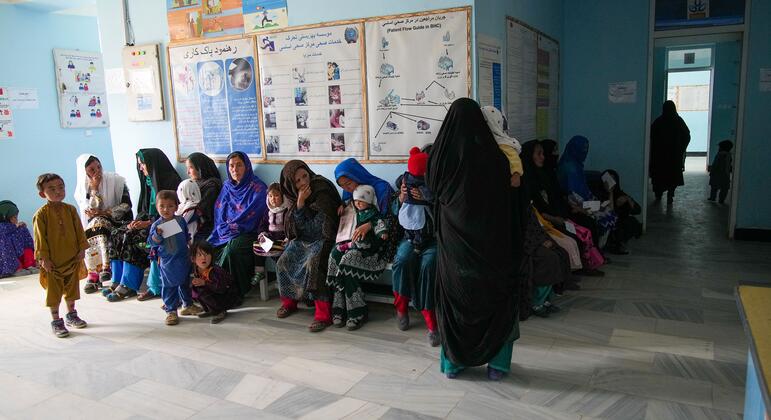
- Humanitarian impacts are already severe and very likely to worsen regional stability: at least 3,600 deaths are reported in Lebanon since 2 March 2026, over 900 Palestinians have been killed in Gaza, and about 1.9 million Palestinians remain displaced and aid‑dependent; aid pipelines face added strain from cost spikes and expected delays. (Confidence: high)
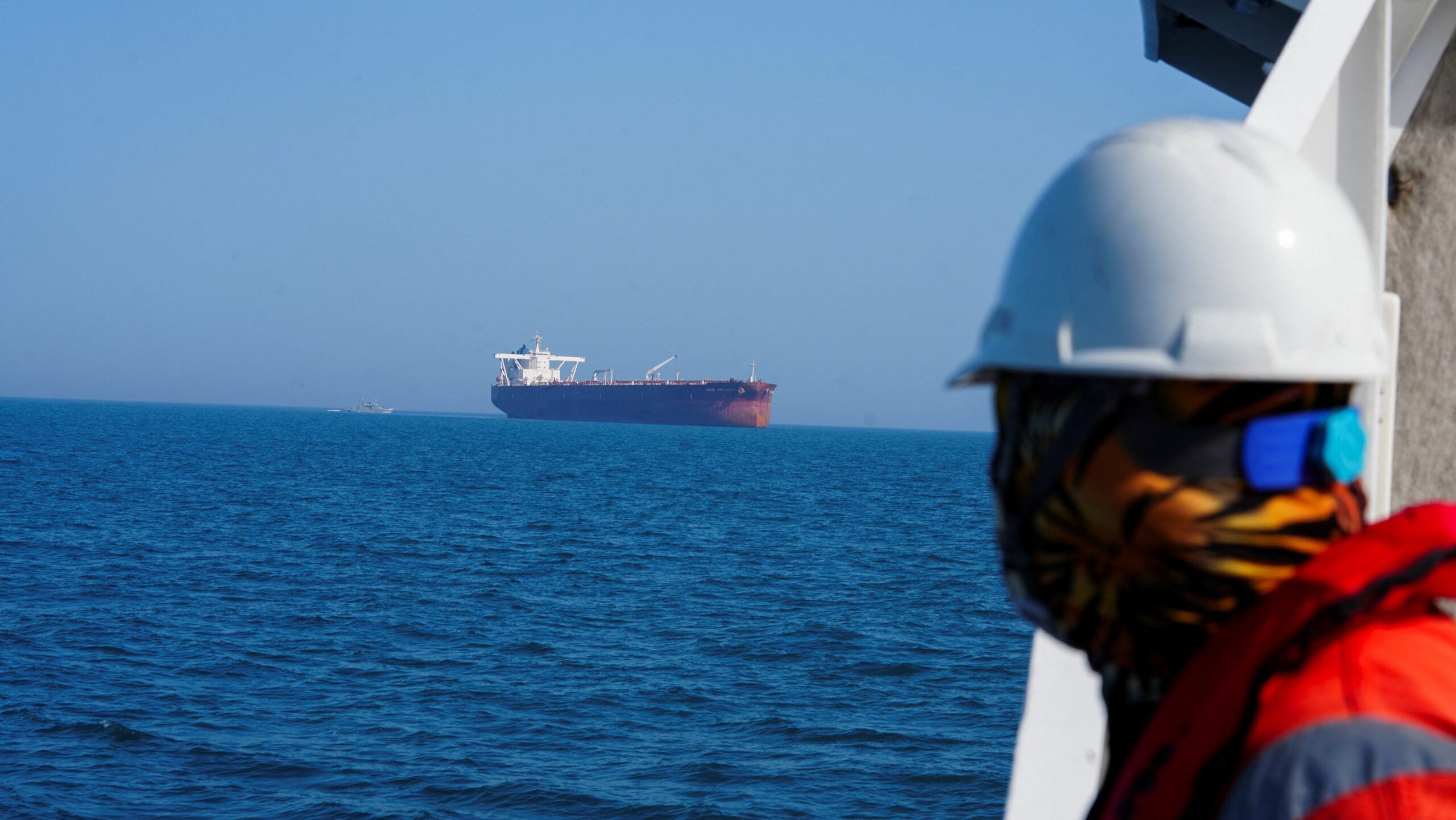
- There is a roughly even chance of intermittent disruptions to commercial shipping through the Strait of Hormuz over the near term: the maritime threat picture remains elevated (CRITICAL rating, warnings the strait is too dangerous, and a 44.4% weekly transit decline) even as officials cite hundreds of recent transits, rising exports, and documented VLCC passages. (Confidence: medium)
- Threats to U.S. interests in the United Arab Emirates are likely to persist, including potential Iranian targeting of U.S.-linked locations and terrorism risks, as reflected in the State Department’s ordered departure of U.S. personnel, current travel advisories, and FAA cautions for U.S. air carriers. (Confidence: high)
- Energy price upside is likely limited in the base case absent a sustained maritime shutdown: official projections point to weaker 2026 oil demand and a Brent average near $95/bbl despite regional output cuts, and officials report rising Gulf exports. (Confidence: medium)
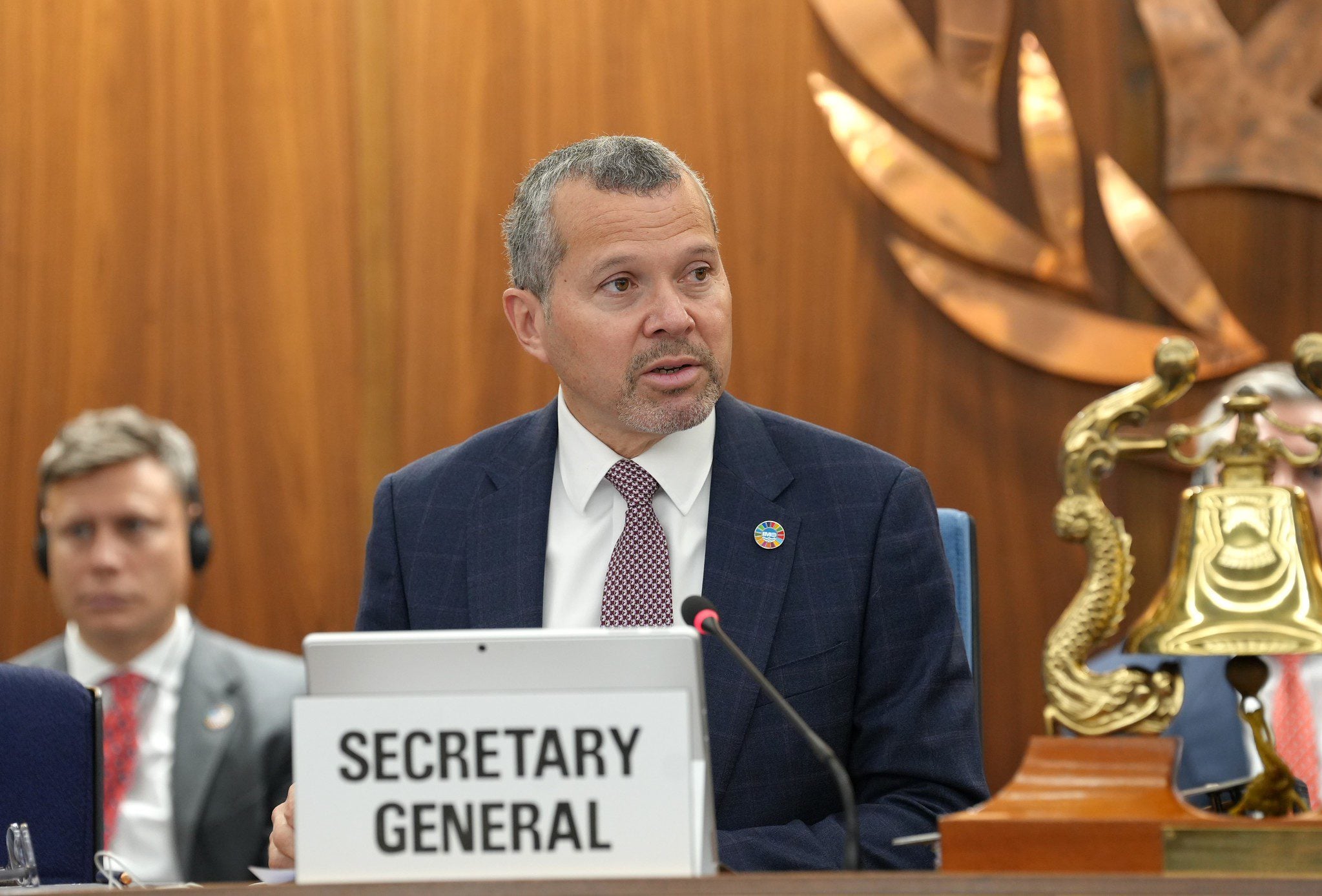
- External diplomatic pressure will likely continue to restrain immediate escalation to full‑scale interstate war, with the UN Secretary‑General calling for a halt, Qatar mediating, and the U.S. President publicly urging both sides to stop shooting. (Confidence: medium)
Outlook & scenarios
Fragile pause holds, while proxy friction persists, 45%
Through the next 1-2 weeks, Tehran and Jerusalem refrain from new direct salvos, consistent with 8 June statements, while Israel maintains targeted operations in Lebanon and Hezbollah and the Houthis continue intermittent fire. Diplomatic engagement (UN, Qatar, U.S.) sustains restraint. Shipping risk eases marginally but remains elevated; aid logistics remain strained.
Proxy‑dominant escalation on the Lebanon and Yemen fronts, 50%
Hezbollah intensifies fire along the Israel, Lebanon frontier and Israel continues air operations around Beirut’s southern suburbs. Houthi launches resume episodically toward central Israel. Iran warns of harsher measures if southern Lebanon fighting escalates, but avoids overt large‑scale missile salvos. Maritime risk remains high but uneven; insurers and operators adopt more diversions.
Rapid re‑escalation of direct Iran, Israel strikes, 30%
A new incident (e.g., casualties from a strike on energy or military infrastructure) prompts renewed Israeli strikes inside Iran and an Iranian ballistic response against northern Israel. Hormuz traffic declines, risk advisories tighten, and oil prices spike temporarily before stabilizing on demand and supply fundamentals.
UAE incident triggers U.S. posture adjustments, 20%
An attack attempt on a U.S.-linked site in the UAE or credible plotting leads to heightened security measures, restricted movements, and possible further ordered departures. Airspace and aviation cautions persist; energy and logistics routing adapt but avoid systemic shutdown.
Recommendations
- For UAE: Maintain heightened force protection and evacuation readiness for U.S. personnel and contractors; rehearse tripwires and communication plans with Emirati counterparts and synchronize with existing travel and aviation advisories.
- Bolster ISR and early‑warning collection on Iranian ballistic and UAV launch indicators and on Israeli strike patterns; prioritize coverage of Iranian air defenses and energy nodes implicated in recent strikes.
- Task maritime stakeholders to update risk assessments using both naval/maritime reporting and satellite thermal detections as corroborating indicators, noting that thermal signatures record heat but not cause; coordinate routing and timing to minimize Hormuz exposure.
- Align diplomatic messaging with ongoing UN and Qatari engagement to sustain the pause and deter new salvos; support deconfliction channels that clarify red lines around Lebanese and Iranian critical infrastructure.
- Prepare humanitarian contingencies for delayed and costlier aid flows: preposition stocks outside chokepoints, use diversified lift, and fast‑track exemptions and logistics corridors to mitigate multi‑month delays and higher airfreight costs.
- Energy posture: Develop playbooks for short‑duration price spikes and regional supply hiccups; coordinate with energy agencies and exporters to leverage available export capacity and manage market signaling if maritime risk escalates.
- Public communications: Calibrate statements to support de‑escalation while reiterating deterrence against attacks on U.S. persons and facilities, particularly in the Gulf.
Confidence & uncertainty
Overall confidence is medium. Multiple high‑reliability, independent sources corroborate the 7-8 June missile exchanges, Israeli strikes in Iran and Beirut, and proxy activity (Hezbollah, Houthis), as well as humanitarian impacts and official travel/aviation warnings. Confidence is lowered by acknowledged contradictions around the status and durability of the 8 June pause versus ongoing strikes and by conflicting reporting on Hormuz traffic (simultaneous indications of a CRITICAL threat environment and of rising transits/exports). Where reporting is single‑source or forecast‑based (e.g., market outlooks), assessments are correspondingly caveated.
Cited sources
[1] UK Government, Foreign Secretary statement on the Middle East: 9 June 2026 (A) [2] Hawaii Public Radio, After trading missile fire, Israel and Iran pull back, for now (A) [3] NPR, After trading missile fire, Israel and Iran pull back, for now (A) [4] South Carolina Public Radio, After trading missile fire, Israel and Iran pull back, for now (A) [5] kunc.org, After trading missile fire, Israel and Iran pull back, for now (A) [6] aljazeera.net, ساعة بساعة. كيف تدحرجت جولة التصعيد بين طهران وتل أبيب؟ (A) · Mon Jun 08 2026 00:00:00 GMT+0000 (Coordinated Universal Time) [7] interlochenpublicradio.org, After trading missile fire, Israel and Iran pull back, for now (A) [8] NPR, After trading missile fire, Israel and Iran pull back, for now (A) [9] NPR, After trading missile fire, Israel and Iran pull back, for now (A) [10] United Nations, From food lines in Somalia to clinics in Afghanistan, Hormuz crisis sends shockwaves through global aid networks (A) [11] United Nations, World News in Brief: Millions displaced in South Sudan, global meat supply quadruples, Middle East crisis deepens global hunger (A) [12] gcaptain.com, IMO Chief Warns No Safe Passage Exists in Hormuz Despite Rising Traffic Claims (A) [13] gcaptain.com, Kuwait Offers Oil to Asian Buyers for First Time Since War (B) [14] U.S. Department of State, United Arab Emirates Travel Advisory (A) [15] U.S. Energy Information Administration (EIA), EIA Sees Weak Global Oil Demand Limiting Price Spike from Hormuz Disruption (A) [16] NewsX World, UN Chief Urges Restraint After Fresh Israel Iran Military Escalation | NewsX World (B) [17] CNN-News18, Escalation In West Asia: Iran & Israel's Ongoing Conflict Threatens Regional Stability | Plain Speak (B)