TLP:CLEAR · Disclosure is not limited.
Middle East SITREP: US, Iran exchanges intensify; Iran strikes US sites in Gulf; Hormuz traffic subdued as Israel stays peripheral
Time window: Last 1 day · Audience: General analyst · Type: Situation report · DTG: 2026-07-17 15:43Z · Overall confidence: LOW
BLUF
The United States has hit targets across Iran for a sixth straight night and is enforcing maritime interdictions, while Iran has launched missiles and drones at US facilities in Bahrain and Kuwait and threatened further escalation via the Houthis. Shipping through the Strait of Hormuz is subdued and flows are materially down, but Tehran is likely still avoiding a direct fight with Israel.
Executive summary
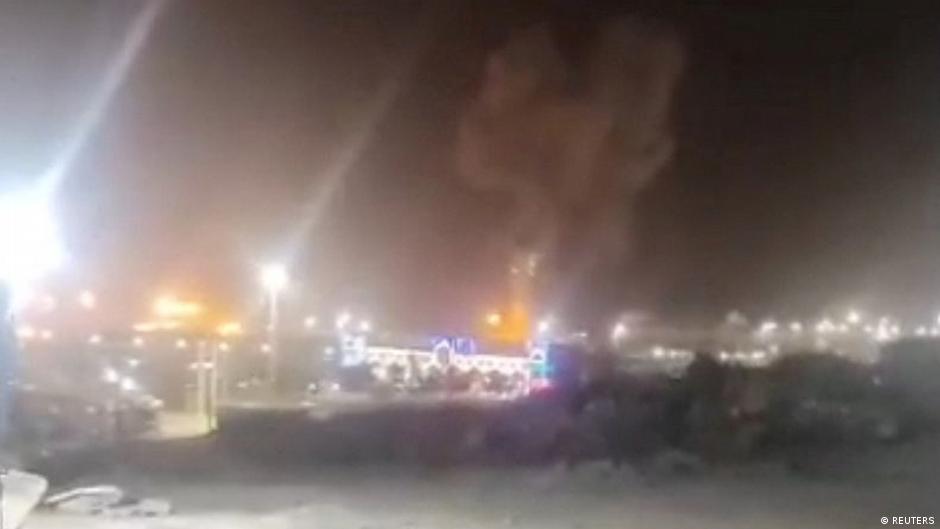
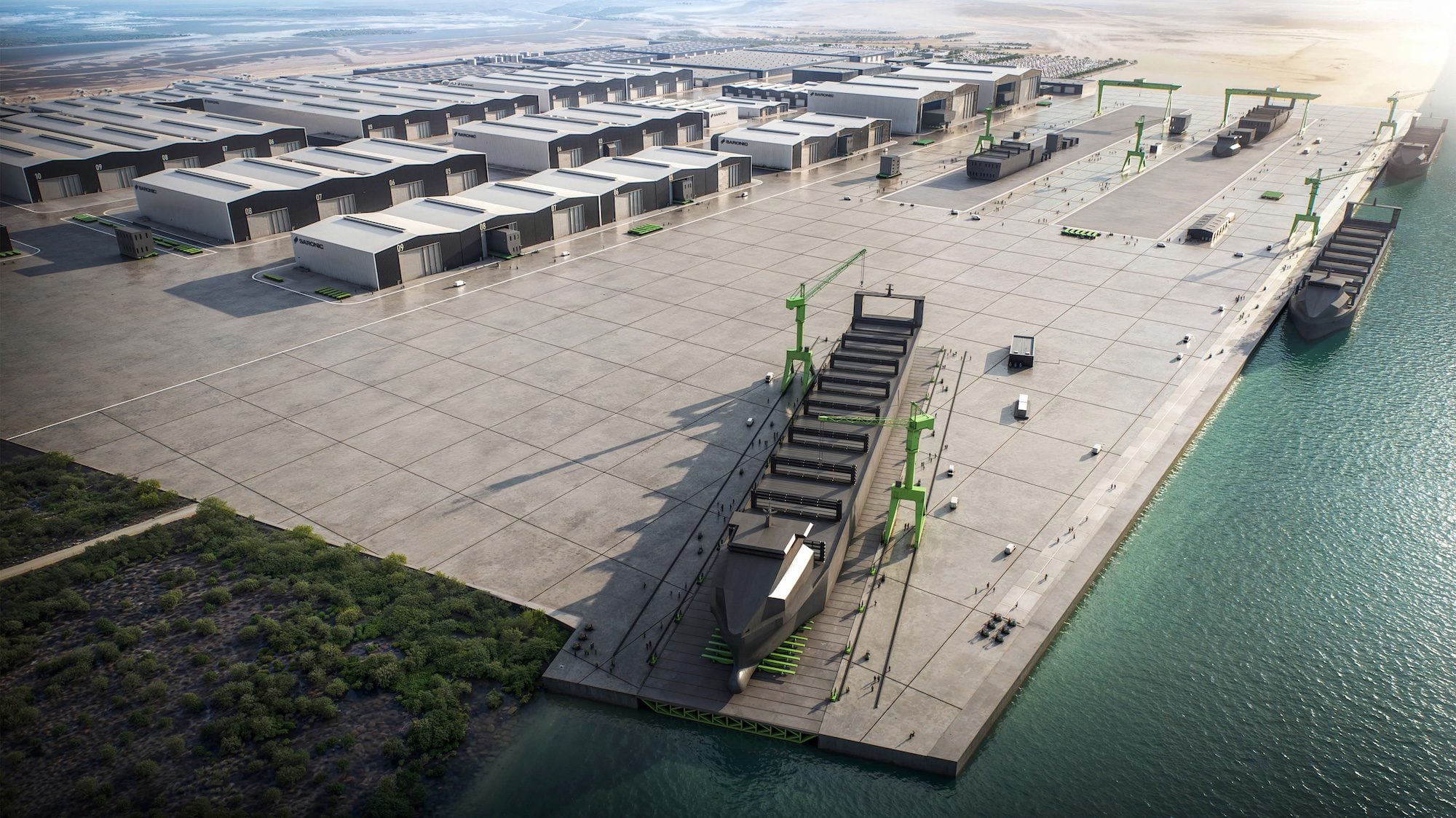
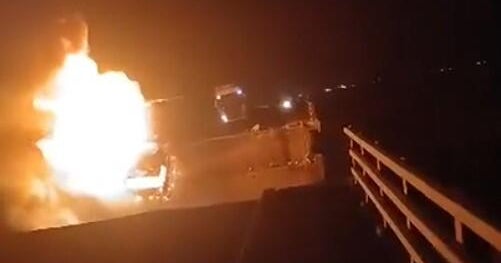
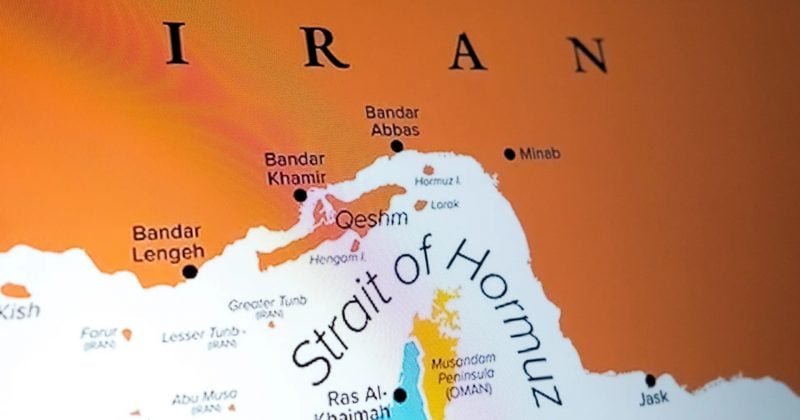
US forces have conducted repeated strikes across Iran, including around Bandar Abbas, Bandar-e-Khamir and Iranshahr, with CENTCOM confirming dozens of targets and the first combat use of American sea drones. Iran has retaliated with missiles and drones against US-linked facilities in Bahrain and Kuwait and damaged Kuwaiti power units, while publicly warning of broader escalation and signalling Houthi involvement in the Red Sea if Washington intensifies. Maritime interdictions and boardings around the Gulf of Oman accompany subdued transits through Hormuz and a sharp drop in crude flows. Casualty reporting from strikes in southern Iran varies, and timelines and locations in open sources are sometimes contradictory. Israeli officials judge Tehran is avoiding opening another front, although some reporting cites missile-related fatalities inside Israel since February.
Change from previous assessment
Since the prior brief, reporting has added: confirmation of dozens of US targets struck and the first combat use of US sea drones at Bandar Abbas; resumed daytime US sorties and strikes reported near Tehran; Iranian fire on US‑used facilities in Bahrain and Kuwait and damage to Kuwaiti power units; additional US maritime boardings and a disabled tanker near Kharg; more evidence of subdued Hormuz traffic and lower crude flows; and explicit Iranian signalling to the Houthis about Red Sea disruption. Confidence remains constrained by conflicting casualty and location reports. Initial assessment of market pricing has firmed around 85 dollars per barrel.
Key judgments
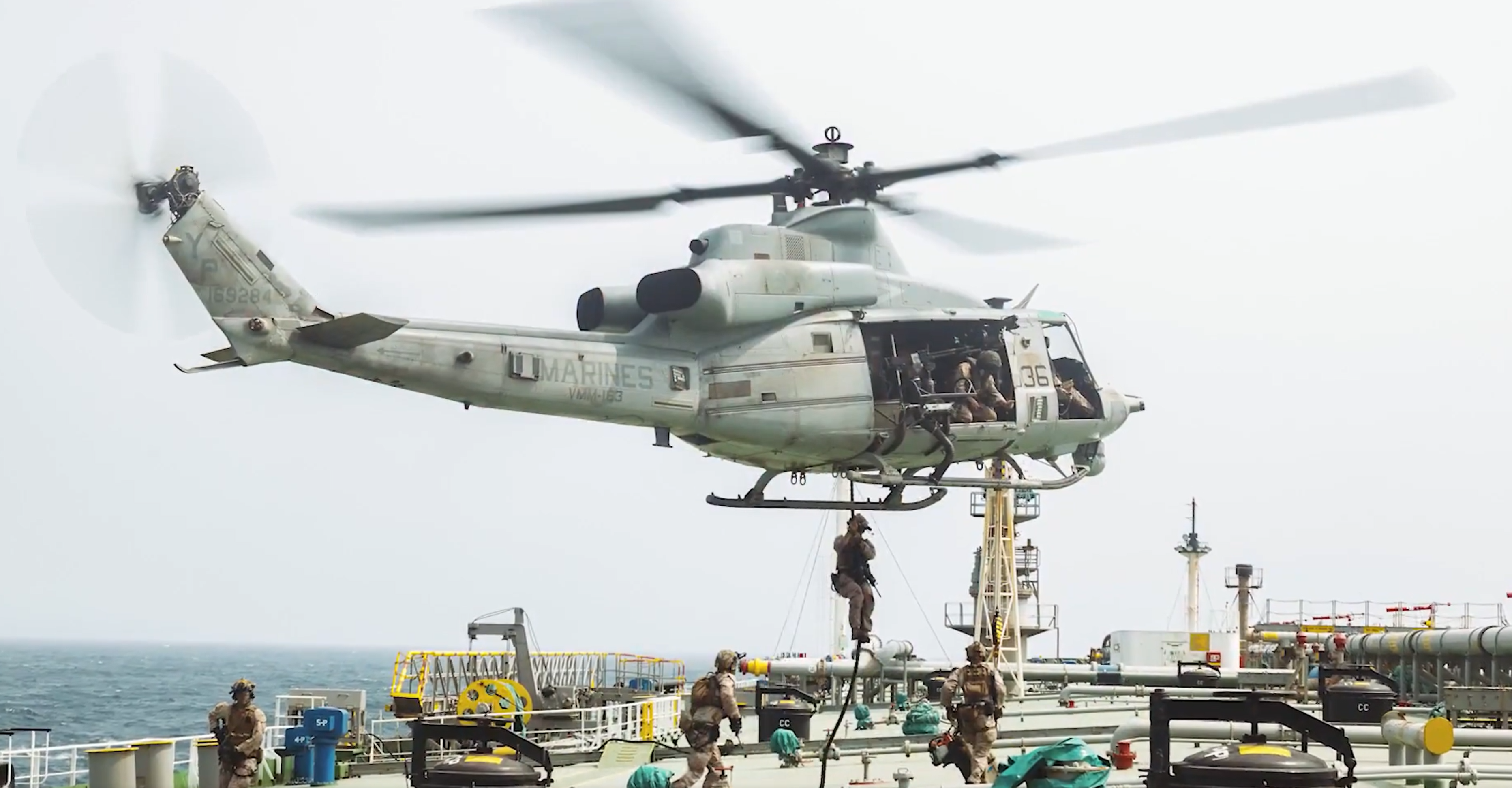
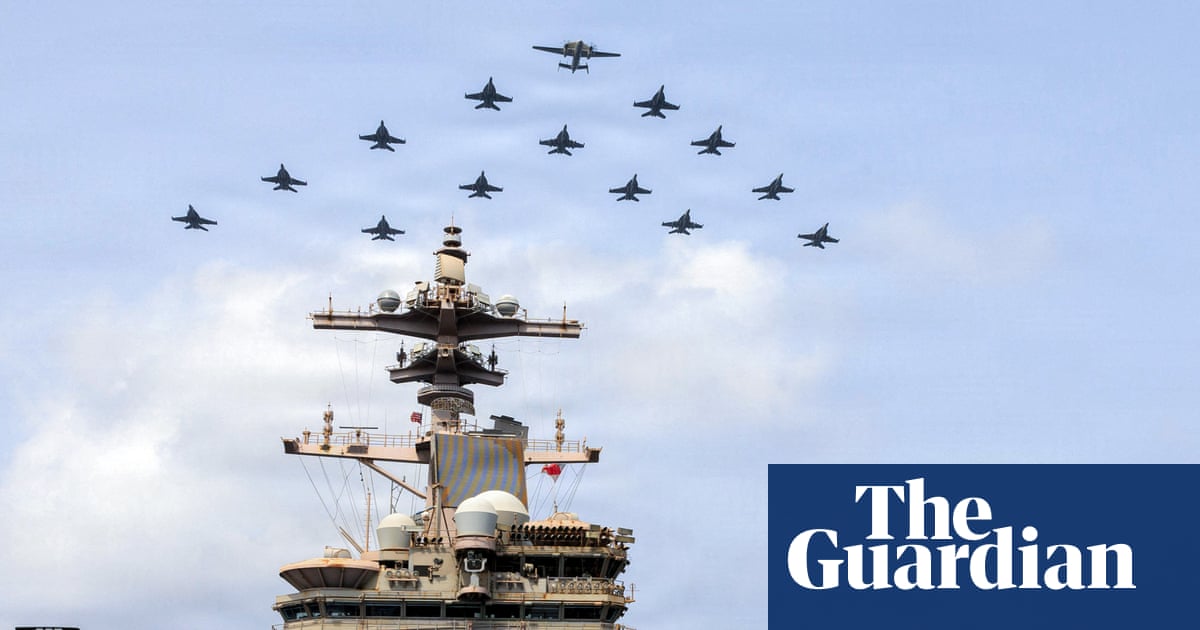
- Very likely US Central Command is sustaining an expanded strike campaign across Iran, now in its sixth day, hitting dozens of targets including bridges at Bandar-e-Khamir, a communications tower and naval maintenance facilities in Bandar Abbas, and Iranshahr Airport, with strikes also reported near Tehran and daytime sorties resumed; US sea drones were used in combat for the first time. (Confidence: medium · REPORTED)
- I&W: Commercial satellite imagery shows fresh battle damage at Bandar Abbas naval facilities, bridges in Bandar-e-Khamir and Kohurestan, and Iranshahr Airport. (0-14 days)
- I&W: CENTCOM issues further strike readouts with target lists or BDA imagery naming additional Iranian sites. (0-14 days)
- Likely Iran has retaliated with missiles and drones against US facilities in Bahrain and Kuwait, with explosions reported near the US Fifth Fleet HQ in Bahrain, and has damaged Kuwaiti power generation units; claims of strikes extending to Jordan and Qatar remain unconfirmed. (Confidence: medium · REPORTED)
- I&W: Official statements from Bahrain or Kuwait acknowledging missile or drone impacts on US-used facilities or grid assets, with geolocated imagery. (0-14 days)
- I&W: Absence of additional Iranian launch activity detected by regional air defences against Bahrain and Kuwait. (0-14 days)
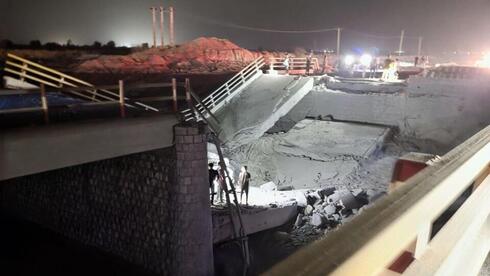
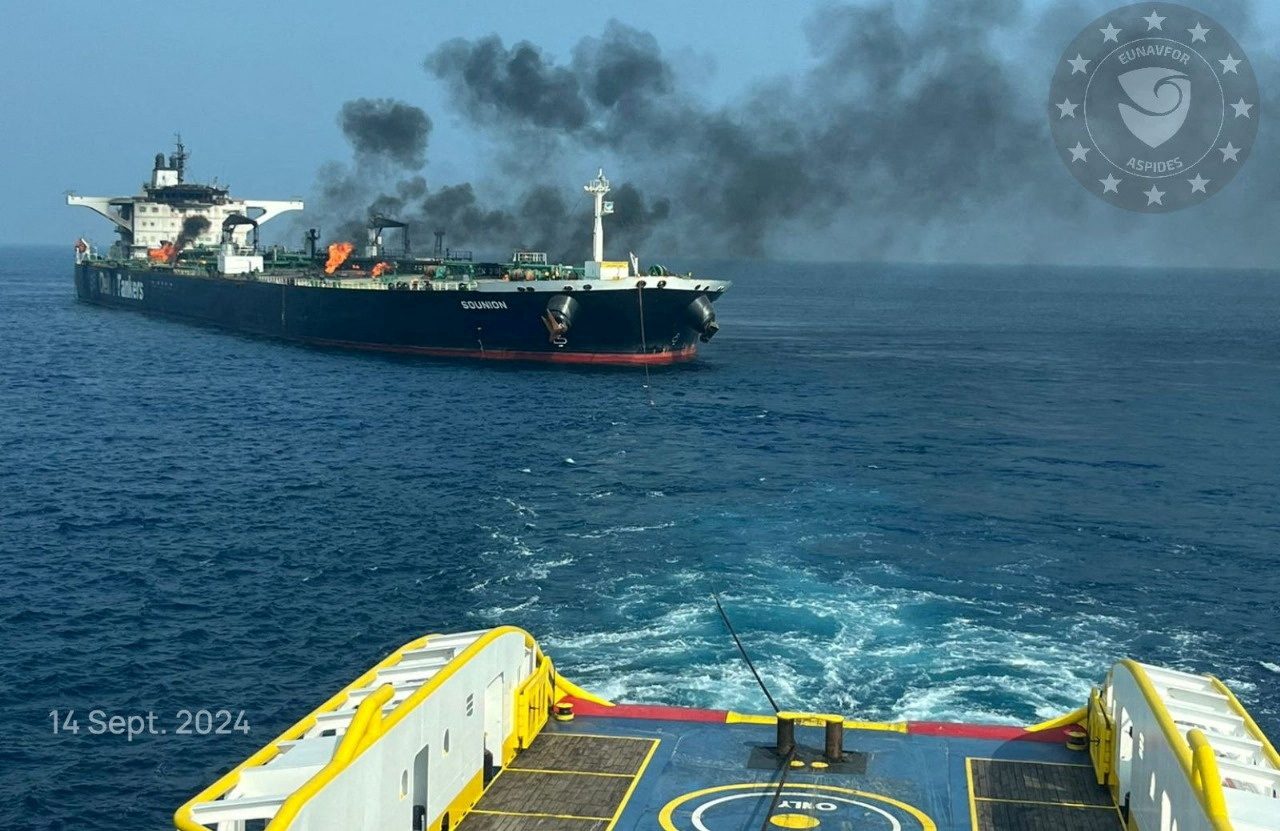
- Likely the United States has reimposed and is enforcing a maritime interdiction campaign against Iran-linked shipping, with US Marines boarding tankers in the Gulf of Oman, multiple vessels redirected, at least one tanker disabled near Kharg, and an empty tanker struck; AIS patterns show zig‑zagging and loitering, and observed Hormuz transits are subdued with crude flows near 4 million bpd. (Confidence: medium · ASSESSED)
- I&W: Additional verified US boardings or diversions announced by CENTCOM or documented by ship operators. (0-14 days)
- I&W: Sustained increase in crude and condensate flows through Hormuz above recent 4 million bpd levels. (0-14 days)
- Likely US strikes have affected civilian infrastructure in southern Iran and caused fatalities, with reported totals ranging from at least seven to at least eight killed and about 20 wounded, including casualties near the Kohurestan and Giriyeh bridges, and strikes affecting a train station in Bandar Abbas and Iranshahr Airport. (Confidence: medium · REPORTED)
- I&W: Geolocated imagery of damaged bridges and public infrastructure in Hormozgan and adjacent provinces, with hospital admission records corroborating casualty figures. (0-14 days)
- I&W: US releases emphasise exclusively military target sets with collateral damage assessments consistent with low civilian impact. (0-14 days)
- Roughly even chance the Strait of Hormuz remains partially open but materially constrained: observed traffic is subdued and estimated crude flows are down, despite earlier closure claims and US assurances it remains free and open. (Confidence: low · ASSESSED)
- I&W: Daily ship counts and AIS-confirmed cargo volumes through Hormuz remain at or below recent lows. (0-14 days)
- I&W: Official closure notices or clear statements relaxing interdictions alter transit rates sharply. (0-14 days)
- Likely Tehran is trying to keep Israel out of the confrontation in the near term while raising pressure through partners, including asking the Houthis to be ready to disrupt the Red Sea route and preparing deployments near Bab el‑Mandeb. (Confidence: low · ASSESSED)
- I&W: Confirmed Houthi missile or drone launches against Bab el‑Mandeb shipping following Iranian signalling. (0-14 days)
- I&W: Confirmed Iranian ballistic or cruise missile launches directly at Israeli territory. (0-14 days)
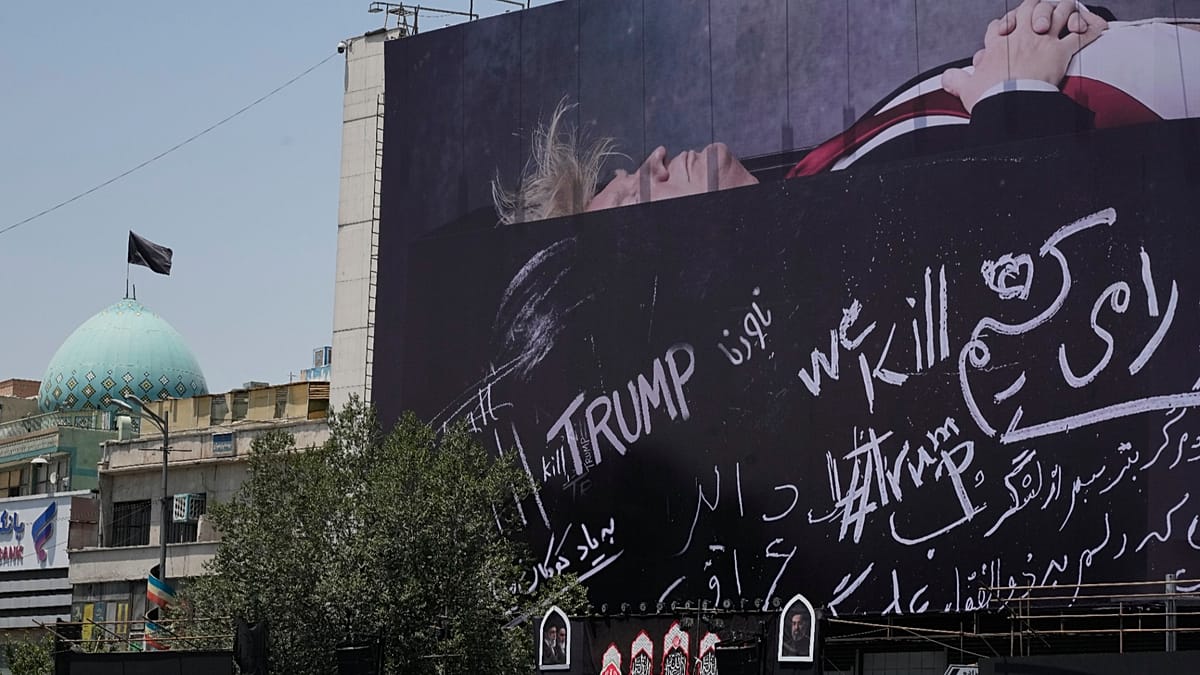
- Reportedly, hostilities escalated after US, Israeli airstrikes killed several Iranian officials, including Supreme Leader Ali Khamenei, earlier in the war period. (Confidence: low · REPORTED)
- I&W: Observable Iranian regime succession steps, leadership decrees and public ceremonies consistent with a leadership transition. (1-3 months)
- I&W: Public appearances by the named official or authoritative Iranian state media refutation of the reported death. (0-14 days)
- Likely market risk is rising alongside operational disruption: Brent has moved to about 85 dollars per barrel and independent tracking estimates crude and condensate flows through Hormuz at roughly 4 million barrels per day. (Confidence: medium · ASSESSED)
- I&W: Sustained price elevation or further increases coinciding with continued interdictions and strike activity. (0-14 days)
- I&W: Rebound in Hormuz flows above recent levels alongside easing of strike tempo and interdictions. (0-14 days)
Outlook & scenarios
Contained US, Iran confrontation with Gulf-centric targeting (50%)
US strikes continue against Iranian military, command and select infrastructure nodes around Hormuz and the south, punctuated by interdictions. Iran sustains missile and drone fire against US facilities in Bahrain and Kuwait and opportunistic hits on Gulf energy infrastructure. Hormuz traffic remains depressed but not halted; prices stay elevated. Israel avoids overt entry.
Spillover to the Red Sea via Houthi action (30%)
Following further US strikes on Iranian power or energy assets, Tehran greenlights Houthi anti‑shipping operations near Bab el‑Mandeb. Missile and drone launches at Red Sea traffic force diversions and naval escorts, compounding Hormuz constraints and lifting oil prices further. US and partners expand maritime security operations in both chokepoints.
Limited de‑escalation and maritime stabilisation (25%)
Back‑channel contacts yield a tacit pause in targeting of civilian‑adjacent infrastructure and a throttled interdiction posture. Flows through Hormuz begin to recover from recent lows, price volatility eases, and proxy activity is restrained, while both sides retain the capability to re‑escalate rapidly.
Direct Iran, Israel exchange (15%)
A miscalculation or domestic pressure in Tehran or Jerusalem triggers direct Iranian missile strikes on Israel and Israeli retaliation on Iranian soil. US strikes continue, regional bases come under heavier Iranian fire, and commercial traffic through Hormuz and Bab el‑Mandeb falls sharply.
Recommendations
- Prioritise multi‑source BDA of Iranian targets at Bandar Abbas, Bandar‑e‑Khamir and Iranshahr using commercial SAR and optical imagery, and reconcile with CENTCOM releases to refine the strike picture.
- Task collection to confirm or refute reported Iranian hits at US‑used facilities in Bahrain and Kuwait and damage to Kuwaiti power units, including liaison with Bahraini and Kuwaiti authorities for incident reports and grid outage data.
- Sustain maritime domain awareness of Hormuz and Gulf of Oman: fuse AIS, SAR and RF detections to quantify daily crude and condensate flows, identify loitering Iran‑linked tankers, and alert on new interdictions or boardings.
- Establish a Red Sea watch: monitor Houthi missile and drone deployments near Bab el‑Mandeb, with geolocation of TELs and storage sites, and set a rapid alert protocol for launch indications.
- Produce a daily Hormuz risk bulletin for US operators and allies, integrating routeing advice, observed choke points, and interdiction activity; coordinate with partners on crew safety guidance similar to India’s warnings.
- Refine assessments of Tehran’s intent toward Israel: collect on IRGC decision‑making and partner tasking, and track Israeli civil defence posture and intercept activity for signs of a shift.
- Track civilian harm: map reported strikes on non‑military infrastructure and maintain a running casualty ledger to support policy decisions on escalation management.
- Prepare an alternatives note on Iranian leadership status and succession indicators, given circulating claims, and identify collection gaps that would quickly confirm or break them.
Confidence & uncertainty
Overall confidence is low. Many critical elements rest on single‑sided or partisan reporting, casualty figures conflict across sources, and timelines and locations occasionally diverge. Some claims are corroborated by multiple major media or official statements, such as CENTCOM acknowledging strikes and boardings, yet other high‑impact assertions, including the extent of Iranian strikes across the region and leadership status in Tehran, lack independent verification in the current window. Maritime data points on subdued Hormuz traffic and reduced flows are credible but still partial snapshots. These gaps and contradictions constrain confidence despite the volume of reporting.
Alternative analysis (red cell)
Multiple high‑impact judgments rely on limited or single‑source reporting and contain direct contradictions in the claims set. A more conservative reading is that there have been numerous discrete strikes, maritime incidents, and retaliatory actions with mixed attribution and uncertain effects, but several headline inferences (a sustained CENTCOM expanded campaign with confirmed first combat use of US sea drones; death of Iran’s Supreme Leader; a fully reimposed interdiction regime) remain insufficiently corroborated. Resolving these issues requires authoritative operational logs, independent imagery, and multiple, independent source confirmations before elevating confidence.
Intelligence gaps
- [EEI 1.1 · UNCOVERED] Unusual long-range missile/rocket transporter-launcher (TEL) movements, storage activation, or assembly activity at known IRGC missile sites or forward staging areas. Recommended collection: satellite/imagery
- [EEI 1.3 · UNCOVERED] Large-scale transfers, deliveries, or convoy movements of armed UAVs/drones, guided munitions, or spare parts from Iran into Lebanon (Hezbollah), Iraq, Syria, or Gaza. Recommended collection: air/aviation track and HUMINT
- [EEI 1.4 · UNCOVERED] Sustained changes in Israeli air-defense usage (SAM launches, radar activations), wide-area alerts, or NOTAMs indicating elevated imminent strike response. Recommended collection: air/aviation/NOTAMs and signals
- [EEI 2.1 · PARTIAL] Concentration, repositioning, or sortie patterns of Iranian naval/IRGC patrol boats and fast-attack craft near shipping chokepoints or commercial lanes. Recommended collection: maritime/AIS and satellite/imagery
- [EEI 2.3 · UNCOVERED] Insurance market indicators: sudden spikes in war-risk or hull insurance premiums for routes through the Red Sea, Suez corridor, or Persian Gulf, and major carriers announcing route changes. Recommended collection: financial/market and commercial shipping notices
- [EEI 2.4 · PARTIAL] Port closures, naval escorts requested by commercial operators, or formal rerouting advisories issued by major shippers (e.g., Maersk, Hapag-Lloyd) for regional transits. Recommended collection: commercial/OSINT
- [EEI 3.3 · UNCOVERED] Confirmed arms transfers, expedited weapons shipments, or transfer authorizations to Israel, Iran, or their proxies (aircraft parts, munitions, air defenses). Recommended collection: customs/INTEL and HUMINT
- [EEI 3.4 · UNCOVERED] Issuance of travel warnings, embassy evacuations or reductions, and closure of diplomatic missions by major capitals indicating escalation risk or shifted threat assessments. Recommended collection: OSINT/diplomatic
Cited sources
[1] aljazeera.com · Iran war live: US intensifies southern Iran attacks, killing at least eight (A) · sha256:55c17e8cc088 [2] Euronews · США наносят удары по гражданской инфраструктуре Ирана, Тегеран бьет по объектам США в заливе (A) · sha256:728ab8184cb4 [3] ynetnews.com · US expands Iran strikes, hitting airport, bridges and communications tower (A) · sha256:ff814907c01f [4] gcaptain.com · Saronic Picks Brownsville for $3 Billion 'Port Alpha' Autonomous Shipyard (B) · sha256:b81f41902812 [5] The Guardian · US intensifies attacks on Iran as Tehran hits back at Gulf states (A) · sha256:59dbbdecadcf [6] The Jerusalem Post · Live Updates: Latest from Israel, Iran, and Middle East | The Jerusalem Post (B) · sha256:c80ca97c14ac [7] maritime-executive.com · Video: U.S. Marines Board Falsely-Flagged Tanker in Gulf of Oman (B) · sha256:e281c23f780e [8] dw.com · США нанесли новые удары по объектам в Иране (A) · sha256:012e22e6a44c [9] cryptobriefing.com · Iran attack damages Kuwait power units amid regional tensions (B) · sha256:18968d6195bd [10] cryptobriefing.com · US-Iran tensions escalate with strikes amid Strait of Hormuz conflict (B) · sha256:17ccc3bb84b7 [11] gcaptain.com · Iran-Linked Tankers U-Turn, Zig-Zag as US Enforces Blockade (A) · sha256:0c9453cafcc6 [12] meduza.io · США шестой день подряд наносят удары по Ирану. Тегеран заявил, что целью обстрелов были мосты (B) · sha256:c710533cae01 [13] ynetnews.com · Iran’s calculated gamble: Keep Israel out, turn Hormuz into the battlefield (B) · sha256:caf5ac3ad6f2 [14] Jerusalem Post · Trump expected to expand Iran military campaign as Tehran warns of broader retaliation (B) · sha256:88f1b36ba8e3 [15] gcaptain.com · Suspected Pirates Seize Tanker Off Yemen Coast in Gulf of Aden, Sources Say (A) · sha256:8ad6579ea697 [16] gcaptain.com · Iran Tells Houthis to Close Red Sea Gateway if U.S. Hits Power Network (A) · sha256:9dfadca1fbaa [17] Wikipedia · 2026 Iran war (B) · sha256:45426a7ed444 [18] CBS News · Iran War Updates: Strait of Hormuz "back to the worst case scenario" amid escalating attacks, analyst says (A) · sha256:4376b277443d
Source content hashes were computed at collection time; the cited text is preserved unmodified for the life of this product.
Red cell review: PARTIAL DISSENT
TLP:CLEAR