TLP:CLEAR · Disclosure is not limited.
Middle East Situation Report: Hormuz Pressure and Houthi Gains, 16 September 2026
Time window: Last 1 day · Audience: General analyst · Type: Situation report · DTG: 2026-09-16 20:38Z · Overall confidence: HIGH
BLUF
It is very likely that the US-Israel war with Iran will remain a multi-front conflict through the next 14 days, with Iranian attacks around the Strait of Hormuz, Houthi territorial gains in Yemen and continuing disruption to Saudi oil infrastructure. Commercial movement through Hormuz is very likely to remain severely constrained, while the waterway's status as fully closed or partially open under US facilitation remains disputed.
Executive summary
Reported developments on 16 September include four vessel transits through the Strait of Hormuz on 15 September, compared with a 10-day average of 18, the shutdown of Saudi Arabia's East-West pipeline, and Houthi captures of Mokha, Perim Island and territory near the Bab al-Mandab Strait. A report that Iranian forces struck a US-contracted vessel carrying American personnel near Hormuz remains unconfirmed by US officials. CENTCOM hosted senior regional military leaders in Germany, while Iranian Foreign Minister Abbas Araghchi backed Chinese peace proposals during talks with Wang Yi. Assessment: military, maritime and energy pressures are reinforcing one another, but the depth of the disruption and responsibility for the Saudi pipeline attack remain contested.
Change from previous assessment
Since the 15 September brief, the assessment now places greater weight on the concrete deterioration of maritime and energy conditions. New reporting specifies four Hormuz transits on 15 September, Houthi control of Mokha and Perim Island, the shutdown and repair outlook for Saudi Arabia's East-West pipeline, and a reported attack on a US-contracted vessel. Confidence in the broad multi-front conflict assessment remains high. Confidence in pipeline attribution remains medium because competing accounts persist. The maritime judgement is more specific, with greater emphasis on the distinction between severe constraint and complete closure. The reported vessel attack is added as a low-confidence judgement. The assessment that diplomatic activity is unlikely to deliver durable de-escalation remains unchanged.
Key judgments
- It is very likely that the conflict will remain a multi-front regional war through 30 September, involving US strikes against Iranian military positions and vessels, repeated Iranian attacks on commercial vessels and US military assets around the Strait of Hormuz, Ansar Allah's territorial advances in Yemen, and Houthi attacks on Saudi oil facilities. Confidence is high because the main developments are corroborated across major-media, wire-service and trade reporting, although the reporting does not establish a single command structure linking the fronts. (Confidence: high · ASSESSED)
- I&W: Confirm: between 17 and 30 September, Iranian forces conduct another attack on a commercial vessel or US military asset around Hormuz, or Ansar Allah conducts another strike on a Saudi oil facility. (0-14 days)
- I&W: Break: no new Iranian, US or Houthi kinetic incident is reported for 14 consecutive days and the parties announce an effective halt to attacks. (0-14 days)
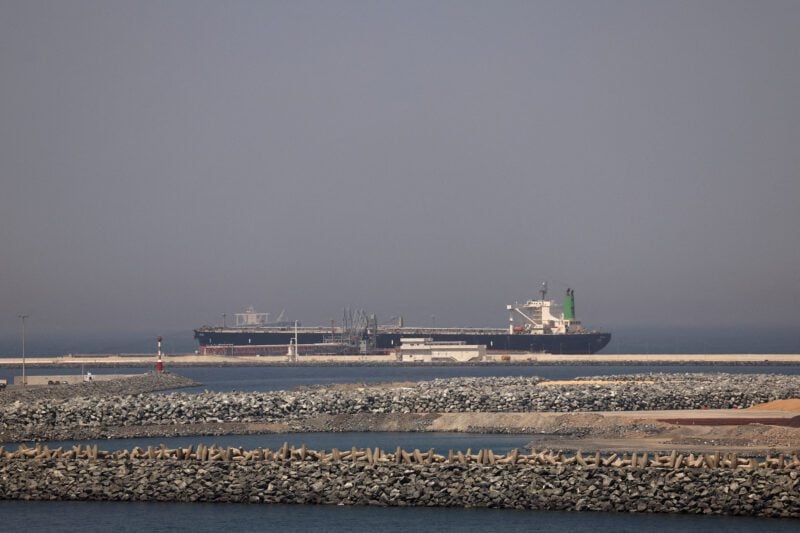
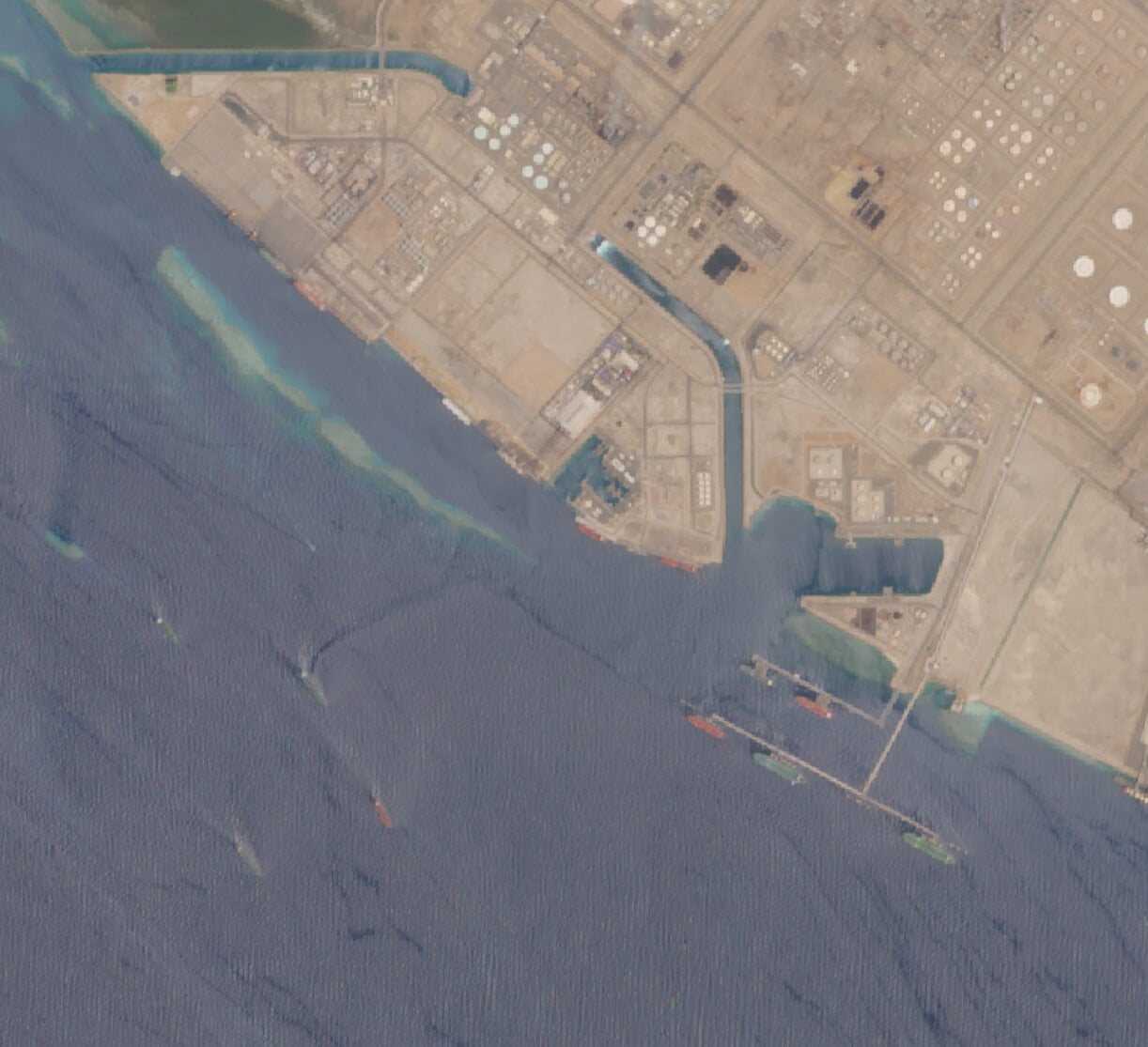
- It is very likely that commercial transit through the Strait of Hormuz will remain severely constrained over the next 14 days, but it is unlikely that the waterway is under a continuously complete closure. Reuters recorded four transits on 15 September against a 10-day average of 18, while US authorities are facilitating some southern-route movements. The reporting also describes the tanker Nautilus and gas carrier Salute exiting through routes associated with Iranian waters, and notes that some vessels may be operating with transponders switched off. Confidence is medium because claims of an Iranian closure conflict with reporting of US-facilitated passage and satellite imagery indicating some two-way tanker movement. (Confidence: medium · ASSESSED)
- I&W: Confirm: tracked transits remain below 10 per day for five consecutive days while the United States continues to facilitate southern-route passage and major shipping companies keep vessels away from Hormuz. (0-14 days)
- I&W: Break: tracked transits reach or exceed the 10-day average of 18 for five consecutive days, including regular movement by very large crude carriers or LNG tankers. (0-14 days)
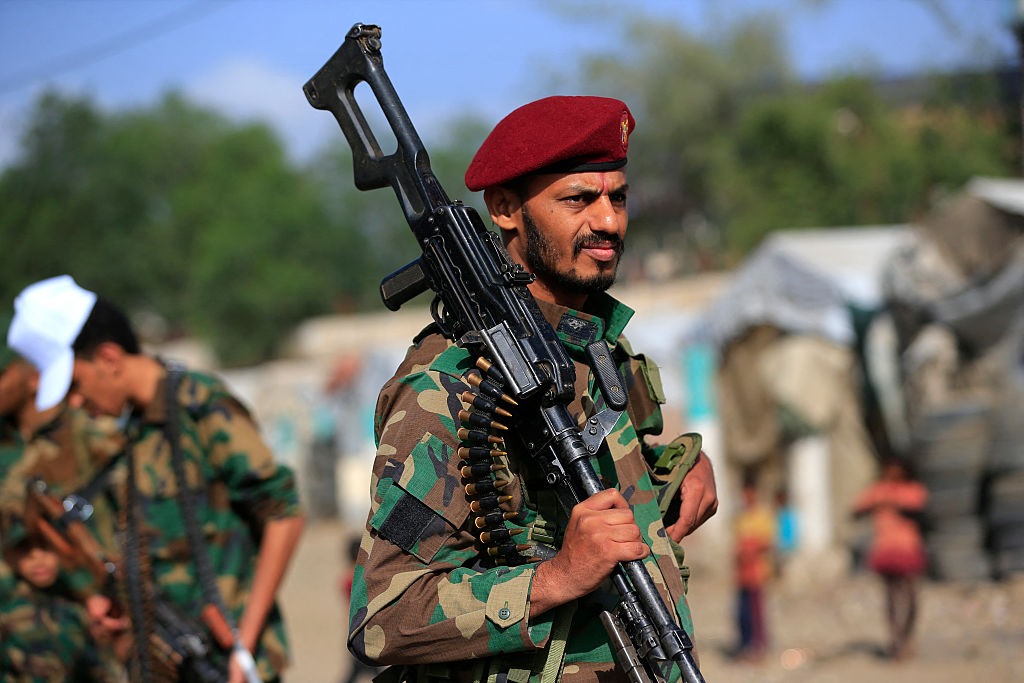
- It is likely that Ansar Allah will retain operational leverage over the Bab al-Mandab Strait and southwestern Yemen over the next one to three months. The group has captured Mokha, Perim Island and strategic territory near Bab al-Mandab, while asserting a blockade of Saudi ships and ports. This leverage has not yet produced a complete shipping shutdown, as 22 ships transited Bab al-Mandab on 15 September compared with 24 the previous day. Confidence is medium because territorial gains are reported by multiple major-media sources, but the durability of Houthi control and its effect on shipping remain partly untested. (Confidence: medium · ASSESSED)
- I&W: Confirm: Ansar Allah retains Perim Island and Mokha while conducting another attack on Saudi shipping, a Saudi oil facility or a vessel transiting Bab al-Mandab. (0-14 days)
- I&W: Break: Saudi-backed forces retake Perim Island or Mokha and Bab al-Mandab transits rise above 24 per day for five consecutive days. (0-30 days)
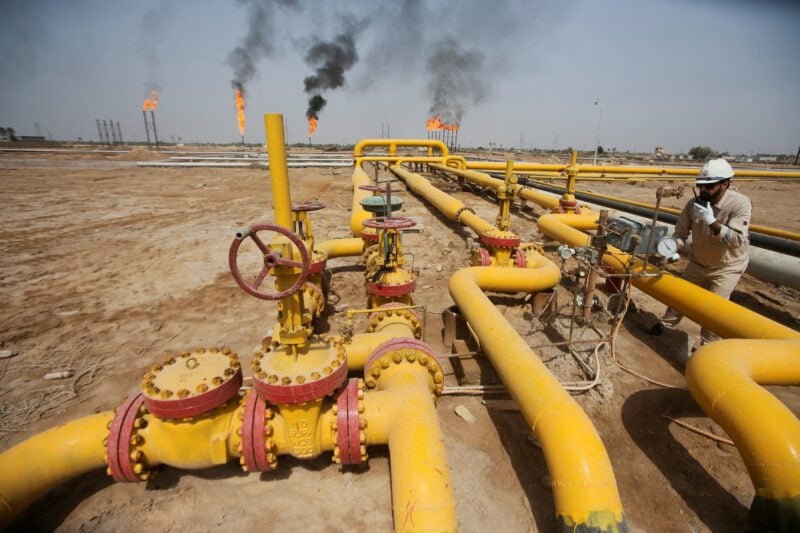
- It is very likely that Saudi oil logistics will remain impaired over the next one to three months, and likely that energy and fuel prices will remain elevated. The East-West pipeline, which has a reported capacity of 3.6 million barrels per day, is shut after drone attacks, with industry sources estimating three to five weeks for repairs. Saudi Aramco has delayed some Yanbu deliveries while increasing prompt sales from outside Hormuz, and Brent crude has risen above 108 dollars per barrel. Responsibility for the pipeline attack remains unresolved: Saudi Arabia blamed Iran-backed militias in Iraq, another account attributed the shutdown to Ansar Allah, and other reporting described the attackers as unknown. Confidence is medium because the operational and market effects are corroborated, but attribution and the main cause of the price increase are contested. (Confidence: medium · ASSESSED)
- I&W: Confirm: the East-West pipeline remains shut after the reported three-to-five-week repair period, or Aramco continues to delay Yanbu deliveries and sell crude from the Gulf of Oman. (1-3 months)
- I&W: Break: Saudi Arabia confirms repairs are complete, Yanbu loadings resume without delays and Brent crude returns below 100 dollars per barrel for five consecutive trading days. (1-3 months)
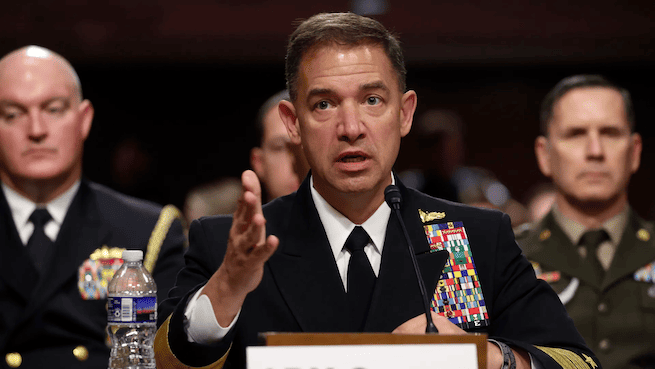
- It is very likely that the United States will maintain its military presence in the Middle East and continue coordinating with Israel and Gulf partners through the next 14 days. CENTCOM has stated that US forces will not withdraw, briefed regional military leaders on expanding Hormuz traffic, and hosted a conference attended by senior military leaders from regional states. Israel has deployed Iron Dome and personnel in the UAE, while Israel and Saudi Arabia are discussing Israeli intelligence, surveillance and reconnaissance support for operations against Ansar Allah. Confidence is medium because the core coordination is reported by multiple sources, but accounts conflict over whether the meeting was secret or scheduled and whether Israel attended. (Confidence: medium · ASSESSED)
- I&W: Confirm: CENTCOM announces another regional coordination meeting or expands the US-facilitated shipping corridor, while Israel provides additional air-defence or intelligence support to the UAE or Saudi Arabia. (0-14 days)
- I&W: Break: the United States announces a regional military withdrawal or ends its effort to facilitate commercial passage through Hormuz. (0-30 days)
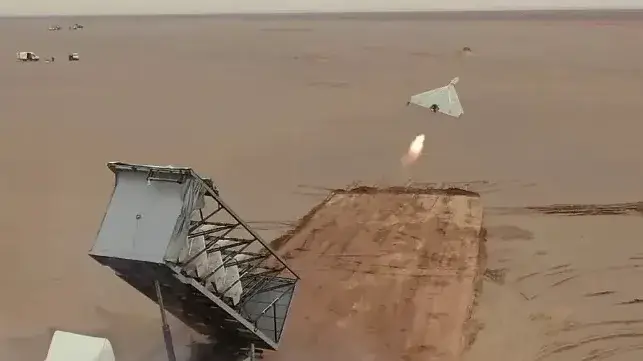
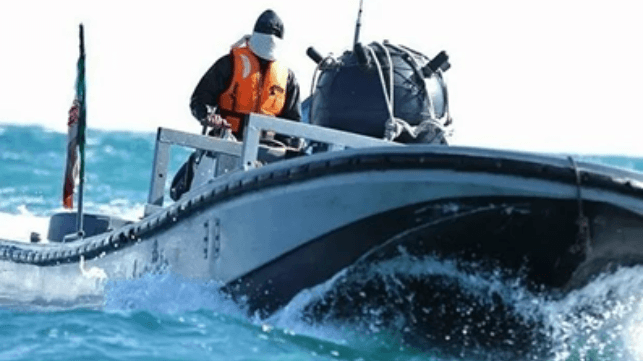
- There is a roughly even chance that Iranian forces struck a US-contracted vessel carrying American personnel near the Strait of Hormuz earlier in the week. The reported attack involved four Iranian drones and at least one missile, caused minor injuries and led to treatment in an undisclosed Gulf country. Confidence is low because the account rests on two unnamed sources cited by Fox News, while the vessel, operator, flag and exact location remained unidentified and US officials had not independently confirmed the incident. (Confidence: low · REPORTED)
- I&W: Confirm: CENTCOM identifies the vessel or releases casualty, damage, operator or location details that match the reported attack. (0-7 days)
- I&W: Break: CENTCOM states that no US-contracted vessel was struck, or the vessel operator and available tracking data refute the reported incident. (0-14 days)
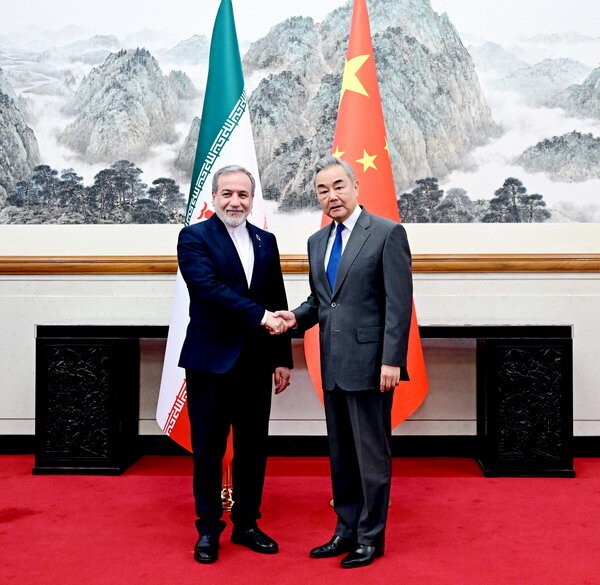
- It is unlikely that Chinese diplomatic activity will produce durable Iran-US de-escalation by 30 September. Abbas Araghchi has backed Xi Jinping's peace proposals and Wang Yi has urged dialogue, but US strikes continue and lower-confidence reporting says Benjamin Netanyahu instructed the IDF to prepare for the toppling of the Iranian regime. Confidence is medium because the diplomatic statements are corroborated, while the reported Israeli regime-change instruction rests on less reliable single-source reporting. (Confidence: medium · ASSESSED)
- I&W: Confirm: Iran and the United States begin direct talks that produce a declared ceasefire and agreed arrangements for commercial passage through Hormuz. (0-14 days)
- I&W: Break: the United States conducts another strike on Iranian positions or vessels, or Israel publicly announces implementation of preparations against the Iranian regime. (0-14 days)
Outlook & scenarios
Protracted multi-front pressure (55%)
It is likely that Iranian attacks, US strikes, Houthi operations and Saudi infrastructure disruption will continue through the next 14 days. Hormuz traffic remains at single-digit or low double-digit levels, Ansar Allah retains Perim Island and Mokha, and Saudi oil logistics remain impaired.
Partial maritime stabilisation without de-escalation (25%)
It is likely that US-facilitated southern-route passage raises tracked Hormuz transits towards the 10-day average of 18, while shipping companies continue to avoid some routes. Military exchanges continue, but no additional major Saudi export facility is disabled.
Diplomatic pause (15%)
It is unlikely that talks involving Abbas Araghchi, Wang Yi and Chinese representatives produce a limited Iran-US pause by 30 September. Such a pause would require a declared halt to attacks and a practical arrangement for commercial passage through Hormuz, while Houthi and Saudi forces avoid new attacks.
High-impact maritime and infrastructure escalation (5%)
It is very unlikely, but high impact, that Iranian forces or Ansar Allah conduct coordinated attacks on a US military asset, a commercial vessel and a Saudi oil facility within the same 14-day period. This would push Hormuz and Bab al-Mandab traffic materially below current levels and intensify pressure on energy prices.
Recommendations
- Produce a daily Strait of Hormuz transit table that separates confirmed AIS movements, US-facilitated southern-route passages, dark transits and satellite-observed tanker activity. Report the waterway as severely constrained rather than fully closed unless official evidence resolves the contradiction.
- Maintain separate attribution lines for the Saudi East-West pipeline attack: unknown attackers, Saudi allegations against Iran-backed Iraqi militias, and reporting that assigns responsibility to Ansar Allah. Do not consolidate these accounts into a single finding.
- Track Perim Island, Mokha and the Bab al-Mandab approaches as separate collection priorities. Record any change in control, Houthi attacks on shipping or Saudi targets, and daily transit volumes against the 22 to 24 vessel baseline.
- Seek rapid corroboration of the reported attack on the US-contracted vessel through CENTCOM statements, vessel identification, operator or flag information, casualty reporting and available tracking data. Keep the incident low confidence until those details are released.
- Monitor CENTCOM activity, US-facilitated shipping operations, Israeli air-defence deployments in the UAE and proposed Israeli intelligence support to Saudi operations against Ansar Allah. Treat a new coordination announcement or US withdrawal statement as a priority warning.
- Separate diplomatic signalling from operational de-escalation in reporting on Abbas Araghchi, Wang Yi and Xi Jinping. Require evidence of a ceasefire, direct Iran-US talks or restored commercial passage before assessing that diplomacy has changed the conflict's trajectory.
Confidence & uncertainty
Overall confidence is high because the central developments are supported by multiple source types, including Reuters reporting on Hormuz traffic, United Nations reporting on diplomatic positions, major-media coverage of Houthi territorial gains and Saudi oil disruption, and trade reporting on shipping and military activity. The main uncertainties concern whether Hormuz is fully closed or operating through restricted corridors, responsibility for the East-West pipeline attack, the precise effect of dark shipping activity on transit counts and the unconfirmed report of an attack on a US-contracted vessel. These issues lower confidence in individual judgments without undermining the broader assessment of sustained regional escalation.
Intelligence gaps
- [EEI 1.1 · UNCOVERED] Number, type, launch times, and trajectories of ballistic missiles, cruise missiles, armed UAV strikes, and combat-air sorties launched by Iranian or Israeli forces toward the other's territory or forward bases within a 72-hour window. Recommended collection: signals/intel
- [EEI 1.2 · PARTIAL] Observable changes in Israeli and Iranian force posture: mobilization or reserve call-up orders, unit road/rail movements, dispersal or sortie rates of air squadrons, redeployment of air-defense batteries, and activation of civil-defense alerts or sirens in major population centers. Recommended collection: open-source/media
- [EEI 1.3 · PARTIAL] Indications of strike authorization or targeting preparations in Iranian or Israeli command chains: authenticated public orders by senior commanders, detected increases in encrypted communications consistent with targeting, or visible movement of strike munitions to launch/storage sites. Recommended collection: signals/intel
- [EEI 2.1 · UNCOVERED] Counts, launch locations (coordinates), weapons types, and assessed damage from rocket/missile/drone strikes originating from Lebanon into northern Israel attributed to Hezbollah or allied groups. Recommended collection: open-source/media
- [EEI 2.2 · PARTIAL] Reported attacks by Iranian-backed militias in Iraq and Syria: rocket/IED strikes on bases hosting US/coalition or Israeli personnel, documented militia unit movements toward borders, and captured movement or transfer of weapons systems to forward militia positions. Recommended collection: human
- [EEI 2.3 · PARTIAL] Maritime harassment or attacks by proxies (e.g., Houthis): incidents of missile/rocket strikes against commercial vessels, small-boat swarm attacks, discovery or detonation of naval mines, and corresponding AIS anomalies in the Red Sea, Gulf of Aden, or southern Arabian Gulf. Recommended collection: maritime/AIS
- [EEI 3.1 · PARTIAL] Movements and arrival dates of foreign military assets into the region: carrier strike groups, amphibious ships, surface combatants, strategic airlift/tanker deployments, and air/sea patrol patterns by US, European, Russian, or regional militaries. Recommended collection: imagery/satellite
- [EEI 3.2 · PARTIAL] Concrete diplomatic and political actions: emergency UN/Arab League meetings called, official embassy evacuation orders, public declarations of intent to interpose or protect shipping/airspace, and newly announced sanctions or arms-transfer approvals tied to the conflict. Recommended collection: diplomatic
Cited sources
[1] gCaptain · Fox News: Iran Attack Hits U.S.-Contracted Ship Carrying American Personnel (C) · Wed Sep 16 2026 15:12:42 GMT+0000 (Coordinated Universal Time) · sha256:d7bc8427f059 [2] Jacobin · Ansar Allah’s Red Sea Advance Has Exposed Saudi Weakness (B) · sha256:c2c65062e1ef [3] BBC · How escalating Saudi oil crisis could drive up prices everywhere (A) · Wed Sep 16 2026 16:06:50 GMT+0000 (Coordinated Universal Time) · sha256:3f7228982bee [4] Reuters (republished by gCaptain) · Strait of Hormuz Ship Crossings Remain in Single Digits, Data Shows (A) · Wed Sep 16 2026 13:08:53 GMT+0000 (Coordinated Universal Time) · sha256:2589a9386c5e [5] TV7 Israel News · Iran’s Nuclear Red Line: Could Tehran Trigger a New U.S.-Israel Strike? (B) · sha256:f8b56d4afac8 [6] The Maritime Executive · Oil Prices Jump at News of Pause in Saudi Loadings at Red Sea Terminal (C) · sha256:78148e5ebfba [7] The Daily Star · Red Sea tensions raise insurance costs (A) · sha256:8120fc50e62b [8] Axios (republished on middleeasttransparent.com) · Scoop: U.S., Israeli and Arab military chiefs held secret meeting on Iran (B) · Wed Sep 16 2026 08:18:52 GMT+0000 (Coordinated Universal Time) · sha256:533e845c0506 [9] gCaptain (republishing Bloomberg reporting) · Saudis Pivot to Send More Oil Via Hormuz After Pipeline Shut (C) · Wed Sep 16 2026 16:48:55 GMT+0000 (Coordinated Universal Time) · sha256:a4e6851e2138 [10] Al Jazeera · US Fed raises interest rates for first time in three years (A) · Wed Sep 16 2026 18:03:51 GMT+0000 (Coordinated Universal Time) · sha256:a70e4d8e8597 [11] The Maritime Executive · Hormuz Route Negotiations Would Have Handed Substantial Control to Iran (C) · sha256:7bf62c69cb0c [12] The Maritime Executive · Report: U.S. Personnel Injured in Iranian Attack on Boat Near Hormuz (C) · sha256:f47fe75932ee [13] Tehran Times · Iran FM backs Xi’s four-point proposals, calls for greater Chinese role in Middle East peace (B) · Wed Sep 16 2026 15:09:24 GMT+0000 (Coordinated Universal Time) · sha256:81ce284101af
Source content hashes were computed at collection time; the cited text is preserved unmodified for the life of this product.
TLP:CLEAR