TLP:CLEAR · Disclosure is not limited.
Middle East situation report: Iran-Israel conflict and regional escalation
Time window: Last 1 day · Audience: General analyst · Type: Situation report · DTG: 2026-11-28 14:45Z · Overall confidence: MEDIUM
BLUF
The confrontation is more acute than in the 27 November brief: US forces disabled the Pacific Archer in the Gulf of Oman, Iranian commanders issued broader retaliation warnings, and Benjamin Netanyahu reportedly pressed Donald Trump to resume strikes on Iran. There is a roughly even chance of another US or Israeli strike on Iran by 31 March 2027; Iranian responsibility for the Kuwait drone attack remains unproven.
Executive summary
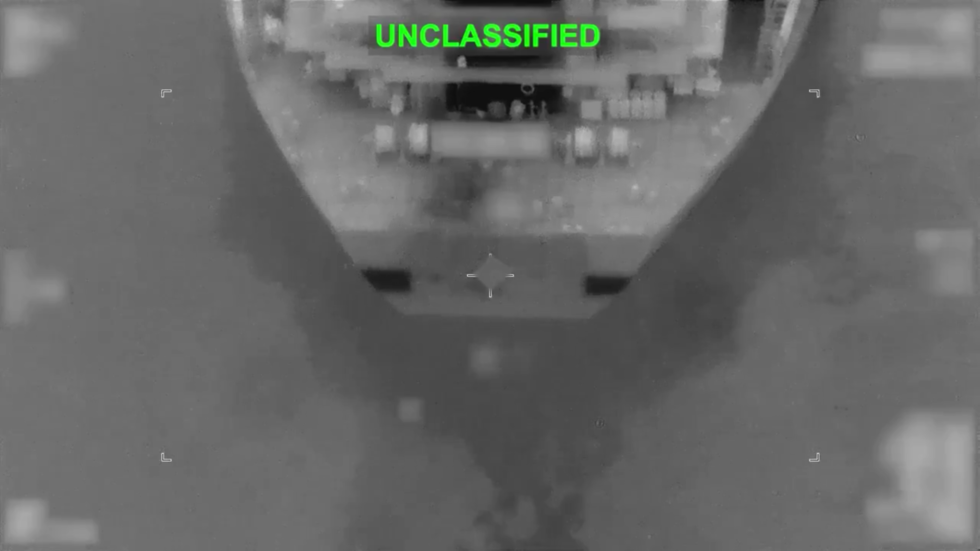
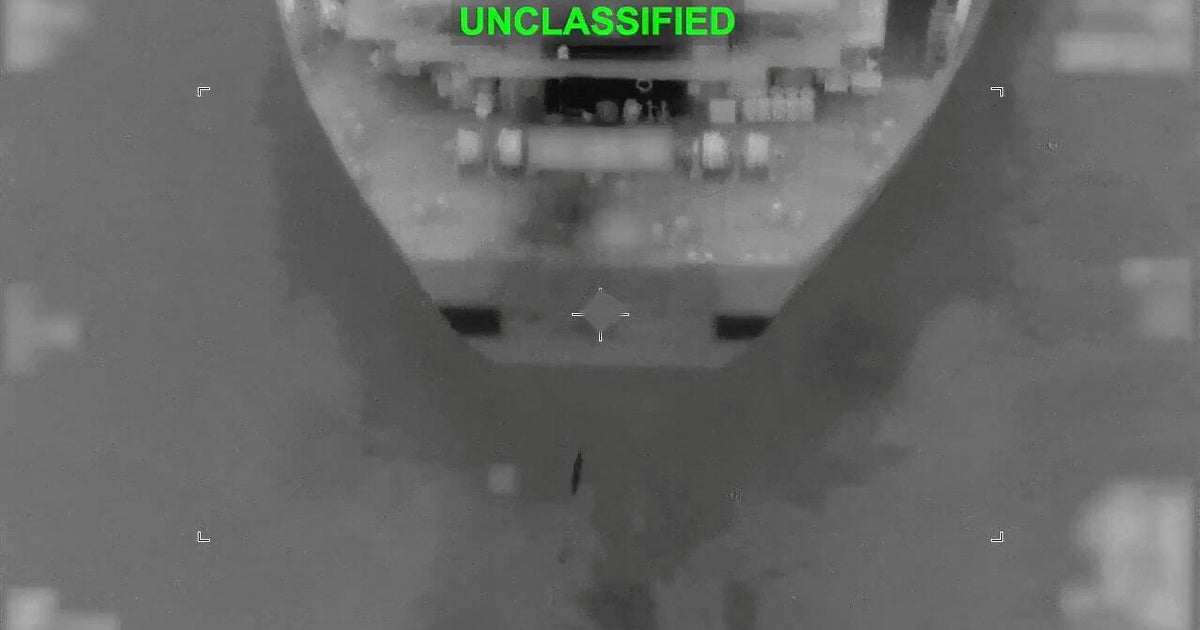
Reported developments: on 26 November, US forces struck the Palau-flagged Pacific Archer in the Gulf of Oman after CENTCOM said it had tried to breach the blockade of Iranian ports. Vortexa recorded more than 26 ships carrying crude, fuels and LNG transiting the Strait of Hormuz on a seven-day average through 19 November, while reported shipping and insurance costs remained near wartime highs. Iranian accounts of tanker mine strikes conflict with maritime security reporting on unidentified projectiles. On 28 November, Iranian commanders threatened retaliation beyond a specific region, while reports said Netanyahu was urging Trump to resume large-scale strikes. The 26 November Kuwait drone attack killed two Italian technicians and wounded two others; Italy cited Iranian-origin drones but acknowledged that Iran-aligned groups might have launched them, and Tehran denied responsibility. Assessment: the reporting shows heightened regional escalation risk, but establishes no new direct Iran-Israel exchange or operational decision to resume strikes.
Change from previous assessment
Since the 27 November brief, reporting adds the US strike that disabled the Pacific Archer, new Iranian warnings of retaliation beyond the region and a report that Netanyahu pressed Trump to resume large-scale strikes. The roughly even chance of a US or Israeli strike by 31 March 2027 is retained, but the newer pressure report raises concern without justifying higher confidence because it contains no operational evidence. The unilateral Israeli option remains low confidence. The reporting still establishes no new direct Iran-Israel exchange, and attribution for the Kuwait attack remains unresolved.
Key judgments
- There is a roughly even chance that US or Israeli forces will conduct another strike on Iranian territory by 31 March 2027. Netanyahu has reportedly pressed Trump to resume large-scale strikes, and a separate local-media report says Israel is considering a unilateral attack. Neither report establishes an operational decision. Confidence is low because the unilateral-strike account is single-source local reporting, the pressure report lacks operational detail, and Trump's 19 November description of the war as militarily effectively over provides a countervailing public signal. (Confidence: low · ASSESSED)
- I&W: Confirm: the White House or IDF publicly announces authorisation for renewed strikes on Iranian territory. (0-14 days)
- I&W: Break: Washington announces renewed talks with Tehran on Hormuz and states publicly that no strike order against Iran is authorised. (0-1 month)
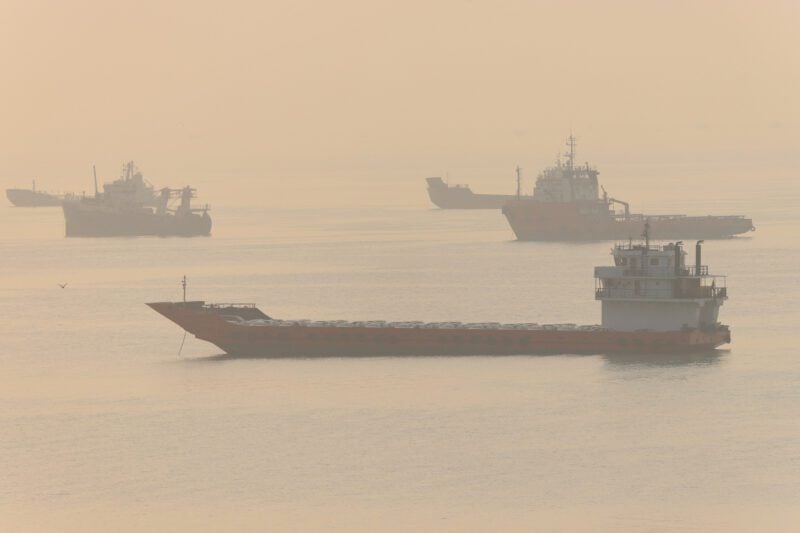
- US-Iran confrontation around the Strait of Hormuz is likely to keep shipping costly and uneven over the next 14 days, while some commercial traffic continues. CENTCOM said US forces struck the Pacific Archer after it attempted to breach the blockade, and reported six ships disabled and 158 redirected. Vortexa recorded a seven-day average above 26 crude, fuel and LNG ships through 19 November. Reports of vessel strikes and their causes remain contested: maritime security reporting cites at least eight vessels struck by unidentified projectiles, while Iranian accounts describe mine strikes and another report attributes tanker attacks to Iran. Confidence is medium because CENTCOM reporting and Vortexa data support continued disruption, but incident attribution and causes are unresolved. (Confidence: medium · ASSESSED)
- I&W: Confirm: CENTCOM reports another vessel disabled or redirected after blockade warnings. (0-14 days)
- I&W: Break: Vortexa's seven-day average remains above 26 crude, fuel and LNG ships through 12 December and reported shipping and insurance costs fall from near wartime highs. (0-14 days)
- Iran's senior military leadership is publicly threatening retaliation beyond the immediate region, but those statements do not establish an imminent operation. Deputy Chief of the General Staff Kioumars Heydari said any place from which shots are fired at Iran would be a legitimate target and warned that a response would not be limited to one region. The IRGC Navy also vowed revenge for sailors killed in the conflict. Confidence is medium: the statements are reported by major media, but they are public rhetoric rather than evidence of operational preparations. (Confidence: medium · ASSESSED)
- I&W: Confirm: an Iranian official names a specific foreign target or announces a retaliatory operation. (0-14 days)
- I&W: Break: Heydari or Iran's Foreign Ministry explicitly retracts the cross-border target warning and states that any response is limited to the direct source of an attack. (0-1 month)
- Iranian state responsibility for the 26 November drone attack in Kuwait remains unresolved. The attack killed Italian technicians Antonio Saccoccio and Emanuele Lo Russo and wounded a Pakistani national and a Kuwaiti. Italian Foreign Minister Antonio Tajani attributed the deaths to shrapnel from an intercepted drone and said the drones were Iranian-origin, while acknowledging that Iran-aligned groups might have launched them; Foreign Minister Abbas Araghchi denied Iranian involvement. The reporting provides no verified launch chain. Confidence is low on attribution because the official accounts conflict and do not establish who directed the attack. (Confidence: low · REPORTED)
- I&W: Confirm Iranian state responsibility: Kuwait or Italy publishes an investigation tying the launch chain to Iranian forces or command. (0-1 month)
- I&W: Break direct Iranian state attribution: an investigation identifies a non-Iranian launch crew and finds no Iranian command link. (1-3 months)
Outlook & scenarios
Continued maritime coercion without a new strike on Iran (40%)
US blockade enforcement and Iranian warnings continue, while commercial ships maintain uneven transit through the Strait of Hormuz. A new US or Israeli strike on Iranian territory is unlikely in this scenario.
US or Israel resumes strikes on Iran (45%)
There is a roughly even chance of renewed strikes by 31 March 2027. Netanyahu's reported pressure on Trump and the report that Israel is considering unilateral action point to renewed debate, but neither establishes a decision. Tehran would likely respond with threats or action beyond the immediate battlefield.
Hormuz incidents expand without strikes on Iranian territory (10%)
A further vessel strike or blockade encounter prompts additional US enforcement and raises shipping costs, while Washington and Israel refrain from striking inside Iran. Conflicting accounts of responsibility make misattribution a central risk.
High-impact spillover attack triggers a wider exchange (5%)
A fatal attack on a US-linked site in Kuwait, Bahrain or Saudi Arabia is attributed to Iran before an investigation establishes responsibility. A direct US response then expands the conflict beyond the current maritime confrontation.
Recommendations
- Keep weapon origin, launch location and command responsibility as separate assessments in the Kuwait case. Do not attribute the attack to the Iranian state until Kuwaiti or Italian findings identify the launch chain.
- Track CENTCOM blockade reports against Vortexa's seven-day transit average and reported oil-shuttle and insurance costs. Flag any newly disabled vessel, independently verified mine strike or sustained fall in transit volume.
- Prioritise collection on operational indicators of renewed US or Israeli strikes, including official authorisation, publicly acknowledged strikes inside Iran and date-specific statements by Trump or Netanyahu. Treat the single-source report of a unilateral Israeli option as unconfirmed.
- Maintain a regional escalation watch covering the Strait of Hormuz, the Gulf of Oman and Kuwait. Record Iranian official statements separately from evidence of deployments or attacks, and track public Italian and EU responses to the Kuwait deaths.
Confidence & uncertainty
Overall confidence is medium. Major-media and wire reporting, CENTCOM statements and Vortexa transit data support the main developments, but several critical details remain unsettled. Iranian accounts of tanker incidents conflict with maritime security reporting, the Kuwait attack's launch chain is unknown, and reporting on possible Israeli strike plans is thin and lacks operational evidence.
Intelligence gaps
- [EEI 1.1 · UNCOVERED] Observed repositioning, sustained increases, or new forward basing of Iranian conventional or IRGC forces (armored units, missile batteries, aircraft, naval vessels) toward borders or regional launch points. Recommended collection: IMINT/satellite
- [EEI 1.2 · PARTIAL] Hezbollah or other Iran-aligned proxy forces conducting mass mobilization, visible rocket/artillery emplacements, cross-border firing incidents, or preparations for cross-border operations from Lebanon, Syria, Iraq or Yemen. Recommended collection: HUMINT/ground ISR
- [EEI 1.3 · PARTIAL] Detection of increased missile/rocket/torpedo launch events attributable to Iran, Israel, or proxies (launch signatures, trajectories, impact points) indicating a sustained campaign rather than isolated strikes. Recommended collection: SIGINT/IMINT/air-defense radar
- [EEI 1.4 · UNCOVERED] Interdicted or observed shipments (air, sea, land manifests, seizures, satellite imagery of transfers) of advanced weapons or missile components from Iran toward proxy groups or forward staging points. Recommended collection: maritime/AIS
- [EEI 2.1 · PARTIAL] Satellite or on-the-ground imagery showing fires, damage, or operational shutdown at major oil export facilities, refineries, storage terminals, or key pipeline infrastructure in the Gulf and Red Sea. Recommended collection: IMINT/satellite
- [EEI 2.4 · UNCOVERED] Rapid increases in war-risk insurance premiums for Middle East routes, shipping company advisories to avoid region, or major charter cancellations tied to the conflict. Recommended collection: financial/open-source
- [EEI 3.2 · PARTIAL] Official expedited arms transfers, basing/overflight agreements, or declarations of operational support (formal government announcements, defense ministry releases, logistics flight manifests). Recommended collection: open-source/diplomatic
- [EEI 3.3 · UNCOVERED] Embassy evacuations, large-scale personnel movements, issuance of government travel bans/advisories, or multinational security alerts affecting foreign nationals and diplomatic posture in the region. Recommended collection: diplomatic/open-source
- [EEI 3.4 · PARTIAL] High-level diplomatic/UN activity: scheduled or emergency Security Council meetings, published ceasefire proposals, or multilateral statements committing support/condemnation that precede changes in military posture. Recommended collection: open-source/diplomatic
Red cell review: CONCUR
TLP:CLEAR