TLP:CLEAR · Disclosure is not limited.
Middle East Situation Report: Iran-Israel Conflict Risks, 27 October 2026
Time window: Last 1 day · Audience: General analyst · Type: Situation report · DTG: 2026-10-27 08:13Z · Overall confidence: HIGH
BLUF
The Strait of Hormuz is very likely to remain severely disrupted through the next two weeks, making maritime security the clearest immediate regional risk. A US attack on Iran before 3 November is unlikely, but the conflicting signals on action after the US midterm elections leave the subsequent period uncertain; reported force readiness does not establish authorisation.
Executive summary
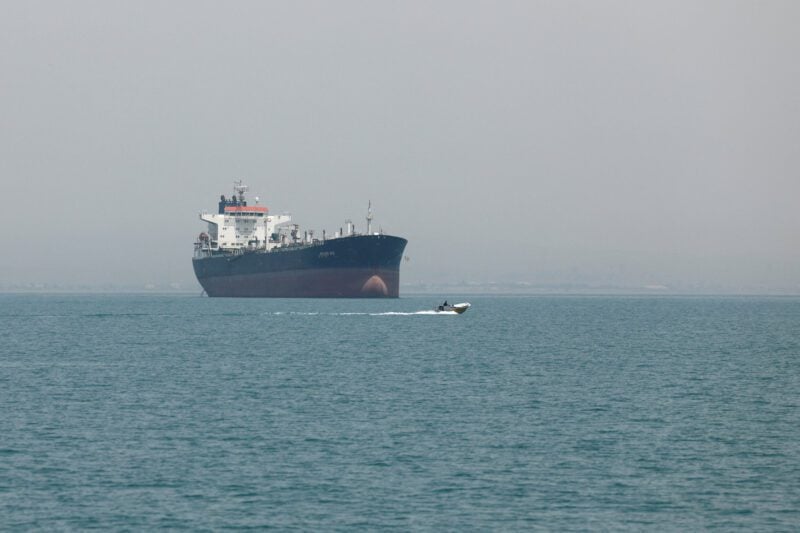
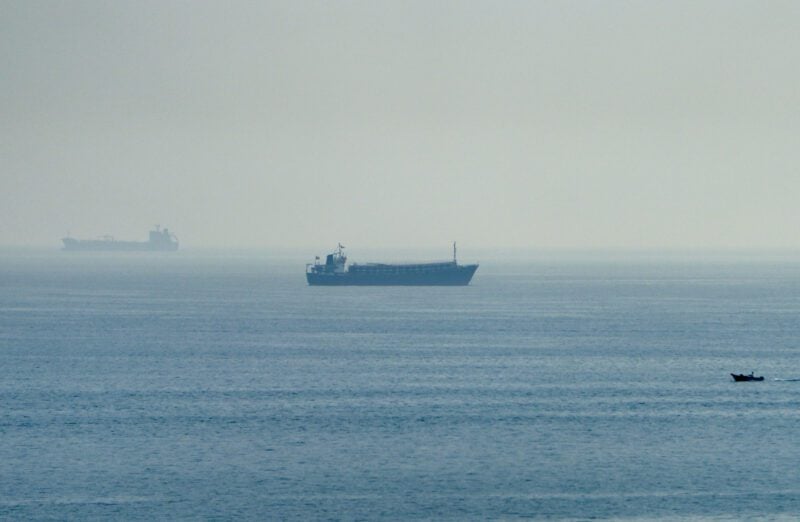
Maritime monitoring reports show commercial traffic through the Strait of Hormuz below one tenth of pre-crisis levels, with 492 vessels waiting outside the strait on 25 October and repeated attacks on merchant shipping reported during October. Senior Saudi, Pakistani and Turkish officials met Iranian leaders in Tehran on 26 October, but no agreement to halt hostilities is reported. Israel is voting on 27 October, with polling indicating a close contest and no single party expected to approach the 61 seats needed for a Knesset majority. We assess that shipping disruption is likely to persist and that a US strike before 3 November is unlikely; reporting on US intentions after that date is conflicting. Iranian officials' reported threats against regional infrastructure warrant monitoring, but the material provided does not establish preparations for such an attack.
Change from previous assessment
Since the 26 October brief, Israel's election has moved from an imminent timing constraint to voting day; reporting now points to a close contest and a likely coalition-forming period, with the result still unresolved. The 26 October Tehran meetings have taken place, adding confirmed high-level regional contact but no reported agreement. Maritime reporting has sharpened the disruption picture with an estimate of 492 waiting vessels, transits below one tenth of pre-crisis levels and further October attack and tanker-damage figures. Reporting that US forces are sufficient for potential operations adds detail on readiness, but does not establish presidential authorisation; conflicting accounts of Trump's posture remain unresolved.
Key judgments
- Commercial traffic through the Strait of Hormuz is very likely to remain severely disrupted through 10 November. JMIC estimated 492 vessels were waiting outside the strait on 25 October; IMF PortWatch recorded four transits on 18 October against a pre-crisis average of about 85 per day, and a 27 October traffic report put current transits below one tenth of pre-crisis levels. Separate maritime reporting records extensive attacks on vessels, although incident totals differ by source and methodology. (Confidence: high · ASSESSED)
- I&W: Confirmation: commercial transits remain below nine per day, one tenth of the reported pre-crisis average, through 10 November. Break: a three-day average above 42 transits per day would weaken the assessment of severe disruption. (0-14 days)
- I&W: Confirmation: JMIC maintains its SEVERE Strait of Hormuz threat assessment or reports another deliberate attack on a merchant vessel. Break: JMIC lowers the threat level and reports no further deliberate attacks. (0-14 days)
- A US attack on Iran before 3 November is unlikely, while a US attack between 4 and 10 November is a roughly even chance. Two US officials told CNN that sufficient forces are deployed for potential operations, but President Donald Trump's statement that the US would not attack before the midterms conflicts with his call to Benjamin Netanyahu to 'soon finish the job' in Iran and with reports that Trump both restrained Netanyahu and anticipated post-election strikes. Force readiness is not evidence of an attack order. (Confidence: medium · ASSESSED)
- I&W: Confirmation: the White House or US Department of Defense announces authorisation for an operation against Iran, or a US strike is independently reported. Break: Trump publicly extends his no-attack commitment beyond 3 November. (0-14 days)
- I&W: Confirmation: US officials announce a specific operation or new strike preparations after 3 November. Break: Washington and Tehran announce a scheduled negotiation or written stand-down arrangement before that date. (0-14 days)
- Regional de-escalation contacts are very likely to continue through 10 November, but an agreement halting hostilities is unlikely in that period. Saudi Defence Minister Khalid bin Salman, Pakistan army chief Asim Munir and Turkish intelligence chief Ibrahim Kalin met Iranian officials in Tehran on 26 October. Iranian state media said the four countries agreed to continue dialogue; the reported meeting and statement do not establish that Tehran and Washington have agreed on terms. (Confidence: medium · ASSESSED)
- I&W: Confirmation: Saudi Arabia, Pakistan, Turkey or Iran announces a follow-up meeting with named participants or publishes agreed terms. Break: Tehran or a participating government states that mediation has stopped. (0-14 days)
- I&W: Confirmation: the parties announce a written halt to hostilities. Break: a confirmed US or Israeli strike on Iran occurs before such an announcement. (0-14 days)
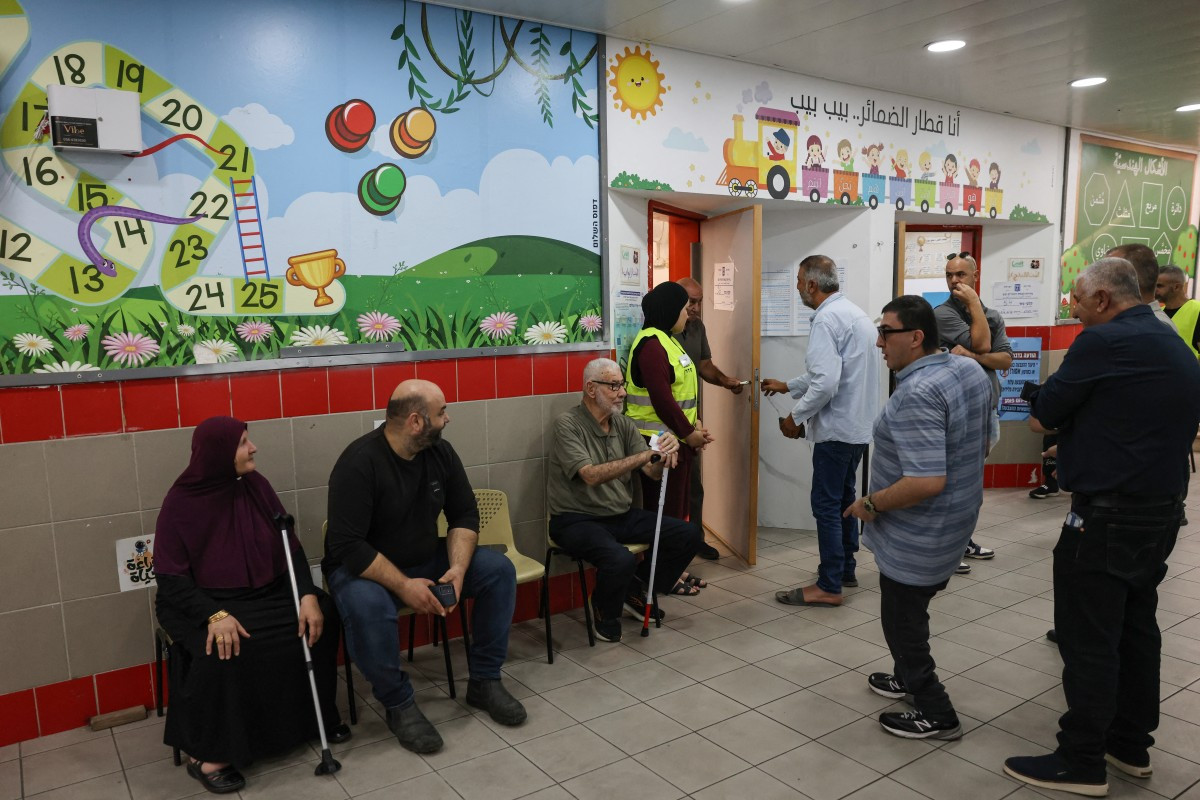
- Israel is very likely to face coalition bargaining after the 27 October election rather than a single-party majority. Final polling placed Benjamin Netanyahu and Gadi Eisenkot close, while reporting said no single party was expected to approach the 61 seats needed for a Knesset majority. The election result and coalition negotiations will affect the political context for Israeli decisions on Iran, but the available reporting does not establish that they will delay or accelerate military action. (Confidence: medium · ASSESSED)
- I&W: Confirmation: official results show no party holds 61 seats and party leaders begin negotiations to form a governing coalition. Break: official results give one party at least 61 seats. (0-14 days)
- I&W: Confirmation: Netanyahu or a leading coalition partner publicly links government formation to a decision on Iran. Break: coalition negotiations conclude without an announced change in Iran policy. (0-14 days)
- The IRGC is likely to continue applying pressure on commercial shipping in the Persian Gulf, but the available reporting does not establish a decision to resume high-volume missile and drone attacks. JMIC reporting describes continuing IRGC attacks, attempted attacks, surveillance and vessel-direction activity, while a separate report says Iran reduced the intensity of retaliatory missile and drone strikes. The reported shift to an offensive doctrine rests on low-reliability social-media material and is not independently corroborated in the available reporting. (Confidence: medium · ASSESSED)
- I&W: Confirmation: JMIC reports further IRGC drone overflights, attempted attacks or radio instructions directing commercial vessels towards Iranian-controlled routes. Break: JMIC reports a sustained cessation of those activities. (0-14 days)
- I&W: Break: a confirmed Iranian ballistic-missile strike on Israel or a US-used base would show a return to direct military attacks rather than maritime pressure alone. (0-14 days)
- A deliberate Iranian attack on Gulf undersea cables is unlikely in the next 14 days, but remains a low-probability, high-impact wildcard. Major-media reporting says Iranian officials threatened undersea cables alongside airports, pipelines, energy facilities, desalination plants, US bases and warships. The reporting does not identify preparations, a specific cable target or an attempted attack. (Confidence: low · ASSESSED)
- I&W: Confirmation: a cable operator or relevant authority reports a service outage in Gulf waters and attributes it to deliberate damage. Break: no cable outage or specific operational warning is reported by 10 November. (0-14 days)
Outlook & scenarios
Maritime standoff and active mediation (48%)
A prolonged maritime standoff is a roughly even chance. IRGC interference and attacks on commercial shipping keep Strait of Hormuz traffic depressed, while Saudi Arabia, Pakistan and Turkey continue contacts with Tehran. No confirmed US strike occurs before 3 November.
Renewed strikes after the US midterms (27%)
Renewed US or Israeli strikes on Iran after 3 November are unlikely but remain a credible path. Iran retaliates against US-used bases, regional infrastructure or shipping, increasing disruption in the Gulf. This scenario is consistent with reported US force readiness and public threats, but no attack order is reported.
A negotiated pause (20%)
A diplomatic pause is unlikely. Saudi, Pakistani and Turkish mediation produces an announced stand-down between Tehran and Washington, reducing immediate strike risk. Commercial traffic begins to recover only if maritime threat reporting and transit data also improve.
Attack on Gulf infrastructure (5%)
A deliberate attack on undersea cables or other Gulf infrastructure is very unlikely, but would have high regional impact. Iranian officials have reportedly threatened cables, energy facilities and desalination plants; the available reporting does not show attack preparations.
Recommendations
- Update a daily Strait of Hormuz transit series using JMIC, IMF PortWatch and the available live traffic reporting. Keep each source's definitions separate, and compare current counts with the reported pre-crisis average of about 85 transits per day.
- Keep US force readiness and presidential authorisation as separate analytic questions. Do not treat deployment sufficiency, campaign statements or reports of private discussions as evidence of an order to strike.
- Track whether Saudi Arabia, Pakistan, Turkey or Iran announces a further Tehran meeting, named participants or written terms. Record any public statement on whether the contacts include Washington.
- Monitor official Israeli election results and coalition negotiations against the 61-seat Knesset threshold. Do not infer a change in Iran policy from polling or campaign rhetoric alone.
- Maintain a low-confidence warning entry for threats to undersea cables and other Gulf infrastructure. Escalate it only on a specific target warning, corroborated preparation or an operator-confirmed outage.
Confidence & uncertainty
High overall confidence reflects convergence among maritime monitoring data, international maritime reporting and major-media accounts on the scale of Strait of Hormuz disruption, the Tehran meetings and the Israeli election. Confidence is lower on US strike timing, Iranian intentions and infrastructure threats: reporting on US policy is contradictory, some Iranian posture claims rely on low-reliability social media, and no operational preparations for an infrastructure attack are reported.
Alternative analysis (red cell)
The available evidence does not support a calibrated probability split in which an attack before 3 November is unlikely but an attack during 4-10 November is roughly even. Claim c8f8e861-1902-45bf-ba55-e6e8be1e7c8a provides an explicit public constraint, while claims 85c5386c-2713-43f9-9865-b9d72d83026b and 5fcb0326-178d-4ed4-8352-b3f018077f49 establish capability and speculation rather than an attack decision. The more defensible assessment is that attack timing remains indeterminate, with no evidentiary basis for assigning near-even odds to the post-election window.
Intelligence gaps
- [EEI 1.1 · UNCOVERED] Observed repositioning, sustained increases, or new forward basing of Iranian conventional or IRGC forces (armored units, missile batteries, aircraft, naval vessels) toward borders or regional launch points. Recommended collection: IMINT/satellite
- [EEI 1.4 · UNCOVERED] Interdicted or observed shipments (air, sea, land manifests, seizures, satellite imagery of transfers) of advanced weapons or missile components from Iran toward proxy groups or forward staging points. Recommended collection: maritime/AIS
- [EEI 2.1 · PARTIAL] Satellite or on-the-ground imagery showing fires, damage, or operational shutdown at major oil export facilities, refineries, storage terminals, or key pipeline infrastructure in the Gulf and Red Sea. Recommended collection: IMINT/satellite
- [EEI 2.4 · UNCOVERED] Rapid increases in war-risk insurance premiums for Middle East routes, shipping company advisories to avoid region, or major charter cancellations tied to the conflict. Recommended collection: financial/open-source
- [EEI 3.1 · PARTIAL] Movement/arrival of major foreign military assets into the region: US carrier strike groups, amphibious ready groups, strategic bomber flights, Russian/Chinese naval taskings, or allied expeditionary units (visible in AIS, NOTAMs, satellite imagery, official releases). Recommended collection: IMINT/satellite
- [EEI 3.2 · UNCOVERED] Official expedited arms transfers, basing/overflight agreements, or declarations of operational support (formal government announcements, defense ministry releases, logistics flight manifests). Recommended collection: open-source/diplomatic
- [EEI 3.3 · UNCOVERED] Embassy evacuations, large-scale personnel movements, issuance of government travel bans/advisories, or multinational security alerts affecting foreign nationals and diplomatic posture in the region. Recommended collection: diplomatic/open-source
Red cell review: PARTIAL DISSENT
TLP:CLEAR