TLP:CLEAR · Disclosure is not limited.
Middle East Situation Report: Saudi Attacks and Gulf Maritime Risk
Time window: Last 1 day · Audience: General analyst · Type: Situation report · DTG: 2026-10-11 15:10Z · Overall confidence: HIGH
BLUF
Houthi-claimed attacks on two Saudi airports killed six people this week, and King Khalid International Airport in Riyadh temporarily suspended operations after a reported missile strike. Projectiles also struck commercial vessels in Gulf waters on 10 and 11 October, while US forces disabled M/V Ocean Molica during enforcement of the blockade on Iranian ports. The attackers behind several tanker incidents remain unidentified, and direct US military action in Yemen is not confirmed.
Executive summary
Reporting from 10 to 11 October describes escalating Houthi-Saudi fighting, renewed danger to commercial shipping and a US strike on a vessel attempting to transit the blockade of Iranian ports. Saudi authorities temporarily suspended operations at King Khalid International Airport after an attack; US reporting also confirms intelligence support and deployed military experts in Saudi Arabia. Iran’s IRGC Navy has threatened to pursue vessels using unauthorised routes beyond the Strait of Hormuz. The reported recovery of Hormuz shipments to about 80 per cent of pre-war levels sits alongside reports of the lowest vessel transits in more than two months, so the current degree of disruption remains uncertain.
Change from previous assessment
Since the 10 October brief, the assessment adds Houthi-claimed attacks on King Khalid and Abha airports, six reported deaths, a temporary suspension at King Khalid, and Trump’s signal of possible military intervention alongside Saudi Arabia. Maritime reporting now includes tanker strikes in Hormuz on 10 and 11 October and the US disabling M/V Ocean Molica during blockade enforcement. The prior brief focused on the GEM NO.2 strike and unresolved Hormuz traffic levels; those uncertainties remain, while the current reporting adds a direct US use of force at sea and a wider Saudi-Yemen escalation.
Key judgments
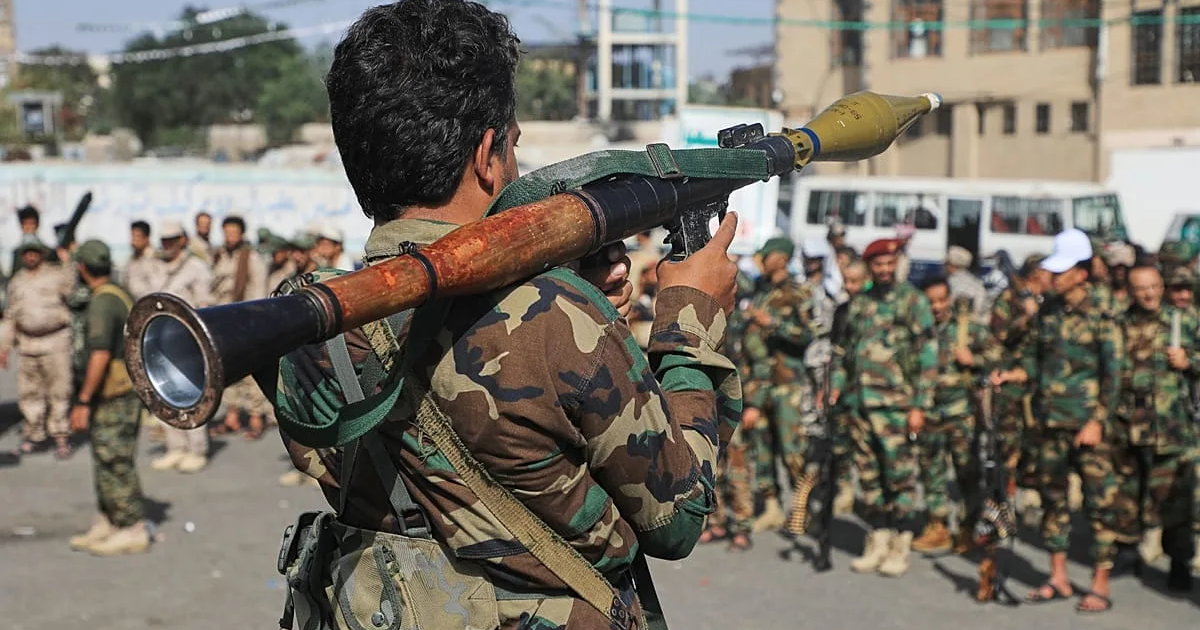
- Further Houthi attacks on Saudi targets are likely over the next 14 days. Reporting says six people were killed in attacks on King Khalid International Airport and Abha airport this week; a separate reported missile strike on King Khalid wounded dozens, and Saudi aviation authorities temporarily suspended airport operations pending a damage assessment. Conflicting incident dates and reliance on reported Houthi claims limit confidence in the precise sequence. (Confidence: medium · ASSESSED)
- I&W: A Saudi aviation authority notice of a new suspension or disruption at King Khalid or Abha following a reported missile or drone attack would confirm this assessment. (0-14 days)
- I&W: No further Houthi-claimed or independently reported attack on Saudi targets, with regular operations at King Khalid and Abha through 25 October, would break it. (0-14 days)
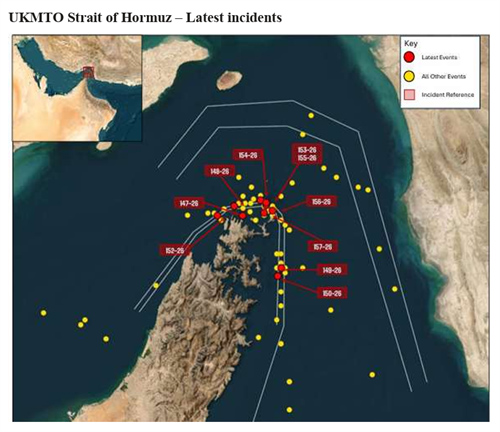
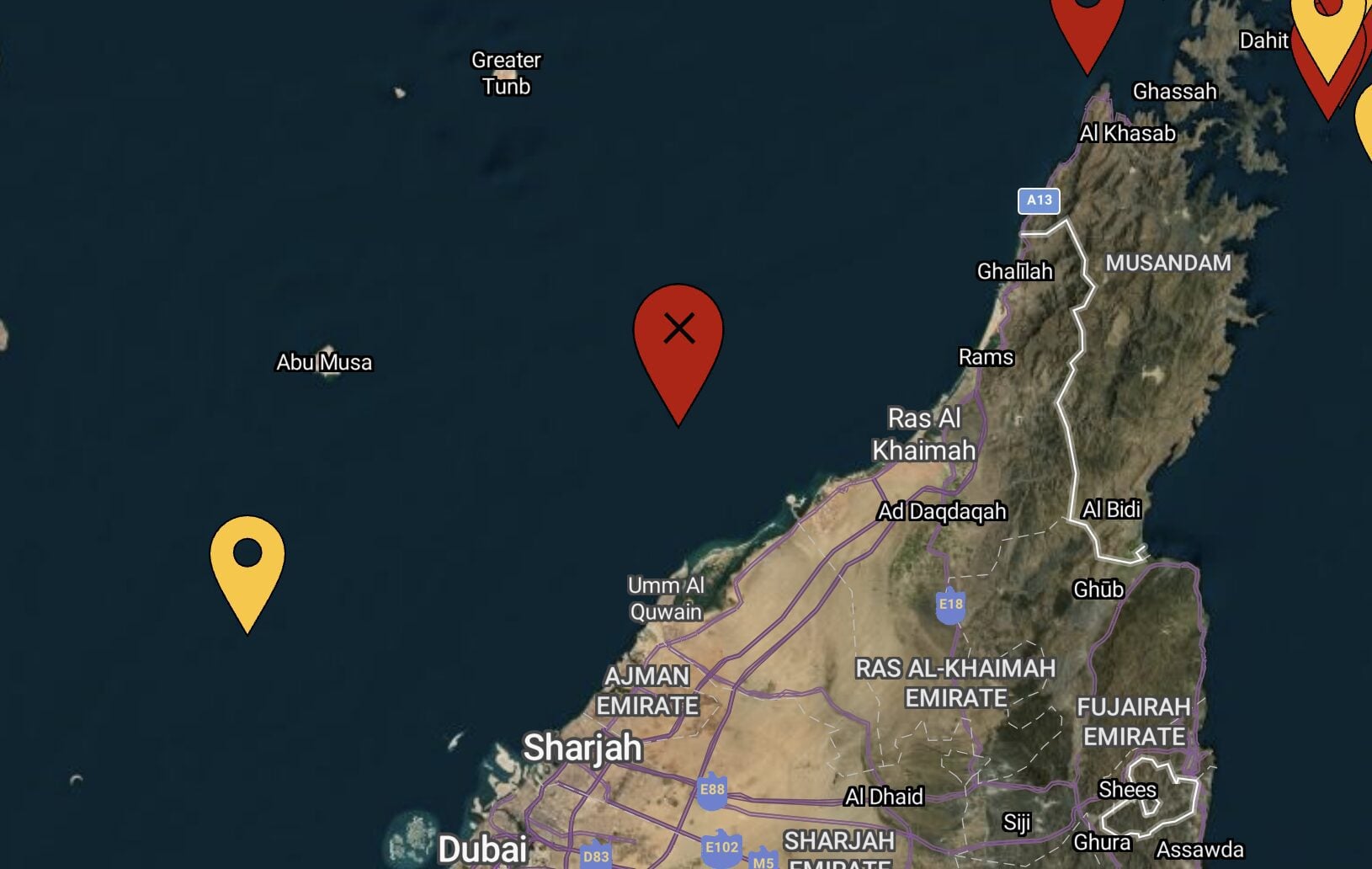
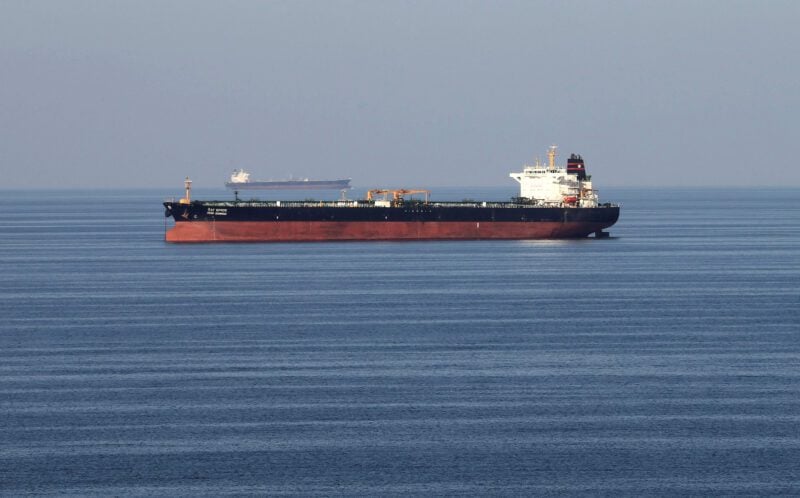
- Further attacks or intimidation against commercial vessels in the Strait of Hormuz and adjacent Gulf waters are likely over the next 14 days. Reports describe projectile strikes on tankers in the Strait of Hormuz on 10 and 11 October, a tanker strike off Qatar, and the 9 October strike on Panama-flagged GEM NO.2 off the UAE. The reports identify unknown attackers in several incidents; separately, the IRGC Navy claimed a series of tanker attacks and threatened to pursue vessels beyond Hormuz. (Confidence: medium · ASSESSED)
- I&W: A UKMTO alert or company security officer report of another projectile strike or VHF order directing vessels to leave an anchorage would confirm this assessment. (0-14 days)
- I&W: No new vessel attack or intimidation incident in UKMTO or Joint Maritime Information Center reporting through 25 October would break it. (0-14 days)
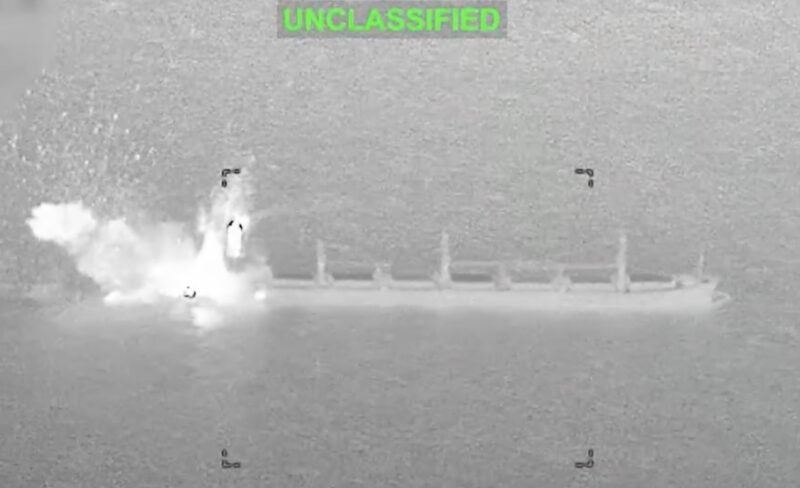
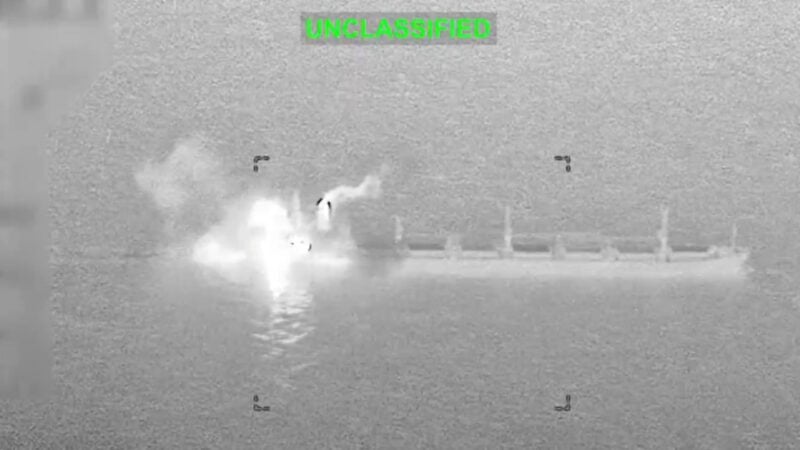
- US forces are likely to continue enforcing the blockade on Iranian ports, including by disabling vessels that ignore warnings. CENTCOM reports that US forces disabled Panama-flagged M/V Ocean Molica in the Gulf of Oman on 10 October after its crew ignored warnings, and says this was the fourth commercial vessel disabled since the blockade resumed on 14 July. CENTCOM also reports 135 commercial ships turned back and 10 tankers linked to the IRGC shadow fleet destroyed during the blockade. These figures and the account of the strike rely primarily on US military reporting carried by trade publications. (Confidence: medium · ASSESSED)
- I&W: A further CENTCOM report of a vessel being turned back or disabled after departing an Iranian port would confirm continued coercive enforcement. (0-30 days)
- I&W: A public US announcement that blockade enforcement has stopped, or an announced US-Iran agreement changing navigation rules, would break this assessment. (0-30 days)
- Direct US strikes on Houthi positions in Yemen before 25 October are unlikely. Donald Trump has indicated consideration of military intervention alongside Saudi Arabia, but earlier reporting says the US administration declined Saudi requests for direct strikes; current reporting confirms US intelligence support and military experts in Saudi Arabia, not US strikes in Yemen. The recent intervention signal and the earlier restraint leave this judgment uncertain. (Confidence: low · ASSESSED)
- I&W: A White House or CENTCOM announcement of US strikes on Houthi positions would break this assessment. (0-14 days)
- I&W: A public reaffirmation that US support remains limited to intelligence and military experts, with no US strike reported by 25 October, would confirm it. (0-14 days)
- Hormuz shipping is likely to remain below pre-war levels over the next month, but the scale of disruption is uncertain. Industry executives estimate shipments at about 80 per cent of pre-war levels, while separate reporting says vessel transits fell to their lowest level in more than two months and that the Strait has not fully reopened. The claims use different measures and timeframes, so they do not establish a single traffic trend. (Confidence: medium · ASSESSED)
- I&W: UKMTO traffic reports remaining below the pre-conflict baseline, alongside Kpler crude exports staying below September’s reported 15.5 million barrels per day, would confirm continued disruption. (1-3 months)
- I&W: UKMTO reporting showing transits back at the pre-conflict baseline and Kpler reporting crude exports at or above September’s 15.5 million barrels per day would break this assessment. (1-3 months)
- Current reporting does not establish that Iran or the IRGC conducted the tanker strike off Qatar. One trade-publication report says the IRGC claimed a strike on Vietnamese-owned LPG tanker NV Sunshine off Qatar; other reports describe a tanker struck off Qatar but leave the attacker unknown. The available reporting does not establish whether these accounts describe the same incident, so attribution remains unresolved. (Confidence: low · ASSESSED)
- I&W: An investigation or independently corroborated IRGC statement matching NV Sunshine’s location and damage to the reported Qatar strike would support Iranian attribution. (0-30 days)
- I&W: An investigation naming a different attacker, or establishing that the reports concern separate incidents without corroborated Iranian involvement, would break that attribution. (0-30 days)
Outlook & scenarios
Sustained pressure across Saudi Arabia and Gulf shipping (55%)
Houthi attacks on Saudi targets and projectile strikes or intimidation against commercial vessels continue. US forces maintain blockade enforcement, while shipping through Hormuz remains below pre-war levels. The identity of the attackers in several vessel incidents remains disputed.
Partial maritime stabilisation (30%)
Vessel attacks abate and Hormuz traffic moves towards the reported 80 per cent of pre-war shipment levels. US blockade enforcement continues without another vessel being disabled, and Washington confines its support to Saudi Arabia to intelligence and military experts.
US action in Yemen widens the conflict (15%)
This is an unlikely, high-impact outcome. The US responds to further attacks on Saudi airports with direct strikes on Houthi positions. Houthi attacks on Saudi targets then continue, while Tehran’s warnings about unauthorised maritime routes add pressure on commercial shipping.
Recommendations
- Maintain a daily incident log for Saudi airport attacks and Gulf vessel incidents. Record the date, location, named vessel or facility, reported weapon, source and attribution separately so reports are not conflated.
- Track UKMTO and Joint Maritime Information Center incident notices alongside CENTCOM blockade notices, Saudi aviation updates and US Embassy advisories. Flag any new projectile strike, anchorage order, airport closure or vessel turnback for reassessment.
- Reconcile Hormuz transit counts with shipment volumes before describing the Strait as reopened or severely restricted. Record the reporting period and pre-war baseline for each metric.
- Separate US support to Saudi Arabia, enforcement of the Iran blockade and any direct US action in Yemen in future reporting. Treat a White House or CENTCOM statement as the decision point for confirming US strikes, rather than inferring them from Trump’s intervention signal.
- Keep Iranian attribution of individual tanker incidents unconfirmed unless an investigation, independently corroborated IRGC statement or other direct evidence identifies the attacker.
Confidence & uncertainty
Overall confidence is high that the principal reported events occurred. UKMTO and wire-service reporting document vessel incidents, while major-media reporting and Saudi aviation statements corroborate the Riyadh airport attack and temporary suspension. CENTCOM reporting identifies the Ocean Molica action, although details rely mainly on accounts in trade publications. Confidence is lower on responsibility for individual tanker strikes and on the trend in Hormuz traffic, where attribution is disputed and reported measures use different timeframes.
Intelligence gaps
- [EEI 1.1 · UNCOVERED] Movement, dispersal, or emplacement of Iranian conventional or IRGC heavy assets (ballistic missile launchers, Khoramshahr/Toofan-class missile transporters, ground-to-ground TELs, air defense batteries, amphibious units) from garrison areas toward forward bases or coastal launch sites. Recommended collection: satellite/IMINT
- [EEI 1.2 · UNCOVERED] Authenticated Iranian military orders, NSC/IRGC operations directives, or senior leadership statements explicitly directing strikes against Israel or US forces or authorizing cross-border operations. Recommended collection: human/diplomatic
- [EEI 1.3 · UNCOVERED] Changes in Israeli and US force posture indicating anticipation of direct large-scale conflict, elevated readiness levels, mobilization notices, pre-positioning of munitions, or public/private orders to prepare offensive strikes. Recommended collection: open-source/diplomatic
- [EEI 2.1 · UNCOVERED] Observable pre-launch preparations for missile/rocket/cruise missile strikes (fueling, warhead mating, launcher orientation, support vehicle congregation) and abnormal munitions handling at known launch sites. Recommended collection: satellite/IMINT
- [EEI 2.2 · UNCOVERED] Indications of proxy arms shipments and weapons transfers (truck convoys, small boat transfers, container movements from Iran to proxies, new stockpiles in Lebanon, Iraq, Yemen, Syria). Recommended collection: maritime/AIS
- [EEI 2.3 · UNCOVERED] Evidence of cyber attack planning or active exploitation campaigns targeting Israeli or US military/critical infrastructure (emergence of new command-and-control servers, spear-phishing campaigns against defense personnel, successful intrusions). Recommended collection: cyber
- [EEI 3.1 · UNCOVERED] Movements and posture changes of US regional platforms (carrier strike groups, amphibious ready groups, B-52/B-1/B-2 or fighter deployments, missile defense assets repositioning) and associated armament loadouts. Recommended collection: satellite/IMINT
- [EEI 3.3 · UNCOVERED] Changes in US base force-protection measures and rules of engagement at regional facilities (base lockdowns, evacuation notices, flight restrictions, activation of Local Defense Forces or missile intercept systems). Recommended collection: open-source/local reporting
- [EEI 4.1 · UNCOVERED] Hezbollah-specific indicators: convoys and logistics movements toward Lebanon, Israel border, artillery/rocket emplacement in southern Lebanon, documented strikes-preparation activity, public mobilization orders or recruitment drives. Recommended collection: satellite/IMINT
- [EEI 4.2 · PARTIAL] Houthi-attributed maritime attack indicators: AIS anomalies/loss of contact for commercial vessels, reports of missile/drone strikes or near-miss incidents in Bab al-Mandeb/Red Sea, Houthi claims paired with imagery of weapons launches. Recommended collection: maritime/AIS
- [EEI 4.3 · UNCOVERED] Militia cross-border attack evidence from Iraq/Syria: recorded rocket/mortar launch events into Israel or strikes against US facilities, movement of armed convoys toward border areas, and intercepted communications coordinating cross-border operations. Recommended collection: signals/ELINT
Cited sources
[1] Alhurra (alhurra.com) · الحوثيون ينقلون المعركة إلى العمق السعودي (A) · 10 October 2026 · sha256:182e849609f1 [2] manassa.news · مواجهات الحوثيين والسعودية تتصاعد. معارك حول باب المندب وهجمات على مطارين في عدن والرياض (D) · sha256:25f3e97ec300 [3] gCaptain · More Tankers Hit in Hormuz as U.S. Strikes Cargo Ship (C) · 11 October 2026 · sha256:0571f1ae32da [4] Reuters (republished by gCaptain) · Vessel Struck by Unknown Projectile Off UAE Coast Amid Surge in Attacks, UKMTO Says (A) · 9 October 2026 · sha256:ab2b01667e5f [5] The Maritime Executive · More Tankers Struck as IRGC Expands Threat Against Non-Compliant Vessels (C) · sha256:24ae654e496a [6] gCaptain · US Says It Disabled Cargo Vessel Trying To Run Iran Blockade (C) · 11 October 2026 · sha256:20a9593f1e7c [7] BBC · Riyadh airport attack another dangerous moment in already tense conflict (A) · 11 October 2026 · sha256:4f5df4fa4610 [8] Bloomberg (republished by gCaptain) · Global Oil Tanker Shortage is Getting Worse By the Day (A) · 9 October 2026 · sha256:2372a2e696f4
Source content hashes were computed at collection time; the cited text is preserved unmodified for the life of this product.
Red cell review: CONCUR
TLP:CLEAR