TLP:CLEAR · Disclosure is not limited.
Middle East Tensions: Sanctions, Hormuz and Diplomatic Openings
Time window: Last 1 day · Audience: General analyst · Type: Situation report · DTG: 2026-08-25 13:39Z · Overall confidence: MEDIUM
BLUF
The US-Iran confrontation has shifted from threatened economic pressure to an implemented sanctions campaign, while Iran is tightening control over shipping through the Strait of Hormuz. Diplomatic contacts involving Pakistan, China, Israel and Syria are expanding, but they have not produced terms for a formal US-Iran de-escalation arrangement.
Executive summary
On 24 August, the Trump administration launched a new economic campaign against Iran, including sanctions on nearly 60 Iran-linked entities and measures covering digital assets, technology, gold, aviation and shipping. Iran has threatened military and energy-related retaliation, published a list of non-compliant vessels, and warned of detention, fines or confiscation. Shipping data remains contradictory, with reports of both sharply reduced tanker movements and continued crossings. Pakistan pursued talks with Tehran on 24 and 25 August, while Israeli and Syrian delegations met in Jordan. Humanitarian pressure remains acute, with renewed UK calls for aid access to Gaza and UN reporting of extensive destruction in southern Lebanon.
Change from previous assessment
Since the 24 August 2026 brief, the US economic campaign against Iran has moved from anticipated action to reported implementation, including sanctions on nearly 60 Iran-linked entities and five targeted sectors. Iran has also published a formal non-compliant vessel list with threats of detention, fines and confiscation, adding a new enforcement mechanism to the existing shipping risk. Reporting now records a tanker projectile incident off Oman and Pakistani contacts with Tehran on both 24 and 25 August. Confidence in the regional assessment remains medium, while confidence in the Syria assessment remains low because the chronology and attribution remain contested.
Key judgments
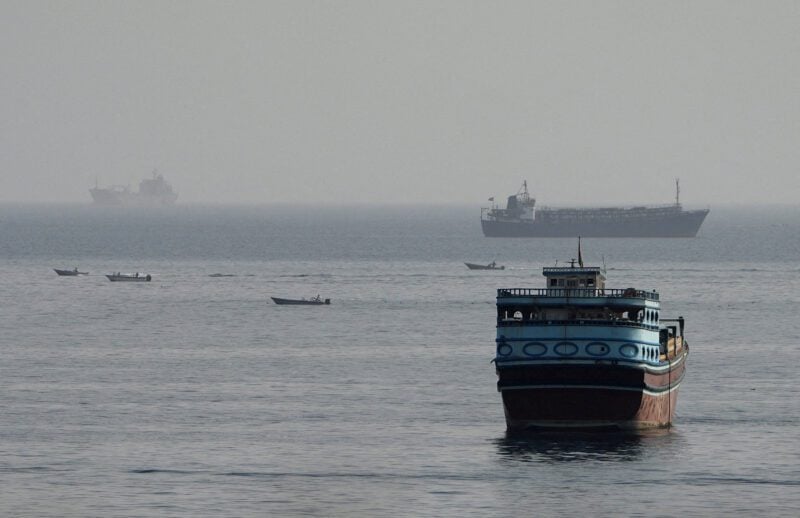
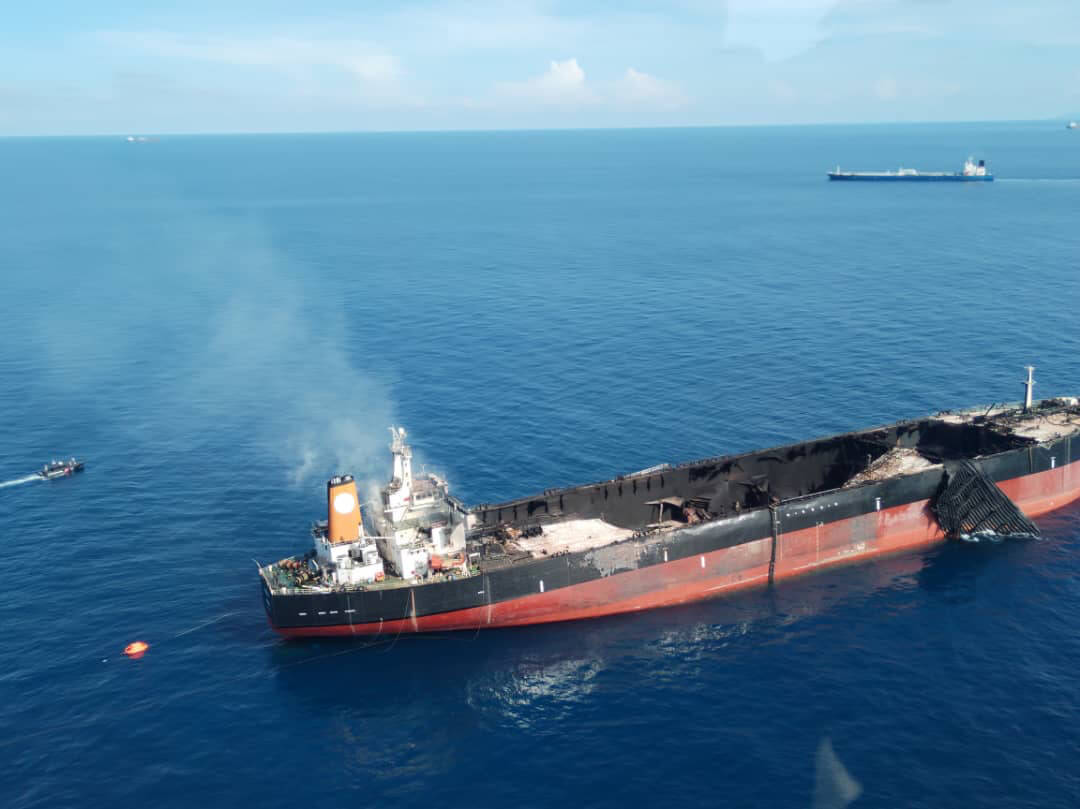
- Regional coercive escalation is very likely to persist through 6 September 2026. On 24 August, the Trump administration launched new economic measures against Iran, while Iranian officials threatened a military response, retaliation against states supporting US sanctions, and an end to oil exports through the Persian Gulf if the pressure continues. An oil tanker was also reportedly hit by an unknown projectile off Oman in the Strait of Hormuz. This is an assessed continuation of pressure across economic and maritime channels, not confirmation of a new direct Iran-Israel exchange. Confidence is medium because the sanctions announcements are corroborated by several major-media reports, but the tanker attribution and parts of the conflict chronology remain unresolved. (Confidence: medium · ASSESSED)
- I&W: Confirm: by 8 September 2026, the US Treasury names another major financial institution or foreign bank for Iran ties, or Iranian officials announce a new measure against a US interest or an energy chokepoint. (0-14 days)
- I&W: Break: by 8 September 2026, no further US economic measure follows and senior Iranian officials publicly withdraw the military and oil-export threats. (0-14 days)
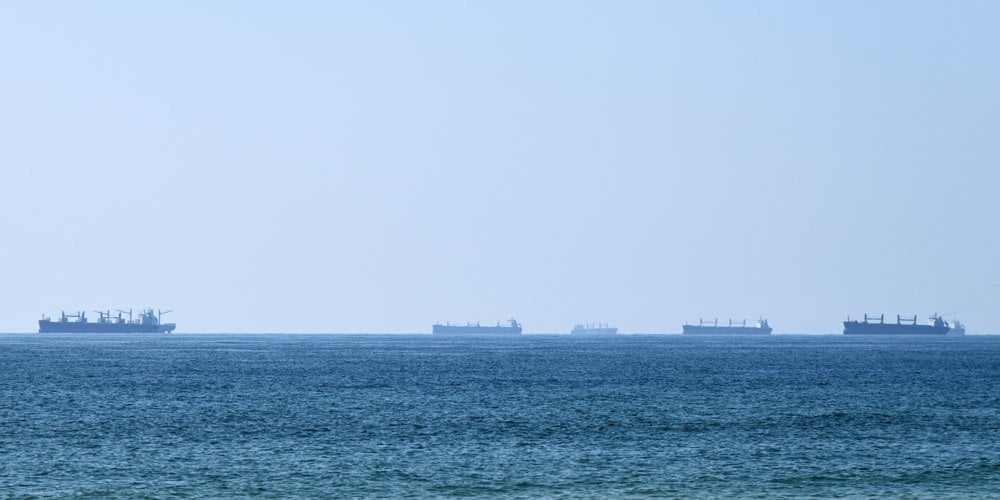
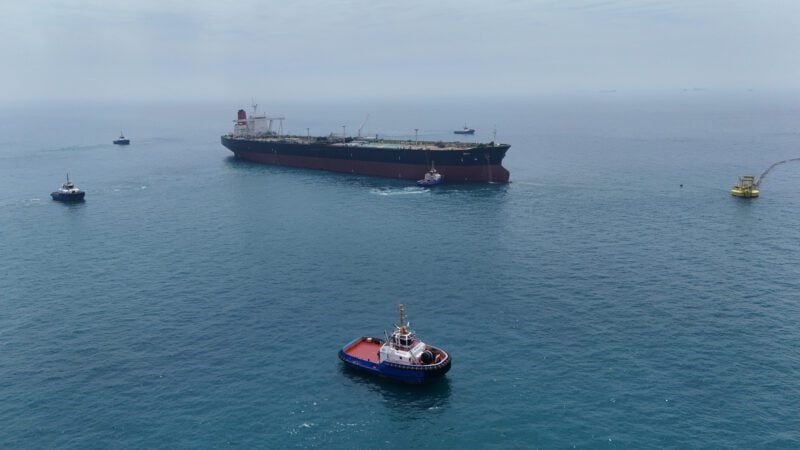
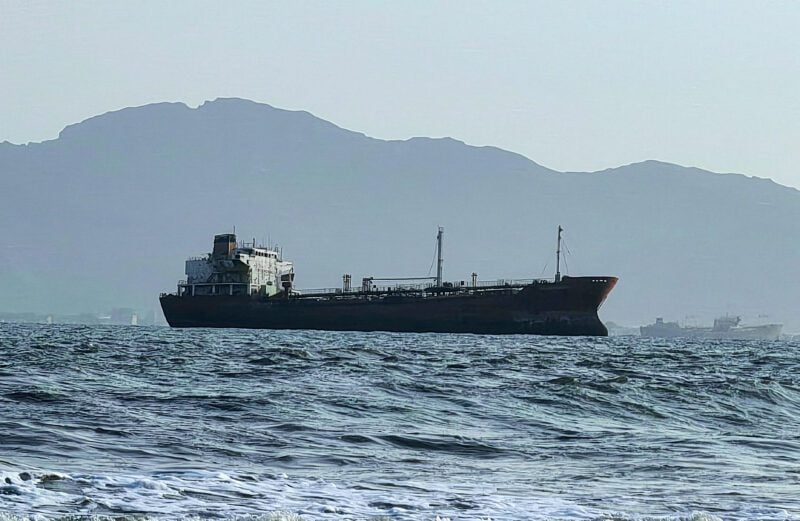
- Commercial shipping through the Strait of Hormuz is likely to remain below pre-war levels through 6 September 2026, but a complete halt is unlikely. One report counted only two tanker transits on 25 August, while another reported a ten-day average of 14 vessels and Kpler recorded 121 crossings in the preceding week. Iran has also published a 46-vessel non-compliance list and threatened restrictions, fines, detention or confiscation, although it has granted several Iraqi tankers permission to pass. Confidence is low because the traffic measures conflict and several supporting reports carry inconsistent dates. (Confidence: low · ASSESSED)
- I&W: Confirm: daily commodity-vessel movements through Hormuz remain at two or fewer for seven consecutive days, or Iran detains, fines or seizes a vessel appearing on the 46-vessel list. (0-14 days)
- I&W: Break: daily Hormuz commodity-vessel movements return to or exceed the reported ten-day average of 14 for seven consecutive days and Iran stops adding transit restrictions. (0-14 days)
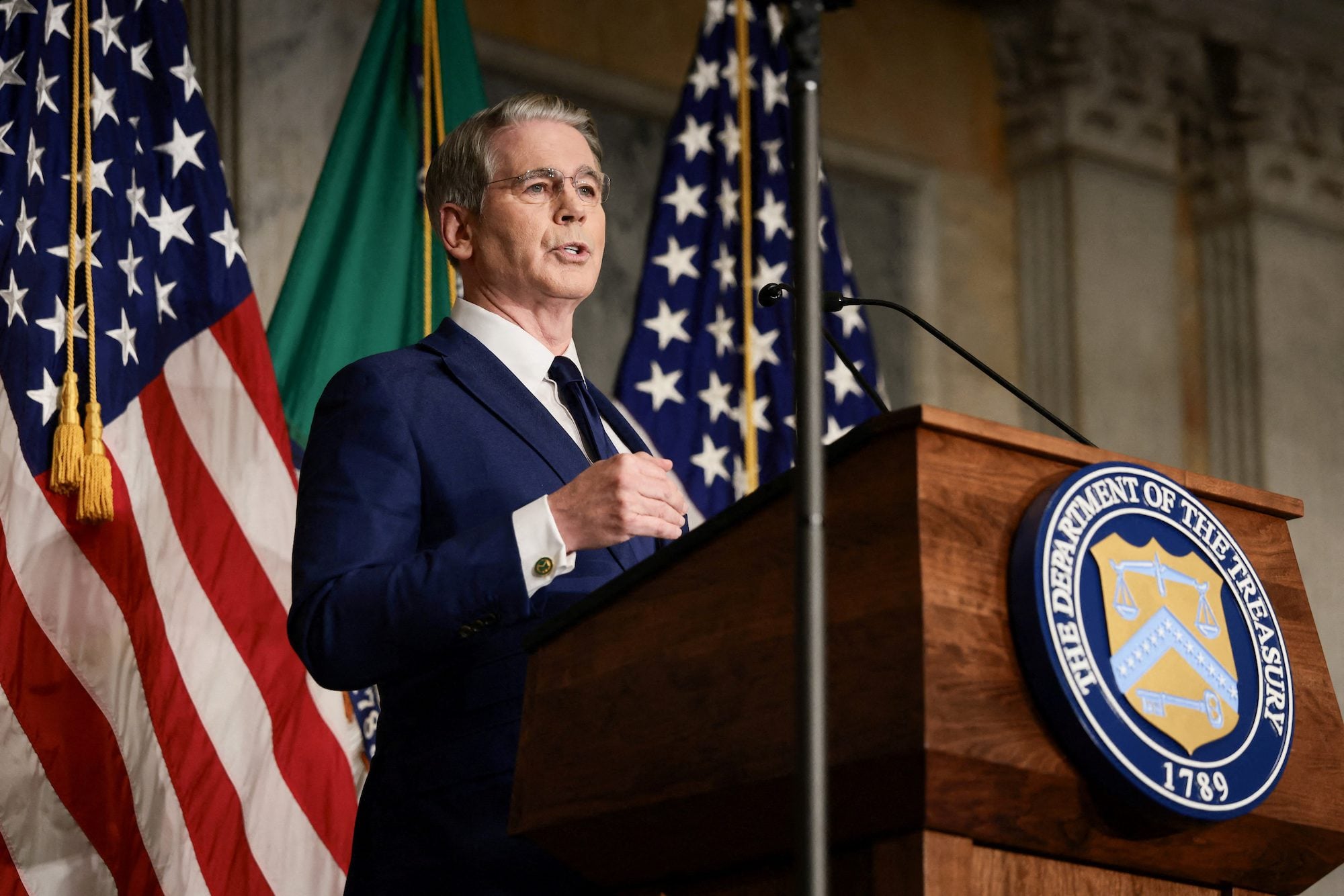
- Further US sanctions pressure on Iran is very likely by 8 September 2026, and Iranian retaliation against sanctions-linked states is likely. The US Treasury has announced sanctions on nearly 60 Iran-linked entities, issued five sectoral determinations covering digital assets, technology, gold, aviation and shipping, and signalled secondary sanctions against foreign banks. Iranian officials have warned of a harsh response and said countries participating in the US economic campaign will be treated as enemies. Confidence is medium because the current sanctions measures are reported by several major-media sources, while the next target and the form of Iranian retaliation remain unconfirmed. (Confidence: medium · ASSESSED)
- I&W: Confirm: the US Treasury sanctions a named major financial institution or foreign bank, or expands enforcement against a named entity in shipping, aviation, gold, technology or digital assets. (0-14 days)
- I&W: Break: no additional US sanctions package is announced by 8 September 2026 and Iran's Foreign Ministry publicly states that no retaliatory action will follow. (0-14 days)
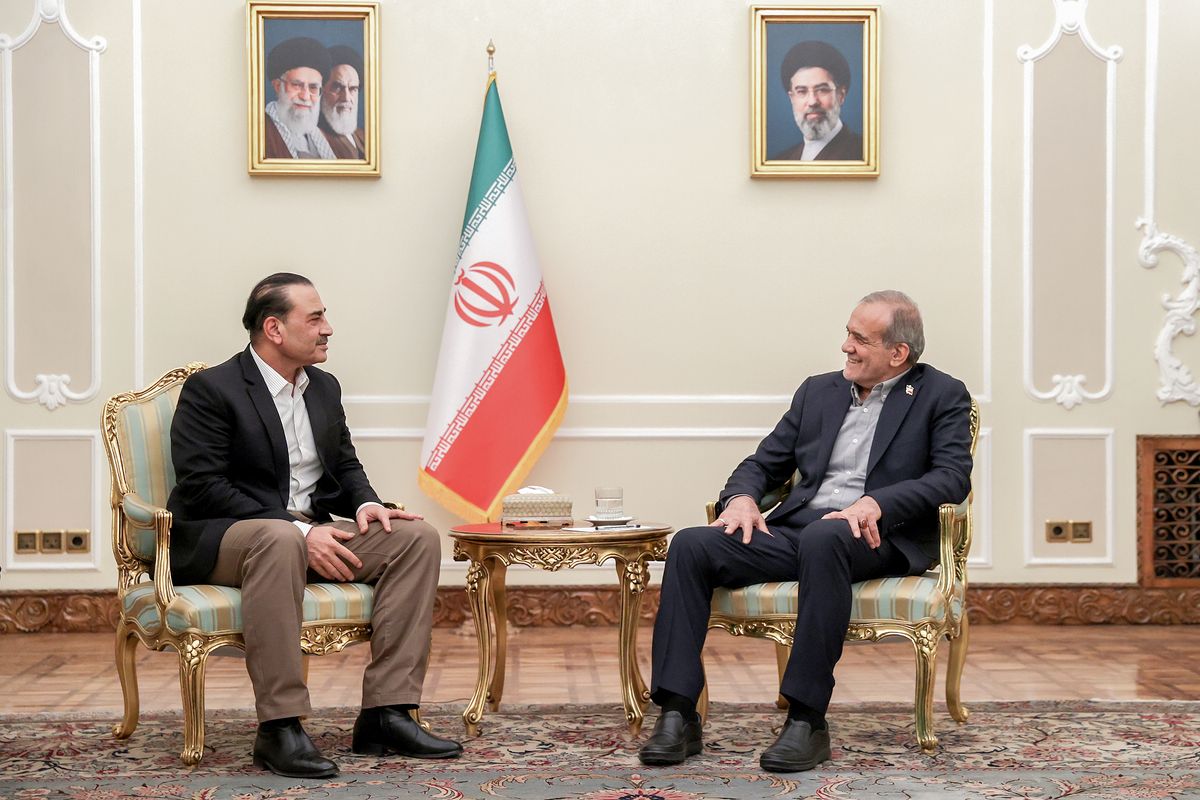
- Diplomatic engagement is likely to expand over the next 14 days, but a formal US-Iran de-escalation arrangement is unlikely by 6 September 2026. Pakistan's Field Marshal Asim Munir and Interior Minister Mohsin Naqvi held contacts with President Masoud Pezeshkian on 24 and 25 August, including discussions on restoring the Islamabad Memorandum of Understanding. China has urged Washington not to disrupt cooperation with Tehran, and Israeli and Syrian delegations met in Jordan. None of the reporting provides agreed implementation terms between Washington and Tehran. Confidence is medium because the Pakistan and Syria contacts are reported by multiple media sources, but their practical outcomes remain unclear. (Confidence: medium · ASSESSED)
- I&W: Confirm: another named senior-level meeting produces a written communiqué involving Asim Munir, Mohsin Naqvi and Masoud Pezeshkian, or Israel and Syria publish agreed security terms after the Jordan talks. (0-14 days)
- I&W: Break: Washington and Tehran publicly accept a written arrangement with implementation terms before 6 September 2026. (0-14 days)
- An unintended direct Israel-Türkiye confrontation in Syria is unlikely through 6 September 2026, while Israeli-Turkish friction around Abu Al-Duhur and Idlib is likely to continue. Israel has warned Damascus against allowing Türkiye to entrench militarily in Syria, while Asaad Al-Shaibani has denied an intention to establish a Turkish base at Abu Al-Duhur and expressed a desire for peace with Israel. Reporting on Israeli action near Abu Al-Duhur is thin and internally inconsistent, with claims placing related incidents in 2025 and 2026. Confidence is low because the strike attribution, date and location are not consistently corroborated. (Confidence: low · ASSESSED)
- I&W: Confirm: Israel issues another warning to Damascus about a Turkish presence, or Türkiye publicly condemns a further Israeli action near Abu Al-Duhur or Idlib. (0-14 days)
- I&W: Break: Israeli and Turkish forces exchange fire in Syria, or Türkiye announces a permanent military facility at Abu Al-Duhur or Idlib. (0-14 days)
- Humanitarian pressure in Gaza and southern Lebanon is very likely to remain severe through 30 November 2026. Stephen Doughty renewed UK calls for more aid to reach Gaza after visiting facilities at Al Arish, while the UK government reported more than £127 million in support for Palestine during the financial year. Separately, the UN peacekeeping force reported extensive destruction of civilian infrastructure in southern Lebanon, alongside continuing Israeli air strikes and artillery shelling. Confidence is medium because the UK reporting is official and the southern Lebanon destruction is reported through UN-related coverage, but the current reporting run lacks dated aid volumes and access measures. (Confidence: medium · ASSESSED)
- I&W: Confirm: UK reporting records no improvement in aid access to Gaza while UN-related reporting records further destruction or Israeli strikes in southern Lebanon. (0-14 days)
- I&W: Break: dated reporting shows a sustained increase in aid entering Gaza and no Israeli air strikes or artillery shelling in southern Lebanon for 14 consecutive days. (0-30 days)
Outlook & scenarios
Contained sanctions and maritime pressure (55%)
The most likely path is continued US sanctions against Iran, further Iranian warnings and selective enforcement of the 46-vessel list. Hormuz traffic remains below pre-war levels but does not stop. Pakistan, China and regional actors maintain contacts without producing a formal US-Iran settlement. Israel-Türkiye friction in Syria remains below the threshold of direct fighting.
Hormuz enforcement creates a wider shipping shock (20%)
Iran detains, fines or seizes a vessel from the non-compliant list, or a further projectile attack damages commercial shipping near Oman or the Strait of Hormuz. Tanker movements fall further, freight costs rise from already elevated levels, and the US considers stronger enforcement measures. The main risk is a rapid deterioration caused by an incident involving a named commercial vessel.
Limited diplomatic pause (15%)
Pakistan's contacts with Masoud Pezeshkian produce a limited understanding on the Islamabad Memorandum of Understanding, while Chinese pressure and the Israel-Syria channel reduce immediate rhetoric. The pause does not end US sanctions or resolve the Iran-Israel conflict, but it slows maritime and military escalation.
Direct military escalation, low-probability high-impact wildcard (10%)
Iran responds to expanded sanctions with strikes against Israel, US military assets or an energy chokepoint, followed by Israeli or US military action. A simultaneous incident involving Türkiye and Israel in Syria would widen the crisis further. This path would likely end the current diplomatic opening and drive Hormuz traffic towards near-closure.
Recommendations
- Maintain a daily 14-day watch on Strait of Hormuz traffic. Reconcile Kpler movement counts with the Persian Gulf Strait Authority's 46-vessel list and reported incidents involving named tankers.
- Direct maritime analysts to screen the 46 IMO numbers against current ownership, chartering and ship-to-ship transfer activity. Flag any detention, fine, seizure or attempted voyage involving a listed vessel.
- Prepare a sanctions exposure matrix for shipping, aviation, gold, technology and digital-asset entities, with particular attention to Chinese, UAE and Singapore-based actors named in current reporting and to any major financial institution threatened by Scott Bessent.
- Track the next public statements and meetings involving Asim Munir, Mohsin Naqvi, Masoud Pezeshkian, China's Foreign Ministry, Asaad Al-Shaibani and Israeli officials. Treat a signed communiqué with implementation terms as a higher-value indicator than further public appeals.
- Require separate date and attribution checks for reporting on Abu Al-Duhur, Idlib and the wider Iran-Israel conflict before using it in high-confidence products. The current record contains conflicting 2023, 2025 and 2026 dates.
- Request dated measures of aid access into Gaza and updated reporting on civilian infrastructure damage and Israeli fire in southern Lebanon. Do not infer improved civilian access from UK funding or diplomatic calls alone.
Confidence & uncertainty
Overall confidence is medium. Current sanctions, shipping restrictions and diplomatic contacts are reported by several major-media sources, while the UK government directly reports its Gaza-related activity. Confidence is reduced by conflicting Hormuz traffic counts, uncertain attribution of the tanker incident off Oman, limited evidence on sanctions implementation beyond the initial package, and inconsistent dates in reporting on Syria and the wider conflict. The Israel-Türkiye risk assessment is therefore low confidence despite the broader regional assessment remaining medium.
Intelligence gaps
- [EEI 1.1 · PARTIAL] Number, type, launch times, and trajectories of ballistic missiles, cruise missiles, armed UAV strikes, and combat-air sorties launched by Iranian or Israeli forces toward the other's territory or forward bases within a 72-hour window. Recommended collection: signals/intel
- [EEI 1.2 · UNCOVERED] Observable changes in Israeli and Iranian force posture: mobilization or reserve call-up orders, unit road/rail movements, dispersal or sortie rates of air squadrons, redeployment of air-defense batteries, and activation of civil-defense alerts or sirens in major population centers. Recommended collection: open-source/media
- [EEI 1.3 · UNCOVERED] Indications of strike authorization or targeting preparations in Iranian or Israeli command chains: authenticated public orders by senior commanders, detected increases in encrypted communications consistent with targeting, or visible movement of strike munitions to launch/storage sites. Recommended collection: signals/intel
- [EEI 2.1 · PARTIAL] Counts, launch locations (coordinates), weapons types, and assessed damage from rocket/missile/drone strikes originating from Lebanon into northern Israel attributed to Hezbollah or allied groups. Recommended collection: open-source/media
- [EEI 2.2 · UNCOVERED] Reported attacks by Iranian-backed militias in Iraq and Syria: rocket/IED strikes on bases hosting US/coalition or Israeli personnel, documented militia unit movements toward borders, and captured movement or transfer of weapons systems to forward militia positions. Recommended collection: human
- [EEI 3.1 · PARTIAL] Movements and arrival dates of foreign military assets into the region: carrier strike groups, amphibious ships, surface combatants, strategic airlift/tanker deployments, and air/sea patrol patterns by US, European, Russian, or regional militaries. Recommended collection: imagery/satellite
Cited sources
[1] mymotherlode.com · Ship disabled by attack in Strait of Hormuz and other news from around the Middle East - myMotherLode.com (B) · sha256:4f5091855ff1 [2] gcaptain.com · Trump Administration Launches Sweeping New Iran Sanctions Campaign Targeting Shipping and Oil Trade (B) · sha256:089be1c13277 [3] maritime-executive.com · Iran Blacklists Ships Threatening Detention, Confiscation, and Fines (B) · sha256:acc37042e18b [4] jpost.com · Pakistan says army chief held talks with Iran focused on preventing further escalation in MidEast (B) · sha256:044f9eb3ab06 [5] gcaptain.com · Commodity Vessel Transits Through Strait of Hormuz Hit Three-Month Low, Data Shows (A) · sha256:bcbee76dffcb [6] gcaptain.com · Malacca Strait States Will Keep Waters ‘Free, Open and Safe’ (B) · sha256:004a7241ffaa [7] gcaptain.com · Iran Blacklists 46 Ships On Hormuz ‘Non-Compliant’ List (B) · sha256:f7208c27705b [8] alhurra.com · شدّوا الأحزمة | الحرة (B) · sha256:1895b8d31b09 [9] maritime-executive.com · US Treasury Says Sanctions on Iran's Bankers Are Coming Soon (B) · sha256:b32cc825b8c6 [10] gcaptain.com · U.S. Threatens Iran’s Trading Partners in New Economic Pressure Campaign (B) · sha256:2ff9bf235552 [11] wjbf.com · Iran warns of a harsh response as US announces new sanctions and other Middle East news (B) · sha256:0f654a58768c [12] tv7israelnews.com · Israel, Syria hold talks in Jordan; Iran warns against aiding US sanctions TV7 Israel News 24 Aug. (B) · sha256:2776f9e87ed3 [13] a5r5br.net · إيران. واشنطن تعلن بدء الهجوم الاقتصادي وطهران تؤكد أنه سيفشل (B) · sha256:2256f09a0c5f [14] trtworld.com · Live blog - US-Israeli war on Iran (B) · sha256:cd149709246b [15] Arab News · Could Syria become the unlikely bridge between Israel and Turkiye? (B) · sha256:a52dd5c261f8 [16] gov.uk · Minister renews calls for Israel to allow more aid into Gaza on first visit to the region (A) · sha256:ba76e538e65a
Source content hashes were computed at collection time; the cited text is preserved unmodified for the life of this product.
Red cell review: CONCUR WITH COMMENT
TLP:CLEAR