TLP:CLEAR · Disclosure is not limited.
Middle East: US-Iran Conflict and Regional Stability Risks
Time window: Last 1 day · Audience: General analyst · Type: Situation report · DTG: 2026-09-04 18:43Z · Overall confidence: HIGH
BLUF
The US-Iran exchange is very likely to remain active over the next 0-14 days, while commercial traffic through the Strait of Hormuz is very likely to remain below normal. The combination of sustained US force deployments, Iranian attacks on regional bases and shipping, Houthi pressure on Saudi-linked maritime activity, and stalled diplomacy keeps the risk of wider regional disruption elevated.
Executive summary
As of 4 September 2026, US and Iranian forces are reported to have intensified tit-for-tat strikes, with Iranian missile and drone attacks reported against US bases in Jordan, Kuwait and Bahrain and US strikes against IRGC facilities in Iran. Shipping data show sharply reduced Hormuz traffic, although JD Vance claims oil flows have returned to pre-war levels. The Houthis are reported to be targeting Saudi-linked shipping and infrastructure, while South Korea is considering a maritime contribution but denies that a deployment decision has been made. Diplomatic activity continues through Egypt, China and possible US-Iran channels, but the June memorandum of understanding has reportedly expired without a permanent settlement.
Change from previous assessment
Since the 3 September brief, the assessment has shifted from a near-term US-Iran exchange to a more durable conflict outlook. New reporting indicates that Pete Hegseth extended US force deployments for operations against Iran through 2027 and that the United States maintains more than 50,000 personnel and two carrier strike groups in the Middle East. The Hormuz disruption judgement is retained, but the evidence now includes four commodity vessel transits on 3 September, only two weekly very large crude carrier crossings, and a forecast of very low flows until November. Regional spillover has widened through reported Houthi targeting of Yanbu, Saudi oil sites and Saudi-linked tankers. A new judgement covers sustained energy and food-price pressure. Confidence remains medium on most forward-looking judgements because the Hormuz flow figures, conflict status, casualty totals and South Korean deployment reporting remain contested.
Key judgments
- The US-Iran exchange is very likely to remain active over the next 0-14 days. Wire and trade reporting describes intensified tit-for-tat strikes, Iranian missile and drone attacks on US bases in Jordan, Kuwait and Bahrain, and US strikes on IRGC facilities including air defence systems, radar stations, naval vessels and communications infrastructure. Israeli Defence Minister Israel Katz has warned of unrestricted strikes on Iranian infrastructure if Tehran launches a pre-emptive attack. Confidence is medium because several high-reliability reports corroborate recent strikes, but JD Vance says there is no active fighting and reporting differs on strike dates and target descriptions. (Confidence: medium · ASSESSED)
- I&W: CONFIRM: Within 0-14 days, Iranian missile or drone attacks are reported against a named US base in Jordan, Kuwait or Bahrain, or US or Israeli authorities report another strike on an IRGC or Iranian energy facility. (0-14 days)
- I&W: BREAK: US and Iranian authorities announce a cessation of attacks that holds for 14 days without a new strike report involving US, Iranian or Israeli forces. (0-14 days)
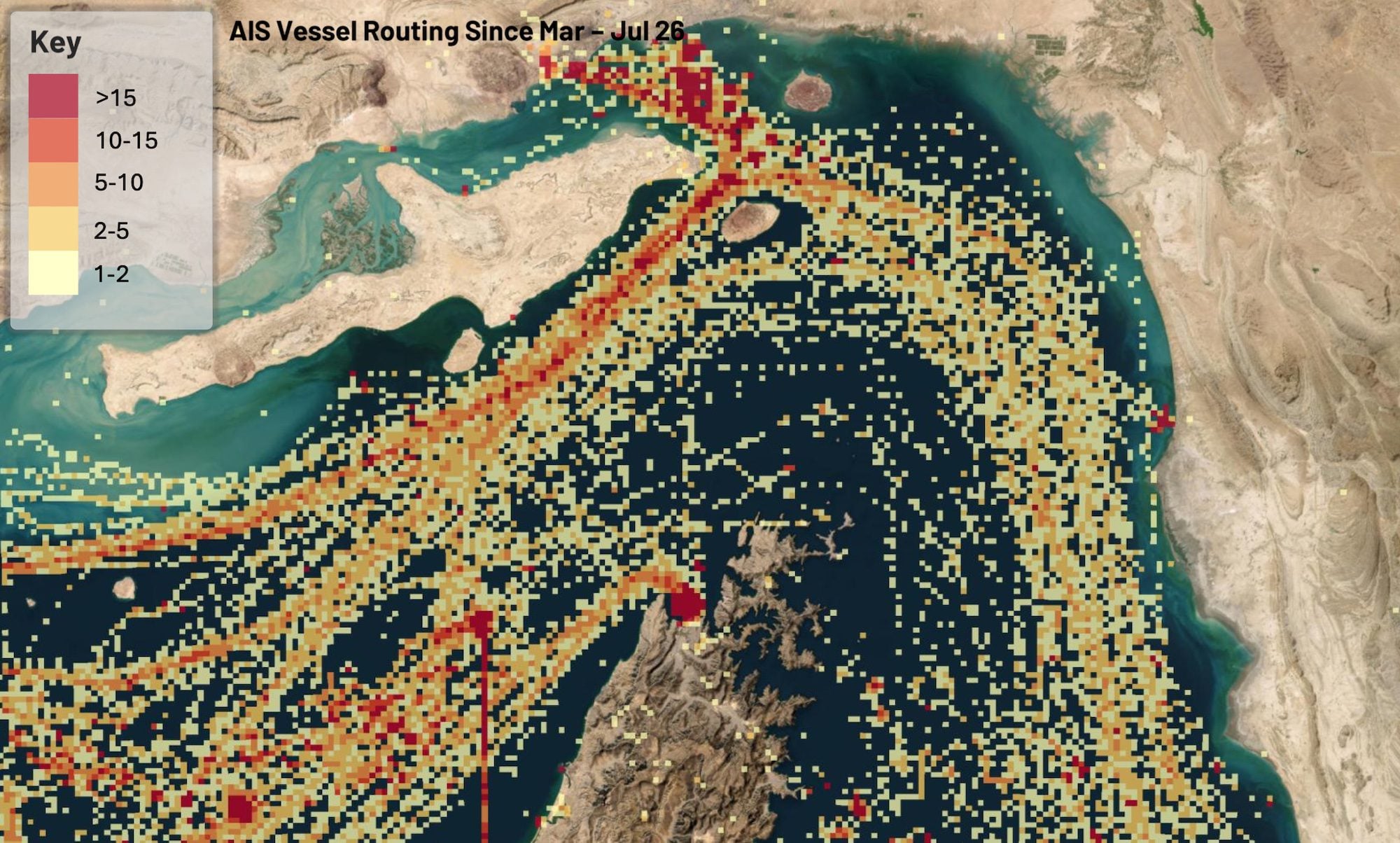
- Commercial traffic through the Strait of Hormuz is very likely to remain materially below normal over the next 0-14 days and likely to remain disrupted over the next 1-3 months. Kpler recorded four commodity vessels crossing on 3 September, compared with a 10-day average of about 15, and only two very large crude carriers had crossed during the week by 4 September. Rystad Energy placed wartime oil and product exit volumes mostly between 4 million and 6 million barrels per day and forecast very low flows until November. Iran has expanded its list of vessels subject to fines, confiscation or detention, while a separate US account claims flows have returned to about 15 million barrels per day. Confidence is medium because the direct shipping data and political statements conflict and use different vessel categories and time windows. (Confidence: medium · ASSESSED)
- I&W: CONFIRM: Kpler records daily Hormuz commodity transits below the 10-day average on at least 7 of the next 14 days, while Iranian restrictions on non-compliant vessels remain in force. (0-14 days)
- I&W: BREAK: Independent tanker tracking shows crude and product flows near 15 million barrels per day and vessel counts at or above the 10-day average for 7 consecutive days. (0-14 days)
- The United States is very likely to sustain a large forward military posture and operations against Iran through 2027. Pete Hegseth is reported to have extended US force deployments for military operations against Iran through 2027, while separate reporting describes more than 50,000 US personnel, two carrier strike groups, guided-missile destroyers and fighter wings in the Middle East. This extends the conflict's military horizon beyond the prior brief's 0-14 day outlook. Confidence is medium because the deployment extension and current force posture are directly reported by major media, but another account says Operation Epic Fury was declared concluded and rebranded as Project Freedom on 5 May. (Confidence: medium · REPORTED)
- I&W: CONFIRM: The Pentagon publishes further deployment orders or confirms continued carrier strike group and fighter wing operations in the Middle East after September 2026. (0-3 months)
- I&W: BREAK: The Pentagon rescinds the reported extension or announces a sustained withdrawal of the named forces from the Middle East. (0-3 months)
- Regional maritime spillover is very likely to persist across the Red Sea, Bab el-Mandeb and Saudi-linked shipping over the next 0-14 days. The Houthis are reported to have launched a naval blockade targeting the Port of Yanbu, Saudi oil sites and commercial tankers linked to Saudi Arabia. Kpler recorded 22 commodity vessels through Bab el-Mandeb on 3 September, below the 10-day average of 24, while war-risk underwriters have extended designated risk areas 800 kilometres farther up Saudi Arabia's Red Sea coast. Confidence is medium because the Houthi blockade account relies on trade reporting, although reduced Bab el-Mandeb traffic and higher insurance risk provide corroborating indicators. (Confidence: medium · ASSESSED)
- I&W: CONFIRM: The Houthis report or are credibly reported to have attacked another Saudi-linked tanker, Yanbu or a Saudi oil site, while Bab el-Mandeb traffic remains below its 10-day average. (0-14 days)
- I&W: BREAK: No new Houthi attack is reported for 14 days and Bab el-Mandeb daily commodity transits return to or exceed the 10-day average for 7 consecutive days. (0-14 days)
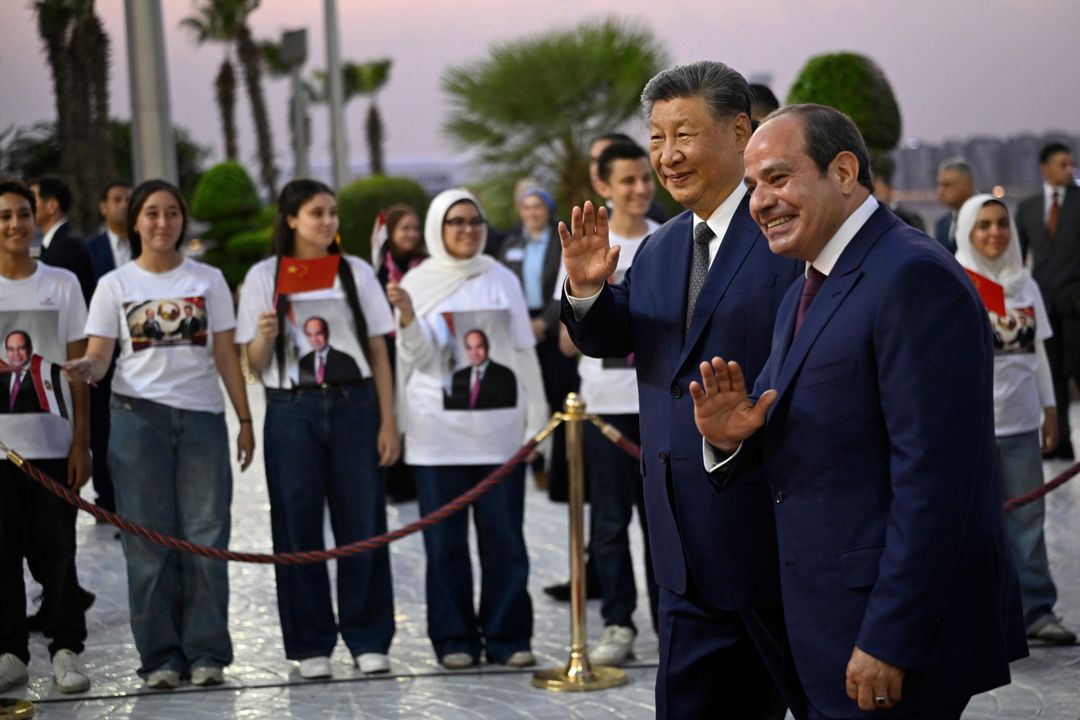
- A comprehensive US-Iran settlement is unlikely over the next 0-14 days, while diplomatic containment efforts are likely to continue. The June US-Iran memorandum of understanding reportedly expired without meaningful progress, and JD Vance has said Washington will not hold talks unless Tehran stops attacking commercial shipping. Egypt and Xi Jinping have called for a comprehensive agreement, but their statements do not establish active US-Iran negotiations. Confidence is medium because diplomatic activity is corroborated across official and major-media reporting, while the status of the June framework and the precise timing of a possible Xi-Trump meeting remain contested. (Confidence: medium · ASSESSED)
- I&W: CONFIRM: Washington repeats that talks are conditional on an end to Iranian attacks on shipping, while Tehran reports another maritime attack or rejects a direct negotiating channel. (0-14 days)
- I&W: BREAK: The United States and Iran announce direct talks or reactivate the June framework alongside a 7-day halt in attacks on shipping and military positions. (0-14 days)
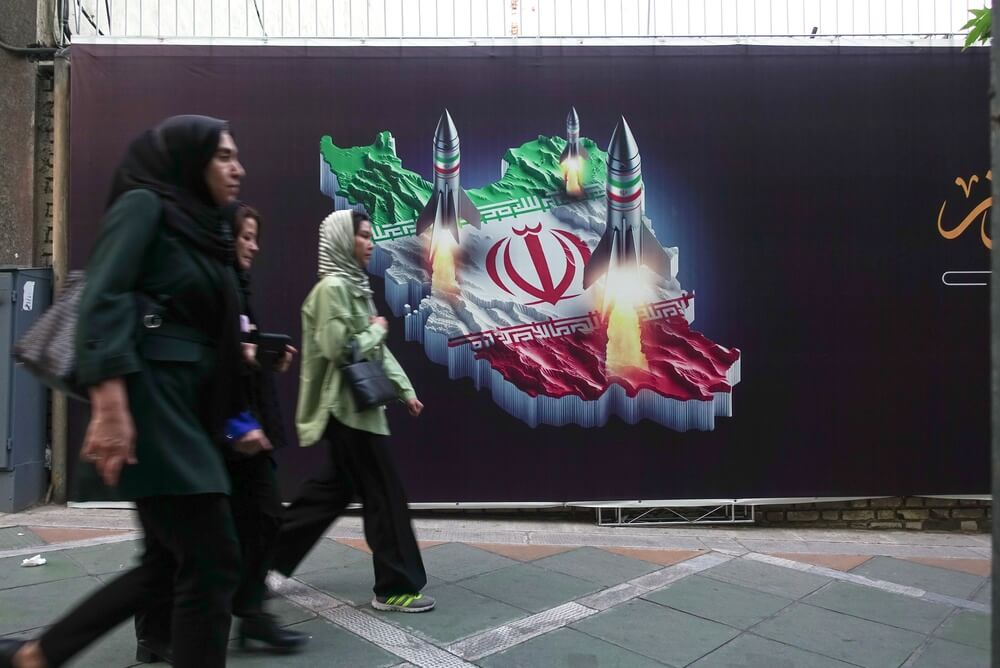
- Energy and food price pressure is likely to remain elevated over the next 1-3 months, while Iran's domestic economic strain is likely to deepen. Brent crude reached $95.67 per barrel on 4 September and was up 7.1 per cent for the week, the FAO Food Price Index reached 133.3 points in August, and war-risk insurance premiums for Hormuz have reached 40 to 60 times pre-crisis levels. Iran is reported to face hyperinflation above 40 per cent, currency devaluation, chronic electrical brownouts and a US blockade that has halted Iranian crude exports. Confidence is medium because the Iranian inflation estimates conflict and the contribution of the conflict to broader food-price movements is difficult to isolate. (Confidence: medium · ASSESSED)
- I&W: CONFIRM: Brent remains above $95 per barrel for 5 trading days, Hormuz flows remain in the reported 4 million to 6 million barrels per day range or lower, and war-risk premiums continue to rise. (0-14 days)
- I&W: BREAK: Brent falls below $91 per barrel, war-risk premiums begin a sustained decline, and Iranian crude exports resume in independently reported cargo data. (0-3 months)
Outlook & scenarios
Managed attrition with constrained shipping (55%)
US and Iranian forces sustain intermittent strikes without a decisive expansion into a wider regional war. Hormuz traffic remains well below normal, Houthi pressure continues around Bab el-Mandeb and Saudi-linked shipping, and the United States maintains its forward military posture. Egypt and China continue diplomatic calls for a settlement, but no comprehensive US-Iran agreement emerges in the near term.
Wider maritime and infrastructure escalation (20%)
A new Iranian strike on US positions or shipping triggers additional US and Israeli attacks on IRGC, energy or civilian infrastructure. Houthi attacks expand against Yanbu, Saudi oil sites or commercial tankers. Insurance costs rise further, Hormuz and Red Sea traffic fall, and regional states increase defensive or maritime deployments.
Conditional de-escalation (15%)
Iran halts attacks on commercial shipping, allowing Washington to reopen direct talks. Egypt and China support a renewed negotiating channel, and limited maritime traffic resumes. The June framework is replaced or reactivated in a narrower form, while US force deployments remain in place as a hedge against renewed attacks.
High-impact alliance expansion (10%)
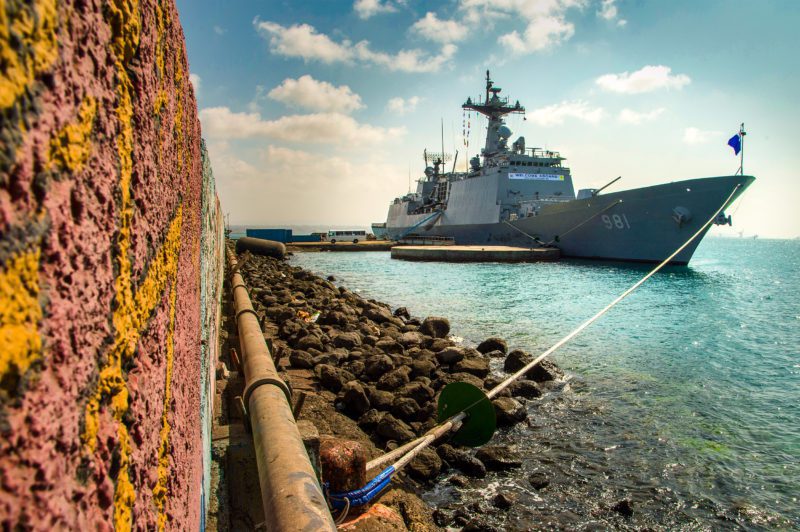
South Korea approves and deploys a naval support ship, maritime patrol aircraft and approximately 150 troops to the Hormuz area while attacks continue. A miscalculation involving the new deployment, US forces, Iranian maritime units or Houthi forces produces direct clashes involving additional states and sharply worsens regional instability.
Recommendations
- Use daily Kpler vessel counts by category, Rystad observed flow volumes and independent tanker tracking as the primary Hormuz baseline. Report JD Vance's 15 million barrels per day figure separately until the discrepancy is reconciled.
- Prioritise collection on Iranian missile and drone activity against named US bases in Jordan, Kuwait and Bahrain, US strikes against IRGC air defence and maritime targeting sites, and Israeli preparations to strike Iranian energy infrastructure.
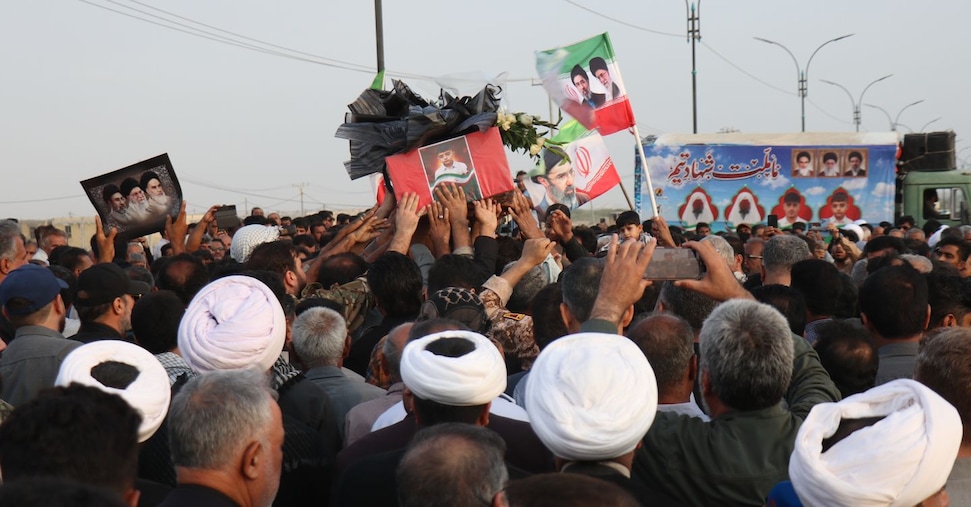
- Maintain a separate incident and casualty ledger for Iranian, US and Israeli reporting. Reconcile the 18 reported Iranian deaths, the Sirik wedding casualties, and the conflicting US military death figures before using any total in an assessment.
- Track implementation of the reported US force extension through 2027, including carrier strike group locations, fighter wing activity and any Pentagon clarification of the relationship between Operation Epic Fury and Project Freedom.
- Monitor Houthi activity against Yanbu, Saudi oil sites and Saudi-linked tankers, alongside Bab el-Mandeb vessel counts and changes in designated war-risk areas.
- Treat South Korean participation as undecided until the Blue House or parliament confirms a deployment. Collect on ship movement, aircraft preparation, port arrangements and the reported 150-troop requirement.
- Watch for a diplomatic off-ramp through three concrete signals: an Iranian halt to attacks on commercial shipping, a US announcement of direct talks, and formal clarification of whether the June memorandum of understanding remains active.
- Track Brent and WTI prices, Hormuz war-risk premiums, FAO food-price data and Iranian energy conditions as early indicators of whether maritime disruption is generating broader economic stress.
Confidence & uncertainty
Overall confidence is high because the core developments are corroborated across major-media, wire-service and trade reporting, official statements from US Central Command and Iranian authorities, Kpler shipping data, and Rystad Energy analysis. The existence of active military exchanges, reduced maritime traffic, higher energy prices and continuing diplomatic activity is well supported. The main uncertainties concern the actual volume of Hormuz flows, the status of the fighting despite conflicting US statements, overlapping casualty figures, the extent of Iranian inflation, and whether South Korea will move from preliminary planning to deployment.
Intelligence gaps
- [EEI 1.1 · UNCOVERED] Observed repositioning, sustained increases, or new forward basing of Iranian conventional or IRGC forces (armored units, missile batteries, aircraft, naval vessels) toward borders or regional launch points. Recommended collection: IMINT/satellite
- [EEI 1.3 · PARTIAL] Detection of increased missile/rocket/torpedo launch events attributable to Iran, Israel, or proxies (launch signatures, trajectories, impact points) indicating a sustained campaign rather than isolated strikes. Recommended collection: SIGINT/IMINT/air-defense radar
- [EEI 1.4 · UNCOVERED] Interdicted or observed shipments (air, sea, land manifests, seizures, satellite imagery of transfers) of advanced weapons or missile components from Iran toward proxy groups or forward staging points. Recommended collection: maritime/AIS
- [EEI 2.1 · UNCOVERED] Satellite or on-the-ground imagery showing fires, damage, or operational shutdown at major oil export facilities, refineries, storage terminals, or key pipeline infrastructure in the Gulf and Red Sea. Recommended collection: IMINT/satellite
- [EEI 3.2 · PARTIAL] Official expedited arms transfers, basing/overflight agreements, or declarations of operational support (formal government announcements, defense ministry releases, logistics flight manifests). Recommended collection: open-source/diplomatic
- [EEI 3.3 · UNCOVERED] Embassy evacuations, large-scale personnel movements, issuance of government travel bans/advisories, or multinational security alerts affecting foreign nationals and diplomatic posture in the region. Recommended collection: diplomatic/open-source
TLP:CLEAR