TLP:CLEAR · Disclosure is not limited.
Middle East: US-Iran Conflict Risks Regional Expansion
Time window: Last 7 days · Audience: General analyst · Type: Situation report · DTG: 2026-08-22 12:09Z · Overall confidence: MEDIUM
BLUF
The US-Iran conflict is very likely to remain in an active escalation cycle over the next 0-14 days. The main widening risks are Iranian attacks on US bases and allies, Israeli operations in Lebanon, and disruption to commercial shipping in the Persian Gulf and Gulf of Aden. Economic pressure is likely to persist, while a durable diplomatic pause is unlikely in the next 30 days.
Executive summary
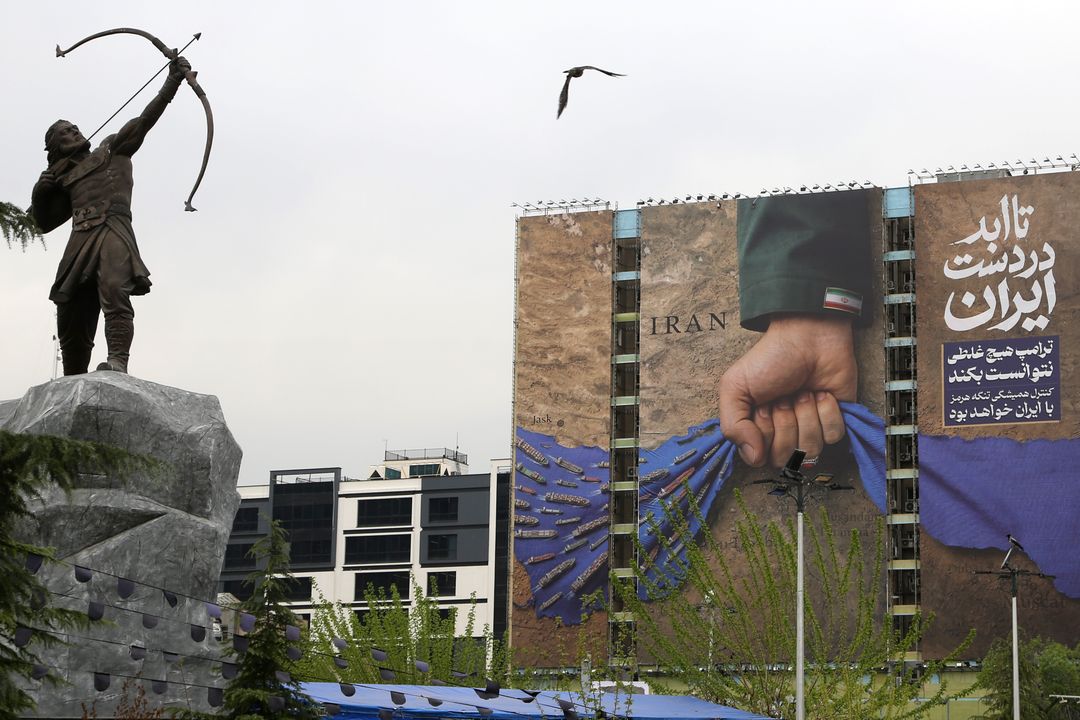
During 15-22 August 2026, Iran, Israel and the US remained in direct confrontation. Iran has fired missiles at US forces and conducted missile and drone strikes against Israel, US bases and Arab states, while the US has maintained a military presence that includes the aircraft carriers George Washington and Abraham Lincoln. Washington is also pursuing an economic campaign against Iran and entities supporting it. The conflict is disrupting Iranian oil flows to China, regional energy markets and maritime traffic, with reported hijackings in the Gulf of Aden and Somalia and worsening congestion in the Panama Canal. Gaza remains in an acute humanitarian crisis, with 94 per cent of its 2.1 million residents reportedly needing shelter. Diplomatic signals remain inconsistent, with expired ceasefires and Iranian distrust of negotiations offset by reported discussions of new regional arrangements.
Key judgments
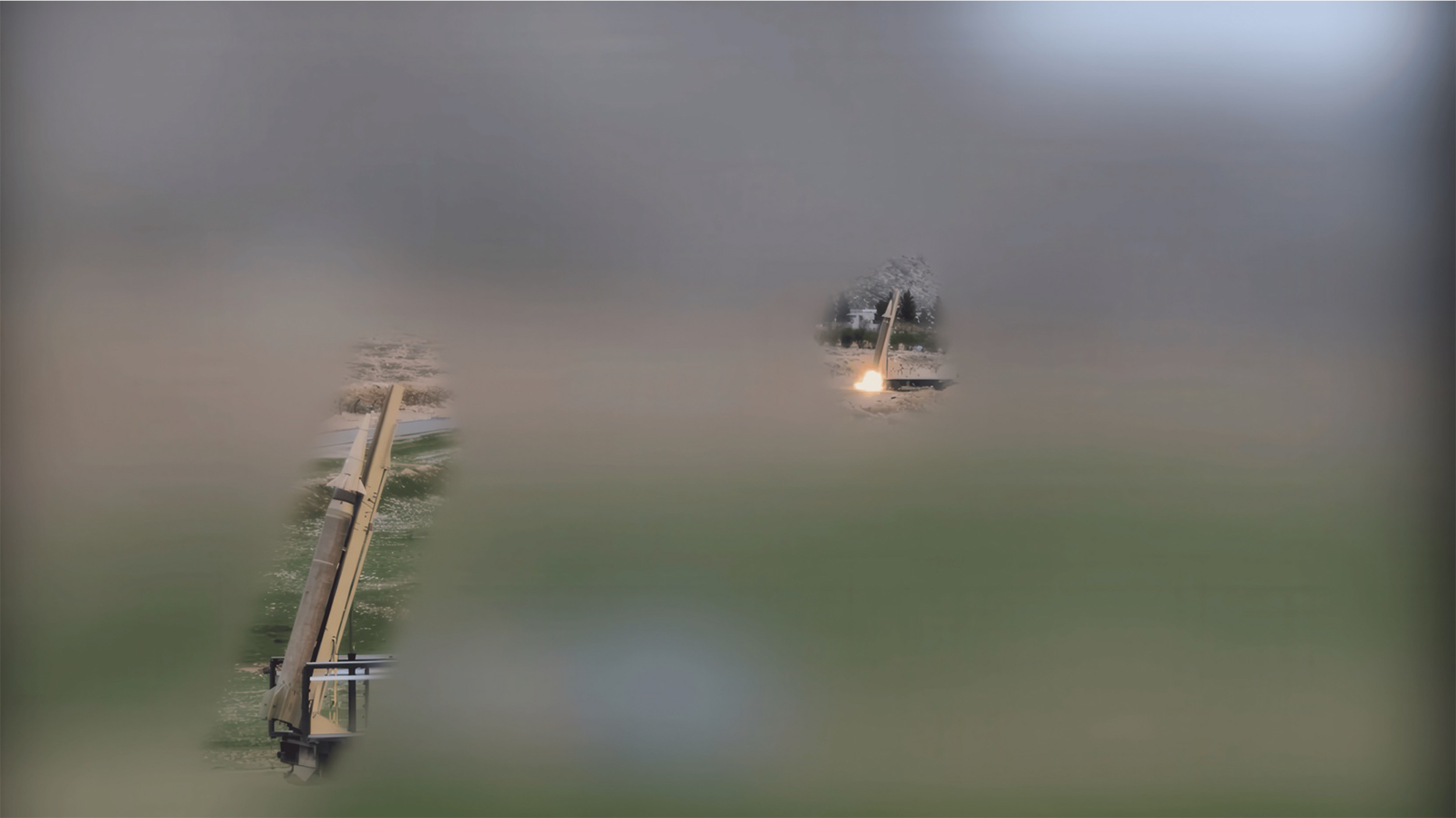
- The US-Iran conflict is very likely to remain in an active escalation cycle over the next 0-14 days. Iran, Israel and the US remain in direct confrontation; Iran has fired five missiles at US forces and conducted missile and drone strikes against Israel, US bases and Arab states. The US has also deployed the aircraft carrier George Washington to the Middle East, while Abraham Lincoln continues to operate there. Confidence is medium because multiple major-media reports support the military activity, but assessments of Iran's next posture and the wider US build-up rely partly on less direct reporting. (Confidence: medium · ASSESSED)
- I&W: CONFIRM: Within 0-14 days, Iran conducts another missile or drone strike against a US base, Israel or an Arab state, or either George Washington or Abraham Lincoln is reported conducting combat or intensified defensive operations. (0-14 days)
- I&W: BREAK: Fourteen days pass without a further Iranian strike against those targets and one or both US aircraft carriers are reported departing the Middle East without a replacement deployment. (0-14 days)
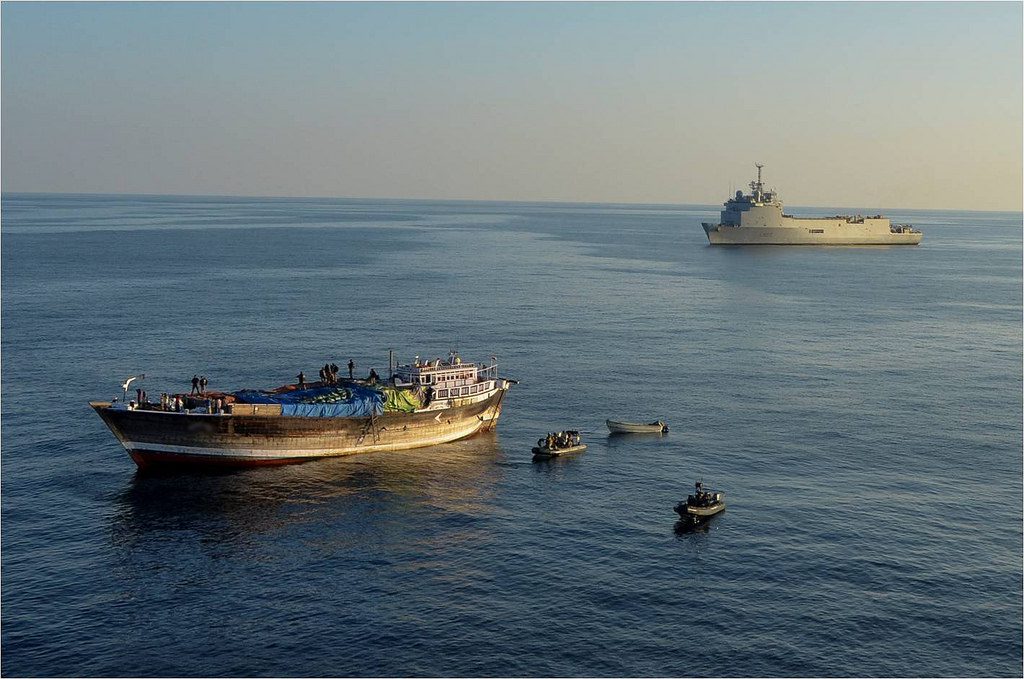
- The risk of regional spillover is likely to widen over the next 0-30 days, particularly in Iraq, Lebanon, the Gulf states and the Gulf of Aden. Iran has conducted drone attacks in Iraq and threatened attacks on US allies; UNIFIL reported 86 Israeli airspace violations, nine airstrikes and 265 projectiles in southern Lebanon; and the Sibu 1 and Lutuf were hijacked in the Gulf of Aden and Somalia. Yemen's Houthis have also targeted vessels linked to Saudi Arabia. Confidence is medium because UN and maritime reporting corroborate several incidents, while evidence of a single coordinated regional campaign is uncorroborated. (Confidence: medium · ASSESSED)
- I&W: CONFIRM: Within 0-14 days, a new Iranian strike is reported against a US facility or ally in Iraq, the Gulf states or Israel, or UNIFIL records additional Israeli airstrikes or projectiles in southern Lebanon. (0-14 days)
- I&W: BREAK: UNIFIL records no additional airstrikes or projectiles in southern Lebanon and maritime authorities report no further hijackings or attacks in the Gulf of Aden for 30 days. (0-30 days)
- Washington is very likely to intensify economic pressure on Iran and entities or countries that support it over the next 0-30 days. Donald Trump has announced an economic campaign, threatened severe consequences for financial, commercial or logistical support to Iran, and warned that governments, businesses and financial institutions could face retaliation. OFAC has designated Nobitex, Wallex, Bitpin, Ramzinex and Aban Tether under Executive Order 13902. Reported effects already include reduced Iranian oil flows and offers to China, higher prices for some Iranian shipments and increased Saudi purchases of discounted Russian fuel. Confidence is medium because the OFAC designation is official reporting, while planned measures and market effects rely mainly on major-media reporting. (Confidence: medium · ASSESSED)
- I&W: CONFIRM: Within 0-30 days, OFAC designates additional Iranian financial, energy or logistics entities, or the US formally applies penalties to a government, business or financial institution accused of supporting Iran. (0-30 days)
- I&W: BREAK: Washington announces sanctions relief or a material rollback of the campaign, and reported Iranian oil offers and flows to China recover from current levels. (0-3 months)
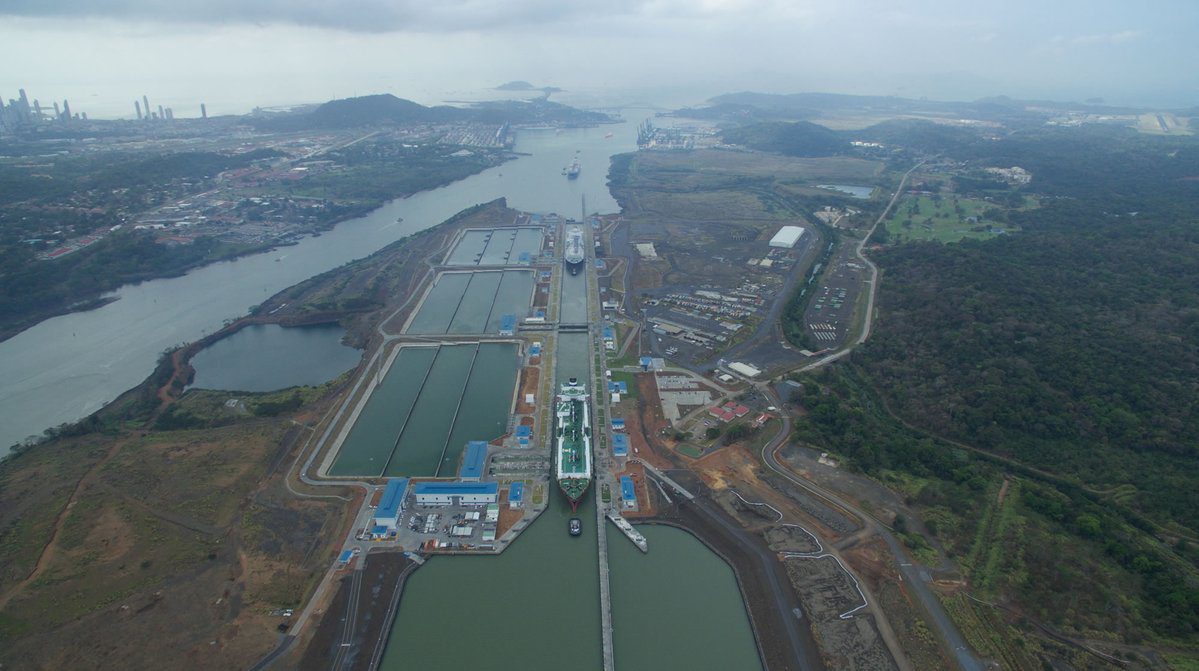
- Maritime disruption is likely to persist over the next 0-30 days, with the Persian Gulf, Gulf of Aden, Somalia and the Panama Canal remaining exposed. The reported closure of the Strait of Hormuz stranded oil and LNG exports, while Iran later attacked commercial vessels there. The Sibu 1 and Lutuf hijackings and two reported Somali pirate attacks add pressure to shipping. The Panama Canal Authority has limited daily slots for September transits, with reported delays of up to 10 days and an all-time-high immediate transit fee of $4.6 million for a Neopanamax tanker. Confidence is medium because several shipping incidents and restrictions are reported, but the claims contain conflicting dates and measures of congestion. (Confidence: medium · ASSESSED)
- I&W: CONFIRM: Within 0-14 days, maritime authorities report another attack or hijacking in the Gulf of Aden, Somalia or the Strait of Hormuz, or the Panama Canal Authority announces further slot or draught restrictions. (0-14 days)
- I&W: BREAK: Reported vessel queues and eastbound delays fall for 30 days, while Panama Canal transit fees return materially below the reported $4.6 million peak. (0-30 days)
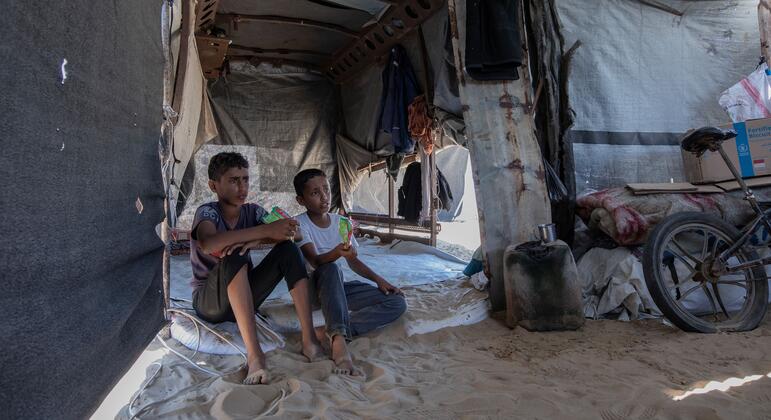
- Humanitarian conditions in Gaza are almost certainly severe and very likely to remain acute over the next 0-30 days. UN agencies and partners report that 94 per cent of Gaza's 2.1 million residents need shelter and that more than four out of five families face critical or catastrophic living conditions. Burials have taken place for 50 Palestinians who died two years ago, while Stephen Doughty MP renewed UK calls for more aid and visited support facilities at Al Arish. UN partners estimate that $562 million is needed to improve living conditions. Confidence is high because the current severity is corroborated by UN agencies, UN partners and UK government reporting. (Confidence: high · ASSESSED)
- I&W: CONFIRM: Within 0-30 days, UN agencies report shelter needs at or above 94 per cent, continued critical or catastrophic conditions, or further restrictions affecting aid delivery into Gaza. (0-30 days)
- I&W: BREAK: UN agencies document a sustained reduction in shelter needs and critical living conditions, alongside a measurable increase in humanitarian aid reaching Gaza. (0-3 months)
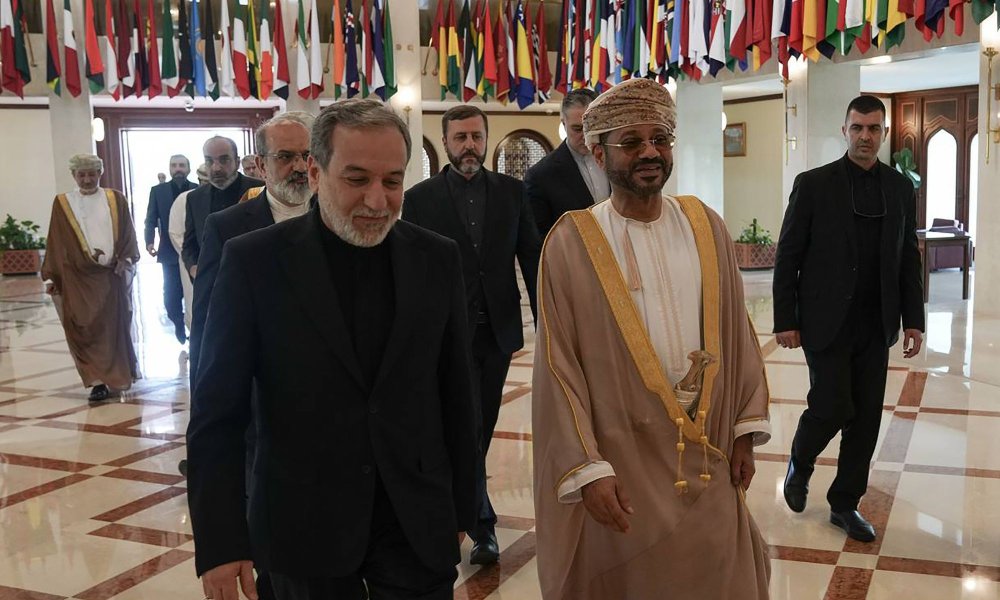
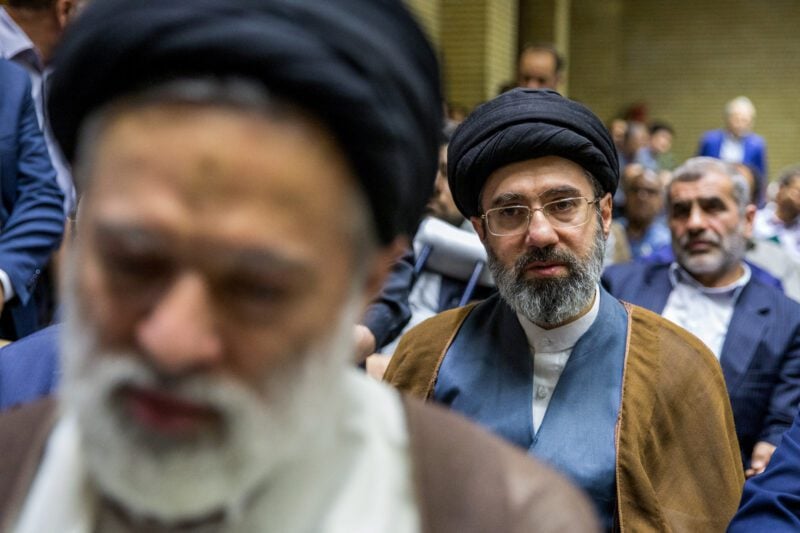
- A durable US-Iran de-escalation agreement is unlikely in the next 0-30 days, although a temporary pause has a roughly even chance over the following 1-3 months. The 60-day ceasefire expired without extension, and the US and Iran have already experienced failed or temporary arrangements. Mohammad Bagher Ghalibaf has expressed distrust of the US and previously rejected negotiations, while Mohammad Baqer Qalibaf has stated that Iran is discussing new economic and security arrangements. Reporting also presents Iran's leadership as expecting both a short war and a prolonged conflict. Confidence is low because the diplomatic claims conflict, rely mainly on major-media and think-tank reporting, and do not establish a common negotiating channel. (Confidence: low · ASSESSED)
- I&W: CONFIRM: Within 0-30 days, Iran and the US announce direct talks, extend a ceasefire or publish a jointly accepted implementation mechanism for a new arrangement. (0-30 days)
- I&W: BREAK: Iran conducts another missile or drone strike against a US base or ally, or Washington announces additional economic measures while Tehran rejects negotiations. (0-30 days)
- The US force posture is likely to remain ambiguous over the next 0-30 days rather than clearly signalling either escalation or withdrawal. Reports of an intensifying US military build-up and the arrival of George Washington sit alongside reporting that Abraham Lincoln has operated in the region for a long time and that the US has begun leaving the region and evacuating some bases. Confidence is medium because the contradictory claims come from major-media and think-tank reporting, with no single account resolving the discrepancy. (Confidence: medium · ASSESSED)
- I&W: CONFIRM: Within 0-14 days, the US announces another Middle East deployment or reports combat activity involving George Washington or Abraham Lincoln. (0-14 days)
- I&W: BREAK: Within 0-30 days, the US confirms further base evacuations and a sustained reduction in carrier or other force presence in the Middle East. (0-30 days)
Outlook & scenarios
Protracted, partially contained conflict (45%)
Iran continues missile, drone and maritime attacks while the US sustains military pressure and sanctions. Israel maintains operations in Lebanon. Shipping disruption, elevated energy prices and humanitarian deterioration continue without a decisive regional entry by additional states.
Wider regional war (30%)
Iran expands attacks against US bases and allies in Iraq, the Gulf states or Israel. Further incidents involving Israeli forces in Lebanon, Yemen's Houthis, commercial vessels in the Gulf of Aden or Oman draw additional regional actors into the conflict. The Strait of Hormuz and energy markets face renewed disruption.
Temporary diplomatic pause (20%)
The US and Iran use the expired ceasefire framework or discussions of new economic and security arrangements to establish a temporary pause. Missile, drone and maritime attacks decline, but distrust and unresolved sanctions prevent a durable settlement.
European or Omani wildcard (5%)
Iran conducts an attack against a US military target in south-eastern Europe, or US-Iran tensions produce a direct confrontation involving Oman. The conflict expands beyond the Middle East and creates a high-impact diplomatic and military crisis for Washington.
Recommendations
- Maintain a daily 0-14 day escalation matrix covering Iranian missile and drone activity against Israel, US bases, Arab states and commercial vessels; Israeli air activity in southern Lebanon; and the movement or operational use of George Washington and Abraham Lincoln.
- Separate incident confirmation from attribution. Use UNIFIL reporting for southern Lebanon, maritime authorities for the Sibu 1 and Lutuf cases and Somali piracy, and NASA FIRMS only as evidence of heat signatures. Do not treat NASA thermal detections as proof of a strike or its perpetrator.
- Track OFAC actions and US implementation measures against Iranian financial, energy and logistics networks. Give priority to designations involving Nobitex, Wallex, Bitpin, Ramzinex, Aban Tether, UAE-based activity and entities supporting Iranian oil flows to China.
- Update a weekly economic and shipping dashboard covering Iranian oil offers to China, Chinese imports, Saudi purchases of Russian fuel, energy prices, Strait of Hormuz incidents, Panama Canal queue lengths, transit fees, daily slots and reported delays.
- Maintain separate Gaza and Lebanon humanitarian baselines. For Gaza, track shelter needs, critical living conditions, aid volumes and the $562 million funding requirement. For Lebanon, track UNIFIL records of airspace violations, airstrikes and projectiles.
- Develop two force-posture branches for collection and analysis: one centred on further US deployments and carrier operations, and another centred on base evacuations and regional withdrawal. Treat reports of an Iranian next major strike as unconfirmed until corroborated by official, multilateral or independent reporting.
- Prioritise collection on diplomatic movement before revising the de-escalation assessment. Seek evidence of direct US-Iran talks, a ceasefire extension or a jointly accepted implementation mechanism, while recording any new Iranian strike or US sanctions action as evidence against a near-term pause.
Confidence & uncertainty
Overall confidence is medium. The strongest reporting comes from UN agencies, official government sources, NASA and high-proximity multilateral reporting, with major-media accounts corroborating several military, economic and maritime developments. Confidence is lower for forward-looking assessments, Iranian strategic intent and claims based on think-tank or social-media reporting. The main uncertainties are conflicting timelines and descriptions of ceasefires, the status of the Strait of Hormuz, the scale of Panama Canal congestion and the contradictory reporting on US military build-up versus regional withdrawal.
Cited sources
[1] Harsh Karn · Is the World Heading Toward a Bigger War? (B) · sha256:a1e825a4b6ac [2] Econest · Iran Fires 5 Missiles at U.S. Forces — Trump’s Response Could Change Everything (B) · sha256:19385ef2b159 [3] Wikipedia · Reactions to the 2026 Iran war (B) · sha256:8ab767e21339 [4] Wikipedia · 2026 Iran war (B) · sha256:af3855bf1bd9 [5] Al Jazeera · أخبار إيران | إيران | الجزيرة نت (A) · sha256:332aad13fd76 [6] trtworld.com · Can Iran's offensive strategy force a US rethink? (B) · sha256:c9ff0949c4ff [7] mecouncil.org · As Iran War Spreads, Baghdad's Slow Response Risks Unwanted Entanglement (C) · sha256:74408b1efd02 [8] eurotopics.net · Iran: US relying on economic war now? (B) · sha256:c16dcc5a0329 [9] United Nations · Middle East: 94 per cent need shelter in Gaza, Israel ramps up demolitions in Lebanon (A) · sha256:aa5d2b0f402c [10] gcaptain.com · Piracy Observer Says Somali Incidents Rising as Navies Stretched (B) · sha256:8a3c3a8b2aaf [11] BBC News عربي · الضغط الاقتصادي على إيران يتصاعد.. وكلفة الحرب تلاحق ترامب في الداخل - BBC News عربي (A) · sha256:d79782aee29e [12] moderndiplomacy.eu · Could Trump’s Iran Sanctions Threat Escalate the Global Economic War? (B) · sha256:0ebc5a4a8d88 [13] Office of Foreign Assets Control (OFAC) · Frequently Asked Questions - Recently Updated (A) · sha256:312a16e80f16 [14] Frontline History · Trump’s 5 Options in the Iran War — Why the Strait of Hormuz Could Decide Everything (B) · sha256:e2b088771cd8 [15] Wikipedia · Economic impact of the 2026 Iran war (B) · sha256:db39effd7ba9 [16] Wikipedia · 2025–2026 Iran–United States negotiations (B) · sha256:51f0c9595190 [17] gcaptain.com · Panama Canal Draught Restrictions Set to Add to Congestion Chaos (B) · sha256:95b394d5ad84 [18] gcaptain.com · Soaring Panama Canal Fees Drive a Nascent LPG Shuttle Trade (B) · sha256:4b26fdd19f9e [19] gov.uk · Minister renews calls for Israel to allow more aid into Gaza on first visit to the region (A) · sha256:ba76e538e65a [20] gcaptain.com · Iran Vows 'Devastating' Response to US Threat to Cut Off Its Economic Lifelines (A) · sha256:ec2f20ca0068 [21] Al Jazeera Centre for Studies · Six Months Into the Iran War: The Search for an Endgame | Al Jazeera Centre for Studies (C) · sha256:4013359c498a
Source content hashes were computed at collection time; the cited text is preserved unmodified for the life of this product.
TLP:CLEAR