TLP:CLEAR · Disclosure is not limited.
Middle East: US-Iran Standoff, Hormuz Pressure and Regional Risk
Time window: Last 7 days · Audience: General analyst · Type: Situation report · DTG: 2026-08-29 12:07Z · Overall confidence: MEDIUM
BLUF
The US-Iran confrontation is likely to remain unresolved, with economic pressure intensifying while diplomatic channels remain narrow. A temporary shipping corridor through the Strait of Hormuz has a roughly even chance of being announced, but mine risks, competing navigation claims and retaliation threats will keep commercial movement constrained.
Executive summary
Recent reporting indicates a dual-track confrontation. The US Treasury has begun Operation Economic Outcast, OFAC has sanctioned nearly 60 Iran-linked entities and individuals, and Washington is expanding sanctions risk for firms trading with Iran. Iran has rejected the pressure, while Abbas Araqchi vowed on 29 August to avenge Ayatollah Ali Khamenei's death. Oman and Iran have discussed a temporary corridor through the Strait of Hormuz, but reports conflict over whether US forces have cleared Iranian mines and whether negotiations have collapsed. US plans to return staff to several Middle Eastern missions and reports that no new strikes are expected for the time being suggest lower immediate escalation risk, although B-1 bombers, the USS George Washington and expanded logistics requirements indicate continued military readiness. Economic and humanitarian pressures inside Iran are increasing, with food and beverage prices reported up more than 127 per cent year on year and more than 3,400 Iranian deaths reported from the conflict.
Key judgments
- US economic pressure on Iran has intensified. The US Department of the Treasury has begun Operation Economic Outcast, OFAC has sanctioned nearly 60 Iran-linked entities and individuals, and Treasury has expanded sanctions risk for businesses dealing with Iran. This is reported activity, not an assessment that the measures will achieve Washington's objectives. (Confidence: high · REPORTED)
- I&W: The US Treasury or OFAC announces another sanctions tranche or secondary-sanctions action against Iran-linked entities, individuals or vessels. (0-14 days)
- I&W: The US Treasury announces a suspension or rollback of Operation Economic Outcast or its expanded sanctions risk. (1-3 months)
- US-Iran hostilities are likely to remain unresolved and readily capable of renewed military exchange over the next 1-3 months. The reported 29 August vow by Abbas Araqchi to avenge Ayatollah Ali Khamenei's death, the reported reciprocal strikes from 8 to 24 July and continuing unresolved tensions support this assessment. Conflicting reporting on ceasefire arrangements, memoranda and Ayatollah Ali Khamenei's status lowers confidence. (Confidence: medium · ASSESSED)
- I&W: The US, Israel or Iran conducts another acknowledged strike against Iran or against US facilities in Bahrain, Qatar, Jordan, Kuwait, Saudi Arabia, the UAE or Iraqi Kurdistan. (0-14 days)
- I&W: Washington and Tehran jointly announce implementation of a ceasefire or memorandum and report no attacks for 30 consecutive days. (1-3 months)
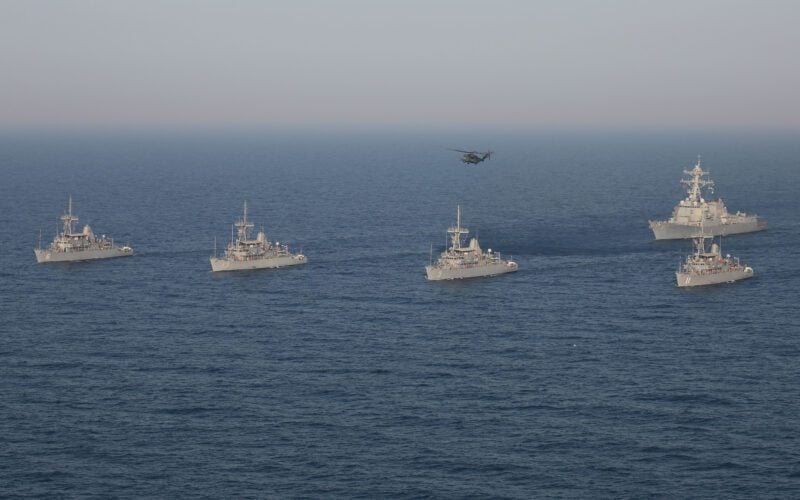
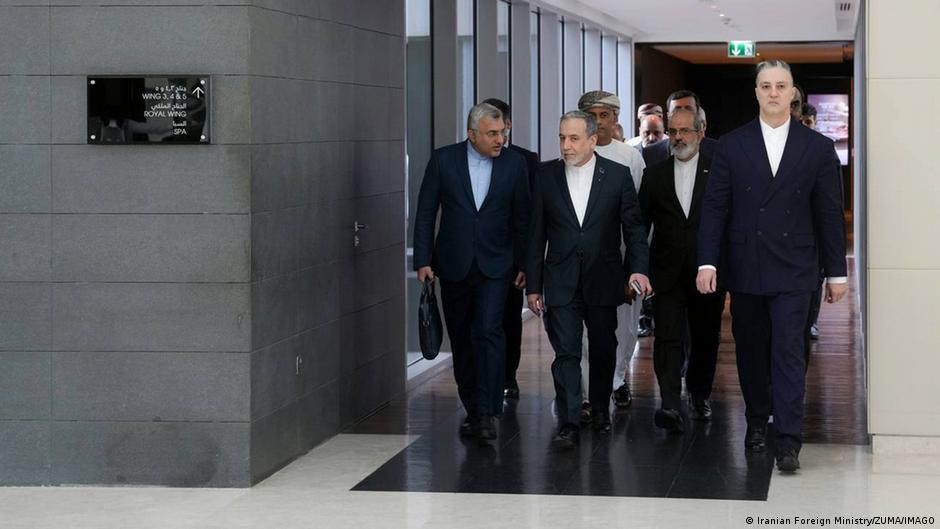
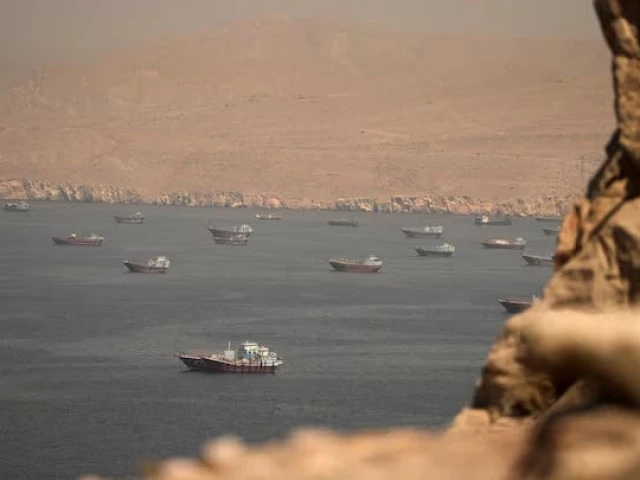
- The Strait of Hormuz is likely to remain contested and unreliable over the next 1-3 months, while a limited temporary corridor has a roughly even chance of being announced within 0-14 days. Oman and Iran have discussed such a corridor, but Iran reportedly requires vessels to obtain permission, Admiral Brad Cooper said US forces had cleared Iranian mines, and US allies privately warned that mines probably remained. Negotiations are also reported to have collapsed over navigation rights, making any reopening fragile. (Confidence: medium · ASSESSED)
- I&W: Oman and Iran formally announce operating rules for a temporary corridor and commercial vessels begin transiting under those rules. (0-14 days)
- I&W: A new mine incident, Iranian attack on a commercial vessel or renewed Iranian permission requirement halts commercial transits. (0-14 days)
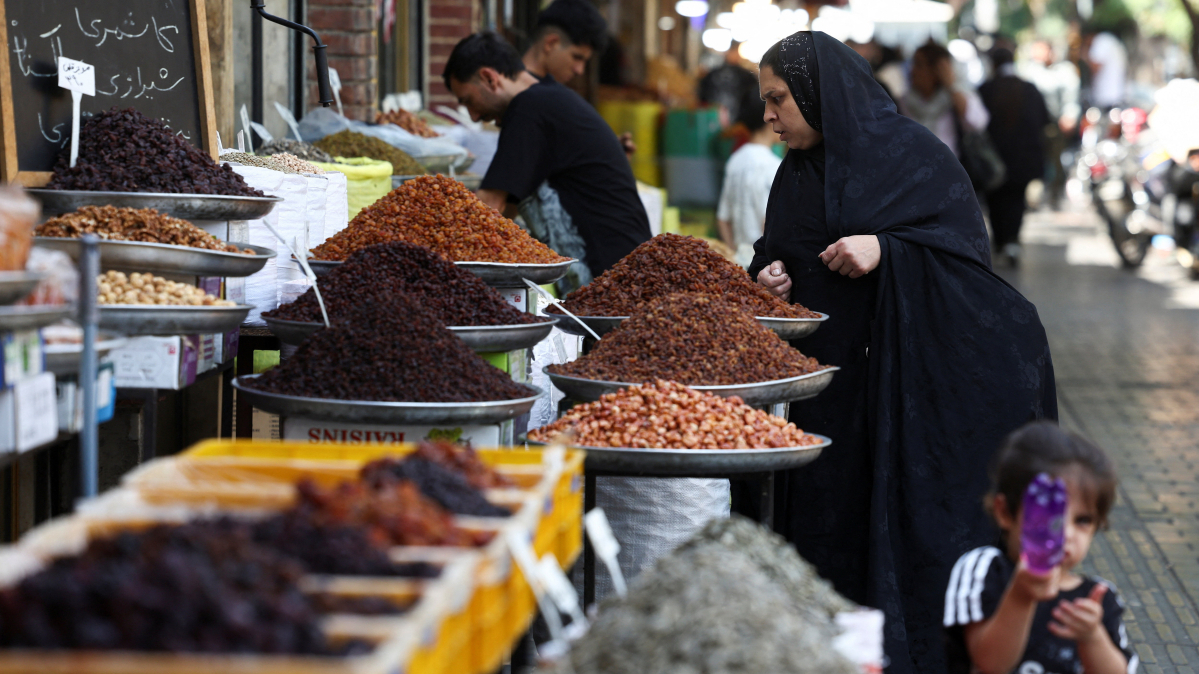
- US sanctions are likely to deepen Iran's economic distress faster than they produce major political concessions over the next 1-3 months. Iran has reported a 35 per cent fall in foreign trade, consumer prices up more than 80 per cent year on year and food and beverage prices up more than 127 per cent year on year. Iranian officials have rejected the sanctions, while available analysis assesses that Tehran believes enduring pressure is preferable to major concessions and that Washington lacks a clear mechanism to convert military pressure into political concessions. The assessment of Iranian preferences rests partly on single-source analytical reporting and is therefore medium confidence. (Confidence: medium · ASSESSED)
- I&W: Iranian authorities report further deterioration in food prices, foreign trade or GDP while Esmaeil Baqaei rejects the expanded US sanctions. (0-14 days)
- I&W: Tehran accepts negotiations covering Iran's nuclear programme, missiles and regional policies, rather than limiting talks to the nuclear file. (1-3 months)
- Iranian authorities are likely to tighten internal messaging and cohesion measures over the next 1-3 months as economic pressure grows. The IRGC intelligence wing warned on 27 August of growing social discontent and possible renewed street protests, while Supreme Leader Mojtaba Khamenei reportedly banned expressions of weakness that could harm social cohesion. Renewed street protests have a roughly even chance during this period. This is a low-confidence assessment because the warning and policy directive are largely single-source reports without independent confirmation of current street mobilisation. (Confidence: low · ASSESSED)
- I&W: Mojtaba Khamenei or the IRGC issues another directive restricting public criticism, references to weakness or activity judged harmful to social cohesion. (0-14 days)
- I&W: Iranian authorities or independent reporting confirm renewed street protests in multiple Iranian locations. (1-3 months)
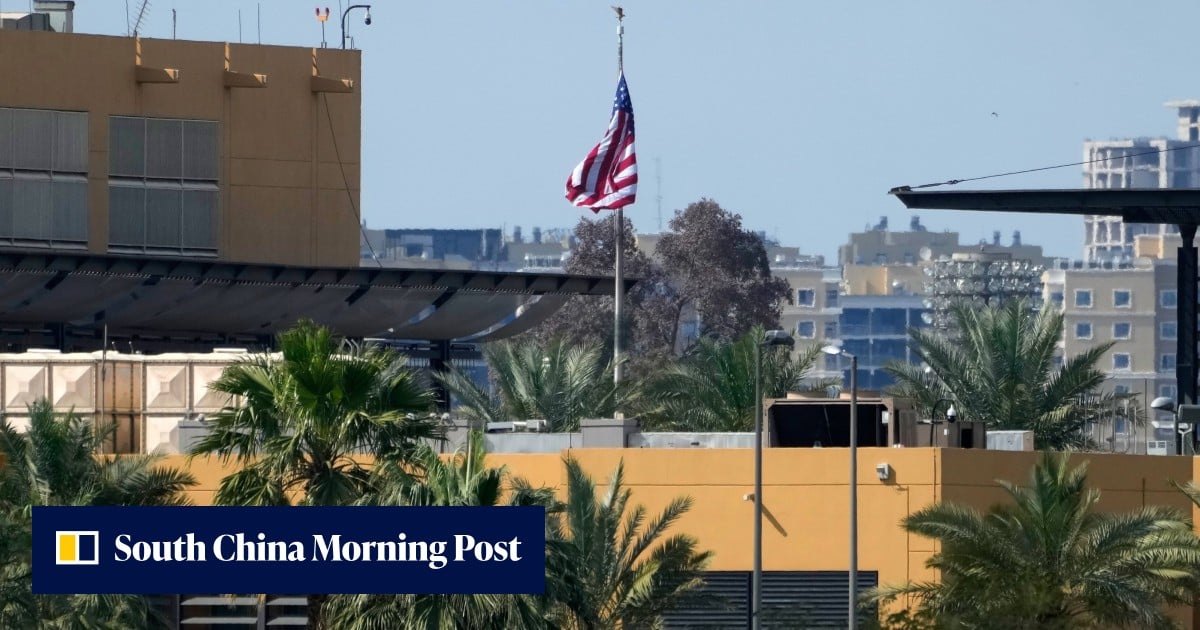
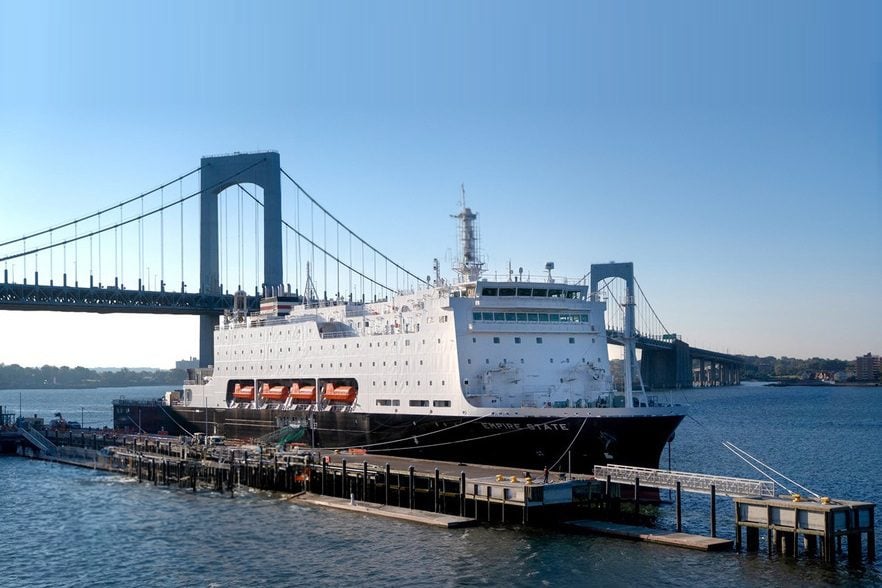
- Washington is likely to maintain a dual-track posture that lowers immediate escalation risk while preserving military and logistics readiness. Reports that Marco Rubio told foreign ministers no new US strikes were expected for the time being, that US staff were returning to missions in Lebanon, Israel, Saudi Arabia and Baghdad, and that Washington assessed a lower near-term escalation risk point towards temporary restraint. The reported deployment of B-1 bombers and the USS George Washington, alongside preparations to activate Empire State VII for a Middle East-related logistics mission, indicate that restraint is not strategic disengagement. (Confidence: medium · ASSESSED)
- I&W: US staff begin returning to the named missions while the US reports no new strikes against Iran and retains B-1 bomber or USS George Washington deployments. (0-14 days)
- I&W: The US orders another embassy evacuation or conducts new strikes against Iran. (0-14 days)
Outlook & scenarios
Constrained standoff with a partial Hormuz opening (45%)
This is likely if Oman and Iran announce a limited navigation corridor, Washington maintains its temporary pause on new strikes and US diplomatic staff return to regional missions. Commercial movement through the Strait of Hormuz would improve without restoring normal confidence, because mine clearance claims and navigation rights would remain contested.
Prolonged economic and maritime coercion (60%)
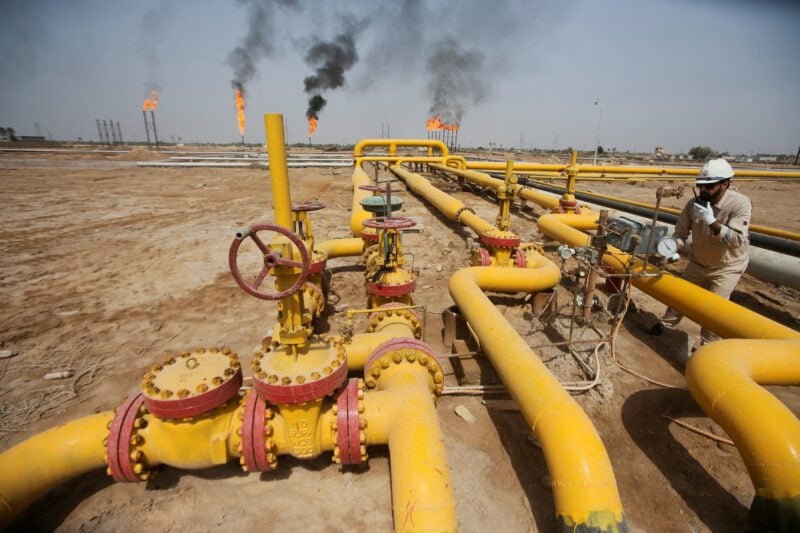
This is likely if the US expands sanctions, Iran rejects broader negotiations and talks over the Strait of Hormuz remain stalled. Iran would retain restrictive control over navigation, while Gulf governments and energy exporters would continue seeking routes and infrastructure that reduce reliance on Hormuz.
Renewed regional retaliation (30%)
This is unlikely but high impact. Iran would resume missile or drone attacks against Israel, US facilities or US-aligned Arab states, while Houthi forces would sustain attacks connected to the regional confrontation in Yemen. US and Israeli strikes against Iran would then restore a higher-intensity exchange.
Domestic pressure and tighter Iranian control (40%)
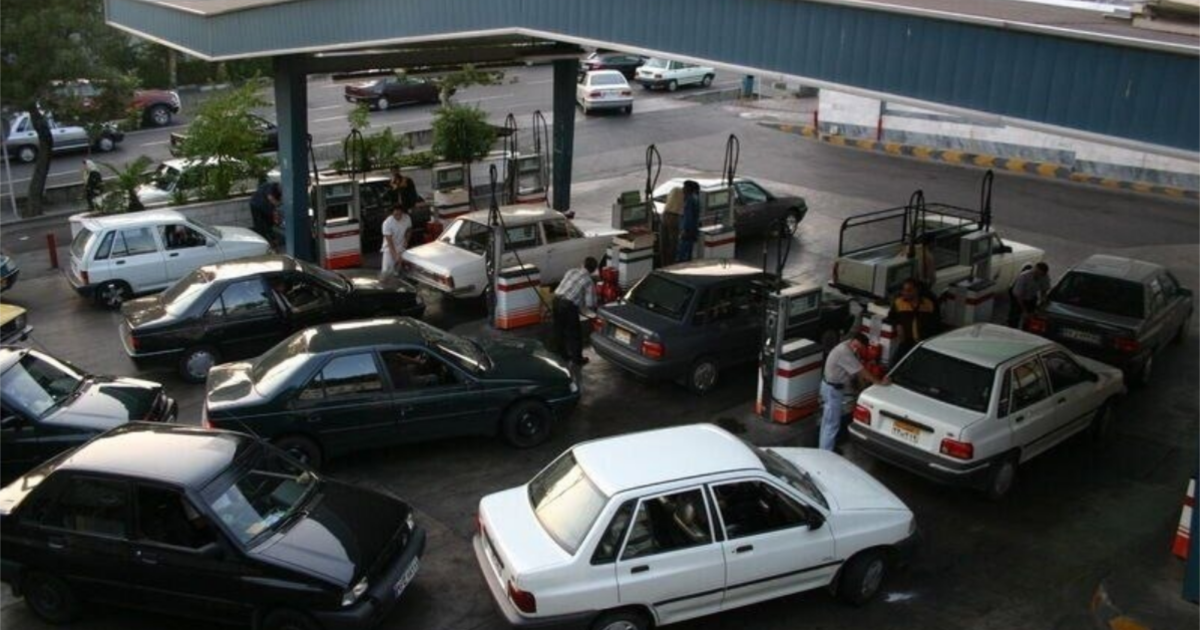
This has a roughly even chance if food prices, trade losses and fuel shortages continue to worsen. The IRGC and Mojtaba Khamenei would intensify cohesion messaging and internal controls, while renewed street protests would add pressure to Tehran's external negotiating position.
Recommendations
- Track the Strait of Hormuz daily for a formal Oman-Iran corridor announcement, published navigation rules, commercial vessel transits and any new mine or vessel incident. Treat the route as contested until independent traffic evidence confirms sustained passage.
- Maintain a separate ledger for reported military activity, diplomatic statements and analytic assessments. Reconcile the conflicting dates for ceasefire arrangements, the attribution of 28 February strikes and the competing accounts of Ayatollah Ali Khamenei's status before using them in further analysis.
- Monitor US Treasury and OFAC releases for additional Iran-related sanctions, secondary-sanctions enforcement and action against vessels or financial intermediaries. Compare each measure with subsequent Iranian statements and changes in trade, prices and negotiations.
- Use the return of US diplomatic staff as an immediate escalation indicator, but assess it alongside B-1 bomber, USS George Washington and Empire State VII activity rather than treating it as evidence of broad de-escalation.
- Prioritise reporting on the IRGC intelligence wing, Mojtaba Khamenei and Iranian economic authorities for new cohesion directives, protest warnings, restrictions on public activity and verified street mobilisation.
- Do not use the 114 NASA thermal detections as strike attribution. Use them only as corroborating heat observations, because the detections included no high-confidence observations and NASA states that thermal signatures do not establish cause.
Confidence & uncertainty
Overall confidence is medium because the reporting includes high-confidence official material on US sanctions activity and NASA thermal detections, alongside major-media reporting on military exchanges, Hormuz diplomacy, Iranian economic conditions and US diplomatic posture. Confidence is reduced by conflicting accounts of ceasefire dates, leadership status, mine clearance, casualty totals and military attribution. Several forward-looking assessments rely on medium-confidence or single-source analytical reporting. NASA's 114 detections included no high-confidence detections and establish heat, not cause.
Cited sources
[1] U.S. Department of the Treasury · Treasury Launches Unprecedented Campaign Against Iranian Regime on Economic D-Day (A) · sha256:3b7c04b0dcbf [2] rferl.org · Araqchi: Khamenei’s Death Will Neither Be Forgiven Nor Forgotten (B) · sha256:bd3233b8bc95 [3] en.yenisafak.com · Iran says US sanctions will fail as regional tensions escalate (B) · sha256:4def4adcb564 [4] 大众新媒体大平台 · 输赢有数:美以伊冲突半年回顾_大众新闻_大众新媒体大平台 (B) · sha256:73aac0ad49ac [5] Wikipedia · 2025–2026 Iran–United States negotiations (B) · sha256:51f0c9595190 [6] anewz.tv · Oil prices fall as Iran vows retaliation to U.S. sanctions (B) · sha256:90c4adf014e5 [7] tribune.com.pk · Iran Oman mull proposal for joint shipping route through Hormuz Strait (B) · sha256:280b6336db5b [8] arabnews.com · Pakistani FM says adherence to US-Iran peace framework ‘critical’ for regional stability (B) · sha256:17100d29bc48 [9] Al Jazeera · Iran, Qatar hold Hormuz talks amid int’l hopes dialogue with US will resume (A) · sha256:8a6caa64b92d [10] gcaptain.com · US Commander Declares Hormuz Shipping Lanes Are Mine-Free (A) · sha256:759898457962 [11] Yenisafak · Iranian strikes inflicted unprecedented damage on US spy sites (B) · sha256:d3809aa23720 [12] gcaptain.com · Pipelines and Ports: Iran War Spurs Gulf Infrastructure Investment (A) · sha256:b1cf37772055 [13] Sky News Arabia · التصعيد بين أميركا وإيران. آخر الأخبار (B) · sha256:99a4cac58e66 [14] aljazeera.net · بعد 6 أشهر من الحرب. هذه أبرز تداعيات المواجهة الأمريكية الإيرانية (A) · sha256:6538afa89b0f [15] مركز تقدم للسياسات · الحرب بين إيران والولايات المتحدة: هل وقعت واشنطن في فخ حرب الاستنزاف؟ (C) · sha256:9556dc4f1b5f [16] dw.com · ستوديو الحدث: أمريكا وإيران. سيناريوهات الحرب والتفاوض (A) · sha256:bb78af6a9250 [17] scmp.com · US starts returning staff to some Middle East missions after war evacuations (B) · sha256:9a79845086de [18] WION · US-Iran War LIVE: Deadly B-1 Bombers Enter West Asia War As Massive US Strikes Pound Iran | WION (B) · sha256:3eb89b7de7c0 [19] News18 Urdu · USS George Washington Deploys To Middle East | U.S. Carrier Movement Amid Iran Standoff | N18G (B) · sha256:b64f0bff99ae [20] gcaptain.com · MARAD Activates SUNY Maritime Training Ship Empire State VII for Undisclosed National Mission (B) · sha256:7a082bab975f
Source content hashes were computed at collection time; the cited text is preserved unmodified for the life of this product.
Red cell review: CONCUR WITH COMMENT
TLP:CLEAR