TLP:CLEAR · Disclosure is not limited.
Middle East: US-Iran Strikes Widen Regional Risk
Time window: Last 1 day · Audience: General analyst · Type: Situation report · DTG: 2026-09-02 17:12Z · Overall confidence: HIGH
BLUF
US strikes on IRGC targets in Iran on 1 September were followed by Iranian missile and drone attacks against US-linked positions in Jordan, Iraq and Bahrain, with Kuwait and the UAE also named in some reports. Commercial shipping through the Strait of Hormuz is very likely to remain severely disrupted after two seafarers were killed aboard the Saudi-owned tanker Sidr, while responsibility for the attack remains disputed.
Executive summary
The conflict has entered a more dangerous phase. Iran has retaliated beyond its borders after US strikes on IRGC targets, and Jordan and Bahrain reported intercepting Iranian attacks. Reporting on the full target list remains inconsistent, particularly for Kuwait and the UAE. Tanker attacks and continued mine warnings are sustaining pressure on Hormuz traffic, while ship-to-ship LNG transfers show that some energy cargoes are still moving through workarounds. Iranian sources reported at least 11 deaths from US strikes, including four people killed at a wedding in Kohestak. Washington is preparing further financial pressure, Iran's rial has reached a record low, and public diplomatic positions remain too divided to indicate an operating ceasefire process.
Change from previous assessment
Since the 1 September brief, the assessment has shifted from a likely continuation of US-Iran reciprocal strikes to a very likely continuation with a wider regional footprint. New reporting confirms US strikes on IRGC targets in Iran on 1 September and Iranian missile and drone activity affecting Jordan, Bahrain and Iraq, with Kuwait and the United Arab Emirates named in additional but conflicting reports. Confidence in the maritime disruption judgement has increased in breadth because UK Maritime Trade Operations and Bahri confirmed two deaths aboard Sidr, although attribution remains disputed. The brief adds a low-confidence direct Iran-Israel escalation wildcard, incorporates the reported Iranian civilian casualties and record-low rial, and lowers confidence in the precise geographic scope of Iranian retaliation.
Key judgments
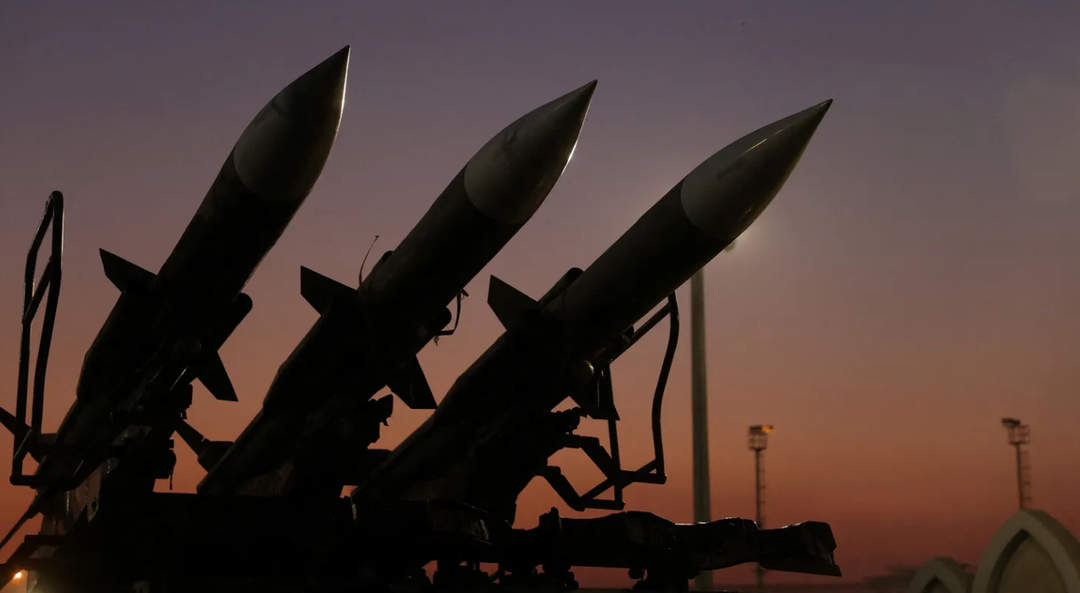
- Iranian retaliation has widened the conflict beyond Iran and is very likely to continue over the next 0-14 days. On 2 September, Iran reportedly launched missile and drone attacks against US bases or interests in Jordan, Iraq and Bahrain. The IRGC separately claimed attacks against facilities in Kuwait, the United Arab Emirates, Jordan, Bahrain and Iraq. Jordan reported that 13 ballistic missiles entered its airspace, with ten intercepted and three falling in uninhabited areas, while Bahrain reported intercepting several Iranian air attacks. US Central Command reported strikes against IRGC targets in Iran on 1 September, and President Donald Trump threatened a harder response to further Iranian retaliation. The target list remains contested, especially for Kuwait and the UAE. This is an assessed judgement with medium confidence. (Confidence: medium · ASSESSED)
- I&W: Official statements from Kuwait or the United Arab Emirates confirm impacts at named facilities, or Iran claims another missile or drone salvo against US-linked sites. (0-14 days)
- I&W: No additional Iranian missile or drone launches are reported against Jordan, Iraq, Bahrain, Kuwait or the United Arab Emirates for 14 days, and Washington does not announce another strike on IRGC targets. (0-14 days)
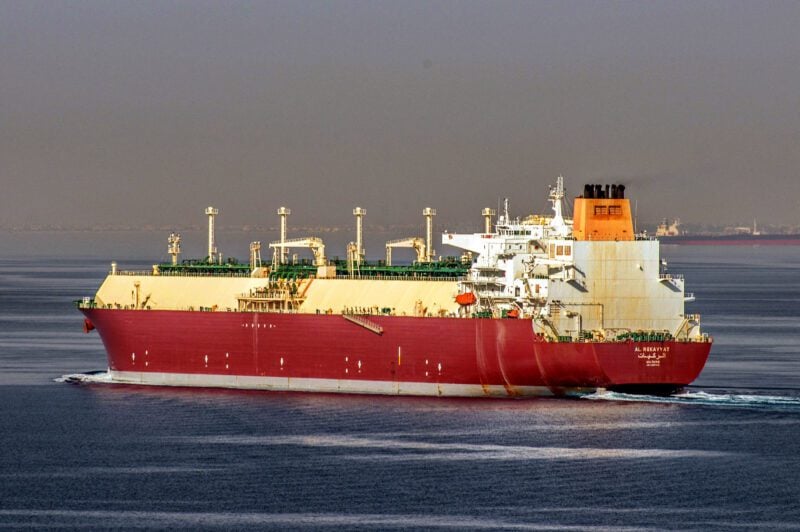
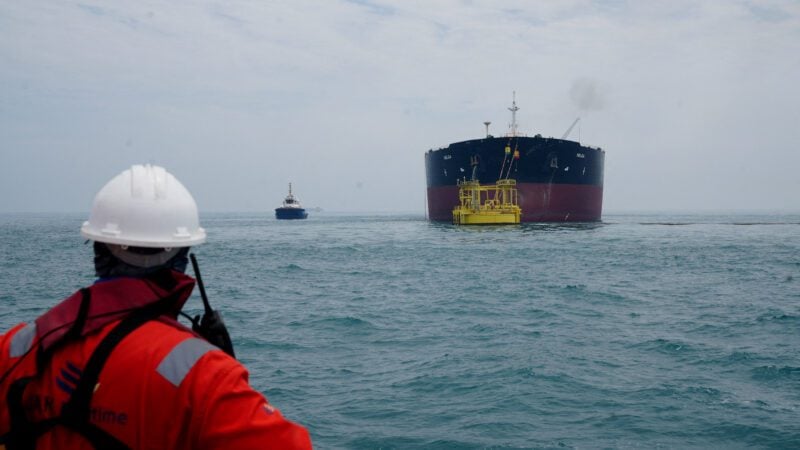
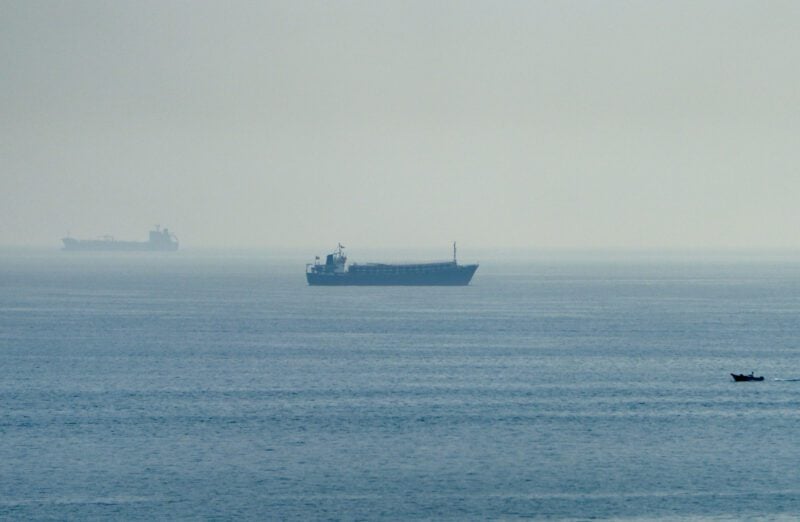
- Commercial shipping through the Strait of Hormuz is very likely to remain severely disrupted over the next 0-14 days, while a complete physical closure is unlikely. UK Maritime Trade Operations and Bahri confirmed two seafarer deaths linked to the Sidr incident, and reporting identified two Saudi oil supertankers struck by unknown projectiles on 31 August. Saudi Arabia attributed the Sidr attack to Iran, but Bahri reported that no actor had claimed responsibility. Ongoing warnings about drifting or uncharted mines, uncertainty over safe use of the Traffic Separation Scheme, and continued attacks reported along the southern route indicate that mine clearance has not restored normal maritime security. Ship-to-ship LNG transfers outside the strait and delivery of cargoes to India and Japan show that some traffic is continuing through workarounds. Confidence is medium because attribution and mine status remain disputed across otherwise reliable reporting. (Confidence: medium · ASSESSED)
- I&W: UK Maritime Trade Operations or Bahri confirms another tanker strike, seafarer casualty or delayed security incident in or near the Strait of Hormuz. (0-14 days)
- I&W: Maritime authorities and ship-tracking data show sustained unrestricted Traffic Separation Scheme transits without attacks or mine warnings for 14 consecutive days. (0-14 days)
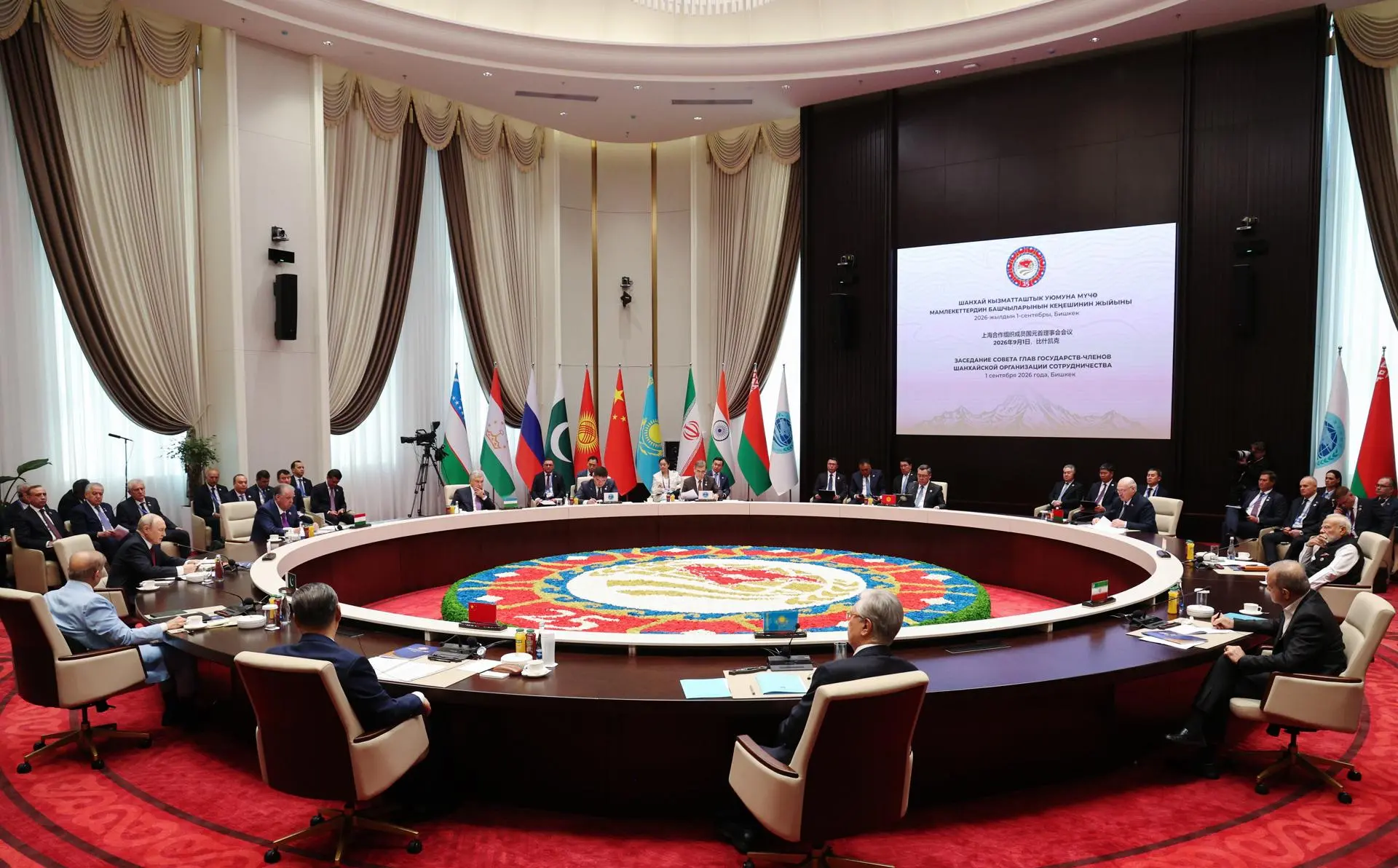
- A broad US-Iran de-escalation is unlikely over the next 0-14 days, while public diplomatic signalling is likely to continue. Iranian President Masoud Pezeshkian said Tehran would reciprocate immediately if Washington honoured its commitments under the June Memorandum of Understanding. President Trump has reportedly ruled out the diplomatic option and threatened a harder response to further Iranian retaliation. Qatar, Egypt and Jordan have condemned Iranian attacks, while the Shanghai Cooperation Organization has urged a political and diplomatic resolution. These positions show continued diplomatic messaging but no clear basis for an operating ceasefire process. Confidence is medium. The judgement relies partly on a single social media report concerning Trump's rejection of diplomacy. (Confidence: medium · ASSESSED)
- I&W: Washington and Tehran appoint emissaries or announce talks explicitly tied to implementing the June Memorandum of Understanding. (0-14 days)
- I&W: President Trump announces additional strikes, or Iran or the IRGC announces another retaliation without a parallel announcement of talks. (0-14 days)
- US and allied economic pressure on Iran is very likely to intensify over the next 0-14 days, while Iranian financial stress is very likely to persist over 1-3 months. Treasury Secretary Scott Bessent said Washington was likely to announce bank sanctions during the week of 1 September and the following week. Washington is deploying secondary sanctions under Operation Economic Outcast, and the European Union has announced support for the operation. Iran's rial reached 2.20 million to the US dollar in Tehran on 2 September, nearly 10 per cent above the previous record, while Asian spot LNG prices reached USD 23.20 per million British thermal units. The launch and ownership of Operation Economic Outcast are described inconsistently, and China's continued purchase of more than 80 per cent of Iranian oil shipments provides an unresolved source of economic resilience. Confidence is medium. (Confidence: medium · ASSESSED)
- I&W: The US Treasury announces the promised bank sanctions, or the European Union publishes additional measures aligned with Operation Economic Outcast. (0-14 days)
- I&W: The rial trades above 2.20 million per US dollar for five consecutive sessions, or Asian spot LNG remains above USD 23.20 per million British thermal units for five trading days. (0-14 days)
- A direct Iran-Israel exchange remains unlikely over the next 0-14 days but would be a high-impact escalation pathway. The available reporting describes Iranian attacks against US-linked positions and commercial shipping rather than a confirmed Iranian attack on Israel. Israeli Defence Minister Israel Katz has nevertheless threatened a response with great force to any Iranian attack on Israel. Confidence is low because the judgement is an inference from a stated Israeli response posture and the absence of a confirmed Iranian strike on Israel in the provided reporting. (Confidence: low · ASSESSED)
- I&W: Iran announces or launches missiles or drones against Israel, followed by an Israeli announcement of strikes against Iranian targets. (0-14 days)
- I&W: Iranian operations remain confined to US-linked positions and maritime targets for 14 days, while Israel reports no new Iranian attack. (0-14 days)
Outlook & scenarios
Continued regional exchange and maritime disruption (65%)
This is the most likely scenario over the next 0-14 days. US strikes on IRGC targets are followed by further Iranian missile and drone attacks against US-linked positions in Jordan, Iraq, Bahrain, Kuwait or the United Arab Emirates, while tanker attacks and mine warnings keep Hormuz traffic below normal. Jordanian and Bahraini interceptions reduce immediate casualties in those states but do not remove the risk of repeated launches.
Temporary containment with diplomatic signalling (30%)
This is an unlikely but plausible scenario. Washington limits further strikes, Tehran does not launch another major salvo, and Pezeshkian's conditional reference to the June Memorandum of Understanding is followed by renewed contact. Public condemnations and mediation efforts continue, but shipping remains constrained until maritime operators receive sustained evidence of safe passage.
Economic squeeze with partial shipping workarounds (55%)
This is a likely 1-3 month outcome even if the military exchange pauses. US and European financial measures intensify, Iran's rial remains under pressure, and LNG and oil cargoes continue moving through ship-to-ship transfers and alternative routes rather than normal Hormuz transits. China's role as a major buyer of Iranian oil limits the clarity of the sanctions effect.
Direct Iran-Israel exchange (15%)
This is a very unlikely but high-impact wildcard over the next 0-14 days. An Iranian attack on Israel would activate Israel Katz's stated commitment to respond with great force and could add a direct Iran-Israel front to the existing US-Iran exchange. The most immediate warning would be a confirmed Iranian strike on Israel followed by Israeli strikes against Iranian targets.
Recommendations
- Maintain a daily incident ledger that separates confirmed events from official claims and disputed attribution. Give priority to statements from US Central Command, the Jordanian army, Bahrain, Kuwait, the United Arab Emirates, UK Maritime Trade Operations and Bahri.
- Treat the Sidr attack attribution as unresolved. Report the confirmed deaths and tanker damage separately from Saudi Arabia's attribution to Iran and Bahri's statement that no actor claimed responsibility.
- Track the full geography of Iranian retaliation as three separate categories: confirmed Jordanian and Bahraini interceptions, reported attacks in Iraq, and contested reporting concerning Kuwait and the United Arab Emirates. Do not treat Saudi Arabia as a confirmed target without independent corroboration.
- Keep the Strait of Hormuz assessed as operationally unsafe until maritime authorities and ship-tracking data show sustained unrestricted Traffic Separation Scheme transits without new attacks or mine warnings. Track ship-to-ship LNG transfers as workarounds rather than evidence of restored normal traffic.
- Prioritise four near-term warning indicators in daily updates: another Iranian missile or drone salvo, another UK Maritime Trade Operations tanker incident, activation of US-Iran contact under the June Memorandum of Understanding, and the US Treasury announcement of bank sanctions.
- Separate the Israel-specific warning line from the wider US-Iran exchange. A confirmed Iranian strike on Israel followed by an Israeli strike against Iranian targets should trigger immediate reassessment of the direct Iran-Israel escalation scenario.
- Track the rial and Asian spot LNG prices alongside military developments. A further rial record or sustained LNG prices above the reported USD 23.20 per million British thermal units level would indicate that financial and energy effects are broadening.
Confidence & uncertainty
Overall confidence is high because the main developments are corroborated by multiple high-confidence reporting streams, including US Central Command, the Jordanian army, Bahrain, UK Maritime Trade Operations, Bahri, ship-tracking firms and major media. The core findings, US strikes on IRGC targets, Iranian attacks beyond Iran's borders, tanker casualties and continuing shipping disruption, are supported by more than one source type. The main uncertainties concern the full geography of Iranian attacks, responsibility for the Sidr incident, the status of residual mines and the likely effectiveness of sanctions. These uncertainties lower confidence in attribution and forecasting, but not in the broad assessment of regional escalation and maritime disruption.
Intelligence gaps
- [EEI 1.1 · PARTIAL] Detection and characterization of ballistic/cruise missile or rocket launches originating from Iranian territory or from Iran-controlled positions in Iraq/Syria (time, launch coordinates, missile type, flight trajectory/impact area). Recommended collection: satellite/imagery
- [EEI 1.2 · UNCOVERED] Movements and posture changes of Iran-backed proxy forces (Hezbollah units in Lebanon, militias in Syria/Iraq): concentrations of personnel, transport of rocket/artillery launchers, visible logistics build-up within operational range of Israel. Recommended collection: human/intel
- [EEI 1.3 · PARTIAL] Israeli defensive and offensive posture changes: reservist call-ups, mobilization orders, sorties/airstrikes attributed to Israel, and domestic activation of missile-defense systems (locations and activation times). Recommended collection: open-source/media
- [EEI 2.1 · PARTIAL] Movements and tasking changes of external military assets: carrier strike groups, amphibious ready groups, expeditionary air wings, or ballistic-missile defense units into the Eastern Mediterranean, Persian Gulf, or Red Sea (vessel/aircraft IDs, routing, on-station times). Recommended collection: maritime/AIS
- [EEI 2.2 · PARTIAL] Formal diplomatic/military actions: evacuation orders or embassy closures, public troop posture statements, bilateral/multilateral defense commitments announced, requests for overflight or basing rights in regional states. Recommended collection: diplomatic
- [EEI 2.3 · PARTIAL] Changes to force protection or alert levels at foreign bases in the region (e.g., US bases in Kuwait, Qatar, UAE; Russian bases in Syria): activation of additional air defenses, curfews, or reinforcement shipments (personnel/equipment manifests). Recommended collection: signals/intel
- [EEI 3.2 · UNCOVERED] Changes in crude oil and refined product flows from key terminals (reported tanker loading delays, terminal closures, throughput volumes at Kharg, Mina al-Ahmadi, Ras Tanura, and major Gulf ports compared to baseline). Recommended collection: commercial/ports
TLP:CLEAR