TLP:CLEAR · Disclosure is not limited.
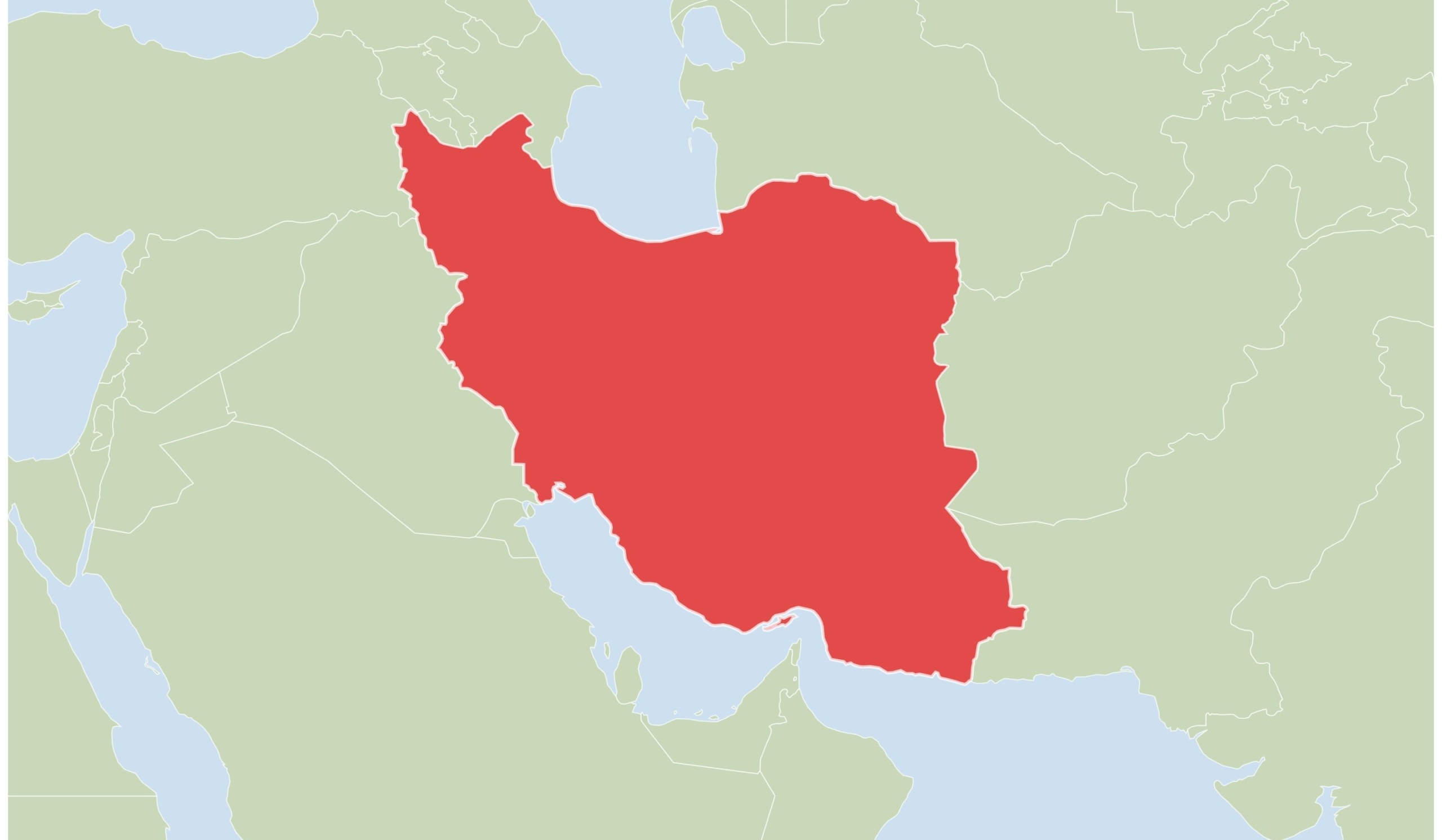
Middle East: Wider-War Risk Persists as Iran-Israel Conflict Stalls
Time window: Last 7 days · Audience: General analyst · Type: Situation report · DTG: 2026-08-24 06:13Z · Overall confidence: MEDIUM
BLUF
The Iran-Israel conflict is very likely to remain unstable over the next 30 days, with no durable settlement in sight and the ceasefire picture contested. The immediate wider-war risk is concentrated in southern Lebanon, attacks on US regional assets, and continued disruption in the Strait of Hormuz.
Executive summary
During 17 to 24 August 2026, reporting depicts a quiet but tense US-Iran confrontation rather than a settled truce. Iran reportedly used the diplomatic pause to strengthen its military, tighten domestic security and prepare regional allies, while US negotiations remained paused. Iran is enforcing selective passage through the Strait of Hormuz, which JMIC continues to rate as SEVERE, although commercial traffic and oil-flow figures conflict. Israeli operations in southern Lebanon continue, and UN reporting on 20 August said that 94 per cent of Gaza's 2.1 million residents need shelter. The evidence indicates sustained regional exposure, but contradictory ceasefire timelines and inconsistent shipping and casualty data limit confidence in the precise trajectory.
Key judgments
- The US-Iran-Israel conflict is very likely to remain in a quiet but unstable phase over the next 30 days rather than move to a durable settlement. Reporting is internally inconsistent on the ceasefire status: one account describes a tense partial ceasefire between Israel and Hamas, while other reporting says the US-Iran ceasefire deal collapsed on 8 July and that Trump declared it over on 10 July. Iran's reported military strengthening, tighter domestic security and preparation of regional allies indicate that the diplomatic pause has not removed escalation capacity. (Confidence: medium · ASSESSED)
- I&W: Confirm: Iran maintains heightened domestic security and regional-allied readiness while US-Iran negotiations remain paused. (0-14 days)
- I&W: Break: The US and Iran announce an enforceable ceasefire and a signed implementation timetable for outstanding arrangements. (0-30 days)
- There is a roughly even chance that the conflict will widen through Lebanon over the next 30 days. UNIFIL reported 86 Israeli airspace violations, nine Israeli airstrikes and 265 projectiles in southern Lebanon between Monday and Wednesday, while Israeli airstrikes and demolitions continue and Israel reportedly began occupying southern Lebanon in March. The inference that Iran's prepared regional allies will intervene remains unconfirmed, so confidence is medium rather than high. (Confidence: medium · ASSESSED)
- I&W: Confirm: UNIFIL or another reliable source records a new cluster of Israeli airstrikes, demolitions or projectiles in southern Lebanon, or a named Iran-aligned group conducts a cross-border attack. (0-14 days)
- I&W: Break: UNIFIL reports a sustained halt in Israeli airstrikes and airspace violations in southern Lebanon, with no named Iran-aligned group attack. (0-30 days)
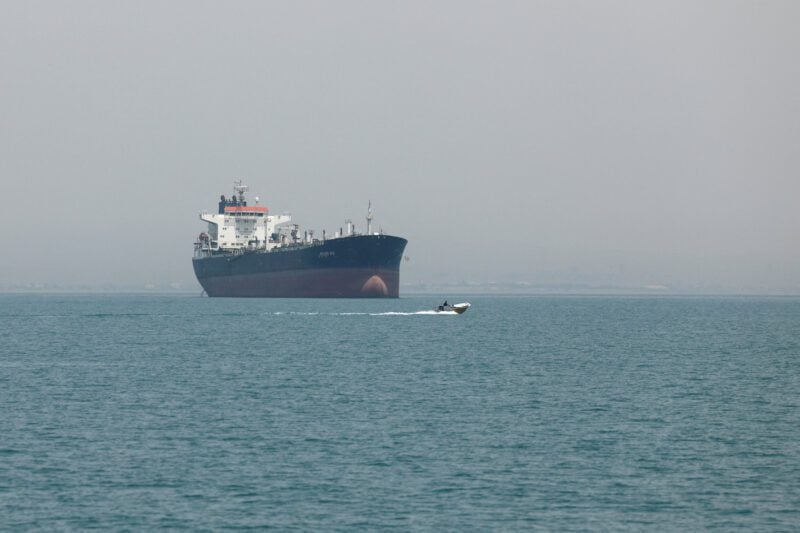
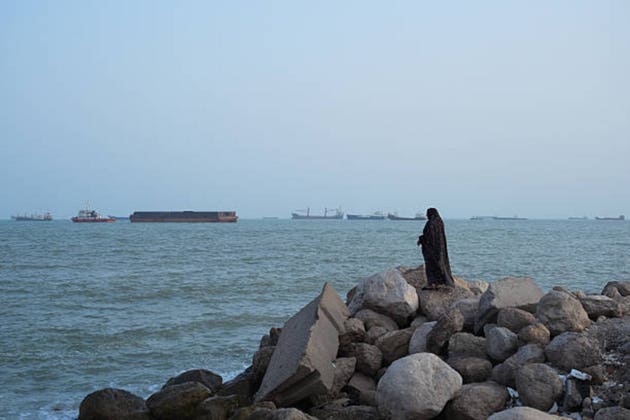
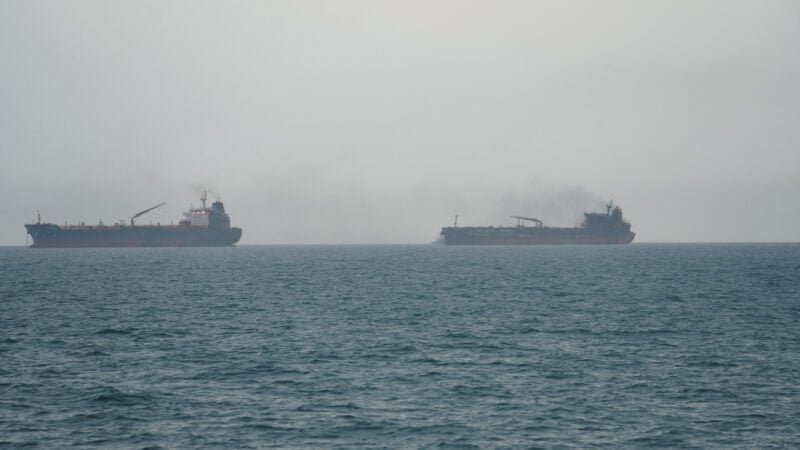
- The Strait of Hormuz is very likely to remain severely disrupted over the next 30 days, although the volume of oil moving through it remains unresolved. Iran is implementing selective passage and has authorised some Iraqi oil tankers to cross. JMIC rates the threat level as SEVERE, Kpler reported a 19.5 per cent weekly fall in confirmed crossings to 95, and commercial tracking shows traffic well below pre-war levels. These findings conflict with claims of more than 15 million barrels moved in one operation and an average flow above 8 million barrels per day. (Confidence: medium · ASSESSED)
- I&W: Confirm: JMIC retains a SEVERE threat rating and Kpler records another week with confirmed crossings below 100. (0-14 days)
- I&W: Break: Commercial tracking shows ordinary traffic returning to pre-war levels and Iran ends selective passage requirements. (1-3 months)
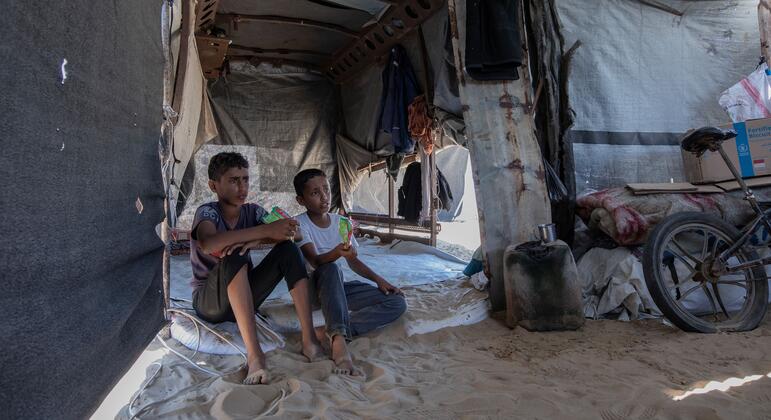
- Gaza's humanitarian crisis is very likely to remain acute over the next 30 days despite the reported partial ceasefire. UN agencies and partners report that 94 per cent of Gaza's 2.1 million residents need shelter, more than four out of five families face critical or catastrophic living conditions, and $562 million is needed to improve living conditions. The continuation of Israeli gunfire and strikes and the rejection of a 15-point Gaza proposal reduce the prospect of rapid relief. (Confidence: high · ASSESSED)
- I&W: Confirm: UN agencies report that shelter need remains near 94 per cent or that critical and catastrophic conditions affect more than four out of five families. (0-14 days)
- I&W: Break: UN agencies document a sustained reduction in shelter need and critical or catastrophic conditions alongside a measurable increase in aid access. (1-3 months)
- US forces are likely to remain direct targets of Iranian retaliation over the next 30 days, keeping the conflict regional rather than bilateral. Iran has reportedly used missile and drone attacks against Israel, US military bases and Arab countries, while US casualty reporting places wounded service members above 750. Confidence is medium because the casualty figures differ between 757 and a less precise total of more than 750, and the Pentagon has reportedly been slow to disclose losses. (Confidence: medium · ASSESSED)
- I&W: Confirm: Iran or a named Iran-aligned force conducts a new missile, drone or maritime attack on a US base, vessel or other US asset. (0-14 days)
- I&W: Break: US and Iran restore negotiations and no new Iranian strike on US assets is recorded. (0-30 days)
Outlook & scenarios
Tense pause with contained strikes (46%)
This is the most likely outcome. US-Iran negotiations remain paused, Iran maintains selective passage through Hormuz, and Israel continues limited operations in southern Lebanon. Gaza's partial ceasefire holds unevenly, but the humanitarian emergency persists. The parties avoid a new campaign against each other's core territory.
Renewed US-Iran strike cycle (28%)
A renewed strike cycle is likely if Iran or an aligned force attacks a US asset, or if pressure over Hormuz intensifies. The US resumes strikes or blockade enforcement, Iran retaliates against US bases and regional partners, and commercial traffic through Hormuz falls further. Israeli operations in Lebanon increase the risk of simultaneous fronts.
Managed de-escalation and partial reopening (18%)
This outcome is unlikely but plausible. Oman sustains mediation, Washington and Tehran reopen talks, and Iran expands passage permissions beyond selected Iraqi tankers. Hormuz traffic begins to recover, while the Israel-Hamas partial ceasefire holds and additional humanitarian access reaches Gaza.
Wildcard: multi-front regional break-out (8%)
This unlikely, high-impact outcome would combine a new Iranian or Iran-aligned attack on US assets with intensified Israeli operations in southern Lebanon and renewed attacks affecting commercial shipping. The result would be a sharp fall in Hormuz traffic, greater pressure on Gulf states and a deeper humanitarian crisis in Gaza.
Recommendations
- Maintain a 0-14 day warning watch focused on southern Lebanon, US military assets in the region and shipping through Hormuz. Record each new Israeli airstrike, UNIFIL-observed violation, Iranian or Iran-aligned attack, vessel incident and change in passage permissions.
- Reconcile Hormuz reporting daily before using throughput figures in assessments. Compare JMIC threat ratings, Kpler crossing data, ordinary vessel-tracking data and official US oil-flow claims. Treat the reported 15 million barrel movement and the above-8-million-barrel-per-day average as contested until independently reconciled.
- Track the diplomatic channel for concrete changes rather than public statements. Prioritise evidence of a rescheduled US-Iran negotiating session, an implementation timetable, Omani mediation activity and any Israeli or Hamas action that changes the status of the partial ceasefire.
- Use UN reporting as the baseline for Gaza humanitarian analysis. Monitor changes in the 94 per cent shelter requirement, the share of families facing critical or catastrophic conditions, access for aid deliveries and progress towards the $562 million requirement.
- Separate confirmed incidents from attribution claims in open-source reporting. Do not use NASA FIRMS thermal detections or recycled video as proof of a new strike without corroborating location, time and cause.
- Maintain two casualty series for US personnel, one using the Pentagon's reported total and one using the broader casualty database figure. Reconcile changes before drawing conclusions about the pace of US losses or domestic pressure on the conflict.
Confidence & uncertainty
Overall confidence is medium. Multiple high-reliability multilateral, official government and major-media sources corroborate the current humanitarian conditions in Gaza, Israeli military activity in Lebanon and severe risk to shipping through Hormuz. Confidence is reduced by contradictory ceasefire timelines, inconsistent US casualty totals and disagreement between commercial vessel data and official oil-flow claims. Several judgements about Iranian ally intervention and future escalation rely on medium-confidence or partly single-source reporting.
Cited sources
[1] CNN · More than 750 US service members wounded since start of Iran War | CNN Politics (A) · sha256:7b9ff81ca77f [2] Seeking Alpha · Iran uses diplomatic pause to prepare for wider regional war: WSJ (CO1:COM:Commodity) | Seeking Alpha (B) · sha256:c3dfc6100ec8 [3] Harsh Karn · Is the World Heading Toward a Bigger War? (B) · sha256:a1e825a4b6ac [4] tv7israelnews.com · Jerusalem Studio (B) · sha256:db5654393109 [5] Wikipedia · 2026 Iran war (B) · sha256:0700e338ce83 [6] warontherocks.com · What’s Going On In Iran? (C) · sha256:92d4579fa72e [7] United Nations · Middle East: 94 per cent need shelter in Gaza, Israel ramps up demolitions in Lebanon (A) · sha256:aa5d2b0f402c [8] Wikipedia · Iran–Israel proxy conflict (B) · sha256:d7a7ce39c044 [9] skynewsarabia.com · التصعيد بين أميركا وإيران. آخر الأخبار (B) · sha256:b3f9f22dc640 [10] gcaptain.com · Trump Administration Claims Massive Oil Flows Through Hormuz But Industry Data Raises Questions (B) · sha256:8f4f24a9f59d [11] gcaptain.com · Iran Grants Permission For A Number Of Iraqi Oil Tankers To Pass Through Hormuz (A) · sha256:b05a196bce7e [12] gov.uk · Minister renews calls for Israel to allow more aid into Gaza on first visit to the region (A) · sha256:ba76e538e65a [13] Wikipedia · Reactions to the 2026 Iran war (B) · sha256:32d813375717
Source content hashes were computed at collection time; the cited text is preserved unmodified for the life of this product.
TLP:CLEAR