TLP:CLEAR · Disclosure is not limited.
MV Pacific Archer strike raises maritime risk, but Chinese link unverified
Time window: Last 7 days · Audience: General analyst · Type: Situation report · DTG: 2026-11-28 18:08Z · Overall confidence: HIGH
BLUF
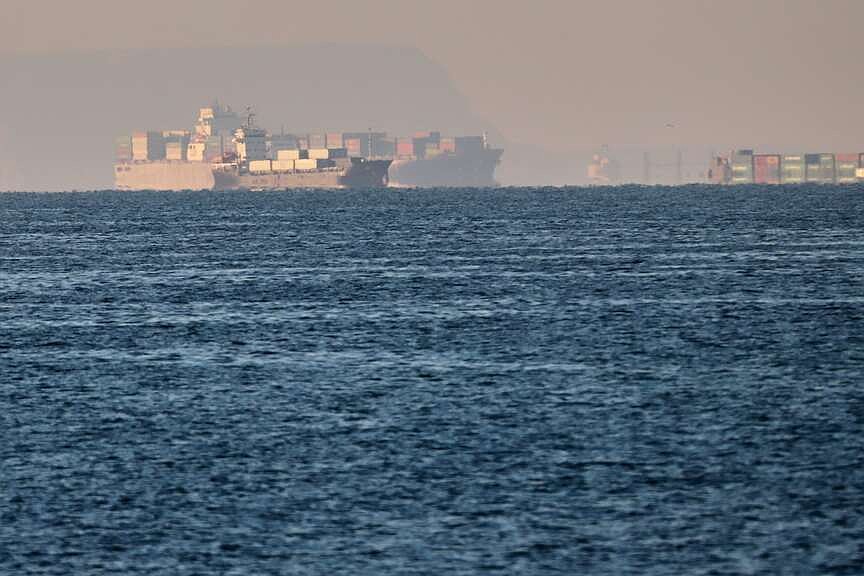
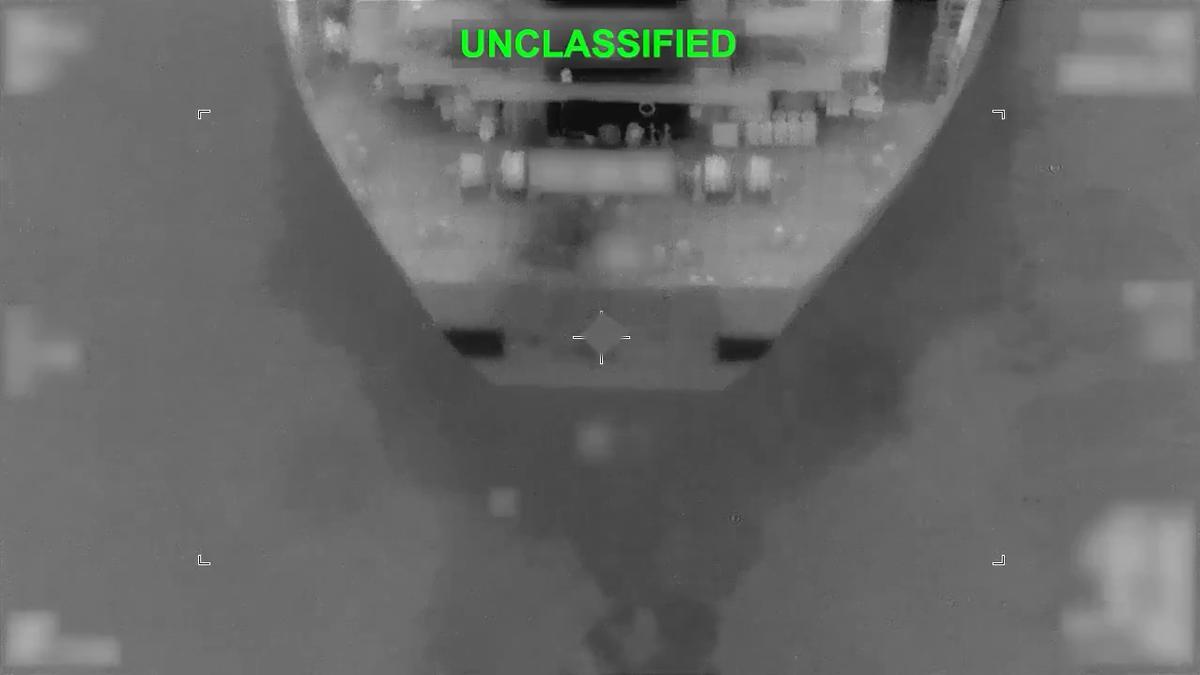
US forces very likely disabled the Palau-flagged M/V Pacific Archer in the Gulf of Oman after it left Bandar Abbas, Iran. The reporting does not establish that the vessel was Chinese-operated or owned, so direct US-China friction from this incident remains unsubstantiated.
Executive summary
US forces struck the M/V Pacific Archer with precision munitions after it departed Bandar Abbas, disabling its propulsion; CENTCOM said the civilian crew was unharmed. Reports differ on whether the strike occurred on 26 or 27 November. The action took place amid a US blockade of Iranian ports, which US reporting says has redirected 158 merchant ships and disabled six that refused to comply. Iranian officials have said operations to break the blockade are underway. Rystad Energy reported that oil flows through the Strait of Hormuz fell by about 20 per cent in the first two weeks of November compared with October. The provided reporting identifies the ship as Palau-flagged, but does not establish Chinese operation or ownership. The IRGC's separate claim that a tanker struck a mine in the Strait of Hormuz remains unverified.
Key judgments
- US forces very likely struck and disabled the M/V Pacific Archer in the Gulf of Oman after it departed Bandar Abbas. Reporting places the action on either 26 or 27 November, while CENTCOM said the civilian crew was unharmed. (Confidence: medium · REPORTED)
- I&W: A CENTCOM clarification or vessel record confirms the strike date as 26 November, supporting the reported event timeline. (0-14 days)
- I&W: A crew, vessel or independent maritime account disputes that the Pacific Archer was struck or that its propulsion was disabled, weakening the reported account. (0-14 days)
- The available reporting does not establish that the M/V Pacific Archer was Chinese-operated or Chinese-owned, or that Beijing has responded to the strike. It identifies the vessel as Palau-flagged, departing Bandar Abbas, with Singapore listed as its destination. (Confidence: medium · ASSESSED)
- I&W: Company, flag-state or port records identify a Chinese beneficial owner or operator, confirming a direct commercial link to China. (0-14 days)
- I&W: Ownership records identify a non-Chinese operator and owner, and Chinese officials issue no statement on the incident, further weakening the China-related framing. (0-14 days)
- Iran is likely to continue contesting the US blockade through announced naval operations and efforts to move shipping, but the available reporting does not independently confirm the scale or nature of those operations. Iranian Navy commander Shahram Irani said operations were underway; the IRGC separately claimed that two tankers attempted an unauthorised Hormuz transit, a claim it said involved a mine strike that remains unverified. (Confidence: medium · ASSESSED)
- I&W: Independent vessel tracking or imagery confirms Iranian naval escorts or an attempted tanker transit through the Strait of Hormuz, supporting continued operational challenges to the blockade. (0-30 days)
- I&W: Iranian officials announce a halt to blockade-breaking operations and no independently verified transit attempts occur, weakening this assessment. (0-30 days)
- Hormuz shipping and oil flows are likely to remain under pressure over the next one to three months if the US blockade continues and Iran keeps contesting it. Rystad Energy reported flows of about 13 million barrels per day in the first two weeks of November, down from roughly 15-16 million barrels per day in October; the IRGC's mine-strike account is not independently verified and should not be treated as confirmed disruption. (Confidence: medium · ASSESSED)
- I&W: Rystad Energy reports Hormuz flows remain near or below 13 million barrels per day in a subsequent period, supporting continued disruption. (1-3 months)
- I&W: Rystad Energy reports flows have returned to roughly 15-16 million barrels per day and CENTCOM reports the blockade has been lifted, breaking this assessment. (1-3 months)
- An Israeli unilateral strike on Iran by 1 December is unlikely, but remains a high-impact wildcard. Reporting about Netanyahu's intentions is thin and inconsistent: accounts differ on whether he is seeking US participation, whether Israel would act alone, and which targets are under consideration. (Confidence: low · ASSESSED)
- I&W: An Israeli government or military statement, or a verified report of an Israeli strike on Iran, confirms movement towards unilateral action. (0-14 days)
- I&W: Israeli officials publicly rule out unilateral strikes and no verified strike occurs by 1 December, weakening the reported near-term warning. (0-14 days)
Outlook & scenarios
Continued blockade enforcement without direct US-Iran combat (55%)
The US continues redirecting ships and disabling vessels that defy the blockade. Iran sustains public threats and limited efforts to challenge enforcement, but neither side initiates a broader exchange. Shipping remains constrained and the Pacific Archer incident produces no established China-related response.
Iranian maritime challenge triggers a wider exchange (25%)
Iranian forces attempt to escort or move shipping through the Strait of Hormuz, and US forces intervene. A clash involving a tanker, naval unit or additional merchant vessel increases the risk of further attacks and deeper disruption to oil flows. The reported mine incident remains unverified unless independent evidence emerges.
Negotiations reduce maritime pressure (15%)
US and Iranian officials pursue an agreement, consistent with President Trump's stated preference to give Iran a chance to make a deal. A pause or relaxation of blockade enforcement reduces the immediate risk to merchant shipping, although the reported gap between November and October oil flows would take time to assess.
Israeli action widens the conflict (5%)
Israel launches a unilateral strike on Iran, despite unresolved reporting about Netanyahu's plans and the target set. Iran responds, diverting attention from the maritime blockade and raising the risk of attacks on regional military sites and shipping. This is a low-probability, high-impact scenario, and the reporting behind it is weak.
Recommendations
- Treat Chinese operation or ownership of the M/V Pacific Archer as unverified. Check beneficial ownership, ship management, charter and flag-state records before describing the strike as an attack on Chinese commercial interests.
- Keep the 26 November strike date separate from the 27 November reporting and announcement date. Seek a CENTCOM clarification and an independent vessel or crew account before using a single date in assessments.
- Track Iranian naval statements separately from independently observed activity. Do not present the IRGC's tanker mine-strike claim as confirmed; record the reported CENTCOM rejection as low-confidence until corroborated.
- Use Rystad Energy's November flow estimate as a baseline and update it against subsequent reporting. Distinguish measured oil-flow changes from unverified claims about individual tanker incidents.
- Do not present a possible Israeli strike by 1 December as confirmed policy. Seek corroboration on Israeli intent, US participation and the reported target set before adjusting escalation estimates.
Confidence & uncertainty
Overall confidence is high for the core event: several reports identify the M/V Pacific Archer, its departure from Bandar Abbas and its disablement, while attributing the account to CENTCOM. Much of the corroboration repeats the US military's description rather than providing independent physical verification. Confidence is lower on the exact strike date, any Chinese ownership or operational link, the IRGC's tanker mine claim and reports of possible Israeli action.
Red cell review: CONCUR WITH COMMENT
TLP:CLEAR