TLP:CLEAR · Disclosure is not limited.
Myanmar: ICJ Rohingya finding corroborated, post-coup 100,000 death toll unsubstantiated
Time window: Last 1 day · Audience: General analyst · Type: Situation report · DTG: 2026-11-20 14:37Z · Overall confidence: HIGH
BLUF
The supplied reporting strongly corroborates the ICJ’s 19 November 2026 finding that Myanmar committed genocide against the Rohingya in northern Rakhine, in relation to events in 2016-2017. It does not substantiate a UN-documented death toll above 100,000 since the 2021 coup or establish intensified recent Tatmadaw attacks on civilians.
Executive summary
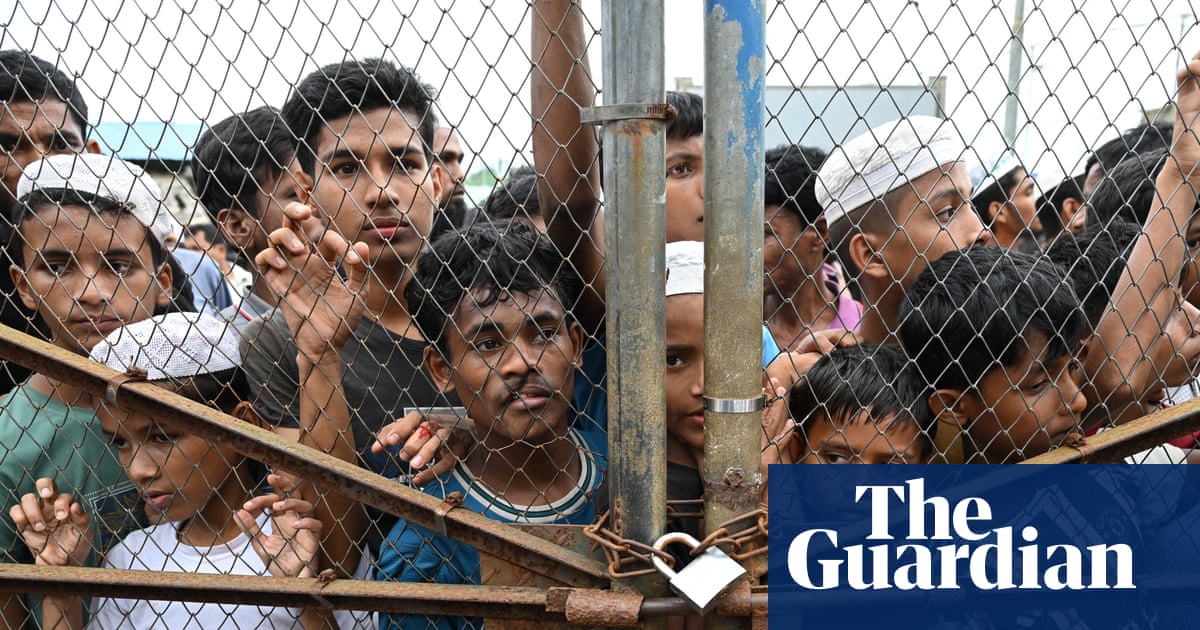
The ICJ ruled by nine votes to six that Myanmar was responsible for genocide against the Rohingya, concerning the military operations in northern Rakhine in 2016-2017. The reported death toll for those operations is about 10,000, a separate figure from any post-coup total. Most supplied accounts put the 2017 Rohingya flight to Bangladesh at roughly 700,000 to 750,000; one gives a higher figure of more than one million, leaving the scope of that count unresolved. The reporting also says the Arakan Army controls most of Rakhine and that UN investigators documented abuses against Rohingya under its rule. The UK announced the expulsion of Myanmar’s Defence Attaché and called for a UN Security Council session; the EU urged implementation of the judgment, while Myanmar rejected it and China criticised the court’s approach.
Change from previous assessment
Since the 19 November prior brief, the supplied reporting adds broader corroboration and detail on the ICJ’s genocide finding, including its nine-to-six vote and the distinction between the 2017 Rohingya death toll and the claimed post-coup total. It also adds Myanmar’s and China’s public objections, the EU’s call for implementation, and reporting on Arakan Army control and abuses in Rakhine. The assessment that the post-coup figure above 100,000 is unsubstantiated is unchanged. The prior brief’s low-confidence report of an 18 November airstrike in Ngapali is not corroborated by the current claims and is not carried forward as a finding.
Key judgments
- The ICJ held Myanmar responsible for genocide against the Rohingya in northern Rakhine, based on events in 2016-2017, and the judgment’s central finding is strongly corroborated. The court’s finding concerns Myanmar as the state respondent; reports that attribute the legal ruling directly to the Tatmadaw conflate state responsibility with the armed forces’ actions. The court and multiple major-media reports identify about 10,000 Rohingya deaths during the 2017 operations, not a post-coup civil-war total. (Confidence: high · REPORTED)
- I&W: The ICJ’s published operative judgment continues to identify Myanmar as the state held responsible and records the genocide finding. (0-14 days)
- I&W: An ICJ corrigendum or official clarification changes the operative finding or the recorded vote. (0-14 days)
- The supplied record does not substantiate a UN Human Rights Office-documented cumulative death toll above 100,000 since the 2021 coup, or a current pattern of intensified Tatmadaw attacks on civilians. The record instead supports a figure of about 10,000 deaths in the 2017 Rohingya operations. This is a low-confidence assessment of the material provided, not a finding that the actual post-coup toll is below 100,000. (Confidence: low · ASSESSED)
- I&W: The UN Human Rights Office publishes a cumulative, methodologically defined death toll above 100,000 for the period since the 2021 coup. (0-14 days)
- I&W: A review of UN Human Rights Office publications finds no such post-coup total and confirms that the cited figure of about 10,000 concerns the 2017 operations. (0-14 days)
- The Arakan Army controls most of Rakhine, and UN investigators have documented forced recruitment, movement restrictions, arbitrary killings and other abuses against Rohingya under its rule. This current operating picture rests on one major-media account, including its reporting of UN investigators’ findings, so confidence is medium; it does not establish recent Tatmadaw attacks. (Confidence: medium · REPORTED)
- I&W: A follow-up report by UN investigators identifies new cases of forced recruitment, movement restrictions or arbitrary killings of Rohingya in areas under Arakan Army rule. (1-3 months)
- I&W: Updated reporting on territorial control shows the Arakan Army no longer holds most of Rakhine. (1-3 months)
- The ruling has prompted public diplomatic pushback and calls for implementation. The UK announced the expulsion of Myanmar’s Defence Attaché and called for a UN Security Council session; the EU demanded implementation, while Myanmar called the ruling unfair and China criticised the ICJ’s approach. Confidence is medium because the UK measures are supported by an official statement, while the other governments’ positions are reported by major media. (Confidence: medium · REPORTED)
- I&W: The UK formally pursues its requested UN Security Council session, or the Council schedules a session on the judgment. (0-14 days)
- I&W: Myanmar announces a concrete step to implement an ICJ-ordered measure, rather than restating its rejection of the ruling. (0-14 days)
Outlook & scenarios
The ruling remains a point of diplomatic dispute (60%)
The most likely near-term path is continued public disagreement over the judgment. Myanmar maintains its rejection, China continues to criticise the court’s approach, and the UK and EU press for discussion or implementation. Public statements do not by themselves establish compliance with the ICJ’s orders.
A limited implementation signal emerges (30%)
Myanmar issues a concrete, verifiable commitment on an ICJ-ordered measure, such as investigation of suspected perpetrators or conditions for safe, voluntary and dignified Rohingya return. This would mark a change from its reported rejection of the judgment, but would not by itself demonstrate implementation.
Renewed large-scale Rohingya displacement (10%)
A renewed large flight of Rohingya from Rakhine into Bangladesh is very unlikely in the near term, but would have high humanitarian impact. The Arakan Army’s reported control of most of Rakhine and documented abuses under its rule make protection conditions in the state a key watch item.
Recommendations
- Keep the 2017 Rohingya death toll and any post-2021 conflict death count in separate analytical series. Do not use the 100,000 figure as a UN-documented total until a UN Human Rights Office publication specifies its timeframe, population and counting method.
- Track the ICJ’s operative orders separately from government statements. Record any verifiable Myanmar action on investigation, reparations or safe Rohingya return, and distinguish a scheduled UN Security Council session from the UK’s call for one.
- Task analysts to check follow-up UN reporting on Rohingya conditions under Arakan Army control in Rakhine. Attribute reported abuses to the named actor and do not infer Tatmadaw responsibility from evidence concerning Arakan Army rule.
- Reconcile the 2017 displacement figures before using them in estimates. Most supplied accounts report roughly 700,000 to 750,000 people fleeing, while one reports more than one million; establish whether the larger figure includes earlier displacement.
Confidence & uncertainty
High confidence is warranted for the ICJ finding and the reported 2017 context: the judgment is supported by a legal-document claim and multiple independent major-media accounts. Confidence is lower on the brief’s central post-coup death-toll assertion because the supplied reporting contains no UN Human Rights Office total above 100,000 and no corroborated evidence of intensified recent Tatmadaw attacks. The headline confidence reflects the strongly corroborated underlying legal event, not validation of that unsupported assertion.
Intelligence gaps
- [EEI 1.1 · PARTIAL] Geolocated airstrikes, artillery strikes, raids, arson attacks, and mass-casualty incidents attributed to junta forces during the reporting period. Recommended collection: OSINT/geospatial and local human-rights reporting
- [EEI 1.2 · UNCOVERED] Changes in the weekly number of civilian deaths, injuries, detentions, enforced disappearances, and reported attacks compared with the preceding four weeks. Recommended collection: UN reporting and incident-monitoring databases
- [EEI 1.3 · UNCOVERED] Junta force movements, aircraft sorties, artillery deployments, and preparations near densely populated areas or displacement concentrations. Recommended collection: commercial satellite imagery, local reporting, and military-source reporting
- [EEI 2.1 · PARTIAL] Newly displaced civilians by state or region, including the number of people fleeing each major attack area and the direction of movement. Recommended collection: UN OCHA, humanitarian partners, and local civil-society reporting
- [EEI 2.2 · PARTIAL] Access conditions and stock levels for food, medicine, fuel, shelter, and clean water in conflict-affected townships. Recommended collection: humanitarian field reporting and satellite imagery
- [EEI 2.3 · UNCOVERED] Closure or damage of hospitals, schools, markets, roads, bridges, and aid facilities in areas experiencing intensified attacks. Recommended collection: local reporting, NGO reporting, and commercial satellite imagery
- [EEI 2.4 · PARTIAL] Changes in cross-border refugee flows and requests for emergency assistance in neighboring countries. Recommended collection: border authorities, UNHCR, and humanitarian reporting
- [EEI 3.1 · PARTIAL] Resistance attacks, territorial gains, loss of key transport routes, and changes in control of towns or administrative centers. Recommended collection: conflict-event databases, local media, and geospatial analysis
- [EEI 3.3 · UNCOVERED] Evidence of resistance forces establishing evacuation routes, civilian-protection arrangements, local administration, or restrictions on attacks affecting civilian areas. Recommended collection: local governance reporting, NGO interviews, and resistance statements
- [EEI 3.4 · UNCOVERED] Changes in resistance access to weapons, ammunition, drones, communications equipment, training, and cross-border logistical support. Recommended collection: weapons-tracking reporting, border reporting, and imagery analysis
- [EEI 4.1 · UNCOVERED] New arms transfers, aviation fuel deliveries, spare-parts shipments, financial flows, or maintenance support reaching the junta. Recommended collection: customs data, sanctions investigations, shipping databases, and commercial imagery
- [EEI 4.3 · PARTIAL] Changes in neighboring states' border controls, refugee policies, cross-border aid access, and engagement with junta or resistance representatives. Recommended collection: official statements, border reporting, and diplomatic reporting
- [EEI 4.4 · UNCOVERED] Changes in commercial aviation-fuel prices, war-risk insurance, shipping access, or banking restrictions affecting junta-controlled ports and airports. Recommended collection: maritime/shipping data, financial reporting, and sanctions-monitoring sources
Red cell review: CONCUR WITH COMMENT
TLP:CLEAR