TLP:CLEAR · Disclosure is not limited.
Nepal: deadly protests force a political transition
Time window: Last 1 day · Audience: General analyst · Type: Situation report · DTG: 2026-10-18 08:05Z · Overall confidence: MEDIUM
BLUF
Major-media reporting now supports at least 19 deaths, hundreds of injuries and the use of live ammunition by Nepali security forces in Kathmandu. KP Sharma Oli's reported resignation marks a major political shift, but Sushila Karki's authority, the election timetable and the casualty total remain unevenly corroborated.
Executive summary
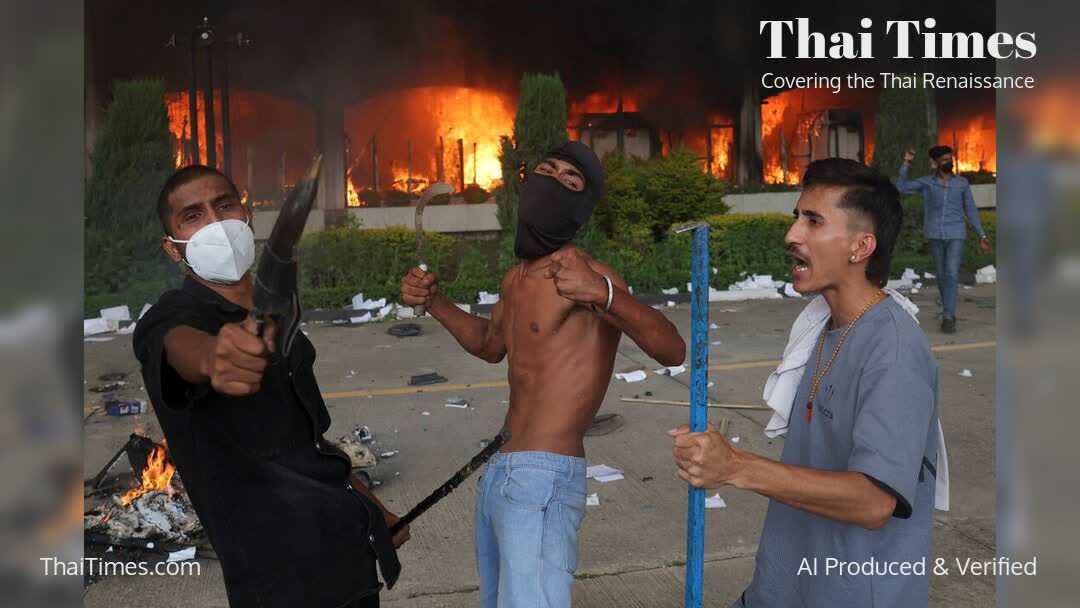
Major-media reporting describes security forces using live ammunition, tear gas, rubber bullets and water cannons against demonstrators in Kathmandu. It reports at least 19 deaths and nearly 400 people treated for injuries; a separate social-media claim of more than 50 deaths is unverified. The government imposed a ban on 26 platforms, including Facebook, WhatsApp, Instagram, YouTube and X, then lifted it as protests grew. Reports say KP Sharma Oli resigned and several ministers stepped down. Sushila Karki is reported to have become interim prime minister, but the supporting reports are less robust. The supplied material also reports fires at political leaders' homes, party offices, parliament and government buildings, and an arrest of former Investment Board Nepal chief Sushil Bhatta in Lalitpur on 17 October 2026. The election schedule and the relative importance of anti-corruption, social-media and student-cost grievances remain unresolved.
Change from previous assessment
Since the 16 October brief, the assessment has changed from treating the death toll and use of lethal force as unverified to treating major-media reporting of at least 19 deaths, hundreds of injuries and live ammunition use in Kathmandu as a credible working baseline. Confidence has risen from low to medium, but not to high, because a social-media claim gives a higher death toll and other political details remain inconsistent. New reporting also describes Oli's resignation, ministerial departures, Karki's reported appointment and Bhatta's reported arrest. The election timetable and protest leadership remain unresolved.
Key judgments
- At least 19 people were killed and nearly 400 were treated for injuries during the protests; Nepali security forces reportedly used live ammunition, tear gas, rubber bullets and water cannons in Kathmandu. Major-media reporting supports this baseline, while the claim of more than 50 deaths rests on a less reliable, uncorroborated social-media report. The exact death toll remains uncertain. (Confidence: medium · REPORTED)
- I&W: Confirm: hospital casualty summaries or independent reporting itemise at least 19 protest-linked deaths and roughly 400 people treated. (0-14 days)
- I&W: Break: hospital records or independent reporting revise the death toll below 19 or show an injury total materially below the reported number treated. (0-14 days)
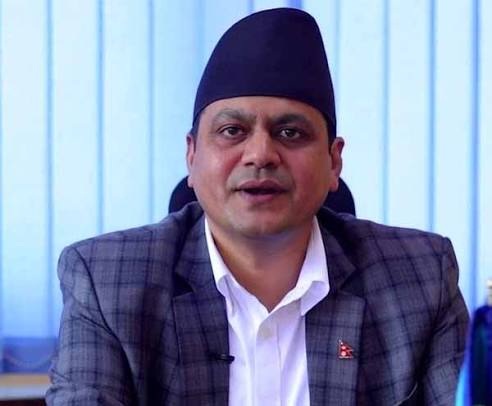
- Nepal is likely undergoing a rapid change of government: major-media reporting says KP Sharma Oli resigned and the interior, finance and health ministers also stepped down. Reports say Sushila Karki was sworn in as interim prime minister after an agreement with protest leaders, but this part of the transition is less securely corroborated. The available reporting does not establish whether the election is scheduled for 5 March 2027 or whether voting in a 2026 snap election has already begun. (Confidence: medium · ASSESSED)
- I&W: Confirm: an official government statement records Karki's appointment and publishes a cabinet list. (0-14 days)
- I&W: Break: an official statement denies Karki's appointment or identifies a different head of government; an official election notice would also resolve the conflicting poll claims. (0-14 days)
- The ban on 26 social-media platforms was likely a catalyst for protest mobilisation, but the supplied reporting does not establish it as the sole or dominant cause. Corruption is a stated grievance; other reporting attributes mobilisation to student concerns over fees, funding and rent, while a major-media claim identifies Sudan Gurung and Hami Nepal as prominent organisers. These accounts may overlap, but the protest's leadership and main demands remain contested. (Confidence: medium · ASSESSED)
- I&W: Confirm: public statements from Sudan Gurung or Hami Nepal identify corruption or the platform ban as central demands. (0-14 days)
- I&W: Break: statements from student leaders identify fees, funding or rent as the primary demands and do not link mobilisation to corruption or the platform ban. (0-14 days)
- Nepal Police reportedly arrested former Investment Board Nepal chief Sushil Bhatta in Lalitpur on 17 October 2026 for investigation into suspected money laundering. This account comes from local media, and police have not publicly disclosed the specific allegations or transactions; the arrest should not be treated as proof of wrongdoing or as evidence of a link to the protests. (Confidence: low · REPORTED)
- I&W: Confirm: Nepal Police or a court publishes a record confirming Bhatta's arrest and specifying the alleged offences. (0-14 days)
- I&W: Break: Nepal Police denies the arrest or an official record shows that the reported arrest did not occur. (0-14 days)
Outlook & scenarios
Interim government consolidates authority (58%)
Likely, an administration led by Sushila Karki takes shape and officials clarify the election schedule. Protest mobilisation eases if the political handover is accepted, although the casualty toll and accountability for the use of force remain sources of pressure.
Protests resume amid unresolved grievances (32%)
Unlikely, but continued disputes over the political handover, protest deaths or the platform ban sustain demonstrations. Further clashes or fires at political and government buildings would raise the risk of renewed violence in Kathmandu and other cities.
Casualty toll and attacks escalate (10%)
Very unlikely, but high impact: independent confirmation of more than 50 deaths coincides with renewed attacks on parliament or government buildings, sharpening confrontation between demonstrators and security forces and further weakening the transition.
Recommendations
- Use at least 19 deaths and nearly 400 people treated as the working casualty baseline. Keep the social-media claim of more than 50 deaths separately labelled as unverified until independent, location-specific reporting supports it.
- Seek hospital and official casualty summaries, with dates and locations, and compare them with major-media field reporting. Record separately deaths, hospital treatments and injuries to avoid conflating the measures.
- Verify Karki's appointment, cabinet formation and the election date against official government notices before treating the transition or election schedule as settled. Reconcile the report of polls on 5 March 2027 with the claim that 2026 voting has begun.
- Obtain Nepal Police or court confirmation of Bhatta's reported arrest and any formal allegations. Do not infer guilt or a connection to the protests from the arrest report.
- Track verified reports of live ammunition, curfews and fires in Kathmandu and other named cities. Preserve the location, time and source for each incident, and distinguish confirmed reporting from social-media claims.
Confidence & uncertainty
Major-media reporting supports the central claims of at least 19 deaths, hundreds of injuries, security-force use of live ammunition and KP Sharma Oli's resignation. Confidence is not high because the casualty figures conflict with a less reliable claim of more than 50 deaths, the reports on Sushila Karki's appointment and the election timetable are inconsistent, and the Bhatta arrest is reported by a single local-media source with key details undisclosed.
Intelligence gaps
- [EEI 1.1 · PARTIAL] Protest-related deaths, injuries, arrests, curfews, road closures, and property damage by location and 24-hour period. Recommended collection: local media/social media
- [EEI 1.3 · PARTIAL] Evidence of protesters acquiring weapons, attacking police or military sites, setting up barricades, or coordinating sustained occupations. Recommended collection: social media/local reporting
- [EEI 1.4 · PARTIAL] Participation by opposition parties, labor unions, civil-society groups, professional associations, or organized criminal networks in protest actions. Recommended collection: political reporting/social media
- [EEI 2.1 · PARTIAL] Deployment changes involving Nepal Police, Armed Police Force, or military units, including reinforcements, checkpoints, crowd-control equipment, and rules of engagement. Recommended collection: official statements/local media
- [EEI 2.3 · UNCOVERED] Government investigations, prosecutions, dismissals, or public apologies concerning deaths and alleged excessive use of force. Recommended collection: official statements/court records
- [EEI 3.1 · PARTIAL] Named protest leaders, online coordination channels, recurring mobilization calls, fundraising activity, and evidence of centralized or decentralized command. Recommended collection: social media/open-source intelligence
- [EEI 3.2 · PARTIAL] Published protest demands concerning corruption, luxury hotels, accountability for deaths, elections, or government resignation, and changes in their wording over time. Recommended collection: protester statements/social media
- [EEI 3.3 · PARTIAL] Meetings or mediation efforts involving government officials, protest representatives, opposition parties, civil-society organizations, or religious leaders. Recommended collection: political and local media
- [EEI 3.4 · PARTIAL] Attendance levels, geographic reach, strike participation, and protest activity after government concessions, force reductions, or leadership changes. Recommended collection: local media/social media
- [EEI 4.1 · PARTIAL] Hospital caseloads, shortages of medical supplies, reported missing persons, displacement, and verified civilian casualty figures. Recommended collection: health authorities/humanitarian reporting
- [EEI 4.2 · UNCOVERED] Closure of airports, border crossings, schools, businesses, banks, hotels, or major transport routes due to unrest. Recommended collection: transport and business reporting
- [EEI 4.3 · UNCOVERED] Changes in tourism bookings, foreign-departure advisories, remittance channels, market indicators, or war-risk and political-risk insurance pricing. Recommended collection: financial/travel reporting
- [EEI 4.4 · UNCOVERED] Public statements, sanctions warnings, aid conditions, or diplomatic démarches from India, China, the United States, the United Nations, or other external actors. Recommended collection: diplomatic statements
Red cell review: CONCUR WITH COMMENT
TLP:CLEAR