TLP:CLEAR · Disclosure is not limited.
Nepal: protest toll unverified as scrutiny shifts to journalist detentions
Time window: Last 1 day · Audience: General analyst · Type: Situation report · DTG: 2026-11-02 13:38Z · Overall confidence: LOW
BLUF
The supplied record does not substantiate the headline toll of 19 deaths and more than 300 injuries. Better-supported reporting describes Nepal Police detaining three named journalists in Kathmandu on 30 October and the Supreme Court and Nepali Congress taking up related concerns on 2 November; a reported decision to arrest KP Sharma Oli and Ramesh Lekhak does not establish that either was taken into custody.
Executive summary
The casualty figures remain unverified: the only supplied claim giving 19 deaths and more than 300 injuries is WION topic metadata, while a separate social-media post reports protests in Kathmandu without a toll. A local-media report says Nepal Police detained Bishwamani Subedi, Dhiraj Basnet and Shobharaj Baral on 30 October, and tried to arrest Navaraj Mainali and Sudeep Bishwakarma at their workplaces before withdrawing. Communications Minister Bikram Timilsina said the detained journalists had been released. On 2 November, the Supreme Court of Nepal called for an independent investigation into issues reported by media, while the Nepali Congress Parliamentary Party demanded a special committee. Local media also reported that Prime Minister Balen Shah decided to arrest former prime minister KP Sharma Oli and former home minister Ramesh Lekhak; the supplied record does not confirm arrests, charges or court proceedings.
Change from previous assessment
Since the 1 November brief, new reporting adds the 30 October detentions and attempted arrests of named journalists, the Supreme Court of Nepal's 2 November statement, the Nepali Congress demand for a special parliamentary committee, and a report that Prime Minister Balen Shah decided to arrest KP Sharma Oli and Ramesh Lekhak. The casualty assessment has not changed: the supplied evidence still does not verify the stated toll of 19 deaths and more than 300 injuries. The new material adds institutional scrutiny but does not establish that an inquiry has opened or that the former officials have been arrested.
Key judgments
- It is unlikely that the supplied record establishes a toll of 19 deaths and more than 300 injuries. Those figures appear in WION topic metadata, while the separate report of protests in Kathmandu gives no casualty figures; the record contains no corroborating casualty list or hospital tally. (Confidence: low · ASSESSED)
- I&W: Confirmation: Nepal Police or Nepalese health authorities publish a casualty list or hospital-based tally that supports the reported figures. (0-14 days)
- I&W: Break: published police, health authority or hospital figures give a materially different toll from 19 deaths and more than 300 injuries. (0-14 days)
- It is likely that Nepal Police detained Bishwamani Subedi of Nepal Press, Dhiraj Basnet of DNA Khabar and Shobharaj Baral of Motivate Online in Kathmandu on 30 October, and attempted to arrest Navaraj Mainali and Sudeep Bishwakarma at Naya Patrika and Diyopost before withdrawing. This account rests on local-media reporting; Communications Minister Bikram Timilsina said the detained journalists had been released, but the supplied record does not independently verify their custody or release. (Confidence: low · REPORTED)
- I&W: Confirmation: Nepal Police or the named media organisations publish records identifying the legal basis for the detentions and confirming the three journalists' release. (0-14 days)
- I&W: Break: the named journalists or their media organisations publicly dispute the reported detentions or the reported release. (0-14 days)
- The journalist-detention dispute has entered formal judicial and parliamentary channels: on 2 November the Supreme Court of Nepal issued a five-point statement urging an independent investigation into issues reported by media, and the Nepali Congress Parliamentary Party demanded a special committee. The reporting establishes statements and demands, not that an investigation or committee has been formally opened. (Confidence: medium · REPORTED)
- I&W: Confirmation: parliamentary records show the Nepali Congress has formally submitted its demand and a special committee has been established or assigned terms of reference. (0-14 days)
- I&W: Break: parliamentary records show no motion or committee action, and Nepalese authorities announce that no independent investigation will be opened. (0-14 days)
- It is unlikely that the supplied reporting establishes that KP Sharma Oli or Ramesh Lekhak has been arrested. Local media reported that Prime Minister Balen Shah decided to arrest the former prime minister and former home minister, citing the Karki Commission report, but a separate account that the government moved against Oli does not confirm an arrest, charge or court appearance. (Confidence: low · ASSESSED)
- I&W: Confirmation: Nepal Police or a court publishes a custody record, charge or court appearance for KP Sharma Oli or Ramesh Lekhak. (0-14 days)
- I&W: Break: Nepal Police or the government states that neither man was arrested, and no custody or court record appears. (0-14 days)
Outlook & scenarios
Formal scrutiny proceeds without a new confrontation (45%)
Over the next 0-14 days, the Nepali Congress pursues its demand for a special parliamentary committee and Nepalese authorities respond to the Supreme Court's call for an independent investigation. The detentions remain the main documented focus, while the casualty toll remains unresolved.
Legal action against former officials moves forward (25%)
Over the next 0-14 days, Nepalese authorities take formal steps against KP Sharma Oli or Ramesh Lekhak, such as producing custody records or bringing a case before a court. This would give substance to the reported decision by Prime Minister Balen Shah, but the current record does not establish that such steps have occurred.
Renewed Kathmandu demonstrations draw a police response (20%)
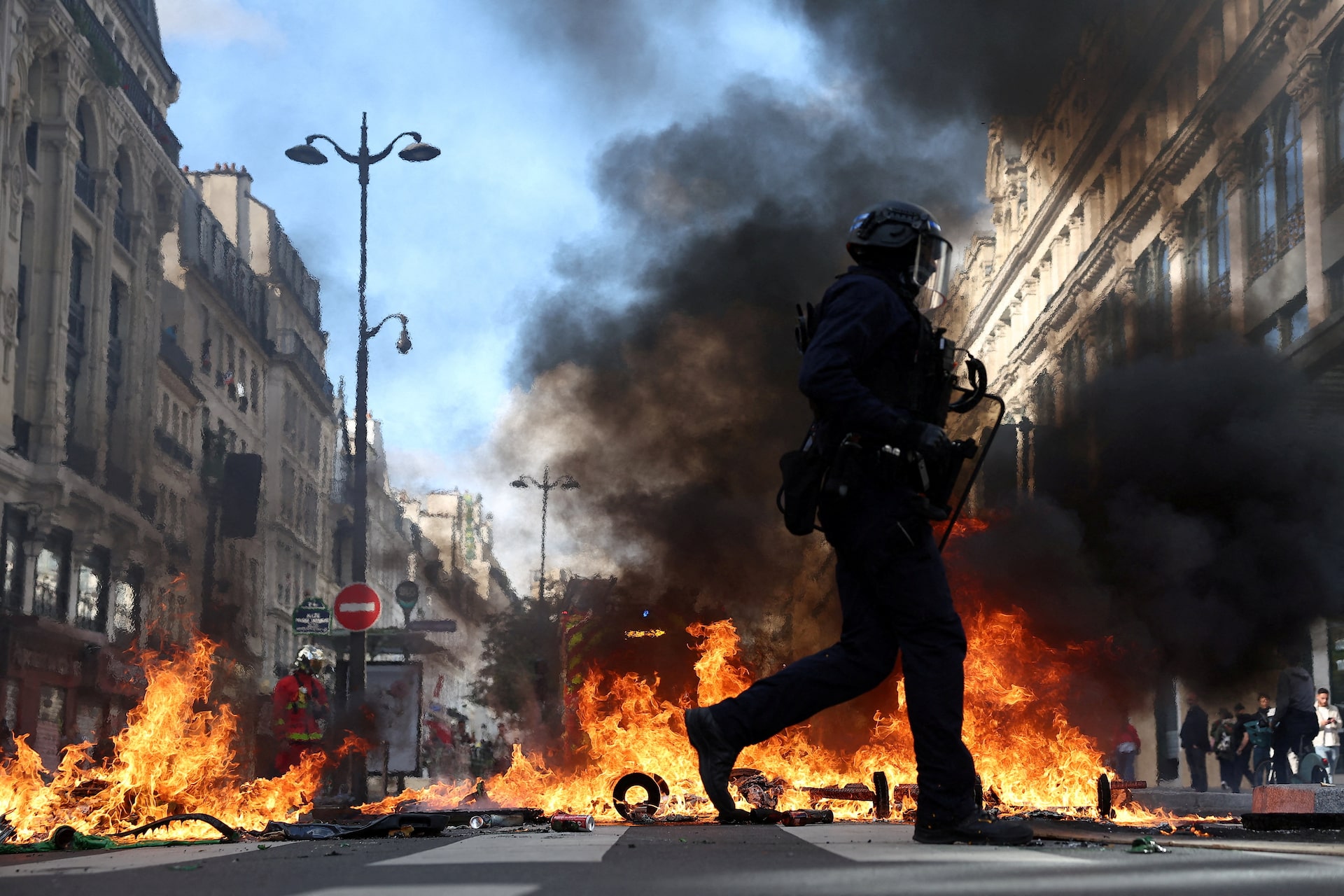
In the next 0-14 days, demonstrations over corruption, protest deaths or the journalist detentions resume in Kathmandu, and Nepal Police deploys to manage them. This would raise the risk of further confrontation, but the current supplied reporting does not establish the scale or organisation of any renewed protests.
Wildcard: executive and judicial dispute escalates (10%)
A low-probability, high-impact outcome is a public dispute between Prime Minister Balen Shah's government and the Supreme Court over the legal basis for arrests or the handling of investigations. A government move against KP Sharma Oli or Ramesh Lekhak followed by a court challenge would be an observable trigger.
Recommendations
- Do not use the figures of 19 deaths and more than 300 injuries as a verified toll. Seek a dated casualty breakdown from Nepal Police, Nepalese health authorities and hospitals, then compare it with reporting from Kathmandu media.
- Check the status of Bishwamani Subedi, Dhiraj Basnet and Shobharaj Baral with Nepal Press, DNA Khabar and Motivate Online. Separately seek confirmation from Naya Patrika and Diyopost on the reported attempted arrests of Navaraj Mainali and Sudeep Bishwakarma.
- Track the Nepali Congress Parliamentary Party's demand through parliamentary records, and obtain the full text of the Supreme Court of Nepal's 2 November statement. Distinguish calls for an inquiry from a formally opened investigation.
- Verify the status of KP Sharma Oli and Ramesh Lekhak through Nepal Police statements and court records before describing either as arrested or charged.
- Treat social-media posts and topic metadata as leads for verification, not as independent confirmation of protest scale, casualties or political developments.
Confidence & uncertainty
Overall confidence is low because the casualty toll rests on WION topic metadata and a separate social-media post does not corroborate it. The journalist detentions and political and judicial responses are described in local-media reporting, but the supplied record provides limited independent verification of the underlying events. The reported decision concerning KP Sharma Oli and Ramesh Lekhak does not establish that arrests occurred. The casualty figures and the status of the reported detentions remain the main uncertainties.
Alternative analysis (red cell)
The record supports public institutional statements and a parliamentary-party demand, but not necessarily the opening of formal judicial or parliamentary processes. The Supreme Court claims describe an appeal for an investigation, and claim 7ff97686-4383-403b-965a-37d3bab64cb1 describes a demand for a committee; neither demonstrates that either body had formally commenced proceedings.
Intelligence gaps
- [EEI 1.1 · PARTIAL] Protest-related deaths, injuries, arrests, curfews, road closures, and property damage by location and 24-hour period. Recommended collection: local media/social media
- [EEI 1.2 · PARTIAL] Expansion of demonstrations, strikes, or clashes from Kathmandu to additional cities, transport corridors, government facilities, or critical infrastructure. Recommended collection: geospatial/open-source reporting
- [EEI 1.3 · UNCOVERED] Evidence of protesters acquiring weapons, attacking police or military sites, setting up barricades, or coordinating sustained occupations. Recommended collection: social media/local reporting
- [EEI 1.4 · PARTIAL] Participation by opposition parties, labor unions, civil-society groups, professional associations, or organized criminal networks in protest actions. Recommended collection: political reporting/social media
- [EEI 2.1 · PARTIAL] Deployment changes involving Nepal Police, Armed Police Force, or military units, including reinforcements, checkpoints, crowd-control equipment, and rules of engagement. Recommended collection: official statements/local media
- [EEI 2.2 · PARTIAL] New curfews, internet or communications restrictions, emergency decrees, arrests of organizers, or restrictions on political assembly. Recommended collection: government notices/telecom reporting
- [EEI 2.3 · PARTIAL] Government investigations, prosecutions, dismissals, or public apologies concerning deaths and alleged excessive use of force. Recommended collection: official statements/court records
- [EEI 2.4 · PARTIAL] Resignations, cabinet changes, parliamentary actions, coalition defections, or succession demands triggered by the protests. Recommended collection: parliamentary and political reporting
- [EEI 3.1 · UNCOVERED] Named protest leaders, online coordination channels, recurring mobilization calls, fundraising activity, and evidence of centralized or decentralized command. Recommended collection: social media/open-source intelligence
- [EEI 3.2 · PARTIAL] Published protest demands concerning corruption, luxury hotels, accountability for deaths, elections, or government resignation, and changes in their wording over time. Recommended collection: protester statements/social media
- [EEI 3.3 · UNCOVERED] Meetings or mediation efforts involving government officials, protest representatives, opposition parties, civil-society organizations, or religious leaders. Recommended collection: political and local media
- [EEI 3.4 · PARTIAL] Attendance levels, geographic reach, strike participation, and protest activity after government concessions, force reductions, or leadership changes. Recommended collection: local media/social media
- [EEI 4.1 · PARTIAL] Hospital caseloads, shortages of medical supplies, reported missing persons, displacement, and verified civilian casualty figures. Recommended collection: health authorities/humanitarian reporting
- [EEI 4.2 · UNCOVERED] Closure of airports, border crossings, schools, businesses, banks, hotels, or major transport routes due to unrest. Recommended collection: transport and business reporting
- [EEI 4.3 · UNCOVERED] Changes in tourism bookings, foreign-departure advisories, remittance channels, market indicators, or war-risk and political-risk insurance pricing. Recommended collection: financial/travel reporting
- [EEI 4.4 · PARTIAL] Public statements, sanctions warnings, aid conditions, or diplomatic démarches from India, China, the United States, the United Nations, or other external actors. Recommended collection: diplomatic statements
Red cell review: PARTIAL DISSENT
TLP:CLEAR