TLP:CLEAR · Disclosure is not limited.
Persian Gulf: Blockade, Shipping Attacks and Strike Preparations
Time window: Last 1 day · Audience: General analyst · Type: Situation report · DTG: 2026-10-29 08:25Z · Overall confidence: HIGH
BLUF
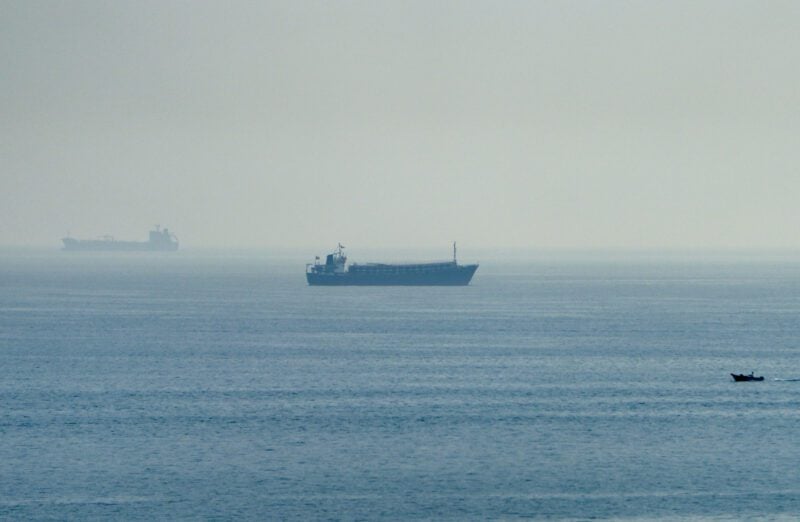
US-Iran tensions remain high: the US blockade of Iranian ports has passed 100 days, and reporting attributes almost 30 ship attacks in October to Iran. Renewed US strikes after 3 November are likely to remain a live contingency, but reporting does not establish an authorised operation; shipping through the Strait of Hormuz remains exposed to disruption despite US claims that cleared routes are in use.
Executive summary
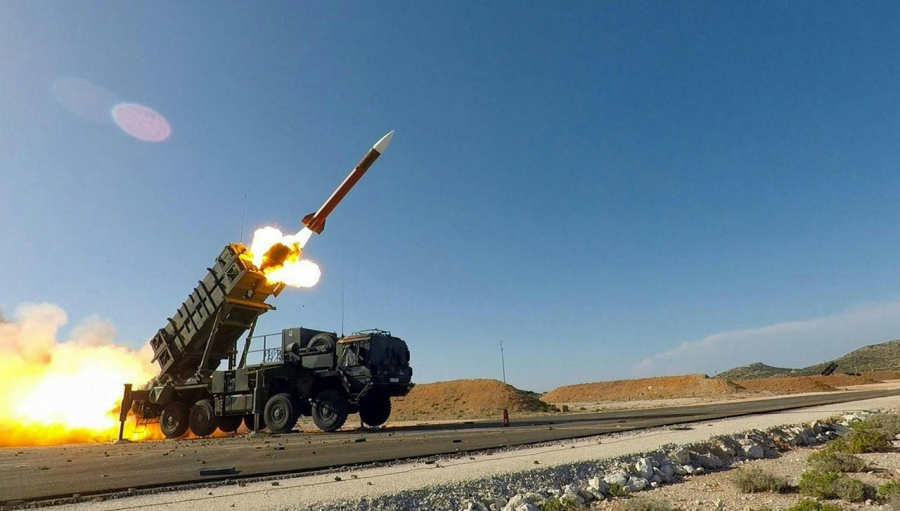
The US blockade is constraining Iranian crude exports, while US naval advisories warn of enforcement activity, delays and possible searches of neutral vessels transiting the Strait of Hormuz. A trade report says Iran attacked almost 30 ships in October; US Central Command says it cleared major shipping routes, reports thousands of safe transits and has dismissed claims of ships striking mines as unreliable. Reporting also describes US preparations for renewed strikes, including target planning and the movement of Patriot air defences to Israel, but the White House is reported to have promised no US attack before the 3 November midterm elections. Separately, Iran has proposed a seven-day plan that Washington rejected, while a US proposal for renewed negotiations has reportedly been sent through Qatari mediators. The IRGC says it destroyed a US MQ-1 near Sirik, east of the Strait, but the claim has no independent confirmation.
Change from previous assessment
Since the 28 October brief, confidence has increased that post-election US strikes remain a live contingency: new reporting describes Pentagon planning, an expanded target list, aircraft preparations and a Patriot transfer to Israel. The blockade has now passed 100 days, and reporting puts Iranian ship attacks at almost 30 in October. The brief adds the IRGC's unverified claim that it destroyed a US MQ-1 near Sirik. Diplomatic reporting has also advanced from regional mediation to a reported Vance proposal for direct talks, although the sides' terms remain opposed. The prior assessment of an unresolved nuclear and Hormuz dispute remains in place.
Key judgments
- Commercial shipping through the Strait of Hormuz is likely to remain exposed to attacks, delays and US blockade enforcement, but a general closure is not established. Reporting attributes almost 30 ship attacks in October to Iran and describes US warnings about delays and searches of neutral vessels. US Central Command says major routes have been cleared and thousands of commercial vessels have passed safely; it also rejects reports of ships striking mines. (Confidence: medium · ASSESSED)
- I&W: Confirm: US Naval Forces Central Command renews warnings about blockade enforcement, vessel searches or additional transit time, or independently corroborated attacks on ships are reported in the Strait. (0-14 days)
- I&W: Break: US Central Command reports that the cleared routes remain in routine use, with independent shipping reporting no new attacks or material transit delays. (0-14 days)
- Renewed US strikes on Iran after 3 November are likely to remain a live contingency, but an authorised operation or fixed launch decision is unlikely to be established by the available reporting. Reports describe Pentagon planning, an expanded target list that includes Iranian energy infrastructure, preparations of US bombers and fighter aircraft, and a Patriot transfer from Texas to Israel. The White House is separately reported to have promised no attack before the midterm elections. The scale of the Patriot transfer and Israel's role in any strike plan remain unresolved. (Confidence: medium · ASSESSED)
- I&W: Confirm: the White House or Pentagon announces approval of strikes, or verifiable reporting documents US strike aircraft launching an operation against Iran after 3 November. (3-14 days)
- I&W: Break: after 3 November, US officials publicly rule out renewed strikes and no operational launch is reported. (3-14 days)
- The reported threat of Iranian attacks on US citizens in the Gulf is an elevated planning concern, but the available reporting does not establish an imminent plot or an executed attack. The warning rests on US officials' assessments relayed in media reporting, including claims that Iran has advanced plans and that the threat level is the highest since the war began. This remains thinly corroborated reporting. (Confidence: low · REPORTED)
- I&W: Confirm: US officials issue a specific public alert about an Iranian-directed plot against US citizens in the Gulf, or a documented attempted attack is attributed to Iran. (0-30 days)
- I&W: Break: US officials publicly withdraw or downgrade the reported assessment of advanced Iranian attack planning. (0-30 days)
- Direct US-Iran talks next week are roughly even chance, while a near-term agreement is unlikely. JD Vance reportedly sent a proposal through Qatari mediators and offered to lead negotiations, and officials reported Qatar or Turkey as prospective venues. Iran's seven-day plan, which calls for Washington to lift the naval blockade and release frozen assets before Iran opens the Strait, has been rejected by the US. Regional talks in Tehran on inspections and shipping have not gained traction. (Confidence: low · ASSESSED)
- I&W: Confirm: US and Iranian officials announce a date and venue for direct talks in Qatar or Turkey, or delegations arrive for those talks. (0-14 days)
- I&W: Break: Tehran publicly rejects Vance's proposal or Washington rules out direct talks while the blockade remains in place. (0-14 days)
- The IRGC's claim that Iranian air defences destroyed a US MQ-1 near Sirik, east of the Strait of Hormuz, remains unverified. Iran provided no details about the drone's mission or the means used, the US military had not commented in the available reporting, and no independent confirmation was reported. (Confidence: low · REPORTED)
- I&W: Confirm: the US acknowledges an MQ-1 loss in the area, or independently verified evidence identifies the drone and its loss near Sirik. (0-14 days)
- I&W: Break: US officials provide verifiable information showing the reported MQ-1 remained operational or was not operating near Sirik. (0-14 days)
Outlook & scenarios
Managed coercive stalemate (45%)
The US blockade and Iranian pressure on shipping continue, while commercial vessels keep using the Strait of Hormuz with delays and enforcement risks. US strike preparations remain a contingency, and no renewed US attack follows the 3 November elections.
Post-election US strikes (25%)
Washington orders strikes after 3 November against Iranian targets that include energy infrastructure. Israel's participation remains unresolved. Iran responds with attacks on regional infrastructure or US interests, raising the risk of a wider exchange.
Diplomatic opening without a quick settlement (25%)
US and Iranian representatives begin direct talks in Qatar or Turkey. Discussions address the blockade, frozen Iranian assets, reopening the Strait of Hormuz and nuclear issues, but the opposing sequence of steps prevents a near-term agreement.
High-impact retaliation trigger (5%)
The IRGC's reported MQ-1 shootdown is independently confirmed, or an attack on US citizens, regional infrastructure or undersea cables is documented. Either event prompts retaliation and sharply increases the chance of renewed US-Iran strikes.
Recommendations
- Keep separate assessments for confirmed maritime incidents, US blockade and transit advisories, and Iranian claims. Do not treat the IRGC's MQ-1 announcement as a confirmed loss without independent evidence.
- Track developments after 3 November against the distinction between force preparation and a decision to strike. Require reporting of an authorisation or an operational launch before assessing that renewed strikes are under way.
- Monitor whether US and Iranian officials announce a date and venue for direct talks, and record the sequence each side demands on the blockade, frozen assets and reopening the Strait.
- Flag changes to US Naval Forces Central Command guidance on neutral-vessel searches, transit delays or blockade enforcement, alongside independently corroborated reports of ship attacks.
Confidence & uncertainty
Overall confidence is high in the broad assessment of sustained US-Iran confrontation and elevated maritime risk. Major-media and maritime-trade reporting converges on the blockade, transit restrictions and October ship-attack reporting, while US Central Command's statements provide a contrasting account of route clearance and safe passages. Confidence is lower on whether strikes are authorised, on the reported Iranian attack plans, and on the IRGC's MQ-1 claim, which has no independent confirmation.
Alternative analysis (red cell)
The available evidence indicates that diplomatic contact is possible but probably less than an even chance next week. The reported US proposal in claims e87fb2c-9d63-4d05-8771-6670afaf4207 and 18aef340-8fbe-478f-8494-e099dcd2577d has not been matched by evidence of Iranian acceptance, while claims 0dd37c2c-13f4-488e-b7a6-7ce1cc9fb4b9 and 0e3ade9e-cf75-451e-a7df-d8ffe043f6da describe stalled regional efforts. A near-term agreement appears particularly unlikely given the rejected terms in claim 24ec74d7-66f8-42d5-9246-2dfacf2a1e50.
Intelligence gaps
- [EEI 1.1 · UNCOVERED] Concentrations or unusual movements of IRGC-Navy fast attack craft, small boat swarms, or escort vessels within 200 km of US/allied ships, including approach distances and formation changes. Recommended collection: maritime/AIS
- [EEI 1.2 · UNCOVERED] Detected pre-launch activity at coastal missile or rocket batteries (vehicle dispersal, fuel/warhead handling, radars powering up, transport erector launchers moving to firing positions). Recommended collection: imagery/signals
- [EEI 1.3 · PARTIAL] Increased launch/arming/positioning of armed UAVs (MALE/loitering munitions) or tactical aircraft at Iranian coastal bases with sortie generation rates and munitions loadouts. Recommended collection: air/ADS-B/imagery
- [EEI 1.4 · PARTIAL] Command-and-control indications of attack orders or elevated rules-of-engagement from IRGC/General Staff (intercepted communications, internal order messages, force-wide alert messages). Recommended collection: signals/human
- [EEI 2.2 · PARTIAL] Issuance of formal orders, mobilization directives, travel restrictions, or official internal communications within IRGC/Armed Forces indicating escalation posture or stand-down. Recommended collection: human/diplomatic
- [EEI 2.3 · UNCOVERED] Directives, logistics movements, or communications from Iranian commanders to regional proxy militias (Houthis, Iraqi Shia militias, Lebanese groups) that change their threat posture or task them with specific operations. Recommended collection: signals/human
- [EEI 3.1 · PARTIAL] Incidents involving commercial vessels within the Strait of Hormuz or Persian Gulf: attacks, boarding attempts, near-misses, AIS spoofing or deliberate AIS outages, including vessel IDs and locations. Recommended collection: maritime/AIS
- [EEI 3.2 · PARTIAL] Discovery or reporting of naval mines, unexploded ordnance, or damage to fixed maritime infrastructure (oil platforms, terminals, pipelines) with geolocated imagery or on-scene assessments. Recommended collection: imagery/open-source
- [EEI 3.4 · UNCOVERED] Movements or posture changes of regional state navies/air forces (Saudi, UAE, Kuwait, Bahrain, UK) such as task group departures, airbase dispersals, or announced maritime patrols near choke points. Recommended collection: open-source/imagery
Red cell review: PARTIAL DISSENT
TLP:CLEAR