TLP:CLEAR · Disclosure is not limited.
Persian Gulf: Hormuz Transit Control Tightens amid Funeral Lull, U.S. Naval Presence Endures
Time window: Last 1 day · Audience: General analyst · Type: Situation report · DTG: 2026-07-06 11:46Z · Overall confidence: MEDIUM
BLUF
Iran is very likely enforcing coercive control over the Strait of Hormuz despite partial resumptions, while U.S. naval presence in the Arabian Sea remains substantial. Diplomatic channels are likely to reopen after the funeral period, but domestic Iranian messaging and Red Sea threats keep the risk of miscalculation elevated.
Executive summary
Reporting indicates Iran is directing traffic through Iran-designated routes and turning vessels back at Hormuz, with shipping companies avoiding the strait due to attack and mine risks. Thousands of foreign seafarers remain stranded in the Gulf. In parallel, the U.S. 5th Fleet has a strong posture in the Arabian Sea, though a recent MH-60S loss is not suspected to be hostile. Red Sea risks persist near Hudaydah. A near-term diplomatic window is signalled, with talks floated for Islamabad after a one-week pause tied to the late Ayatollah Khamenei’s funeral period, even as anti‑negotiation rhetoric surfaces in Tehran. Market and flow signals are mixed, reflecting both reports of a reopening rebound and ongoing avoidance of Hormuz.
Change from previous assessment
Compared with the prior brief, new reporting adds specificity on at least eight vessel turn‑backs by the IRGC on 2 July and a drop in vessel counts along the Omani route on 4 July, while confirming ongoing avoidance of Hormuz. It also records a one‑week suspension of U.S., Iran talks tied to the funeral period, with Islamabad floated for 11 July, and documents continued Red Sea risks near Hudaydah. The assessment on Hormuz has been adjusted to medium confidence due to concurrent reporting of oil‑export rebounds after a reopening, which conflicts with persistent coercive control and avoidance signals. The U.S. naval posture is now anchored in detailed search‑and‑rescue data showing dual‑carrier operations in the Arabian Sea and a non‑hostile preliminary assessment of the MH‑60S loss.
Key judgments
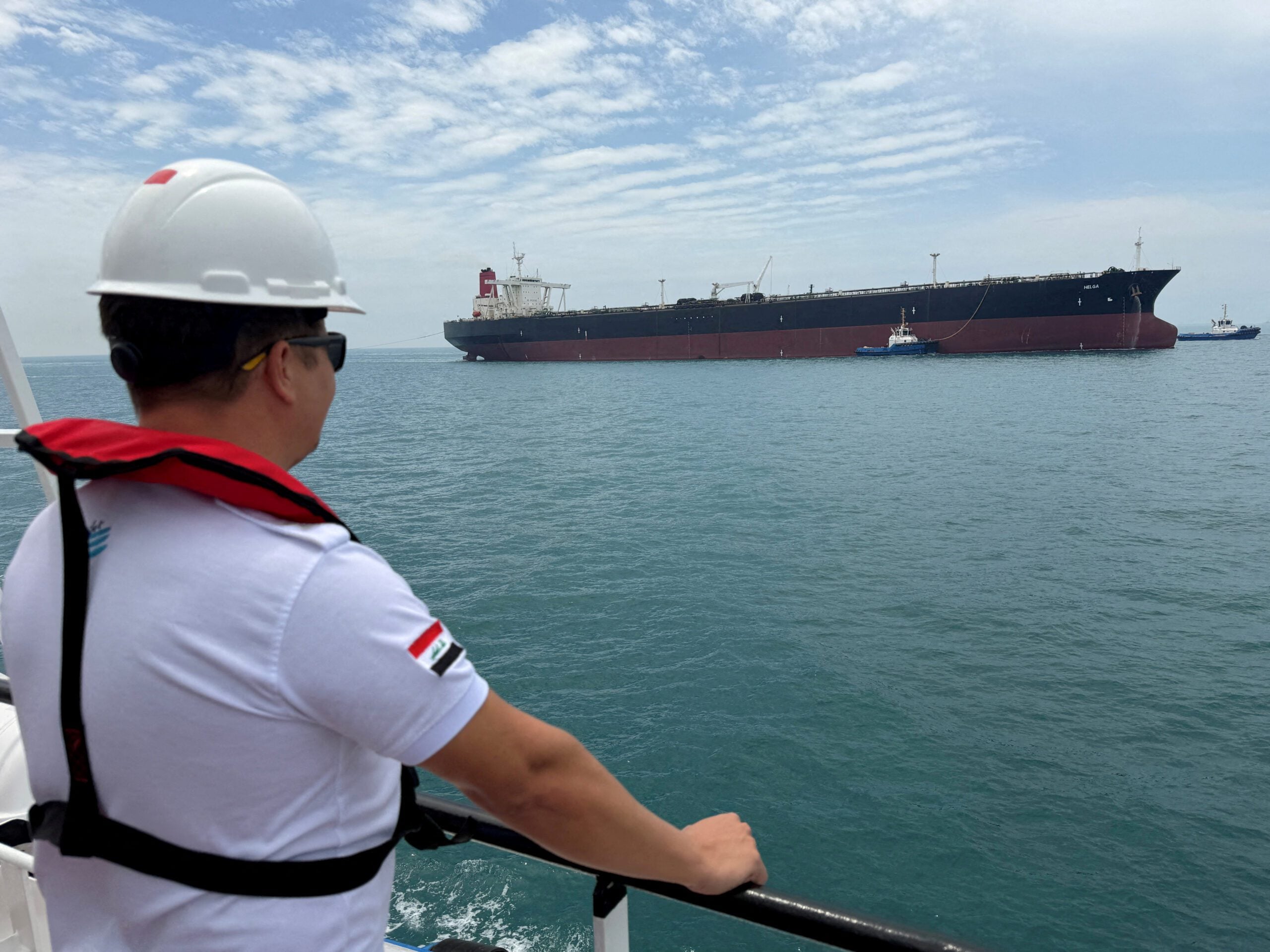
- Iran very likely continues to exercise coercive control over transits in the Strait of Hormuz, keeping the waterway unsafe despite partial resumptions: the IRGC turned back at least eight ships on 2 July, vessel counts dropped along the Omani route on 4 July, companies are avoiding the strait due to attack and mine risks, and thousands of seafarers remain stranded. (Confidence: medium · ASSESSED)
- I&W: Public IRGC Navy statements reiterate that only Iran-designated lanes are safe for passage through Hormuz. (0-14 days)
- I&W: UKMTO and commercial tracking show a sustained recovery of two-way traffic along the Omani route without reported U‑turns. (1-3 months)
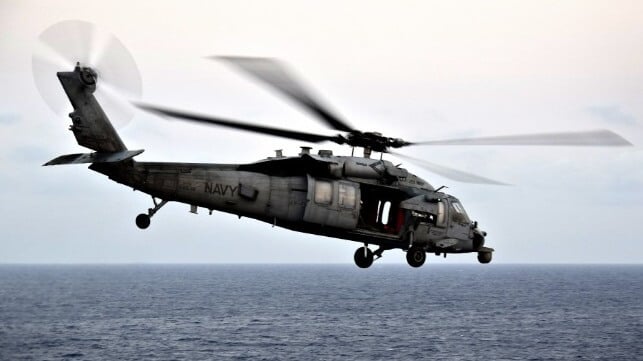
- A substantial U.S. naval presence remains in the Arabian Sea, and the recent MH‑60S loss appears non‑hostile: the 5th Fleet search employed two carriers, five destroyers and U.S. Air Force aircraft across over 14,000 square miles before ending after 102 hours, with the Navy stating hostile action is not suspected. (Confidence: high · REPORTED)
- I&W: Official investigation maintains the assessment that the MH‑60S loss was not due to hostile action. (1-3 months)
- I&W: 5th Fleet releases or visible deployments show sustained dual‑carrier operations in the Arabian Sea. (0-14 days)
- Red Sea threats to commercial shipping likely persist, centred on Houthi activity near Hudaydah: a cargo vessel reported an armed attack on 5 July about 30 nautical miles southwest of Al Hudaydah, the movement has targeted shipping since October 2023, and has declared a ban on Israeli vessels. (Confidence: medium · ASSESSED)
- I&W: Additional UKMTO advisories of attacks or interdictions near Hudaydah. (0-14 days)
- I&W: Official Houthi statements lifting the ban on Israeli shipping through Red Sea lanes. (1-3 months)
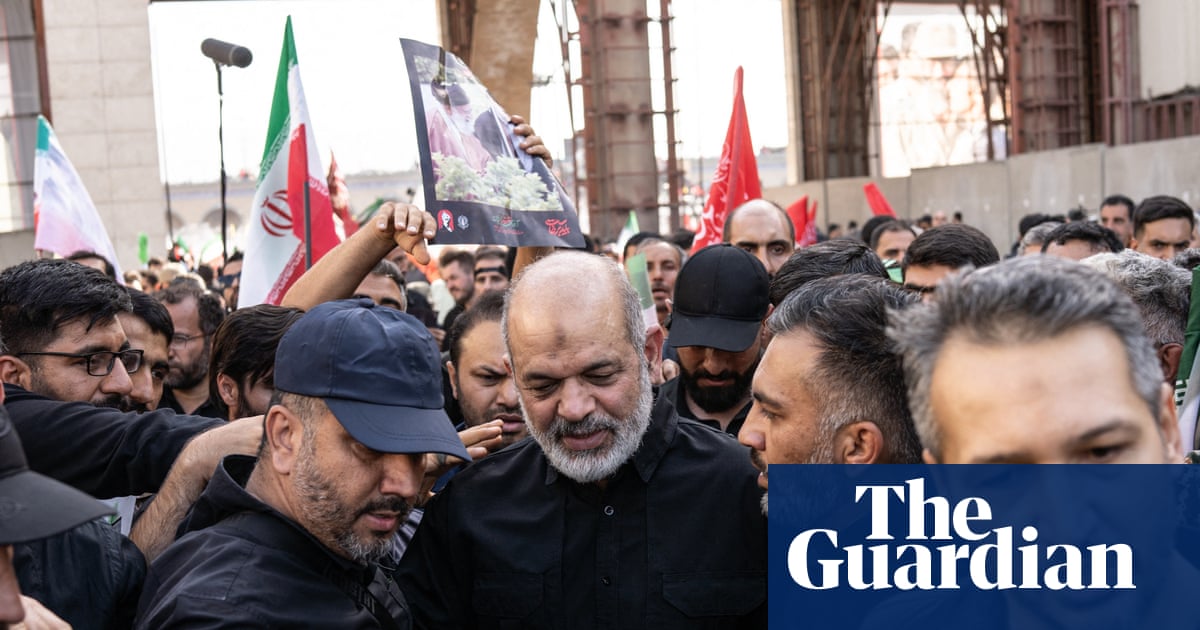
- Diplomatic channels are likely to reopen after the funeral period, with Islamabad floated for 11 July, but domestic Iranian messaging remains hostile to talks. (Confidence: medium · ASSESSED)
- I&W: Official announcement fixing venue and date for a U.S., Iran round in Islamabad. (0-14 days)
- I&W: Public statements by senior Iranian officials rejecting near‑term talks or cancelling a proposed Islamabad round. (0-14 days)
- The humanitarian impact on merchant crews remains acute: around 8,000 non‑regional seafarers are still stranded in the Persian Gulf, with earlier reports of roughly 20,000 stranded at the peak and restrictions on crew rotations by major labour suppliers. (Confidence: high · REPORTED)
- I&W: IMO and flag‑state updates show stranded numbers falling below 5,000 with documented transit clearances. (1-3 months)
- I&W: Renewed deployment freezes by major crewing nations for Gulf assignments. (0-14 days)
Outlook & scenarios
Managed de‑escalation and controlled reopening (60%)
Talks restart promptly after the funeral, with Islamabad hosting the next round. The interim understandings and a U.S.‑brokered memorandum calm markets, Iran adheres to the 60‑day no‑toll pledge for transits, and traffic gradually normalises along agreed lanes. Oil prices hover near pre‑conflict levels as supply expectations stabilise.
Protracted coercion at sea and episodic incidents (50%)
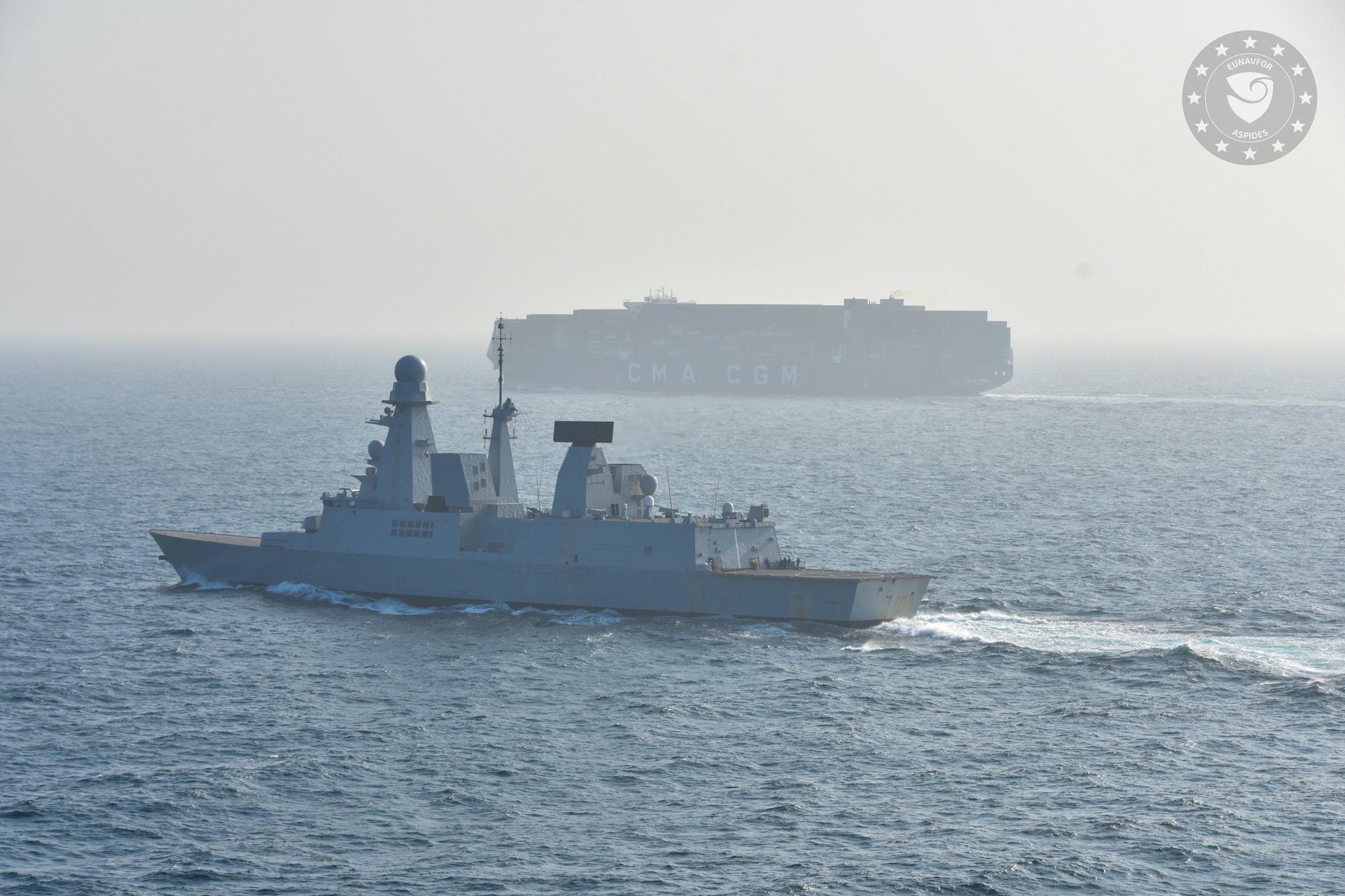
IRGC maintains routing control and intermittent turn‑backs at Hormuz. Shipping companies continue to avoid the strait, and thousands of seafarers remain marooned. Red Sea threats persist near Hudaydah. France and the UK proceed with mine‑clearing for the southern route, prompting Iranian pushback and periodic standoffs that keep insurance and freight costs elevated.
Low‑probability, high‑impact escalation (20%)
A trigger event near Hormuz or in the northern Arabian Sea during heavy force presence precipitates a rapid spike in U.S., Iran tensions. Iran hardens routing restrictions and issues more direct turn‑back orders, commercial traffic freezes, and stranded crew counts rise before diplomacy reasserts control.
Recommendations
- Task persistent monitoring of IRGC Navy communiqués and Notices to Mariners for routing directives and any revision to Iran‑designated lanes through Hormuz.
- Exploit UKMTO advisories and commercial AIS to build a daily heatmap of U‑turns, diversions and queueing at the Hormuz approaches, with a focus on the Omani coastal route.
- Maintain a rolling watch on 5th Fleet releases and carrier strike group movements to track U.S. posture in the Arabian Sea and detect any surge indicators.
- Coordinate diplomatic reporting on the proposed Islamabad venue and date, capturing confirmations or cancellations from both Washington and Tehran within the funeral window.
- Engage maritime and labour attachés to validate stranded‑seafarer counts with IMO and major crewing nations, and flag urgent cases requiring humanitarian corridors.
- Track Red Sea incident reporting near Hudaydah and Houthi statements on shipping bans to update threat models for Eilat‑bound and Suez‑transiting traffic.
- Screen Iranian statements on service fees and any preferential terms for the PRC to assess compliance risks for allied shipping during and after the 60‑day toll‑freeze period.
Confidence & uncertainty
Overall confidence is medium. Multiple independent, reliable reports corroborate IRGC turn‑backs, shipping avoidance, stranded seafarers, and a strong U.S. naval posture, as well as a fresh Red Sea attack claim. However, there are unresolved contradictions on the current status of Hormuz flows and market conditions, including reporting of a reopening rebound and price normalisation alongside continued avoidance and restrictions. The diplomatic outlook is partly based on forward‑looking venue signals and a funeral‑period pause, which remain subject to confirmation.
Intelligence gaps
- [EEI 1.2 · UNCOVERED] Detected pre-launch activity at coastal missile or rocket batteries (vehicle dispersal, fuel/warhead handling, radars powering up, transport erector launchers moving to firing positions). Recommended collection: imagery/signals
- [EEI 1.3 · UNCOVERED] Increased launch/arming/positioning of armed UAVs (MALE/loitering munitions) or tactical aircraft at Iranian coastal bases with sortie generation rates and munitions loadouts. Recommended collection: air/ADS-B/imagery
- [EEI 1.4 · PARTIAL] Command-and-control indications of attack orders or elevated rules-of-engagement from IRGC/General Staff (intercepted communications, internal order messages, force-wide alert messages). Recommended collection: signals/human
- [EEI 2.2 · UNCOVERED] Issuance of formal orders, mobilization directives, travel restrictions, or official internal communications within IRGC/Armed Forces indicating escalation posture or stand-down. Recommended collection: human/diplomatic
- [EEI 2.3 · PARTIAL] Directives, logistics movements, or communications from Iranian commanders to regional proxy militias (Houthis, Iraqi Shia militias, Lebanese groups) that change their threat posture or task them with specific operations. Recommended collection: signals/human
- [EEI 3.2 · PARTIAL] Discovery or reporting of naval mines, unexploded ordnance, or damage to fixed maritime infrastructure (oil platforms, terminals, pipelines) with geolocated imagery or on-scene assessments. Recommended collection: imagery/open-source
- [EEI 3.4 · PARTIAL] Movements or posture changes of regional state navies/air forces (Saudi, UAE, Kuwait, Bahrain, UK) such as task group departures, airbase dispersals, or announced maritime patrols near choke points. Recommended collection: open-source/imagery
Cited sources
[1] theguardian.com · Iran seeks to tighten control over strait of Hormuz alongside Khamenei funeral (A) · sha256:df3833c6b0e4 [2] gcaptain.com · Cargo Ship Reports Attack Off Yemen, Adding To Red Sea Risks (B) · sha256:4390cf49eb2f [3] maritime-executive.com · Could Existing Ships Operate Without Crew in High-Risk Zones Like Hormuz? (C) · sha256:a5186a0e22ba [4] gcaptain.com · The Race To Rescue 8,000 Sailors Still Stranded Behind Hormuz (B) · sha256:a8273d46305e [5] storychase.co · Iranian President Raisi Emphasizes Missile Capabilities as Regional Tensions Escalate (B) · sha256:83673eaebfce [6] cryptobriefing.com · Iran blocks Strait of Hormuz, threatening global oil supply amid conflict (B) · sha256:726861c72492 [7] foxbusiness.com · Oil prices hover near pre-conflict levels as OPEC+ boosts output again (B) · sha256:b9459fe65348 [8] maritime-executive.com · U.S. Navy Calls Off Search for Missing Helicopter Crewmember in Arabian Sea (B) · sha256:7028c69f51b6 [9] Wikipedia · Middle Eastern crisis (2023–present) (B) · sha256:dd73b8ab5a8c [10] vestikavkaza.ru · Новости Ирана: свежие события сегодня, последние и срочные новости из Ирана (B) · sha256:79d4dec23a8a [11] cryptobriefing.com · Iranian hardliners protest US negotiations, target Trump in Tehran metro (B) · sha256:0de950b9ad62 [12] gcaptain.com · Iran And Qatar Resume Maritime Trade (B) · sha256:8d35686f59eb
Source content hashes were computed at collection time; the cited text is preserved unmodified for the life of this product.
TLP:CLEAR