TLP:CLEAR · Disclosure is not limited.
Persian Gulf: Iran Polices Hormuz as Funeral Period Raises Risk; Talks Await Resumption
Time window: Last 1 day · Audience: General analyst · Type: Situation report · DTG: 2026-07-05 11:16Z · Overall confidence: LOW
BLUF
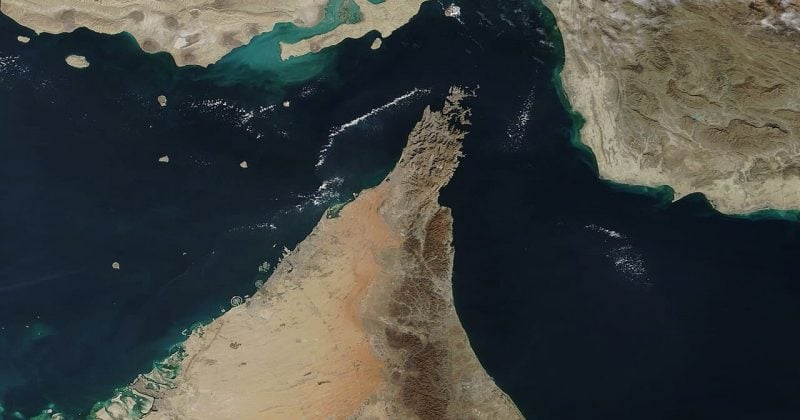
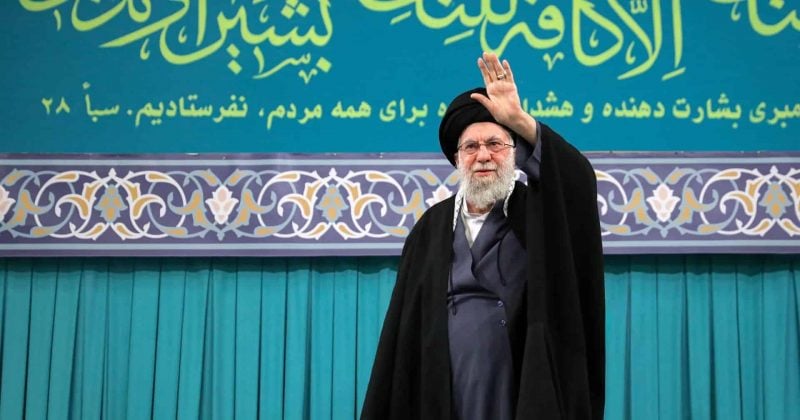
Iran is policing traffic in the Strait of Hormuz and reportedly attacked a container ship last week, while warning the U.S., Israel, the UK and France to avoid military moves during Ayatollah Khamenei’s funeral period. Oil flows remain about one third of pre-war levels, and a 60-day U.S.-Iran negotiating window is set to pick up after the commemorations, but the regime’s control of transits and the contested issue of any fees keep the risk of miscalculation high.
Executive summary
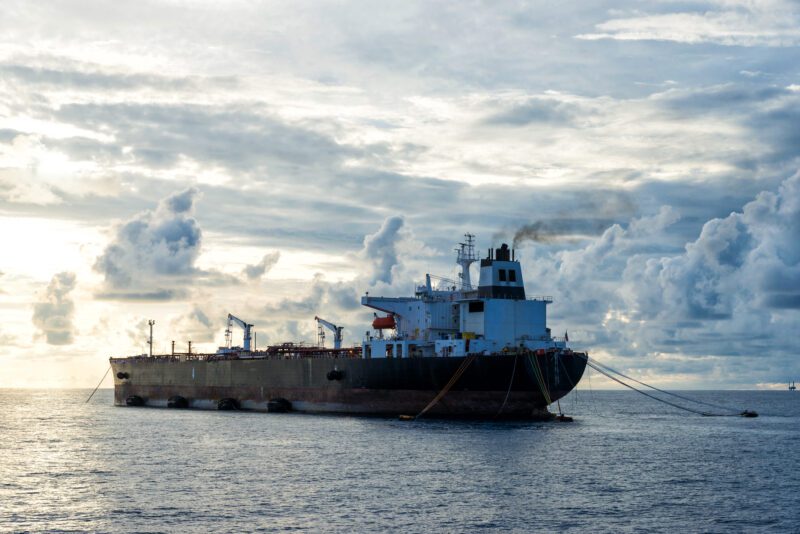
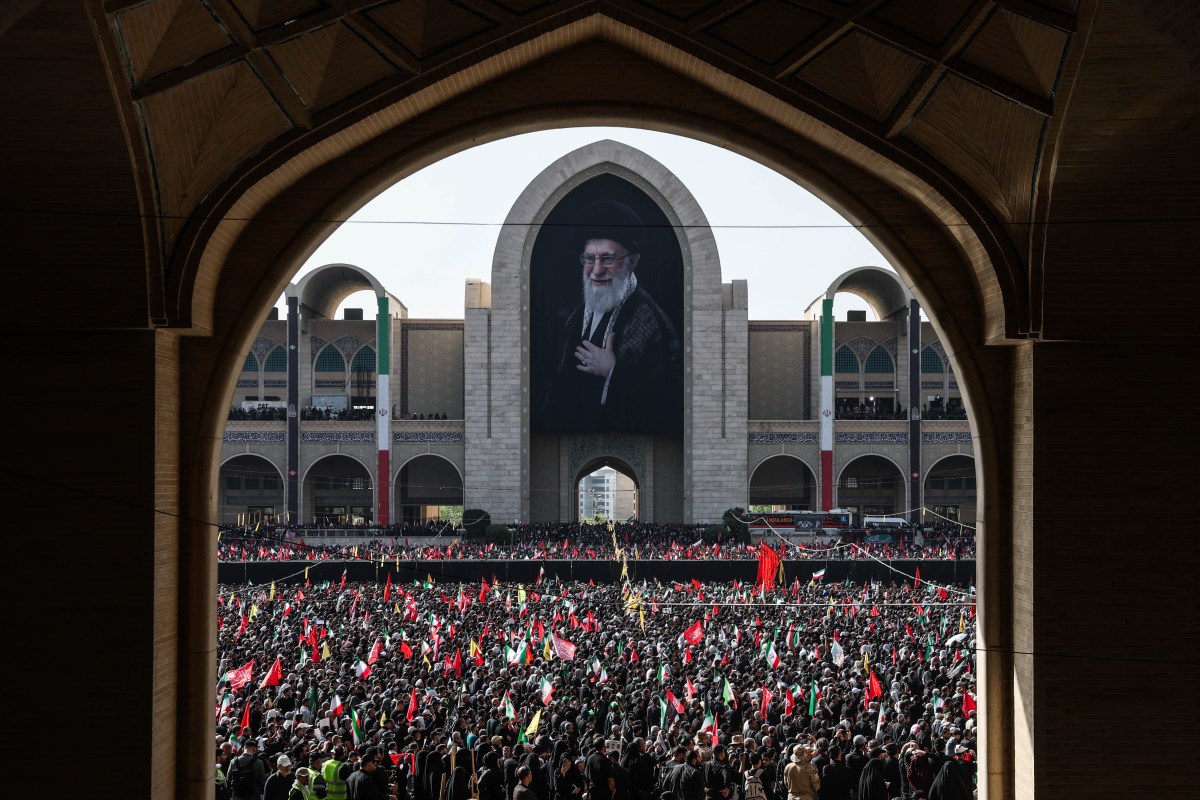
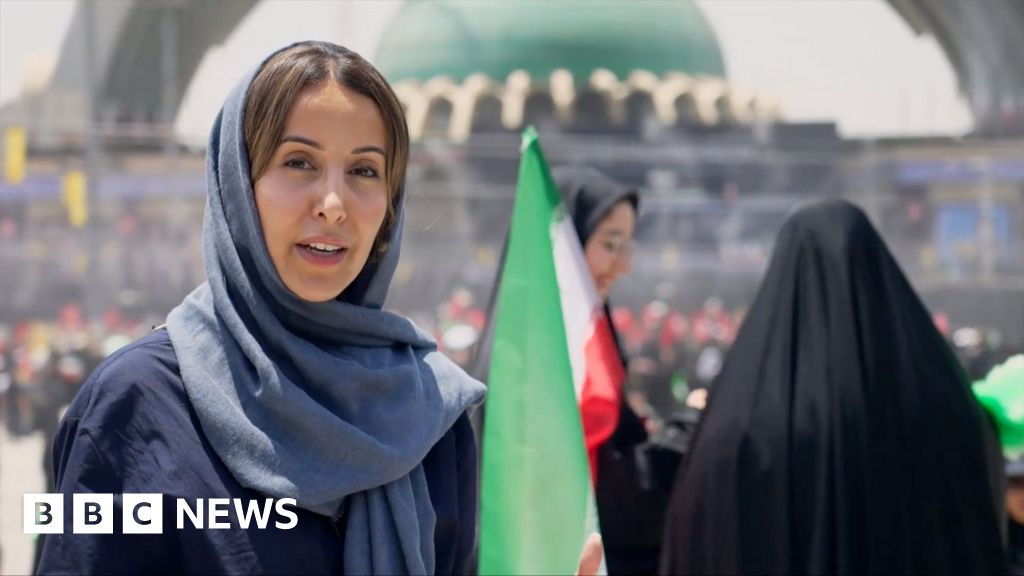
Tehran has assumed a policeman role in the Strait of Hormuz, demanding clearances and speaking about levies as oil flows remain severely curtailed and mine risks persist. Iranian forces reportedly attacked a container ship in Hormuz last week, reinforcing shipowner caution. Iranian officials have issued repeated warnings to Washington, Jerusalem, London and Paris not to stage military displays during the multi-day funeral period for Ayatollah Ali Khamenei, which is drawing huge crowds and foreign delegations. A 60-day roadmap agreed by the United States and Iran, with talks expected to resume after the funeral, offers a narrow de-escalation path, yet Washington rejects any transit fees while Tehran is policing the waterway, and major carriers remain out; Japanese refiners are exploring limited liftings under a short sanctions waiver but flag insurance and waiver-extension hurdles. Extra-regional military deployments by France, Italy and the UK persist around the Gulf and eastern Mediterranean, raising the chance of third-party entanglement if an incident occurs.
Change from previous assessment
Initial assessment of this topic for this run. Relative to the prior brief’s emphasis on a ceasefire and a safe‑passage arrangement, new reporting highlights Iranian control measures in Hormuz, a reported container‑ship attack last week, explicit Iranian warnings to the U.S., Israel, the UK and France during the funeral period, and confirmation that a 60‑day negotiation roadmap exists with talks expected after the commemorations. Major lines remain reluctant to re‑enter, and Japanese buyers are exploring limited purchases under a short waiver with insurance and timing hurdles. Conflicting oil price reporting and ambiguity over any transit fees lower confidence.
Key judgments
- The Strait of Hormuz very likely remains unsafe and contested: Iran is exercising coercive control over transits, a container ship was attacked last week, mine threats persist, and throughput is around a third of pre-war levels at roughly 3.8 million barrels per day. (Confidence: high · REPORTED)
- I&W: Another merchant vessel is reported fired upon, boarded, or interdicted by Iranian forces in Hormuz. (0-14 days)
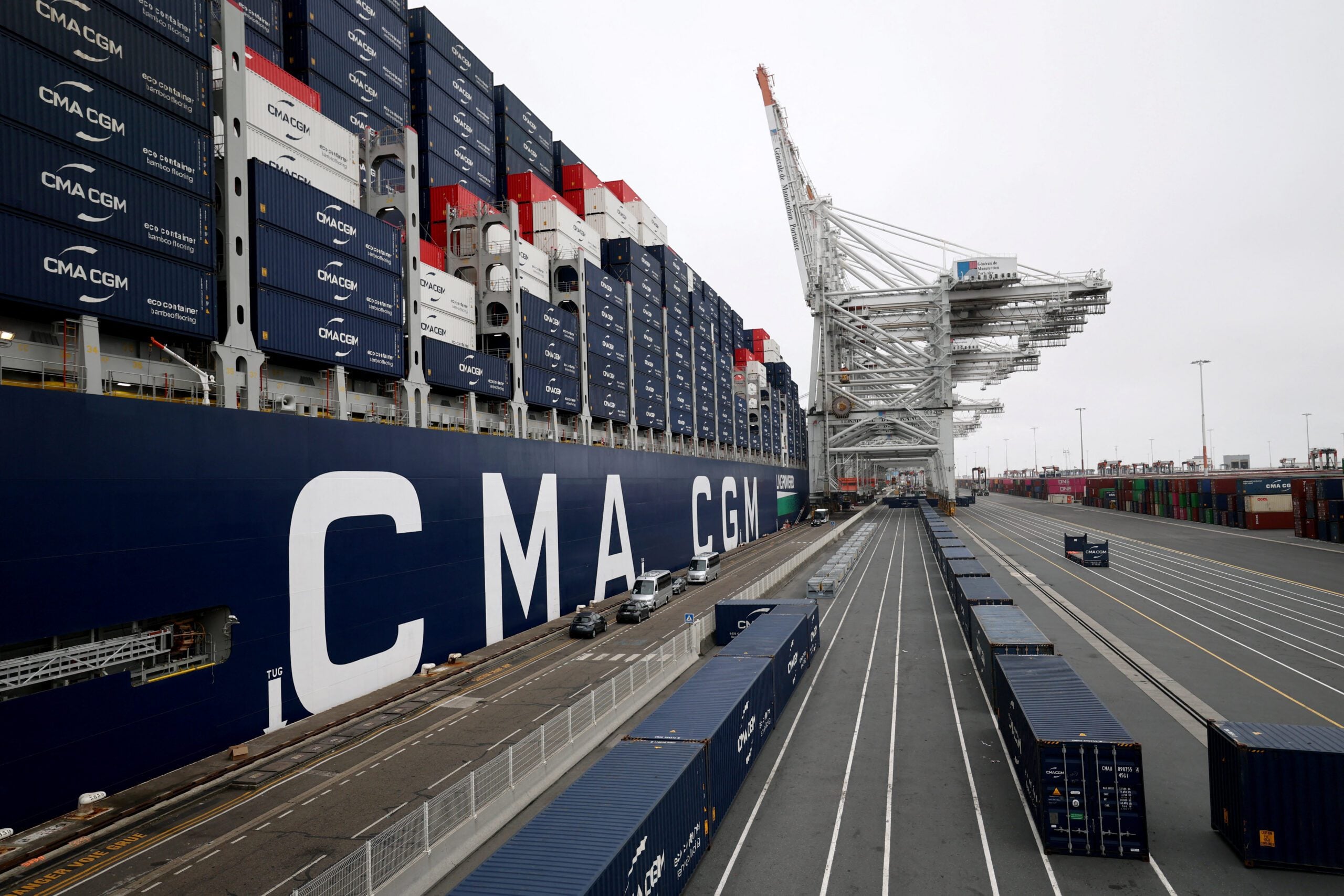
- I&W: CMA CGM publicly schedules Gulf port calls or Iranian authorities rescind explicit clearance demands for transits. (1-3 months)
- Tehran is likely to sustain a hard-edged deterrent posture through the funeral period, increasing the risk of miscalculation if the U.S., Israel, the UK or France stage visible military moves around Hormuz. (Confidence: medium · ASSESSED)
- I&W: Additional Iranian official statements reiterate bans on foreign military displays around Hormuz during the funeral period. (0-14 days)
- I&W: U.S., UK or French naval transits or exercises occur near Hormuz without Iranian censure. (0-14 days)
- A U.S.-Iran 60-day negotiation clock is in place and talks are expected to resume after the funeral, but implementation is fragile: Washington rejects any transit fees while Iran is policing traffic and discussing levies; major carriers are holding off, and Japanese buyers require a waiver extension and insurance solutions. (Confidence: medium · ASSESSED)
- I&W: U.S. announces extension of the sanctions waiver beyond 21 August or Japanese refiners sign liftings under the waiver. (1-3 months)
- I&W: Tehran publicly issues a transit fee schedule for Hormuz or detains a ship in a fee dispute. (1-3 months)
- Extra‑regional military deployments and permissions around the Gulf and eastern Mediterranean very likely persist, raising the chance of third‑party entanglement if tensions spike. (Confidence: high · ASSESSED)
- I&W: France’s Charles de Gaulle or Italian air defence assets remain on station and publicly active; UK activity continues at Gulf bases. (1-3 months)
- I&W: France, Italy or the UK announce drawdowns or redeployments away from the Gulf and eastern Mediterranean. (1-3 months)
- Mass funeral mobilisation in Tehran, accompanied by calls for revenge and official warnings, creates a roughly even chance that a trigger incident will delay post‑funeral talks or prompt retaliatory rhetoric and actions. (Confidence: low · ASSESSED)
- I&W: Reported security incident, attempted attack, or mass‑crowd casualties at funeral venues in Tehran, Qom or Mashhad. (0-14 days)
- I&W: Public reaffirmation by Washington and Tehran of a firm date to resume talks, with the funeral period passing without reported incidents. (0-14 days)
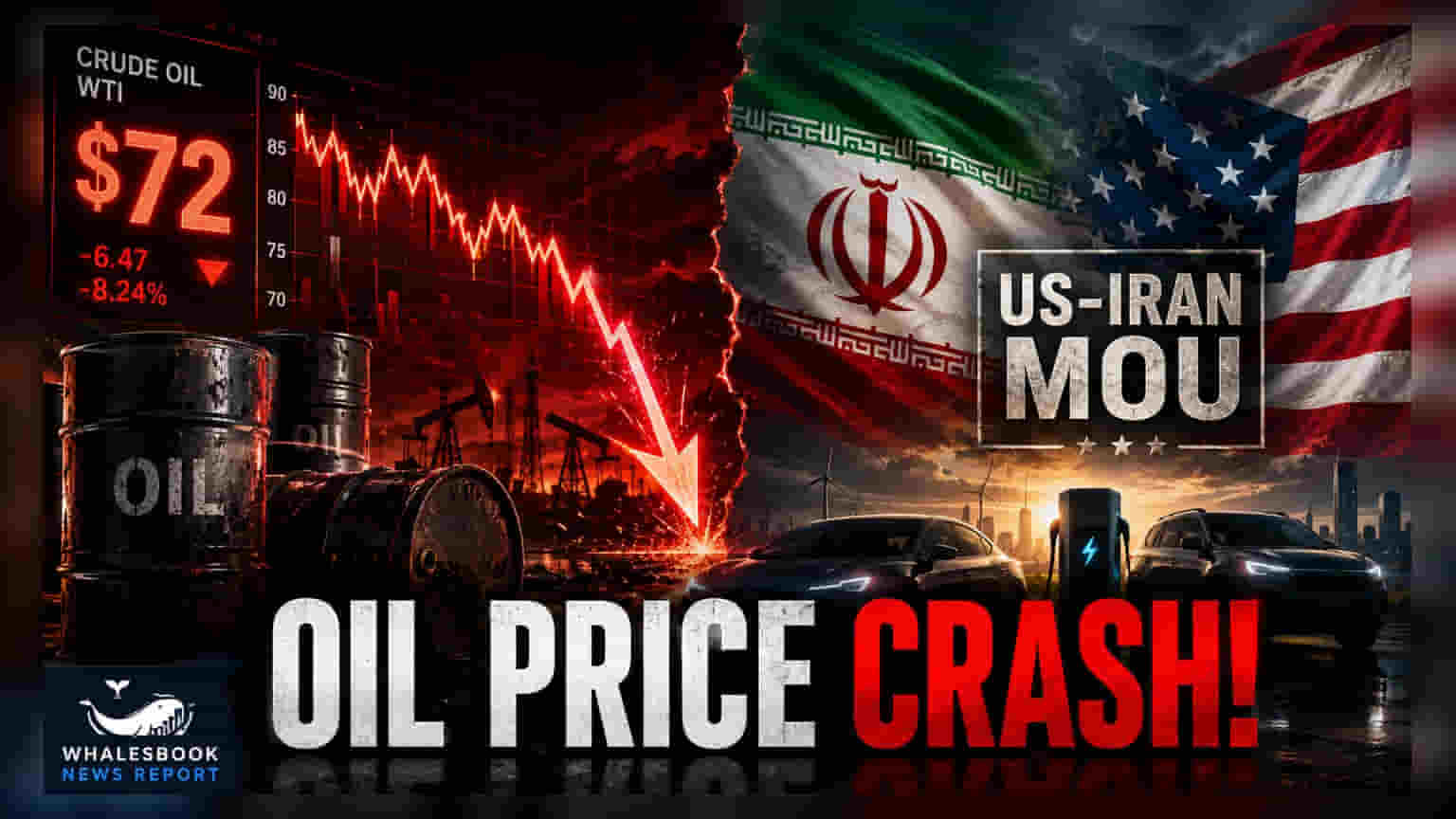
- Market signals are inconsistent and volatile: flows via Hormuz are severely disrupted and Asian diesel and jet prices are elevated, yet headline crude price prints diverge widely across sources, warranting caution in using prices as a near‑term risk gauge. (Confidence: low · ASSESSED)
- I&W: Conflicting reported benchmark prices for crude persist alongside reports of high diesel and jet prices in Asia. (0-14 days)
- I&W: Convergence in reported crude benchmarks and a clear trend in Asian distillate prices. (1-3 months)
Outlook & scenarios
Tense pause holds and talks restart after the funeral (45%)
Iran continues to police Hormuz without formalising transit fees, shipowners remain cautious, and no major incident occurs during the funeral period. After commemorations, Washington and Tehran reconvene on the 60‑day roadmap, with the sanctions waiver timeline shaping modest oil trade decisions, notably by Japanese buyers. Throughput remains well below pre‑war levels and large lines such as CMA CGM hold off pending clarity on safety and fees.
Maritime incident triggers reciprocal escalation (30%)
An additional boarding, missile strike, or interdiction in Hormuz during or shortly after the funeral period prompts U.S. and allied naval actions and sharp Iranian warnings. Iran tightens control of transits, de facto halting many commercial passages. Extra‑regional deployments near the Gulf and Cyprus posture visibly, and the negotiation window slips.
Limited diplomatic thaw and incremental flow recovery (25%)
The funeral period passes without incident, post‑funeral talks resume, and Washington extends the sanctions waiver. Japan executes limited liftings under enhanced insurance cover, Iran shelves fee talk publicly, and cautious carriers test the route. Flows tick up but mine risks and ad hoc Iranian control measures keep insurers conservative.
Recommendations
- Produce a daily Hormuz risk picture that fuses reported IRGC clearance demands, mine warnings, and incident reporting with AIS‑based congestion and diversion checks to brief maritime stakeholders.
- Task monitoring for any Iranian public notice on transit fees, ship clearances, or detentions, and maintain a standing cross‑check against U.S. statements that no fees exist.
- Track shipowner and insurer behaviour: watch CMA CGM advisories and schedules, and monitor Japanese refiners’ procurement signals alongside any U.S. waiver extension announcements.
- Coordinate with the energy desk to reconcile divergent crude price prints and Asian distillate signals before using prices in risk calls, and flag uncertainty bands prominently.
- Maintain a funeral‑period watchboard for Tehran, Qom and Mashhad venues, tying security alerts to the negotiation calendar to rapidly assess any impact on the post‑funeral talks.
- Map and monitor allied deployments and permissions around the Gulf and eastern Mediterranean to identify deconfliction needs and potential tripwires if maritime tensions rise.
Confidence & uncertainty
Overall confidence is low because several core elements rest on medium‑confidence or contested reporting. Shipping risk is well supported, but sanctions status and the fee question are ambiguous, with Washington denying fees while Iran is reported to be policing traffic and speaking about levies. Oil price signals sharply conflict across sources, undermining market inference. The funeral timeline and associated risks are partly inferential, and broader conflict‑period context contains internal date discrepancies. These gaps and contradictions reduce corroboration across independent sources.
Alternative analysis (red cell)
While incidents, deployments, and incendiary rhetoric are evident in the record, the evidence can also be read as a combination of episodic disruption, political signaling, and active diplomacy. Several supporting claims are medium‑admiralty or single‑source and do not conclusively demonstrate sustained operational posture or uniformly unreliable market indicators. Accordingly, a more cautious analytic posture — one that treats transit insecurity, deterrent rhetoric, and market noise as contingent and closely tied to diplomatic outcomes — is defensible.
Intelligence gaps
- [EEI 1.1 · UNCOVERED] Concentrations or unusual movements of IRGC-Navy fast attack craft, small boat swarms, or escort vessels within 200 km of U.S./allied ships, including approach distances and formation changes. Recommended collection: maritime/AIS
- [EEI 1.2 · UNCOVERED] Detected pre-launch activity at coastal missile or rocket batteries (vehicle dispersal, fuel/warhead handling, radars powering up, transport erector launchers moving to firing positions). Recommended collection: imagery/signals
- [EEI 1.4 · PARTIAL] Command-and-control indications of attack orders or elevated rules-of-engagement from IRGC/General Staff (intercepted communications, internal order messages, force-wide alert messages). Recommended collection: signals/human
- [EEI 2.2 · UNCOVERED] Issuance of formal orders, mobilization directives, travel restrictions, or official internal communications within IRGC/Armed Forces indicating escalation posture or stand-down. Recommended collection: human/diplomatic
- [EEI 2.3 · UNCOVERED] Directives, logistics movements, or communications from Iranian commanders to regional proxy militias (Houthis, Iraqi Shia militias, Lebanese groups) that change their threat posture or task them with specific operations. Recommended collection: signals/human
- [EEI 3.3 · PARTIAL] Commercial indicators of disruption: sudden increases in war-risk insurance premiums for Gulf transits, vessel re-routing decisions, port throughput reductions, or charter cancellations for Gulf shipments. Recommended collection: financial/commercial
Cited sources
[1] jpost.com · Voices from the Arab press: Handing the Strait of Hormuz to Iran and the Gulf (B) · sha256:0d68c08aba01 [2] gcaptain.com · Japan Weighs Return to Iranian Oil as Shipping Risks Cloud Sanctions Waiver (A) · sha256:63397f5b5fb1 [3] cryptobriefing.com · Strait of Hormuz oil supply disrupted, market prices in surplus (B) · sha256:ed807c98a9b9 [4] Newsweek · What Trump and Iran have said about Ayatollah Ali Khamenei's funeral (B) · sha256:6023f096d378 [5] aljazeera.net · بعد تلويح بتحرك في هرمز. إيران تحذر وترمب يحدد مهلة لاستئناف التفاوض (A) · sha256:e1e741947a77 [6] gcaptain.com · CMA CGM Ship Hit By Missile In Hormuz Strait May Go For Scrapping (A) · sha256:a001b52c545d [7] Wikipedia · 2026 Iran war regional mobilizations (B) · sha256:f9e0e03d200a [8] bbc.com · BBC in Tehran as mourners gather for former supreme leader's funeral (A) · sha256:d1754208ee9e [9] The Jerusalem Post · Live Updates: Latest from Israel, Iran, and Middle East | The Jerusalem Post (A) · sha256:f951c5220729 [10] cryptobriefing.com · Iranian lawmaker calls for vengeance after Khamenei assassination (B) · sha256:226706f5241e [11] cryptobriefing.com · OPEC+ to increase oil production quotas amid Middle East stabilization (B) · sha256:60e5711cb536 [12] whalesbook.com · Crude Oil Falls to $72 as US-Iran Deal Eases Supply Fears (B) · sha256:55e5bd827e9b
Source content hashes were computed at collection time; the cited text is preserved unmodified for the life of this product.
Red cell review: PARTIAL DISSENT
TLP:CLEAR