TLP:CLEAR · Disclosure is not limited.
Persian Gulf: Maritime Attacks and US-Iran Strike Risk
Time window: Last 1 day · Audience: General analyst · Type: Situation report · DTG: 2026-10-22 07:30Z · Overall confidence: MEDIUM
BLUF
Another hazardous encounter involving commercial shipping in the Strait of Hormuz or Persian Gulf is likely within 14 days, while the IRGC Navy’s latest mine-strike claims remain unverified. A US strike before 3 November is unlikely, but reported strike planning and conflicting accounts of diplomacy leave post-election escalation and a negotiated reopening as competing outlooks.
Executive summary
The IRGC Navy has reported mine strikes and fires involving vessels near the Strait of Hormuz and in the northern Persian Gulf, but available accounts differ on the number, location and cause of the incidents. Separately, UKMTO reports show a high tempo of attacks on commercial vessels, including strikes near Al Faw and Bukha. US military options for renewed strikes on Iran have been reported, alongside President Donald Trump’s pledge not to attack before the 3 November midterm elections. Tehran’s seven-day proposal to reopen the Strait remains conditional, and accounts conflict over whether Washington rejected it or accepted it with proposed changes.
Change from previous assessment
Since the 21 October brief, the assessment of frequent maritime incidents is reinforced by further reports of vessel strikes and new IRGC Navy claims of mine-related fires. The number and cause of the latest reported incidents remain unverified, so the low-confidence judgement on mine strikes is retained. New reporting describes US strike options and competing accounts of an expected post-election attack; the assessment that a US strike before 3 November is unlikely remains, but the timing and authorisation of any operation are unresolved. Confidence in near-term diplomatic reopening is lower because accounts now directly conflict over whether Washington rejected or accepted Iran’s proposal.
Key judgments
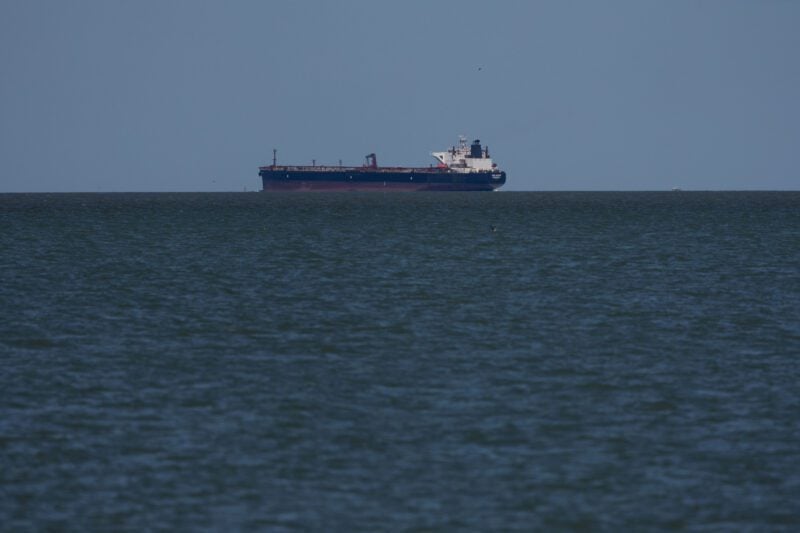
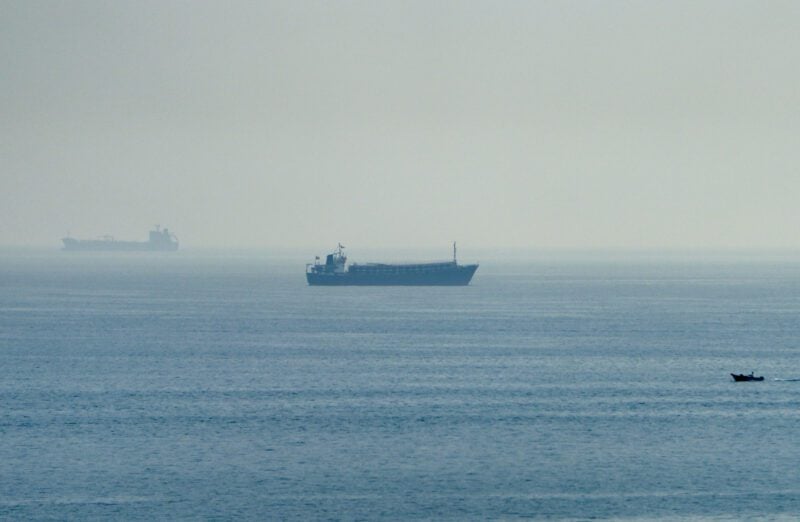
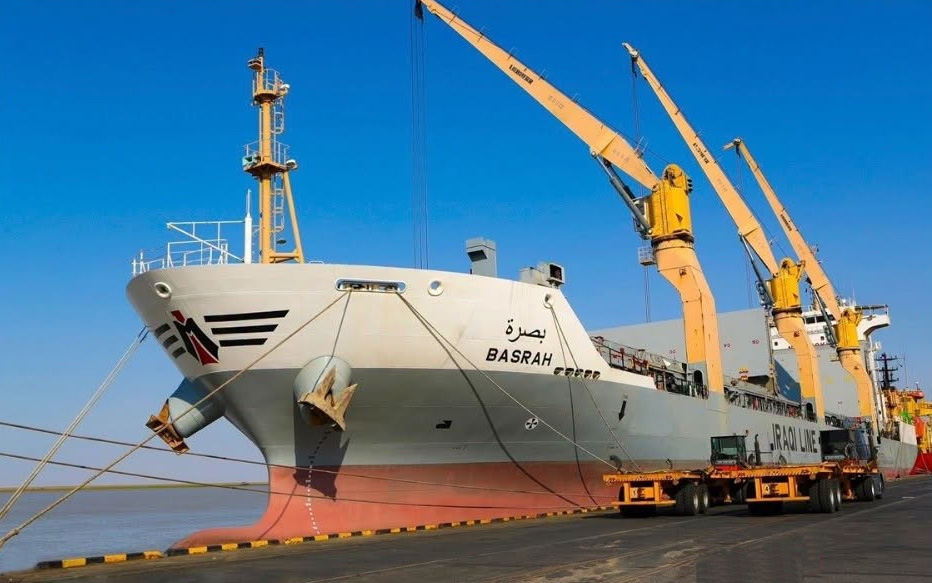
- Another attack or hazardous encounter involving commercial shipping in the Strait of Hormuz or Persian Gulf is likely within 14 days. UKMTO reported 32 attacks on ships around the Arabian Peninsula so far in October, compared with 16 during all of September, and 12 commercial-vessel attacks in the week ending 16 October, including 10 in the Strait of Hormuz. UKMTO also reported projectile strikes near Al Faw, Iraq, on 20 October and Bukha, Oman, on 21 October. These reports establish a high incident tempo, but not responsibility for every attack. (Confidence: medium · ASSESSED)
- I&W: Confirm: UKMTO or JMIC publishes a new incident report for a commercial vessel in the Strait of Hormuz or Persian Gulf involving a projectile, mine, fire, crew injury or navigation interference. (0-14 days)
- I&W: Break: UKMTO records no attacks or hazardous encounters in the Strait of Hormuz or Persian Gulf through 5 November, and JMIC downgrades its SEVERE assessment for the Strait. (0-14 days)
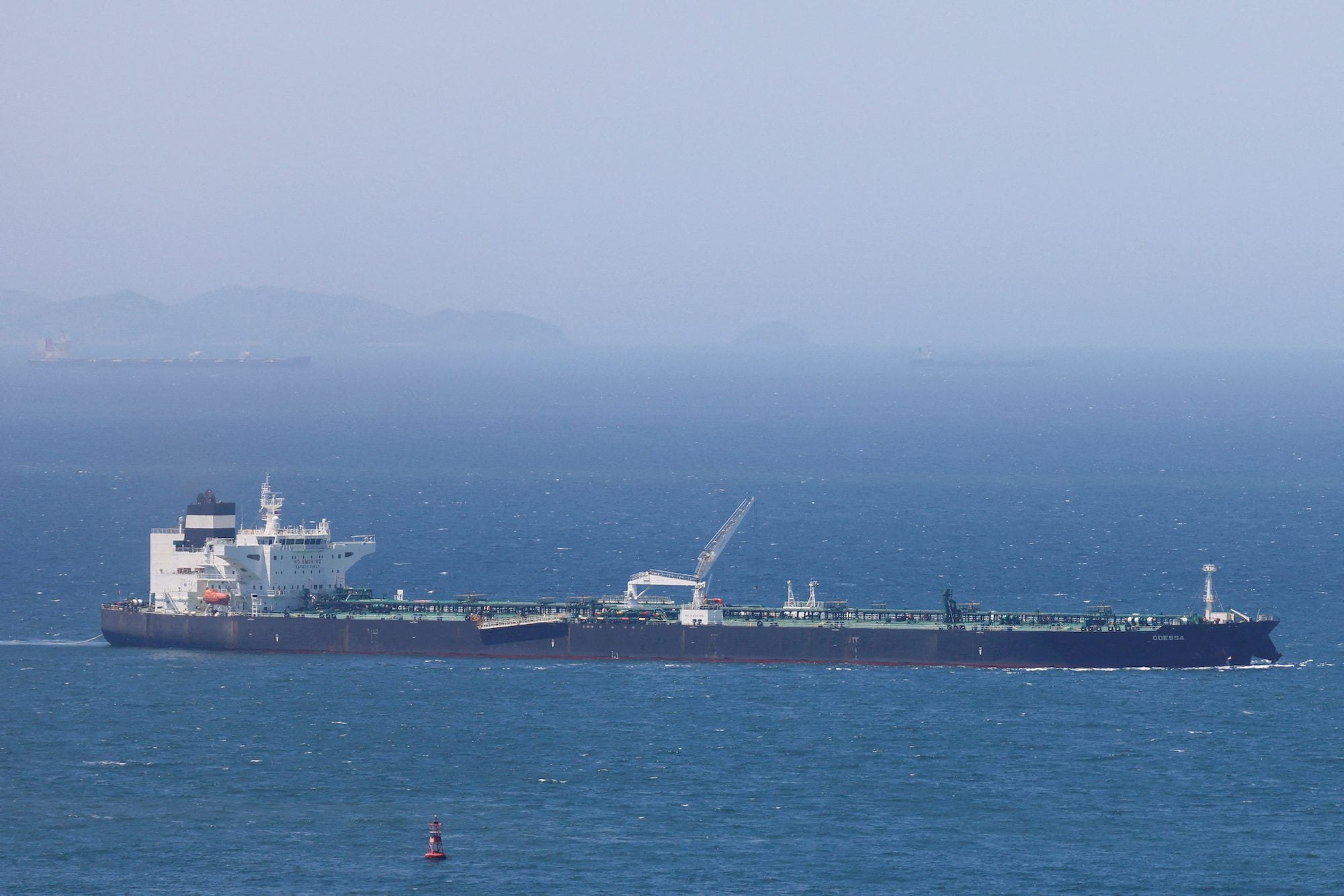
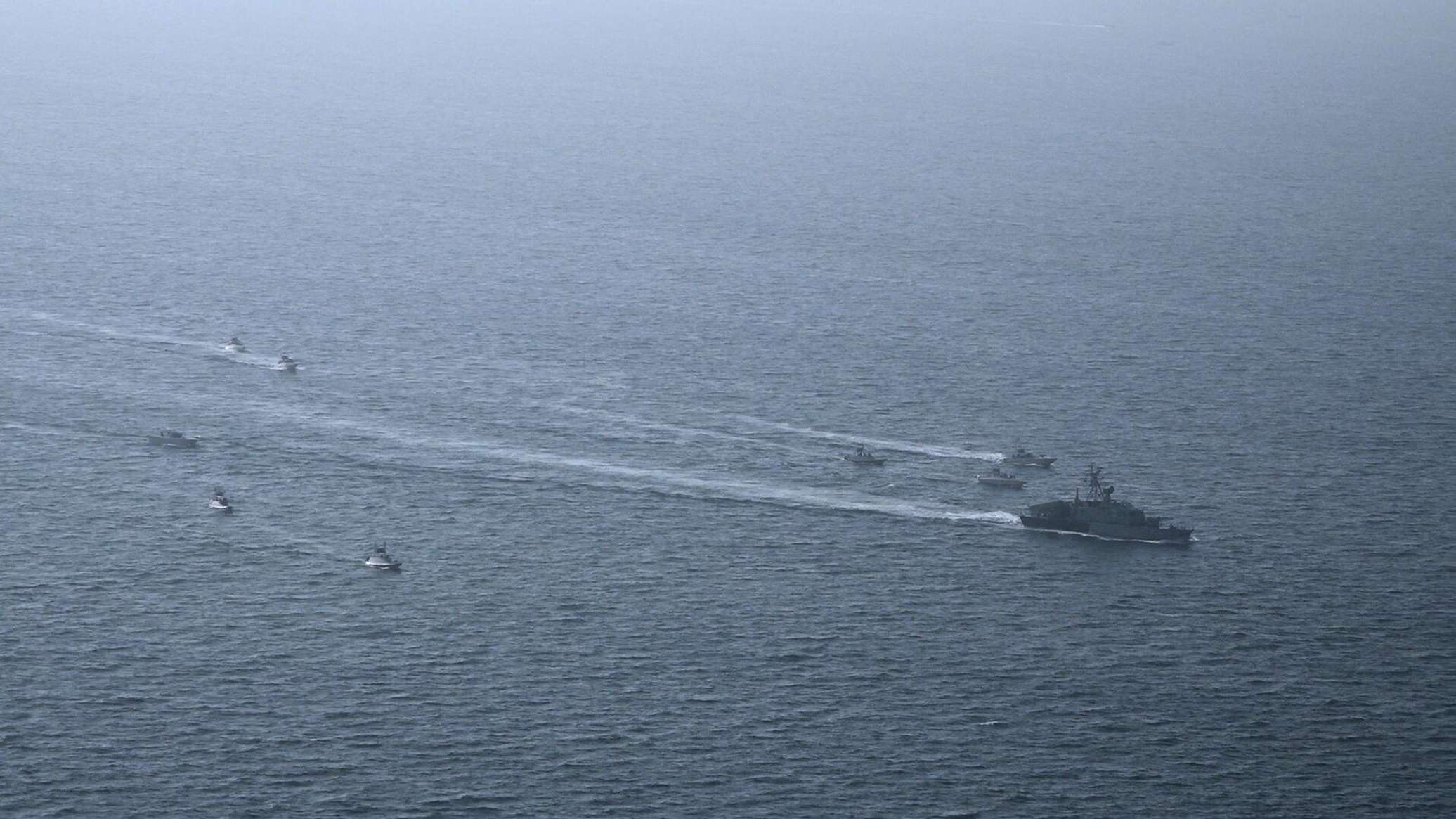
- The IRGC Navy’s reports of mine strikes and burning vessels on 22 October remain unverified, and the available accounts do not establish whether they describe one incident or separate incidents. Reports attributed to the IRGC describe three vessels hitting mines west of the Strait, four oil-transfer vessels detonated in the northern Persian Gulf, and, in a separate social-media claim, seven vessels hit. The discrepancies in number, location and cause lower confidence in the reported details. (Confidence: low · ASSESSED)
- I&W: Confirm: UKMTO, JMIC or a vessel operator identifies the affected ships and publishes locations, damage details or evidence consistent with mine strikes. (0-14 days)
- I&W: Break: independent reporting identifies the cited fires or damage as unrelated incidents, or contradicts the IRGC’s accounts of mines and vessel numbers. (0-14 days)
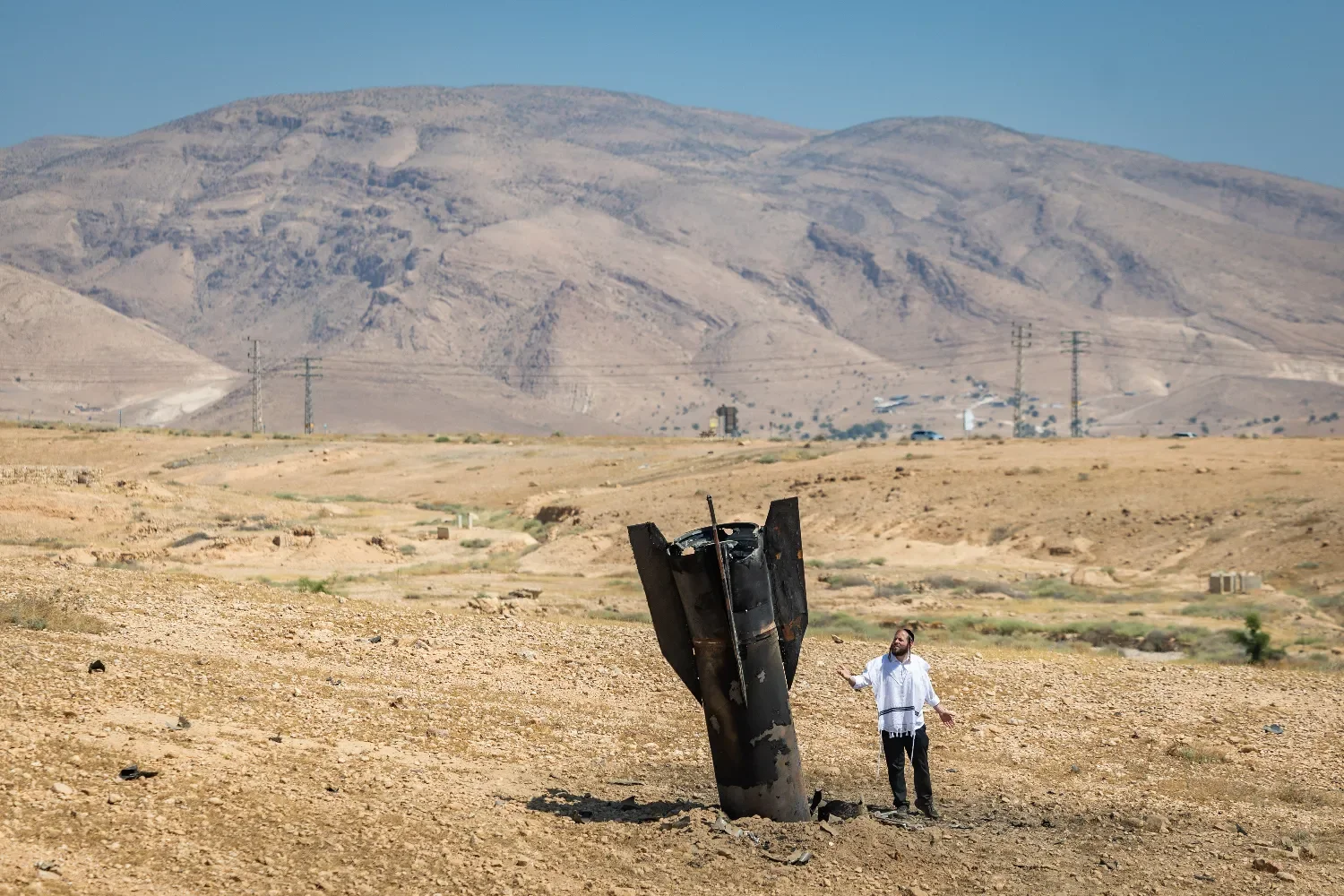
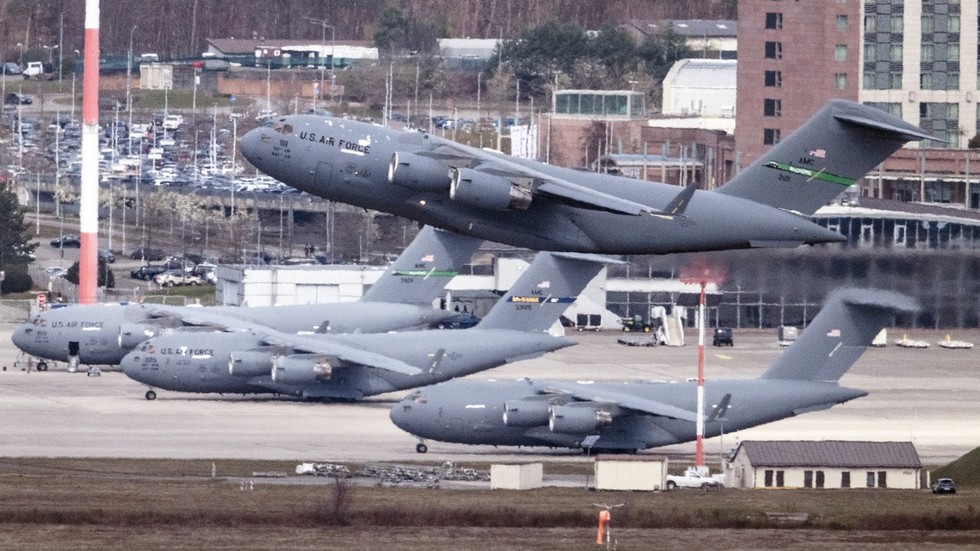
- A US strike on Iran before 3 November is unlikely, but the reporting does not establish that strike planning has stopped. Trump has pledged not to attack before the midterm elections, while reports say senior US military officials presented options involving nuclear facilities, underground installations, Kharg Island and Qeshm. Other reporting says an 10 October plan did not proceed and places an allied attack after the elections. The timing and authorisation of any operation remain unresolved. (Confidence: low · ASSESSED)
- I&W: Confirm: The White House publicly reiterates that the US will not attack Iran before 3 November, without announcing a change to that pledge. (0-12 days)
- I&W: Break: The White House or CENTCOM announces US authorisation for an attack on Iran, or confirms a US strike before 3 November. (0-12 days)
- A US-Iran agreement to reopen the Strait of Hormuz within 14 days is unlikely. Iran’s seven-day proposal requires Washington to lift its naval blockade, ease oil sanctions and agree to a broader cessation of hostilities. Accounts conflict over whether Trump rejected the proposal or the US accepted it while seeking additional clauses; Trump has also denied that negotiations are under way, while a Qatari mediator has said diplomatic efforts continue. (Confidence: low · ASSESSED)
- I&W: Confirm: Washington and Tehran publish matching terms and announce a timetable for lifting the blockade and restoring navigation through the Strait. (0-14 days)
- I&W: Break: Either government publicly rejects the seven-day proposal’s terms, or no agreement and reopening timetable is announced by 5 November. (0-14 days)
- A complete closure of the Strait of Hormuz is unlikely, but current reporting does not support a single reliable throughput estimate. One trade estimate puts oil flows through the Strait, including offshore transfers, at about 82 per cent of pre-war levels. For the week ending 18 October, Kpler estimated Persian Gulf flows at 24.6 million barrels per day while Vortexa estimated 18 million; broader regional estimates also use different baselines and include exports that bypass the Strait. IEA-reported crude shipping costs from the Middle East Gulf to Asia exceeded $37 per barrel by mid-October. (Confidence: medium · ASSESSED)
- I&W: Confirm: A weekly transit count shows laden oil tankers continuing to pass through the Strait, while Kpler and Vortexa publish estimates using the same geography and period. (0-14 days)
- I&W: Break: UKMTO or JMIC reports no laden tanker transits through the Strait for 72 consecutive hours, with independent flow reporting also indicating a halt. (0-14 days)
Outlook & scenarios
Continued maritime pressure, no US strike before the election (52%)
IRGC threats and reported vessel incidents continue to constrain commercial shipping, but the available flow reporting does not show a verified full closure. Trump maintains his pledge through 3 November. Iran and the US continue to issue conflicting statements about the seven-day proposal without announcing an agreement.
Strikes resume after 3 November (24%)
After the US midterm elections, US and Israeli forces execute limited strikes against targets in Iran. The reported target set includes nuclear facilities, underground installations, energy infrastructure, Kharg Island or Qeshm. Iran retaliates with missiles or drones against Israeli targets or US bases, consistent with its previous threats and reported actions.
Conditional deal reopens the Strait (19%)
Qatari mediation helps Washington and Tehran reconcile their accounts of the seven-day proposal. The US eases or lifts the maritime blockade and Iran restores navigation on an agreed timetable, while negotiations on a broader cessation continue.
Wildcard: maritime incident triggers direct retaliation (5%)
A confirmed mine strike or attack on a commercial vessel prompts Iranian action against a US base or regional infrastructure, including data centres or undersea internet cables. A US response then expands the exchange beyond the immediate maritime incident. This is a low-probability, high-impact scenario, not an established operational plan.
Recommendations
- Maintain a maritime incident ledger that separates IRGC claims from UKMTO and JMIC reporting. Record vessel identity, coordinates, time, damage, crew status and attribution; do not combine the three-, four- and seven-vessel accounts without verification.
- Track the US no-strike pledge against reporting on strike options and any public authorisation or confirmed military action. Treat 3 November as a key assessment date, not as proof that a strike will follow.
- Compare statements from Trump, Araghchi and Qatari mediators against the exact terms of the seven-day proposal. Distinguish a reported acceptance from agreement on conditions or implementation.
- Present Strait transits, Persian Gulf oil flows, bypass pipeline exports and freight costs as separate measures. Preserve the Kpler and Vortexa estimates as competing figures until their geographic scope, period and baseline are reconciled.
Confidence & uncertainty
Overall confidence is medium. UKMTO and JMIC reporting, alongside trade and wire reporting, supports the assessment that commercial shipping faces frequent attacks and high freight costs. Confidence is lower on the latest mine-strike claims because the key accounts trace to Iranian statements and differ on vessel numbers, location and cause. Strike planning is reported second-hand, while US-Iran statements conflict over both the timing of military action and the status of negotiations.
Alternative analysis (red cell)
The evidence does not justify treating a US strike before 3 November as unlikely with confidence, even at low confidence, because public assurances coexist with active planning and reported target options in claims 437c1403-bc68-46d6-8ad3-7a4db2006c1c and 62b6fe69-664c-4a4e-b29e-91efbab31a54. The failed 10 October operation in claim 6277be7f-c1fb-4ba5-ac65-b2e896b31a6c is consistent with postponement or conditional execution rather than abandonment. The available evidence therefore supports an unresolved, decision-dependent risk assessment rather than a directional judgment toward 'unlikely.'
Intelligence gaps
- [EEI 1.1 · UNCOVERED] Concentrations or unusual movements of IRGC-Navy fast attack craft, small boat swarms, or escort vessels within 200 km of US/allied ships, including approach distances and formation changes. Recommended collection: maritime/AIS
- [EEI 1.2 · UNCOVERED] Detected pre-launch activity at coastal missile or rocket batteries (vehicle dispersal, fuel/warhead handling, radars powering up, transport erector launchers moving to firing positions). Recommended collection: imagery/signals
- [EEI 1.3 · UNCOVERED] Increased launch/arming/positioning of armed UAVs (MALE/loitering munitions) or tactical aircraft at Iranian coastal bases with sortie generation rates and munitions loadouts. Recommended collection: air/ADS-B/imagery
- [EEI 1.4 · PARTIAL] Command-and-control indications of attack orders or elevated rules-of-engagement from IRGC/General Staff (intercepted communications, internal order messages, force-wide alert messages). Recommended collection: signals/human
- [EEI 2.2 · UNCOVERED] Issuance of formal orders, mobilization directives, travel restrictions, or official internal communications within IRGC/Armed Forces indicating escalation posture or stand-down. Recommended collection: human/diplomatic
- [EEI 2.3 · UNCOVERED] Directives, logistics movements, or communications from Iranian commanders to regional proxy militias (Houthis, Iraqi Shia militias, Lebanese groups) that change their threat posture or task them with specific operations. Recommended collection: signals/human
- [EEI 3.2 · PARTIAL] Discovery or reporting of naval mines, unexploded ordnance, or damage to fixed maritime infrastructure (oil platforms, terminals, pipelines) with geolocated imagery or on-scene assessments. Recommended collection: imagery/open-source
- [EEI 3.4 · UNCOVERED] Movements or posture changes of regional state navies/air forces (Saudi, UAE, Kuwait, Bahrain, UK) such as task group departures, airbase dispersals, or announced maritime patrols near choke points. Recommended collection: open-source/imagery
Red cell review: PARTIAL DISSENT
TLP:CLEAR