TLP:CLEAR · Disclosure is not limited.
Persian Gulf: Missile strikes on commercial shipping test US-Iran talks
Time window: Last 1 day · Audience: General analyst · Type: Situation report · DTG: 2026-07-07 12:14Z · Overall confidence: LOW
BLUF
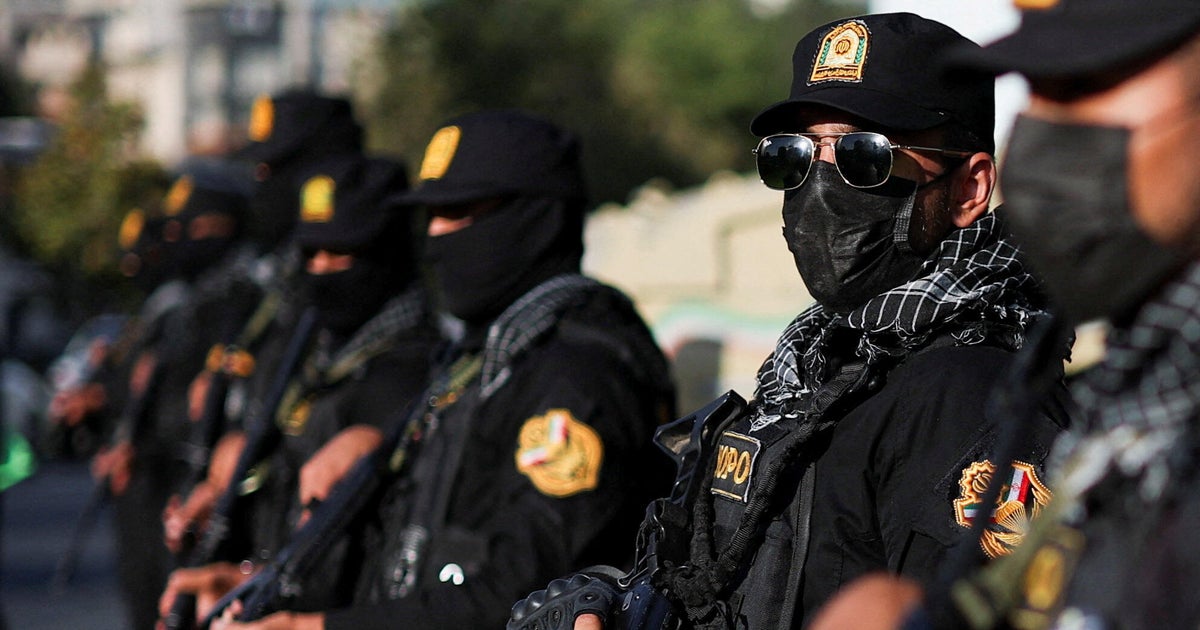
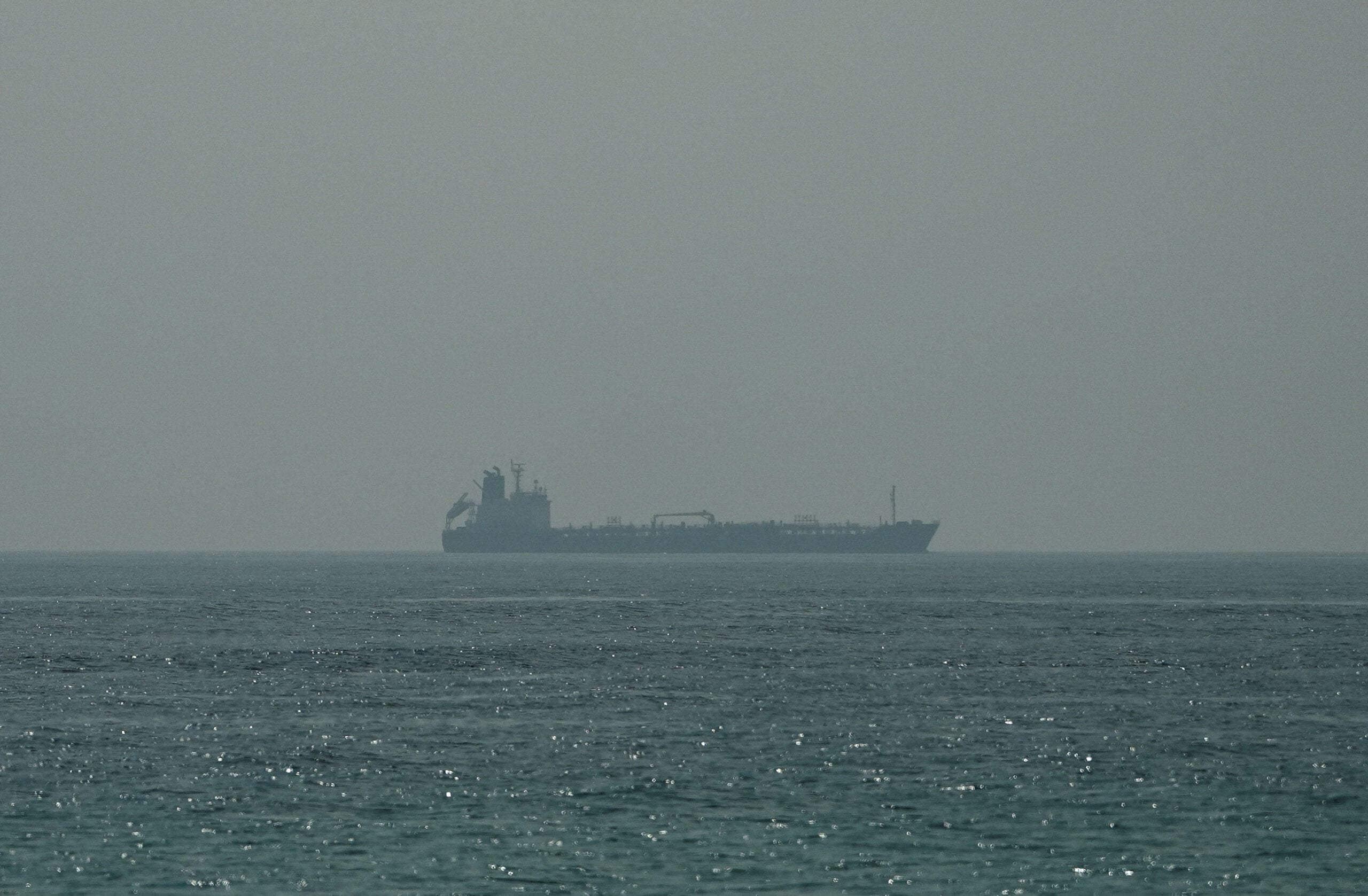
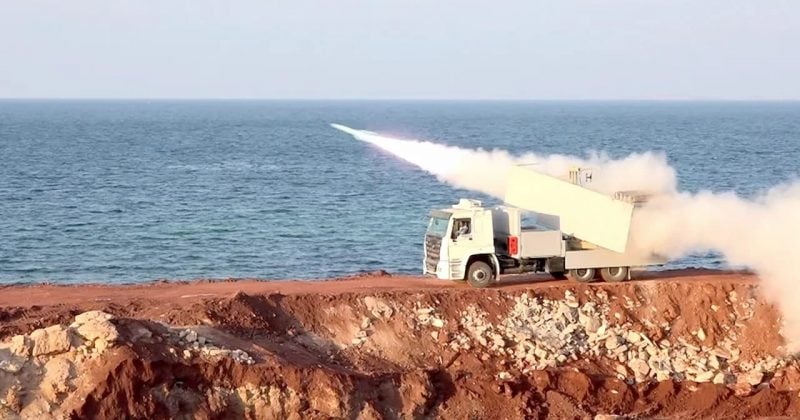
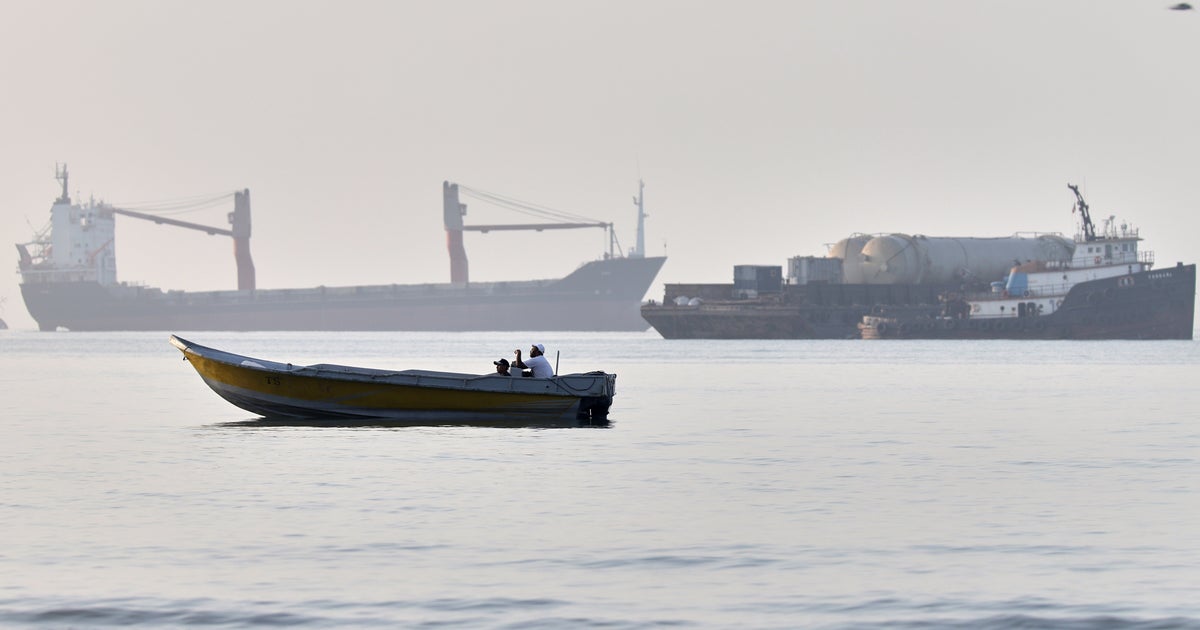
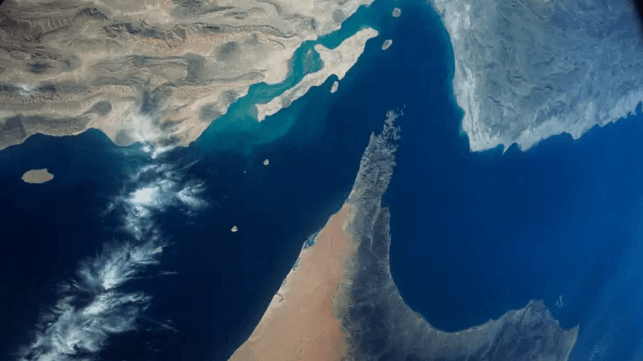
A Qatari LNG carrier, Al Rekayyat, was hit by a projectile east of Limah, Oman, on 6-7 July, igniting a fire; reporting indicates the IRGC very likely fired at least two missiles at commercial ships transiting the Strait of Hormuz. Tehran’s coercive routing posture and hardening rhetoric are likely to stall the 60‑day negotiating track even as markets price in only a modest risk premium.
Executive summary
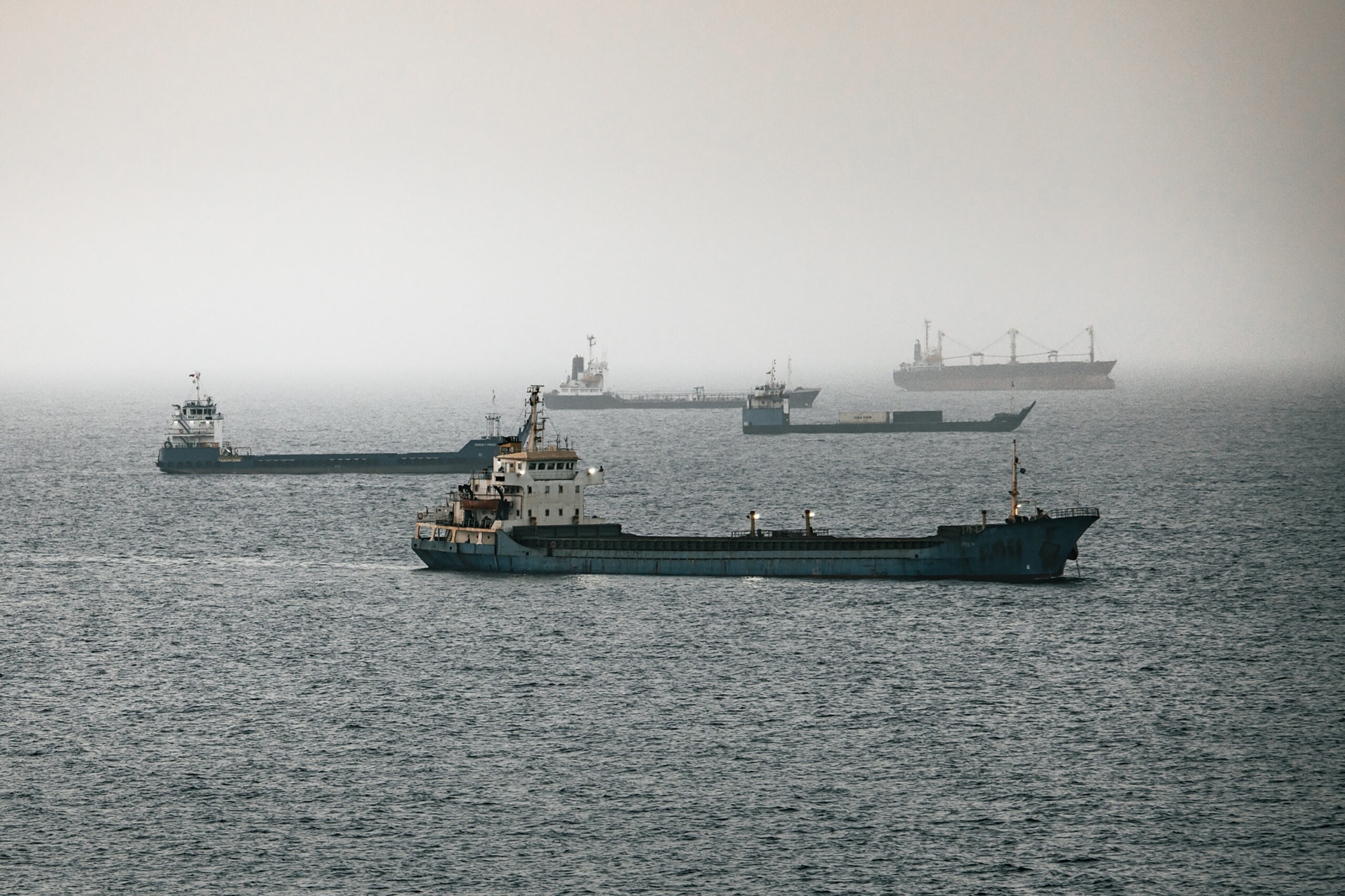
Multiple, mutually reinforcing reports indicate a laden LNG carrier was struck near the Omani coast as it exited the Strait of Hormuz, causing an engine‑room fire and disabling the vessel, with the crew reported safe. UKMTO urged caution and the Joint Maritime Information Center’s threat level remains substantial. US officials cited in press reporting say Iran’s Islamic Revolutionary Guard Corps fired at least two missiles at commercial ships the night of 6-7 July, with separate accounts indicating damage to a Saudi‑flagged crude tanker. Iranian state television framed the attack as a response to ignored warnings. In parallel, Washington has signalled eagerness to press negotiations to reopen the strait, while President Trump warned the US would ‘finish the job’ absent a deal, and Iran’s foreign minister said Tehran will not resume talks under threat. Talks were suspended during the funeral period for Khamenei. Energy markets moved modestly on the news, with European gas up as much as 6 percent and oil benchmarks ticking higher.
Change from previous assessment
New kinetic activity drives this update. Since the prior brief, reporting indicates the IRGC very likely fired missiles at commercial shipping on 6-7 July and the Qatari LNG carrier Al Rekayyat was struck east of Limah, igniting a fire. We assess Tehran’s coercive routing posture continues, now reinforced by a strike narrative tied to ignored warnings. Talks were paused during Khamenei’s funeral and Iranian officials rejected negotiations under threat while Washington paired eagerness for talks with renewed warnings. Markets added a modest risk premium. We add judgments on the missile activity and near‑term diplomatic pause, and we note lower overall confidence due to conflicting timelines and partial attributions. Initial assessment of this topic’s specific 6-7 July incident sequence.
Key judgments
- Al Rekayyat was very likely struck by a projectile east of Limah, Oman, in the early hours of 7 July, causing an engine‑room fire and disabling the ship, with the crew reported safe and no pollution. (Confidence: high · REPORTED)
- I&W: Publication of a UKMTO final incident report identifying Al Rekayyat by name and MMSI with a described port‑side impact east of Limah (0-14 days)
- I&W: Owner or flag‑state statement contradicts the reported damage or location (0-14 days)
- The IRGC very likely fired at least two missiles at commercial ships transiting the Strait of Hormuz on the night of 6-7 July, consistent with Tehran’s recent threats and routing demands, though details on the second target remain inconsistent. (Confidence: medium · ASSESSED)
- I&W: An on‑record attribution by US Central Command or a partner navy linking the strikes to IRGC missile units (0-14 days)
- I&W: Forensic assessments indicate a different weapon type or a non‑state actor as the source of the damage (0-14 days)
- Iran is likely enforcing coercive control over Strait of Hormuz transits by insisting on an approved corridor and threatening or punishing deviations, keeping the maritime threat level substantial. (Confidence: medium · ASSESSED)
- I&W: Iran issues new Navtex or radio advisories reiterating mandatory use of its designated route through the strait (0-14 days)
- I&W: Multiple transits along the Omani‑shore route proceed for several weeks without interference or warnings (1-3 months)
- US‑Iran diplomacy is likely to remain paused in the near term as both sides harden positions: Washington signals eagerness to negotiate while pairing it with threats to ‘finish the job’, and Tehran says it will not resume talks under threat, with engagement already suspended during Khamenei’s funeral period. (Confidence: medium · ASSESSED)
- I&W: Announcement of a concrete date and venue for the next round of indirect talks (0-14 days)
- I&W: A public Iranian statement declaring the 60‑day negotiating period void or terminated (1-3 months)
- Energy markets have so far priced in only a modest risk premium from the 7 July shipping attacks, but further strikes on LNG or crude carriers are likely to prompt sharper volatility. (Confidence: medium · ASSESSED)
- I&W: Two or more additional attacks on LNG or crude carriers in or near the strait within a fortnight, followed by a 5-10 percent move in Brent (0-14 days)
- I&W: Sustained recovery of transits to at least two‑thirds of pre‑conflict levels with no new incidents (1-3 months)
Outlook & scenarios
IRGC escalates coercive enforcement around Limah corridor (40%)
IRGC continues missile or drone strikes against ships perceived to ignore Iranian routing near Limah, paired with maritime radio threats. Additional tankers are damaged without casualties, raising insurance rates and prompting more diversions. Talks limp on in the background but without a reset.
Managed friction, sporadic incidents and slow diplomacy (50%)
After the Al Rekayyat strike and related warnings, incidents subside to sporadic harassment as both sides keep channels ajar. Talks resume quietly after the funeral period, but Tehran’s route demands persist and UKMTO keeps cautionary advisories in effect.
Interim route deconfliction and pause in attacks (30%)
US and Iranian interlocutors leverage the 60‑day window to agree practical deconfliction on routing. Iranian messaging softens, UKMTO reports fewer alerts, and traffic continues its recent recovery. Market risk premia ease.
Wildcard: high‑impact strike triggers broader shutdown fears (10%)
A mass‑casualty hit or major spill on an LNG or crude carrier prompts emergency rerouting and sharp price spikes. Diplomatic channels freeze as both sides trade ultimatums.
Recommendations
- Build a validated incident timeline for 6-7 July using UKMTO alerts, British military reporting, and owner or class statements on Al Rekayyat; maintain a single‑source caveat where attribution rests on unnamed officials.
- Map recent transits relative to Iran’s declared ‘approved route’ and the Omani‑shore lane; correlate deviations with warning or strike reports to test the coercive‑control assessment.
- Task continuous monitoring of UKMTO advisories and JMIC threat level updates for the Strait of Hormuz; flag any elevation or explicit routing notices from Tehran.
- Track official statements on the negotiating track, including any published dates or venues for indirect talks, in parallel with rhetoric from Iran’s foreign minister and the US president.
- Monitor LNG and crude liftings from Ras Laffan and Gulf export terminals through AIS and broker notes for signs of delayed departures, diversions, or speed/route changes following the attack.
- Prepare an indicators dashboard keyed to the listed tripwires, with standing collection and reporting lines to rapidly confirm or refute further missile or drone activity near Limah.
Confidence & uncertainty
Overall confidence is low. The core tanker strike near Limah is supported by multiple independent reports, but attribution of at least two missile launches to the IRGC relies on press accounts citing unnamed US officials, with unresolved contradictions on exact timing and the number and type of vessels affected. Iranian state media’s narrative of ignored warnings, and varying accounts of a second Saudi‑flagged tanker, introduce further uncertainty. Diplomatic reporting mixes on‑the‑record statements with broad rhetoric, and while market moves are measurable, their linkage to security dynamics is partly inferential. A higher confidence level could be warranted once an on‑record military attribution and consolidated incident reporting are available, but at present corroboration gaps keep the overall assessment at low.
Alternative analysis (red cell)
The available reporting is fragmentary and often duplicative or low‑fidelity: many supporting claims lack independent sourcing (origin_cluster_id null) and include mixed Admiralty reliability. For the maritime incidents, alternative readings — unverified strike versus nearby accident, misattributed launches, or rhetorical warnings rather than systematic coercion — are defensible. Similarly, diplomatic and market signals are mixed (simultaneous hardening rhetoric and mediation/optimism; strong LNG price moves but muted oil reaction), so the report should present these as contingent, not settled, assessments pending forensic, ISR, and official confirmations.
Intelligence gaps
- [EEI 1.2 · UNCOVERED] Detected pre-launch activity at coastal missile or rocket batteries (vehicle dispersal, fuel/warhead handling, radars powering up, transport erector launchers moving to firing positions). Recommended collection: imagery/signals
- [EEI 1.3 · UNCOVERED] Increased launch/arming/positioning of armed UAVs (MALE/loitering munitions) or tactical aircraft at Iranian coastal bases with sortie generation rates and munitions loadouts. Recommended collection: air/ADS-B/imagery
- [EEI 2.2 · UNCOVERED] Issuance of formal orders, mobilization directives, travel restrictions, or official internal communications within IRGC/Armed Forces indicating escalation posture or stand-down. Recommended collection: human/diplomatic
- [EEI 2.3 · UNCOVERED] Directives, logistics movements, or communications from Iranian commanders to regional proxy militias (Houthis, Iraqi Shia militias, Lebanese groups) that change their threat posture or task them with specific operations. Recommended collection: signals/human
- [EEI 3.2 · UNCOVERED] Discovery or reporting of naval mines, unexploded ordnance, or damage to fixed maritime infrastructure (oil platforms, terminals, pipelines) with geolocated imagery or on-scene assessments. Recommended collection: imagery/open-source
- [EEI 3.4 · UNCOVERED] Movements or posture changes of regional state navies/air forces (Saudi, UAE, Kuwait, Bahrain, UK) such as task group departures, airbase dispersals, or announced maritime patrols near choke points. Recommended collection: open-source/imagery
Cited sources
[1] wwno.org · Tanker set ablaze after being struck by projectile in the Strait of Hormuz (A) · sha256:ffad1745ed9e [2] gcaptain.com · Qatari LNG Ship Struck in Strait of Hormuz, Testing US Talks (A) · sha256:3113a0e31733 [3] CBS News · U.S.-Iran Updates: Tanker hit in Strait of Hormuz as Tehran threatens to ditch talks over Trump's threats (A) · sha256:041db5fb5ec1 [4] nypost.com · Iran fires missiles at commercial ships in Strait of Hormuz: report (B) · sha256:269178ab521b [5] HuffPost · Tankers Hit In Strait Of Hormuz As Millions Mourn Iran's Khamenei (A) · sha256:3a3df4ca30e1 [6] marinelink.com · Commercial Ships Hit in Hormuz Missile Attacks (B) · sha256:4c6d8ef93679 [7] gcaptain.com · Tanker Struck by Projectile Near Hormuz, Sparking Fire (B) · sha256:684afa21259d [8] ynetnews.com · Iran fires missiles at commercial ships in Strait of Hormuz, report says (B) · sha256:9ed5afa1374f [9] cryptobriefing.com · Iran fires missiles at ships in Strait of Hormuz, escalating tensions (B) · sha256:d8312f8608b5 [10] insurancejournal.com · Iran Missiles Reportedly Hit Ships in Hormuz, Testing US Talks (A) · sha256:462ed56b9a4d [11] The Jerusalem Post · Live Updates: Latest from Israel, Iran, and Middle East | The Jerusalem Post (A) · sha256:84d26cb8fc56 [12] maritime-executive.com · Iran Resumes Attacks on Merchant Shipping With Strike on LNG Carrier (A) · sha256:e822179d55b8 [13] oilandgas360.com · World absorbs historic Iran war oil supply loss, but depleted stocks bring risks - Oil & Gas 360 (B) · sha256:018151e2a2fb
Source content hashes were computed at collection time; the cited text is preserved unmodified for the life of this product.
Red cell review: PARTIAL DISSENT
TLP:CLEAR