TLP:CLEAR · Disclosure is not limited.
Persian Gulf: Second‑day U.S. strikes and Iranian regional fire keep Hormuz on edge
Time window: Last 1 day · Audience: General analyst · Type: Situation report · DTG: 2026-07-10 13:21Z · Overall confidence: MEDIUM
BLUF
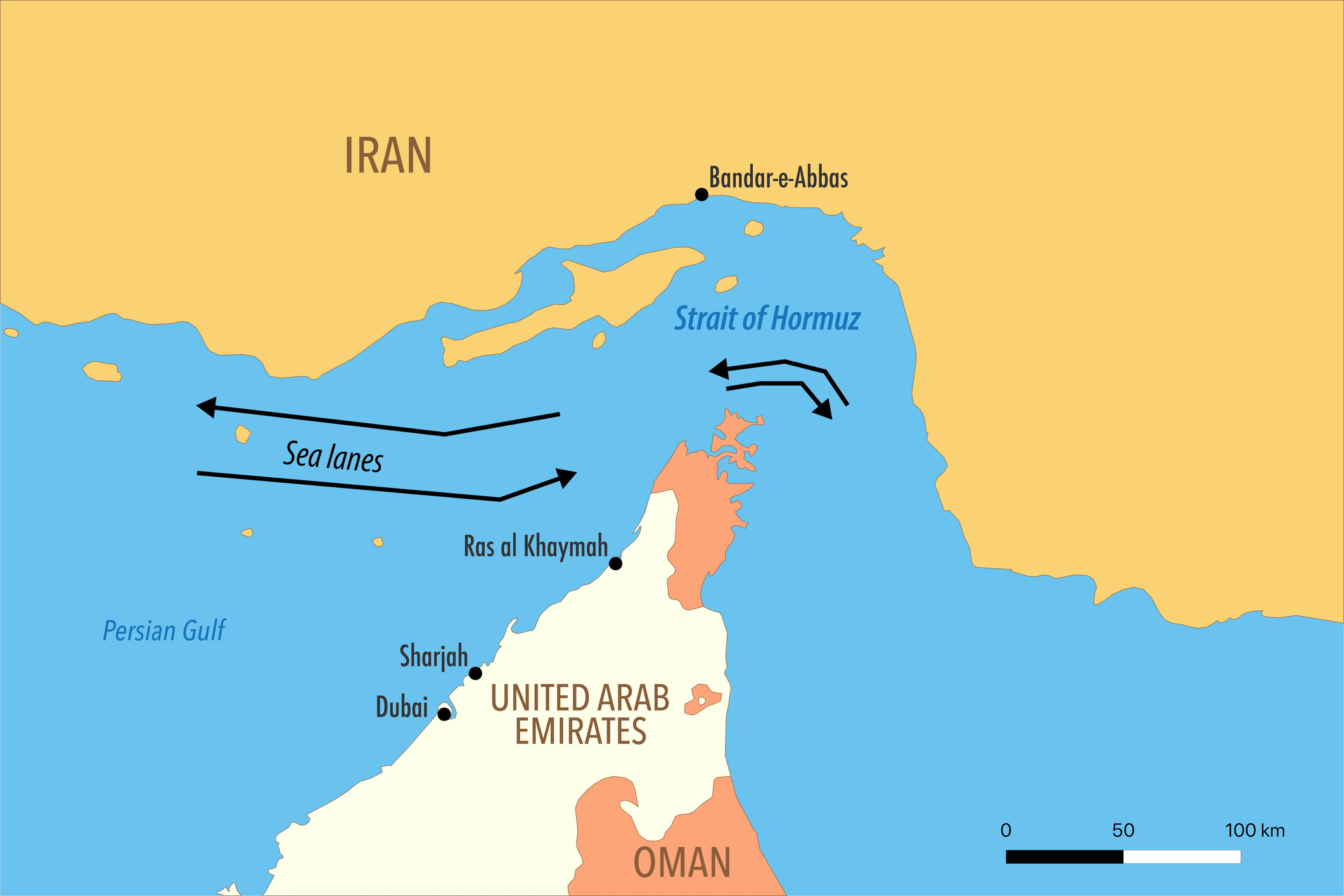
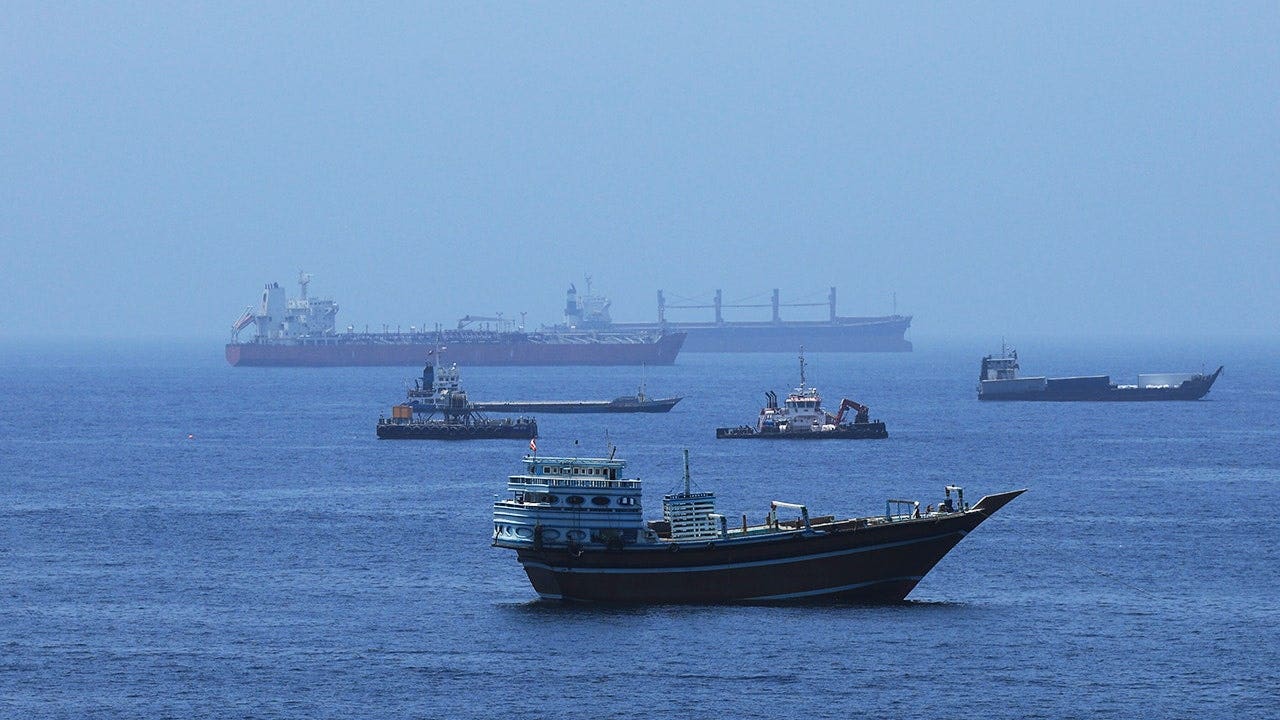
U.S. forces almost certainly struck roughly 90 targets across Iran again on 9-10 July, and Iran very likely replied with missiles and drones toward U.S.-linked sites in Kuwait, Bahrain, Qatar and Jordan that Gulf air defences largely intercepted. Shipping through the Strait of Hormuz is likely severely disrupted amid surging war‑risk costs, though some LNG and Japan‑linked vessels continue to transit.
Executive summary
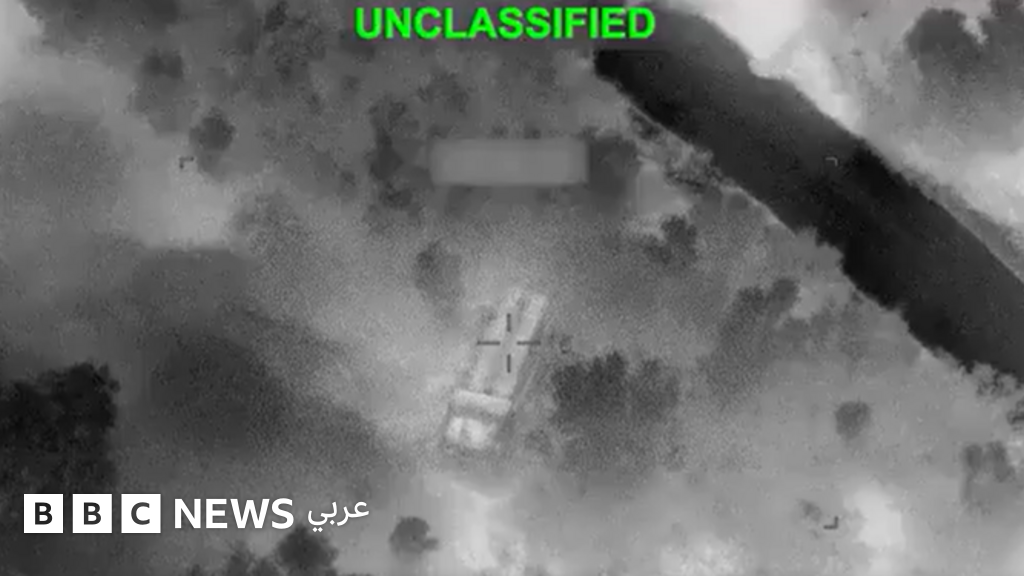
CENTCOM reported multiple rounds of strikes hitting about 90 targets across Iran between 8 and 10 July, including coastal military infrastructure and areas around Bushehr, aiming to blunt attacks on shipping. Iranian volleys then targeted U.S.-linked locations in Kuwait, Bahrain, Qatar and a U.S. base in Jordan, triggering missile‑alert sirens and a wave of interceptions by Kuwaiti and Jordanian air defences. Reporting from Iran’s Health Ministry indicates at least 14 killed and 78 wounded over two days from U.S. strikes, with some accounts placing the cumulative toll since 6 July higher. The ceasefire and memorandum of understanding have very likely collapsed in practical terms as both sides trade new fire and President Trump publicly declares the arrangement “over” while signalling further action. Maritime risk in Hormuz remains acute: several sources describe near‑standstill periods and soaring war‑risk rates, even as a handful of LNG and Japan‑linked ships continue to run the gauntlet. Unclaimed airstrikes after CENTCOM said a round had concluded add ambiguity that could fuel miscalculation.
Change from previous assessment
Since the 9 July brief, reporting confirms additional unclaimed airstrikes after CENTCOM said a round had concluded, increasing misattribution risk. Missile‑alert sirens and interceptions extended across Bahrain, Jordan, Kuwait and Qatar. President Trump publicly declared the ceasefire and memorandum ‘over’ and signalled further action, reinforcing our assessment that interim understandings have collapsed. Tehran’s foreign minister conducted new rounds of calls with Saudi, Turkish and Omani counterparts as Oman continued mediation. Maritime signals remain mixed: sources describe near‑standstill periods and rising war‑risk premia while some LNG and Japan‑linked vessels still transited. We added a judgment on unclaimed strikes and maintained the shipping disruption judgment with medium confidence due to conflicting indicators.
Key judgments
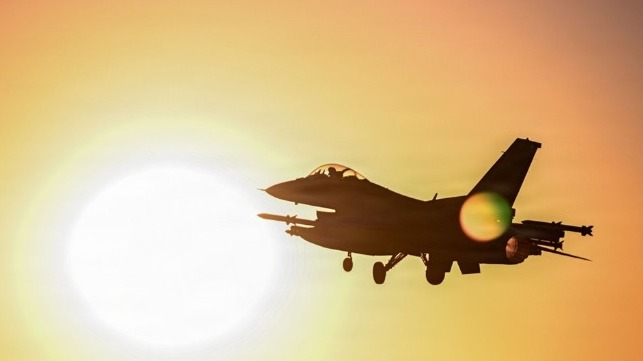
- The United States almost certainly conducted multiple rounds of large‑scale strikes between 8 and 10 July, hitting roughly 90 Iranian military targets along the coast and around sites such as Bushehr, with CENTCOM stating the aim was to degrade Iran’s ability to attack shipping. (Confidence: high · REPORTED)
- I&W: CENTCOM publishes strike BDA with imagery and a target set list matching air defence, coastal surveillance, missile and drone storage, and logistics nodes (0-14 days)
- I&W: Independent satellite imagery and crater mapping identify fewer than 20 distinct impact sites nationwide (0-14 days)
- Iran very likely retaliated with missiles and drones against U.S.-linked facilities in Kuwait, Bahrain, Qatar and a U.S. base in Jordan, prompting air‑raid sirens and interceptions by Kuwaiti and Jordanian air defences. (Confidence: high · REPORTED)
- I&W: Gulf defence ministries release photos or serial fragments from downed missiles and drones linked to Iranian systems (0-14 days)
- I&W: No further siren activations or interception reports in Kuwait, Bahrain, Qatar or Jordan (0-14 days)
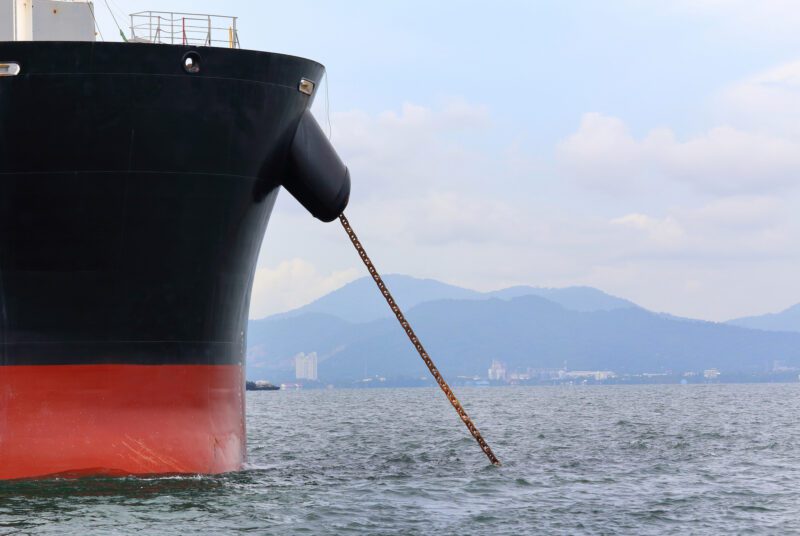
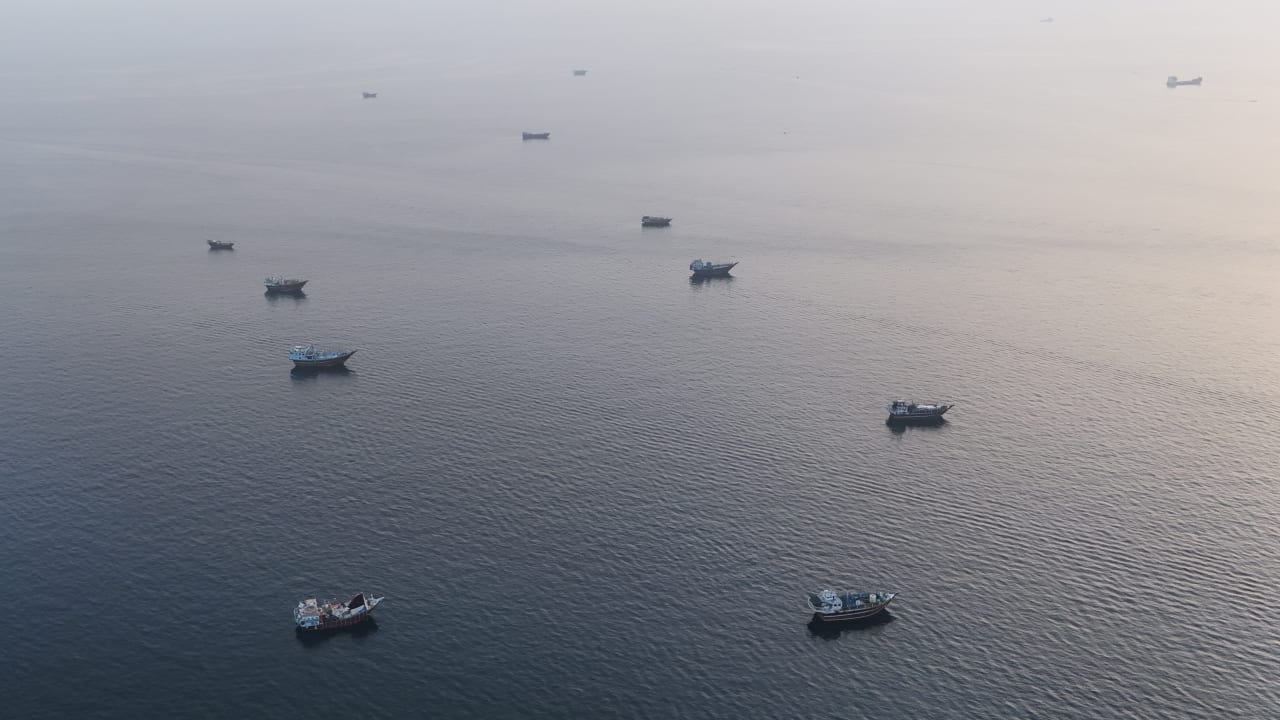
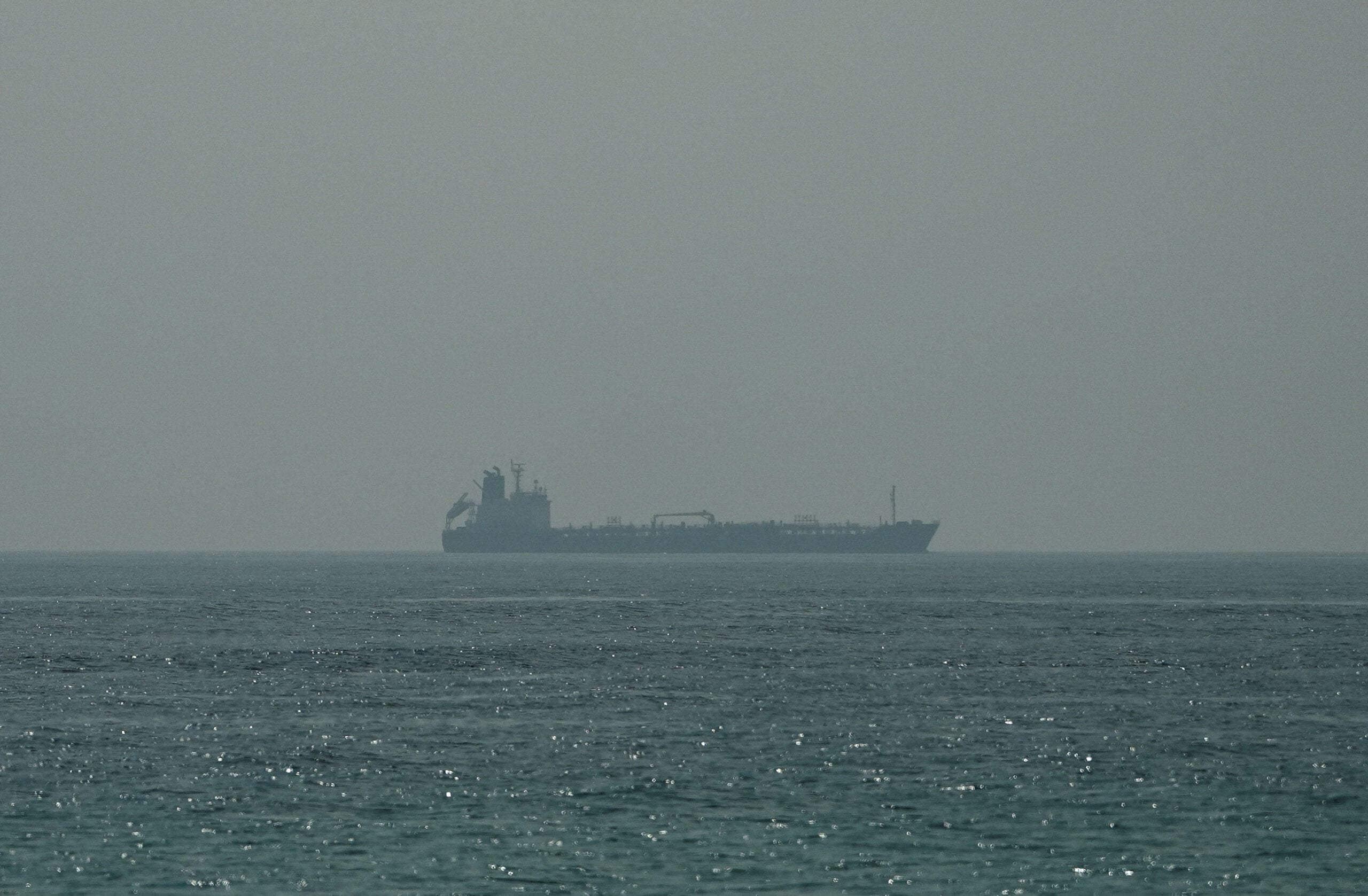
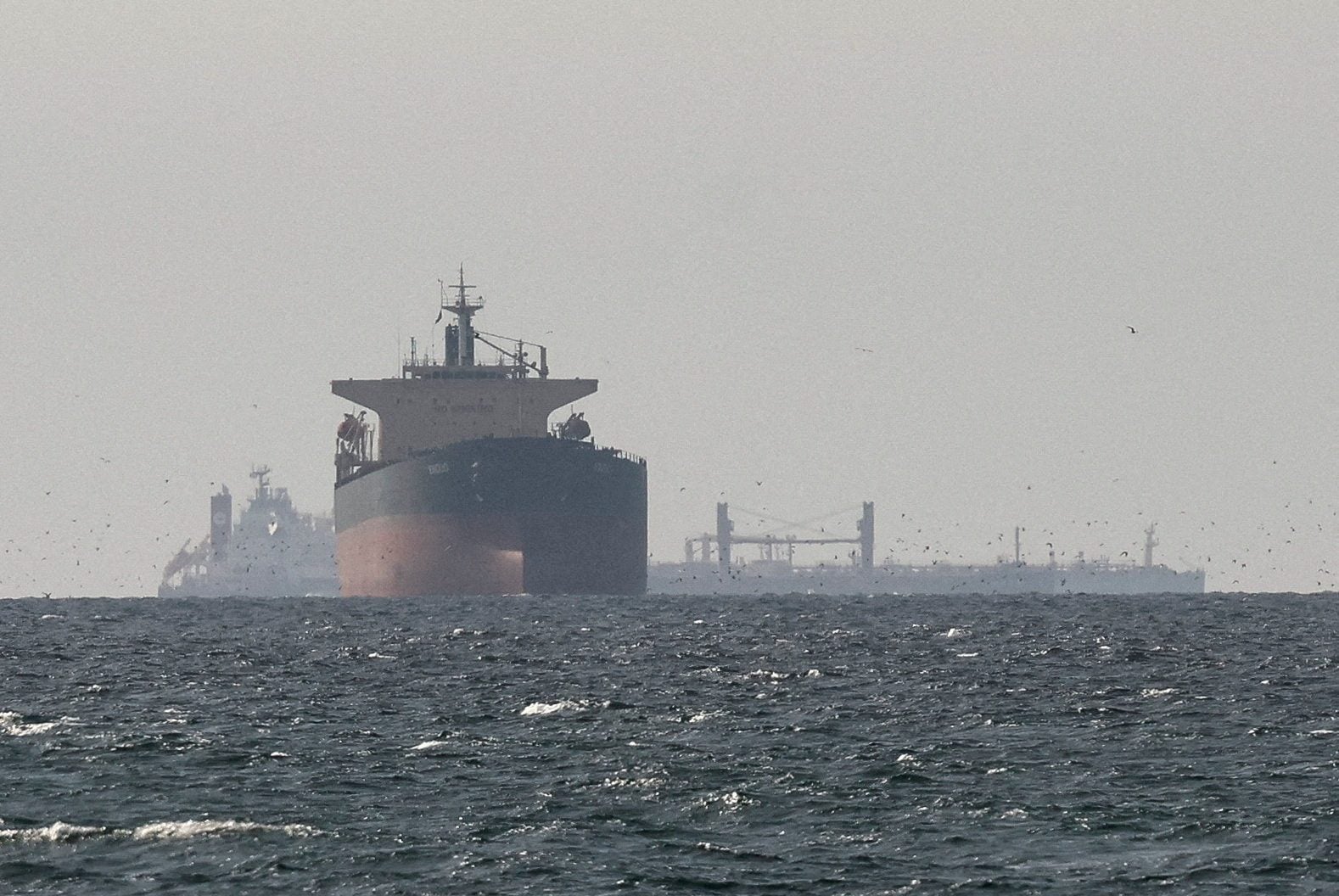
- Commercial traffic through the Strait of Hormuz is likely severely disrupted, with periods of near‑standstill and soaring war‑risk insurance, although some LNG and Japan‑linked vessels continue to transit. (Confidence: medium · ASSESSED)
- I&W: War‑risk premia quoted at 4 percent or more of hull value for Hormuz transits (0-14 days)
- I&W: Average daily AIS‑visible transits sustain at 40 or more for at least seven consecutive days (1-3 months)
- U.S. strikes very likely caused at least 14 fatalities and around 78 wounded in Iran over the last two days, though some reporting places the toll since 6 July higher, highlighting uncertainty in casualty accounting. (Confidence: medium · REPORTED)
- I&W: Iran’s Health Ministry issues an updated nationwide casualty roll exceeding 14 dead and 78 injured from recent strikes (0-14 days)
- I&W: Official Iranian casualty figures are revised to fewer than 10 fatalities (0-14 days)
- The interim ceasefire and related U.S., Iran understandings have very likely collapsed in practice, as both sides exchange new strikes and President Trump publicly declares the ceasefire and memorandum “over” while signalling further action. (Confidence: high · ASSESSED)
- I&W: Further U.S. or Iranian strikes are publicly acknowledged by either side (0-14 days)
- I&W: A joint U.S., Iran announcement reinstates ceasefire terms with verifiable monitoring provisions (1-3 months)
- Iran is likely moving to tighten control over maritime governance in the Strait of Hormuz through the IRGC Navy, a posture that cannot be fully neutralised and will sustain elevated risk to commercial shipping. (Confidence: medium · ASSESSED)
- I&W: IRGC Navy announces new inspection or permit procedures for merchant traffic transiting Hormuz (1-3 months)
- I&W: Multinational naval escorts restore sustained, unhindered south‑route transits at near pre‑conflict volumes (1-3 months)
- Additional unclaimed airstrikes after CENTCOM said a round had concluded very likely increase misattribution risks and complicate de‑escalation. (Confidence: medium · ASSESSED)
- I&W: Iranian officials attribute subsequent strikes to a third actor or threaten retaliation beyond the U.S. (0-14 days)
- I&W: CENTCOM assumes responsibility for the previously unclaimed strikes, clarifying the timeline (0-14 days)
Outlook & scenarios
Managed tit‑for‑tat with continued interceptions (60%)
In the near term, the United States and Iran trade further limited strikes. Iran launches additional missiles and drones toward U.S.-linked facilities in Kuwait, Bahrain, Qatar and Jordan, while Gulf and Jordanian air defences continue to intercept most inbound threats. Washington signals readiness to strike again, keeping pressure on coastal military infrastructure. Maritime traffic remains jittery but does not fully stop.
Maritime choke intensifies and insurers pull back (40%)
Attacks and threats around Hormuz escalate, pushing oil tanker movements toward near‑standstill periods. War‑risk insurance premia climb, and more shipowners defer transits. A handful of LNG and Japan‑linked sailings continue but broader flows thin, amplifying price volatility.
Mediation pause lowers tempo briefly (30%)
Oman and regional interlocutors sustain phone diplomacy with Tehran. Hostilities pause long enough to lower alert levels and allow selective transits, but without a verifiable framework the lull proves fragile and the risk of renewed exchanges persists.
Regional escalation involving Israel (20%)
Following additional unclaimed strikes, misattribution or an Iranian decision to widen the fight draws in Israel, which has publicly threatened readiness to confront Iran. Exchanges intensify beyond the Gulf, raising the risk to commercial aviation and shipping lanes.
Recommendations
- Maintain a rolling OSINT and imagery baseline on Iranian coastal military infrastructure and air defence sites named by CENTCOM; produce BDA overlays to track attrition and regeneration.
- Exploit debris‑recovery reporting from Kuwait, Bahrain, Qatar and Jordan to identify missile and drone types, trajectories and launch areas; build a cross‑reference library from published fragments and intercept imagery.
- Stand up a Hormuz risk dashboard that fuses AIS transits, insurer quotes, and broker enquiries to flag daily changes in south‑route usage and war‑risk pricing.
- Coordinate with the U.S. Navy on guidance for the southern route through Hormuz and share changes promptly with U.S. operators and allies’ shipping advisers.
- Task collection against IRGC Navy communications and Iranian parliamentary and ministerial statements on Hormuz governance to detect any shift toward formalised inspections or permitting.
- Leverage Oman’s mediator role and track Iranian Foreign Ministry outreach to Saudi Arabia and Turkey to identify any opening for a verifiable pause that includes maritime de‑confliction.
- Use NASA FIRMS thermal detections to cue geolocation of fresh impacts around Bushehr and along the Hormozgan coast, while treating heat signatures as corroboration rather than attribution of cause.
Confidence & uncertainty
Multiple independent, high‑reliability sources report U.S. strikes on roughly 90 targets and Iranian retaliatory launches with associated siren activations and interceptions, supporting high confidence in the core military exchange. Confidence is reduced by contradictory or lower‑confidence reporting on maritime traffic levels in Hormuz and diverging casualty tallies from Iranian authorities. The presence of unclaimed strikes after a declared end to a U.S. round introduces ambiguity on attribution and intent. On balance, these factors justify a medium overall confidence rating.
Intelligence gaps
- [EEI 1.1 · UNCOVERED] Concentrations or unusual movements of IRGC-Navy fast attack craft, small boat swarms, or escort vessels within 200 km of U.S./allied ships, including approach distances and formation changes. Recommended collection: maritime/AIS
- [EEI 1.2 · PARTIAL] Detected pre-launch activity at coastal missile or rocket batteries (vehicle dispersal, fuel/warhead handling, radars powering up, transport erector launchers moving to firing positions). Recommended collection: imagery/signals
- [EEI 1.3 · PARTIAL] Increased launch/arming/positioning of armed UAVs (MALE/loitering munitions) or tactical aircraft at Iranian coastal bases with sortie generation rates and munitions loadouts. Recommended collection: air/ADS-B/imagery
- [EEI 1.4 · UNCOVERED] Command-and-control indications of attack orders or elevated rules-of-engagement from IRGC/General Staff (intercepted communications, internal order messages, force-wide alert messages). Recommended collection: signals/human
- [EEI 2.2 · UNCOVERED] Issuance of formal orders, mobilization directives, travel restrictions, or official internal communications within IRGC/Armed Forces indicating escalation posture or stand-down. Recommended collection: human/diplomatic
- [EEI 2.3 · UNCOVERED] Directives, logistics movements, or communications from Iranian commanders to regional proxy militias (Houthis, Iraqi Shia militias, Lebanese groups) that change their threat posture or task them with specific operations. Recommended collection: signals/human
- [EEI 3.2 · PARTIAL] Discovery or reporting of naval mines, unexploded ordnance, or damage to fixed maritime infrastructure (oil platforms, terminals, pipelines) with geolocated imagery or on-scene assessments. Recommended collection: imagery/open-source
- [EEI 3.4 · PARTIAL] Movements or posture changes of regional state navies/air forces (Saudi, UAE, Kuwait, Bahrain, UK) such as task group departures, airbase dispersals, or announced maritime patrols near choke points. Recommended collection: open-source/imagery
Cited sources
[1] wkms.org · U.S. and Iran exchange intensifying fire across Mideast, threatening ceasefire deal (A) · sha256:c66a99211b36 [2] UALR Public Radio · U.S. and Iran exchange intensifying fire across Mideast, threatening ceasefire deal (A) · sha256:ed61d83f57af [3] npr.org · U.S. and Iran exchange intensifying fire across Mideast, threatening ceasefire deal (A) · sha256:29a32e92c50d [4] BBC News عربي · إيران تستهدف قواعد أمريكية في الخليج والأردن رداً على قصف أمريكي لـ90 هدفاً عسكرياً إيرانياً - BBC News عربي (A) · sha256:2af099e5e055 [5] Associated Press · Unclaimed airstrikes target Iran after US attacks, raising questions of who launched them (A) · sha256:c5e3322cef9f [6] Oil & Gas 360 · U.S., Iran exchange airstrikes as Hormuz shipping disruptions deepen - Oil & Gas 360 (B) · sha256:4e53136a347f [7] bbc.co.uk · Huge crowds in Mashhad for burial of Iran's late supreme leader (A) · sha256:be730a8bf9cc [8] gcaptain.com · Oil Tanker Traffic Through Hormuz at Near Standstill as Attacks Strain MoU (A) · sha256:6fa103c869d8 [9] gcaptain.com · Hormuz War-Risk Cover Climbs as Shipowners Pull Back (B) · sha256:0c13f8271499 [10] gcaptain.com · More LNG, Japan-Linked Vessels Transit Hormuz Despite Renewed Mideast Tensions (B) · sha256:c7994dce4cf0 [11] gcaptain.com · UAE’s Oil Output Surged to Record High in June, IEA Says (A) · sha256:1175802f246c [12] epravda.com.ua · Just a moment.. (B) · sha256:f9521dd8c261 [13] foxnews.com · Iran's biggest weapon against the US may be slipping away, experts say (B) · sha256:a5f7e6cb179d [14] CNN · The Iranians are drawing a ‘red line’, says CNN’s Frederik Pleitgen | CNN (A) · sha256:ff9e137f19ac [15] gcaptain.com · U.S. Escalates Strikes on Iran After Attacks on Commercial Ships (B) · sha256:8107e4a7eba5 [16] CNN · The US has struck Iran at least 170 times in two days. But what is the goal? | CNN (A) · sha256:8648ad90f4cc [17] jpost.com · Iran using Gulf attacks to force control over Strait of Hormuz shipping, analysts warn (B) · sha256:88cb6f0d94e6 [18] maritime-executive.com · Hormuz Attacks and Counterattacks Mark a Change in Strategy (B) · sha256:e7e2a2f63244
Source content hashes were computed at collection time; the cited text is preserved unmodified for the life of this product.
TLP:CLEAR